Shinshoji Zen Museum and Gardens
Immerse yourself in Zen through art, gardens, and mindful experiences at this serene museum and temple complex.
Highlights
Must-see attractions

Social
From TikTok & Reddit
Best Time
Spectacular fall foliage
Shinshoji Zen Museum and Gardens
Best Time
Spectacular fall foliage
Highlights
Must-see attractions
Immerse yourself in Zen through art, gardens, and mindful experiences at this serene museum and temple complex.
"One of the best places to enjoy autumn foliage, with a profound sense of peace and beauty."
Allocate a Full Day
Don't rush! A full day allows you to truly soak in the Zen experience and enjoy all activities.
Try the Udon
Enjoy a delicious and meaningful meal, with servers explaining the significance of each element.
Highlights
Discover the most iconic attractions and experiences
Zen Art Installation
Museum
An immersive and unique experience that evokes deep reflection and personal interpretation.
Tranquil Japanese Gardens
Gardens
Meticulously maintained gardens with serene ponds, vibrant koi fish, and picturesque bridges.
Kohtei Architecture
Kohtei building
Stunning wooden architecture designed by Hiroshi Sambuichi, offering a unique interplay of light and shadow.
Traditional Tea Ceremony
Tea House
Experience the ritual of Japanese tea in a peaceful setting, a perfect moment of mindfulness.
Plans like a pro.
Thinks like you
Planning Your Visit
Embrace the Zen Pace
Best Time for Serenity
 Weekdays are generally less crowded than weekends, offering a more serene experience. Consider visiting during off-peak hours to avoid any potential crowds and fully immerse yourself in the Zen atmosphere.
Best Times
Insider Tips
from TikTok, Instagram & Reddit
Allocate a Full Day
Don't rush! A full day allows you to truly soak in the Zen experience and enjoy all activities.
Try the Udon
Enjoy a delicious and meaningful meal, with servers explaining the significance of each element.
Experience Meditation
If available, participate in a Zen meditation session for a profound spiritual insight.
Capture the Light
The architecture, especially Kohtei, plays beautifully with light and shadow – perfect for photography.
Tips
from all over the internet
Allocate a Full Day
Don't rush! A full day allows you to truly soak in the Zen experience and enjoy all activities.
Try the Udon
Enjoy a delicious and meaningful meal, with servers explaining the significance of each element.
Experience Meditation
If available, participate in a Zen meditation session for a profound spiritual insight.
Capture the Light
The architecture, especially Kohtei, plays beautifully with light and shadow – perfect for photography.
Book in Advance
For specific experiences like tea ceremonies or meditation, booking ahead is recommended.
What Travellers Say
Reviews Summary
Visitors consistently praise Shinshoji Zen Museum and Gardens for its profound sense of peace and beauty, highlighting the immersive Zen experiences and stunning architecture. Many consider it a highlight of their Japan trip, offering a welcome respite from bustling cities. While some found the art installation abstract, the overall consensus is overwhelmingly positive, with many recommending a full day to explore.
"Wonderful Zen garden near Fukuyama. Take your time. One day recommended for visit.
Enjoy Japanese bath, calligraphy, tea ceremony and the great art installation about zen."
Maxim Meyer
"We visited the Museum and Gardens in Mid-July 2025, on our great tour of Japan, the socalled "Golden route" as a kind of rest stop between busy megacities.
It is a very beautiful estate and park, with some lovely old temples and other buildings reconstructed here, and a spectacular newbuild for a Zen experience in total darkness. You can have lunch with extra big udon. The highlight was the introduction in Zen Meditation by an english speaking monk, who had travelled especially from Kyoto to give this instruction to us. It was one, if not THE, highlight of our Japan trip. It was very quiet too (even in July) outside our little group of 4, we saw only 3 or max 4 visitors on the whole estate and park. Absolutely recommended !"
Johan Thibaut
"This temple/museum is huge, and there are so many things to enjoy. The koi fish were beautiful and lively. It was also my first time seeing a donkey. I had udon for lunch, and the experience was very interesting. The server explained the meaning behind each way of eating. I wanted to try meditation and syakyou, but it was too hot outside, so I gave up. Hopefully, I can try them next time I visit, haha."
A
What People Like
What People Dislike
Frequently Asked Questions
🚇 🗺️ Getting There
From Fukuyama Station, you can take a local bus to the museum. Some visitors mention using private charter buses for easier navigation. The walk from the bus stop is about 13 minutes.
Yes, local buses connect Fukuyama Station to the museum. It's advisable to check the latest bus schedules for convenience.
Many visitors arrive via Fukuyama Station. From there, local buses are the primary public transport option. Renting a car or using a private charter can offer more flexibility.
While not explicitly detailed in all sources, it's common for such attractions to have parking. It's best to check the official website for the most up-to-date information on parking availability and fees.
The grounds are extensive, but well-maintained. Visitors have mentioned walking from the bus stop, indicating a clear path.
🎫 🎫 Tickets & Entry
The museum typically opens around 9 AM, as mentioned by visitors. It's always best to verify the exact hours on their official website before your visit, as they can vary seasonally.
Admission fees are not detailed in the provided content. It's recommended to check the official website for current ticket prices and any potential package deals for activities.
While general entry might not require advance booking, specific experiences like tea ceremonies or meditation sessions may benefit from pre-booking to secure your spot.
The museum hosts various events, including seasonal light-ups and musical performances like shakuhachi. Check their official schedule for upcoming events.
It is generally possible to purchase tickets on-site for most attractions. However, for popular or limited-capacity activities, booking in advance is a safer bet.
🎫 🌿 Onsite Experience
Don't miss the unique Zen art installation, the beautifully landscaped Japanese gardens with koi ponds, and the striking Kohtei architecture. Experiencing a tea ceremony is also highly recommended.
Yes, some visitors have had the opportunity to experience Zen meditation, sometimes led by English-speaking monks. It's a highlight for many.
Visitors can enjoy tea ceremonies, calligraphy, Zen meals, and even a Japanese bath. The Zen art installation is a unique sensory experience.
The installation is designed to be a personal and reflective experience, with different people feeling and thinking different things. It's unique and can be surprising.
Most visitors recommend dedicating a full day to fully appreciate the site. Some spent around 3 hours on a weekday.
🍽️ 🍜 Food & Dining
You can enjoy a Zen meal, including udon noodles, which are noted for being extra large and served with explanations about their meaning.
Yes, lunch is available, with udon being a popular and recommended option.
While not explicitly stated, Zen meals often focus on plant-based ingredients. It's advisable to inquire about specific dietary needs when ordering.
Yes, tasting Japanese tea is one of the activities offered, providing a moment of calm and cultural immersion.
The dining experience is part of the Zen immersion, with explanations provided for the meals, making it more than just eating.
📸 📸 Photography
The Kohtei architecture, with its interplay of light and shadow, is a prime photography location. The Japanese gardens, especially during autumn foliage, are also stunning.
No specific restrictions are mentioned, but it's always good practice to be mindful of other visitors and any designated 'no photo' areas within specific exhibits.
This location is ideal for landscape, architectural, and contemplative photography. Capturing the serene atmosphere and details of the gardens and buildings is highly rewarding.
While photos of the exterior and surrounding areas are common, the immersive nature of the art installation might be best experienced without the lens, focusing on personal reflection.
Drone usage is typically restricted at cultural and religious sites to ensure peace and safety. It's best to assume it's not permitted unless explicitly stated otherwise.
For Different Travelers
Tailored advice for your travel style
👨👩👧 Families with Kids
Consider focusing on the garden exploration and perhaps a brief introduction to the Zen concepts. The art installation might be more abstract for very young children, but the overall serene environment can still be beneficial. It's a good opportunity to introduce them to Japanese culture in a calm setting.
🧘 Solo Travelers Seeking Peace
Take advantage of the opportunity to participate in a tea ceremony or enjoy a mindful meal. The lack of crowds on weekdays further enhances the solitary experience, allowing for a deep connection with the spiritual and aesthetic aspects of the site.
📸 Photographers and Art Lovers
+1The Zen art installation is a unique subject, though its abstract nature encourages a more conceptual approach to photography. Beyond the visual, the site's atmosphere of tranquility and mindfulness can inspire a different kind of artistic expression. Look for details in the gardens, the textures of the buildings, and the interplay of elements to create compelling images.
Deep Dives
In-depth insights and expert knowledge
The Art of Zen Immersion
The museum also features a unique Zen art installation that is designed to evoke personal reflection and emotional responses. Unlike traditional art viewing, this experience is highly subjective, with each visitor interpreting it differently. This focus on personal experience over prescribed meaning is central to the Zen philosophy.
Furthermore, the culinary aspect is integrated into the Zen experience. Enjoying a Zen meal, such as the notable udon noodles, comes with explanations about the significance of each dish, turning dining into a mindful practice.
Architectural Marvels: Kohtei and Beyond
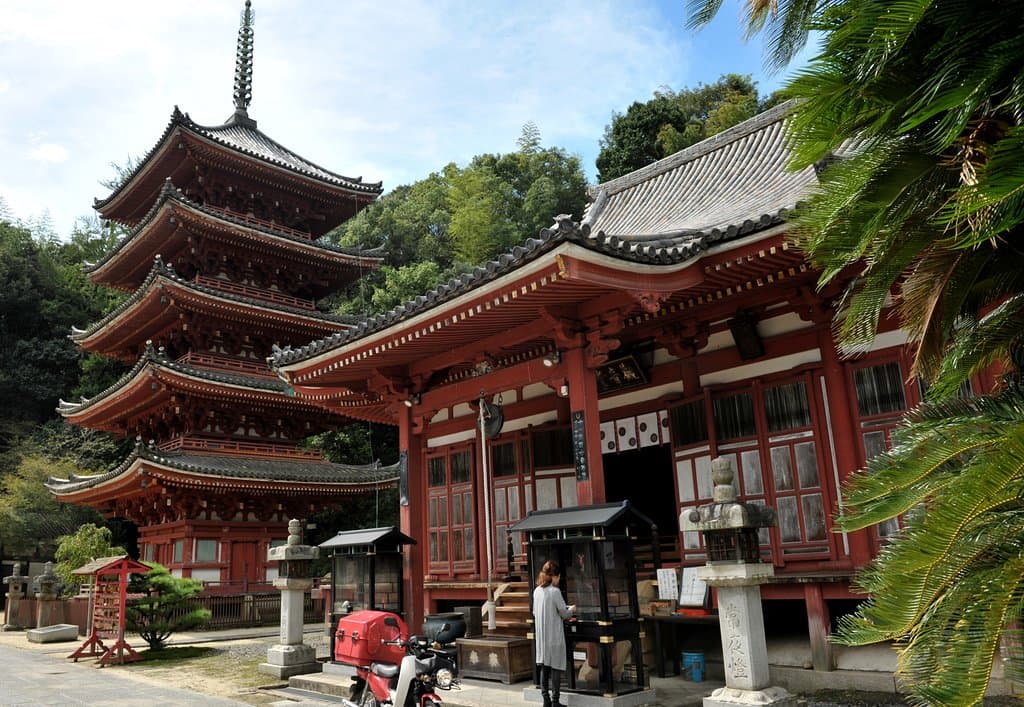
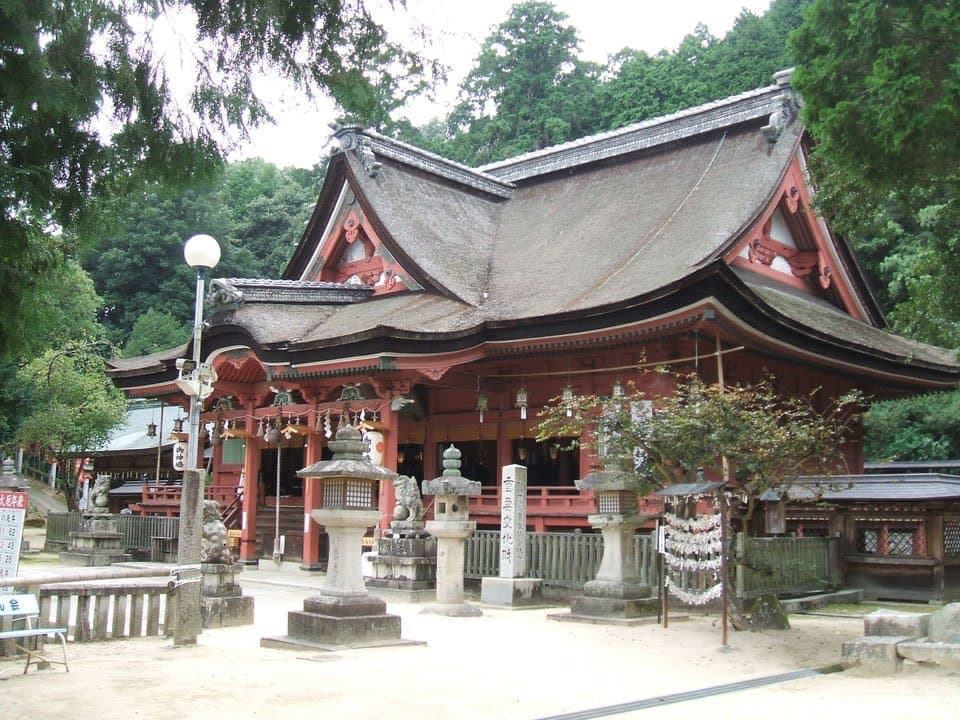
+1Beyond Kohtei, the complex includes buildings dating back to the Edo period, alongside a meticulously restored precious tearoom. This blend of historical structures and contemporary architectural vision creates a rich tapestry for exploration. The architecture itself serves as a conduit for experiencing Zen, with its clean lines and thoughtful integration into the landscape.
For architecture enthusiasts, the site offers a chance to appreciate how design can foster a sense of peace and introspection. The careful consideration of materials, space, and light contributes significantly to the overall serene ambiance of the museum and gardens.
Gardens of Tranquility and Autumn Splendor
During autumn, the gardens transform into a breathtaking spectacle of fall foliage, with leaves turning brilliant shades of red and gold. This seasonal beauty makes it one of the best places to witness the vibrant colors of Japanese autumn.
Visitors are encouraged to wander through the gardens at their own pace, allowing the peaceful atmosphere and natural scenery to inspire a sense of calm and mindfulness. The design of the gardens is intended to evoke contemplation and appreciation for the subtle beauty of nature.


Social
from TikTok, Instagram & Reddit