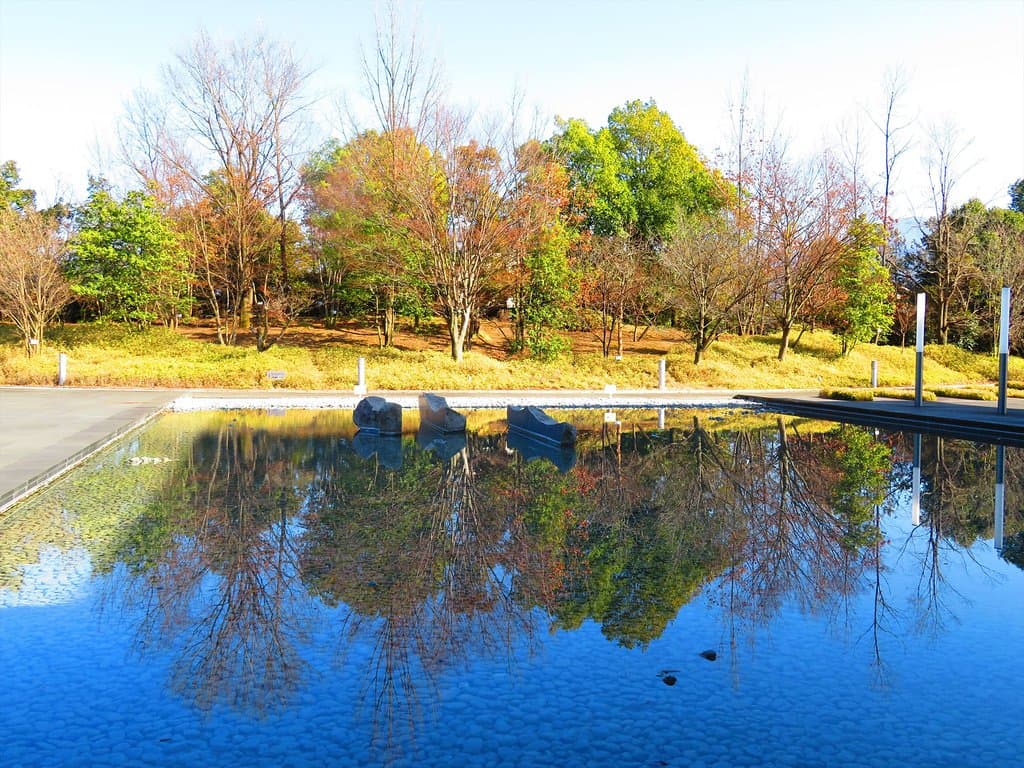
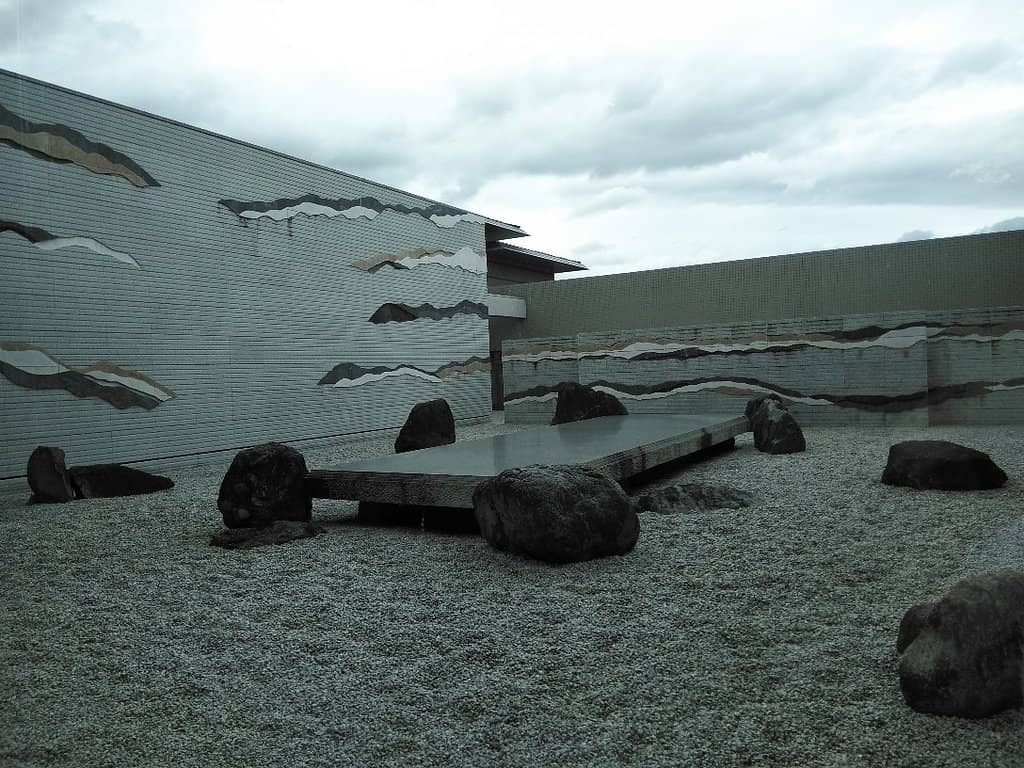
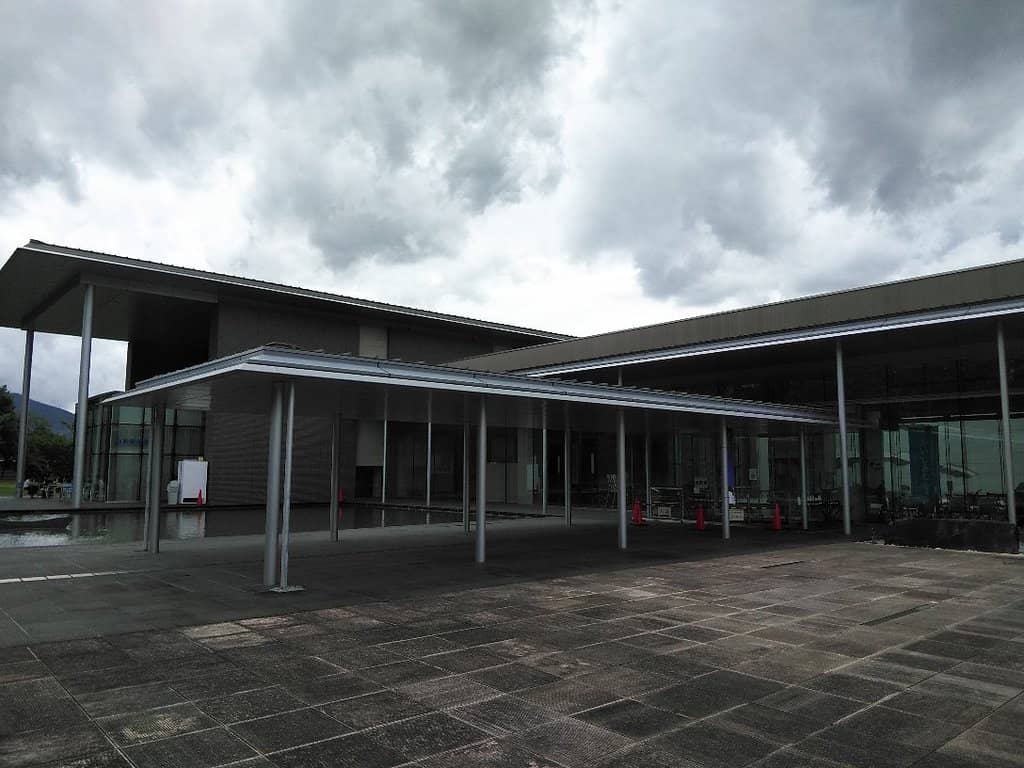
Yamanashi Prefectural Museum Fuefuki
Explore Yamanashi's rich history through engaging exhibits, from ancient Jomon pottery to Edo-period life and wartime classrooms.
Highlights
Must-see attractions

Social
From TikTok & Reddit
Best Time
Fewer crowds, more personal experience
Yamanashi Prefectural Museum Fuefuki
Best Time
Fewer crowds, more personal experience
Highlights
Must-see attractions
Explore Yamanashi's rich history through engaging exhibits, from ancient Jomon pottery to Edo-period life and wartime classrooms.
"A pretty solid prefectural museum, if considerably off the beaten path."
📱 Translation App Essential
Most exhibits are in Japanese. Use a translation app for a richer understanding of the displays .
🎧 Audio Guide Option
An audio guide is available for some English explanations, enhancing your visit if you need language support .
Quick Facts
Hours
Rating
4.1 · 1,252 reviews
Type
Museum
Highlights
Discover the most iconic attractions and experiences
Jomon Period Pottery
Entrance Multimedia Experience
An immersive multimedia show that brings ancient Jomon pottery to life with stunning visuals and themes.
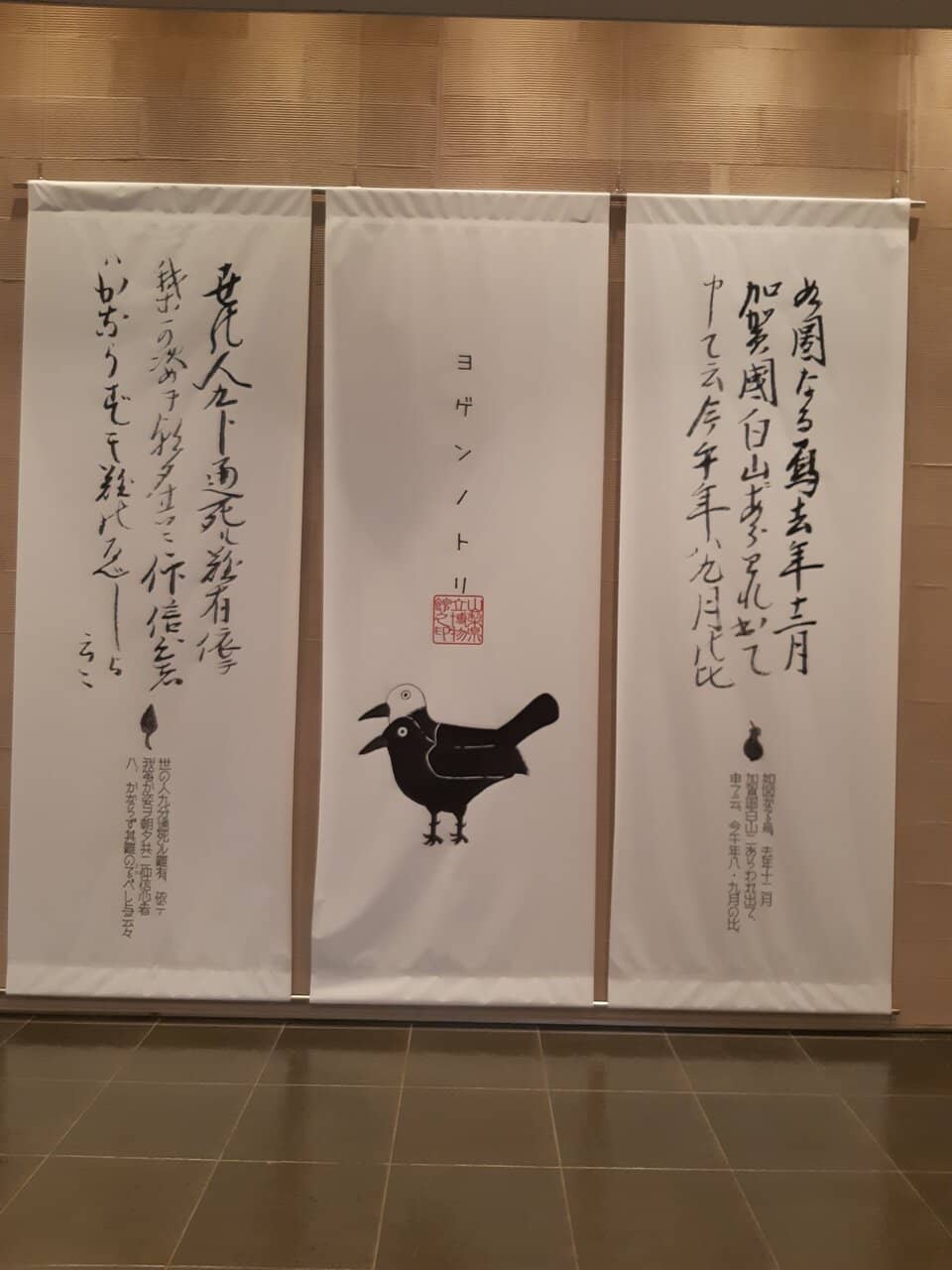
Edo Period Rural Life
Permanent Exhibition
Step back in time with detailed replicas of rural Edo-period Japan, offering a glimpse into daily life.
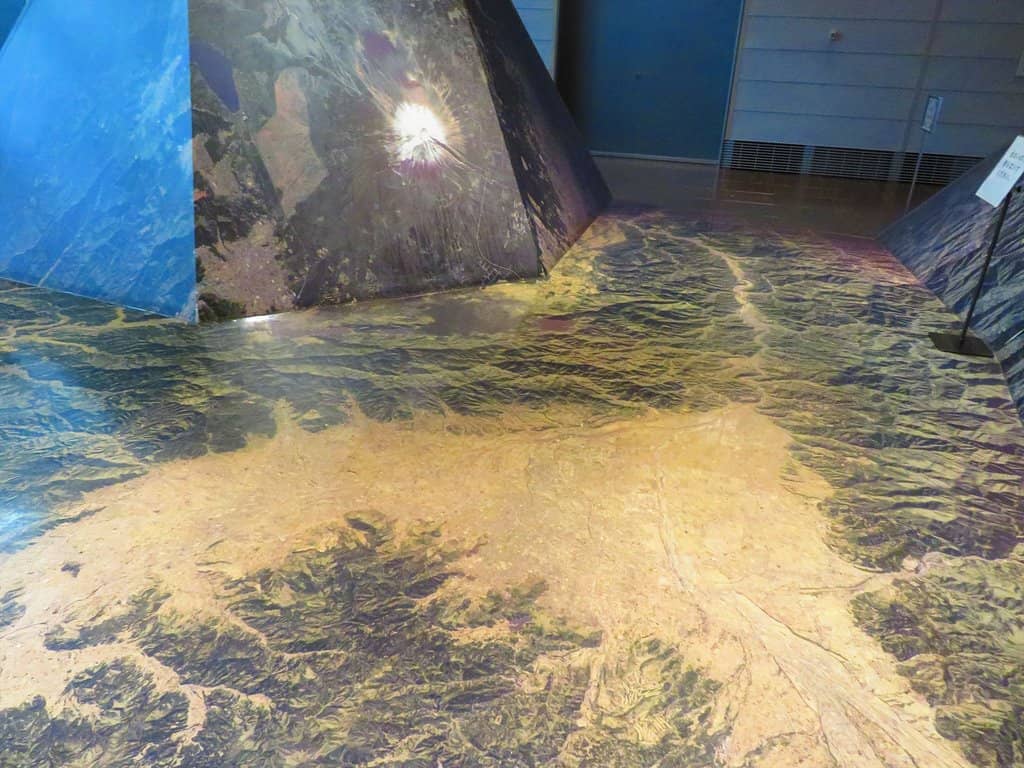
WWII Classroom Replica
Permanent Exhibition
An emotionally resonant exhibit depicting a wartime classroom, showcasing indoctrination and the impact of the atomic bombing.
Plans like a pro.
Thinks like you
Planning Your Visit
Language Barrier Awareness
Accessibility & Timing
Best Times
Insider Tips
from TikTok, Instagram & Reddit
📱 Translation App Essential
Most exhibits are in Japanese. Use a translation app for a richer understanding of the displays.
🎧 Audio Guide Option
An audio guide is available for some English explanations, enhancing your visit if you need language support.
🎟️ Combo Ticket Value
Consider the combo ticket for permanent and special exhibitions to get the most out of your visit.
🙏 Kind Staff Assistance
Museum staff are very helpful and will do their best to assist, even with language barriers.
Tips
from all over the internet
📱 Translation App Essential
Most exhibits are in Japanese. Use a translation app for a richer understanding of the displays.
🎧 Audio Guide Option
An audio guide is available for some English explanations, enhancing your visit if you need language support.
🎟️ Combo Ticket Value
Consider the combo ticket for permanent and special exhibitions to get the most out of your visit.
🙏 Kind Staff Assistance
Museum staff are very helpful and will do their best to assist, even with language barriers.
📵 No Phones Inside
Mobile phones are prohibited inside the museum, so plan accordingly for note-taking or translation.
What Travellers Say
Reviews Summary
Visitors find the Yamanashi Prefectural Museum Fuefuki to be a solid, albeit somewhat remote, museum offering a great historical overview of the prefecture. The exhibits, particularly the Jomon pottery multimedia and Edo period replicas, are praised for their informativeness and engaging nature. However, the significant language barrier is a recurring point of feedback, with most content being exclusively in Japanese.
"The museum was great, nice exhibits of feudal life in Yamanashi prefecture.
I know it's not a foreign tourist spot, but the exhibits could use maybe English wording as mobile phones are prohibited, so we couldn't use our phones for translation.
The five stars actually go to a young attendant working at the museum who despite the language barrier really gave her best to explain the central exhibit.
We did use phones at least for speech translation.
Thank you very much!"
dane7584
"A pretty solid prefectural museum, if considerably off the beaten path.
The permanent exhibition does a great job at walking you through the storied history of Yamanashi's past (albeit with a couple hundred year leaps) and there were tons of interactive exhibits at the end that were fun to mess around with.
When I went (July 2024) they were doing a special exhibition on animals in the Edo period in collaboration with the Edo-Tokyo museum, and that was spectacular. Lots of great pieces on display, and very informative on the history of animals in Japan.
Price: 1,250 (Permanent + Special Exhibition combo ticket)
Notes: There's an audio guide for some English explanations, but otherwise the museum is entirely in Japanese."
Daniel Cluxton
"This place offers great historical information, which includes artifacts used by the people of Japan hundreds if not over a thousand plus year in the past. Also we found information on medicine than killed people instead of saving them back then, as well as classroom setti gs, miniature parks and wear. A really amazing experience for a museum. Recommended."
Tony Leon
What People Like
What People Dislike
Frequently Asked Questions
🚇 🗺️ Getting There
The museum is noted as being 'considerably off the beaten path' and 'not necessarily easy to reach'. Public transport options might be limited, so researching local bus routes or considering a taxi from the nearest station is advisable. It's recommended to check the museum's official website for the most up-to-date transportation information and potential shuttle services.
Information regarding parking availability is not explicitly mentioned in the provided reviews. It's best to check the museum's official website or contact them directly to confirm if parking facilities are available for visitors.
While specific station names aren't listed, the museum's location suggests it's likely accessible via train to a nearby station in Fuefuki City, followed by a local bus or taxi. Researching train routes to Fuefuki City is a good starting point.
🎫 🎫 Tickets & Entry
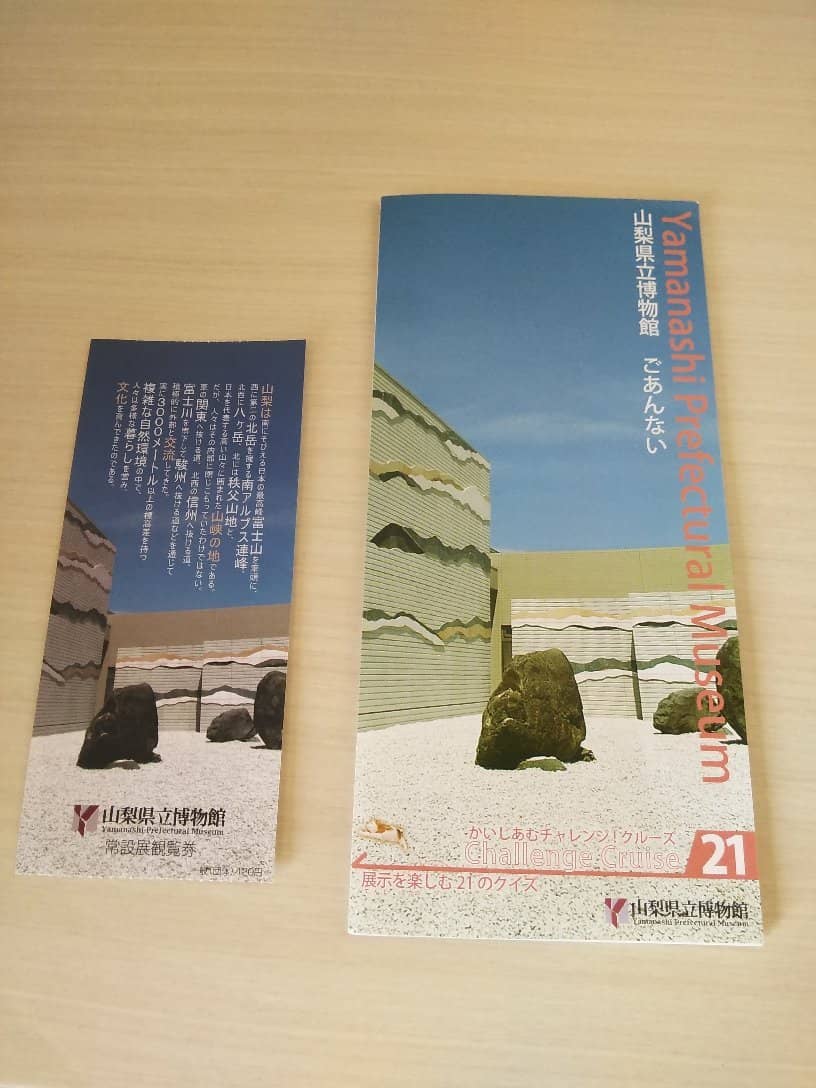
A combo ticket for the permanent and special exhibitions was priced at 1,250 yen in July 2024. It's advisable to check the official website for current pricing and any potential discounts.
Information on advance ticket purchases is not detailed in the reviews. It's recommended to check the museum's official website for booking options or to purchase tickets upon arrival.
Yes, a combo ticket for both permanent and special exhibitions is available. It's possible that separate tickets for individual exhibitions might also be offered, so inquire at the ticket counter.
Opening hours are not specified in the provided content. Visitors should consult the official Yamanashi Prefectural Museum Fuefuki website for the most accurate and up-to-date operating hours.
Special exhibitions appear to be an additional cost or part of a combo ticket. The price of 1,250 yen mentioned includes access to both permanent and special exhibitions.
🎫 🧭 Onsite Experience
The museum is primarily in Japanese. While an audio guide offers some English explanations, most exhibits lack English text.+1 A translation app is highly recommended.
No, mobile phones are prohibited inside the museum. You'll need to rely on an audio guide, a physical translation device, or pre-downloaded translation tools if allowed.
Yes, the museum features interactive exhibits, particularly at the end of the permanent exhibition, which were found to be fun to engage with.
The museum offers a range of exhibits, including historical replicas and emotionally gripping displays. While some content might be mature, the interactive elements and historical context could be engaging for older children. The WWII classroom replica might be sensitive for younger audiences.
The initial multimedia experience of the Jomon pot is described as a 'mind-bender,' with floor projections and explanations of symbolism, making it a captivating start to the visit.
🍽️ 🍽️ Food & Dining
Information about dining facilities within the museum is not provided in the reviews. It's advisable to check the museum's official website or plan to dine in the surrounding area.
Given that mobile phones are prohibited, it's likely that outside food and drinks may also be restricted. It's best to confirm this with the museum directly.
📸 📸 Photography
No, mobile phones are prohibited inside the museum, which strongly suggests that photography is not allowed.
Based on the prohibition of mobile phones, it's unlikely that photography is permitted in any area of the museum. Visitors should adhere to the museum's policy.


Social
from TikTok, Instagram & Reddit