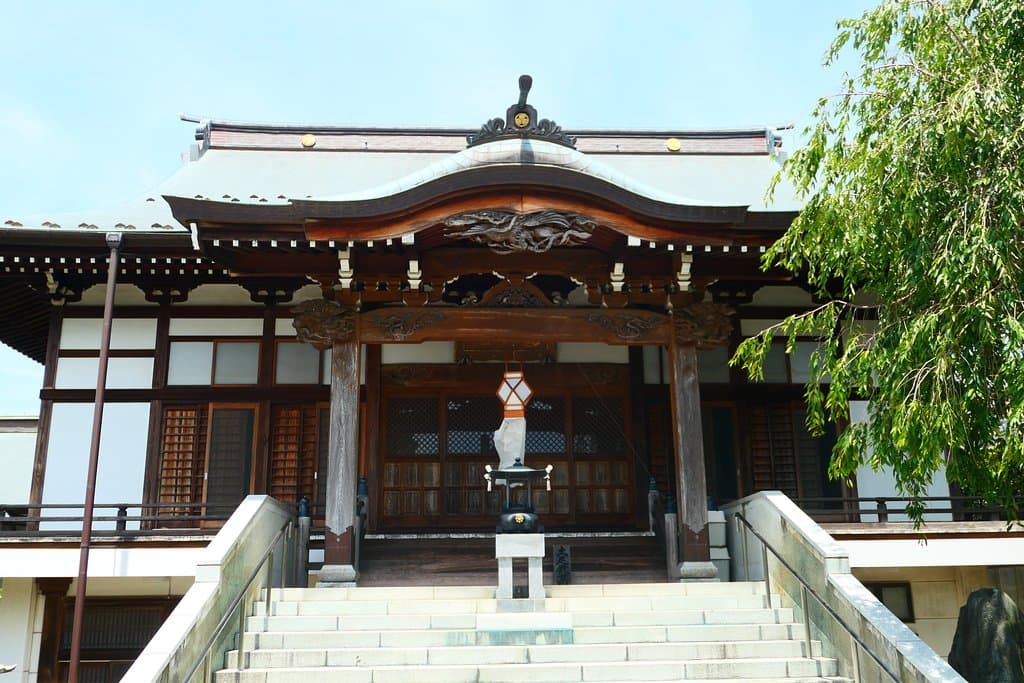
Sagami Kokubun-ji Temple
A serene temple successor to a Nara-period provincial site, featuring a Kamakura-era bell and panoramic city views.
Highlights
Must-see attractions

Social
From TikTok & Reddit
Best Time
Quiet contemplation
Sagami Kokubun-ji Temple
Best Time
Quiet contemplation
Highlights
Must-see attractions
A serene temple successor to a Nara-period provincial site, featuring a Kamakura-era bell and panoramic city views.
"The compact feel creates a great atmosphere with a panoramic view of the Ebina cityscape. "
🐾 Look for Temple Cats
Keep an eye out for resident cats; they add a charming touch to the temple grounds!
🚶♀️ Explore Original Site
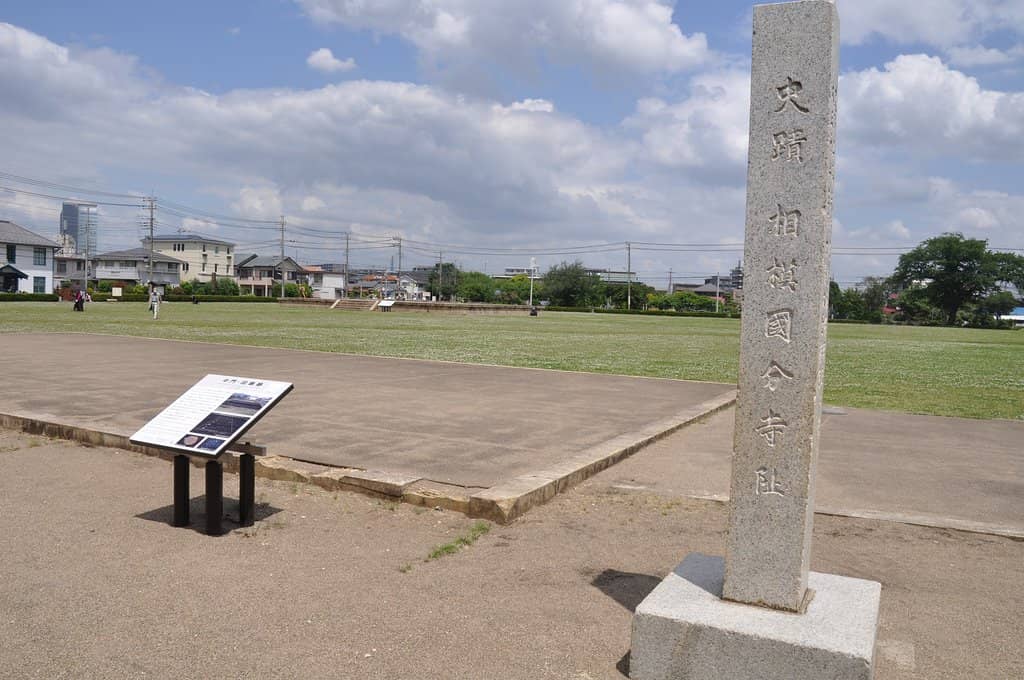
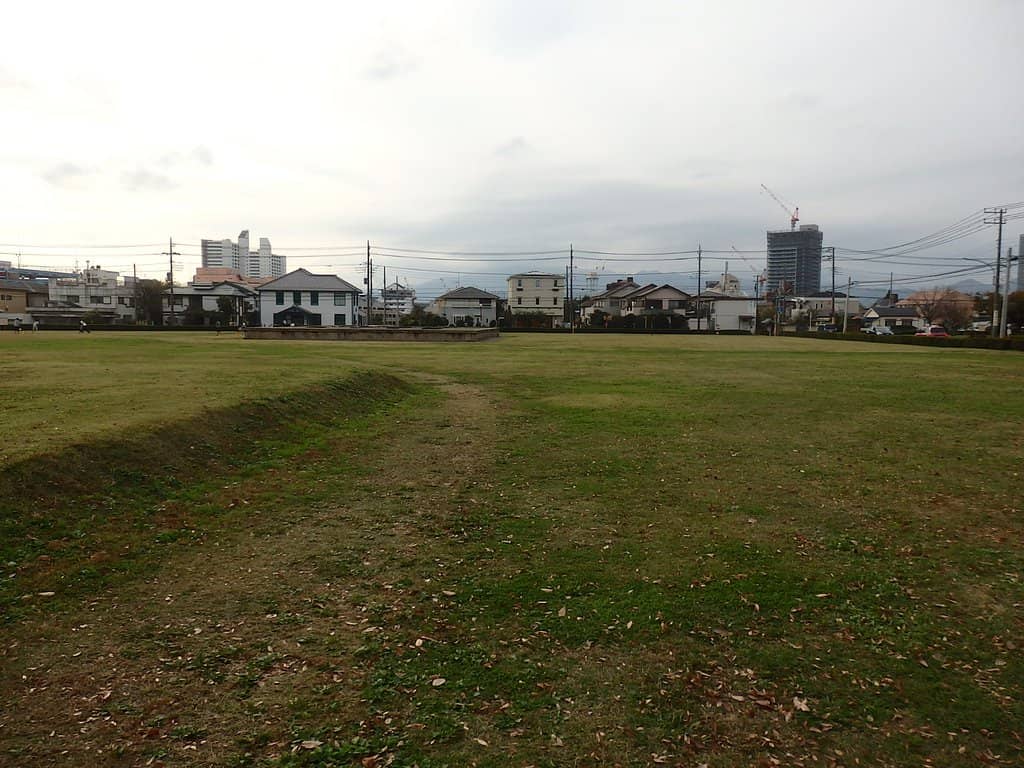
Don't miss the distant ruins of the original Sagami Kokubunji Temple for a deeper historical perspective.
Highlights
Discover the most iconic attractions and experiences
Kamakura Period Temple Bell
Bell Tower
A national important cultural property, this ancient bell offers a tangible link to the temple's long history.
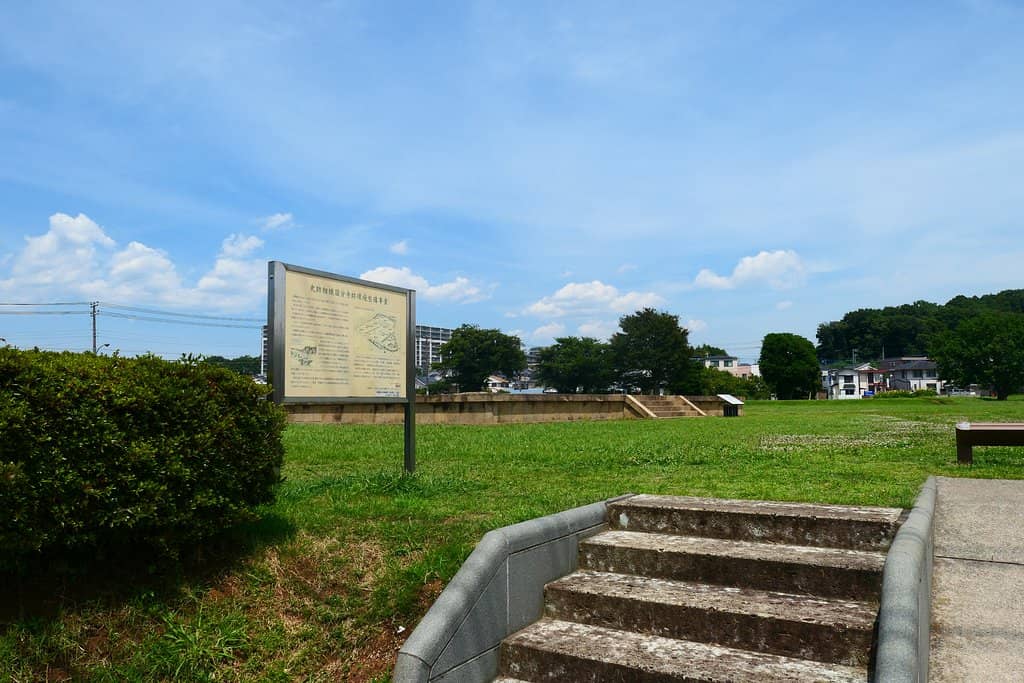
Panoramic City Views
Temple Hillside
Enjoy sweeping views of Ebina cityscape from the temple's elevated position.
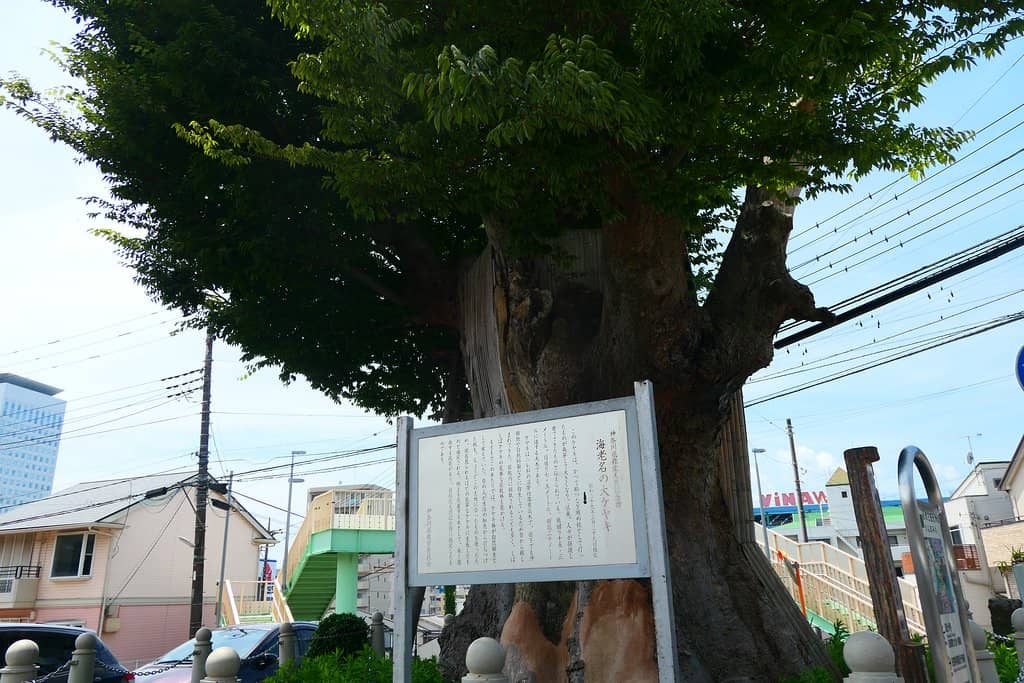
Reconstructed Seven-Story Pagoda
Central Square (Ebina Station)
A modern reproduction marking the site of the original Kokubunji Temple, a visual reminder of its past grandeur.
Plans like a pro.
Thinks like you
Planning Your Visit
Timing Your Visit for Serenity
Understanding the Historical Layers
Best Times
Insider Tips
from TikTok, Instagram & Reddit
🐾 Look for Temple Cats
Keep an eye out for resident cats; they add a charming touch to the temple grounds!
🚶♀️ Explore Original Site
Don't miss the distant ruins of the original Sagami Kokubunji Temple for a deeper historical perspective.
🕰️ Appreciate Rebuilt Structures
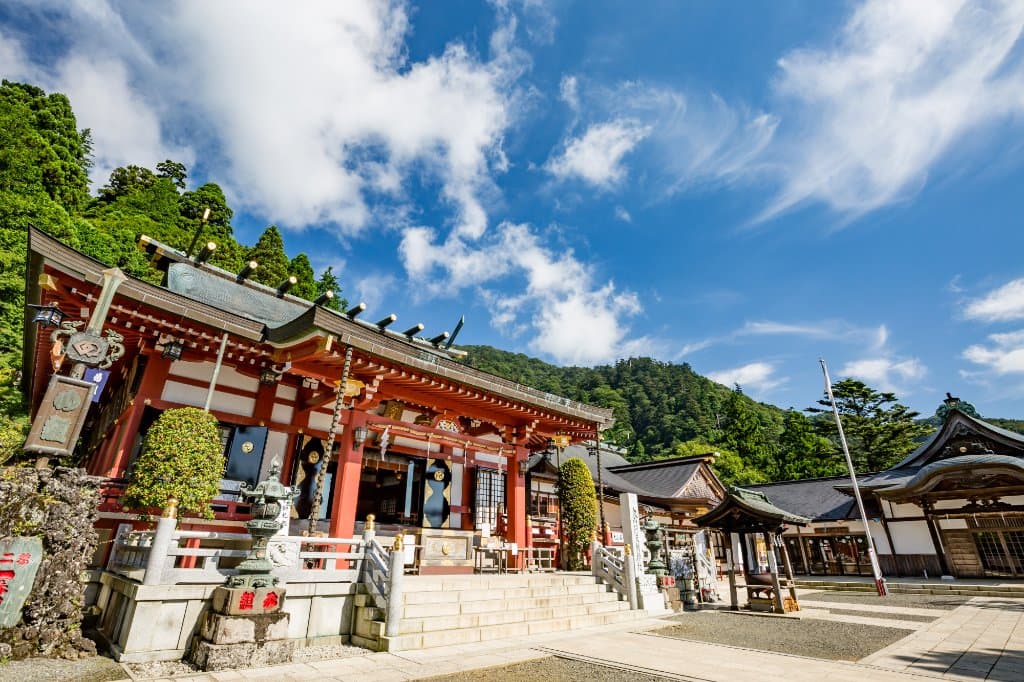
The main hall was rebuilt in 1994, showcasing a magnificent wooden structure.
Tips
from all over the internet
🐾 Look for Temple Cats
Keep an eye out for resident cats; they add a charming touch to the temple grounds!
🚶♀️ Explore Original Site
Don't miss the distant ruins of the original Sagami Kokubunji Temple for a deeper historical perspective.
🕰️ Appreciate Rebuilt Structures
The main hall was rebuilt in 1994, showcasing a magnificent wooden structure.
What Travellers Say
Reviews Summary
Visitors find Sagami Kokubun-ji Temple to be a beautiful and historically significant site, offering peaceful contemplation and lovely city views. The ancient temple bell is a particular highlight, and the chance to see resident cats adds to its charm. Some visitors note the compact nature of the grounds and the fact that certain historical elements are reproductions or ruins.
"Very beautiful temple, there is apparently sometimes cats running around here but I unfortunately saw none today"
キーまきゅー
"The current state of Sagami Kokubunji Temple, which was established by Emperor Shomu during the Nara Tenpyo period in response to an imperial edict to build provincial temples throughout the country.
It has been moved a little further from the site of the former Kokubunji temple and built on a small hill."
Kou K
"A temple of the Koyasan Shingon sect. Its mountain name is Tokozan, and its temple name is Ioin.
It is the successor to Sagami Kokubunji Temple.
Despite being burned down and restored many times, it fell into disrepair during the Muromachi period, and was burned down again during the Sengoku period.
It was relocated next to the Yakushido Hall, which survived the fire and was located on higher ground, but fell into disuse by the end of the Edo period,
and the Yakushido Hall burned down in 1910.
Many temple treasures were lost, but this was the catalyst for the temple's revival, with the construction of a temporary main hall for Kokubunji Temple.
Incidentally, the temple bell was cast for Kokubunji Nunnery in the Kamakura period and is designated a National Important Cultural Property.
Although the temple grounds are small, the compact feel creates a great atmosphere.
The view is especially great.
We spent some time admiring the ruins of Sagami Kokubunji Temple in the distance,
and eventually headed in that direction."
Goro Inogashira
What People Like
What People Dislike
Frequently Asked Questions
🚇 🗺️ Getting There
From Ebina Station, you can walk to the temple. The reconstructed seven-story pagoda in the central square marks the original site, and the successor temple is located on a nearby hillside.
Yes, the temple is accessible via public transport, with Ebina Station being the closest major transit hub. From there, it's a walk to the temple grounds.
While specific parking details aren't widely shared, driving to Ebina Station and then walking is a common approach. Check local parking options near the station.
🎫 🎫 Tickets & Entry
Information regarding entrance fees is not readily available, suggesting it may be free to enter the temple grounds.
Specific opening hours are not widely published, but temples are generally accessible during daylight hours. It's best to visit during the day.
The temple bell is a National Important Cultural Property and is part of the temple grounds. You can admire it from the bell tower.
🎫 🧭 Onsite Experience
You can see the main hall, the temple bell, the Yakushido Hall ruins, and enjoy panoramic views of Ebina. The grounds also contain a memorial stone.
Yes, the temple offers picturesque views, especially from the hillside, and the historic bell tower provides great photo opportunities.
Historically, special events like the public viewing of the Yakushi Triad have occurred, but these are infrequent (e.g., once every 12 years). Check local listings for any current events.
The Yakushi Triad is a significant Buddhist image, and its public viewing is a rare event, drawing considerable interest.
📸 📸 Photography
The hillside offers panoramic city views, and the bell tower with its Kamakura-period bell is a key photographic subject. The main hall also presents a beautiful architectural subject.
Photography rules inside temple halls can vary. It's advisable to look for signage or ask temple staff if unsure about restrictions.
Late afternoons often provide beautiful golden hour light, enhancing the temple's atmosphere and the surrounding views.
For Different Travelers
Tailored advice for your travel style
👨👩👧 Families with Kids
Encourage children to appreciate the historical aspects, like the ancient temple bell, and the panoramic views from the hillside. It's a good opportunity for a quiet, educational experience away from bustling city attractions. Remember to bring comfortable shoes for walking.
🚶 History Buffs & Culture Enthusiasts
Take time to explore the ruins of the original temple precincts and appreciate the resilience of the temple through its many reconstructions. The temple's designation as a national special historic site in its original form underscores its importance.
Deep Dives
In-depth insights and expert knowledge
The Enduring Legacy of Sagami Kokubun-ji
Over centuries, the temple has faced numerous challenges, including fires and periods of disrepair. Despite these setbacks, it has been rebuilt and restored, most notably the main hall, which was reconstructed in 1994 into a magnificent wooden structure. The temple bell, cast during the Kamakura period, stands as a testament to its enduring heritage and is designated a National Important Cultural Property.
Visitors can explore the compact yet atmospheric grounds, admire the well-preserved temple treasures, and reflect on the temple's long and resilient history. The presence of the reconstructed seven-story pagoda in Ebina's central square further emphasizes the historical importance of Kokubunji in the region.
Exploring Ebina's Historical Markers
Beyond the pagoda, the successor temple itself, located on a hillside, offers a different perspective. Here, visitors can find the Kamakura-period temple bell, a designated National Important Cultural Property, and the memorial stone for the "Nun's Crying Water." These elements, along with the ruins of the original temple precincts visible in the distance, create a layered historical experience.
These historical points of interest, including the temple bell and the memorial stone, are considered significant local attractions, sometimes referred to as 'karuta' targets, indicating their importance in local heritage and tourism.

Social
from TikTok, Instagram & Reddit