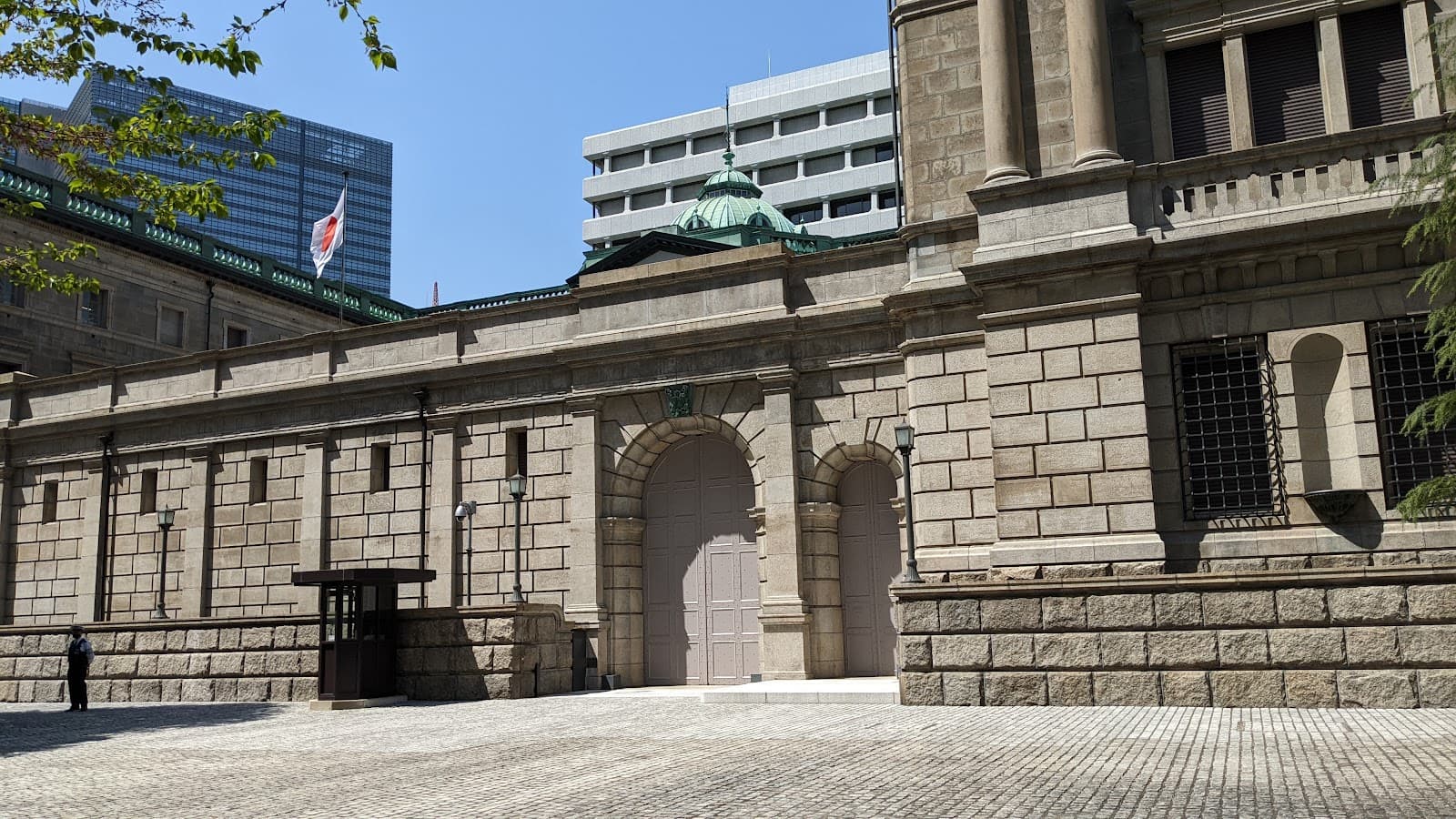
Bank of Japan
Explore Japan's financial heart with stunning Neo-Baroque architecture and a fascinating historical tour. Book ahead!
Highlights
Must-see attractions

Social
From TikTok & Reddit
Best Time
Secure your spot for tours
Bank of Japan
Best Time
Secure your spot for tours
Highlights
Must-see attractions
Explore Japan's financial heart with stunning Neo-Baroque architecture and a fascinating historical tour. Book ahead!
"The interior was even more amazing than expected, a wonderful experience that made us want to applaud. "

🎯 Book 90 Days Ahead
Reservations fill up fast! Aim to book your tour 90 days in advance via the official website. :ticket:
📸 Photography Allowed Inside
Capture the stunning architecture and exhibits. Photography is permitted in designated areas. :camerawithflash:

Highlights
Discover the most iconic attractions and experiences
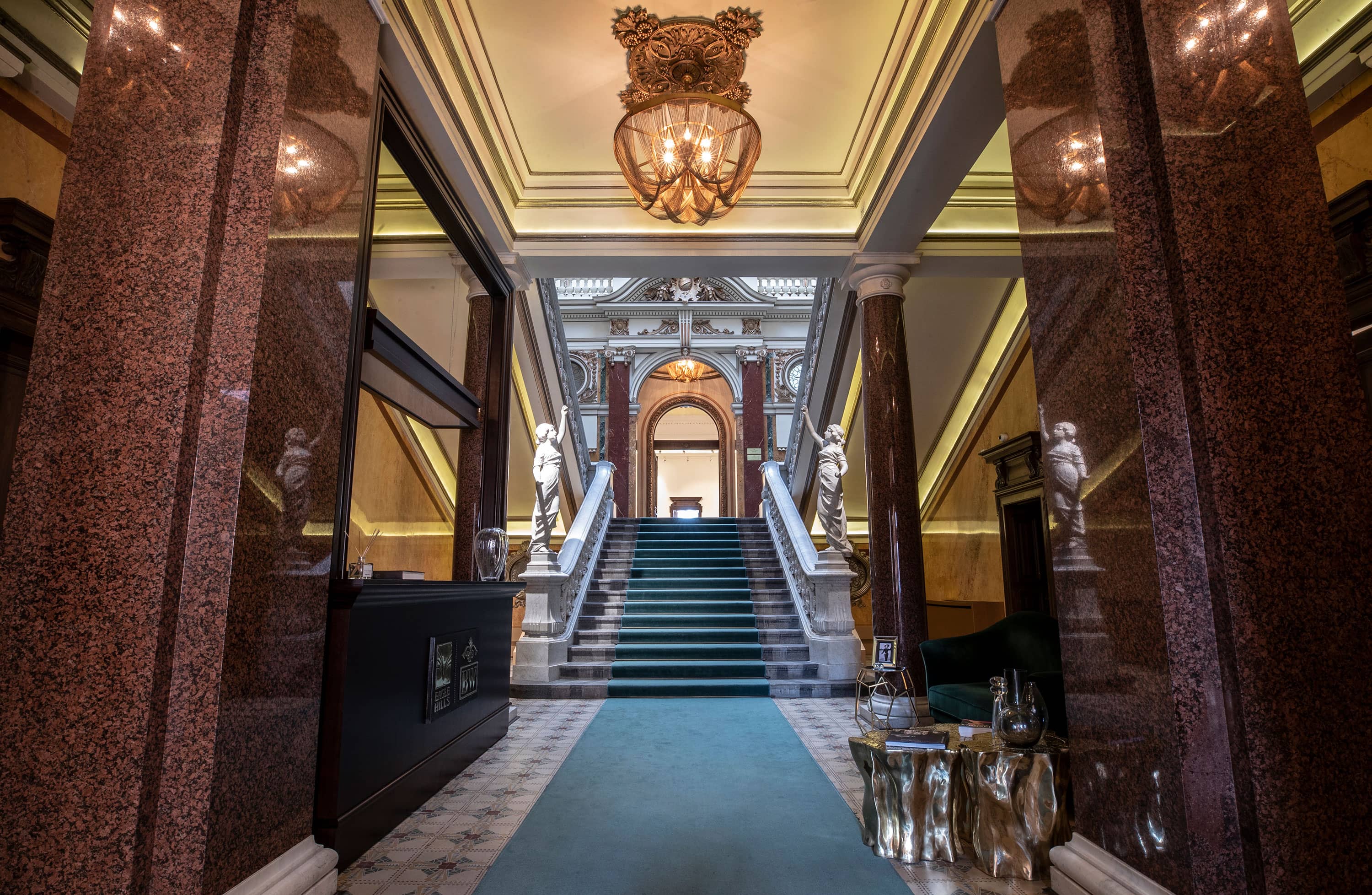
Neo-Baroque Architecture
Exterior and Interior
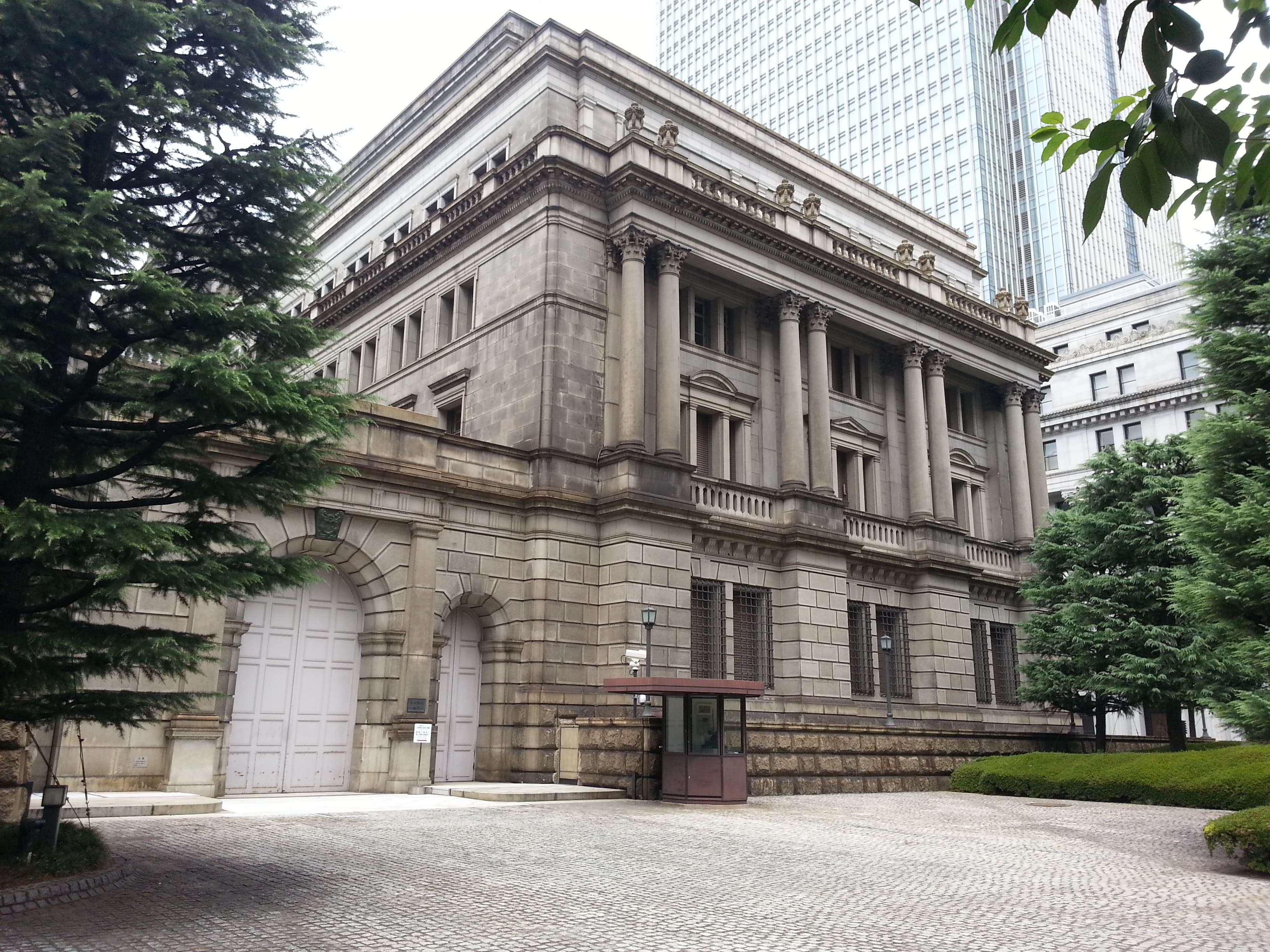
Marvel at the stunning Neo-Baroque design of this national important cultural property, completed in 1896.
The 25-Ton Vault Door
Inside the Bank
Witness the impressive scale of the bank's secure vault, a testament to its historical significance.

Interactive Currency Experience
Inside the Bank
Experience the weight of 100 million yen and compare your height to figures on banknotes.
Sakura Trees
Outside the Bank
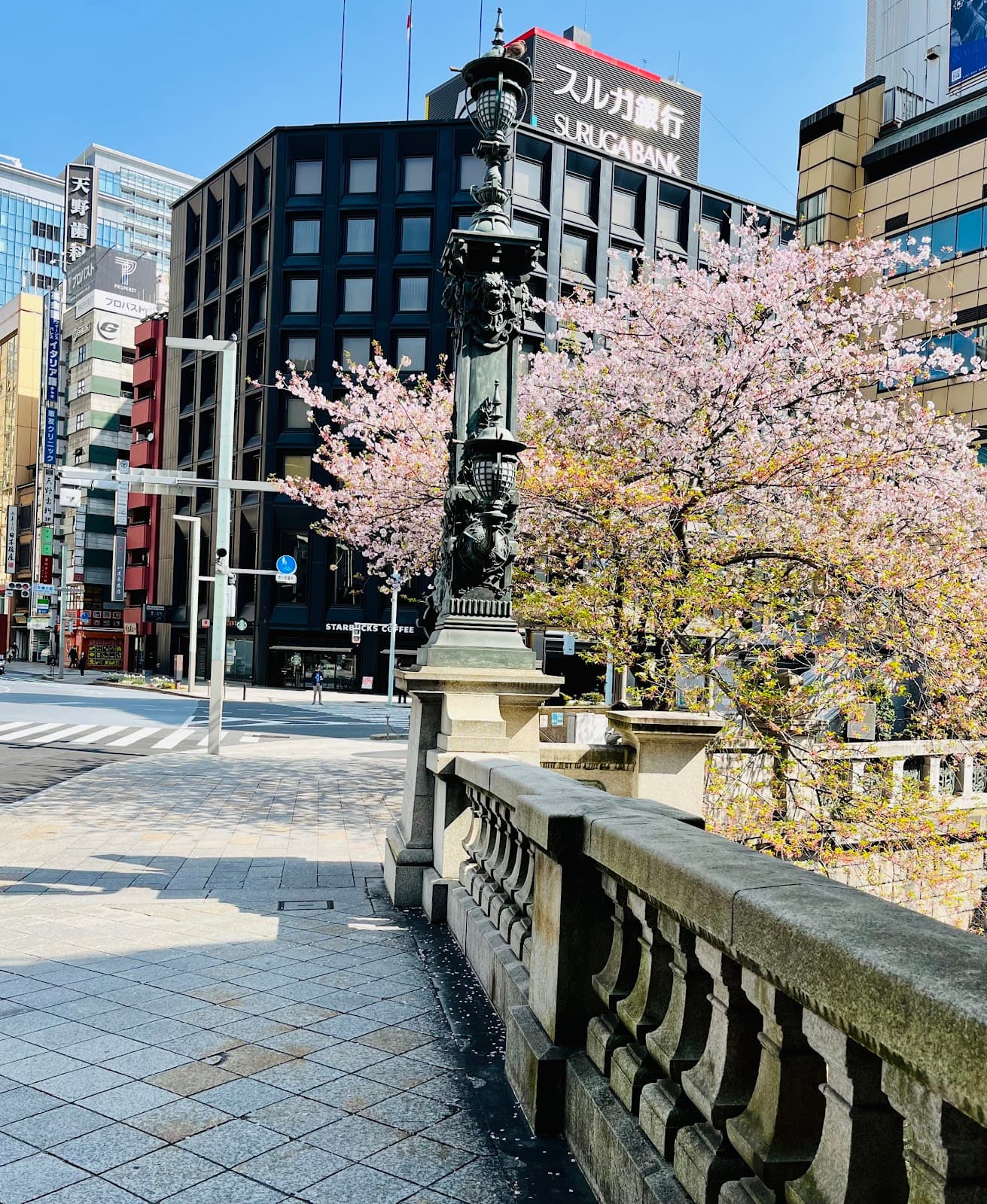
Enjoy the beautiful sakura trees lining the road outside the bank, especially stunning during cherry blossom season.
Plans like a pro.
Thinks like you
Planning Your Visit
Book Your Visit in Advance
Security and What to Expect
Best Times
Insider Tips
from TikTok, Instagram & Reddit
🎯 Book 90 Days Ahead
Reservations fill up fast! Aim to book your tour 90 days in advance via the official website. :ticket:
📸 Photography Allowed Inside
Capture the stunning architecture and exhibits. Photography is permitted in designated areas. :camerawithflash:
💳 Money Exchange Available
You can exchange damaged currency here. English is accommodated, making the process smoother. :moneywithwings:
🚶♂️ Dress Respectfully
While not strictly enforced, dressing neatly shows respect for the institution and its history. :shirt:
Tips
from all over the internet
🎯 Book 90 Days Ahead
Reservations fill up fast! Aim to book your tour 90 days in advance via the official website. :ticket:
📸 Photography Allowed Inside
Capture the stunning architecture and exhibits. Photography is permitted in designated areas. :camerawithflash:
💳 Money Exchange Available
You can exchange damaged currency here. English is accommodated, making the process smoother. :moneywithwings:
🚶♂️ Dress Respectfully
While not strictly enforced, dressing neatly shows respect for the institution and its history. :shirt:
⏳ Tour is One Hour
The guided tour is approximately one hour long, packed with history and insights. :hourglass:
What Travellers Say
Reviews Summary
Visitors praise the Bank of Japan for its stunning Neo-Baroque architecture and the fascinating historical insights offered during its tours. The interactive exhibits, like experiencing the weight of money and seeing the massive vault door, are highlights. While entry is free, booking tours well in advance is essential due to high demand. Some find the security checks and formal atmosphere a bit intense, but overall, it's considered a unique and educational experience.
"Historic building. Tourists can't enter. Sakura trees lining the road outside the building"
SL Y
"I went there to replace a torn 5,000 yen bill. Though the website tells you to make a reservation it wasn't necessary. There was bicycle parking at the noth entrance and various guards guiding you through the heavily guarded offices. It was no trouble exchanging money, they allowed me to write in English. A bit troublesome but quite the experience overall."
Laura
"Beautiful building, a nice example of Meiji era"
Dima Balandin
What People Like
What People Dislike
Frequently Asked Questions
🚇 🗺️ Getting There
The Bank of Japan is centrally located in Tokyo. It's easily accessible by public transport, with several subway stations nearby. Consider using Google Maps or a local transit app for the most efficient route from your location.
Yes, there is bicycle parking available at the north entrance. For car parking, it's advisable to check for nearby public parking garages as on-site parking for visitors is limited.
While the website advises making a reservation, some visitors have reported that it wasn't strictly necessary for all visits, especially for services like currency exchange. However, for tours, booking in advance is highly recommended.
The nearest stations are typically Nihombashi Station (served by the Tokyo Metro Ginza Line, Tozai Line, and Toei Asakusa Line) and Mitsukoshi-mae Station (served by the Tokyo Metro Ginza Line and Hanzomon Line).
Information on accessibility for visitors with disabilities is best confirmed directly with the Bank of Japan. Given its historical nature, some areas might have limitations, but efforts are usually made to accommodate.
🎫 🎫 Tickets & Entry
Tickets are generally not required for casual visits or currency exchange. However, for the historical tour, advance reservations are essential and can fill up quickly.
Entry to the Bank of Japan for tours and general visits is typically free of charge. The main cost would be transportation to get there.
Opening hours can vary, especially for tours. It's crucial to check the official Bank of Japan website for the most up-to-date information on tour schedules and any public access hours.
It is highly recommended to book your tour at least 90 days in advance, as reservations are often required and fill up rapidly. :calendar:
A strict ID check is part of the entry process. Ensure you have a valid form of identification with you when you visit. :id_card:
🎫 🏛️ Onsite Experience
Yes, photography is allowed in certain areas of the Bank of Japan, particularly within the courtyard and exhibition spaces. Be sure to follow any posted signage regarding photography restrictions. :camerawithflash:
The tour lasts about an hour and covers the building's history, architecture, and the role of the bank. You'll see the impressive vault door and interactive exhibits.
While not explicitly mentioned as a typical tourist attraction gift shop, there might be opportunities to acquire commemorative items or information materials related to the bank's history.
The Bank of Japan building is a national important cultural property, completed in 1896. It's a significant example of Neo-Baroque architecture and has played a crucial role in Japan's financial history.
Yes, you can exchange damaged currency at the Bank of Japan. The process is straightforward, and they accommodate English speakers. :moneywithwings:
🎫 🌸 Nearby Attractions
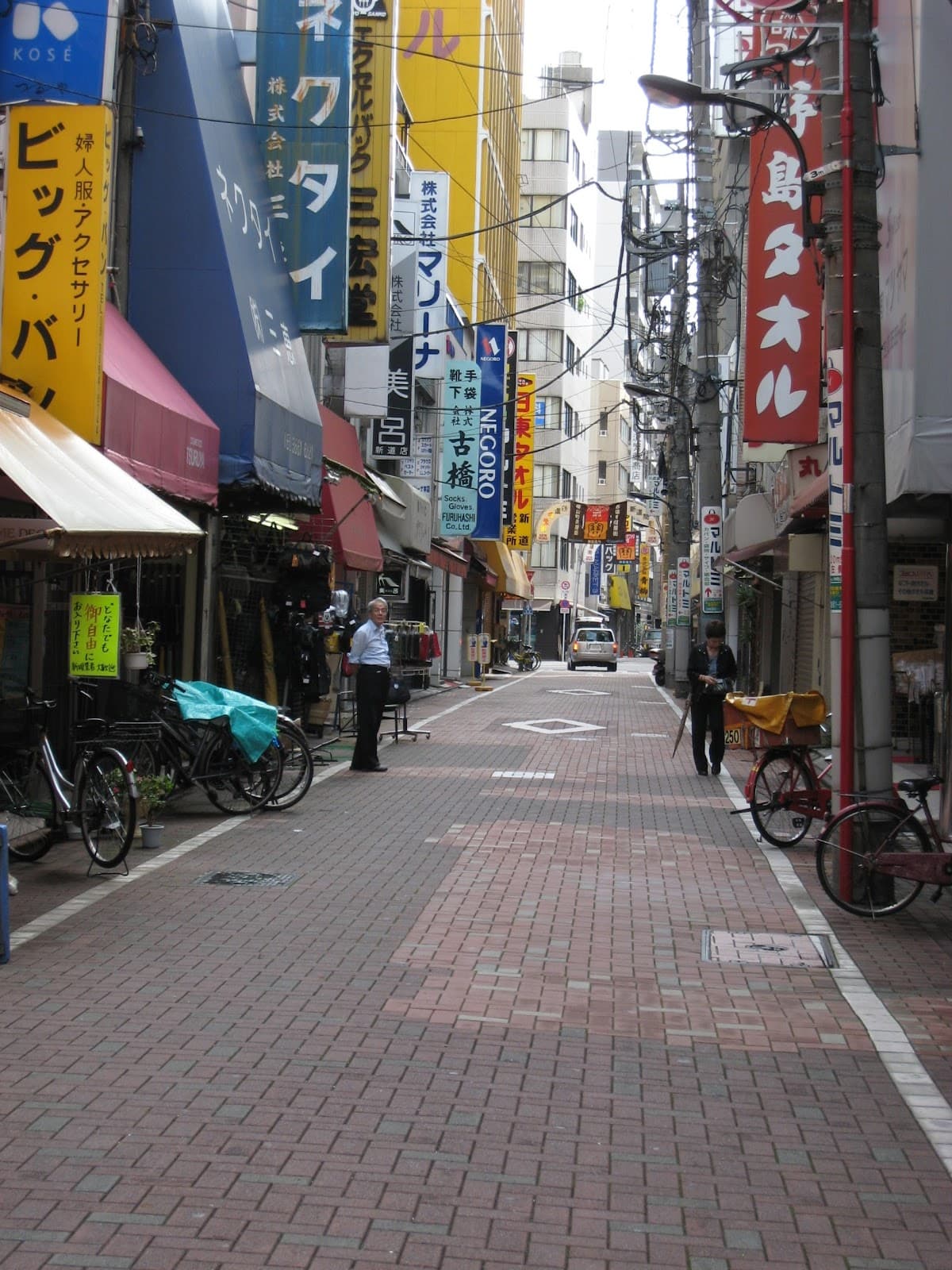
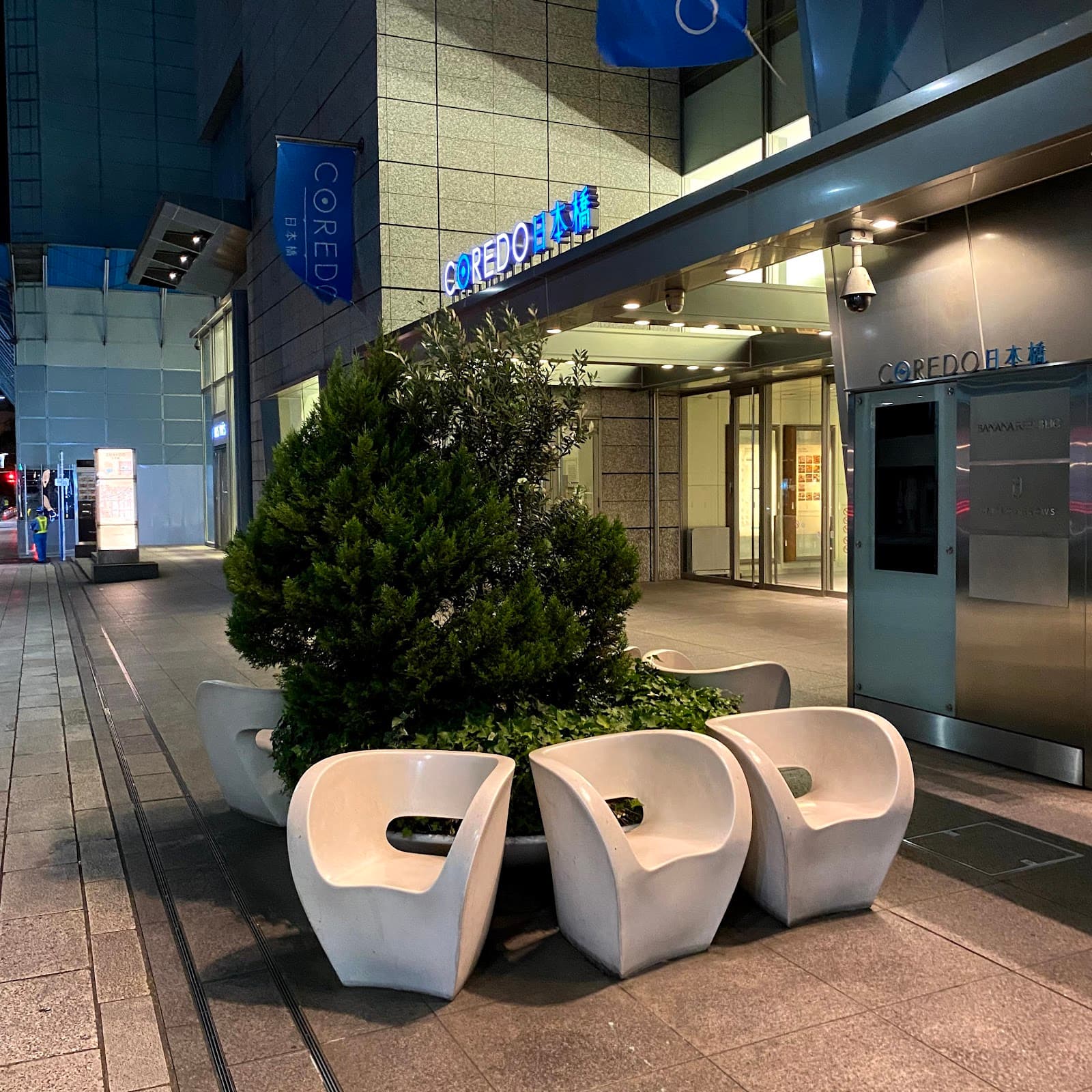
The Bank of Japan is located in the Nihonbashi district, a historic commercial center. Nearby attractions include the Mitsukoshi Department Store, Takashimaya, and the historic bridge itself. The sakura trees outside are also a highlight.
Nihonbashi offers a wide array of dining options, from traditional Japanese cuisine to modern cafes and international restaurants. Explore the department store basements (depachika) for diverse food choices.
Nihonbashi is a fantastic area for shopping, known for its historic department stores like Mitsukoshi and Takashimaya, as well as specialty shops. It offers a blend of traditional and contemporary retail experiences.
Nihonbashi is historically significant as the 'zero kilometer' point of Japan's national highway network. The iconic Nihonbashi bridge is a symbol of the area's commercial importance throughout history.
Yes, the Imperial Palace is a relatively short subway or taxi ride away from the Bank of Japan, making it a feasible addition to your itinerary.
For Different Travelers
Tailored advice for your travel style
👨👩👧 Families with Kids
While the tour is about an hour long, it's generally paced well. Ensure children are aware of the need for respectful behavior in a formal institution. The sakura trees outside are a beautiful bonus, especially if visiting during cherry blossom season, offering a natural element to balance the historical and financial focus.
🏛️ Architecture Enthusiasts
Designed by Tatsuno Kingo, the architect behind Tokyo Station, the building stands as a national important cultural property. Visitors often remark on how the interior surpasses expectations, offering a rich visual experience. The courtyard is a particularly photogenic spot, allowing for appreciation of the building's scale and design.
💰 Finance & History Buffs
The building itself is a historical artifact, representing a period of significant modernization and Westernization in Japan. Understanding the Bank of Japan's journey is key to understanding Japan's economic trajectory. The currency exchange service for damaged bills also offers a practical, albeit minor, connection to the bank's core functions.
Deep Dives
In-depth insights and expert knowledge
A Glimpse into Japanese Financial History
Visitors often express awe at the historical significance of the site, noting how the preserved interiors and exhibits bring the past to life. The experience is not just about finance; it's a deep dive into a crucial aspect of Japan's modernization and industrialization. The 25-ton vault door is a particularly striking feature, symbolizing the security and importance of the institution.
Beyond the financial aspects, the architectural grandeur is a major draw. The meticulous design, from the imposing exterior to the detailed interiors, showcases a pivotal era in Japanese architectural history. It's a place where history, finance, and art converge, offering a rich and educational experience for those interested in any of these fields.
Navigating Your Visit: Practicalities and Tips
Upon arrival, expect a security check, similar to entering other official buildings. While photography is generally permitted in designated areas, it's always wise to be observant of any restrictions. The tour itself is a well-paced one-hour experience, packed with information and visual highlights. Visitors often appreciate the interactive elements, such as experiencing the weight of a large sum of money.
For those needing to exchange damaged currency, the Bank of Japan offers this service. Travelers have noted that the process is accommodating, even for those who primarily speak English. This practical service adds another layer of utility to a visit that is already rich in historical and architectural appeal.


Social
from TikTok, Instagram & Reddit