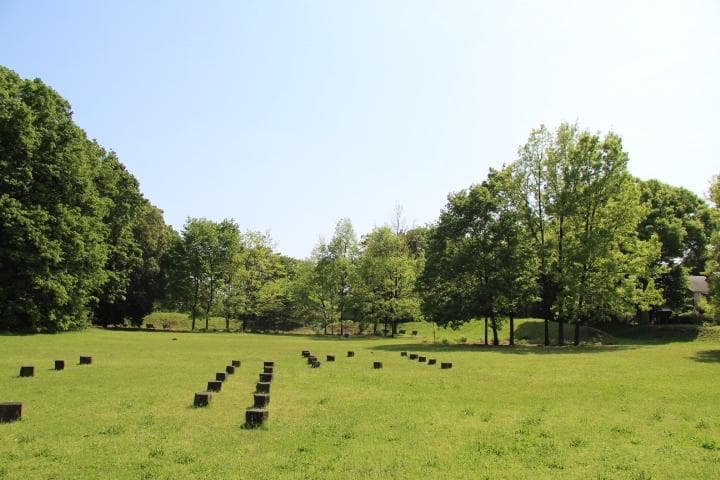
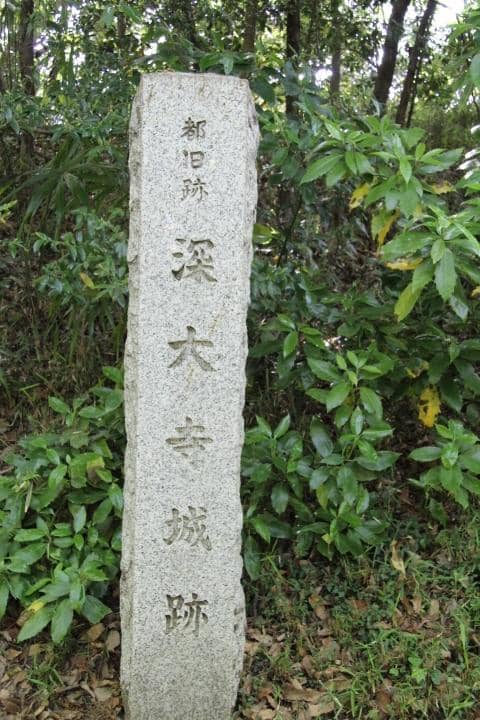
Jindaiji Castle Ruins
Explore the serene earthworks and moats of Jindaiji Castle Ruins, a historical site nestled within Tokyo's beautiful Jindai Botanical Garden.
Highlights
Must-see attractions

Social
From TikTok & Reddit
Best Time
Enhances the natural beauty
Jindaiji Castle Ruins
Best Time
Enhances the natural beauty
Highlights
Must-see attractions
Explore the serene earthworks and moats of Jindaiji Castle Ruins, a historical site nestled within Tokyo's beautiful Jindai Botanical Garden.
"It's more like a park than a castle, but the scenery is pretty and the earthworks are well-maintained."
Manage Expectations
It's mostly earthworks, not a traditional castle. Enjoy the park-like setting!
Check Garden Access
Some entrances might be closed; verify access to the Aquatic Plant Garden.
Quick Facts
Hours
Rating
3.8 · 203 reviews
Type
Historical Landmark
Highlights
Discover the most iconic attractions and experiences
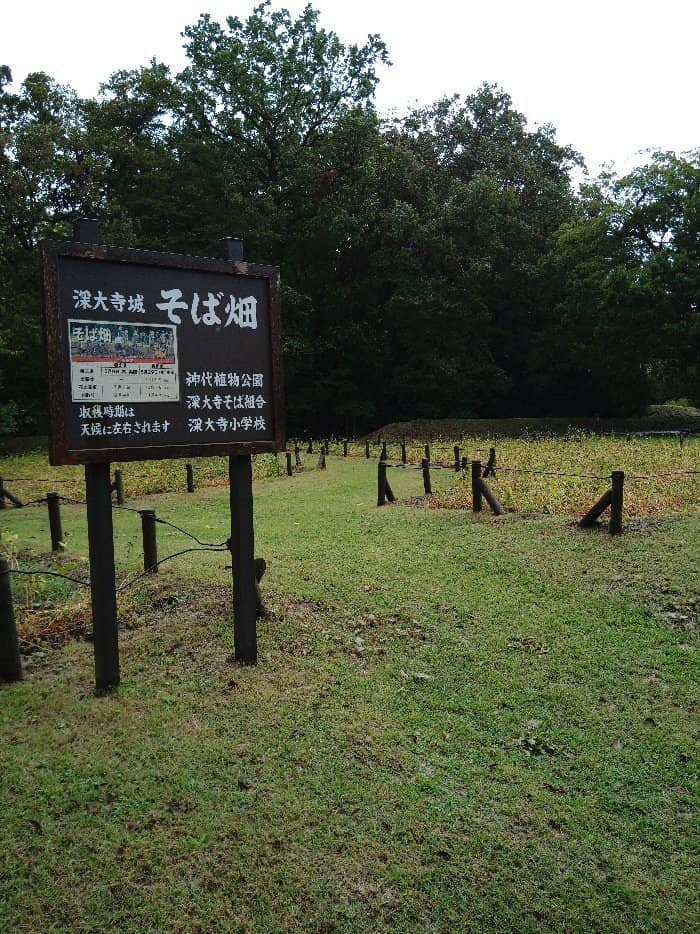
Preserved Earthworks
Jindai Botanical Garden
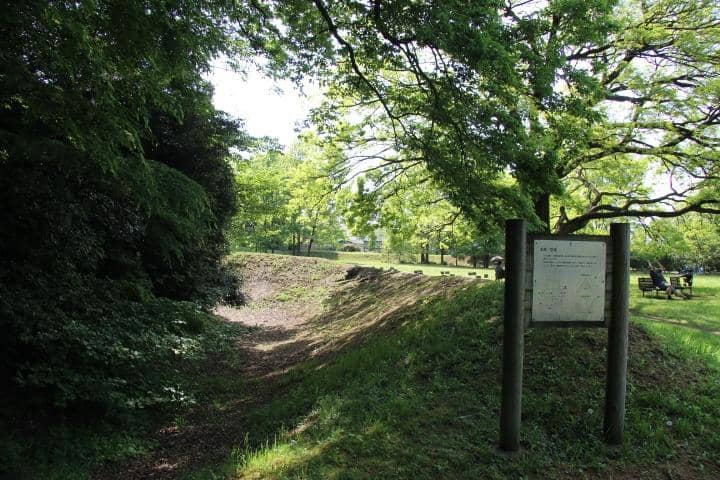
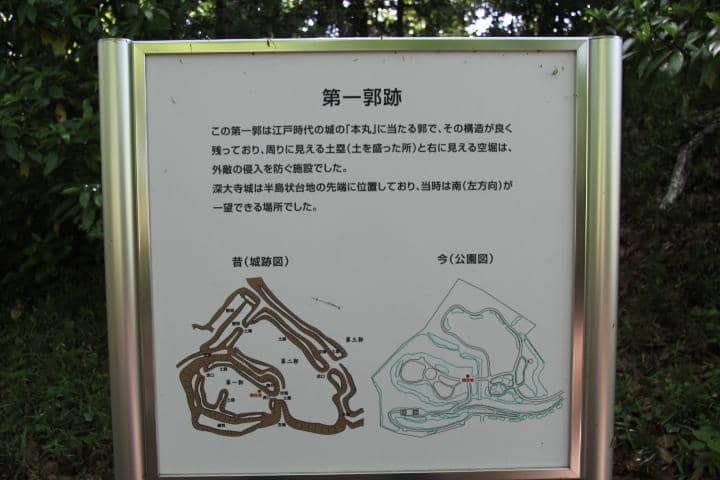
Explore the well-maintained dry moats and defensive earthworks, offering a glimpse into ancient fortifications.
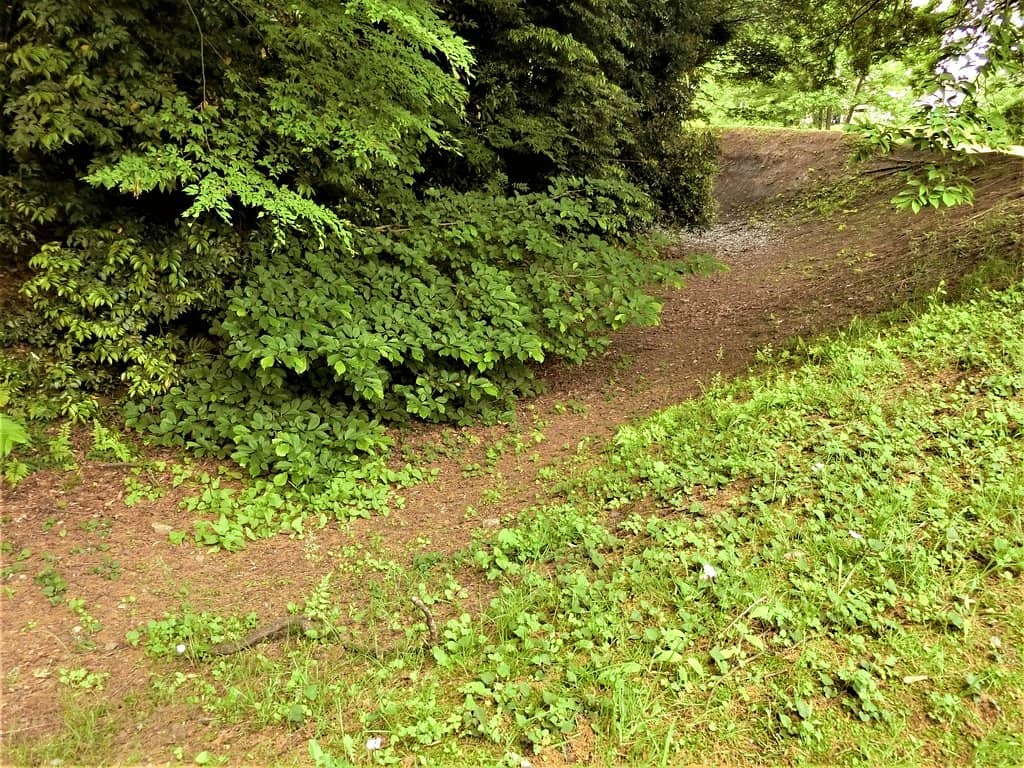
Scenic Green Spaces
Jindai Botanical Garden
Enjoy the peaceful, carpet-like greens and natural scenery that now covers the former castle grounds.
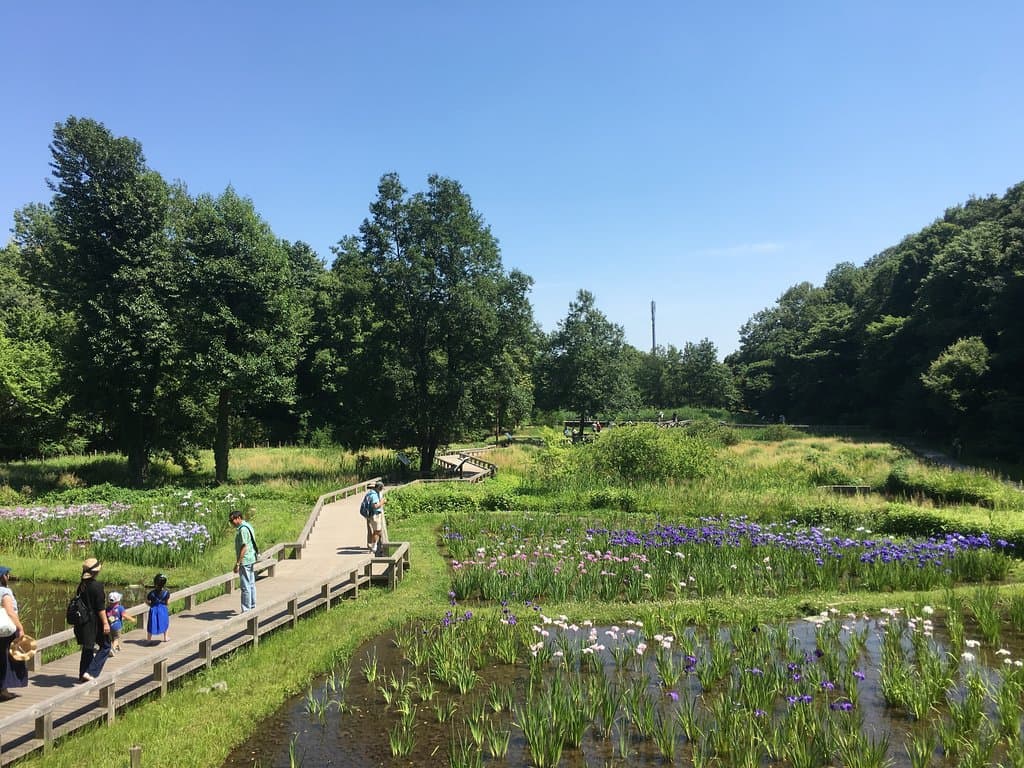
Aquatic Plant Garden
Jindai Botanical Garden
Wander through the serene aquatic plant garden, a beautiful setting adjacent to the castle ruins.
Plans like a pro.
Thinks like you
Planning Your Visit
Manage Expectations: It's More Park Than Palace
Access & Gardens
Best Times
Insider Tips
from TikTok, Instagram & Reddit
Manage Expectations
It's mostly earthworks, not a traditional castle. Enjoy the park-like setting!
Check Garden Access
Some entrances might be closed; verify access to the Aquatic Plant Garden.
Wear Comfortable Shoes
You'll be walking around the grounds and gardens. :athletic_shoe:
Parking Nearby
Coin and paid parking lots are available close to the gardens.
Tips
from all over the internet
Manage Expectations
It's mostly earthworks, not a traditional castle. Enjoy the park-like setting!
Check Garden Access
Some entrances might be closed; verify access to the Aquatic Plant Garden.
Wear Comfortable Shoes
You'll be walking around the grounds and gardens. :athletic_shoe:
Parking Nearby
Coin and paid parking lots are available close to the gardens.
What Travellers Say
Reviews Summary
Visitors find Jindaiji Castle Ruins to be a peaceful historical site, appreciated for its well-maintained earthworks and scenic park-like setting within the botanical gardens. While some note the lack of traditional castle structures, the natural beauty and historical remnants offer a pleasant experience for those managing expectations.
"The castle remains are really just have a few stone blocks marking the excavation site. It's more like a park than a castle. But the scenery is pretty."
Sadaf Shaikh
"Nothing really remains of the castle... Soba fields in place of battlements, wonder how they even find it out. Nice carpet of greens"
Rose Chuang
"It is located in the Jindai Botanical Garden Aquatic Plant Garden. Google Maps says that there is also an entrance to the south near the Chuo Expressway, but when I went there today, it was closed.
The castle ruins still have earthworks and dry moats, and the remains of the buildings are now a small plain that looks nice to visit on a sunny day.
By the way, some parts of the castle ruins are off-limits. 2025.06.21"
g i a r a
What People Like
What People Dislike
Frequently Asked Questions
🚇 🗺️ Getting There
Jindaiji Castle Ruins are considered accessible from central Tokyo. Public transport options typically involve trains to nearby stations followed by a bus or taxi. Specific routes will depend on your starting point in Tokyo.
Yes, there are coin and paid parking lots located on the road between the aquatic botanical gardens and Jindaiji temple. It's a short walk from these lots to the ruins.
While specific details vary, it's generally reachable by public transport, often involving a train journey to a station like Chofu or Kichijoji, followed by a bus. It's advisable to check current public transport schedules and routes.
The ruins are located within the Jindai Botanical Garden's Aquatic Plant Garden. Some entrances, like the one south near the Chuo Expressway, may be closed, so it's best to confirm the open access points.
Combining train travel to a nearby station with a bus is a common method. For those driving, ample parking is available nearby.
🎫 🎫 Tickets & Entry
The castle ruins are located within the Jindai Botanical Garden. You will likely need to pay an admission fee for the garden to access the ruins. Check the official garden website for current pricing and hours.
The opening hours are determined by the Jindai Botanical Garden. It's recommended to check the garden's official website for the most up-to-date information on operating hours.
Yes, some parts of the castle ruins site may be off-limits for preservation or safety reasons. It's important to respect any posted signs and restricted areas.
While the ruins themselves are a historical site, they are situated within the Jindai Botanical Garden, which typically has an admission fee.
The ruins are accessible as long as the Jindai Botanical Garden is open. Seasonal closures or specific event-related access changes are possible, so checking the garden's schedule is advised.
🎫 🏞️ Onsite Experience
You can see the remains of earthworks, dry moats, and the first and second baileys. The foundation stones are reconstructions. The site is now a scenic park.
It can be a pleasant outing, especially on a sunny day, due to the park-like setting and botanical gardens. However, with limited castle structures, it might be more engaging for older children interested in history.
The castle was significant during the Warring States period, with notable conflicts between the Ogigayatsu Uesugi clan and the Odawara Hojo clan occurring in the area.
As the ruins are within the Jindai Botanical Garden, facilities like restrooms and walking paths are available within the garden.
A leisurely stroll is recommended to appreciate the preserved earthworks and the surrounding natural beauty of the botanical garden.
📸 📸 Photography
The preserved earthworks and moats offer unique historical perspectives. The surrounding botanical gardens, especially the aquatic plant areas, provide beautiful natural backdrops.
Photography is generally allowed within the Jindai Botanical Garden, including the areas of the castle ruins. However, always be mindful of any specific garden regulations.
A versatile camera that can handle both landscape and detail shots would be ideal. Consider a wide-angle lens for the expansive grounds and a macro lens for botanical details.
Early morning or late afternoon often provides softer light, ideal for photography. Sunny days enhance the greenery, but can also lead to harsher shadows.
Drone usage is typically restricted in botanical gardens and historical sites to protect the environment and visitors. It's essential to check the specific drone regulations for Jindaiji Botanical Garden before flying.

Social
from TikTok, Instagram & Reddit