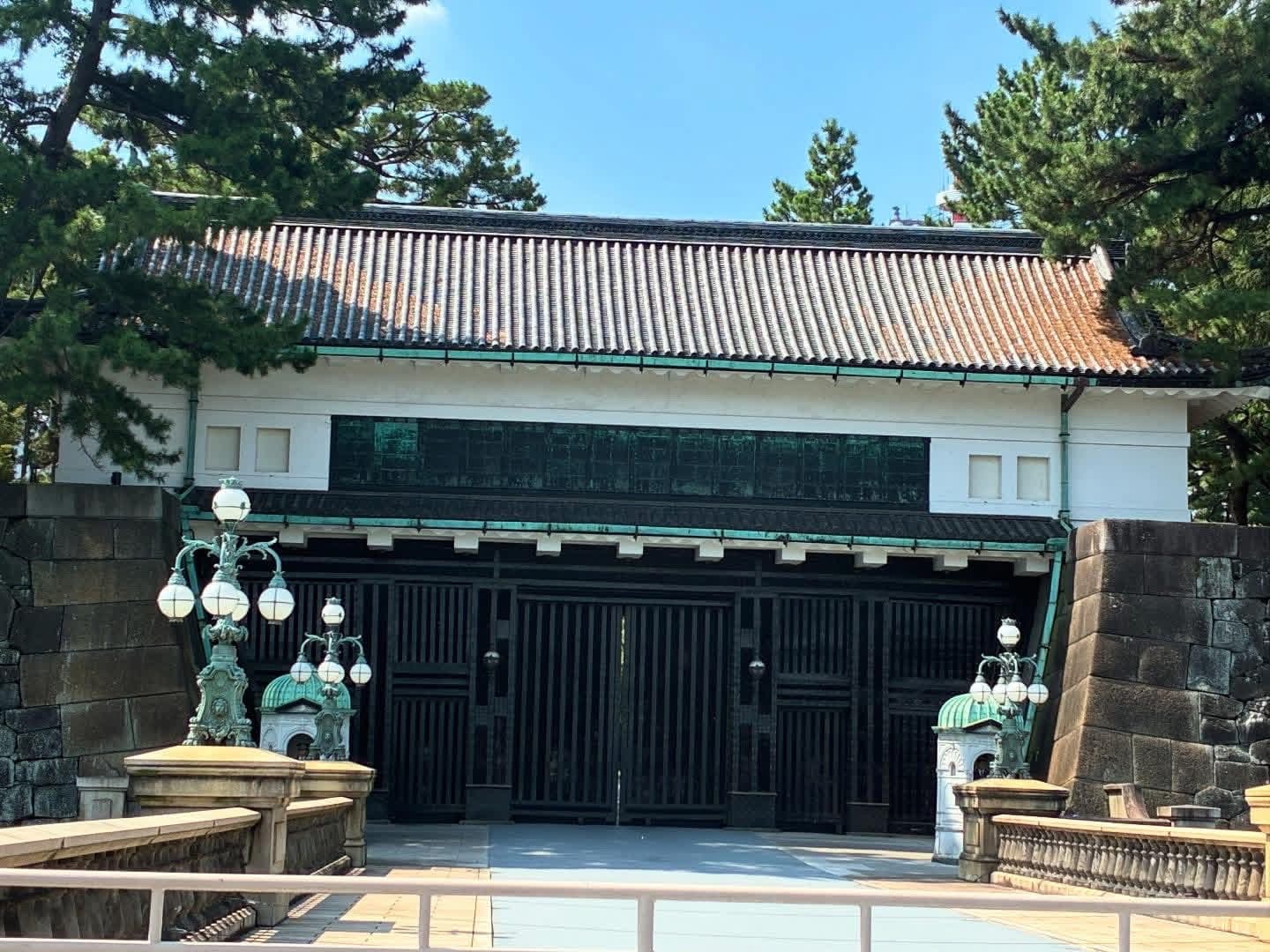
Nijubashi Bridge
Iconic 'Double Bridge' at the Imperial Palace, offering stunning reflections and a glimpse into Japan's imperial heritage.

Highlights
Must-see attractions

Social
From TikTok & Reddit
Best Time
Cherry blossoms enhance beauty
Nijubashi Bridge
Best Time
Cherry blossoms enhance beauty
Highlights
Must-see attractions
Iconic 'Double Bridge' at the Imperial Palace, offering stunning reflections and a glimpse into Japan's imperial heritage.
"Visiting Nijubashi Bridge in Tokyo is like stepping into a postcard!"
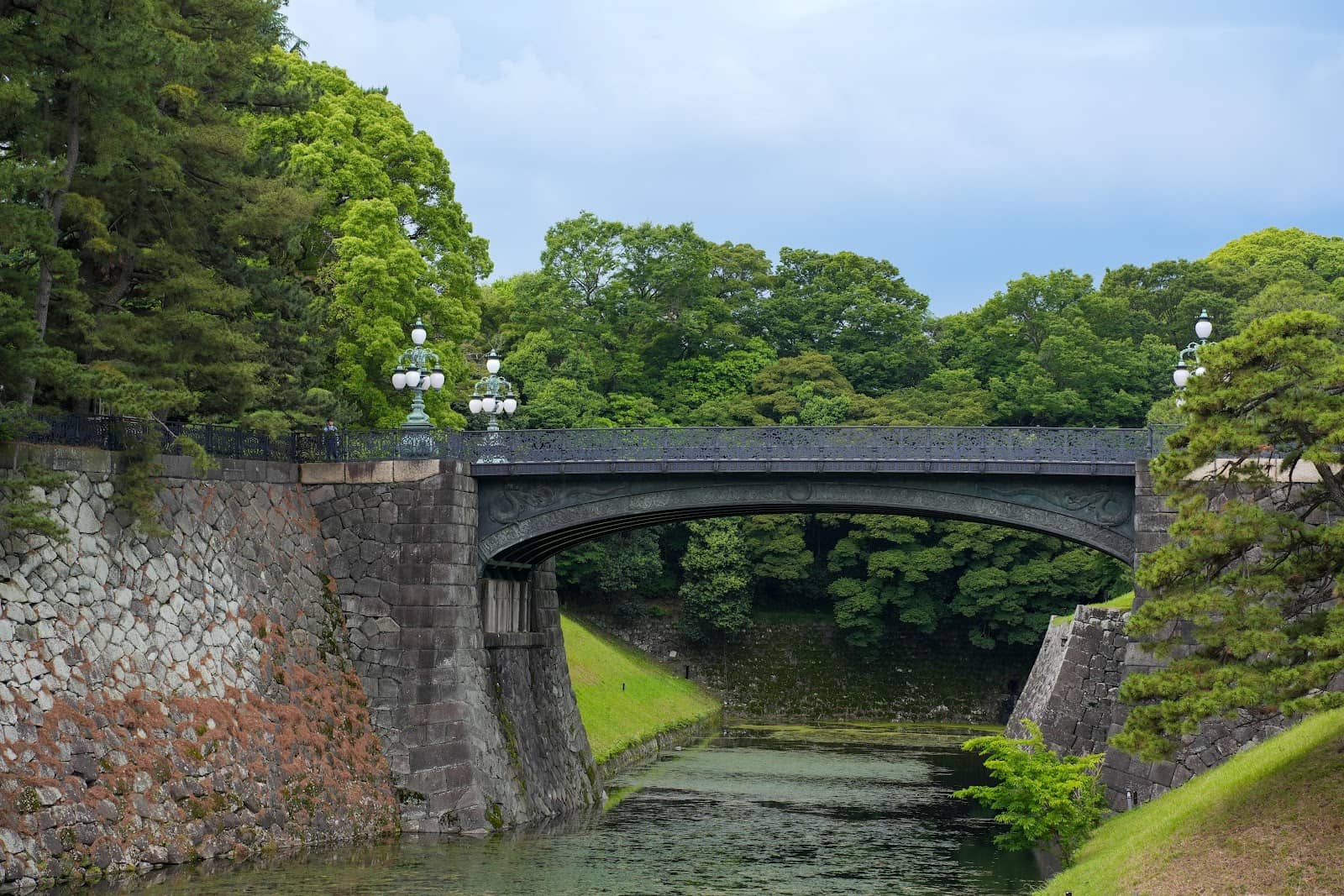
📸 Capture the Reflection
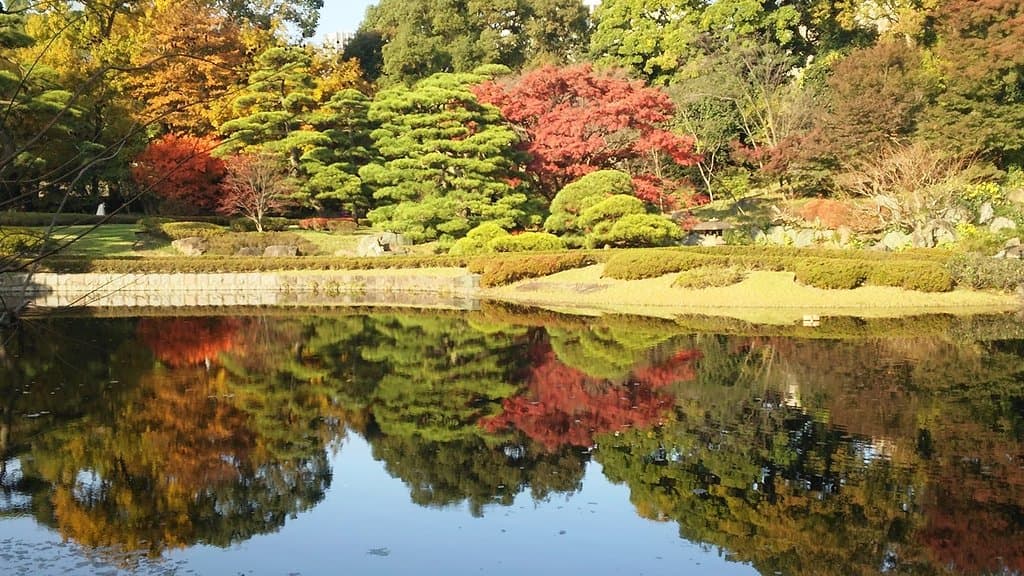
The bridge's reflection in the moat is a key photographic element. Aim for calm water for the best shots!
🚶♂️ Explore the Outer Garden
While the bridge is usually off-limits, the surrounding Imperial Palace Outer Garden offers stunning views and photo opportunities.

Highlights
Discover the most iconic attractions and experiences
The Iconic Double Bridge
Imperial Palace Outer Garden
Admire the elegant arches of the Nijubashi Bridge, a symbol of Japan's imperial heritage, reflected in the tranquil moat.
Imperial Palace Plaza Views
Imperial Palace Outer Garden Plaza
Even without crossing, the view from the plaza offers a breathtaking perspective of the bridge and the palace grounds.
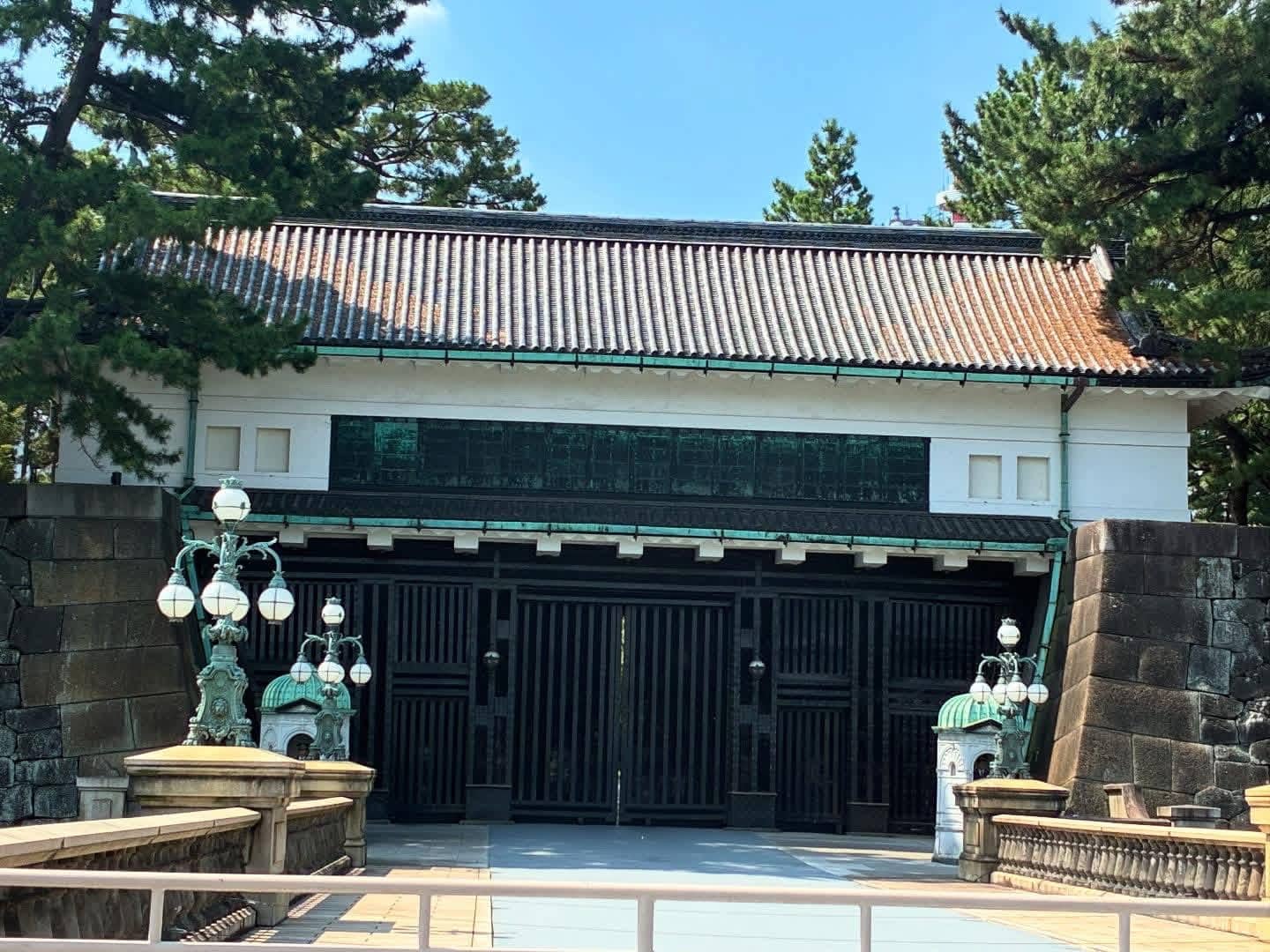
Cherry Blossom Spectacle
Imperial Palace Outer Garden
Experience the bridge's beauty amplified by the delicate pink hues of cherry blossoms in spring.
Plans like a pro.
Thinks like you
Planning Your Visit
Timing is Everything
Photography Hotspot
Best Times
Insider Tips
from TikTok, Instagram & Reddit
📸 Capture the Reflection
The bridge's reflection in the moat is a key photographic element. Aim for calm water for the best shots!
🚶♂️ Explore the Outer Garden
While the bridge is usually off-limits, the surrounding Imperial Palace Outer Garden offers stunning views and photo opportunities.
🌸 Springtime Magic
Visiting during cherry blossom season transforms the scene into a postcard-perfect view.
⏰ Early Bird Gets the Shot
Arrive early to avoid crowds and capture the serene beauty of the bridge in softer light.
Tips
from all over the internet
📸 Capture the Reflection
The bridge's reflection in the moat is a key photographic element. Aim for calm water for the best shots!
🚶♂️ Explore the Outer Garden
While the bridge is usually off-limits, the surrounding Imperial Palace Outer Garden offers stunning views and photo opportunities.
🌸 Springtime Magic
Visiting during cherry blossom season transforms the scene into a postcard-perfect view.
⏰ Early Bird Gets the Shot
Arrive early to avoid crowds and capture the serene beauty of the bridge in softer light.
What Travellers Say
Reviews Summary
Visitors consistently praise Nijubashi Bridge for its stunning visual appeal and its status as an iconic symbol of Tokyo's imperial heritage. The picturesque reflections in the moat and the elegant architecture make it a highly photogenic spot. While the inability to cross the bridge is noted, the views from the plaza are considered breathtaking and well worth the visit, especially during cherry blossom season.
"We visited here after walking through the park near the Imperial Palace. The Nijubashi Bridge is visually stunning. I could have stood here all-day taking photos."
Thanh Tùng Võ
"Nijubashi Bridge, located at the entrance of the Imperial Palace in Tokyo, is a stunning symbol of Japan’s imperial heritage. The bridge’s elegant arches, reflected in the calm waters below, create a picturesque and tranquil scene that draws visitors year-round.
Although the inner palace grounds are not open to the public, the view from outside is breathtaking, especially during cherry blossom season. It’s a must-visit for history enthusiasts and photographers looking to capture the beauty of Japan’s imperial architecture."
Gemi Komah
"We visited here after walking through the park near the Imperial Palace. The Nijubashi Bridge is visually stunning. I could have stood here all-day taking photos."
Elizabeth Scorse
What People Like
What People Dislike
Frequently Asked Questions
🚇 🗺️ Getting There
Nijubashi Bridge is located at the Imperial Palace Outer Garden. The nearest stations are Otemachi Station (Chiyoda, Tozai, Hanzomon, Marunouchi, Toei Mita lines) or Nijubashimae Station (Chiyoda Line). From there, it's a short walk to the bridge.
While there isn't direct parking at the bridge, there are several parking garages in the surrounding Chiyoda City area, such as those near Tokyo Station or Otemachi.
Generally, the Nijubashi Bridge itself is not open to the public for crossing. Visitors can admire its beauty from the Imperial Palace Outer Garden plaza. 
The Chiyoda Line (Nijubashimae Station) and the Marunouchi Line (Tokyo Station) are convenient options for reaching the Imperial Palace and Nijubashi Bridge.
Yes, signage in the area is generally good, and it's a well-known landmark. Follow signs for the Imperial Palace Outer Garden.
🎫 🎫 Tickets & Entry
No, viewing the Nijubashi Bridge from the Imperial Palace Outer Garden plaza is free of charge.
The Imperial Palace Outer Garden is generally open to the public during daylight hours, but specific times can vary. It's best to check the official Imperial Household Agency website for the most current information.
Access to the inner palace grounds is restricted and typically requires booking a guided tour in advance through the Imperial Household Agency. The Nijubashi Bridge is viewed from the outside.
Yes, the bridge is sometimes opened to the public on special occasions like the Emperor's Birthday or New Year's Day. These are rare opportunities.
The East Garden of the Imperial Palace is free to enter. It offers a different perspective and historical insights.
📸 📸 Photography
Early mornings or late afternoons offer softer light and fewer crowds, making them ideal for photography. The golden hour can create stunning reflections.
The plaza in front of the bridge provides the classic view. Experiment with angles to capture the bridge's reflection in the moat.
Tripod usage rules can vary. It's advisable to check local regulations or observe if others are using them. Generally, for public spaces, it's best to be mindful of others.
Drone usage is strictly prohibited in and around the Imperial Palace grounds due to security and privacy concerns.
A wide-angle lens is great for capturing the full bridge and its surroundings. A telephoto lens can be useful for details of the palace in the background.
🎫 🏛️ History & Significance
Nijubashi Bridge, meaning 'Double Bridge,' is a historic symbol of Japan's imperial heritage. It's a key part of the Imperial Palace's entrance and has witnessed centuries of Japanese history.
The current iron bridges were constructed during the Meiji era, replacing older wooden structures. The iconic look visitors see today dates from that period.
It's called the 'Double Bridge' because it consists of two separate, arched bridges that connect the main gate to the palace grounds.
Nijubashi Bridge is located in the Imperial Palace Outer Garden, serving as the main entrance to the inner palace grounds. It's a crucial part of the palace's ceremonial approach.
Originally, the bridge was part of the defensive structures of Edo Castle, which later became the Imperial Palace. It provided access and a ceremonial entrance.
For Different Travelers
Tailored advice for your travel style
👨👩👧 Families with Kids
Nearby attractions like the East Garden offer more to explore, with remnants of old castle structures that can spark a child's imagination. It's a good opportunity to introduce them to Japanese history in a visually appealing setting. Pack snacks and water, as amenities within the immediate vicinity of the bridge are limited.
📸 Photography Enthusiasts
+1Beyond the bridge, the Imperial Palace Outer Garden itself offers numerous picturesque spots. Look for compositions that include the surrounding greenery, the water, and the distant palace architecture. Be prepared for potential restrictions on equipment like tripods and always be respectful of the environment and other visitors.
🚶♂️ History Buffs
+1Visiting the Imperial Palace East Garden is highly recommended to complement your visit to the bridge. Here, you can explore the foundations of the old castle keep and learn more about the historical layers of this significant site.
Deep Dives
In-depth insights and expert knowledge
The Imperial Palace and Its Surroundings
+1The Imperial Palace Outer Garden itself is a vast and beautiful public space, perfect for a leisurely stroll. It provides stunning views of the palace architecture and the iconic Nijubashi Bridge. The area is particularly popular during cherry blossom season, when the delicate pink blooms add an ethereal beauty to the already picturesque scenery.
+1For those interested in a deeper dive, guided tours of the inner palace grounds can be booked in advance through the Imperial Household Agency. These tours offer a more comprehensive understanding of the palace's history and its significance to Japan.
Photography Tips for Nijubashi Bridge
+1Golden hour, the period shortly after sunrise or before sunset, bathes the bridge and surrounding greenery in a warm, soft light, creating a magical atmosphere. This time also tends to have fewer crowds, allowing for more unobstructed shots. Many visitors express a desire to spend all day photographing the bridge due to its photogenic nature.
While the bridge itself is usually off-limits, the plaza in front of the bridge offers excellent vantage points. Experiment with different angles and compositions to include the surrounding trees, the moat, and the distant palace buildings. Remember to be mindful of other visitors and any posted regulations regarding photography equipment like tripods.


Social
from TikTok, Instagram & Reddit