National Archives of Japan
Explore Japan's rich history through original documents, special exhibits like Edo-era onsen, and a vast online digital archive. Free entry!
Highlights
Must-see attractions

Social
From TikTok & Reddit
Best Time
Fewer crowds, more focus
National Archives of Japan
Best Time
Fewer crowds, more focus
Highlights
Must-see attractions
Explore Japan's rich history through original documents, special exhibits like Edo-era onsen, and a vast online digital archive. Free entry!
"A valuable place to watch and learn the historical national archives here!"
Free Entry & Photos! :camera_with_flash:
Admission is free, and non-flash photography is allowed. Capture the historical documents and exhibits without worry!
Check for Special Exhibits :scroll:
The Archives often host unique exhibitions, like the Edo Era Onsen display, offering a deeper dive into specific historical themes.
Highlights
Discover the most iconic attractions and experiences
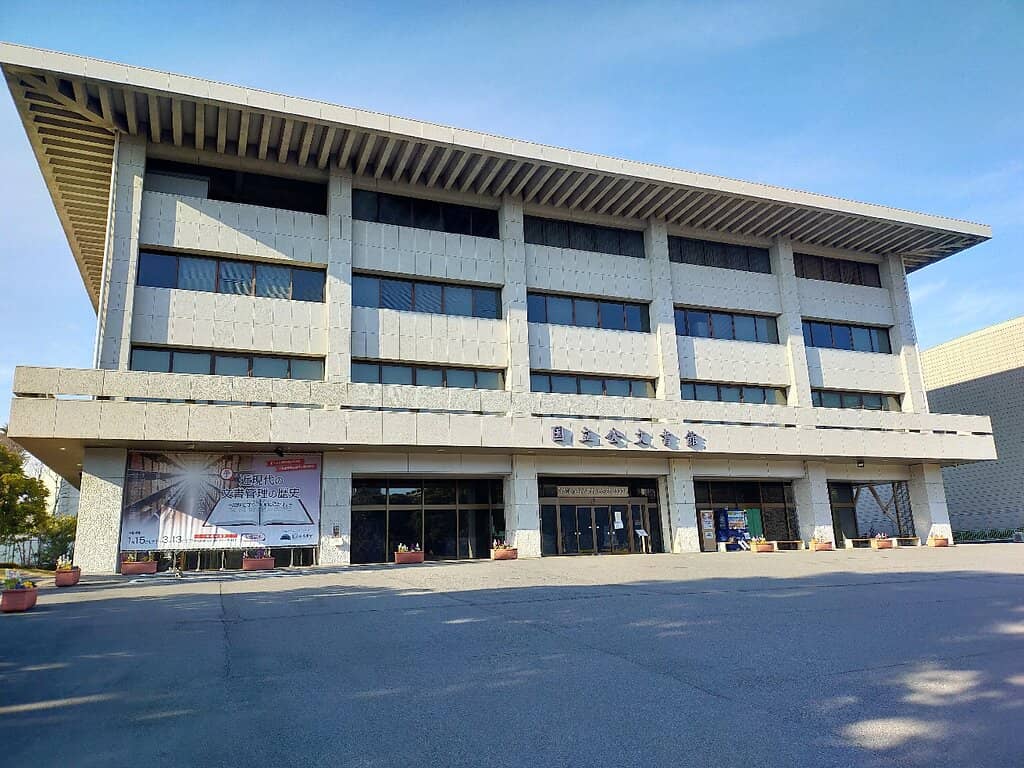
Edo Era Onsen Exhibit
Special Exhibition Hall
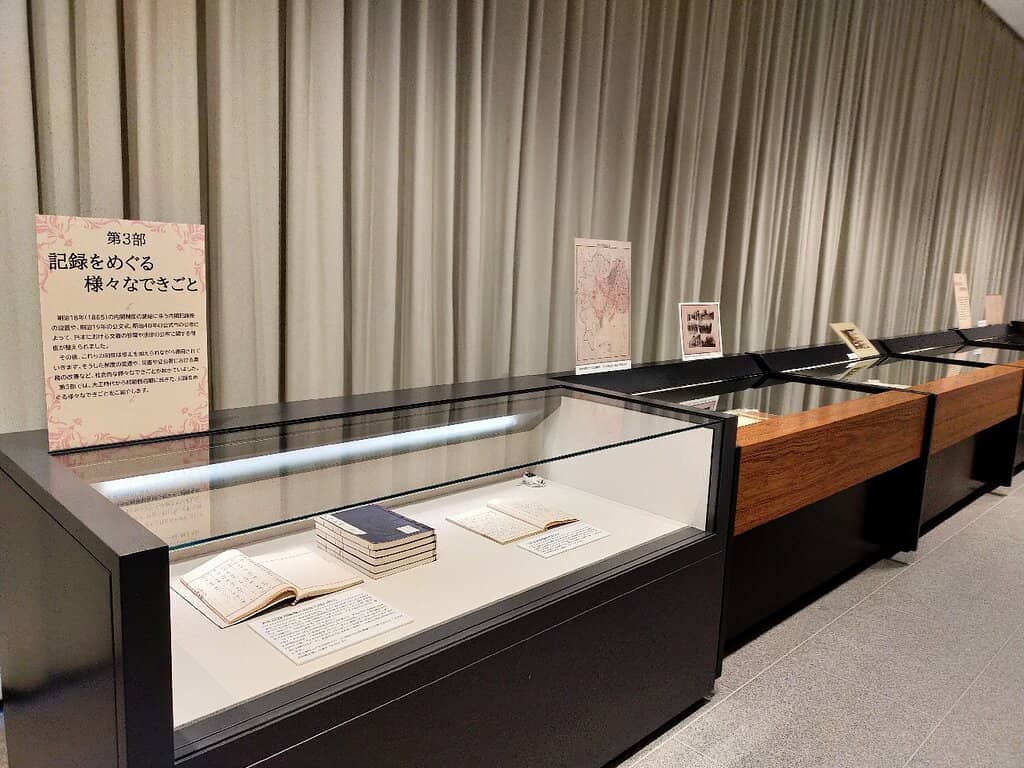
Explore fascinating woodblock prints, maps, and guidebooks of historic Japanese hot springs from the Edo period.
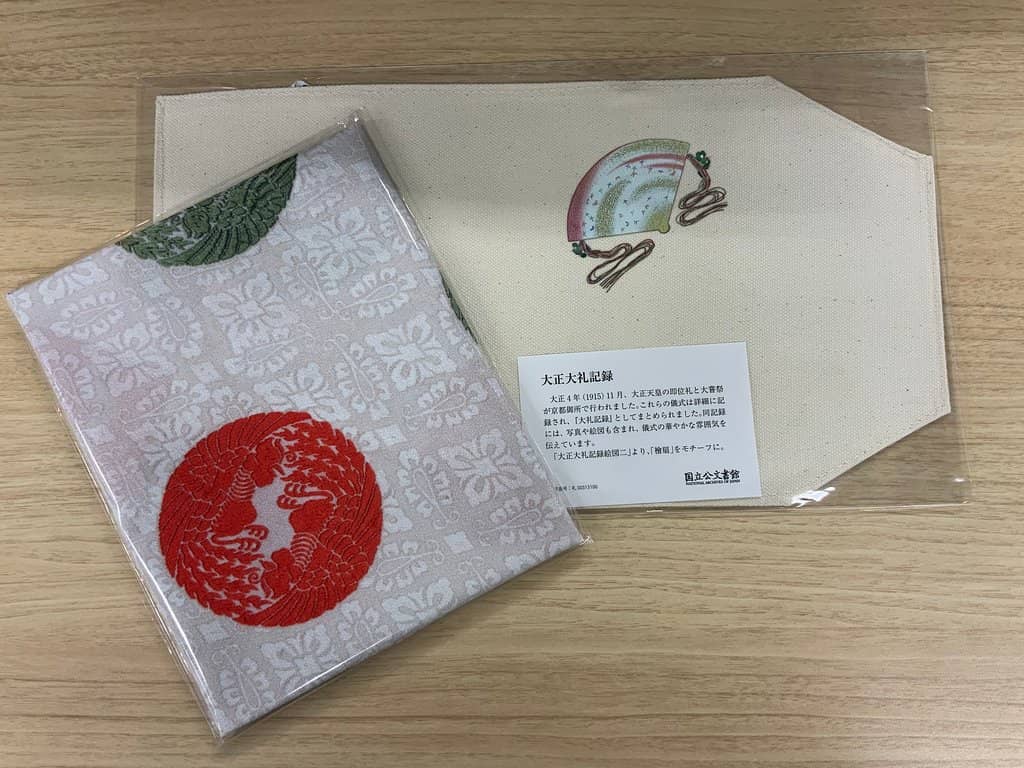
Government Decrees & Documents
Permanent Exhibition
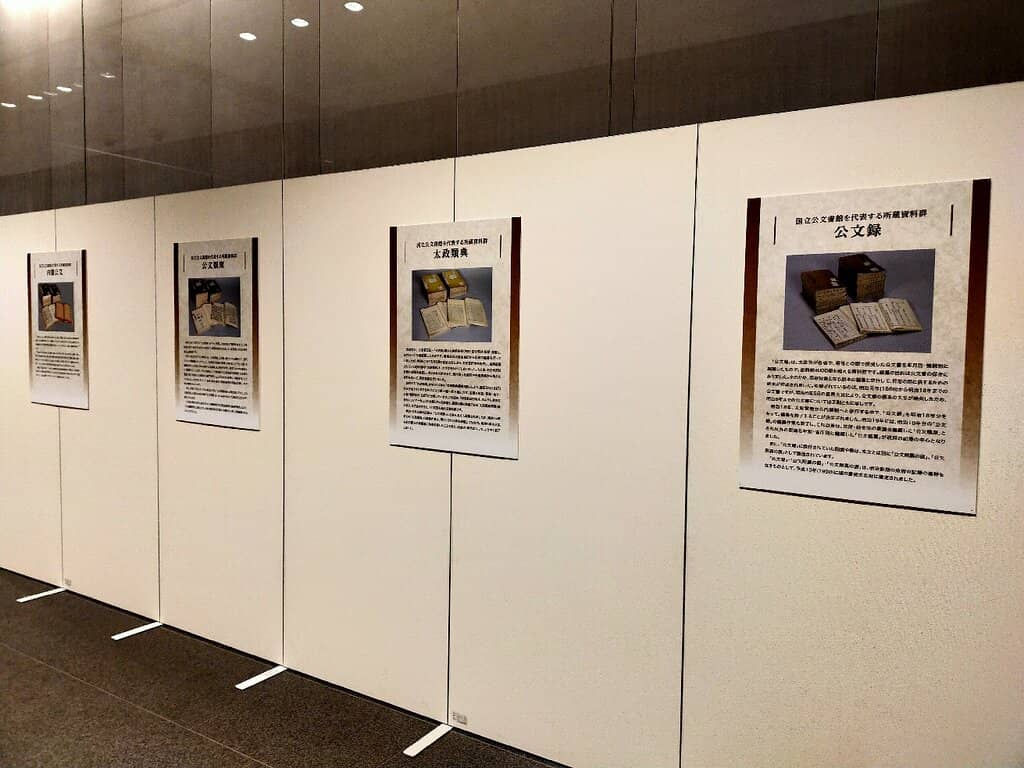
View historical government decrees and official documents, with some English explanations available for key pieces.
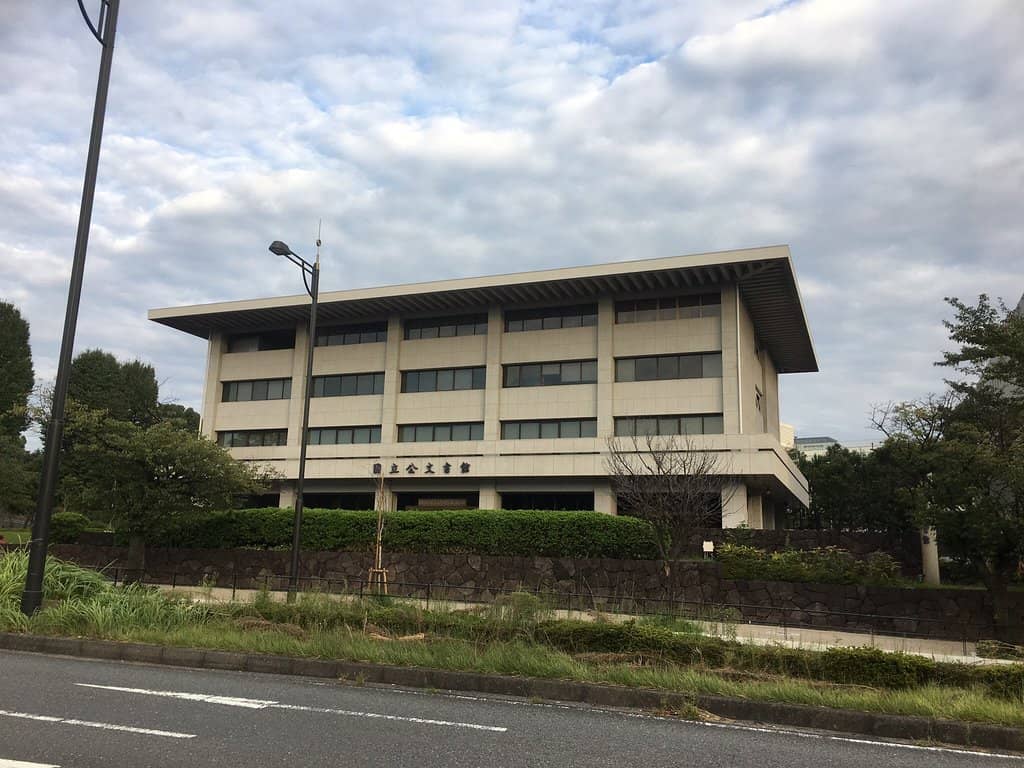
Digitized Historical Texts
Online Archive
Access a vast collection of digitized historical texts, including ancient Chinese classics, directly from their website.
Plans like a pro.
Thinks like you
Planning Your Visit
Free Admission & Photography
Language Considerations
Best Times
Insider Tips
from TikTok, Instagram & Reddit
Free Entry & Photos! :camera_with_flash:
Admission is free, and non-flash photography is allowed. Capture the historical documents and exhibits without worry!
Check for Special Exhibits :scroll:
The Archives often host unique exhibitions, like the Edo Era Onsen display, offering a deeper dive into specific historical themes.
Japanese Language Skills Help :jp:
While some English markers exist, a Japanese language background greatly enhances understanding of the historical texts.
Online Digital Archive :computer:
Explore a vast collection of digitized historical texts, including ancient Chinese classics, directly from their website.
Tips
from all over the internet
Free Entry & Photos! :camera_with_flash:
Admission is free, and non-flash photography is allowed. Capture the historical documents and exhibits without worry!
Check for Special Exhibits :scroll:
The Archives often host unique exhibitions, like the Edo Era Onsen display, offering a deeper dive into specific historical themes.
Japanese Language Skills Help :jp:
While some English markers exist, a Japanese language background greatly enhances understanding of the historical texts.
Online Digital Archive :computer:
Explore a vast collection of digitized historical texts, including ancient Chinese classics, directly from their website.
Combine with Nearby Museums :museum:
Located near the National Museum of Modern Art Tokyo and the Science and Technology Museum, making it easy to plan a full day of exploration.
What Travellers Say
Reviews Summary
Visitors find the National Archives of Japan to be a valuable and free cultural stop, especially for those interested in historical documents and specific exhibits like the Edo Era Onsen. While the extensive Japanese text can be a barrier for some, the availability of English markers and the comprehensive online digital archive offer broad accessibility. It's a recommended short visit for history enthusiasts.
"The small but near metro station and next to the national museum of modern Art Tokyo . You can visit both of them by one day and the science and technology museum too."
Morrison Mou
"国立公文書館 National Archives of Japan is a place for those who fancy historic documents. I happened to visit when they had an exhibit on Edo Era Onsen. As I am enamored with onsen and sento, I found the woodblock prints and onsen maps and guide books engaging. I especially like a picture of the Gunma Prefecture Kusatsu Onsen with an erupting Mt. Shirane at the top of the scene.
There is also a permanent exhibit of government decrees and such where there were some English language markers.
Non-flash photography is permitted and admission is free.
If you are in the area and admire ephemera, I recommend a short visit."
Tommy Kurauchi
"Very valuable place to watch and learn the historical national archives here!"
Kazz
What People Like
What People Dislike
Frequently Asked Questions
🚇 🗺️ Getting There
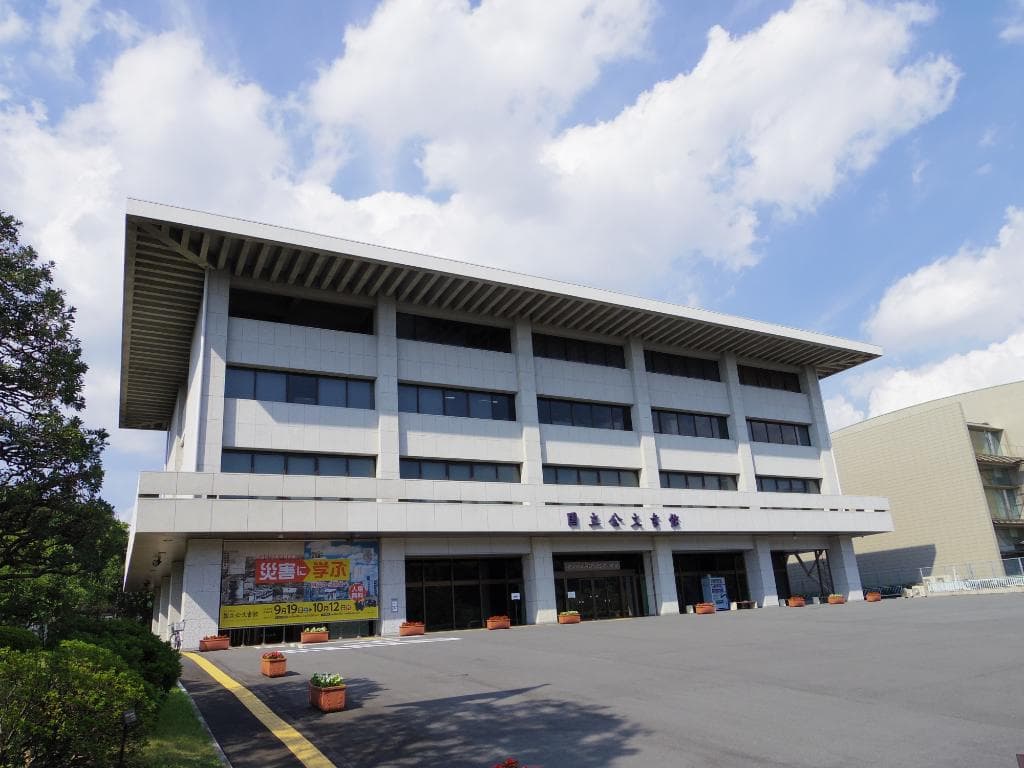
The National Archives of Japan is conveniently located in Kasumigaseki, Chiyoda, Tokyo. It's easily accessible via public transport, with a nearby metro station making it a breeze to reach.
Information on on-site parking is limited. It's generally recommended to use public transportation due to its central Tokyo location and proximity to metro lines.
Absolutely! Its central location and proximity to other major museums like the National Museum of Modern Art Tokyo make it an ideal stop for a day of cultural exploration.
The Kasumigaseki Station is a major hub served by multiple subway lines, making it the most efficient way to reach the archives.
No, admission to the National Archives of Japan is completely free, making it an accessible cultural experience for all visitors.
🎫 🎫 Tickets & Entry
No tickets are required for entry. The National Archives of Japan offers free admission to all its exhibitions and permanent collections.
Opening hours can vary, especially for special exhibitions. It's best to check their official website or a reliable travel guide for the most up-to-date information before your visit.
Visiting on weekday mornings, especially outside of peak holiday seasons, is generally recommended to experience fewer crowds and have a more focused visit.
Yes, non-flash photography is permitted inside the National Archives of Japan, allowing you to capture images of the historical documents and exhibits.
There are no specific age restrictions for visiting the National Archives of Japan. It's a place of historical interest suitable for all ages.
🎫 🏛️ Onsite Experience
You can find a variety of historical materials, including government decrees, official documents, and special exhibition items like Edo-era onsen maps and prints.
Some exhibits, particularly the permanent collection of government decrees, feature English language markers. However, many detailed historical texts are primarily in Japanese.
While it's a place of historical learning, younger children might find the extensive documents less engaging. However, special exhibits can sometimes be more visually appealing.
A short visit of 1-2 hours is often sufficient, especially if you're interested in specific exhibits or the permanent collection. Those who can read Japanese might spend longer exploring the digitized texts.
Yes, the National Archives of Japan offers a comprehensive online digital archive where you can access and download a vast array of historical texts, including ancient Chinese classics.
📸 📸 Photography
Yes, non-flash photography is permitted within the National Archives of Japan, allowing visitors to document their experience with the historical materials.
The main restriction is that flash photography is not allowed to protect the delicate historical documents from damage.
The Edo Era Onsen exhibit, with its woodblock prints and maps, offers visually engaging subjects. The government decrees can also be interesting to photograph, especially with the available English markers.
Yes, as long as you do not use flash, you can photograph the historical documents and exhibits on display.
Generally, photography is allowed throughout the public exhibition areas, provided no flash is used. Always be mindful of any temporary signage indicating otherwise.
For Different Travelers
Tailored advice for your travel style
👨👩👧 Families with Kids
However, it's important to note that many of the exhibits are text-heavy and in Japanese. For younger children, the extensive historical texts might not be engaging. Consider focusing on the visual aspects of any special exhibitions or using the visit as a brief introduction to Japanese history before heading to more interactive museums nearby.
📚 History Buffs & Researchers
The online digital archive is a significant draw, providing access to a vast collection of digitized historical texts, including ancient Chinese classics. This resource is invaluable for academic research, allowing scholars to access primary source materials remotely. The availability of these digitized texts directly from their website streamlines research significantly.
📸 Photographers & Art Lovers
Remember that non-flash photography is permitted, allowing you to capture the essence of these historical artworks. While the main focus is on documents, the visual elements within exhibits like the onsen displays provide a different kind of aesthetic experience.
Deep Dives
In-depth insights and expert knowledge
Exploring Historical Japanese Culture
For those with a keen interest in historical texts, the Archives' online digital collection is invaluable. It serves as the source for many digitized texts found on Chinese websites and allows direct downloads. This includes everything from foundational historical records like the 'Records of the Great Historian' to more niche subjects such as physiognomy. This digital resource makes the Archives accessible globally, even for those who cannot visit in person.
While the primary language of many documents is Japanese, the presence of English language markers on some permanent exhibits, like government decrees, ensures that a broader audience can grasp key information. This blend of Japanese-centric content with accessible English explanations makes the Archives a valuable, albeit sometimes challenging, learning experience.
The Archives and Media

Historical events documented by the Archives have also been referenced in media. The signing ceremony of Japan's surrender in 1945, a pivotal moment in history, is a key event that the National Archives holds records of.
Furthermore, the National Film Archives of Japan, a related institution, preserves cinematic history, including classic films like 'A Page of Madness' from 1926, showcasing the breadth of archival materials available in Japan.
The Archives also hold records related to cultural practices like Sumo wrestling, with collections dating back to the 1980s.
Social
from TikTok, Instagram & Reddit