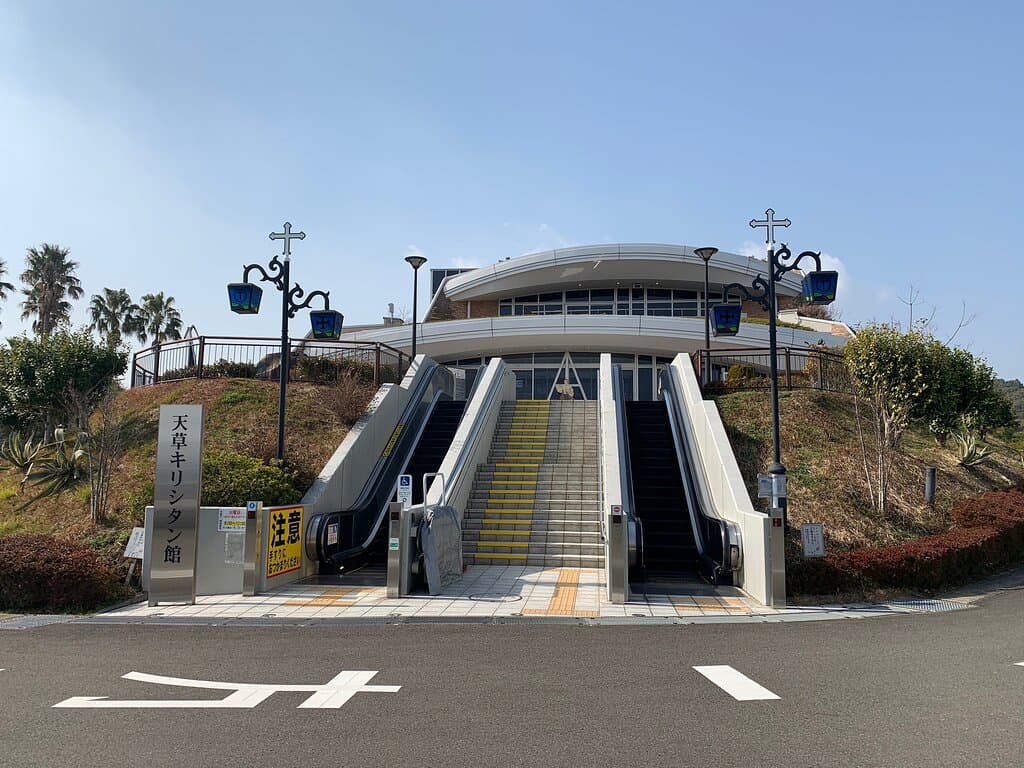
Amakusa Christian Museum
Discover the resilience of Japan's hidden Christians and the dramatic history of the Shimabara Rebellion at this significant museum.
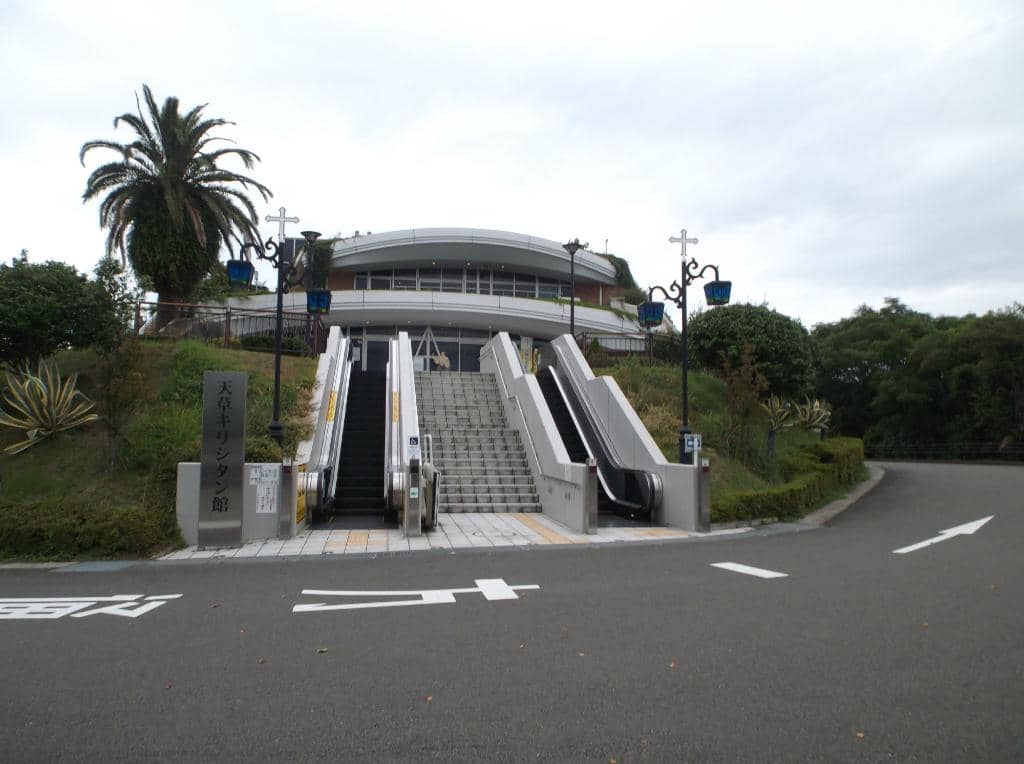
Highlights
Must-see attractions

Social
From TikTok & Reddit
Best Time
Fewer crowds, peaceful reflection
Amakusa Christian Museum
Best Time
Fewer crowds, peaceful reflection
Highlights
Must-see attractions
Discover the resilience of Japan's hidden Christians and the dramatic history of the Shimabara Rebellion at this significant museum.
"A small museum but provides enough nuggets from the past to appreciate Amakusa's dramatic history."
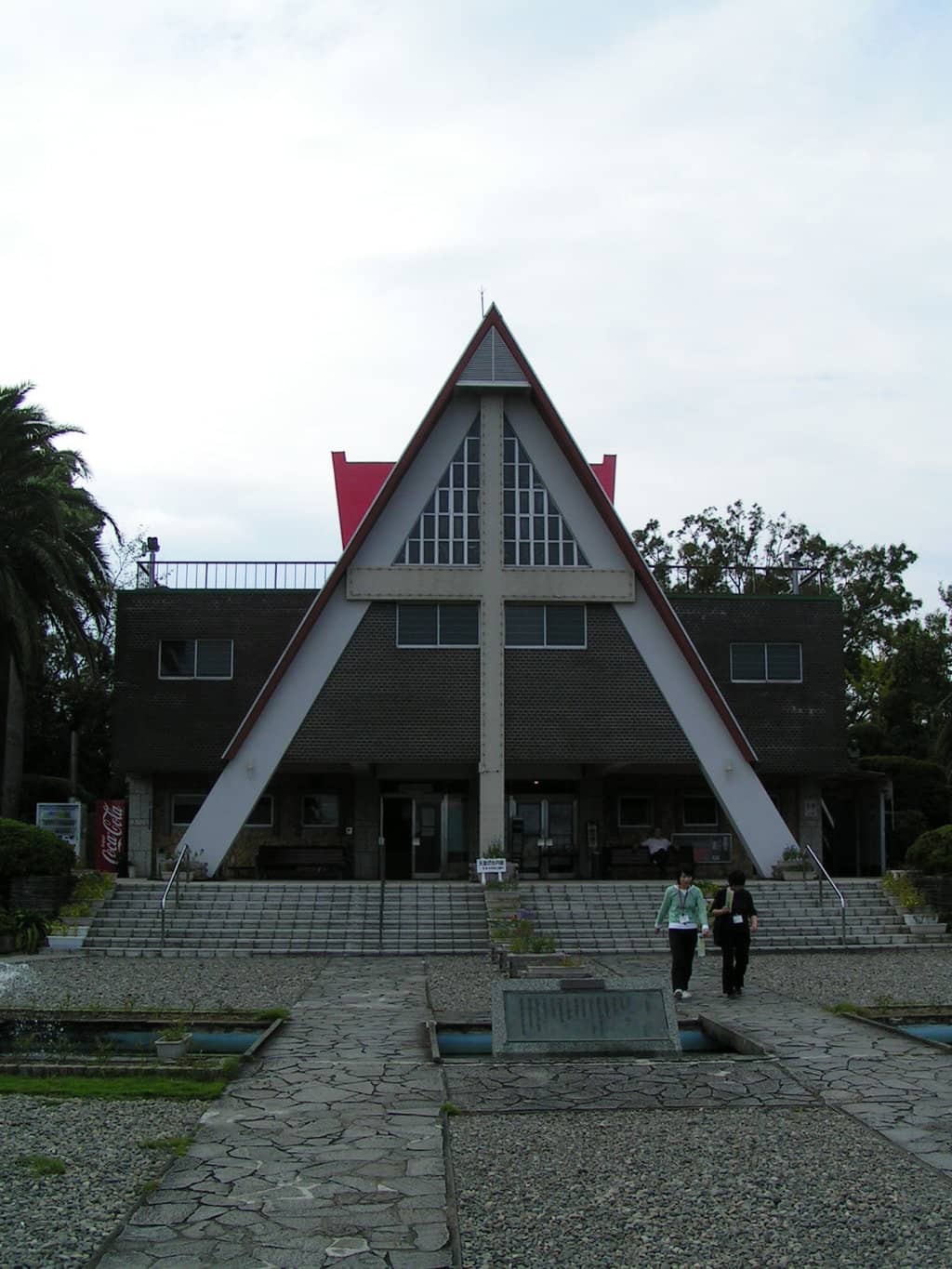
📸 Visual Storytelling
Even with Japanese explanations, the museum's visuals are stunning and convey history powerfully. :camerawithflash:
🤫 Respect the Silence
Photography is prohibited inside the cathedral. Remember it's a holy place. 🙏
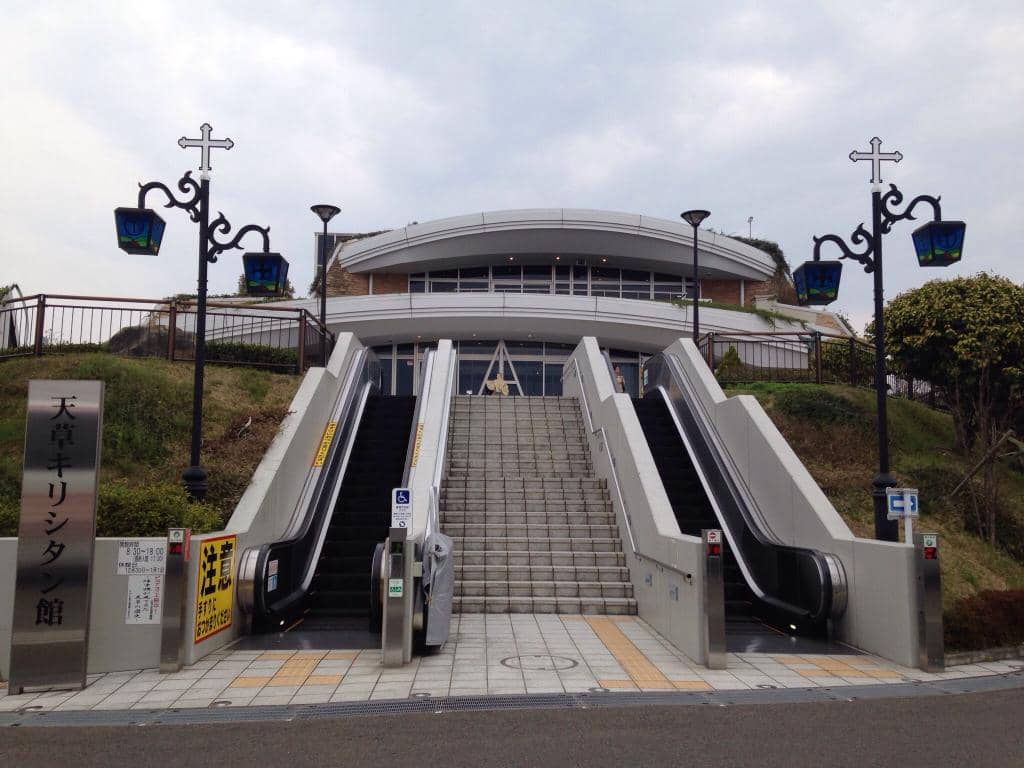
Quick Facts
Hours
Rating
4 · 571 reviews
Type
Museum
Highlights
Discover the most iconic attractions and experiences
The Resilience of Faith
Explore artifacts and stories of Japan's hidden Christians and their enduring faith through centuries of persecution.
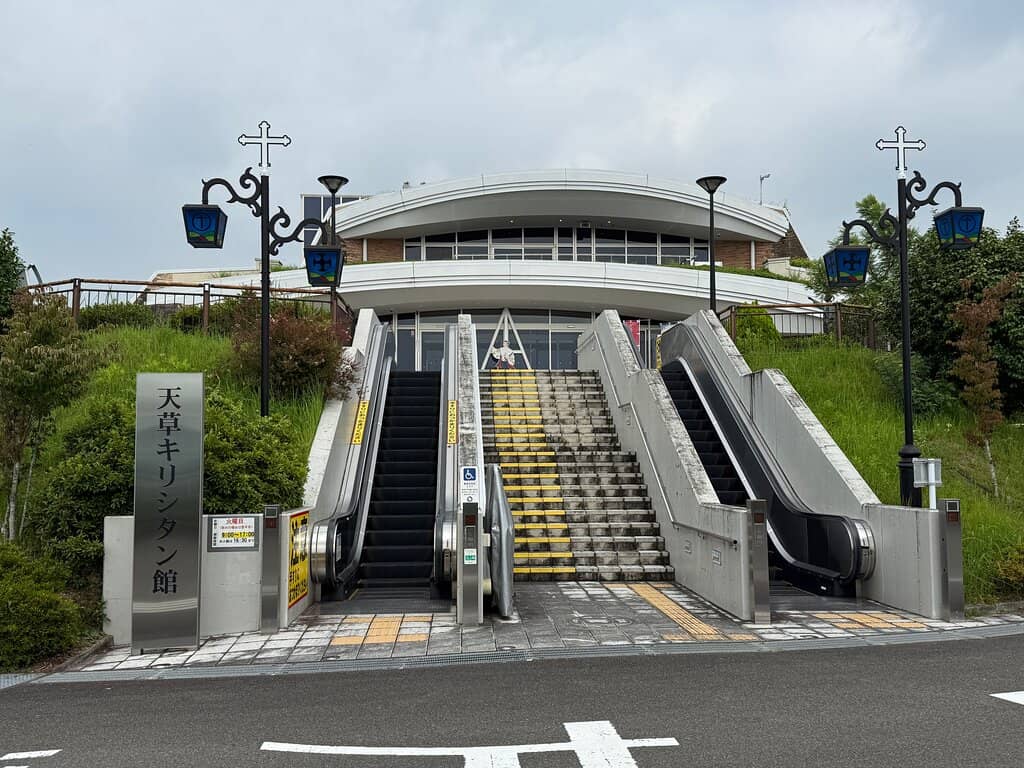
Shimabara Rebellion History
Learn about the significant Shimabara Rebellion, a major uprising of Catholic peasants during the Edo period.
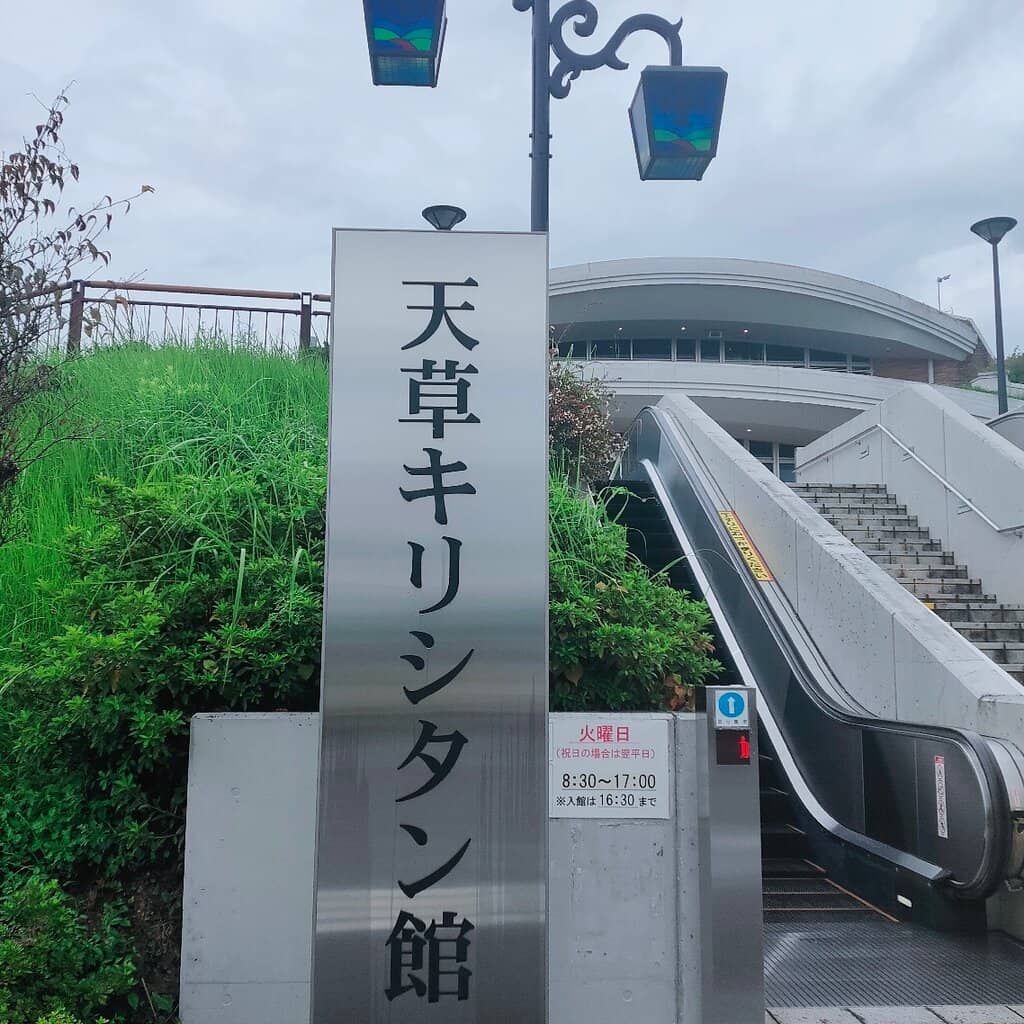
Magnificent Cathedral Architecture
Admire the beauty of the cathedral, a holy place with a significant architectural presence in Amakusa.
Plans like a pro.
Thinks like you
Planning Your Visit
Understand Amakusa's Hidden History
Navigating the Museum
Best Times
Insider Tips
from TikTok, Instagram & Reddit
The Resilience of the Church Part one - Japans Hidden Christians
The Shimabara Rebellion, an uprising of mostly Catholic peasants, was the largest civil conflict in Japan during the Edo period. An estimated 37,000 rebels and sympathizers were executed by beheading, and the Portuguese traders suspected of helping them were expelled from Japan.…
📸 Visual Storytelling
Even with Japanese explanations, the museum's visuals are stunning and convey history powerfully. :camerawithflash:
🤫 Respect the Silence
Photography is prohibited inside the cathedral. Remember it's a holy place. 🙏
📚 Deepen Your Understanding
Research the Shimabara Rebellion beforehand for richer context. 📚
📍 Local Connection
If your name is Masuda, you might feel an extra connection to this region! 🌊
Tips
from all over the internet
📸 Visual Storytelling
Even with Japanese explanations, the museum's visuals are stunning and convey history powerfully. :camerawithflash:
🤫 Respect the Silence
Photography is prohibited inside the cathedral. Remember it's a holy place. 🙏
📚 Deepen Your Understanding
Research the Shimabara Rebellion beforehand for richer context. 📚
📍 Local Connection
If your name is Masuda, you might feel an extra connection to this region! 🌊
What Travellers Say
Reviews Summary
Visitors praise the Amakusa Christian Museum for its beautiful cathedral and the profound, albeit primarily Japanese-explained, historical insights into Japan's hidden Christians and the Shimabara Rebellion. The stunning visuals effectively convey the dramatic history, making it a moving experience despite the language barrier.
"It was a very large and magnificent cathedral. Shooting is prohibited inside the cathedral. It's a holy place, so it's natural. It's a beautiful church."
HIROKI NOZAWA (ののの)
"The Amakusa Christian Museum is a well-designed, throughout museum. All explanations are in Japanese. But, the visuals are stunning."
Ken Kroehler
"Small museum but provides enough nuggets from the past to appreciate Amakusas dramatic history"
S.A. TAN
What People Like
What People Dislike
Frequently Asked Questions
🚇 🗺️ Getting There
The museum is located in Amakusa, a region accessible by ferry or bridge from mainland Kyushu. Public transport within Amakusa can be limited, so consider rental cars or local buses. Check ferry schedules from Hondo or other ports.
While buses operate in Amakusa, reaching the museum might require transfers. It's advisable to check local bus routes and schedules in advance, as they can be infrequent.
Many visitors find renting a car offers the most flexibility for exploring Amakusa and its various historical sites, including the museum. 🚗
Yes, there are typically parking facilities available for visitors. It's always a good idea to confirm on their official website or inquire locally.
Absolutely! Amakusa is rich in Christian history. You can easily combine a visit with other churches, historical sites, and scenic spots in the area.
🎫 🎫 Tickets & Entry
Opening hours can vary, so it's best to check the official website or contact the museum directly for the most up-to-date information. Typically, museums operate during daytime hours.
Admission fees are usually modest for smaller museums. Check their official website for current ticket prices and any potential discounts.
For most smaller museums like this, advance booking isn't usually required. However, during peak seasons or for special exhibitions, it might be beneficial.
No, photography is prohibited inside the cathedral and often within museum exhibits to preserve the artifacts and maintain the sanctity of the space. :noentrysign:
Guided tours might be available, especially for groups, but often explanations are primarily in Japanese. Inquire directly with the museum about tour options.
🎫 🧭 Onsite Experience
The museum focuses on the history of Christianity in Amakusa, particularly the story of Japan's hidden Christians and their resilience during periods of persecution. :crossed_swords:
The reviews indicate that explanations are primarily in Japanese. However, the museum uses stunning visuals that help convey the historical narrative effectively.
The Shimabara Rebellion was a large-scale uprising of mostly Catholic peasants in Japan during the Edo period, protesting against harsh taxation and religious persecution.
You can expect to see artifacts, historical documents, and visual displays related to the history of Christianity in Amakusa, including the struggles of hidden Christians and the impact of events like the Shimabara Rebellion.
While the historical content is serious, the visual displays can be engaging. However, the complex history of persecution might be more suited for older children or those with an interest in history.
🍽️ 🍽️ Food & Dining
Yes, there are likely local restaurants and cafes in the vicinity of the museum, offering regional Japanese cuisine. It's best to explore the local area for dining options.
Generally, eating and drinking are not permitted inside museum exhibition areas or sacred spaces like cathedrals. Look for designated areas or nearby cafes.
Amakusa is a coastal region, so expect fresh seafood to be a specialty. Local dishes often feature fish, shellfish, and other marine delicacies.
While seafood is prominent, many Japanese restaurants can accommodate vegetarian or vegan requests if you communicate your needs clearly. Look for dishes based on tofu, vegetables, and rice.
Dining prices can vary. Local eateries and casual restaurants tend to be more affordable than high-end establishments. Expect reasonable prices for a good meal.
📸 📸 Photography
While photography is prohibited inside, the exterior of the cathedral and the surrounding grounds offer beautiful photographic opportunities. Capture the architecture and the serene atmosphere. :camerawithflash:
Yes, you are generally allowed to take photos of the exterior of the museum and the cathedral. This is a great way to capture the grandeur of the site.
Morning or late afternoon light often provides the most flattering illumination for architectural photography, creating depth and highlighting textures.
Explore different angles around the cathedral to capture its scale and beauty. The surrounding landscape might also offer picturesque backdrops.
Always be respectful. Avoid intrusive photography, especially if services are ongoing. Be aware of any signage regarding photography restrictions. 🙏


Social
from TikTok, Instagram & Reddit