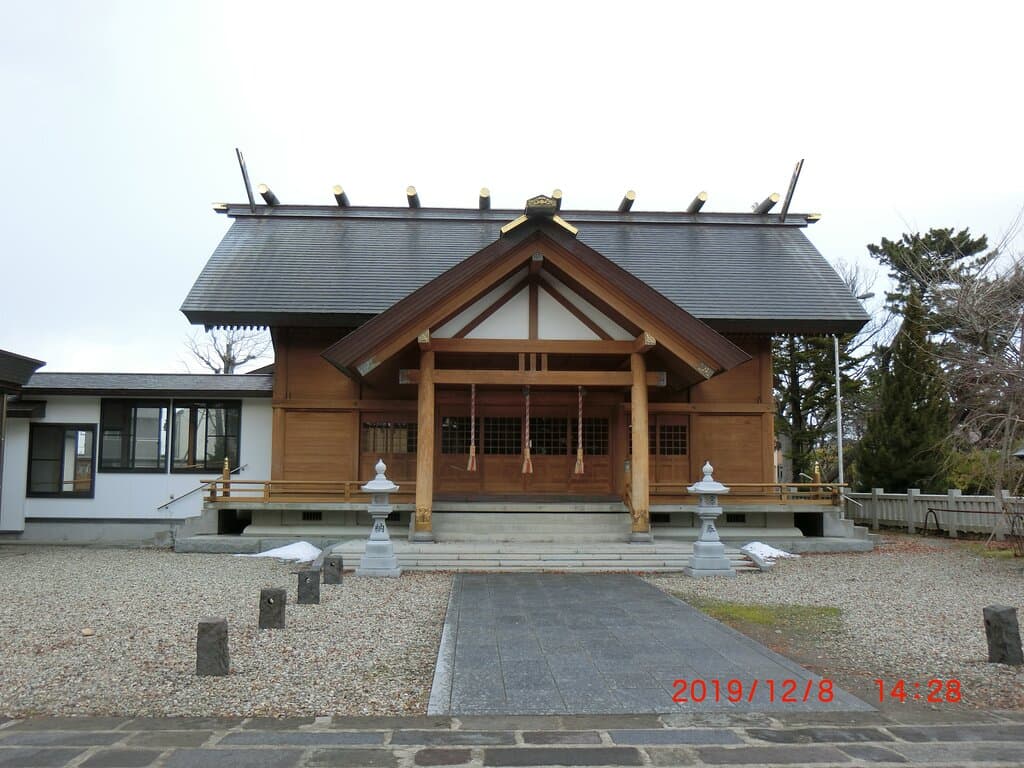
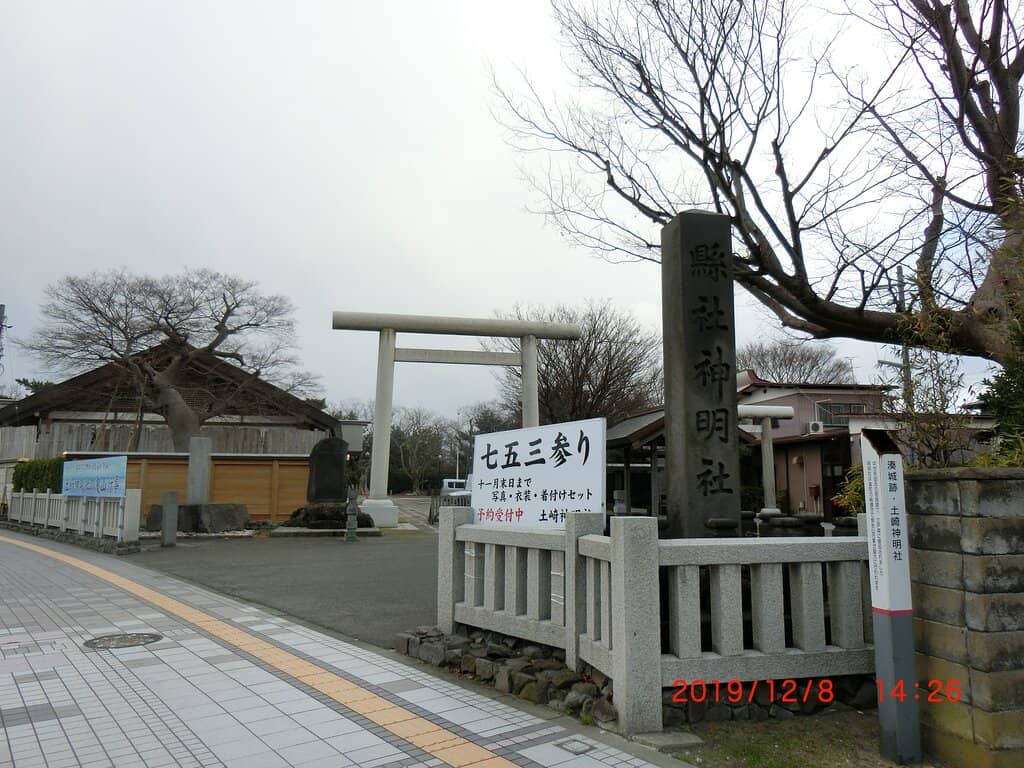
Tsuchizaki Shinmeisha Shrine
Historic shrine, guardian of Tsuchizaki, connected to Minato Castle and the vibrant Tsuchizaki Port Festival.
Highlights
Must-see attractions

Social
From TikTok & Reddit
Best Time
Quiet reflection time
Tsuchizaki Shinmeisha Shrine
Best Time
Quiet reflection time
Highlights
Must-see attractions
Historic shrine, guardian of Tsuchizaki, connected to Minato Castle and the vibrant Tsuchizaki Port Festival.
"A quiet, historic shrine offering a glimpse into the region's past and cultural traditions."
🚶♀️ Walk from Station
The shrine is conveniently located within walking distance from JR Tsuchizaki Station. :athletic_shoe:
📜 Handwritten Goshuin
Handwritten goshuin stamps are available for visitors. 📜
Quick Facts
Rating
4.2 · 197 reviews
Type
Place of Worship
Highlights
Discover the most iconic attractions and experiences
Tsuchizaki Shinmeisha Shrine Grounds
Main shrine area
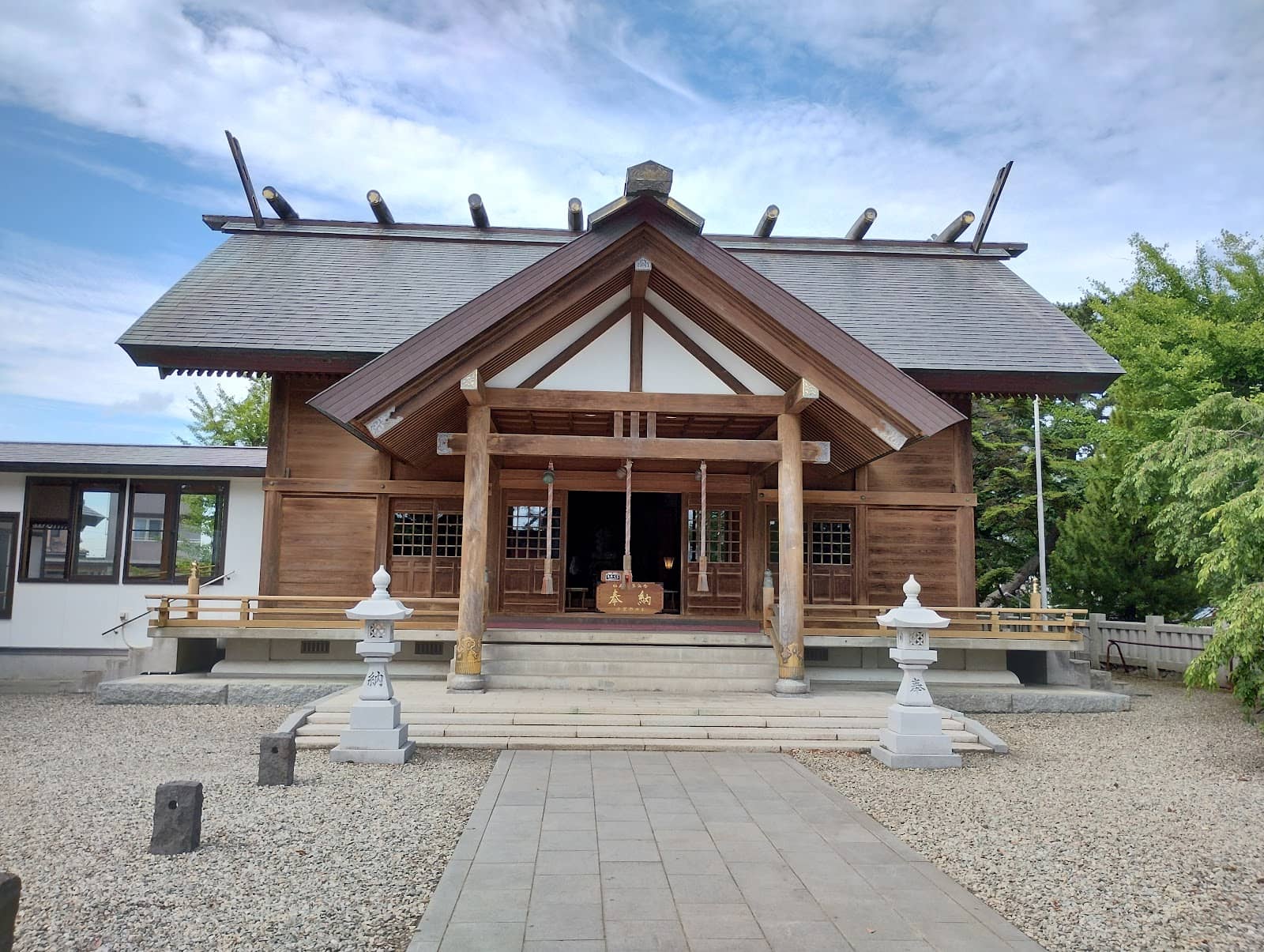
Explore the serene grounds of this historic shrine, the guardian of the Tsuchizaki region. Experience its peaceful atmosphere and architectural beauty.
Former Minato Castle Ruins
Adjacent to the shrine
Discover the remnants of Minato Castle, once the stronghold of the Ando family. Imagine the history that unfolded on these grounds.
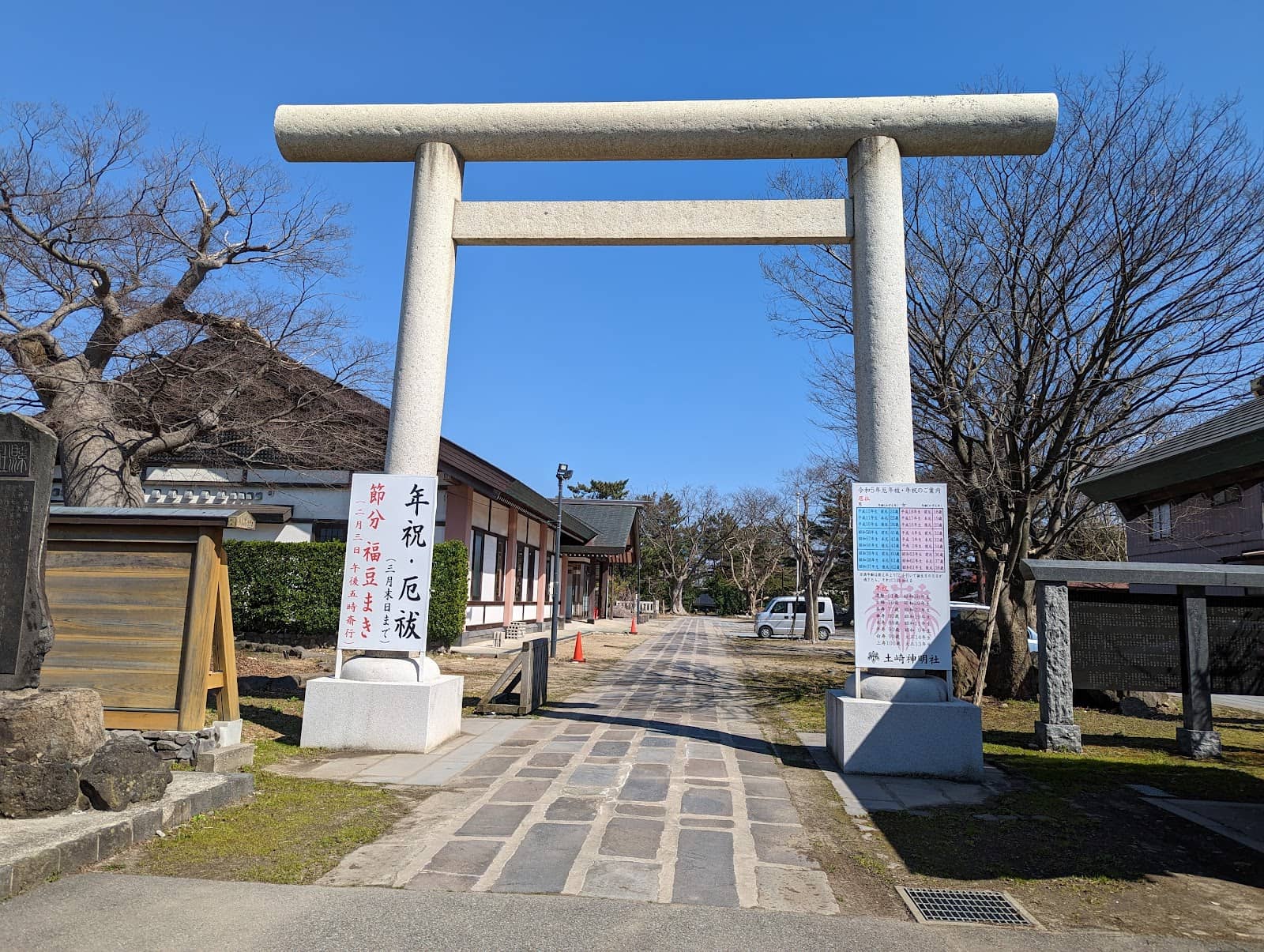
Tsuchizaki Port Festival History
Information boards and local lore
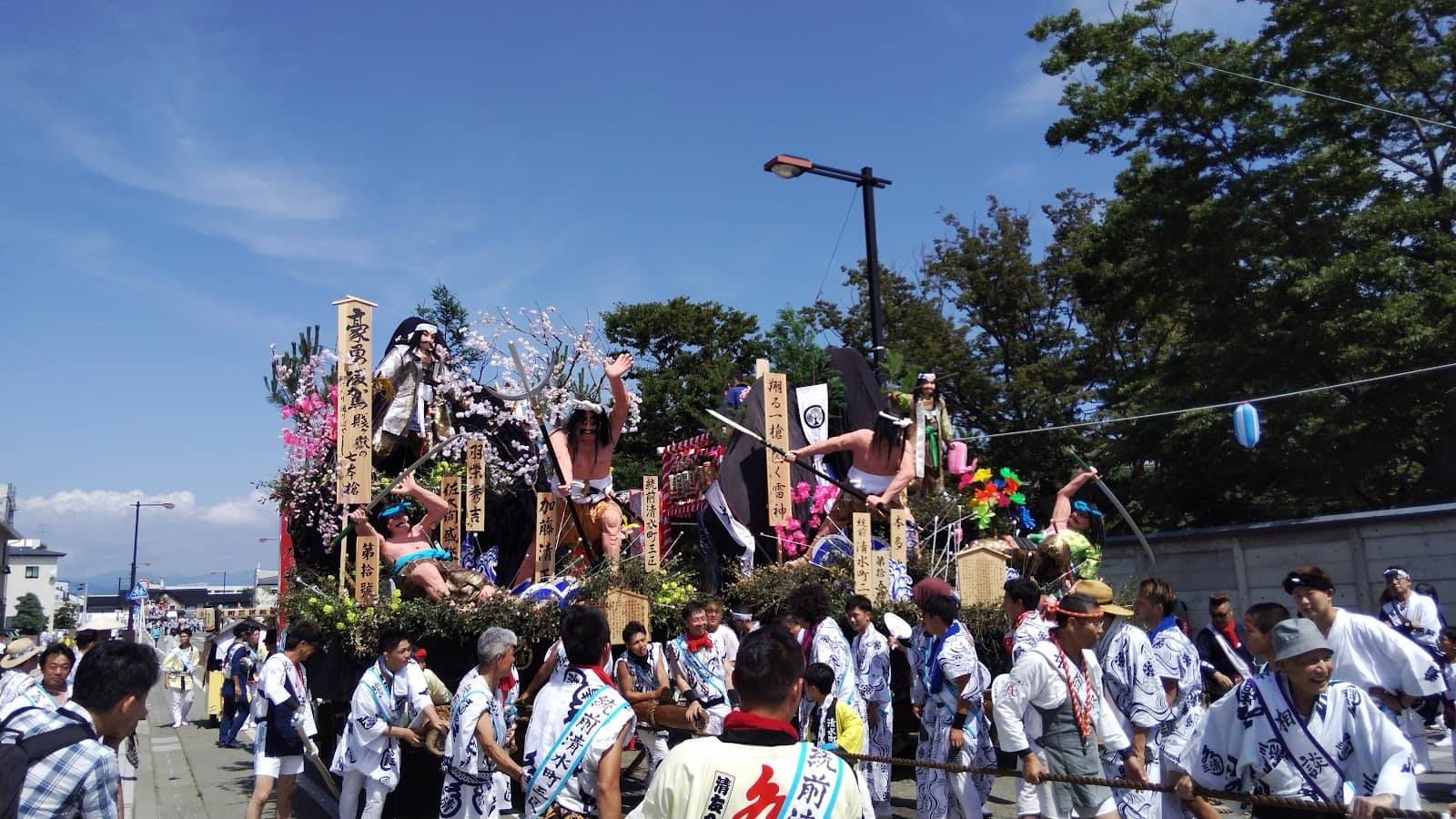
Learn about the origins of the vibrant Tsuchizaki Port Festival, a UNESCO Intangible Cultural Heritage event with deep roots.
Plans like a pro.
Thinks like you
Planning Your Visit
Timing Your Visit for Serenity
Understanding the Shrine's History
Best Times
Insider Tips
from TikTok, Instagram & Reddit
🚶♀️ Walk from Station
The shrine is conveniently located within walking distance from JR Tsuchizaki Station. :athletic_shoe:
📜 Handwritten Goshuin
Handwritten goshuin stamps are available for visitors. 📜
🚂 Disappointing Locomotive
The old steam locomotive in the park is rusty and dilapidated, often off-limits. 🚂
✨ Renovated Entrance
The shrine building entrance has been updated with automatic doors. 🚪
Tips
from all over the internet
🚶♀️ Walk from Station
The shrine is conveniently located within walking distance from JR Tsuchizaki Station. :athletic_shoe:
📜 Handwritten Goshuin
Handwritten goshuin stamps are available for visitors. 📜
🚂 Disappointing Locomotive
The old steam locomotive in the park is rusty and dilapidated, often off-limits. 🚂
✨ Renovated Entrance
The shrine building entrance has been updated with automatic doors. 🚪
What Travellers Say
Reviews Summary
Visitors appreciate Tsuchizaki Shinmeisha Shrine for its historical significance as the guardian of the Tsuchizaki region and its connection to the former Minato Castle. The availability of handwritten goshuin stamps is a noted positive. However, the dilapidated state of the old steam locomotive in the adjacent park is a common point of disappointment.
"Tsuchizaki Shin’meisha enshrines the guardian of Tsuchizaki region Akita City.
In the 15th century, this place was the castle of ANDO family, the Lord around here.
An old steam locomotive is on display, but it has been exposed to wind and rain for many years and it looks damaged."
K2
"A shrine that has been around since the Showa era ⛩️ It is an indispensable shrine for the Tsuchizaki festival. I dropped by for the first time in decades since I went there for the Shichigosan festival when I was a child. The entrance to the shrine building has been renovated with automatic doors 😲
The steam locomotive in the park next door was also rusty and dilapidated, so it was off-limits... What a shame 😞"
キルア
"I visited the temple for the first time in late April 2025.
It was lunchtime on a weekday, but there were hardly any visitors, so I strolled around the quiet grounds."
源汰
What People Like
What People Dislike
Frequently Asked Questions
🚇 🗺️ Getting There
Tsuchizaki Shinmeisha Shrine is conveniently located within walking distance from JR Tsuchizaki Station. Simply follow the signs for the shrine after exiting the station. The walk is short and pleasant, making it easily accessible for most visitors.
Information regarding dedicated parking facilities at Tsuchizaki Shinmeisha Shrine is limited. It's advisable to check local resources or consider public transport options like the train to JR Tsuchizaki Station for ease of access.
While the train to JR Tsuchizaki Station is the most direct route, local bus services may operate in the Tsuchizaki area. It's recommended to consult Akita City's public transportation schedules for the most up-to-date bus routes and stops near the shrine.
🎫 🎫 Tickets & Entry
Tsuchizaki Shinmeisha Shrine is generally free to enter, allowing visitors to explore its grounds and appreciate its historical significance without an admission fee.
Shrine grounds are typically accessible during daylight hours. Specific building access or any associated facilities might have their own operating times, but the main shrine area is usually open for visitors to wander through.
Yes, handwritten goshuin stamps are available at Tsuchizaki Shinmeisha Shrine for those who collect them. This offers a unique memento of your visit.
The shrine building entrance has been renovated with automatic doors, improving accessibility. However, the overall grounds might have uneven terrain, so visitors with mobility concerns should proceed with caution.
🎫 🧭 Onsite Experience
Visitors can explore the main shrine grounds, learn about its history as the guardian of the Tsuchizaki region, and see the adjacent former Minato Castle ruins. The shrine is also central to the Tsuchizaki Port Festival.
The Tsuchizaki Port Festival, originating around 1704, is a significant event featuring a portable shrine and a lively procession of floats accompanied by Minato Bayashi music. It's recognized as a UNESCO Intangible Cultural Heritage.
The old steam locomotive displayed in the park next to the shrine has been exposed to the elements for many years and is often found to be rusty and dilapidated, sometimes being off-limits to visitors.
On weekdays outside of festival times, the shrine grounds are usually quiet with hardly any visitors, offering a peaceful experience. During the Tsuchizaki festival, however, it can become very crowded.
Minato Castle was constructed in the early Oei period (1394-1428) by Shigeki Ando. Full construction began in 1587 under Ando Sanesuke and was completed in 1599. It was abandoned after the Satake clan was transferred to Akita and Kubota Castle was completed.

Social
from TikTok, Instagram & Reddit