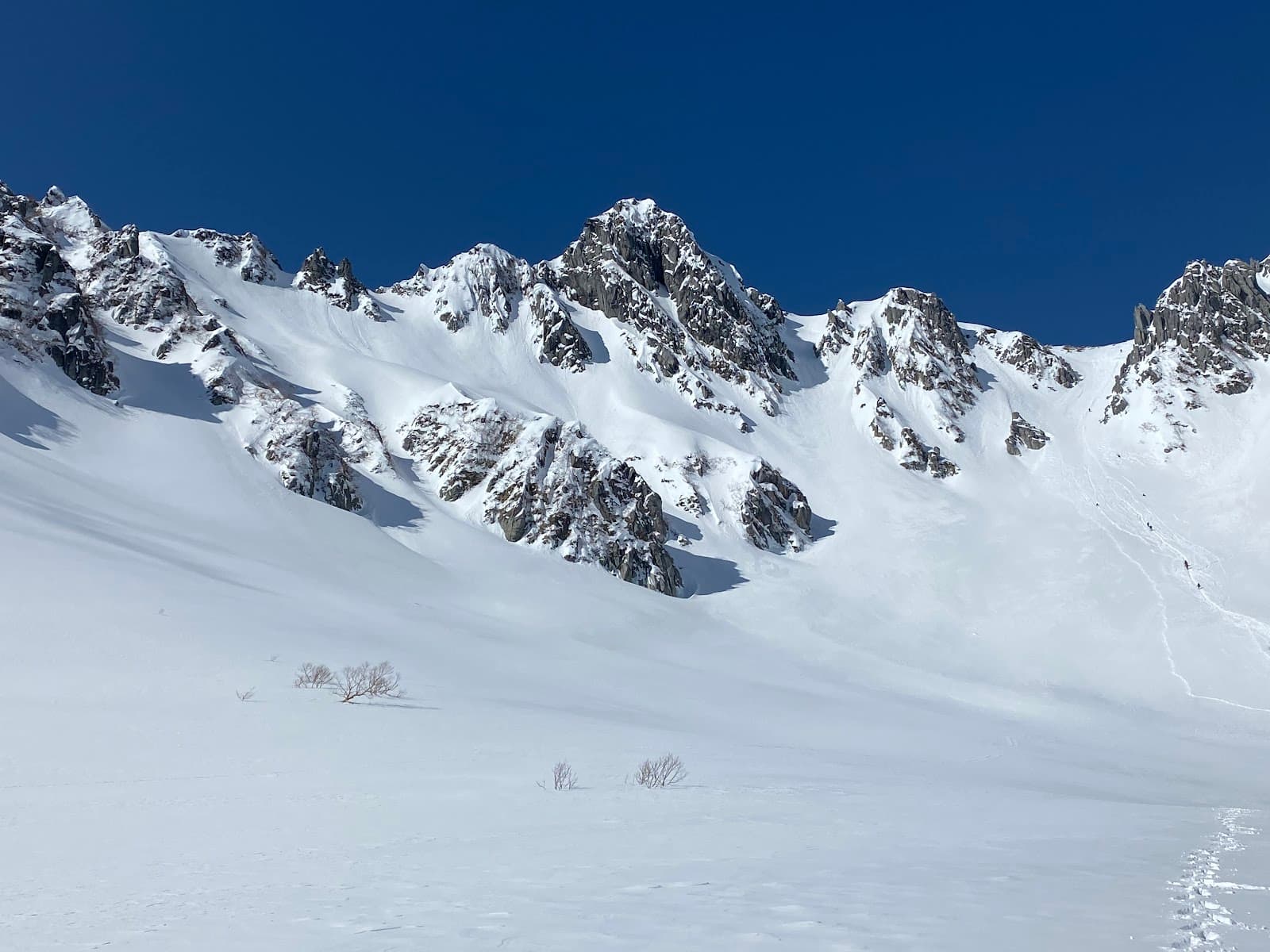
Mount Hoken
A technical climb in the Central Alps, Mt. Hoken offers a sharp peak and stunning alpine vistas, especially from Senjojiki Cirque.
Highlights
Must-see attractions

Social
From TikTok & Reddit
Best Time
Clearer skies, better visibility
Mount Hoken
Best Time
Clearer skies, better visibility
Highlights
Must-see attractions
A technical climb in the Central Alps, Mt. Hoken offers a sharp peak and stunning alpine vistas, especially from Senjojiki Cirque.
"The challenging climb and breathtaking scenery make Mt. Hoken an unforgettable alpine adventure."
Helmet Rental Essential
Rent helmets at Hoken Sanso; child sizes are limited, so bring your own if needed. :helmet:
North Strait for Easier Climb
For less experienced climbers, the northern approach to Mt. Hoken from Hoken Sanso is recommended. :hiking_boot:

Highlights
Discover the most iconic attractions and experiences
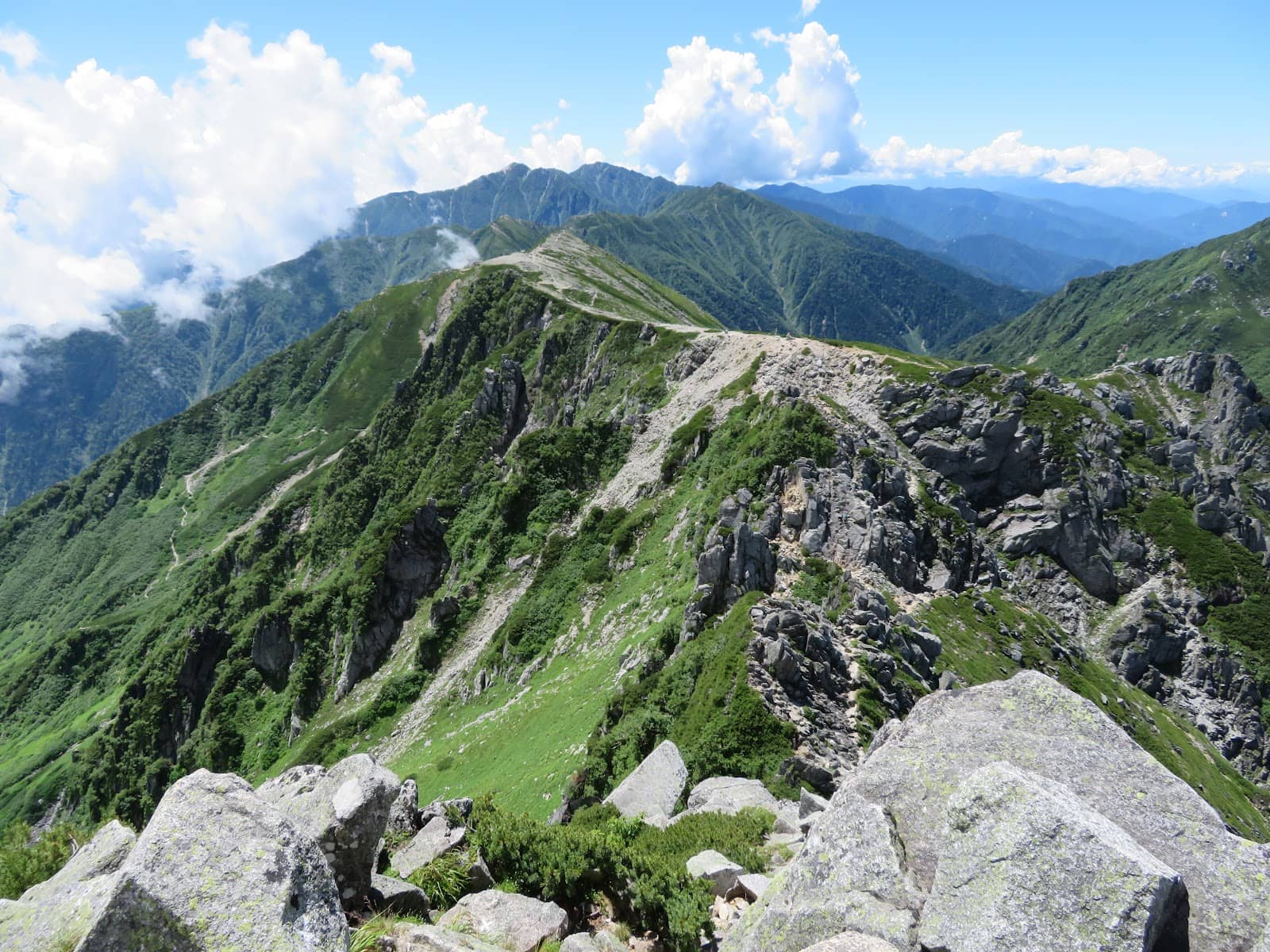
The Sharp Peak of Mt. Hoken
Central Alps
A challenging ascent to a dramatic, sharp summit offering panoramic views of the surrounding Japanese Alps.
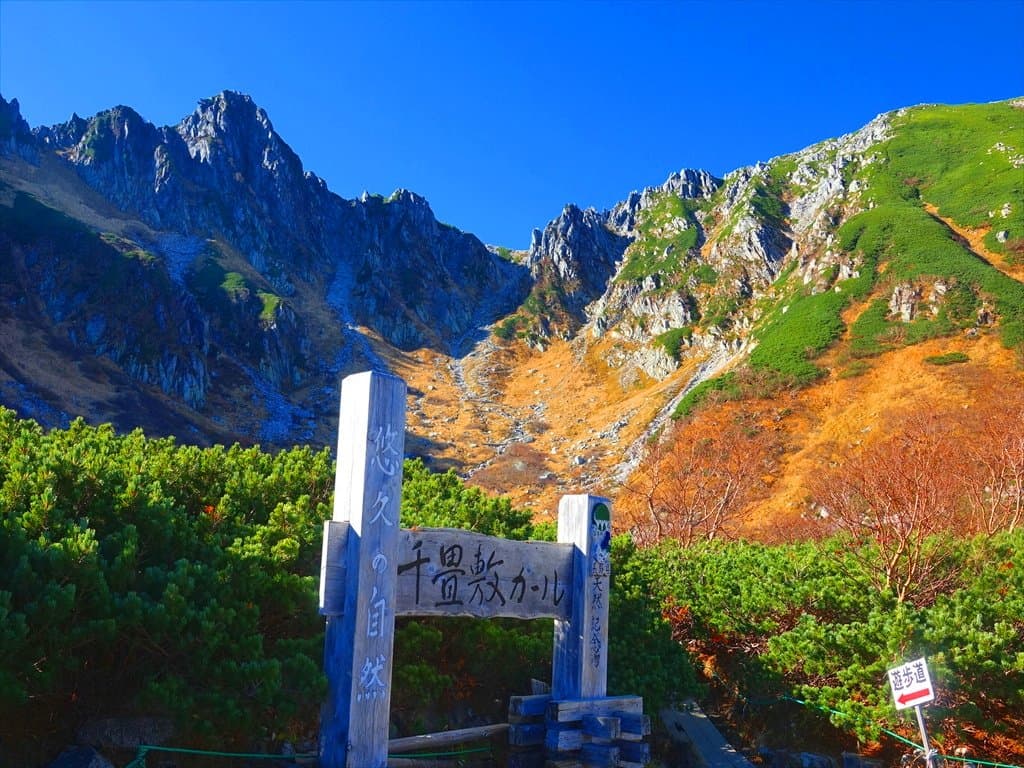
Senjojiki Cirque
Base of the Central Alps
A stunning glacial cirque with vibrant alpine flora, accessible by ropeway, offering breathtaking scenery.

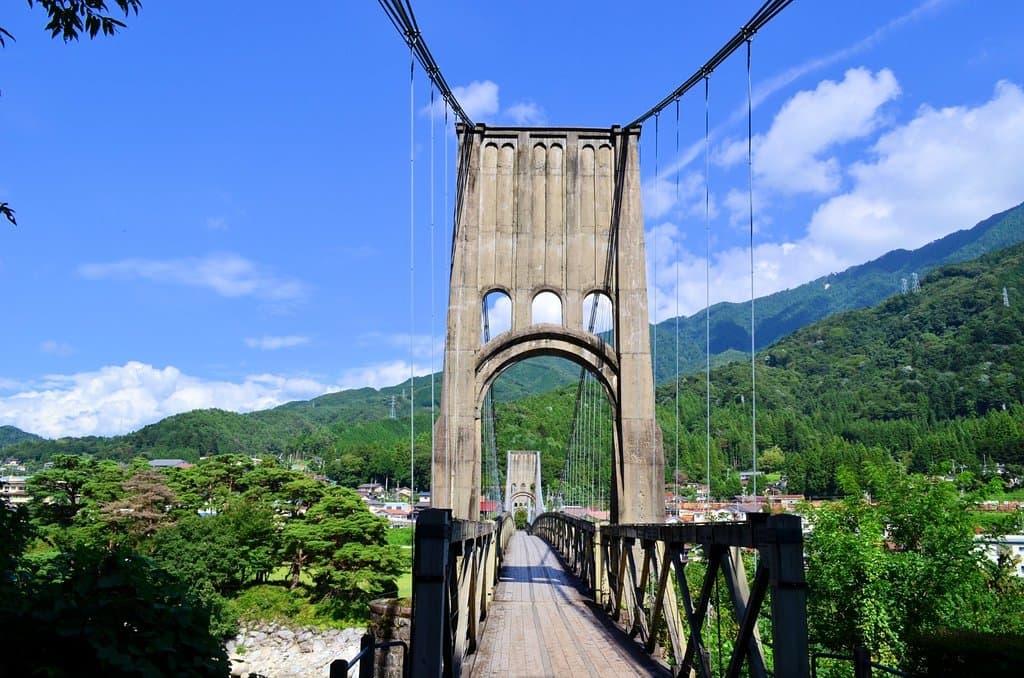
Akasawa Shinrin Tetsudo (Forest Railway)
Agematsu-machi, Nagano
A scenic forest railway offering beautiful views, especially during autumn with its vibrant red and yellow foliage.
Plans like a pro.
Thinks like you
Planning Your Visit
Gear Up for a Technical Climb
Timing is Key for Views
Best Times
Insider Tips
from TikTok, Instagram & Reddit
Helmet Rental Essential
Rent helmets at Hoken Sanso; child sizes are limited, so bring your own if needed. :helmet:
North Strait for Easier Climb
For less experienced climbers, the northern approach to Mt. Hoken from Hoken Sanso is recommended. :hiking_boot:
Check Weather Constantly
Weather changes rapidly in the Alps. Be prepared for wind, cold, and even hail. :cloudwithrainandlightning:
Acclimatize for Altitude
The high altitude can cause sickness. Allow time to acclimatize, especially if coming from sea level. :mountain_snow:
Tips
from all over the internet
Helmet Rental Essential
Rent helmets at Hoken Sanso; child sizes are limited, so bring your own if needed. :helmet:
North Strait for Easier Climb
For less experienced climbers, the northern approach to Mt. Hoken from Hoken Sanso is recommended. :hiking_boot:
Check Weather Constantly
Weather changes rapidly in the Alps. Be prepared for wind, cold, and even hail. :cloudwithrainandlightning:
Acclimatize for Altitude
The high altitude can cause sickness. Allow time to acclimatize, especially if coming from sea level. :mountain_snow:
Three-Point Support is Key
Utilize handrails and footholds for a secure climb, especially on chain sections. :rock:
What Travellers Say
Reviews Summary
Visitors praise Mt. Hoken for its challenging yet rewarding technical climb and the breathtaking alpine scenery, especially from Senjojiki Cirque. The autumn foliage is a major highlight. However, the unpredictable mountain weather and the demanding nature of the climb can be significant drawbacks for some.
"Let's climb rocks"
MASAKO IMOTO
"To make a summer vacation memory, I went on a tent-camping hike to Mt. Kisokoma, Mt. Nakadake, Mt. Hoken, and Mt. Inamaedake in the Central Alps with my 6-year-old son.
We took the Mainichi Shimbun overnight bus to Suganodai Bus Center.
From there, we took a bus and ropeway and arrived at Senjojiki a little after 7:00 AM.
The weather was beautiful, but I had been obsessed with the weather forecast for a week (lol).
You can rent helmets at Hoken Sanso, but they don't have ones for children, so be sure to prepare in advance.
As of July 2025,
the rental fee was 800 yen.
We left our luggage near Hoken Sanso and headed for Mt. Hoken.
Mt. Hoken can be approached from both the northern and southern straits, but if you're not confident, I recommend climbing from the northern strait, closer to Hoken Sanso.
The distance is shorter and there are fewer difficult sections than from the southern strait.
Recently, there have been many detailed explanations on YouTube and elsewhere, so it might be a good idea to check those out to get an idea of what it's like.
My 6-year-old son was doing fine up until halfway, saying that there weren't many loose rocks so he could trust the rock relatively well, that the chain sections were sturdy and there was always somewhere to put his feet, and that he would definitely be able to climb with three points of support. However, when it came to the final cliff traverse, he complained that he might not be able to make it.
However, as he watched several people who had given way to him and been able to climb, my son commented that if he fell he would die, but there was somewhere to put his feet, the handrails were solid, and he could clear this section with three points of support, and then he started walking.
It's true that the sense of height can be deceiving and intimidating, but the rock section is made of bedrock with few loose rocks, there are chains everywhere, and there are plenty of footholds, so if you take your time, I think it's not such a scary mountain.
My son was in a good mood at the summit, probably because he was happy to have received praise from everyone.
After descending the mountain, I had the soft-serve ice cream at Hoken Sanso Lodge and was beaming, saying it was the best soft-serve ice cream I'd ever had.
This time, I was reminded of altitude sickness.
Among the people walking up Senjojiki Cirque towards Norikoshi Jodo, many were out of breath and had to take a break after climbing a little, perhaps because they were unable to acclimatize due to altitude sickness.
The mountains around Senjojiki Cirque are nearly 3,000m high, so it might be best to plan your hike with some flexibility.
I'm glad I planned to camp in a tent and give myself plenty of time.
So, everyone, have a wonderful hike!!
I hope the photos are helpful."
yosuke Sato
"25/10
I finally climbed Mt. Kiso-Komagatake. I checked the weather a week in advance and it was forecast to be sunny all day.
I slept in my car in a parking lot in Komagane, but when I finally got there, it was foggy.
I started the climb, thinking it would clear up eventually, but it just got worse and worse. It was windy and cold. By the end, my hands were cold from the hail and drizzle. I made it to the summit of Mt. Kiso-Komagatake, but there was no view at all.
I quickly retreated and headed home. The only good thing about it was that I spotted a Japanese ptarmigan.
I'd like to try again next year!"
プラターナ
What People Like
What People Dislike
Frequently Asked Questions
🚇 🗺️ Getting There
From Tokyo, take the Shinkansen to Nagoya, then transfer to the JR Chuo Line for Komagane Station. From Komagane, take a bus to Suganodai Bus Center, followed by another bus and the Komagatake Ropeway to Senjojiki. This is a popular route for accessing the Central Alps.
The most common access point is via the Komagatake Ropeway, which takes you to Senjojiki. From Senjojiki, you can begin your hike towards Mt. Hoken. Some travelers opt for overnight buses to Suganodai Bus Center to start their journey.
Yes, public transportation is generally reliable. Buses connect Komagane Station to Suganodai Bus Center, and the Komagatake Ropeway operates regularly. It's advisable to check schedules in advance, especially during off-peak seasons.
While you can drive to the base of the Komagatake Ropeway at Suganodai Bus Center, parking is available but can fill up during peak season. From there, you'll need to use the ropeway to reach the higher elevations.
From Senjojiki, Mt. Hoken is accessible via hiking trails. The approach from Hoken Sanso is considered shorter and less technical than other routes.
🎫 🎫 Tickets & Entry
There isn't a specific entry ticket for Mt. Hoken itself, but you will need to purchase tickets for the Komagatake Ropeway, which is the primary access method to the Senjojiki area.
The operating hours for the Komagatake Ropeway vary by season. It's crucial to check the official website for the most up-to-date information before your visit, as they can change.
The cost of the Komagatake Ropeway is approximately 3,000-4,000 JPY for a round trip, but prices can vary. It's best to confirm the current fare on their official website.
Generally, there are no specific entrance fees for the hiking trails on Mt. Hoken itself. However, you will incur costs for transportation like the ropeway and any potential bus fares.
Advance booking for the Komagatake Ropeway is often recommended, especially during peak seasons like Golden Week or autumn foliage, to avoid long queues. Check the official website for booking options.
🎫 ⛰️ Onsite Experience
Mt. Hoken is considered a technical climb with steep sections, chains, and rocky terrain. While accessible to beginners with good preparation, it requires careful footing and a good sense of height.
Sturdy hiking boots with excellent grip are essential. Helmets are highly recommended due to the rocky nature of the climb. Layers of clothing are advised as the weather can change rapidly.
There are no facilities at the summit of Mt. Hoken itself. However, Hoken Sanso (a mountain lodge) is located near the base of the climb from Senjojiki and offers amenities like restrooms and food.
While some children have successfully climbed Mt. Hoken with their parents, it's a challenging climb. Parents should carefully assess their child's abilities and ensure they have appropriate gear, especially helmets.
The summit of Mt. Hoken offers spectacular panoramic views of the Central Alps. The approach itself, especially the chain sections, provides dramatic vistas and a sense of accomplishment.
📸 📸 Photography
The summit of Mt. Hoken provides breathtaking panoramic views of the surrounding mountains. The dramatic, sharp peak itself is an iconic subject. The approach with its chain sections also offers dramatic photographic opportunities.
Early morning or late afternoon can offer softer light and potentially fewer crowds. However, clear weather is paramount for capturing the expansive alpine scenery.
A wide-angle lens is great for capturing the vast landscapes. A telephoto lens can be useful for isolating mountain peaks. Ensure your gear is protected from the elements, as weather can be unpredictable.
Generally, there are no specific restrictions on photography on Mt. Hoken. However, always be mindful of other hikers and avoid obstructing trails.
Autumn offers vibrant fall foliage, making it a prime season for photographers. Summer provides lush greenery and clear skies, while winter offers a stark, snow-covered landscape for the adventurous.
For Different Travelers
Tailored advice for your travel style
👨👩👧 Families with Kids
🧗♀️ Experienced Climbers
📸 Photography Enthusiasts

Deep Dives
In-depth insights and expert knowledge
Navigating the Technical Ascent
Many visitors recommend approaching Mt. Hoken from the northern strait, which is generally considered shorter and less demanding than the southern route. This path offers a more direct route to the summit from the vicinity of Hoken Sanso. Despite its technical nature, the rock is often described as solid bedrock with fewer loose stones, providing relatively secure handholds and footholds.
For those concerned about safety, renting a helmet is highly advised. While Hoken Sanso offers rentals, they may not have children's sizes, so it's best to prepare this in advance if traveling with kids. Watching YouTube videos or detailed online guides can provide a visual understanding of the climb, helping to demystify the challenging sections and build confidence before you go.
The Allure of Senjojiki Cirque
Upon arrival at Senjojiki via the ropeway, visitors are immediately greeted by expansive views. The altitude here is significant, so taking time to acclimatize is important to avoid altitude sickness. Many visitors enjoy a leisurely walk around the cirque, taking in the panoramic vistas before embarking on more strenuous hikes. The area around Senjojiki is also home to Hoken Sanso, a mountain lodge that provides essential services like restrooms and a place to rest and refuel.
The cirque is not just a scenic spot but also a starting point for various hiking routes. While Mt. Hoken is a popular objective, there are also trails leading to other peaks like Mt. Nakadake and Mt. Inamaedake. The accessibility via the ropeway makes Senjojiki a popular destination for day-trippers and those looking for a taste of the high mountains without an overnight trek.
Seasonal Beauty: Autumn Foliage and Beyond
During summer, Senjojiki Cirque bursts with life, showcasing a variety of alpine flowers. This is an ideal time for hiking and enjoying the lush green landscapes. However, summer weather in the Japanese Alps can be unpredictable, with sudden rain showers and thunderstorms being common. It's essential to be prepared for all conditions.
Winter transforms the landscape into a serene, snow-covered wonderland. While challenging and requiring specialized winter climbing gear and experience, it offers a unique and dramatic perspective of Mt. Hoken. The Akasawa Shinrin Tetsudo also operates during specific periods, with its autumn season being a major draw for its scenic beauty.

Social
from TikTok, Instagram & Reddit