
Via Francigena
An ancient pilgrimage route from England to Rome, offering breathtaking landscapes, historic towns, and a transformative journey.
Highlights
Must-see attractions

Social
From TikTok & Reddit
Best Time
Pleasant weather, blooming landscapes
Via Francigena
Best Time
Pleasant weather, blooming landscapes
Highlights
Must-see attractions
An ancient pilgrimage route from England to Rome, offering breathtaking landscapes, historic towns, and a transformative journey.

Pack Light, Walk Far
Every ounce counts! Focus on essentials. Consider a lightweight backpack and quick-dry clothing.
Book Accommodations Ahead
Hostels and B&Bs fill up, especially in popular sections. Book in advance to secure your spot.

Quick Facts
Highlights
Discover the most iconic attractions and experiences

Tuscan Countryside
Tuscany, Italy
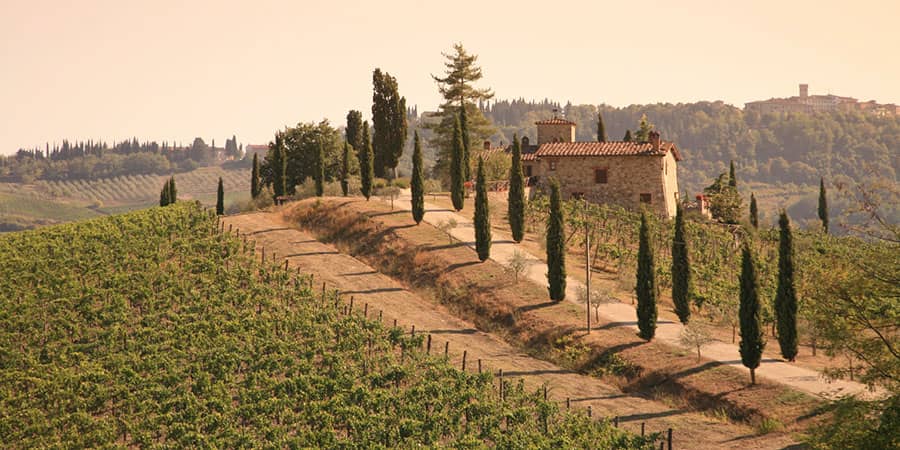
Rolling hills, vineyards, and cypress-lined roads create an iconic, postcard-perfect landscape.

Monteriggioni
Tuscany, Italy
A perfectly preserved medieval walled village offering a glimpse into the past.

San Gimignano
Tuscany, Italy
Famous for its medieval towers, this hilltop town is a UNESCO World Heritage site.

Vatican City
Rome, Italy
The ultimate destination for many pilgrims, marking the end of the long journey.
Plans like a pro.
Thinks like you
Planning Your Visit
Embrace the Journey, Not Just the Destination
Pace Yourself and Plan for Rest
Best Times
Insider Tips
from TikTok, Instagram & Reddit
Pack Light, Walk Far
Every ounce counts! Focus on essentials. Consider a lightweight backpack and quick-dry clothing.
Book Accommodations Ahead
Hostels and B&Bs fill up, especially in popular sections. Book in advance to secure your spot.
Hydration is Key
Carry plenty of water, especially during warmer months. Refill whenever possible.
Embrace the Local Culture
Savor regional foods and connect with locals. The journey is as much about discovery as it is about walking.
Tips
from all over the internet
Pack Light, Walk Far
Every ounce counts! Focus on essentials. Consider a lightweight backpack and quick-dry clothing.
Book Accommodations Ahead
Hostels and B&Bs fill up, especially in popular sections. Book in advance to secure your spot.
Hydration is Key
Carry plenty of water, especially during warmer months. Refill whenever possible.
Embrace the Local Culture
Savor regional foods and connect with locals. The journey is as much about discovery as it is about walking.
Listen to Your Body
Rest days are crucial. Don't push through pain; it can lead to injury.
What Travellers Say
Reviews Summary
The Via Francigena is celebrated for its breathtaking Tuscan landscapes, charming medieval villages, and the profound sense of accomplishment upon reaching Rome. While the journey offers incredible beauty and a unique community spirit, some walkers find certain sections less scenic or challenging due to heat and terrain. Overall, it's a highly rewarding experience for those seeking adventure and self-discovery.
What People Like
What People Dislike
Frequently Asked Questions
🚇 🗺️ Getting There
The Via Francigena is a long-distance trail with multiple starting points. Many begin in Canterbury, England, while others opt for shorter, more manageable sections in Italy, such as from Lucca to Siena. Research different segments to find one that suits your time and fitness level.
For longer distances between sections, trains are a convenient and eco-friendly option in Italy. Local buses can also connect smaller towns. Some adventurous walkers even hitchhike, but this is not recommended for everyone.
Generally, the Via Francigena is well-marked with yellow arrows and the pilgrim symbol. However, it's always wise to carry a map or use a GPS app, as signage can occasionally be missing or unclear, especially in rural areas.
Yes, cycling is a popular way to experience the Via Francigena, particularly the Magna Via Francigena in Sicily. Ensure you have a suitable bike and be aware that some sections may be challenging for cyclists.
For those coming from the north, the Mont Cenis pass is a common entry point into Italy. From Switzerland, the Great St. Bernard Pass is another popular route. Many pilgrims also start directly within Italy.
🎫 🎫 Tickets & Entry
The Via Francigena itself is a public path and does not require tickets for access. However, you will need to pay for accommodation, food, and any optional entrance fees for attractions along the way.
Yes, there are many pilgrim hostels (albergues) and simple accommodations specifically for walkers. These often offer basic amenities at affordable prices. It's highly recommended to book these in advance, especially during peak season.
Costs vary, but pilgrim hostels can range from €15-€30 per night. Private B&Bs or hotels will be more expensive. Budgeting around €40-€70 per day for accommodation, food, and incidentals is a reasonable starting point.
While not strictly mandatory for all sections, obtaining a pilgrim passport (credencial) is recommended. It can grant you access to pilgrim accommodations and is often required to receive a 'Testimonium' (certificate of completion) upon arrival in Rome.
Opening hours for churches, museums, and historical sites vary greatly. It's best to check specific opening times for any attractions you wish to visit in advance, as many are closed on certain days or have limited hours.
🎫 🚶 Onsite Experience
The terrain is diverse. You'll encounter paved roads, gravel paths, forest trails, and open fields. Some sections, particularly in Tuscany, are known for their rolling hills. Be prepared for varied surfaces.
Most walkers cover between 15-25 kilometers (9-15 miles) per day. This pace allows for enjoying the scenery, taking breaks, and avoiding overexertion. Some experienced hikers may cover more.
Pack light! Essentials include comfortable hiking boots, moisture-wicking clothing, a rain jacket, a hat, sunscreen, a first-aid kit, a water bottle, and a headlamp. Trekking poles can be very helpful.
Absolutely! The Via Francigena is a very popular route for solo travelers, offering a sense of community among pilgrims. Many find it a safe and rewarding experience for self-discovery.
The Tuscan sections, particularly from Lucca to Siena and through the Val d'Orcia, are incredibly popular for their stunning landscapes and well-developed infrastructure. The final stretch into Rome is also a highlight for many. 
🍽️ 🍽️ Food & Dining
You'll find delicious regional Italian cuisine. Expect pasta dishes, local cheeses, cured meats, fresh bread, and excellent wine. Many small towns offer trattorias and cafes serving hearty meals.
In more populated areas and larger towns, dining options are plentiful. In very rural stretches, options might be limited, so it's wise to carry snacks and water. Some accommodations may offer evening meals.
While traditional Italian cuisine can be meat-heavy, you can often find vegetarian options like pasta al pomodoro, minestrone, and vegetable antipasti. Vegan options might require more specific requests or seeking out health-conscious cafes.
In Tuscany, try Pici pasta, Ribollita soup, and local Pecorino cheese. If you pass through areas known for it, don't miss out on regional cured meats and olive oils.
Some pilgrim hostels have communal kitchens, allowing you to prepare your own meals. This can be a budget-friendly option. Local markets offer fresh produce and ingredients.
📸 📸 Photography
The Tuscan landscapes, medieval villages like Monteriggioni and San Gimignano, rolling hills, vineyards, and the final approach to Rome offer endless photographic opportunities. Sunrise and sunset shots are particularly stunning.
A lightweight camera or a good smartphone is sufficient for most. Consider a wide-angle lens for landscapes and a telephoto for distant details. A sturdy tripod can be useful for low-light conditions, but remember to pack light!
Look for panoramic views in the Val d'Orcia, the cypress-lined roads leading to towns, and the iconic towers of San Gimignano. The approach to Rome, with St. Peter's Basilica in the distance, is also a memorable shot.
The 'golden hours' – shortly after sunrise and before sunset – offer the most beautiful light for landscape photography. Midday sun can be harsh, but it's great for capturing the vibrant colors of towns.
Focus on details: worn hiking boots, pilgrim stamps in a passport, interactions with locals, and the vastness of the landscape. Shots of fellow pilgrims walking can also convey the journey's spirit.
Social
from TikTok, Instagram & Reddit