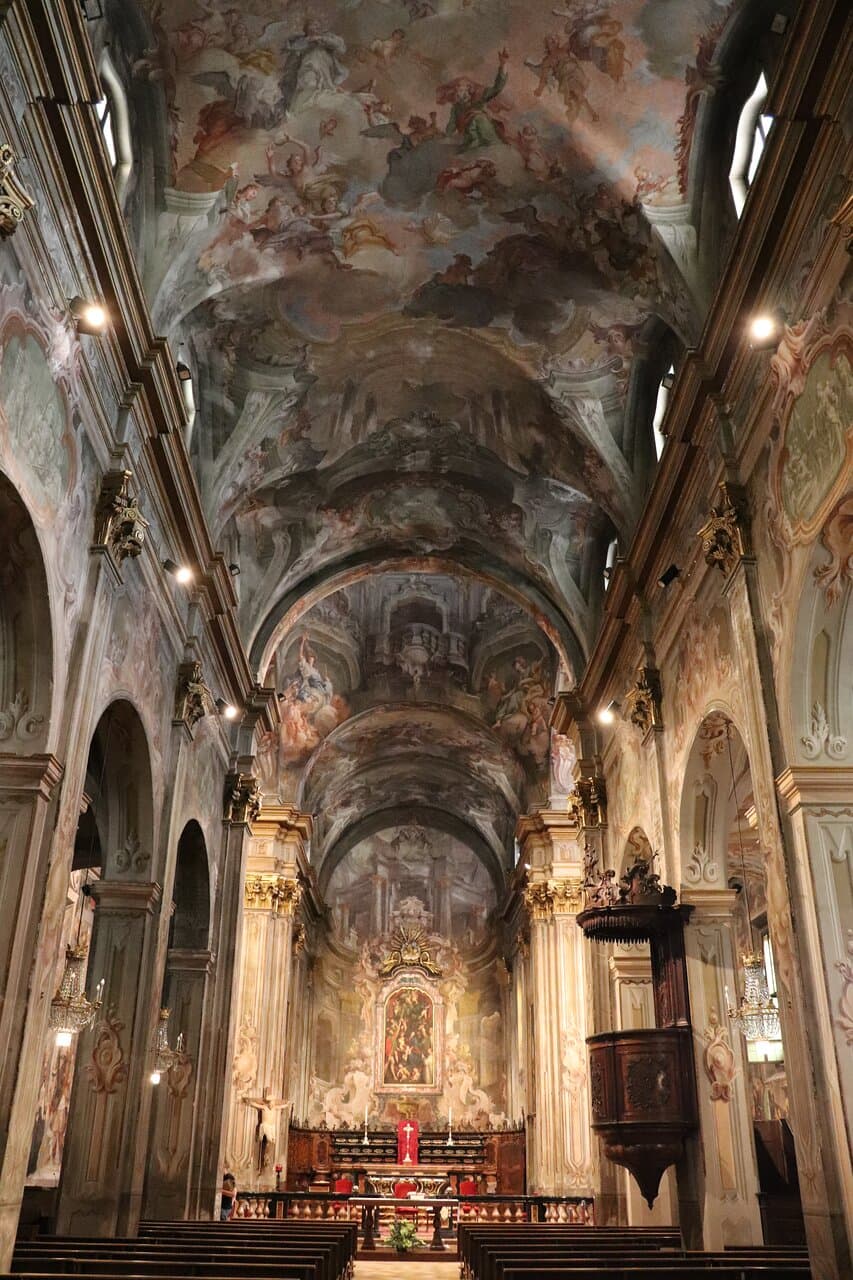
Chiesa di San Cristoforo
A unique Milanese church featuring two distinct structures side-by-side, housing stunning Renaissance frescoes by Gaudenzio Ferrari.
Highlights
Must-see attractions

Social
From TikTok & Reddit
Best Time
Fewer crowds, better light
Chiesa di San Cristoforo
Best Time
Fewer crowds, better light
Highlights
Must-see attractions
A unique Milanese church featuring two distinct structures side-by-side, housing stunning Renaissance frescoes by Gaudenzio Ferrari.
"Prepare to be amazed by the frescoes, but bring coins for the lights!"
Coin for Lights
Bring coins to activate the lights for better viewing of the frescoes. :coin:
Navigli Atmosphere
Enjoy the vibrant Navigli district before or after your visit. :canal:
Highlights
Discover the most iconic attractions and experiences
Dual Churches
Naviglio Grande
Two distinct churches, one ancient, one medieval, stand side-by-side, showcasing architectural evolution.
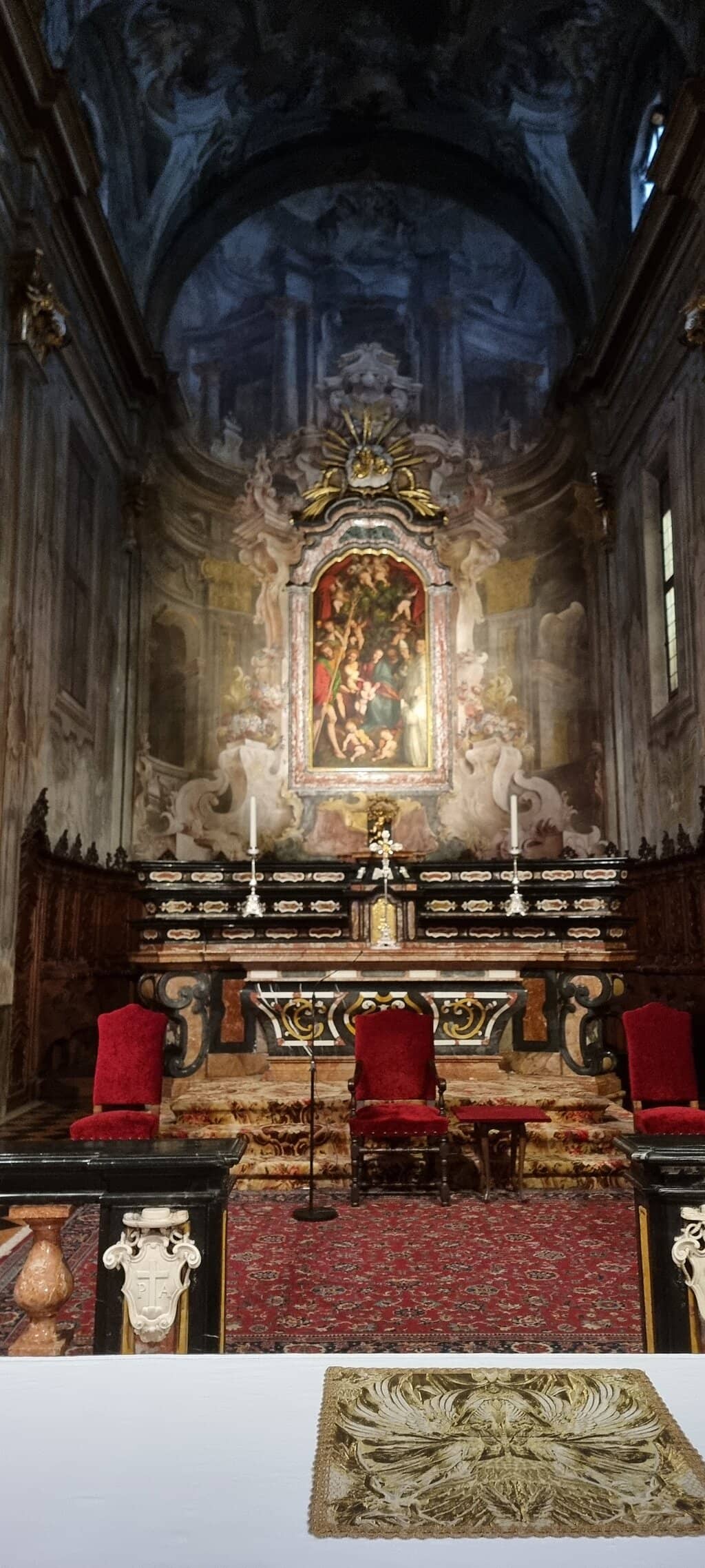
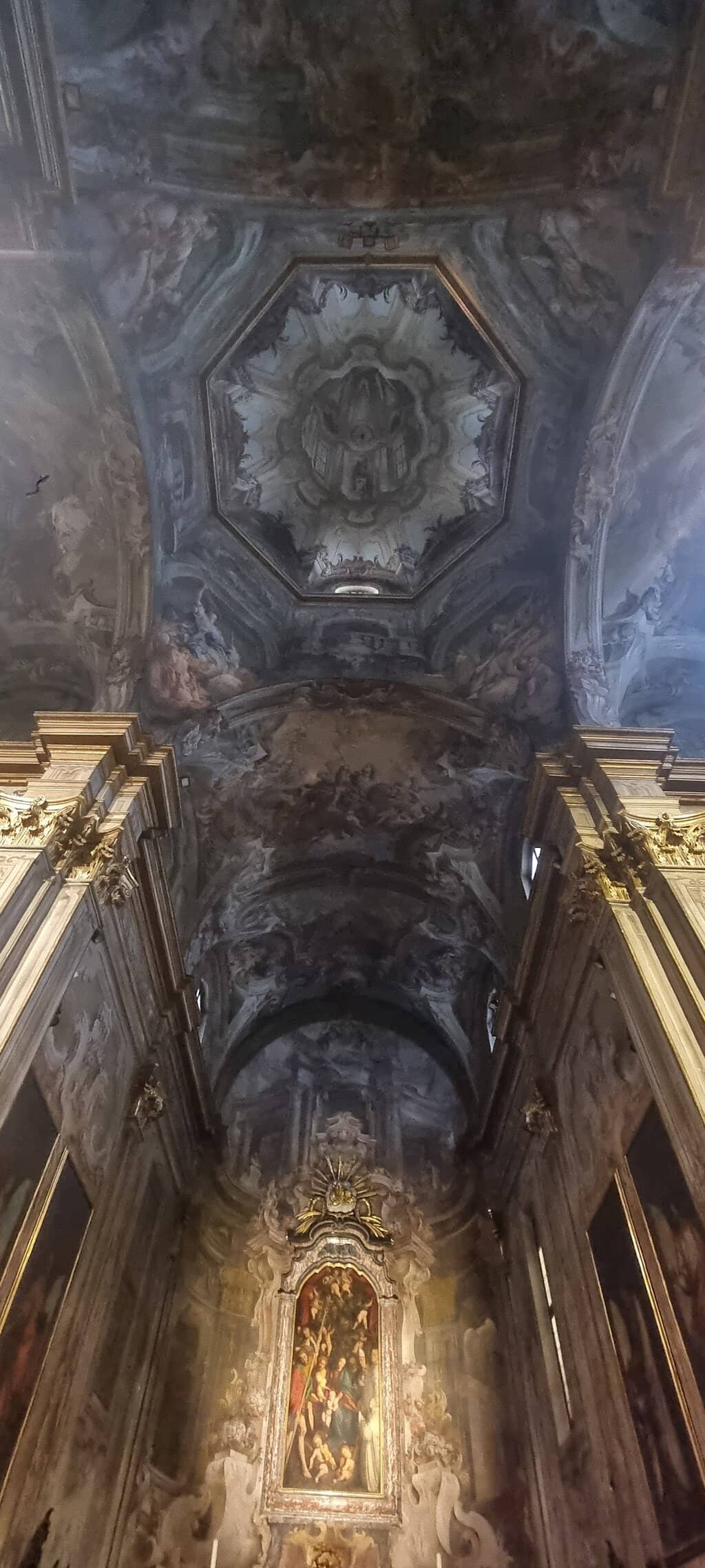
Gaudenzio Ferrari Frescoes
Presbytery and Magdalene Chapel
Stunning Renaissance frescoes by Gaudenzio Ferrari, depicting biblical scenes with vibrant detail.
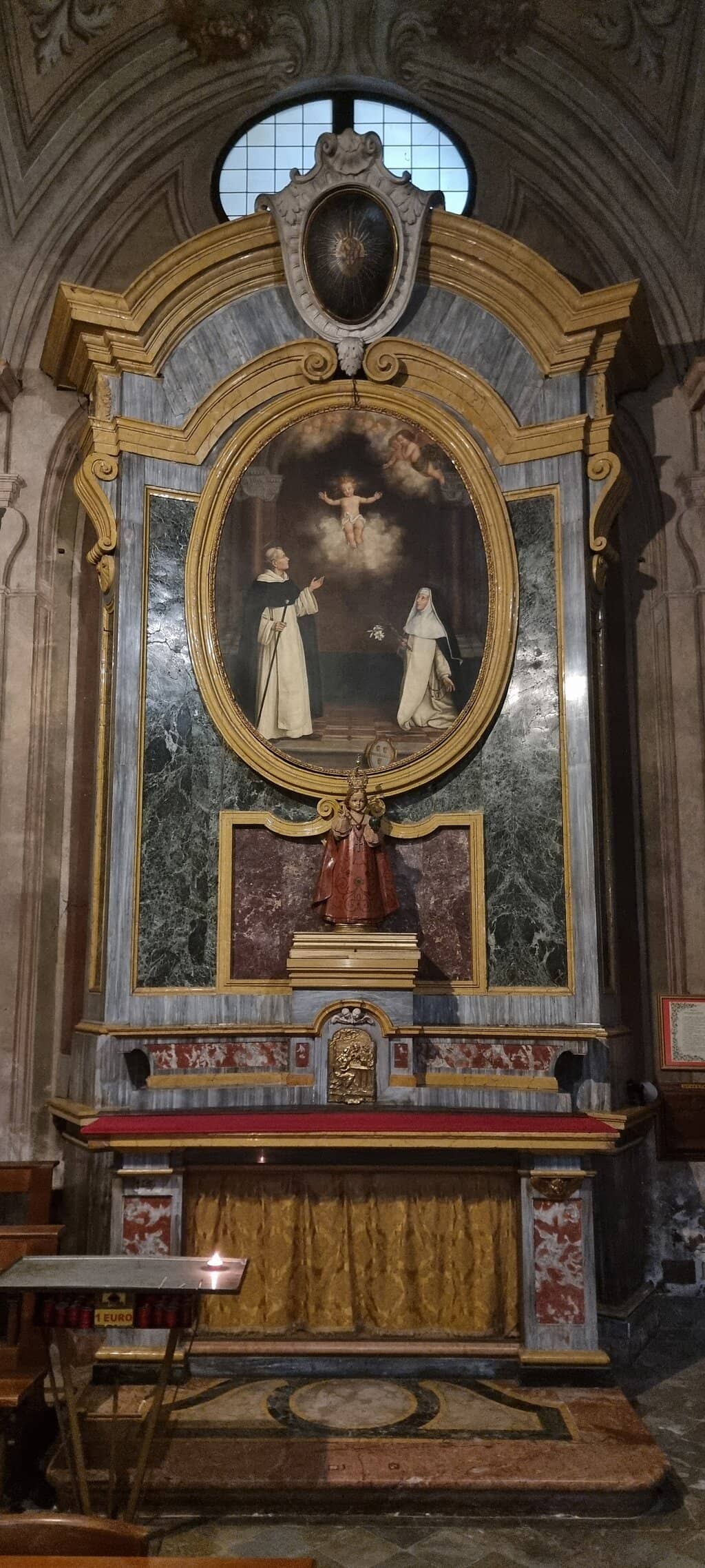
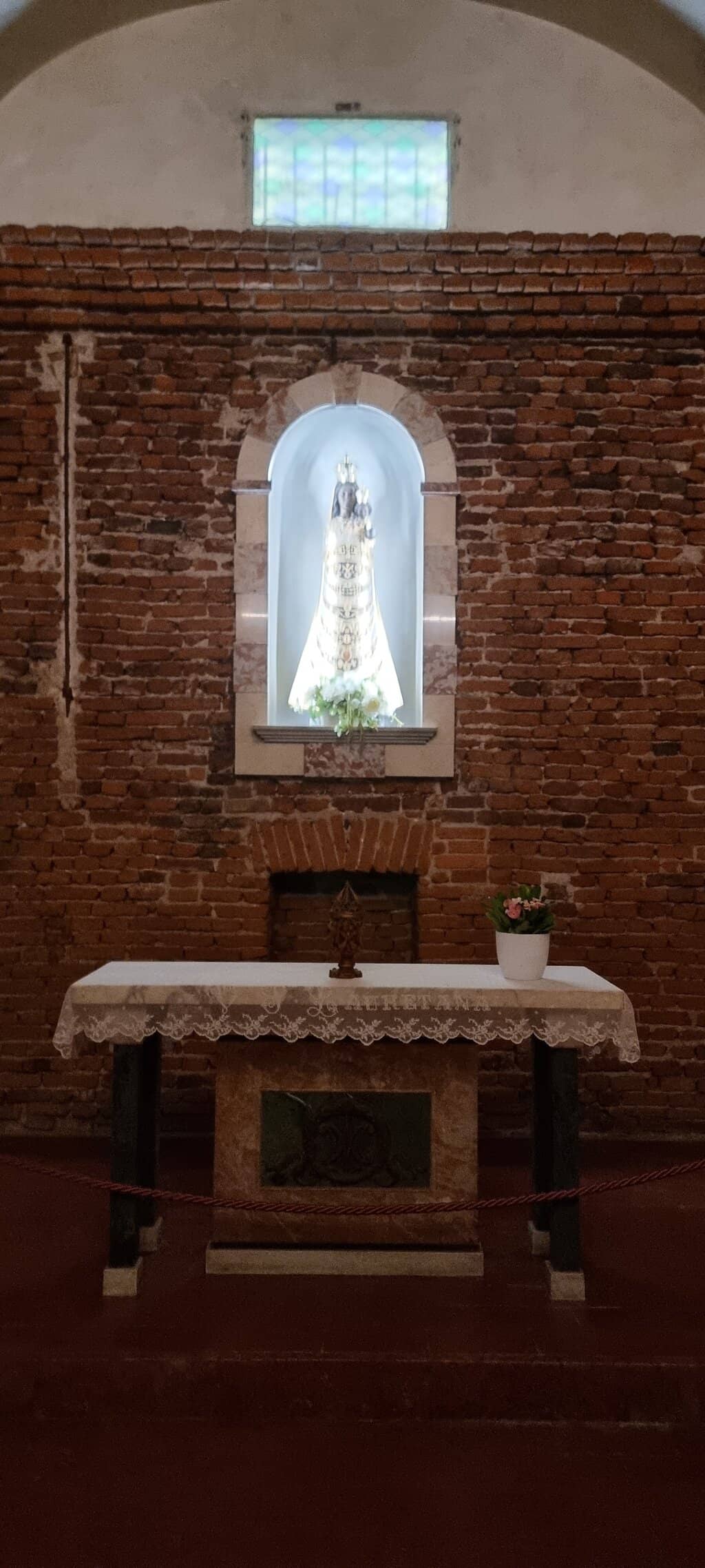
Crypt
Lower level
A beautifully simple, ancient stone church offering a serene and historical contrast to the upper levels.
Plans like a pro.
Thinks like you
Planning Your Visit
Navigli Charm
Artistic Treasures
Best Times
Insider Tips
from TikTok, Instagram & Reddit
Coin for Lights
Bring coins to activate the lights for better viewing of the frescoes. :coin:
Navigli Atmosphere
Enjoy the vibrant Navigli district before or after your visit. :canal:
Photography Tips
Your camera might see more than your eyes in dim areas. :camerawithflash:
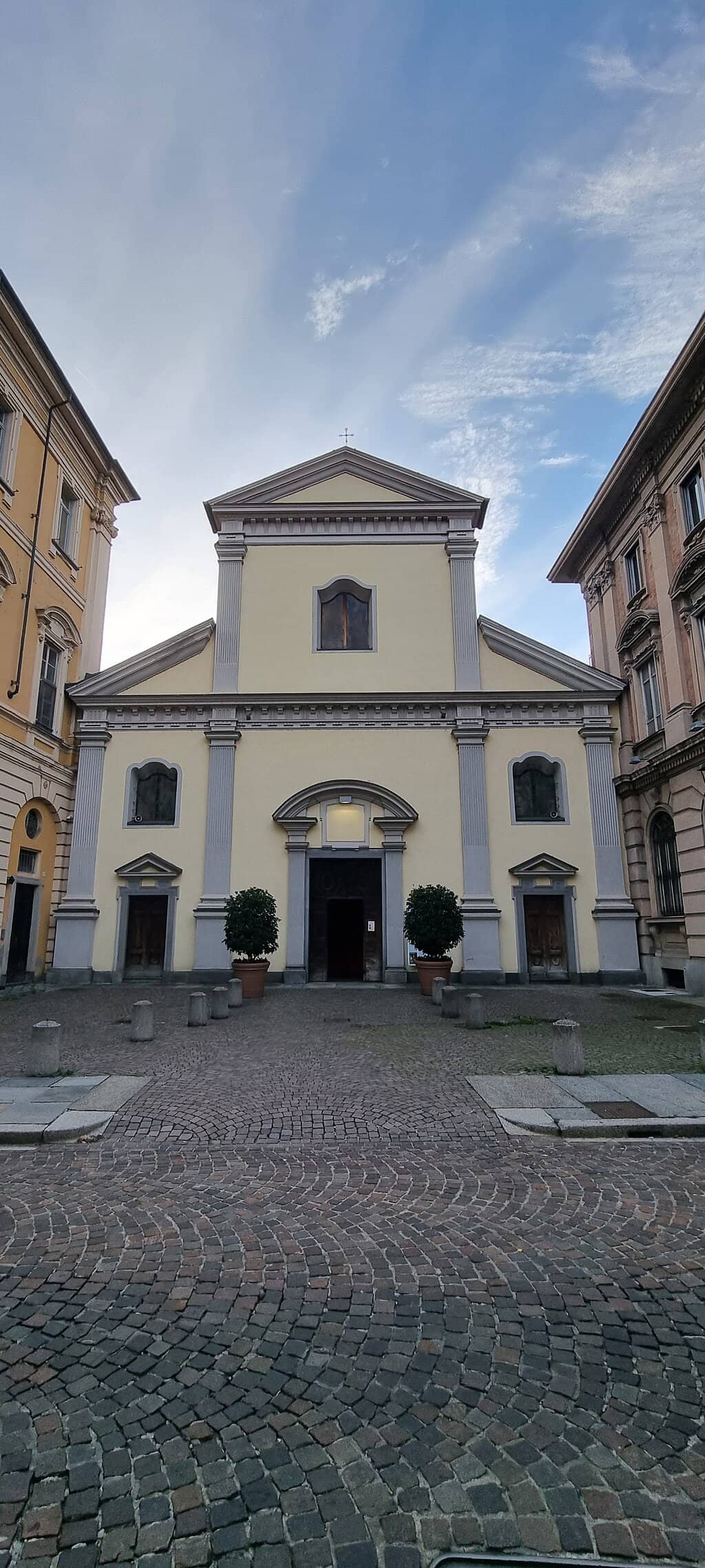
Two Churches in One
Appreciate the unique structure of two churches joined together. :church:
Tips
from all over the internet
Coin for Lights
Bring coins to activate the lights for better viewing of the frescoes. :coin:
Navigli Atmosphere
Enjoy the vibrant Navigli district before or after your visit. :canal:
Photography Tips
Your camera might see more than your eyes in dim areas. :camerawithflash:
Two Churches in One
Appreciate the unique structure of two churches joined together. :church:
What Travellers Say
Reviews Summary
Visitors are captivated by the stunning Renaissance frescoes of Gaudenzio Ferrari and the unique dual-church architecture. The historical significance and the serene crypt are also frequently praised. However, many note that the dim lighting, even with coin-operated lights, can hinder a full appreciation of the artworks, which is a recurring point of disappointment.
"10/19/2025. The church of San Cristoforo is a Catholic place of worship in Vercelli, built in 1515 on the initiative of the Order of the Humiliati after the demolition of a pre-existing church dating back to the 12th century. In 1529, a contract was signed in which Gaudenzio Ferrari committed to making a wooden altarpiece to be placed on the back wall of the apse and with the same contract he also committed to frescoing the entire presbytery."
Danilo Galaxian
"Very beautiful. The frescoes are stunning. It's a shame it was dark, and to see and admire these works of art properly, the 5-10 minutes it takes to turn the lights on after inserting a coin into the appropriate device aren't enough.
The altarpiece isn't easy to admire.
Probably so the light doesn't ruin the wonderful paintings.
Beyond the paintings, the crypt, or old stone church, is very beautiful in its simplicity."
Caterina Fiorano
"Inside the Church of San Cristoforo in Vercelli there is a cycle of very beautiful Renaissance frescoes, the work of Gaudenzio Ferrari (1477-1546) who painted them between 1529 and 1534. In the chapel of the Magdalene, to the right of the presbytery, above the altar, Crucifixion and on the side wall episodes of the legend of Mary Magdalene, some panels of which were damaged by Spanish cannon fire in the siege of 1638 (Jesus preaching, Noli me tangere, Assumption of the Saint), well preserved Mary Magdalene at the feet of Jesus, Martha and Mary Magdalene at the tomb, Mary Magdalene Martha and Lazarus welcoming the princes of Marseille returning from Palestine, Death of the Saint blessed by Bishop Massimino, an angel with a long inscription that illustrates the legend and the patron, Giovanni Angelo Corradi of Lignana, portrait praying below in the crucifixion. In the Chapel of the Assumption, to the left of the presbytery, commissioned by Andrea Corradi of Lignana, are frescoes from 1533-34 with stories from the life of Mary: above the altar is the Assumption; on the side walls are Saint Catherine of Siena and Saint Nicholas with two devotees; the Annunciation to Anna and Joachim; the Presentation in the Temple; the Visitation; the Birth and Marriage of Mary; the Adoration of Jesus; and the Arrival of the Three Kings. At the back of the apse is a panel from 1529 depicting the Madonna degli Aranci between Saints Christopher, John the Baptist, Joseph, Nicholas of Bari, a blessed, and the founder of the church, Nicolino Corradi. A visit is highly recommended.
Eusebius of Vercelli was the first bishop of Vercelli and a leading figure in the fight against Arianism. He is venerated as a saint by the Catholic Church, is the patron saint of Vercelli as well as the first bishop and patron saint of the whole of Piedmont. He was also the founder of the site where the future sanctuary of Oropa would be built (near Biella) and of the Marian cult of the Black Madonna in Piedmont. According to hagiographic tradition, Eusebius was born in Sardinia, then moved with his mother and younger sister to Rome, immediately after his father's martyrdom: in the city, he was first a lector, ordained a priest by Pope Mark and consecrated bishop by Julius I (15 December 345). There is no news of his episcopate before 354, however he is officially mentioned in a letter by Ambrose of Milan, who praises him for having imposed on the clergy of his diocese the common life, as for the monks, according to the model of the Eastern churches. In early Piedmontese Christianity, Eusebius became a staunch opponent of Arianism and a supporter of the Nicene Creed. He was sent by Pope Liberius, along with Bishop Lucifer of Cagliari, on a mission to Emperor Constantius II to ask him to convene a council to put an end to the controversy between the Arians (who were supported by the emperor himself) and the Eastern Orthodox, to whom Eusebius was theologically more akin. This council was held in Milan in 355, but since the Arian bishops were in the majority, Eusebius refused to sign its final edicts. This led to a conflict with Constantius II, who was forced to exile him to the Holy Land, specifically to Scythopolis in Palestine, where he remained under the custody of the local bishop Patrophilus. A few years later he was transferred to Cappadocia, then to the Egyptian Thebaid, until 361, the year of the death of Constantius II. His successor, Emperor Julian, ended his exile and allowed him to resume his episcopal see. A visit is highly recommended."
Guido Gianinetto
What People Like
What People Dislike
Frequently Asked Questions
🚇 🗺️ Getting There
Chiesa di San Cristoforo is easily accessible via public transport. Take Tram 2 or Tram 10 to the 'San Cristoforo' stop, or the Metro M2 line to 'Porta Genova FS' and walk a short distance along the Naviglio Grande. :train: :bus:
Parking in the Navigli district can be challenging. Paid street parking is available, but it's often full. Consider using a parking garage in the Porta Genova area and walking. :car:
It's a significant walk from the Duomo to San Cristoforo (around 45-60 minutes). Taking public transport is highly recommended for a quicker and more comfortable journey. :walking:
🎫 🎫 Tickets & Entry
Entry to the church itself is generally free. However, there's a small fee (usually a coin) to activate the lights for viewing the frescoes. :ticket:
Opening hours can vary, but it's typically open during daylight hours. It's best to check local listings or inquire nearby, especially if you plan to visit on a specific day or holiday. :clock:
While the church is free to enter, you'll need to insert a coin (typically €0.50 or €1) into a designated slot to illuminate the frescoes for a limited time. :euro:
Yes, the crypt is usually accessible and offers a starkly beautiful contrast to the upper church. Access might depend on specific opening times or events. :key:
📸 📸 Photography
Photography is generally permitted inside the church, but be respectful of worshippers and avoid using flash, especially when viewing the delicate frescoes. :camerawithflash:
The lighting can be challenging. Use the coin-operated lights to get a better view, and consider using a tripod if allowed and if you're not disturbing others. Your camera's low-light capabilities might be your best friend here. :iphone:
The exterior view from the Naviglio Grande is picturesque, especially with the canal in the foreground. Inside, focus on capturing the scale and detail of the frescoes. :bridge:
🎫 🏛️ History & Art
The magnificent Renaissance frescoes adorning the presbytery and chapels were painted by the renowned Italian artist Gaudenzio Ferrari between 1529 and 1534. :artist:
Originally dating back to the 12th century, the church was rebuilt in 1515 by the Order of the Humiliati. It's unique for being composed of two churches built side-by-side. :scroll:
Its most distinctive feature is its composition of two distinct churches built adjacent to each other, representing different architectural periods and styles. :building_construction:
Yes, there is a beautiful wooden altarpiece at the back of the apse, and the ancient crypt offers a glimpse into the church's earlier history. :altar:
For Different Travelers
Tailored advice for your travel style
👨👩👧 Families with Kids

Consider framing the visit as a 'treasure hunt' for details in the frescoes. The crypt also provides a sense of mystery and ancient history that can capture a child's imagination. Keep the visit relatively short to maintain engagement, perhaps combining it with a gelato stop nearby.
🎨 Art & History Enthusiasts
Don't overlook the architectural duality of the church, with its ancient Romanesque elements and later Renaissance additions. Exploring the crypt provides a tangible connection to the church's earlier centuries. Be prepared for the lighting situation; bringing coins for the illumination system is crucial for a full appreciation of the artworks.
Deep Dives
In-depth insights and expert knowledge
The Artistry of Gaudenzio Ferrari
Despite the artistic brilliance, experiencing these frescoes can be a challenge due to the lighting. The church often relies on a coin-operated system to illuminate the artworks, and even then, some areas may remain dimly lit. This has led to a common sentiment among visitors that their cameras sometimes capture details that are difficult to see with the naked eye.
Beyond the frescoes, the church also houses a significant wooden altarpiece at the rear of the apse, dating from 1529. This piece, along with the frescoes, represents a crucial period in Lombard art. The overall artistic impact of San Cristoforo, despite its lighting challenges, solidifies its reputation as a significant cultural and historical site.
A Tale of Two Churches
Adjacent to this older structure is a later addition, built in the 16th century. This part of the church is where the more prominent frescoes by Gaudenzio Ferrari are located. The juxtaposition of these two distinct architectural entities creates a fascinating visual narrative of the church's evolution over centuries. It’s a testament to the continuous use and adaptation of sacred spaces throughout Milan's history.
This dual nature makes San Cristoforo a compelling site for both history buffs and architecture enthusiasts. Visitors can trace the layers of time, from the simple, robust stonework of the older church to the more ornate decorative elements of the later period. It’s a place where different eras of faith and craftsmanship coexist harmoniously.
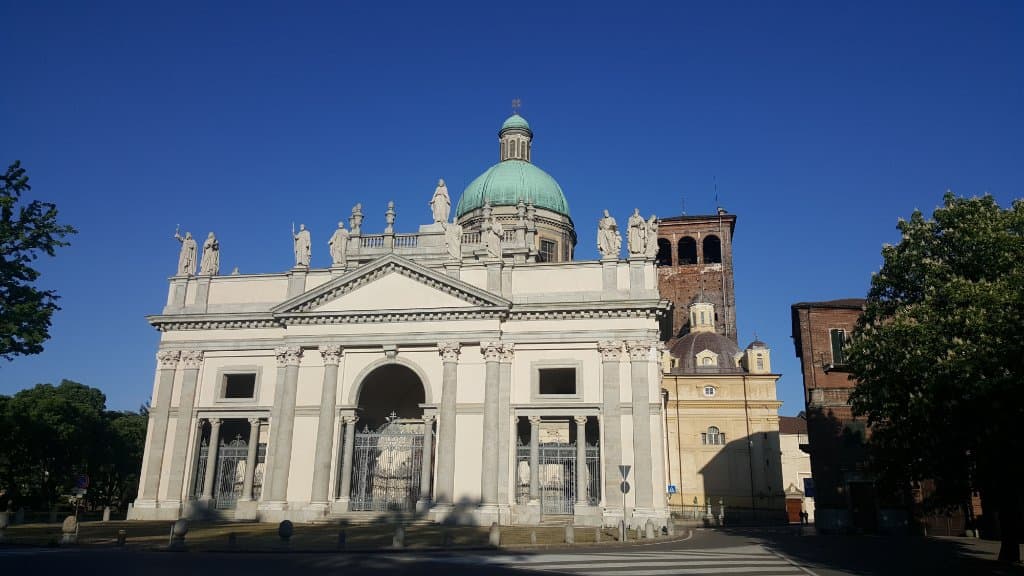


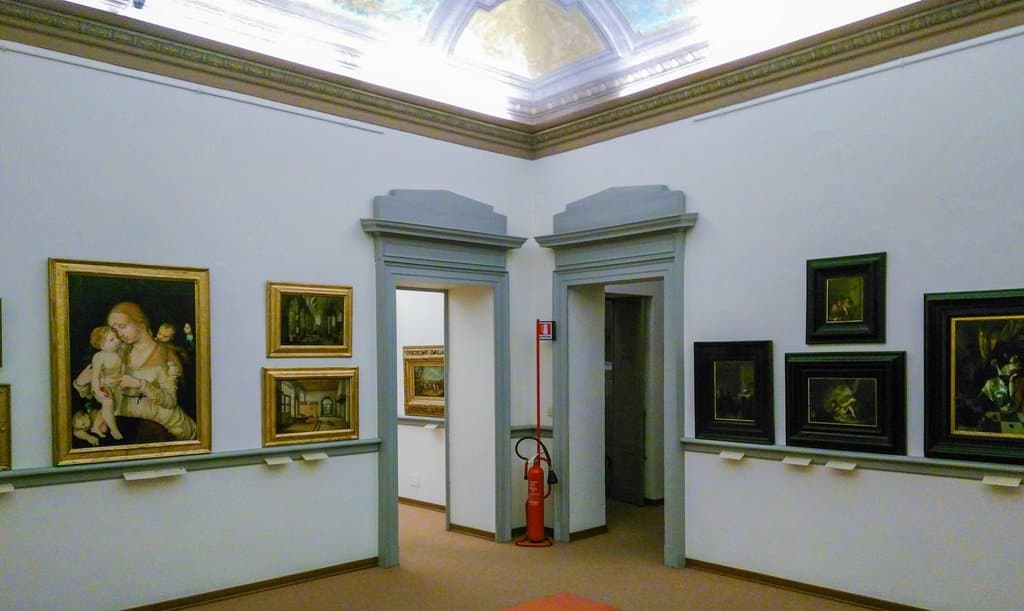
Social
from TikTok, Instagram & Reddit