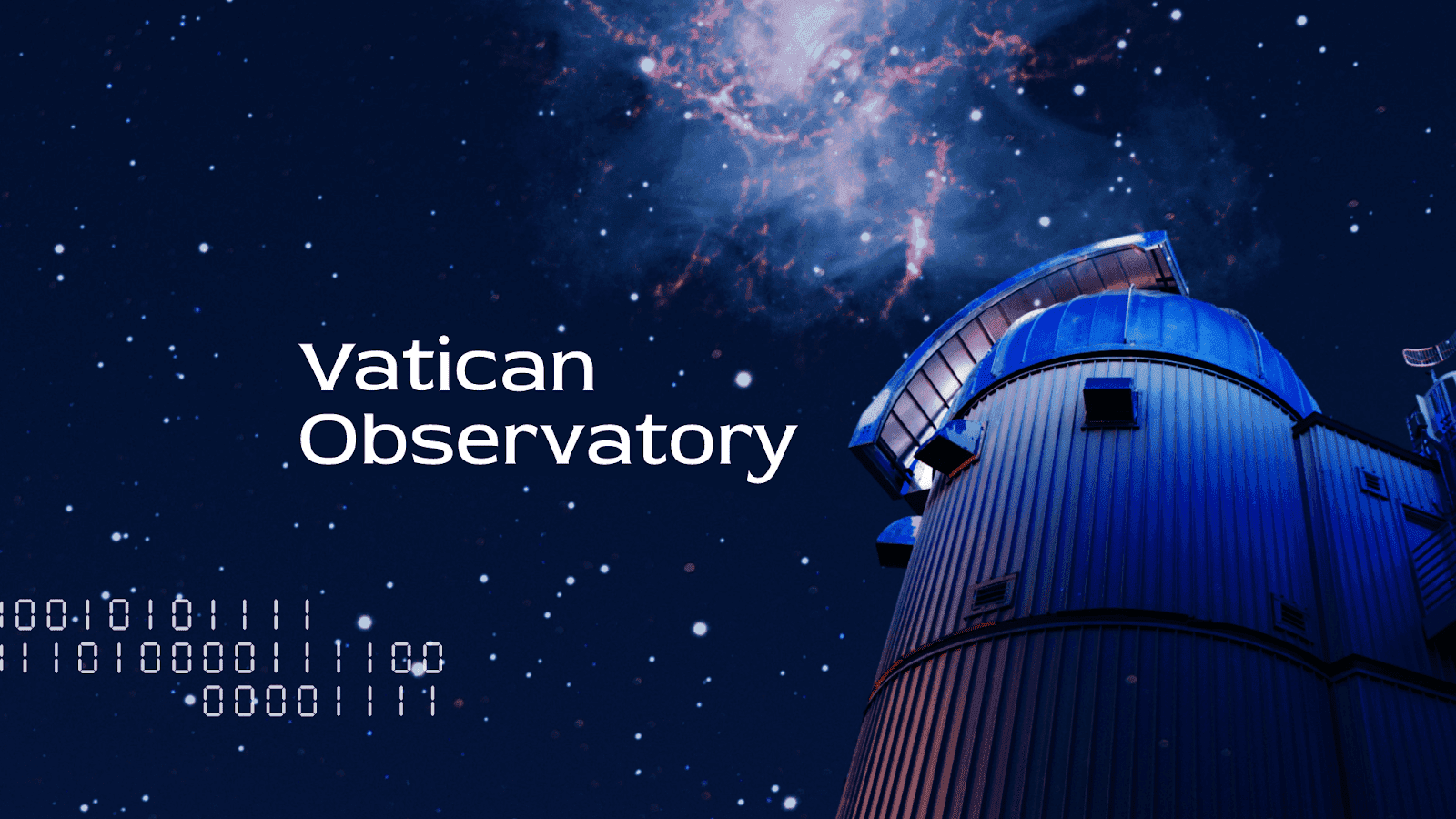
Vatican Observatory
A unique research institution where Jesuit priests blend faith and science to explore the cosmos with advanced telescopes.
Highlights
Must-see attractions

Social
From TikTok & Reddit
Best Time
Rare public access opportunities.
Vatican Observatory
Best Time
Rare public access opportunities.
Highlights
Must-see attractions
A unique research institution where Jesuit priests blend faith and science to explore the cosmos with advanced telescopes.
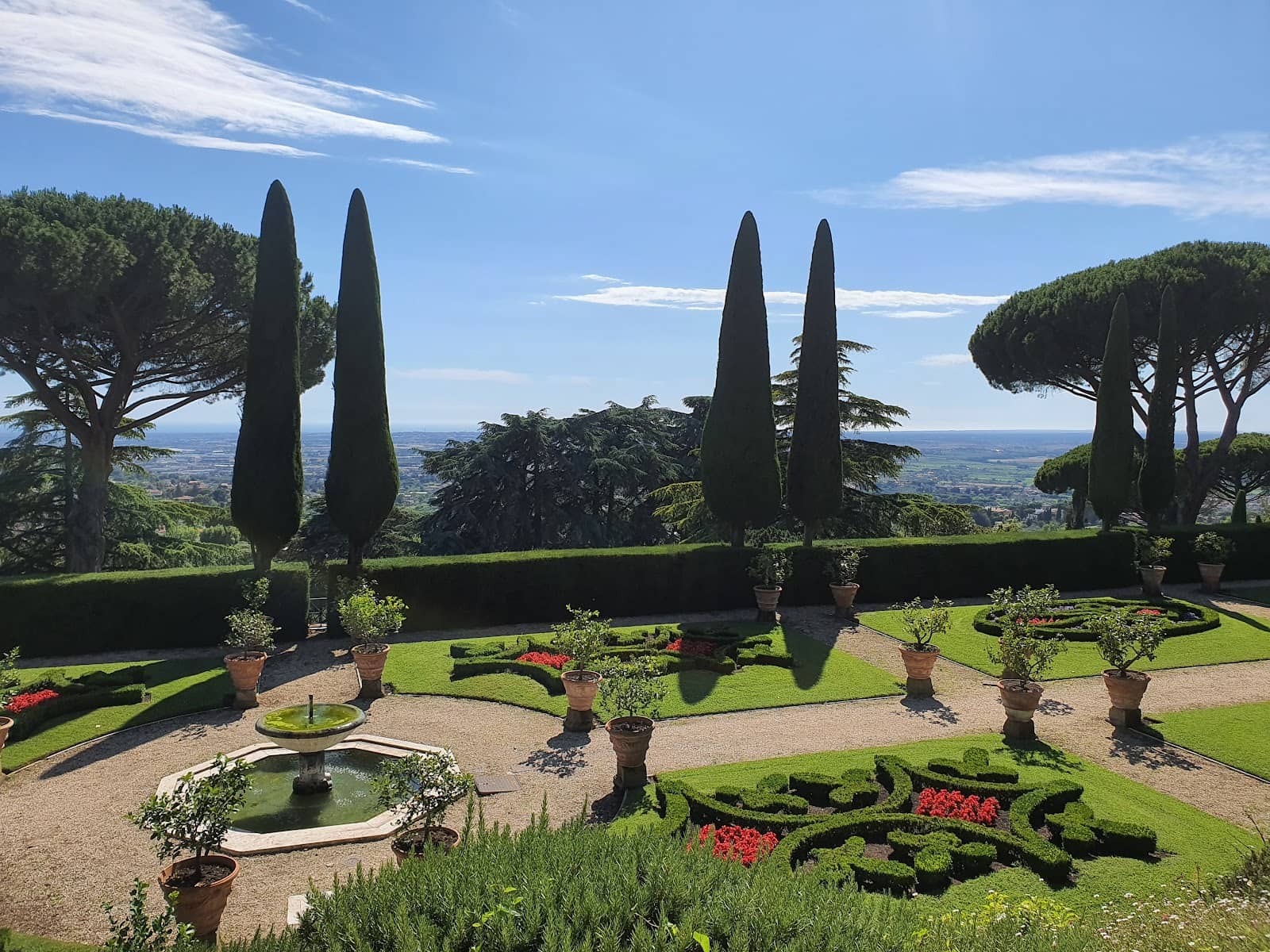
"Honored to have visited this site. Gorgeous view. Unbelievable gardens!"
🔭 Check for Public Events
Visits are often by invitation; look for special event announcements.
✨ Explore Online Resources
The Vatican Observatory website offers a wealth of information and virtual tours.
Highlights
Discover the most iconic attractions and experiences
Vatican Advanced Technology Telescope (VATT)
Mount Graham, Arizona
Home to one of the world's most advanced telescopes, exploring the universe's mysteries.
LUCIFER Instrument
Mount Graham, Arizona
A powerful instrument on the VATT, used for infrared astronomy and studying celestial objects.
Meteorite Collection
Castel Gandolfo, Italy
An extensive collection of over a thousand meteorites, offering a glimpse into cosmic history.
Plans like a pro.
Thinks like you
Planning Your Visit
Access & Tours
Science Meets Faith
Best Times
Insider Tips
from TikTok, Instagram & Reddit
🔭 Check for Public Events
Visits are often by invitation; look for special event announcements.
✨ Explore Online Resources
The Vatican Observatory website offers a wealth of information and virtual tours.
🌌 Understand the Mission
It's a research institution where faith and science intersect.
📍 Location Awareness
Main observatories are in Arizona, with a presence in Castel Gandolfo, Italy.
Tips
from all over the internet
🔭 Check for Public Events
Visits are often by invitation; look for special event announcements.
✨ Explore Online Resources
The Vatican Observatory website offers a wealth of information and virtual tours.
🌌 Understand the Mission
It's a research institution where faith and science intersect.
📍 Location Awareness
Main observatories are in Arizona, with a presence in Castel Gandolfo, Italy.
What Travellers Say
Reviews Summary
Visitors often express awe at the intersection of faith and science, praising the dedication of the priest-scientists and the importance of the observatory's research. While direct public access is rare, those who have visited by invitation or for special events describe it as a fascinating and highly recommended experience, appreciating the gorgeous views and historical significance.
"There is nothing better than gazing into the heavens our wonderful God created for us."
Huntzy
"Great place to visit. Very recommended!"
Peter
"By invitation only, the Vatican Observatory is a fascinating place to visit for its history, location, and importance. Run by priests who are also scientists. Four magnificent telescopes including 'Carte du Ciel'. They are working on a museum/interpretation building (as of March 2018), that hopes to be open to the public in the future."
Tweed Tango
What People Like
What People Dislike
Frequently Asked Questions
🚇 🗺️ Getting There
The primary research facilities are located on Mount Graham in Arizona, USA. Access is typically by invitation for researchers or during specific events. The Vatican Observatory Foundation manages these sites. +1
While the Vatican City is the headquarters, the main astronomical research is conducted at observatories in Arizona and a historical site in Castel Gandolfo, Italy, near Rome.
Public access to the Mount Graham Observatory is very limited. Tours are rare and usually require advance booking or invitation. Check the Vatican Observatory Foundation website for any announcements.
🎫 🎫 Tickets & Entry
Generally, no public tickets are sold as it's a research facility. Visits are typically by invitation, for specific academic programs, or during rare public open days.
As a research institution, there are no standard public opening hours. Access is controlled and scheduled for research purposes or special events.
Invitations are usually extended to researchers, academics, or participants in specific Vatican Observatory programs, such as their summer schools.
🎫 🔭 Onsite Experience
Visitors, if granted access, can learn about the advanced telescopes like the VATT and the LUCIFER instrument, see the meteorite collection, and understand the intersection of faith and science. +1
Guided tours are not a regular offering. If available, they would be part of specific event packages or academic visits.
LUCIFER (Large Binocular Telescope Near-Infrared Spectroscopic Utility with Kaliana) is a powerful instrument on the Vatican Advanced Technology Telescope, used for astronomical research. +1
The observatory is staffed by Jesuit priests who are also accomplished astronomers and scientists, dedicated to studying the universe. +1
📸 🌌 Photography
Photography policies vary greatly depending on the specific location and whether you are visiting for a research purpose or a special event. Always check in advance.

If access is granted, the telescopes and the surrounding natural landscapes at Mount Graham can be very photogenic.
For Different Travelers
Tailored advice for your travel style
👨👩👧 Families with Kids
🔭 Aspiring Astronomers
Deep Dives
In-depth insights and expert knowledge
The Vatican Observatory: A Legacy of Science and Faith
Key research facilities are located on Mount Graham in Arizona, USA, featuring advanced telescopes like the Vatican Advanced Technology Telescope (VATT). This site is home to instruments such as LUCIFER (Large Binocular Telescope Near-Infrared Spectroscopic Utility with Kaliana), which allows astronomers to study the universe in infrared light.
While primarily a research hub, the Vatican Observatory occasionally engages with the public through summer camps for aspiring astronomers and special events.
LUCIFER: A Controversial Name, A Powerful Tool
Despite the name's connotations, the scientists at the Vatican Observatory emphasize that their work is purely scientific and aimed at understanding God's creation.
Social
from TikTok, Instagram & Reddit