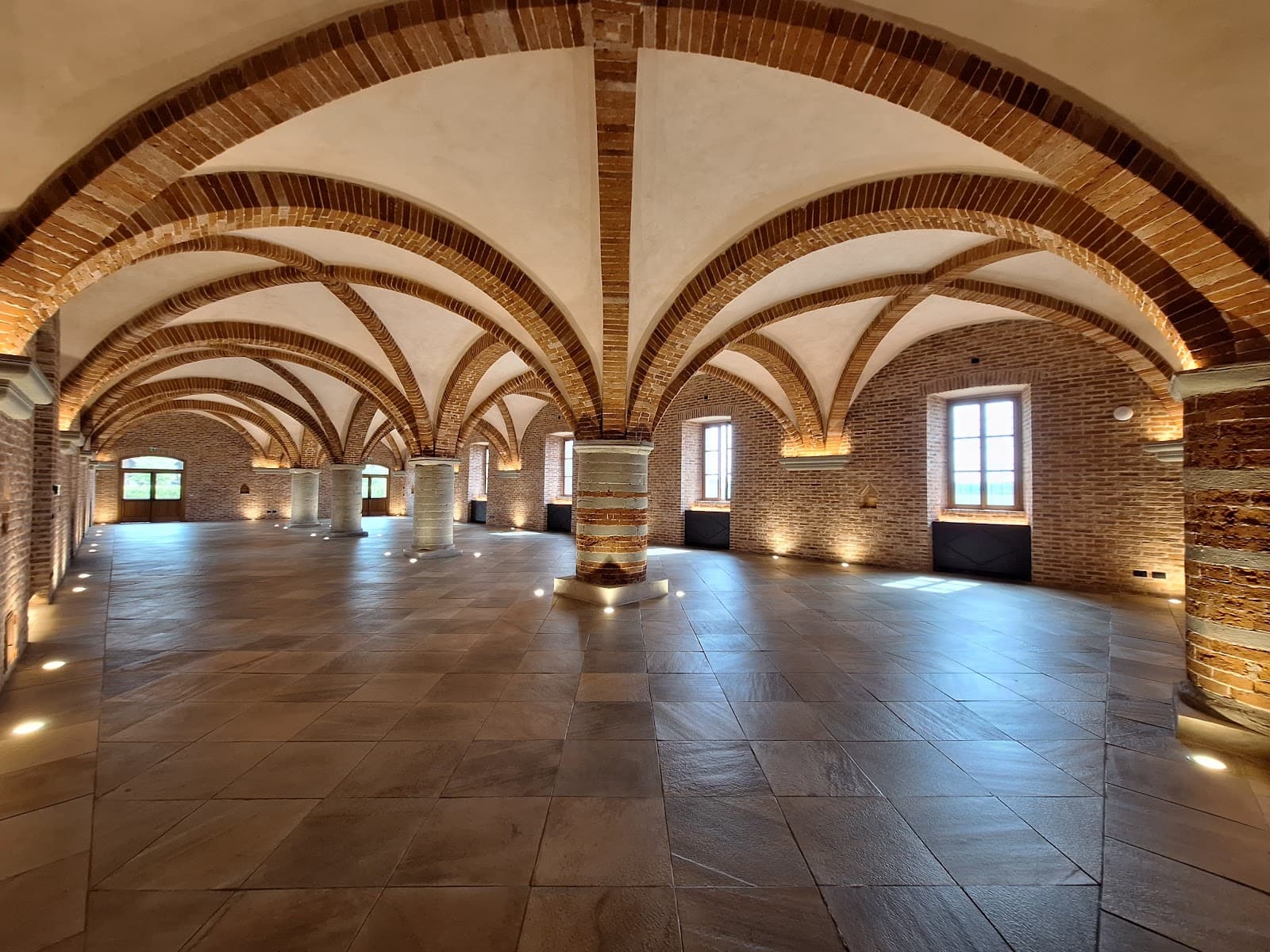
Abbazia di Lucedio
Historic Cistercian abbey, birthplace of Italian rice cultivation, set amidst picturesque rice fields.
Highlights
Must-see attractions

Social
From TikTok & Reddit
Best Time
Lush greenery, fewer crowds
Abbazia di Lucedio
Best Time
Lush greenery, fewer crowds
Highlights
Must-see attractions
Historic Cistercian abbey, birthplace of Italian rice cultivation, set amidst picturesque rice fields.
"A place steeped in history, legends, and the very origins of Italian rice."

🎯 Book Guided Tours
Visits often require a guide. Book in advance to secure your spot and learn the abbey's rich history.
💰 Cash Preferred for Entry
Some sources suggest cash payments are preferred and electronic payments may not be accepted. Confirm payment methods beforehand.
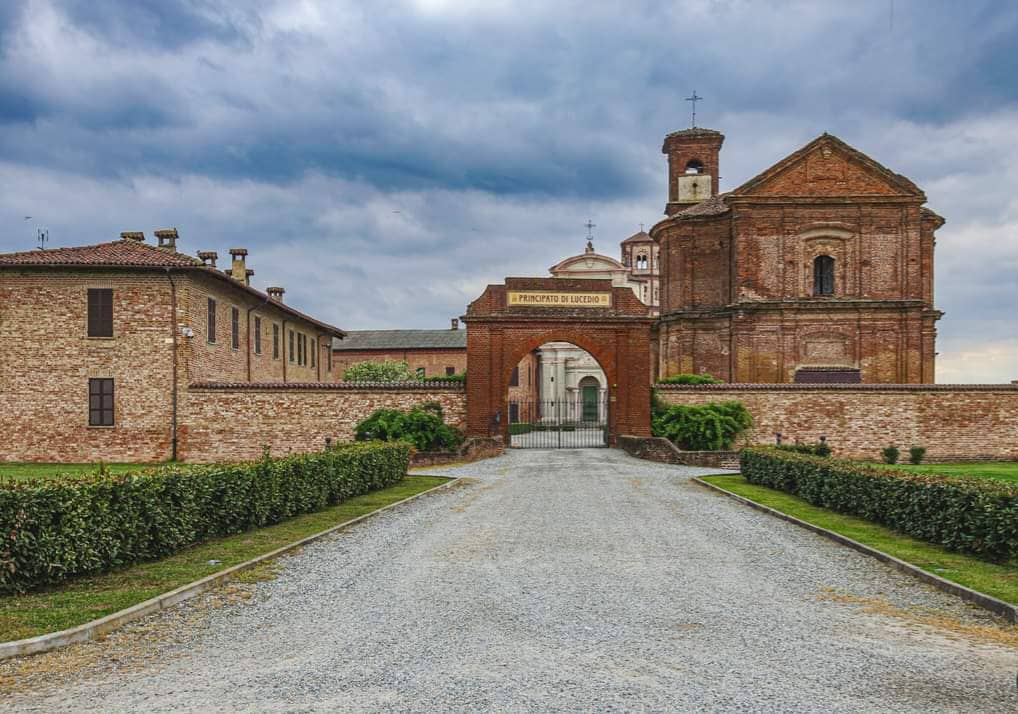
Highlights
Discover the most iconic attractions and experiences
The Ancient Abbey Complex
Main Abbey grounds
Explore the historic heart of the Principality, a testament to Cistercian architecture and centuries of transformation.
The Rice Fields (Risaie)
Surrounding landscape
Witness the iconic rice paddies that define the Vercelli region, a legacy of the monks' agricultural innovation.

Legends and Mysteries
Throughout the Abbey
Uncover the intriguing legends and historical anecdotes that shroud this ancient site in mystery and allure.
Plans like a pro.
Thinks like you
Planning Your Visit
Book Your Visit in Advance
Understand the History and Significance
Best Times
Insider Tips
from TikTok, Instagram & Reddit
🎯 Book Guided Tours
Visits often require a guide. Book in advance to secure your spot and learn the abbey's rich history.
💰 Cash Preferred for Entry
Some sources suggest cash payments are preferred and electronic payments may not be accepted. Confirm payment methods beforehand.
🚶♀️ Wear Comfortable Shoes
You'll be exploring historic grounds and potentially courtyards, so comfortable footwear is a must.
📸 Capture the Scenery
The abbey and surrounding rice fields offer beautiful photographic opportunities, especially during golden hour. 
Tips
from all over the internet
🎯 Book Guided Tours
Visits often require a guide. Book in advance to secure your spot and learn the abbey's rich history.
💰 Cash Preferred for Entry
Some sources suggest cash payments are preferred and electronic payments may not be accepted. Confirm payment methods beforehand.
🚶♀️ Wear Comfortable Shoes
You'll be exploring historic grounds and potentially courtyards, so comfortable footwear is a must.
📸 Capture the Scenery
The abbey and surrounding rice fields offer beautiful photographic opportunities, especially during golden hour.
🧐 Inquire About History
The abbey's past is fascinating, from its founding by Cistercians to its role in rice cultivation and local legends. +1
What Travellers Say
Reviews Summary
Visitors often praise the Abbazia di Lucedio for its rich history, significant role in Italian rice cultivation, and atmospheric beauty. However, some find the limited access to interior spaces and the preference for cash payments inconvenient. The historical significance and the picturesque rice fields are frequently highlighted as major draws.
"Unfortunately I saw it from the outside but there is a sign with the telephone number to book visits, there is an interesting history so it is worth visiting. In any case, nearby there is the abandoned cemetery that can be visited for ghost enthusiasts."
Monica Spadafina
"€8 without a receipt; electronic payments are not accepted.
The guide is friendly and knows how to capture your attention, but almost the entire tour takes place in the courtyard, and you can't see the churches or the stables.
The exposed asbestos roof makes me uneasy.
Not recommended"
Anto Raim
"The Abbey was presumably founded in 1123 by Cistercian monks on land donated to them by Marquis Ranieri I of Monferrato. The land, which needed reclamation, was characterized at the time by marshland and woodland. Camillo Benso, Count of Cavour, also stayed there.
Today it is a rice mill. Guided tours are available."
AliceS
What People Like
What People Dislike
Frequently Asked Questions
🚇 🗺️ Getting There
Abbazia di Lucedio is located in the province of Vercelli, Piedmont. It's best accessed by car, as public transport options might be limited. If driving, use GPS coordinates for Trino (VC) and follow signs for Principato di Lucedio. Parking is usually available nearby.
Public transport to Abbazia di Lucedio can be challenging. While there might be bus services to nearby towns like Trino, a taxi or pre-arranged transport from the nearest station might be necessary. It's advisable to check local transport schedules in advance.
From Vercelli, driving is the most convenient option to reach Abbazia di Lucedio. The journey takes approximately 30-40 minutes. Alternatively, you could consider a taxi service for a direct route.
The closest major airports to Abbazia di Lucedio are Turin Airport (TRN) and Milan Malpensa Airport (MXP). From either airport, you would typically rent a car or take a train to Vercelli or a nearby town, and then arrange further transport.
Yes, Abbazia di Lucedio can be a rewarding day trip from Turin. The drive is about 1 hour and 15 minutes, making it feasible to explore the abbey and its surroundings within a day.
🎫 🎫 Tickets & Entry
Yes, it is highly recommended to book your visit in advance, especially for guided tours. Access may be restricted or require a guide, so contacting the abbey or checking their official website for booking procedures is essential.
Opening hours can vary, and visits are often conducted via guided tours. It's best to check the official Principato di Lucedio website or contact them directly for the most up-to-date information on tour times and availability.
Admission fees can vary, and some reviews mention a price of around €8 without a receipt. It's advisable to confirm current pricing and payment methods (cash is sometimes preferred) when booking your visit.
Guided tours are a common way to experience Abbazia di Lucedio, offering insights into its history and legends. Booking these tours in advance is usually necessary.
While some parts might be viewable from the outside, guided tours are often required to access significant areas of the abbey. It's best to inquire about specific access policies when booking your visit.
🎫 🧭 Onsite Experience
Visitors can explore the historic abbey complex, learn about its Cistercian origins and role in rice cultivation, and discover local legends. The surrounding rice fields also offer scenic views.
Absolutely! The ancient architecture, the vast rice paddies, and the atmospheric setting make Abbazia di Lucedio a fantastic location for photography, especially during sunrise or sunset.
Founded in 1123 by Cistercian monks, it was instrumental in reclaiming marshland and introducing rice cultivation to Italy around the mid-15th century. It later became a princely estate.
The abbey is steeped in legends, with some sources mentioning mysteries and historical anecdotes that add to its allure. One reel even hints at a historical fiction excerpt set within its walls.
Access to the churches and stables might be limited to guided tours. Some visitors have noted that tours primarily take place in the courtyard, so it's best to clarify what areas are accessible during your visit.
🍽️ 🍽️ Food & Dining
While the abbey itself is primarily a historical site and rice producer, there might not be on-site restaurants. However, nearby towns like Trino offer local trattorias and restaurants where you can sample Piedmontese cuisine.
Yes, Abbazia di Lucedio is known for its rice production. You can often purchase their high-quality rice, such as Carnaroli, directly from the estate or at local markets.
The Vercelli region is famous for its rice dishes, including risotto. You'll also find traditional Piedmontese cuisine featuring pasta, meats, and local cheeses.
Information on designated picnic areas is scarce. It's advisable to check with the abbey staff upon arrival or consider bringing your own provisions to enjoy in a scenic spot nearby, if permitted.
While traditional Piedmontese cuisine can be meat-heavy, many restaurants in Italy are increasingly offering vegetarian and vegan options. It's best to inquire directly with restaurants about their menu.
📸 📸 Photography
The abbey's architecture, the expansive rice fields (especially during different seasons), and the surrounding natural landscape offer numerous photographic opportunities. Look for shots capturing the scale and historical atmosphere.
Regulations regarding drone usage can be strict in historical and natural areas. It's essential to check with the abbey management or local authorities for permission and guidelines before flying a drone.
Golden hour, shortly after sunrise and before sunset, provides beautiful, soft light that enhances the abbey's textures and the colors of the rice fields. Midday can be harsh, but offers clear views.
Yes, the vast rice paddies are a signature feature. Capturing the reflections in the water, the different stages of rice growth, and the irrigation channels can make for stunning images.
Photography policies inside historical buildings can vary. It's best to ask your guide or check for signage regarding photography restrictions within the abbey's interior spaces.
For Different Travelers
Tailored advice for your travel style
👨👩👧 Families with Kids
+1It's advisable to book a guided tour that is engaging for younger audiences, if available. Ensure children wear comfortable shoes for walking around the grounds. Consider bringing snacks and drinks, as on-site dining options may be limited. The visual aspect of the abbey and the vastness of the rice paddies are often captivating for kids.
📸 Photography Enthusiasts
+1Consider visiting during different seasons to capture the changing landscape of the rice paddies – from flooded fields in spring to golden hues in autumn. The contrast between the historic abbey and the agricultural landscape provides a unique photographic narrative. Remember to check for any restrictions on drone photography before your visit.
🌾 Agricultural & Food Tourism
+1Visitors can often purchase high-quality Carnaroli rice directly from the estate, making for a delicious and authentic souvenir. Exploring the surrounding rice fields provides a visual understanding of the scale and beauty of this agricultural landscape. Look for events or workshops that might delve deeper into rice processing or local gastronomy.
+1Deep Dives
In-depth insights and expert knowledge
The Cistercian Legacy and Rice Cultivation
Crucially, the monks of Lucedio are credited with introducing and popularizing rice cultivation in Italy, particularly in the Vercelli region, around the mid-15th century. This innovation was revolutionary, turning the once-unproductive marshlands into fertile paddies. The legacy of this agricultural endeavor is still visible today in the vast risaie (rice fields) that surround the abbey, defining the landscape and economy of the area. The Principato di Lucedio continues this tradition, producing high-quality rice like Carnaroli.
+2This deep connection to rice cultivation is celebrated through events and products associated with the abbey. Visitors can learn about the historical process and even purchase the locally grown rice. The story of Lucedio is thus intertwined with the story of Italian rice, a testament to the foresight and hard work of its monastic founders.
+1Legends, History, and Modern Life
Historically, figures like Camillo Benso, Count of Cavour, have been associated with the abbey, underscoring its importance in the region's past. Today, the Principato di Lucedio is not just a historical monument but also a functioning entity, notably as a rice mill. This blend of past and present offers a unique visitor experience, allowing you to walk through ancient halls while understanding its contemporary role.
Organized visits and events often aim to bring these stories to life, connecting visitors with the abbey's rich heritage. Whether you're drawn by the history, the legends, or the agricultural significance, Lucedio offers a multifaceted glimpse into Piedmont's past and present.
+1
Social
from TikTok, Instagram & Reddit