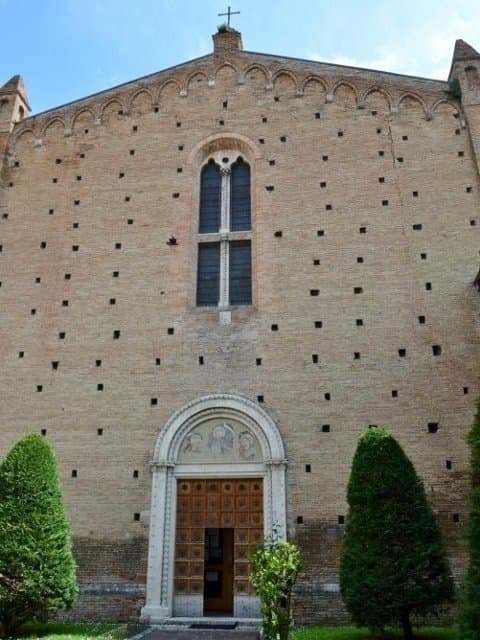
Church of San Domenico Teramo
A 14th-century church in Teramo, Italy, featuring stunning frescoes, a historic cloister, and a valuable organ, despite recent earthquake damage.
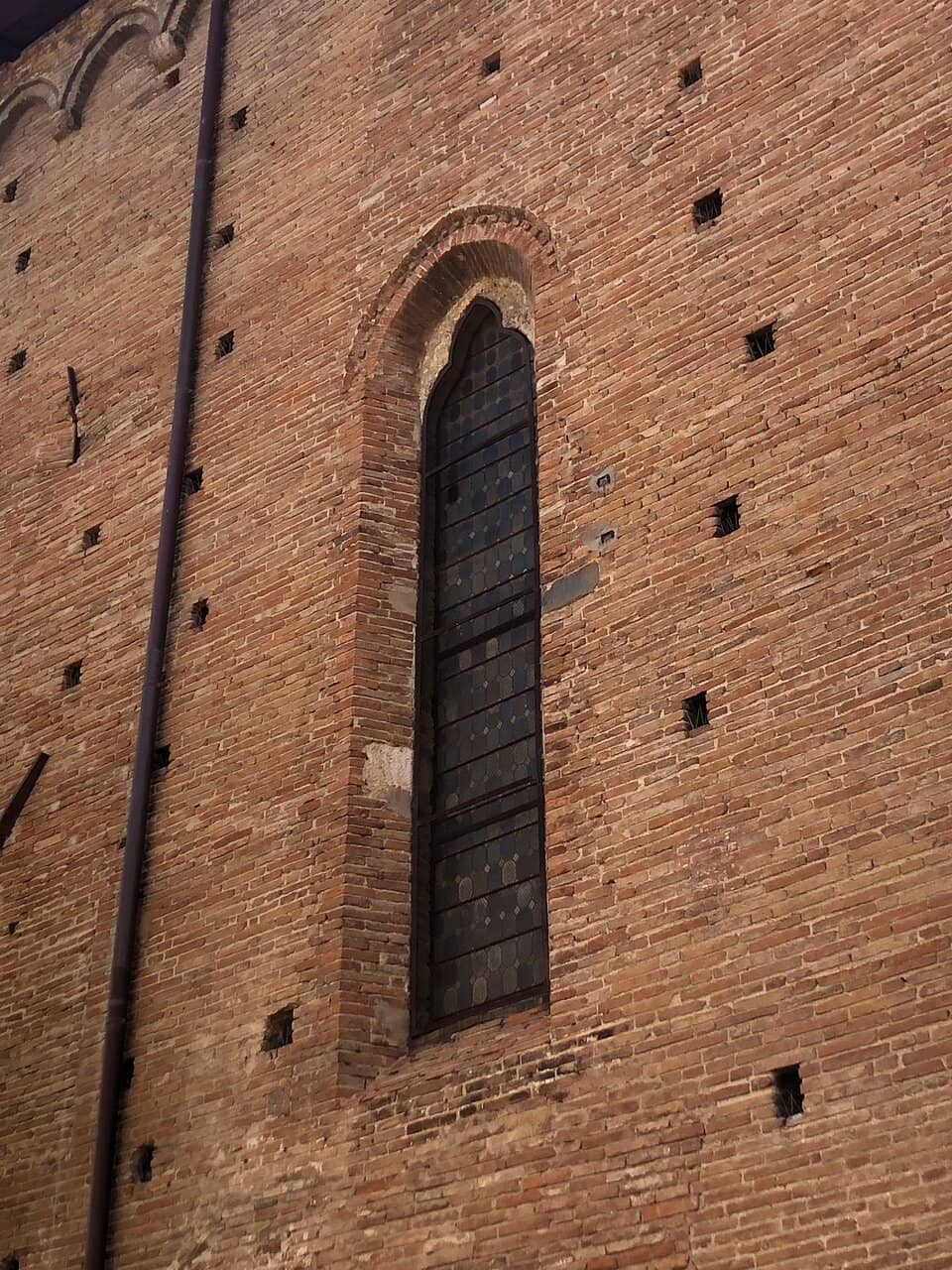
Highlights
Must-see attractions

Social
From TikTok & Reddit
Best Time
Fewer crowds, peaceful atmosphere
Church of San Domenico Teramo
Best Time
Fewer crowds, peaceful atmosphere
Highlights
Must-see attractions
A 14th-century church in Teramo, Italy, featuring stunning frescoes, a historic cloister, and a valuable organ, despite recent earthquake damage.
"Beautiful church with many frescoes, a shame about the earthquake damage."

Admire the Frescoes
Take time to appreciate the recently uncovered 15th-century frescoes depicting Saint Dominic's life. :art:
Explore the Cloister
Don't miss the arches of the 14th-century cloister with its painted lunettes. :camerawithflash:
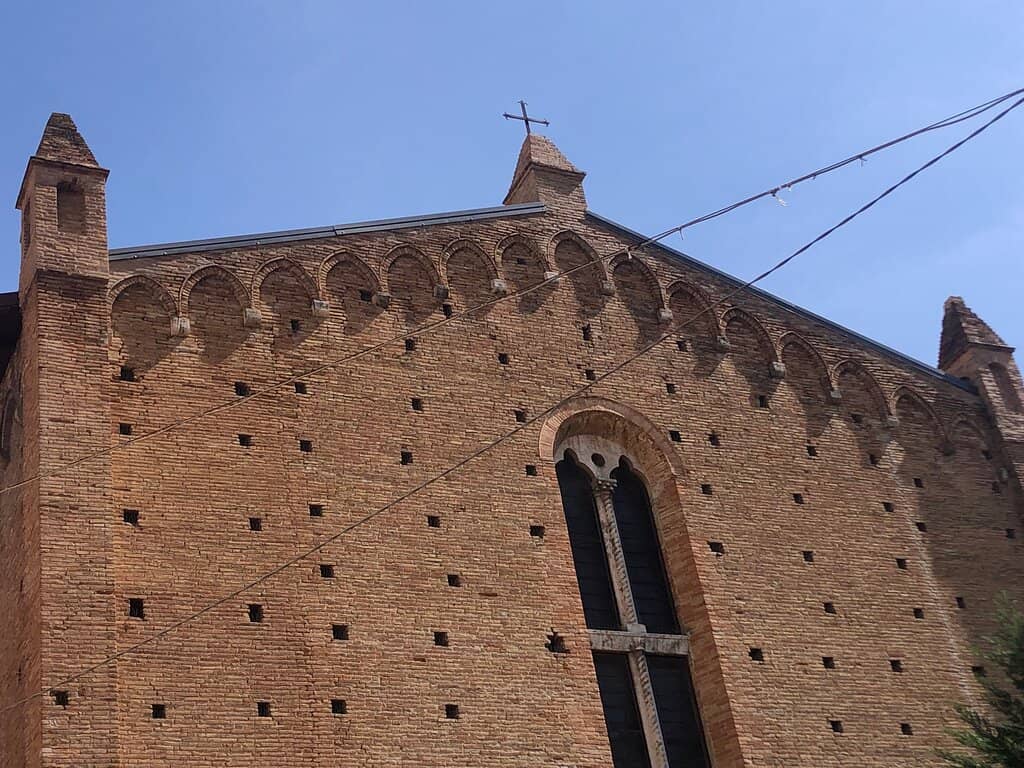
Highlights
Discover the most iconic attractions and experiences
15th-Century Frescoes
Church interior
Vibrant paintings depicting scenes from the life of Saint Dominic, recently brought to light.
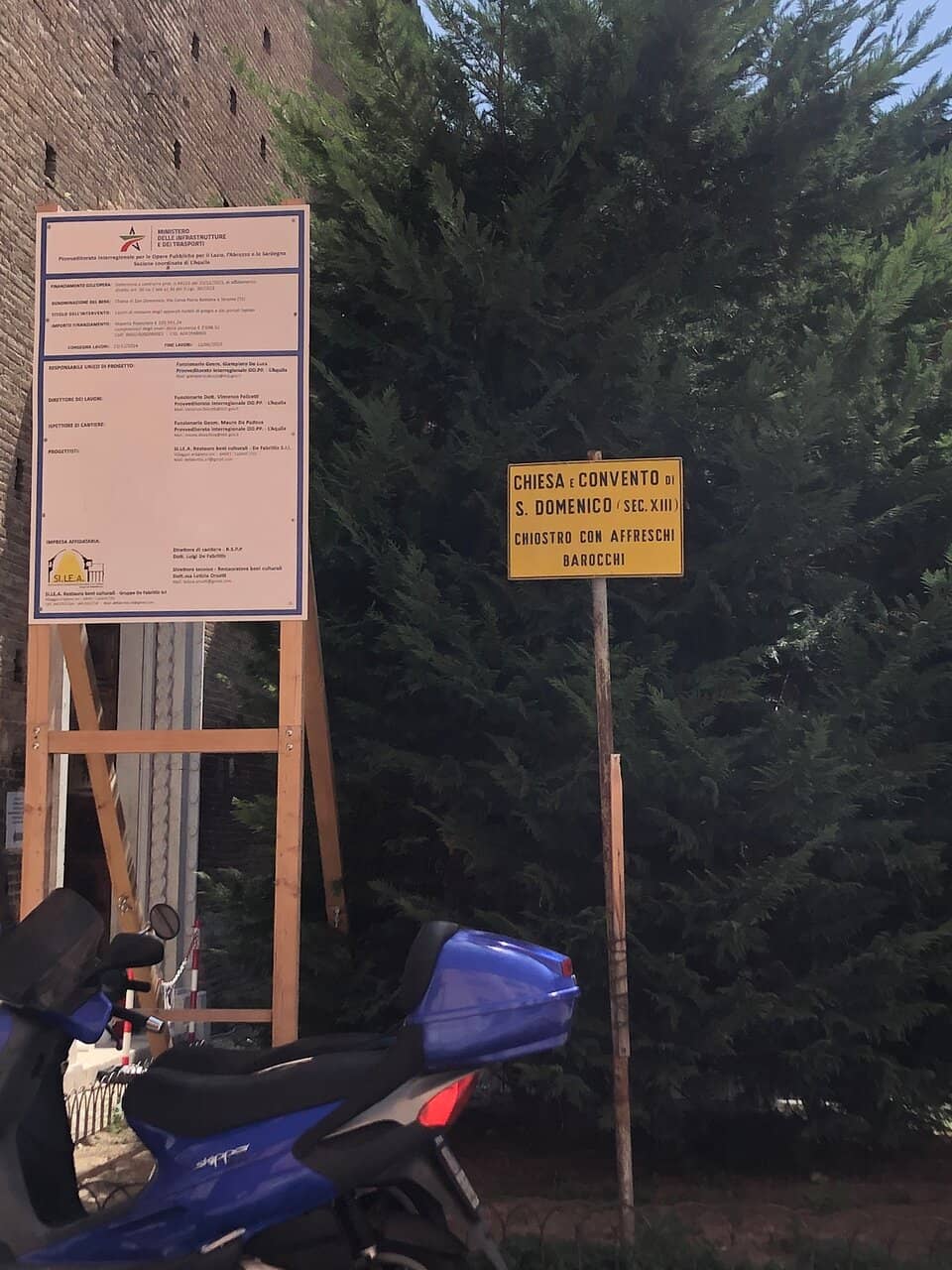
Cloister Arches
Adjacent convent area
Remnants of the 14th-century convent, featuring arches with lunettes painted with scenes of Saint Dominic's life.
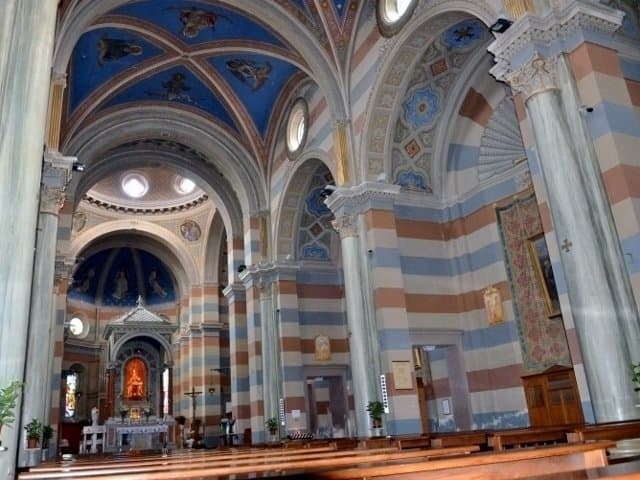
Valuable Organ
Church interior
A beautiful and noteworthy organ adds to the church's artistic and historical significance.
Plans like a pro.
Thinks like you
Planning Your Visit
Plan Your Visit to San Domenico
Understanding the Complex
Best Times
Insider Tips
from TikTok, Instagram & Reddit
Admire the Frescoes
Take time to appreciate the recently uncovered 15th-century frescoes depicting Saint Dominic's life. :art:
Explore the Cloister
Don't miss the arches of the 14th-century cloister with its painted lunettes. :camerawithflash:
Check for Damage
Be aware that recent earthquakes have caused damage to the church. :construction_worker:
Visit the Organ
The church houses a valuable and beautiful organ worth noting. :musical_score:
Tips
from all over the internet
Admire the Frescoes
Take time to appreciate the recently uncovered 15th-century frescoes depicting Saint Dominic's life. :art:
Explore the Cloister
Don't miss the arches of the 14th-century cloister with its painted lunettes. :camerawithflash:
Check for Damage
Be aware that recent earthquakes have caused damage to the church. :construction_worker:
Visit the Organ
The church houses a valuable and beautiful organ worth noting. :musical_score:
What Travellers Say
Reviews Summary
Visitors find the Church of San Domenico to be a beautiful and impressive historical site, particularly appreciating its rich frescoes and the remnants of the cloister. However, the visible damage from recent earthquakes is a significant drawback for many, overshadowing its inherent beauty and historical value.
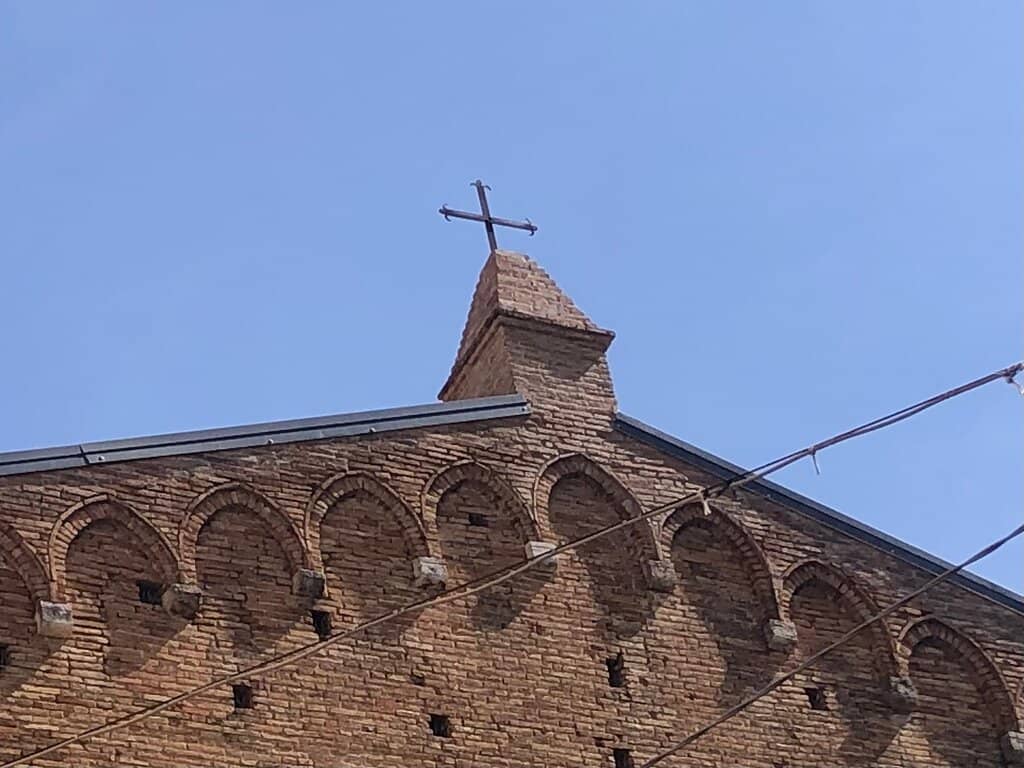
"The Aprutina Church of San Domenico was built starting from 1317 in grandiose forms with the annexed convent complex which was accessed through the cloister. The complex, completed in 1407, was closed at the beginning of the nineteenth century due to the Napoleonic edict. The church was restored, returned to the Dominican friars in 1931 and reopened for worship at the behest of the historian from Teramo Francesco Savini, whose tomb-mausoleum is located in the right nave. The internal structure of the church is composed of the extension of a single nave, covered by a gabled ceiling, and ends in the choir, with a square base, covered by a vault. The walls are covered with rich frescoes and, not long ago, paintings from the 1400s have been brought to light which represent some scenes from the life of San Domenico. To the side of the main altar, in two Renaissance aedicules, there is a Madonna in gilded and painted terracotta on the left and a polychrome stucco group on the right representing the family of Saint Anne and Saint Joachim. There is also a valuable organ in the church. Adjacent to the church is the Chapel of the Most Holy Rosary from the 18th century with frescoes and stuccoes.
Of the adjacent 14th century convent, the arches of the Cloister remain with some lunettes painted with scenes related to the life of Saint Dominic. Much of the rest of the building was the seat of the State Archives, currently there are some offices of the Prefecture. A small part is no longer inhabited by the Dominican friars, but by the Franciscan friars of the Immaculate.
The recent earthquakes have inflicted damage to the Church, as can be seen from the photos."
VincEnzo Lolli
"A beautiful 14th-century church, the interior features a single nave covered by a gabled ceiling.
Inside, 15th-century paintings depict the life of Saint Dominic.
There is also a beautiful and valuable organ.
There is a beautiful square cloister with arches, and an adjacent convent where the Dominicans once lived. Part of the structure now houses the state archives."
Liliana Angelozzi
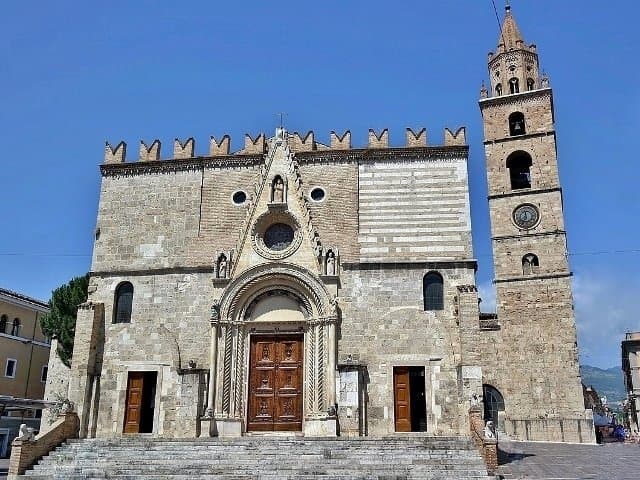
"Impressive and beautiful!...it's a shame they never rebuilt the bell tower, which partially collapsed during the 2009 earthquake."
Fabio Rossi
What People Like
What People Dislike
Frequently Asked Questions
🚇 🗺️ Getting There
The Church of San Domenico is located in Teramo, Italy. It's generally accessible by car or public transport within the city. Parking might be available nearby, but it's advisable to check local parking regulations.
Yes, the church is a significant historical landmark in Teramo. Using a GPS or map application on your phone should help you navigate to its location within the city.
Information on specific bus routes or stops near the Church of San Domenico would require checking local Teramo public transport schedules. It's recommended to consult the official transport website for the most up-to-date information.
🎫 🎫 Tickets & Entry
Typically, churches like San Domenico are free to enter for worship and general visits. However, it's always a good idea to confirm if there are any specific entry fees or donation requests, especially for special exhibitions.
Opening hours for churches can vary, often aligning with prayer times. It's best to check locally or look for official signage upon arrival, as hours may change due to religious services or events.
The cloister is part of the historical complex. While entry to the church is usually free, access to specific parts of the convent or cloister might sometimes involve a small fee or be restricted.
Visitors are generally welcome to attend mass, but it's respectful to remain quiet and observe the service. If you wish to explore the church's art and architecture, it's better to visit outside of mass times.
📸 📸 Photography
Photography policies can differ. While many churches allow non-flash photography for personal use, it's always best to look for signs or ask a church official before taking pictures, especially of frescoes or artworks.
Flash photography is almost always prohibited in churches to protect delicate artworks like frescoes. Be mindful of other visitors and avoid intrusive photography.
The cloister arches with their painted lunettes offer unique photographic opportunities. Inside, the nave and altar area, if photography is permitted, can also be visually striking.
🎫 🏛️ History & Architecture
The construction of the Church of San Domenico in Teramo began in 1317 and was completed in 1407, making it a significant example of medieval architecture.
The church features a single nave covered by a gabled ceiling, characteristic of its medieval origins. The annexed convent complex also showcases 14th-century architectural elements.
The church and convent complex were closed in the early 19th century due to a Napoleonic edict. More recently, it has sustained damage from earthquakes, impacting its structure.
The tomb-mausoleum of the historian Francesco Savini, who was instrumental in the church's restoration, is located in the right nave of the church.
For Different Travelers
Tailored advice for your travel style
👨👩👧 Families with Kids
It's important to manage expectations regarding kid-specific amenities. The focus is on historical and religious art. Ensure children understand the need for quiet and respectful behavior within a place of worship. The potential for earthquake damage might also mean some areas are less accessible or require extra caution.
🏛️ History Buffs
Don't miss the cloister remnants with their painted lunettes, providing a glimpse into monastic life. The church also holds the tomb of historian Francesco Savini, a figure crucial to its restoration. Understanding the impact of historical events like the Napoleonic edict and recent earthquakes adds further layers to its narrative.
Deep Dives
In-depth insights and expert knowledge
The Art and Architecture of San Domenico
Beyond the frescoes, the church houses significant artistic pieces. To the side of the main altar, you'll find a Madonna in gilded and painted terracotta and a polychrome stucco group representing Saint Anne and Saint Joachim. The presence of a valuable organ further enhances the church's artistic heritage. Adjacent to the church is the Chapel of the Most Holy Rosary, dating back to the 18th century, which also features impressive frescoes and stuccoes.
The annexed convent complex, though partially repurposed, retains its historical charm. The arches of the Cloister remain, adorned with lunettes painted with scenes related to Saint Dominic's life. While much of the convent now serves as the State Archives and offices, these remnants offer a glimpse into the monastic life of the past. The church's resilience, despite damage from recent earthquakes, underscores its enduring importance.
Impact of Earthquakes and Restoration Efforts
Despite these challenges, the church has a history of restoration. It was reopened for worship in 1931 thanks to the efforts of historian Francesco Savini. The fact that it was closed at the beginning of the nineteenth century due to a Napoleonic edict highlights its complex past and the various periods of closure and reopening it has experienced.
While the bell tower partially collapsed during the 2009 earthquake, the main structure of the church and parts of the convent complex continue to stand. The ongoing need for repairs and maintenance is a crucial aspect of its current status, and visitors should be aware of any temporary closures or restricted areas due to restoration work.

Social
from TikTok, Instagram & Reddit