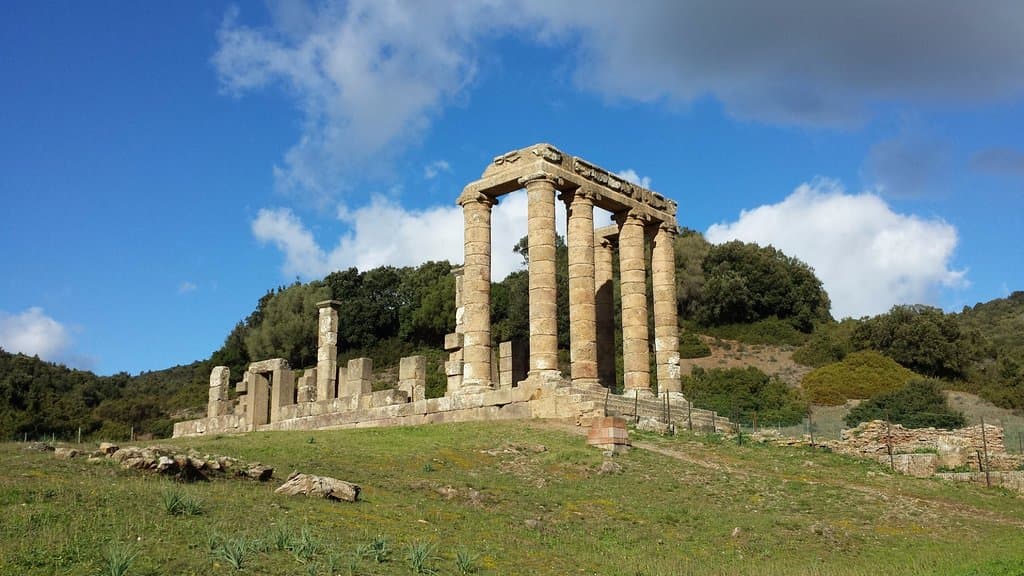
Tempio di Antas Sardinia
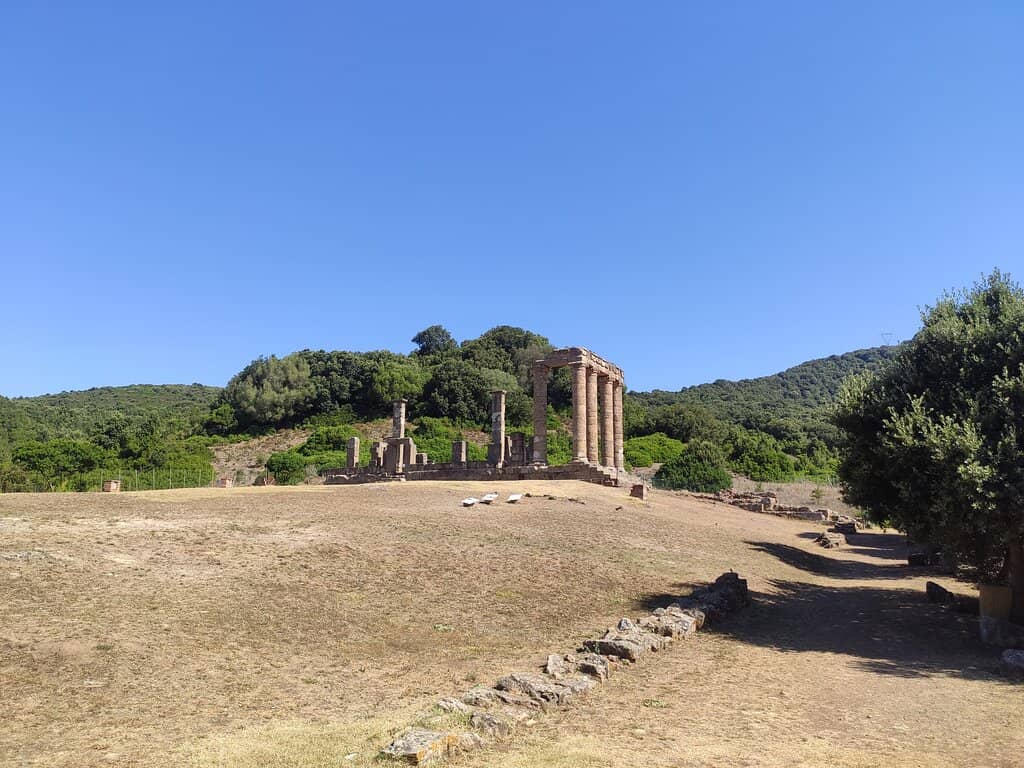
Discover the ancient Punic-Roman Temple of Antas, dedicated to Sardus Pater, nestled in Sardinia's scenic mountains. Explore ruins and natural beauty.
Highlights
Must-see attractions

Social
From TikTok & Reddit
Best Time
Fewer crowds, cooler temps
Tempio di Antas Sardinia
Best Time
Fewer crowds, cooler temps
Highlights
Must-see attractions
Discover the ancient Punic-Roman Temple of Antas, dedicated to Sardus Pater, nestled in Sardinia's scenic mountains. Explore ruins and natural beauty.
"A well-maintained historical site with affordable entry and freedom to explore the ruins."
🎯 Affordable Entry Fee
The entrance fee is very reasonable, making it an accessible historical site.
👟 Comfortable Walking Shoes
Essential for exploring the temple, village ruins, and quarry trails.
Highlights
Discover the most iconic attractions and experiences
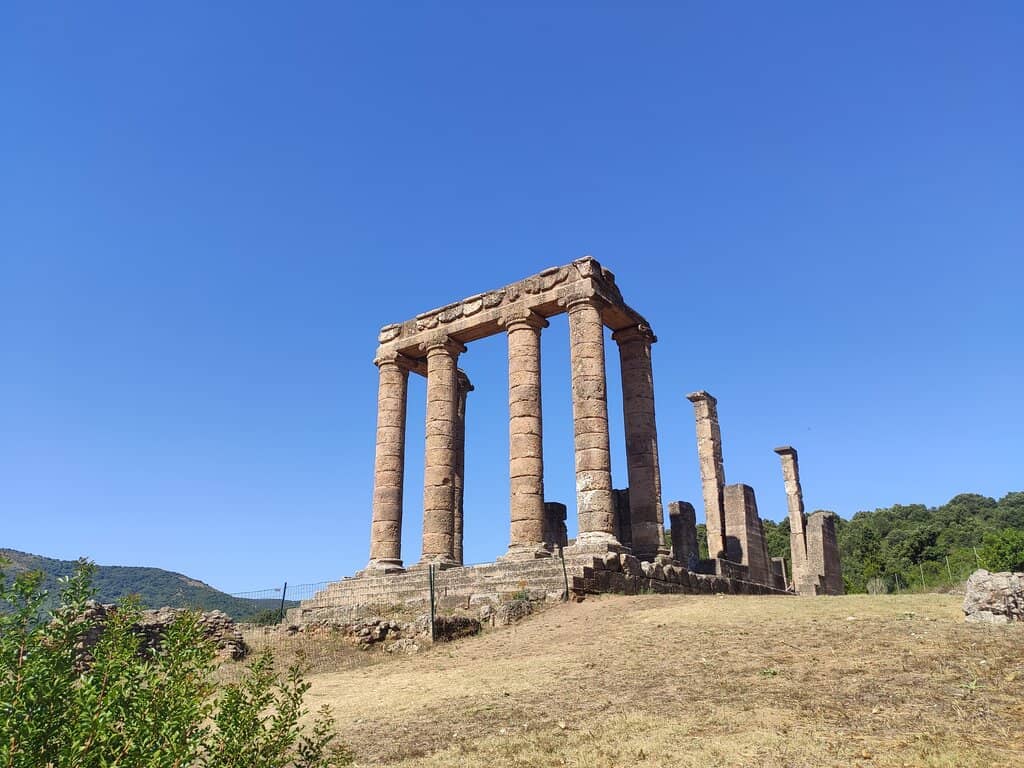
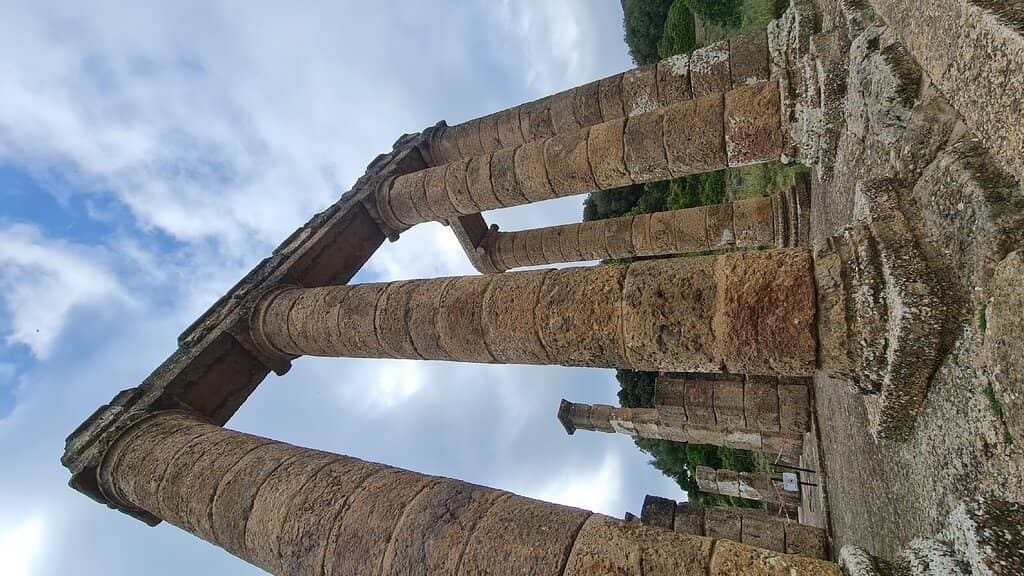
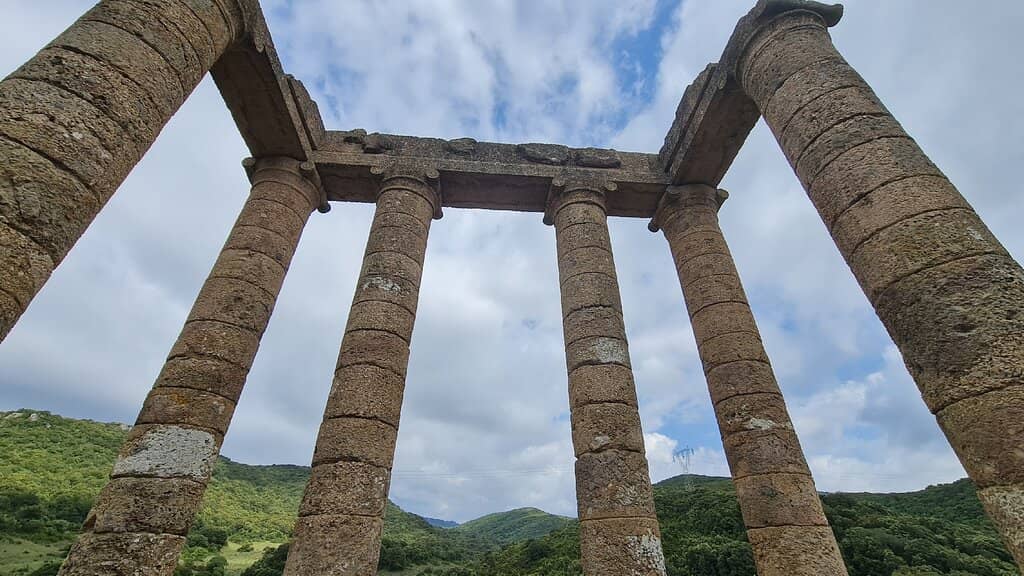
The Temple of Antas
Main archaeological site
A Punic-Roman temple dedicated to Sardus Pater, the progenitor of the Sardinian people. Marvel at its ancient architecture and historical significance.

Nuragic Village Ruins
Short walk from the temple
Explore the remnants of an ancient Nuragic settlement, offering a glimpse into Sardinia's prehistoric past.
Ancient Limestone Quarry
Hiking trail from the temple
Discover the quarry from which the temple's limestone was extracted, a testament to ancient engineering.
Plans like a pro.
Thinks like you
Planning Your Visit
Timing Your Visit for Tranquility
Embrace the Natural Surroundings
Best Times
Insider Tips
from TikTok, Instagram & Reddit
🎯 Affordable Entry Fee
The entrance fee is very reasonable, making it an accessible historical site.
👟 Comfortable Walking Shoes
Essential for exploring the temple, village ruins, and quarry trails.
💧 Bring Water & Snacks
While there's a snack stand, carrying your own water is wise, especially on warmer days.
📸 Capture the History
The site offers beautiful photo opportunities, especially during the golden hours.
Tips
from all over the internet
🎯 Affordable Entry Fee
The entrance fee is very reasonable, making it an accessible historical site.
👟 Comfortable Walking Shoes
Essential for exploring the temple, village ruins, and quarry trails.
💧 Bring Water & Snacks
While there's a snack stand, carrying your own water is wise, especially on warmer days.
📸 Capture the History
The site offers beautiful photo opportunities, especially during the golden hours.
📚 English Signage Available
Educational boards are in English, providing context for the historical sites.
What Travellers Say
Reviews Summary
Visitors praise Tempio di Antas for its well-maintained historical site, affordable entry, and the freedom to explore the ruins. The helpful staff and the inclusion of English signage are frequently highlighted as positives. Some note that shade can be limited and recommend comfortable shoes for the trails.
"Great spot, deep in the mountains. The lady at the ticket office/cafeteria is very helpful and you can walk around pretty much freely within the ruins, which is rare."
Miklós Sugár
"Well maintained site. Good signage about the temple and I also enjoyed the signs about local flora and fauna along the walk. You can walk right up to the temple and see all the details in the carvings which is impressive. The bathrooms are very clean and the snack stand has a nice assortment. The staff is very kind and helpful. You can tell they take pride in maintaining the location. The garden and sitting area is very peaceful. We recommend the stop!"
Nadia
"An easy walk up a nice walkway to the temple. The walk to the stone village was up a hiking dirt path. Beautiful views at the temple and village, but not much shade. The ticket pavilion at the area entrance has good shade, with plentiful water, beer, and coffee to purchase."
Brigitte Todd
What People Like
What People Dislike
Frequently Asked Questions
🚇 🗺️ Getting There
To reach Tempio di Antas from Cagliari, you'll typically drive. The journey takes approximately 1.5 to 2 hours. Renting a car is the most convenient option, allowing you to explore the scenic route through Sardinia's interior. Public transport options are limited and would involve multiple changes, making a car highly recommended for this trip.
Yes, the temple is visible from the main road connecting Iglesias to Fluminimaggiore. Look for signs as you approach Fluminimaggiore; the site is well-signposted from the main highway.
Renting a car is the most recommended way to visit Tempio di Antas, offering flexibility and ease of access. The drive itself is scenic, taking you through the Sardinian mountains.
Yes, there is a parking area available near the ticket office and cafeteria, making it convenient for visitors arriving by car.
While possible, visiting without a car is challenging due to limited public transport. It would likely involve buses to Fluminimaggiore and then a taxi or a significant walk. Renting a car is strongly advised for a smoother experience.
🎫 🎫 Tickets & Entry
The entrance fee is very affordable, typically around 4 euros for adults, making it a budget-friendly historical site.
Opening hours can vary seasonally. It's best to check the official website or local tourist information for the most up-to-date hours before your visit, especially if traveling during shoulder seasons.
Advance booking is generally not required for Tempio di Antas, as it's usually not overcrowded. You can purchase tickets upon arrival at the site's entrance pavilion.
The main path to the temple is a nice walkway, but some areas like the stone village might involve dirt paths. Accessibility can be limited in certain sections.
The ticket typically grants access to the main temple ruins, the Nuragic village, and the ancient quarry. Educational boards are also included.
🎫 🧭 Onsite Experience
You can explore the main temple and surrounding areas in about 1-2 hours. If you plan to hike to the quarry and fully explore the Nuragic village, allow for 2-3 hours.
While official guided tours might not always be available, the site has educational boards in English that provide good information about the history and significance of the ruins.
Besides the main temple, you can explore the ruins of a Nuragic village, an ancient Roman quarry, and enjoy the natural beauty of the surrounding valley.
Shade is limited, especially around the temple and village ruins. The ticket pavilion offers good shade, and it's advisable to wear a hat and sunscreen.
Yes, visitors can generally walk around freely within the ruins, which is a rare and appreciated aspect of the site.
🍽️ 🍽️ Food & Dining
There is a snack stand or cafeteria at the entrance pavilion that offers water, beer, coffee, and some snacks. It's a convenient spot for refreshments.
Picnicking is generally allowed in designated areas, but it's always good to check on-site regulations. The peaceful garden area might be suitable for a packed lunch.
Fluminimaggiore, the nearby town, offers local trattorias and restaurants where you can enjoy traditional Sardinian cuisine after your visit.
📸 📸 Photography
Early mornings and late afternoons offer the best light for photography, creating a beautiful atmosphere around the ruins. The golden hour can be particularly stunning.
Generally, photography for personal use is allowed. Tripods might require special permission, but for typical tourist photos, you should have no issues.
The temple ruins themselves, the surrounding valley views, and the ancient quarry offer excellent photographic opportunities. The interplay of light and stone is captivating.
Drone usage is typically restricted at archaeological sites to protect the heritage and for safety reasons. It's best to assume drones are not permitted unless explicitly stated otherwise.
For Different Travelers
Tailored advice for your travel style
👨👩👧 Families with Kids
🚶♀️ Hikers and Nature Lovers
📸 Photographers
The ancient ruins, set against the natural landscape, offer dramatic and atmospheric shots. The well-preserved details of the temple and the rugged beauty of the quarry provide diverse photographic opportunities. While generally free for personal use, be mindful of any restrictions on professional equipment or drones. Deep Dives
In-depth insights and expert knowledge
The History and Significance of Sardus Pater
The site's history spans millennia, from its Punic origins to Roman modifications and its rediscovery in the 19th century. This layered history makes it a fascinating destination for anyone interested in the ancient cultures of Sardinia. The temple's architecture, though partially ruined, still conveys a sense of its former grandeur and spiritual purpose.
Visitors can learn more about Sardus Pater and the temple's history through the educational boards present at the site, which are available in English, making the experience informative for international travelers.
Exploring the Archaeological Landscape
For those interested in ancient industry, a hiking trail leads to the Roman quarry. Here, you can see firsthand where the limestone blocks used to construct the temple were extracted. This trail offers a more rugged experience and rewards hikers with beautiful views of the surrounding valley. It’s a testament to the ingenuity and labor involved in constructing such monumental sites.
The entire area is set within a picturesque valley, offering a blend of historical discovery and natural beauty. The well-maintained paths and clear signage enhance the visitor experience, allowing for an immersive journey through Sardinia's ancient past.
Practicalities for Your Visit
While there is a snack stand at the entrance pavilion offering refreshments, it's wise to bring your own water, particularly during warmer months, as shade can be limited around the main sites.
Photography enthusiasts will find the site offers beautiful photo opportunities, especially during the golden hours of early morning or late afternoon.
The well-maintained paths and the ability to walk freely within the ruins contribute to a pleasant and immersive visit. 

Social
from TikTok, Instagram & Reddit