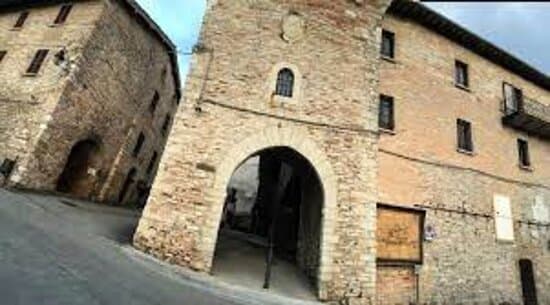
Palazzo Comunale (Town Hall)
A historic town hall in Spoleto, showcasing centuries of civic life and built upon ancient Roman foundations.

Highlights
Must-see attractions

Social
From TikTok & Reddit
Best Time
Fewer crowds, more serene
Palazzo Comunale (Town Hall)
Best Time
Fewer crowds, more serene
Highlights
Must-see attractions
A historic town hall in Spoleto, showcasing centuries of civic life and built upon ancient Roman foundations.
"Its foundations rest partly on the area of the Roman House, a testament to its deep historical roots."

Check for Events
See if any exhibitions or events are happening to enhance your visit!
Explore Surroundings
The Palazzo is near other key sites like the Roman House. Combine your visit!

Highlights
Discover the most iconic attractions and experiences
Historic Architecture
Exterior Facade
Admire the centuries-old architecture, a testament to the town's rich history and evolving administrative center.

Roman House Foundations
Adjacent to the Palazzo
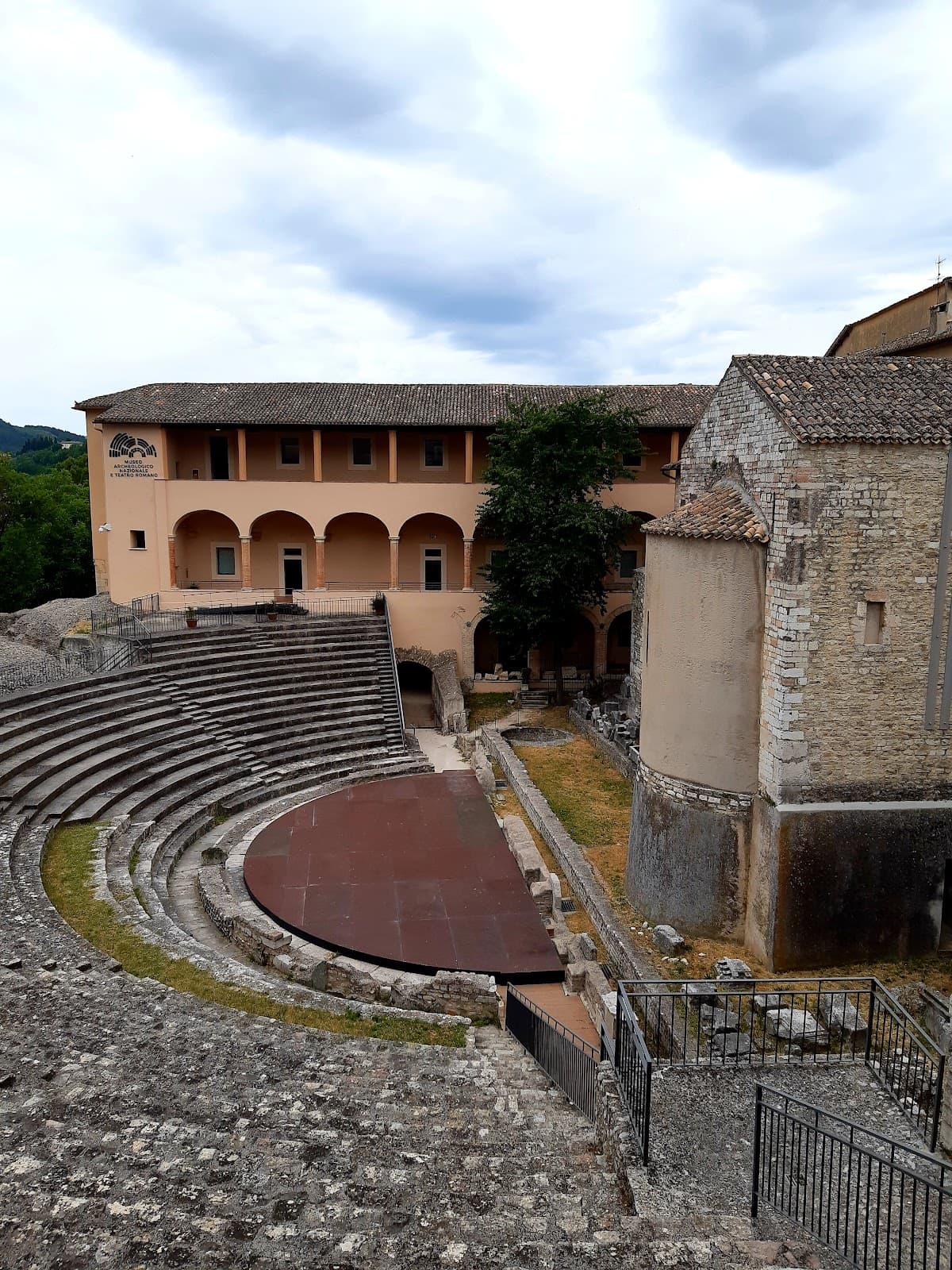
Discover the ancient Roman House foundations, revealing layers of history beneath the current structure.

Event Backdrops
Piazza del Duomo / Piazza del Mercato
Witness the Palazzo Comunale as a stunning backdrop for local events, festivals, and artistic performances.
Plans like a pro.
Thinks like you
Planning Your Visit
Timing Your Visit
Understanding Its Role
Best Times
Insider Tips
from TikTok, Instagram & Reddit
Check for Events
See if any exhibitions or events are happening to enhance your visit! 
Explore Surroundings
The Palazzo is near other key sites like the Roman House. Combine your visit!
Admire the Facade
The exterior architecture is a highlight in itself. :camerawithflash:
Tips
from all over the internet
Check for Events
See if any exhibitions or events are happening to enhance your visit!
Explore Surroundings
The Palazzo is near other key sites like the Roman House. Combine your visit!
Admire the Facade
The exterior architecture is a highlight in itself. :camerawithflash:
What Travellers Say
Reviews Summary
Visitors appreciate the Palazzo Comunale's historical significance and its role as a central landmark in Spoleto. Its integration with ancient Roman foundations and its function as a backdrop for civic life are often noted. While not always a primary tourist destination for interior exploration, its architectural presence and historical context are valued.
"We were here on 20-06-25 just before lunchtime because we had to visit the adjacent and beautiful Roman House
of which the underlying part develops."
ROBERTO RIVIECCIO
"The Spoleto Town Hall is located halfway between the forum, now Piazza del Mercato, and Piazza del Duomo, in an area where noble houses, private or representative residences have stood since ancient times. Its foundations in fact rest partly on the area of the Roman House discovered by Giuseppe Sordini in 1885. Previously other spaces were used, but after the year 1296 the government activity of the city was concentrated in this newly restored palace. The appearance of the building before the 13th century is not known, we only know that it included a cloister under whose porticoes the mayor and the captain of the people carried out part of their duties.
The oldest part of the building (13th century) is the tower on the southern façade in via del Municipio. The eighteenth-century restoration and expansion works of the town hall led to the inclusion within it of the Monte di Pietà, called Monte della Pietà et de la Vergine Maria Madre de Misericordia, located in a room accessible from the north façade."
Luca
"It is located halfway between Piazza del Mercato and Piazza del Duomo, in an area where noble houses, private or representative residences have stood since ancient times."
Carolina Scopetta
What People Like
What People Dislike
Frequently Asked Questions
🚇 🗺️ Getting There
The Palazzo Comunale is centrally located in Spoleto, situated between Piazza del Mercato and Piazza del Duomo. It's easily accessible on foot within the historic center. If arriving by car, look for parking areas outside the ZTL (limited traffic zone) and walk into the town.
Parking is generally available in designated lots outside the historic center. From there, it's a pleasant walk to reach the Palazzo Comunale.
🎫 🎫 Tickets & Entry
As a functioning town hall, general access to the exterior and public areas is usually free. However, specific internal exhibitions or events may require tickets. It's best to check local listings for any special access.
Opening hours can vary as it's an active administrative building. Public access to certain areas might be limited during official working hours or for private events. Check local tourist information for the most up-to-date details.
Weekend access might be more restricted due to its role as a town hall. It's advisable to check for any scheduled events or specific public access times if planning a weekend visit.
🎫 🏛️ Onsite Experience
While primarily a working town hall, you might find historical rooms, art exhibitions, or administrative offices. Its foundations are partly built on ancient Roman House remains, offering a glimpse into the past.
Accessibility can vary in historic buildings. It's recommended to contact the local tourist office or the Palazzo Comunale directly for specific information regarding accessibility for visitors with mobility challenges.
Guided tours are not always standard for functioning town halls. However, local tourist offices may offer tours that include the Palazzo Comunale as part of a broader city tour.
The Palazzo Comunale has been the center of city government since after 1296. Its foundations rest partly on ancient Roman House ruins, showcasing a long history of civic life.
📸 📸 Photography
Photography rules can differ. Generally, exterior shots are welcome. For interiors, especially if there are exhibitions or offices, it's best to check for signage or ask permission.
The surrounding piazzas, Piazza del Duomo and Piazza del Mercato, offer excellent vantage points for photographing the Palazzo Comunale's facade and its integration with the urban landscape.
For Different Travelers
Tailored advice for your travel style
History Enthusiasts
Art & Culture Aficionados
+1 Its presence in central piazzas also makes it a stunning backdrop for photography, capturing the essence of Italian urban life and artistic expression. Deep Dives
In-depth insights and expert knowledge
A Layered History
After the year 1296, the government activity of the city was consolidated within this palace. Before this, various spaces were utilized, and historical records suggest the existence of a cloister where civic duties were performed. The oldest surviving part of the current building is the tower on the southern facade, dating back to the 13th century.
Significant restoration and expansion works in the 18th century led to the incorporation of the Monte di Pietà (a pawnshop and charitable institution) into the Palazzo. This demonstrates how the building has adapted over centuries to serve the evolving needs of the community, blending administrative functions with social and financial services.
The Palazzo as a Venue
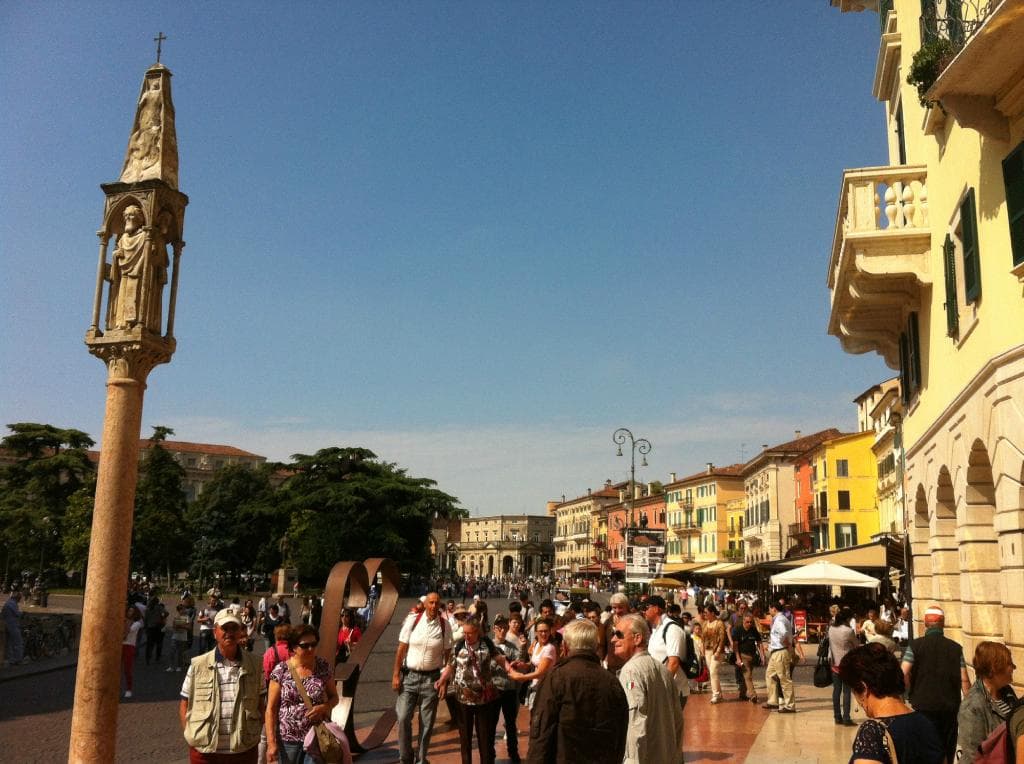
+1Social media content often captures the Palazzo Comunale as a picturesque backdrop for parades and public gatherings. The Piazza del Duomo and surrounding areas, where the Palazzo is situated, become stages for local celebrations and international events, highlighting its role in the civic and social life of the town.
+1These events not only showcase the Palazzo's architectural beauty but also underscore its importance as a central hub for community engagement and cultural expression. Visitors might find their experience enriched by stumbling upon a local festival or an art installation taking place within or around the historic structure.

Social
from TikTok, Instagram & Reddit