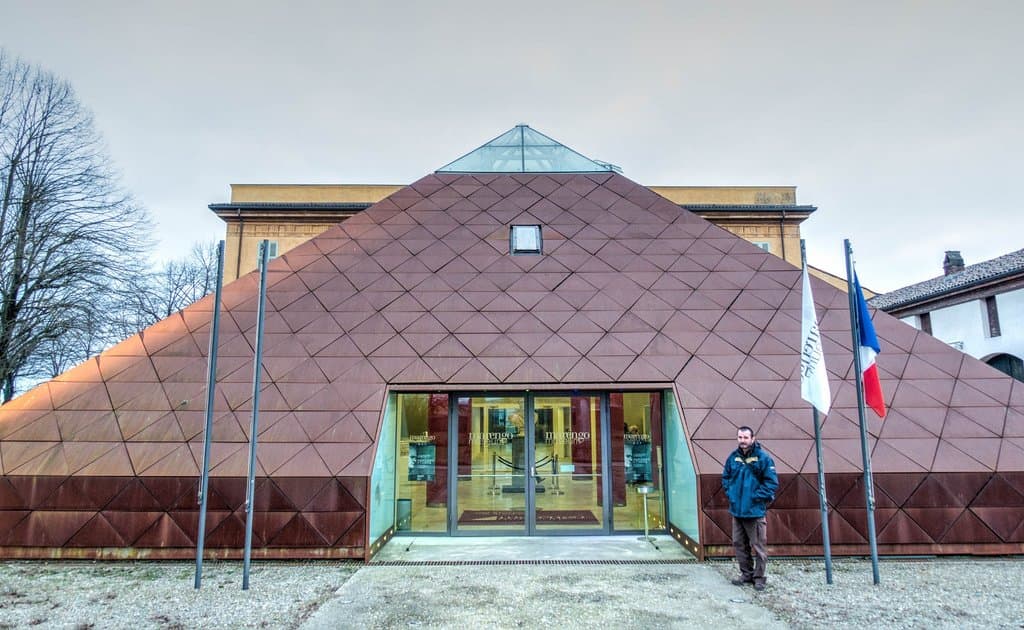
Marengo Museum
Explore Napoleonic history and art at the Marengo Museum, home to tales of warhorses and revolutionary campaigns.
Highlights
Must-see attractions

Social
From TikTok & Reddit
Best Time
Fewer crowds, more focused visit
Marengo Museum
Best Time
Fewer crowds, more focused visit
Highlights
Must-see attractions
Explore Napoleonic history and art at the Marengo Museum, home to tales of warhorses and revolutionary campaigns.
"An underrated museum offering a comprehensive and informative experience of the Napoleonic era."
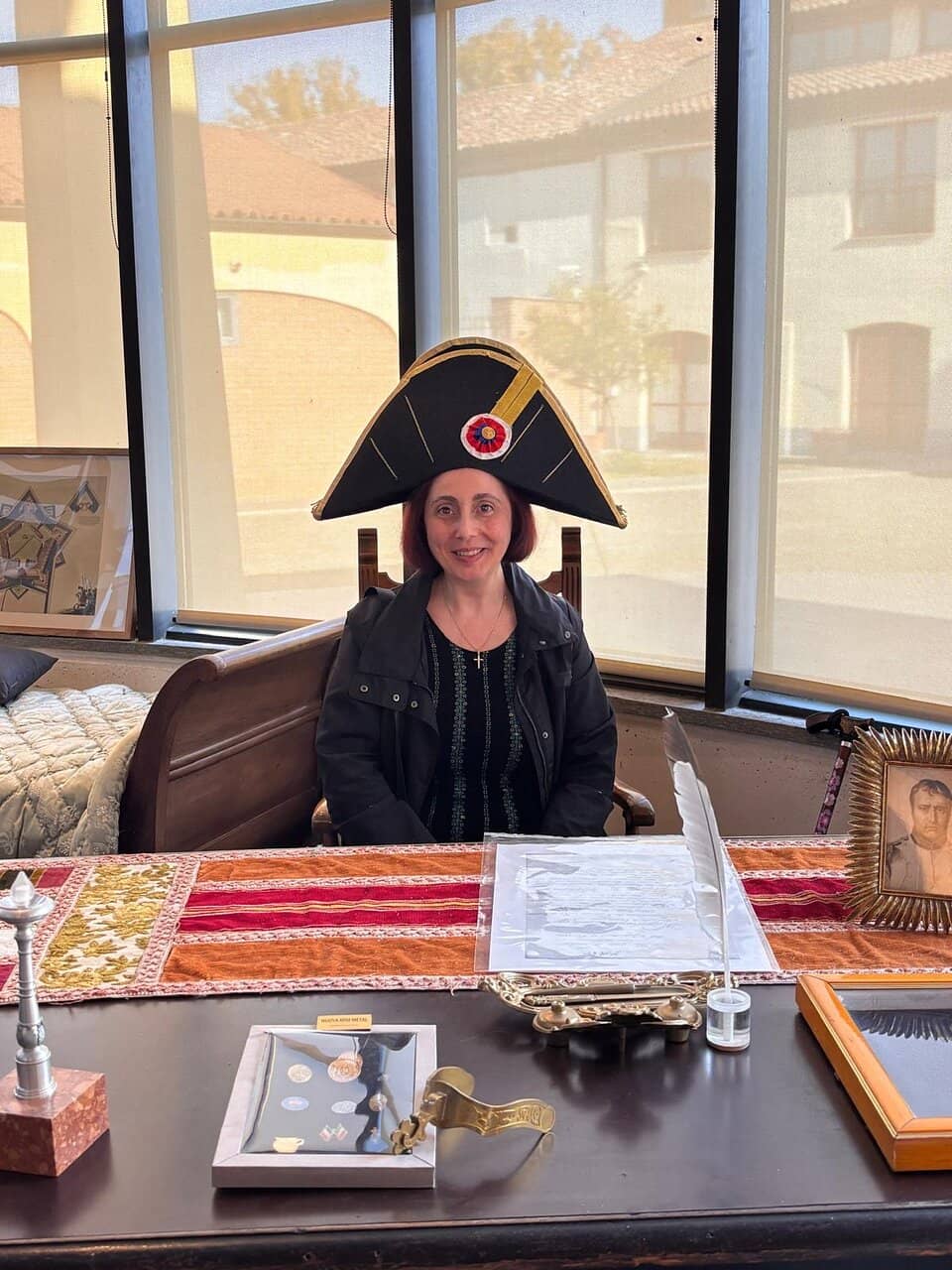
Staff are very helpful
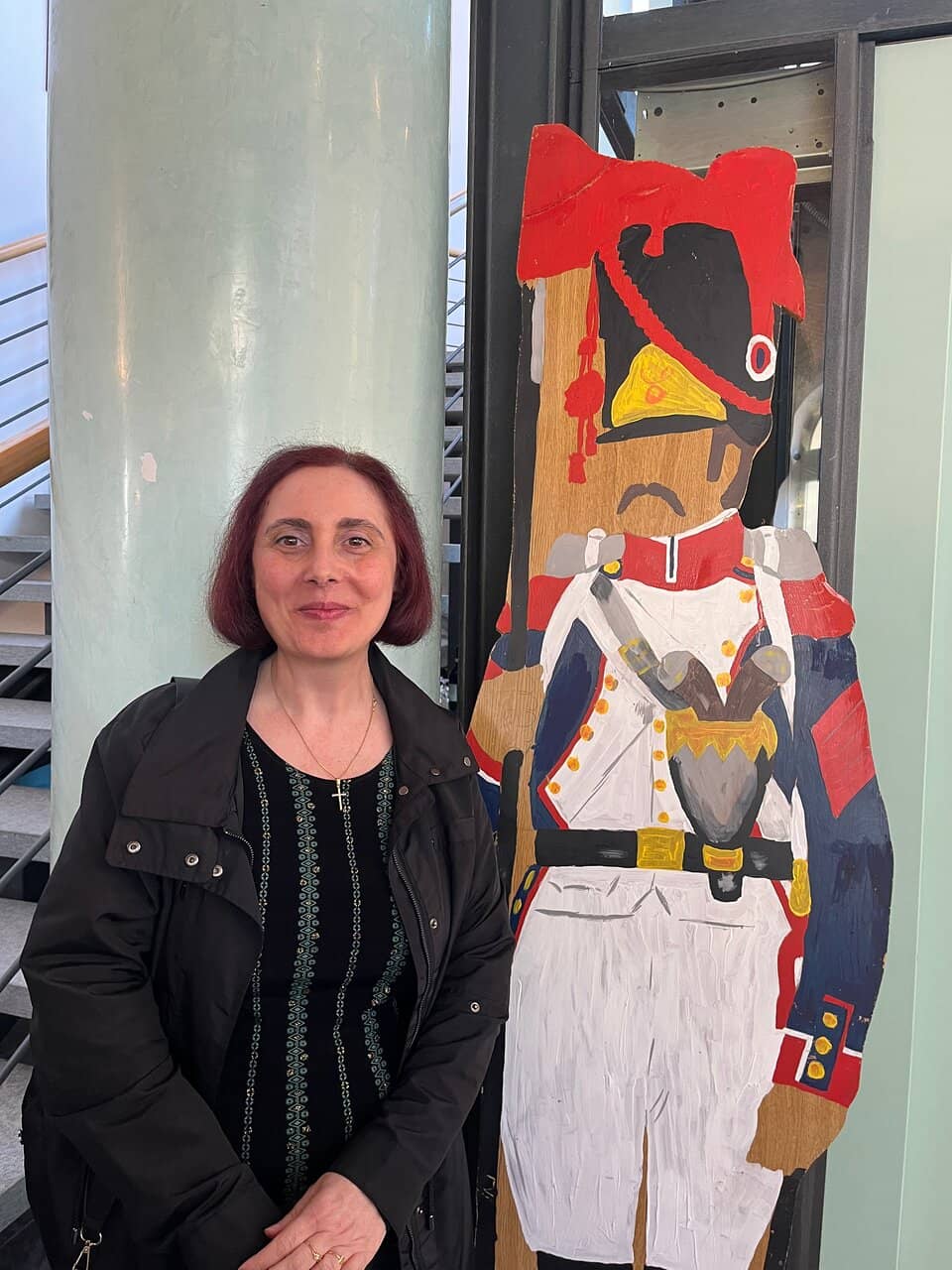
Friendly and knowledgeable staff can enhance your visit. They often speak English too! :smiley:
Beyond the Horse
The museum offers a broad history of the French Revolution's impact on Italy, not just Marengo the horse. :book:
Highlights
Discover the most iconic attractions and experiences
Marengo's Legacy
Main Exhibition Hall
Discover the story of Napoleon's favorite warhorse, Marengo, and its connection to the pivotal Battle of Marengo.
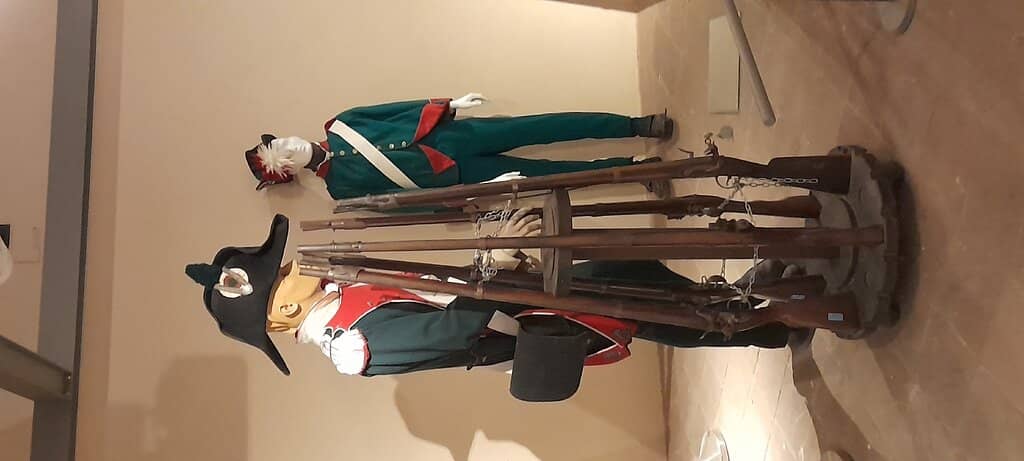
Napoleonic Campaign in Italy
Exhibition Galleries
Explore the causes and consequences of Napoleon's Italian campaign through detailed exhibits and artifacts.
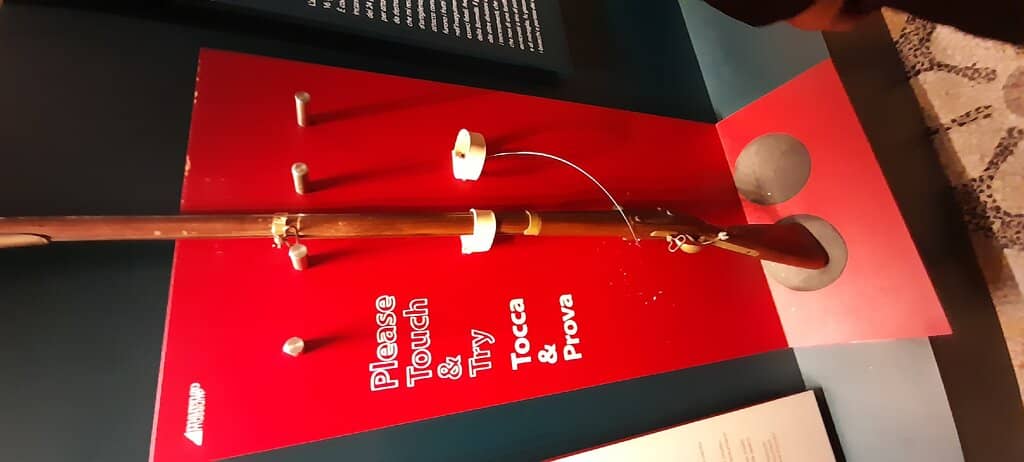
Contemporary Art Integration
Various Galleries
Experience how modern art, including graphic novels, complements and interprets historical events.
Plans like a pro.
Thinks like you
Planning Your Visit
Timing Your Visit
Understanding the Scope
Best Times
Insider Tips
from TikTok, Instagram & Reddit
Staff are very helpful
Friendly and knowledgeable staff can enhance your visit. They often speak English too! :smiley:
Beyond the Horse
The museum offers a broad history of the French Revolution's impact on Italy, not just Marengo the horse. :book:
Check for Events
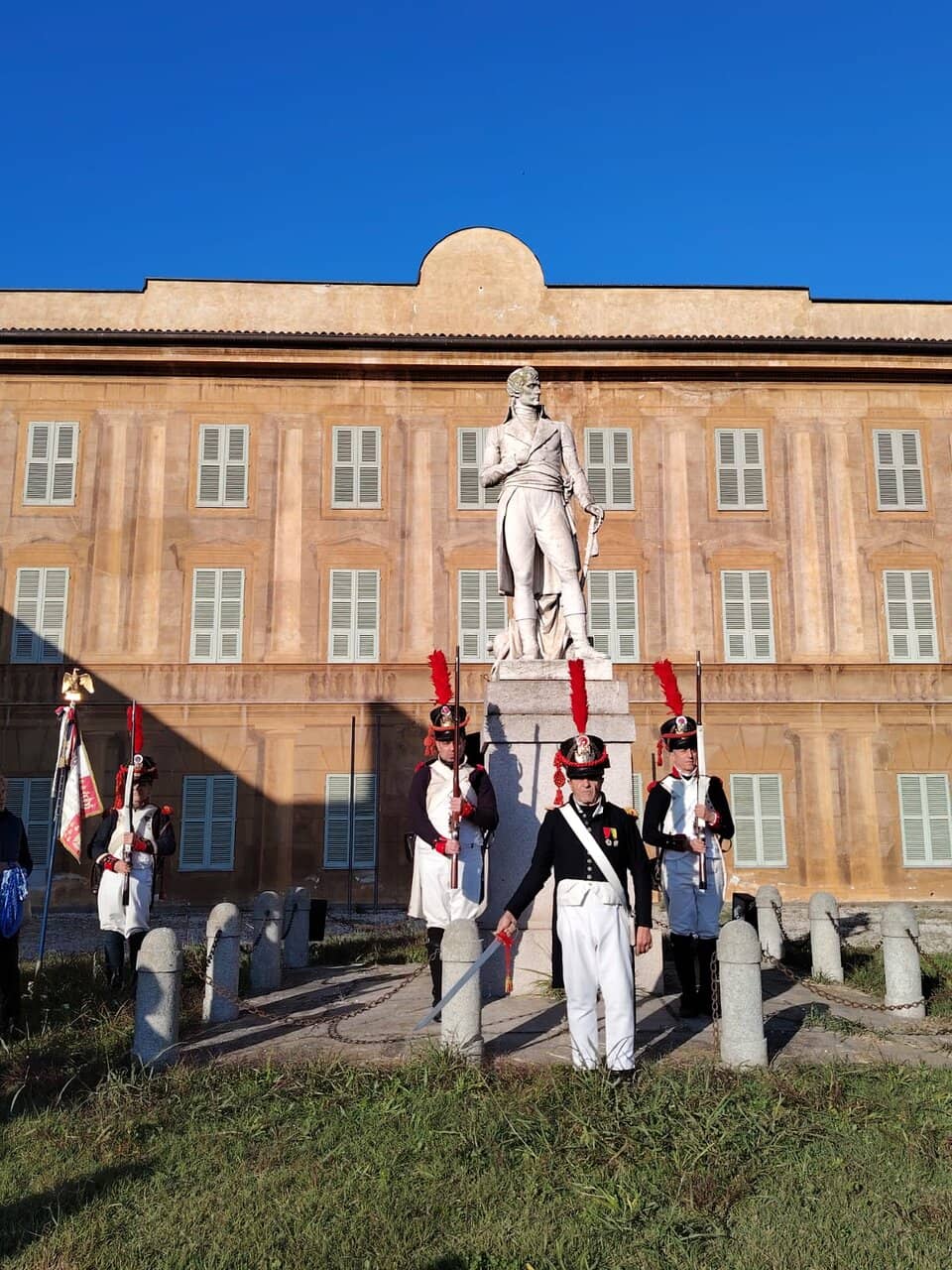
The museum hosts various events, from opera nights to historical reenactments. :calendar:
Artistic Interpretations
Look out for unique exhibitions that blend history with contemporary art and graphic novels. :art:
Tips
from all over the internet
Staff are very helpful
Friendly and knowledgeable staff can enhance your visit. They often speak English too! :smiley:
Beyond the Horse
The museum offers a broad history of the French Revolution's impact on Italy, not just Marengo the horse. :book:
Check for Events
The museum hosts various events, from opera nights to historical reenactments. :calendar:
Artistic Interpretations
Look out for unique exhibitions that blend history with contemporary art and graphic novels. :art:
What Travellers Say
Reviews Summary
Visitors find the Marengo Museum to be an underrated gem, offering a comprehensive and informative experience of the Napoleonic era and its impact on Italy. The staff are consistently praised for their friendliness and helpfulness, often speaking English. While some expect a singular focus on Napoleon's horse, they discover a broader historical narrative that is both engaging and educational.
"I expected the museum to be specific on the Marengo victory by Napoleon. In reality it is a speed course history about the Frenc revolution and their présence in italy. Staff is friendly and can communicate in English aswell."
Jesse Janssen
"I was there, humbled and subdued by the calm earth, the chirrup of birds - gazing at the field in the gloom of the falling night. The Marengo is alive, the Mankind shall thus continue."
Loran Jacobs
"Very interesting museum, very nice and helpful staff."
Antoni Nowak
What People Like
What People Dislike
Frequently Asked Questions
🚇 🗺️ Getting There
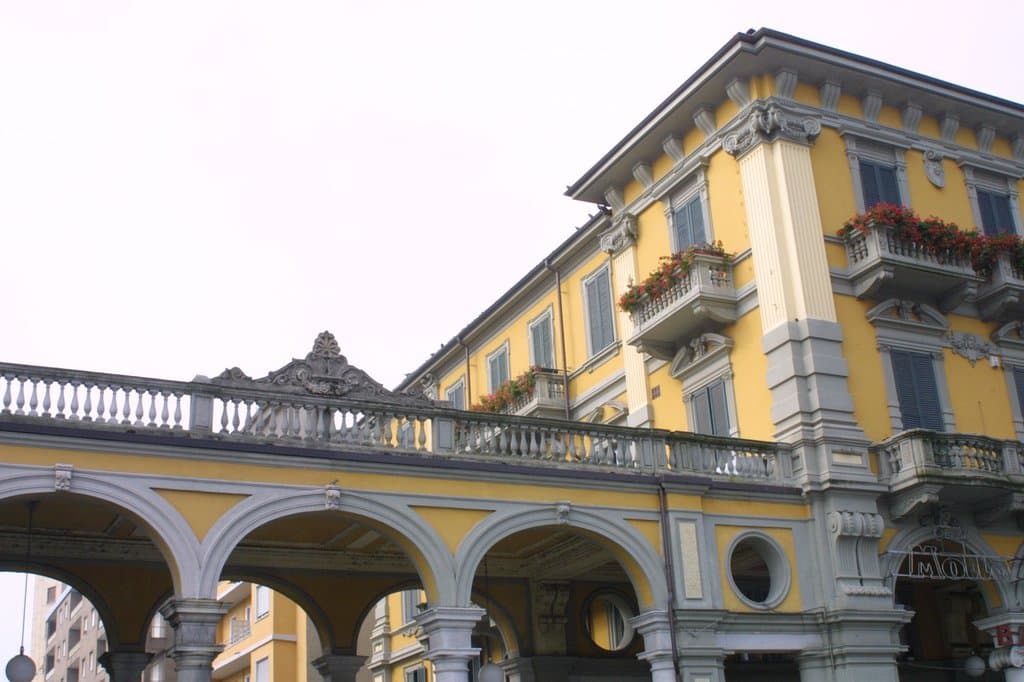
The Marengo Museum is located in Spinetta Marengo, a frazione of Alessandria, Italy. It's situated in the Villa Delavo, along the road towards Tortona. Visitors can reach it by car, and it's accessible from Alessandria.
Information on specific parking availability can vary. It's advisable to check local parking regulations or inquire directly with the museum if arriving by car.
While specific public transport routes might require local knowledge, Alessandria is well-connected. From Alessandria, local buses or taxis would likely be the best options to reach Spinetta Marengo.
Drone footage showcases the museum's setting and architecture beautifully. For ground-level photography, the surrounding landscape and the villa itself offer picturesque views.
The museum is housed in Villa Delavo. While efforts are usually made for accessibility, it's recommended to contact the museum in advance to confirm specific accessibility features for visitors with mobility concerns.
🎫 🎫 Tickets & Entry
Opening hours can vary, especially with special events. It's best to check the official Marengo Museum website or contact them directly for the most up-to-date information on operating hours.
Admission fees can change. For current ticket prices, it's recommended to visit the museum's official website or inquire upon arrival.
Online ticket purchasing options may be available, especially during peak seasons or for special events. Check the museum's official channels for booking information.
Discounts might be offered for students, seniors, or groups. Inquire at the ticket counter or check the museum's website for details on potential concessions.
Generally, personal photography for non-commercial use is allowed, but flash photography might be restricted to protect artifacts. Always check for posted signs or ask staff.
🎫 🧭 Onsite Experience
The museum offers a comprehensive look at the Napoleonic era, focusing on the French Revolution's impact on Italy, Napoleon's horse Marengo, and often features contemporary art exhibitions. 
The museum provides historical context that can be educational for older children. Interactive elements or specific family-friendly tours might be available, so it's worth checking.
To fully appreciate the exhibits and historical context, plan for at least 1.5 to 2 hours. If there's a special exhibition or event, you might want to allocate more time.
Guided tours can offer deeper insights into the collections. Inquire at the museum's information desk about the availability and schedule of guided tours.
The Battle of Marengo, fought on June 14, 1800, was a decisive victory for Napoleon Bonaparte, solidifying his power as First Consul and driving the Habsburgs out of Italy.
🍽️ 🍽️ Food & Dining
Typically, museums of this size may not have extensive dining facilities. There might be a small cafe or vending machines, but it's best to confirm directly with the museum.
Spinetta Marengo and the nearby city of Alessandria offer various dining options, from local trattorias to more contemporary eateries. Exploring Alessandria will provide more choices.
Most museums have policies against consuming outside food and beverages within the exhibition areas. Check the museum's specific rules regarding this.
The Piedmont region is known for its rich cuisine, including agnolotti, tajarin pasta, and excellent wines like Barbera. Look for traditional trattorias for an authentic experience.
Depending on the grounds and local regulations, there might be areas suitable for a picnic. Enjoying the scenery around the museum could be a pleasant option.
📸 📸 Photography
The Villa Delavo itself, the surrounding grounds, and any unique architectural features offer great photo opportunities. Drone shots can capture the broader landscape.
Professional photography sessions usually require prior permission. Contact the museum administration to discuss your needs and obtain necessary approvals.
Drone usage is subject to strict regulations in Italy. Always check local aviation laws and obtain any required permits before flying a drone.
Focus on any displays related to Napoleon, military uniforms, weaponry, and maps of the campaign for historically rich photographs.
Combine shots of the historical exhibits with images of the architecture and the natural setting to convey the full experience.
For Different Travelers
Tailored advice for your travel style
👨👩👧 Families with Kids
Consider focusing on the story of Napoleon's horse, Marengo, as a relatable entry point. The museum staff are known to be friendly and helpful, which can be a great asset when navigating the exhibits with children. To make the visit more interactive, encourage kids to look for specific artifacts or imagine the scenes depicted. Checking for any special family-oriented events or tours before your visit could also enhance the experience.
Remember that the museum covers a broad historical scope, so framing the visit around key figures or exciting narratives can help keep children engaged.🏛️ History Enthusiasts
You'll find a comprehensive narrative that goes beyond the surface, exploring the causes, consequences, and key figures of this transformative period. Pay close attention to the artifacts and documents that shed light on military tactics, political maneuvering, and the daily lives of those involved. The museum's focus on Marengo, Napoleon's horse, also offers a unique angle, connecting the grand historical events to a more personal, albeit animal, perspective.
Don't miss the opportunity to engage with the knowledgeable staff, who can offer further context and answer specific historical queries. 🎨 Art & Culture Aficionados
This approach provides a fresh and engaging way to experience the narratives of the Napoleonic era and the Battle of Marengo. Look out for works by artists like Guido Crepas, whose creative interpretations of historical battles can be particularly striking.
The integration of art allows for a multi-dimensional understanding of history, encouraging viewers to consider different perspectives and the enduring impact of these events. The museum's setting in Villa Delavo also adds to the aesthetic appeal, offering a beautiful backdrop for the exhibitions. Deep Dives
In-depth insights and expert knowledge
The Story of Marengo, Napoleon's Horse
Marengo was known for its endurance and bravery, reportedly carrying Napoleon through numerous battles and surviving eight wounds. Its story is intrinsically linked to Napoleon's rise and consolidation of power in France and Italy. The museum delves into the life of this legendary animal, highlighting its significance not just as a mount, but as a symbol of Napoleon's military prowess and enduring legacy. Visitors can learn about Marengo's capture at the Battle of Waterloo and its eventual fate, adding a poignant layer to the historical narrative.
While the horse is a central figure, the museum uses its story as a gateway to explore the broader context of the Napoleonic era. This includes the political landscape of the time, the military strategies employed, and the profound impact these events had on Italy and Europe.
Napoleonic Campaigns and Their Impact on Italy
The museum explores the causes and consequences of these campaigns, offering insights into the military tactics, logistical challenges, and the socio-political climate of the era. Exhibits often feature artifacts, documents, and visual representations that illustrate the French presence in Italy, the impact on local populations, and the subsequent administrative and territorial changes. Visitors can gain a deeper understanding of how these historical events shaped the region and contributed to the broader narrative of Italian unification.
Beyond the military aspects, the museum also touches upon the cultural and artistic exchanges that occurred during this period. This includes how Napoleonic ideals influenced art and architecture, and how Italian artists responded to the changing times, sometimes through contemporary interpretations of historical events.
+1Artistic Interpretations and Modern Connections
For instance, the work of artists like Guido Crepas has been showcased, where historical battles are brought to life through intricate paper cutouts and hand-colored newspaper pieces. This approach allows visitors to connect with history in a more dynamic and visually engaging way, bridging the gap between past and present.
These artistic integrations serve to highlight the enduring relevance of historical narratives and encourage a deeper dialogue about their meaning today. By juxtaposing historical accounts with modern artistic expressions, the museum offers a multi-layered experience that appeals to a wide range of interests, from history buffs to art enthusiasts.
Social
from TikTok, Instagram & Reddit