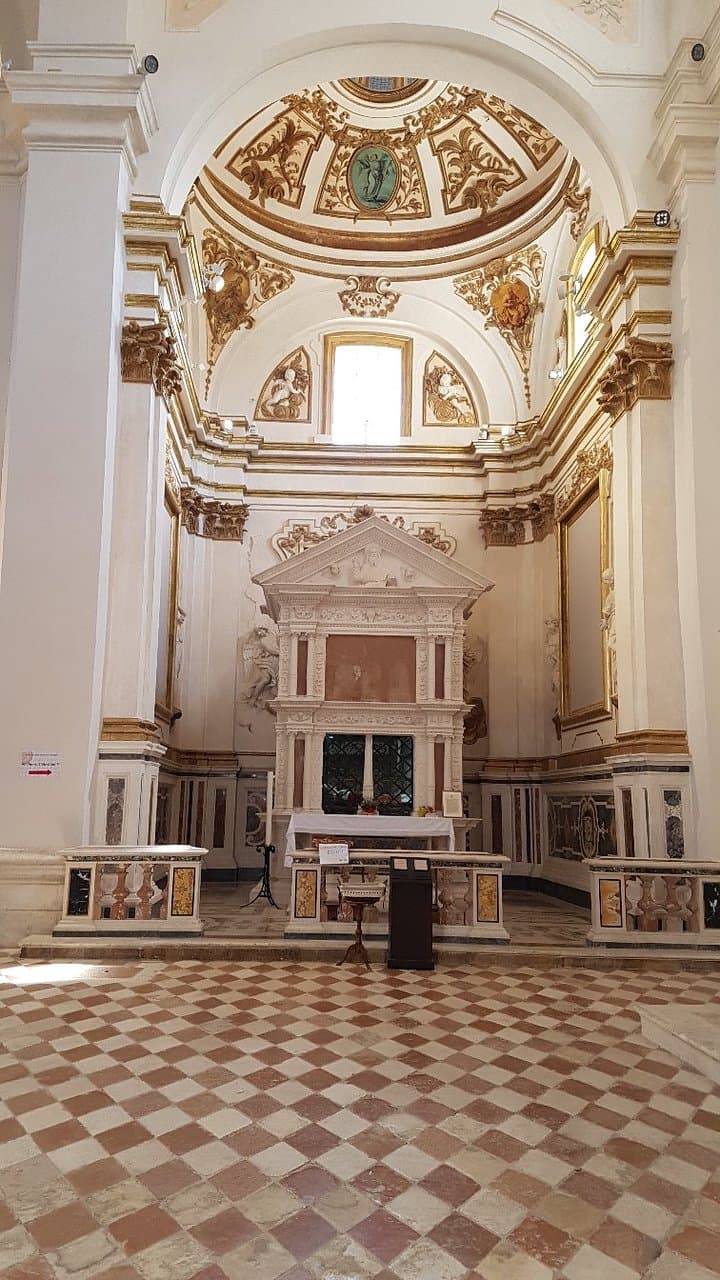
Basilica di Santa Maria di Collemaggio
A Romanesque masterpiece and the site of the world's first Holy Door, symbolizing faith, forgiveness, and resilience.
Highlights
Must-see attractions

Social
From TikTok & Reddit
Best Time
Experience the historic Perdonanza
Basilica di Santa Maria di Collemaggio
Best Time
Experience the historic Perdonanza
Highlights
Must-see attractions
A Romanesque masterpiece and the site of the world's first Holy Door, symbolizing faith, forgiveness, and resilience.
"A masterpiece of medieval Abruzzese architecture and a timeless symbol of faith, humility, and forgiveness."
🎯 Arrive Early for Peace
Beat the crowds by visiting in the morning. You might have the basilica to yourself!
🚶♀️ Walkable from City Center
About a 15-minute walk from L'Aquila's center. Enjoy the scenic route!
Highlights
Discover the most iconic attractions and experiences
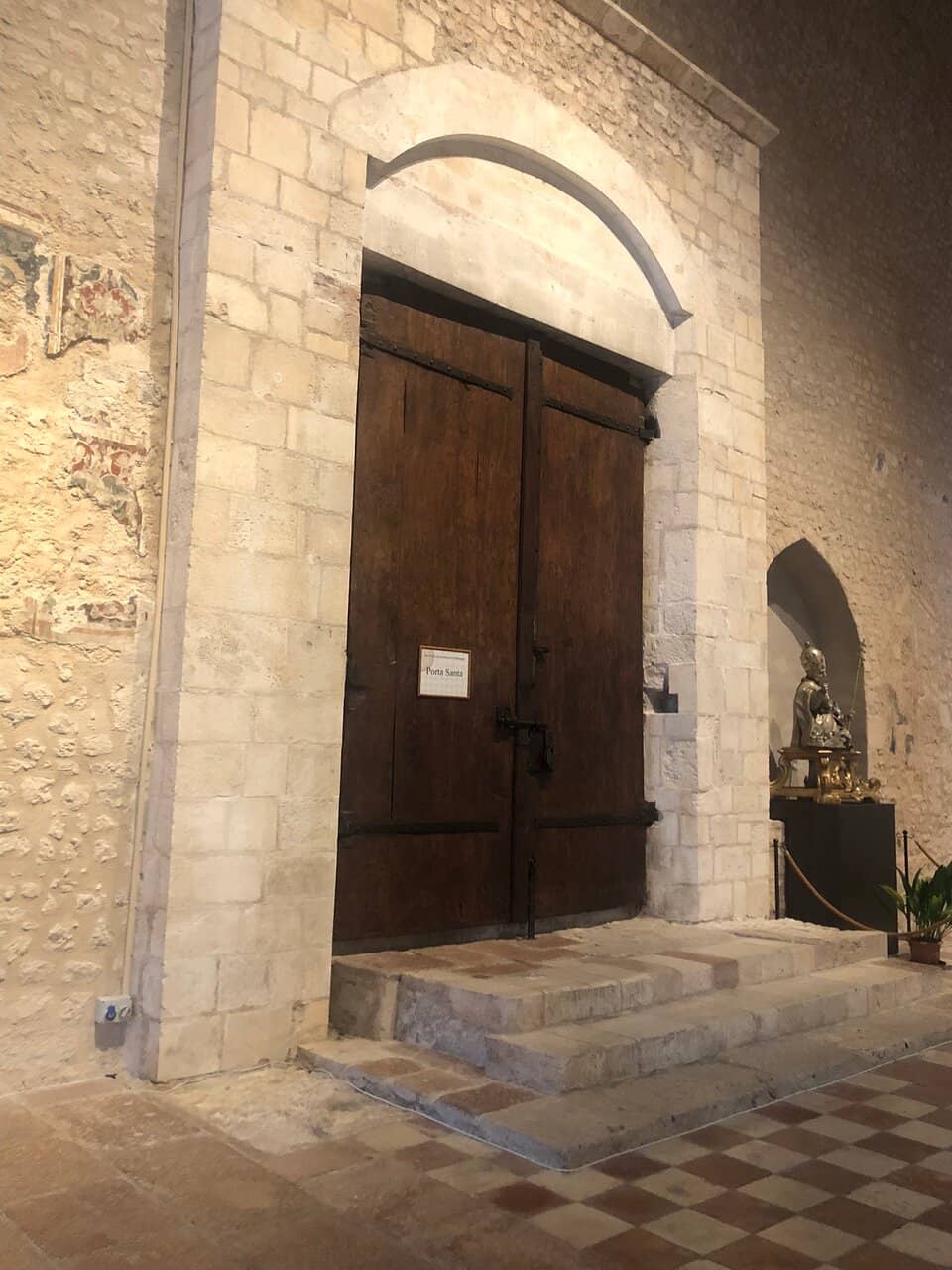
The Holy Door (Porta Santa)
Northern side of the church
The world's first Holy Door, granting plenary indulgence annually. A symbol of forgiveness and peace.
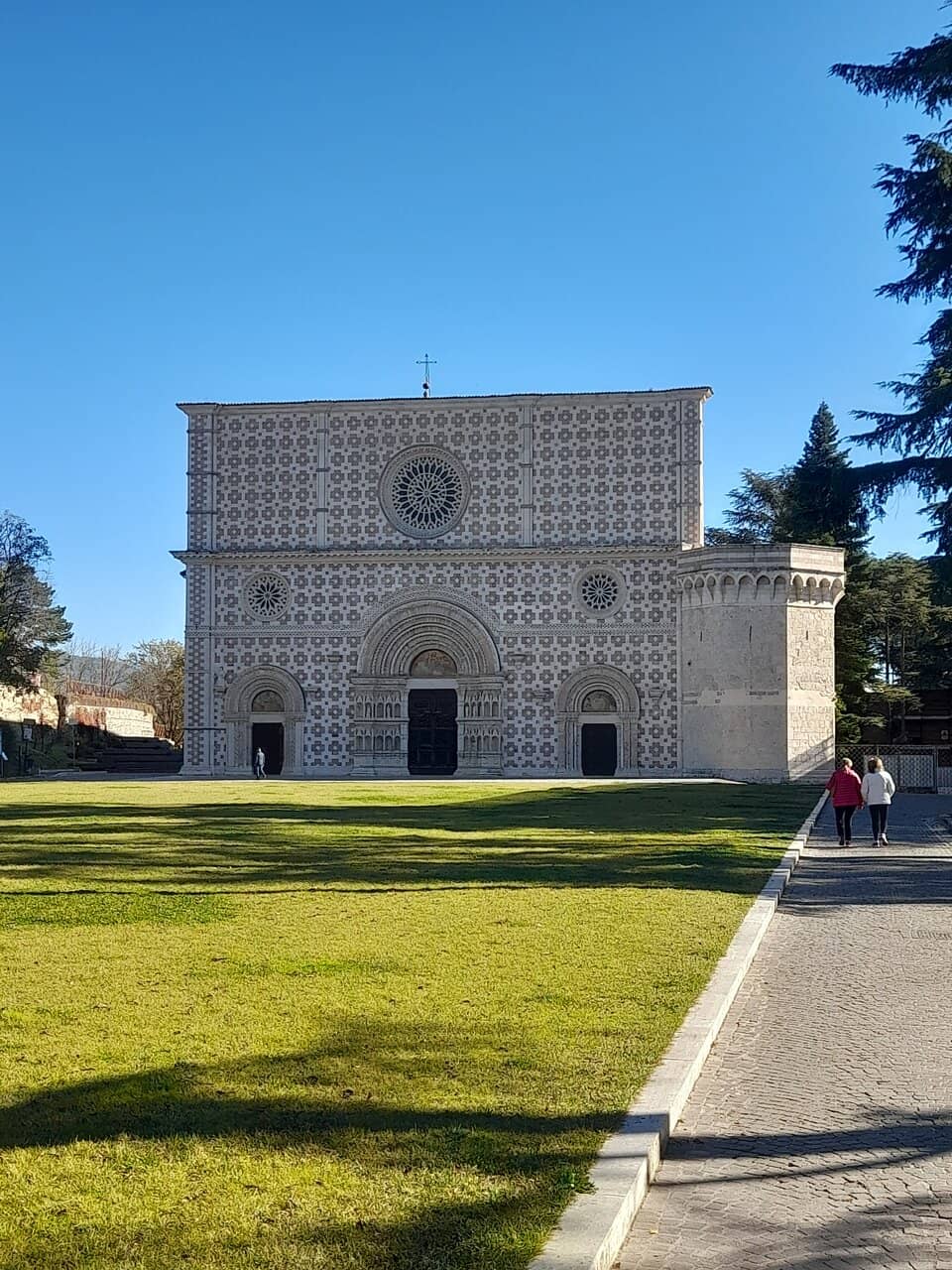
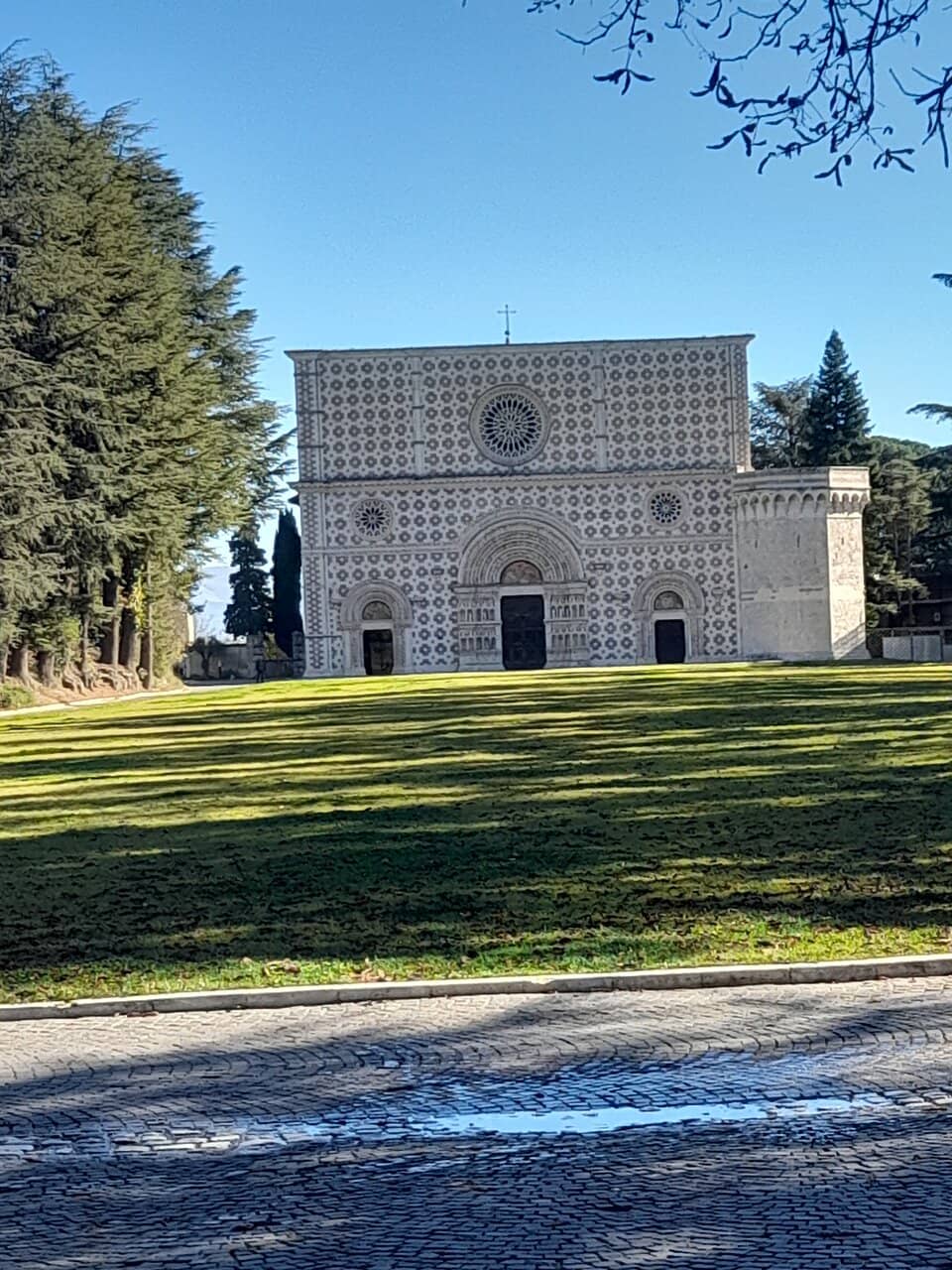
Unique Geometric Facade
Western facade
A stunning tapestry of pink and white limestone in diamond and square patterns. A Romanesque masterpiece.
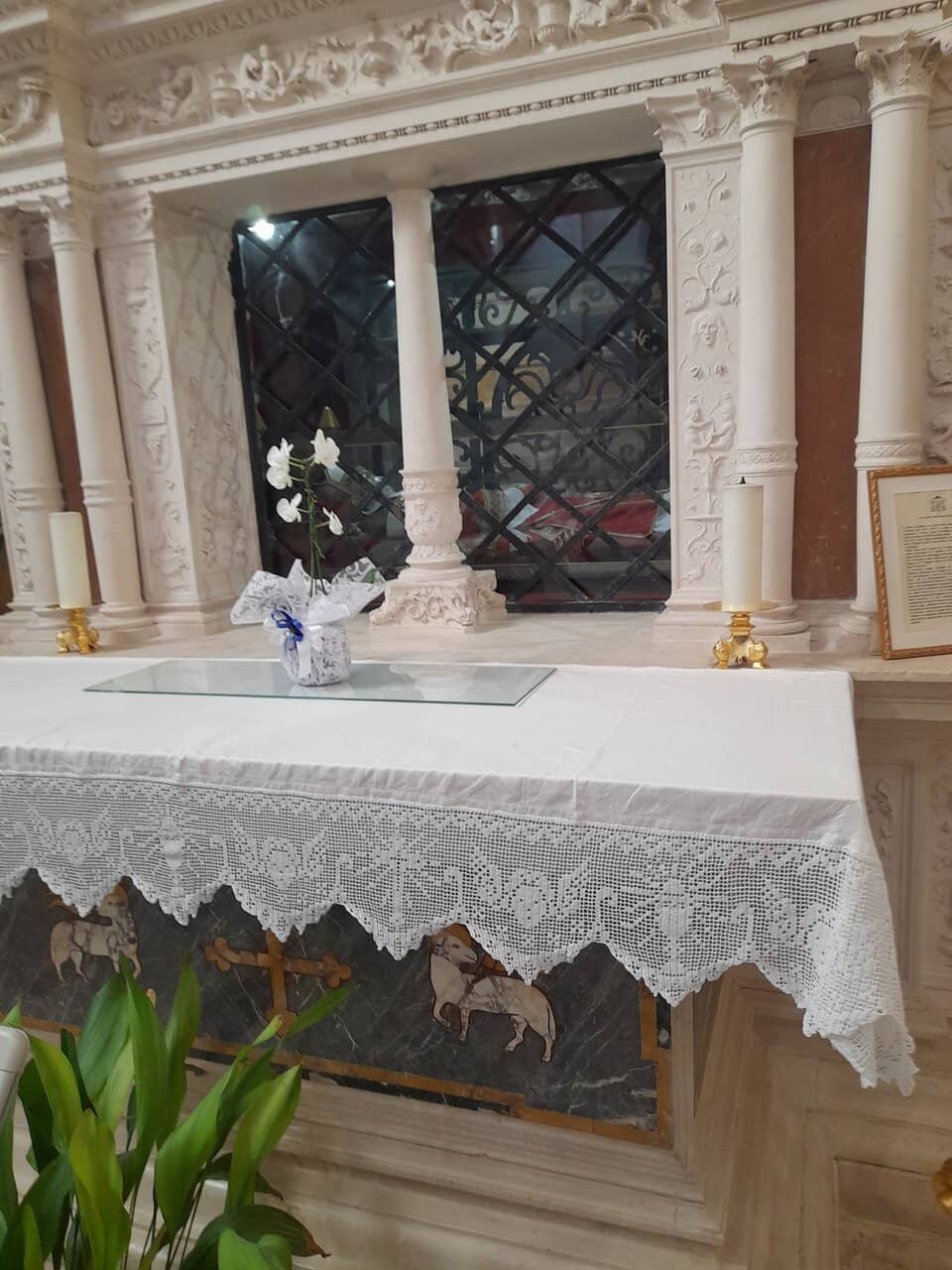
Tomb of Pope Celestine V
Interior
The final resting place of the hermit pope who instituted the first plenary indulgence. A Renaissance monument.
Plans like a pro.
Thinks like you
Planning Your Visit
Timing Your Visit for the Holy Door
Resilience and Restoration
Best Times
Insider Tips
from TikTok, Instagram & Reddit
🎯 Arrive Early for Peace
Beat the crowds by visiting in the morning. You might have the basilica to yourself!
🚶♀️ Walkable from City Center
About a 15-minute walk from L'Aquila's center. Enjoy the scenic route!
✨ Admire the Facade's Colors
The pink and white limestone facade is a sight to behold, especially in good light.
🕊️ Reflect on History
Consider the basilica's resilience after earthquakes and its role in history.
Tips
from all over the internet
🎯 Arrive Early for Peace
Beat the crowds by visiting in the morning. You might have the basilica to yourself!
🚶♀️ Walkable from City Center
About a 15-minute walk from L'Aquila's center. Enjoy the scenic route!
✨ Admire the Facade's Colors
The pink and white limestone facade is a sight to behold, especially in good light.
🕊️ Reflect on History
Consider the basilica's resilience after earthquakes and its role in history.
🙏 Seek Spiritual Renewal
If visiting during the Perdonanza, experience the tradition of the Holy Door.
What Travellers Say
Reviews Summary
Visitors praise the Basilica di Santa Maria di Collemaggio for its profound historical significance, unique Romanesque architecture, and its powerful symbolism of resilience. The Holy Door and the tomb of Pope Celestine V are highlighted as major attractions. Some note the limited facilities and the potential for crowds during special events.
"The Basilica di Santa Maria di Collemaggio, rising just outside the walls of L’Aquila, is one of the most beautiful and historically significant churches in central Italy—a masterpiece of medieval Abruzzese architecture and a timeless symbol of faith, humility, and forgiveness.
Founded in 1288 by the hermit Pietro da Morrone, who would later become Pope Celestine V, the basilica was built after he experienced a divine vision of the Virgin Mary on the hill of Collemaggio. On August 29, 1294, it became the site of his papal coronation—the only pope ever crowned outside Rome—and it was here that he instituted the Perdonanza Celestiniana, the first plenary indulgence in history, predating even the Jubilee Year of the Catholic Church. Since then, every year on August 28–29, thousands of pilgrims pass through its Holy Door (Porta Santa) seeking spiritual renewal and forgiveness.
The basilica’s façade is one of Italy’s most distinctive: a geometric tapestry of pink and white limestone, arranged in diamond and square patterns, with three rose windows symbolizing the Holy Trinity. The central portal, richly carved with floral and symbolic motifs, opens into a vast interior of serene simplicity—three naves divided by octagonal pillars, a stone floor mirroring the pink-and-white geometry of the exterior, and soft light filtering through narrow Gothic windows.
Inside lies the tomb of Pope Celestine V, an exquisite Renaissance monument sculpted in 1517 by Girolamo da Vicenza, and numerous frescoes from the 13th to 16th centuries depicting Marian scenes and episodes from the saint’s life. The Holy Door, located on the left side of the church, is adorned with a lunette fresco of the Virgin and Child with Saints John the Baptist and Celestine V, a constant reminder of mercy and redemption.
Although the basilica was gravely damaged in the 2009 L’Aquila earthquake, it was meticulously restored and reopened in 2017, its reconstruction hailed as a model of heritage preservation and even awarded the European Heritage Award / Europa Nostra Prize in 2020. Today, Santa Maria di Collemaggio stands not only as a spiritual sanctuary but also as a symbol of resilience and rebirth—its luminous stones reflecting both the enduring faith of its founder and the unbroken spirit of the people of L’Aquila."
Kento Masuda
"Very important basilica with relics of st Pope Celestin V. It was built in 1288 according to vote of the Pope (at that moment he was only Pietro Morrone), it was collapsed and renovated many times due to terrible earhquakes (Who call Rome, Eternal City? L'Aquila is real Eternal City!), last time it was half-destroyed in 2009 and renovated again. Basilica has beautiful western facade - half-Gothic, half-Renaissance, and you must see Holy Door on the northern side (1397). Due to bull of st Celestin V, whoever enters basilica by Holy Door between vespers of 28 and 29 of August every year will have absolution of all his sins.
In the church it's possible to see relics of Celestin V inside the mausoleum (XV-XVI centuries)"
sibeaster
"I would definitely recommend getting there on the early side. We got there and had the church to ourselves. As soon as we left everyone began walking in. Note: there are no bathrooms nearby. No ticket fees. Very special to see the tomb of Saint Celestine V, who was a Pope of piety, and who only abdicated because of his dislike of the Curia. He was imprisoned by the next Pope Boniface who was very threatened by the idea of an antipope."
Alexandra Cary
What People Like
What People Dislike
Frequently Asked Questions
🚇 🗺️ Getting There
The Basilica is a pleasant 15-minute walk from the city center of L'Aquila. Head towards Viale Collemaggio, and you'll see its distinctive facade.
Limited street parking is usually available near the basilica, but it can fill up quickly, especially during peak times. Consider public transport or walking if possible.
Local buses may serve the area around the Basilica. Check L'Aquila's public transport schedules for the most up-to-date information on routes and stops.
While the main areas are generally accessible, some older structures can present challenges. It's advisable to contact the Basilica directly for specific accessibility information.
Approaching from Viale Collemaggio offers a grand view of the facade. Early morning light can be particularly beautiful for capturing its colors.
🎫 🎫 Tickets & Entry
No, there are typically no ticket fees to enter the Basilica itself. It is a place of worship and generally open to visitors free of charge.
Opening hours can vary, especially around religious holidays. It's best to check the official website or local tourist information for the most current times before your visit.
The Holy Door is traditionally opened only on August 28th and 29th each year for the Perdonanza Celestiniana.
Yes, the tomb of Pope Celestine V is located inside the Basilica and is a significant feature for visitors to see.
Generally, photography is allowed for personal use, but it's always respectful to avoid flash photography and be mindful of ongoing services or prayer.
🎫 🧭 Onsite Experience
This is the first plenary indulgence in history, instituted by Pope Celestine V. Pilgrims passing through the Holy Door from August 28-29 receive absolution of sins.
The Basilica showcases Romanesque architecture, particularly evident in its geometric facade and interior structure, with some Gothic and Renaissance influences.
Founded in 1288 by Pietro da Morrone (later Pope Celestine V), it was built after a divine vision and has been rebuilt multiple times due to earthquakes.
Restroom facilities may be limited directly at the Basilica. It's advisable to use facilities before your visit or in nearby cafes and public areas.
Its repeated destruction and meticulous restoration, especially after the 2009 earthquake, highlight its enduring importance and the spirit of L'Aquila.
For Different Travelers
Tailored advice for your travel style
👨👩👧 Families with Kids

Keep in mind that the interior is a place for quiet reflection. Consider focusing on the visual aspects of the architecture and the historical significance of the Holy Door as a 'special door' that grants forgiveness. There are no specific play areas, so manage expectations for very young children.
🙏 Spiritual Seekers & Pilgrims
If your visit coincides with August 28-29, experiencing the Perdonanza firsthand is highly recommended. Even outside this period, the basilica offers a profound sense of peace and history, making it a powerful place for prayer and contemplation. The story of resilience after the earthquakes also adds a layer of hope and spiritual strength.
🏛️ History & Architecture Enthusiasts
The interior, with its simple yet elegant design, and the Renaissance tomb of Celestine V offer further points of interest. Don't miss learning about the basilica's turbulent history, including its repeated destruction and reconstruction due to earthquakes. The recent restoration is a remarkable case study in heritage preservation.
The story of Pope Celestine V and the institution of the first Holy Door adds a unique historical narrative to your visit. Deep Dives
In-depth insights and expert knowledge
The Legacy of Pope Celestine V
Celestine V's brief papacy and subsequent imprisonment by his successor, Boniface VIII, add a layer of historical intrigue. The basilica stands as a monument to his spiritual vision and his profound impact on religious traditions. The annual Perdonanza, where pilgrims pass through the Holy Door, continues this centuries-old tradition of seeking spiritual renewal.
Experiencing the Perdonanza is a powerful way to connect with the basilica's history. Even outside of this specific period, understanding Celestine V's story enriches the visit, transforming it from a simple sightseeing stop into a journey through faith and history.
Architectural Marvel and Resilience
Inside, the basilica maintains a serene simplicity with three naves divided by octagonal pillars and a stone floor that echoes the exterior's geometric design. The soft light filtering through narrow Gothic windows creates a contemplative atmosphere.
However, the basilica's beauty is matched by its resilience. It has suffered significant damage from numerous earthquakes throughout its history, most notably the devastating 2009 event. The subsequent meticulous restoration was recognized with the European Heritage Award / Europa Nostra Prize, making the basilica a symbol of L'Aquila's rebirth and the successful preservation of cultural heritage.
The Significance of the Holy Door
During these two days, pilgrims who enter the basilica through the Holy Door, after repenting and confessing, are granted absolution of all their sins. This tradition, predating the Jubilee Years in Rome, makes the basilica a significant pilgrimage site, attracting thousands of faithful seeking spiritual grace and forgiveness.
Visiting during the Perdonanza offers a profound experience of faith and tradition. Even if you visit at another time, understanding the history and spiritual significance of the Holy Door adds a deeper dimension to your appreciation of the basilica.
Social
from TikTok, Instagram & Reddit