Santuario del Santissimo Crocifisso
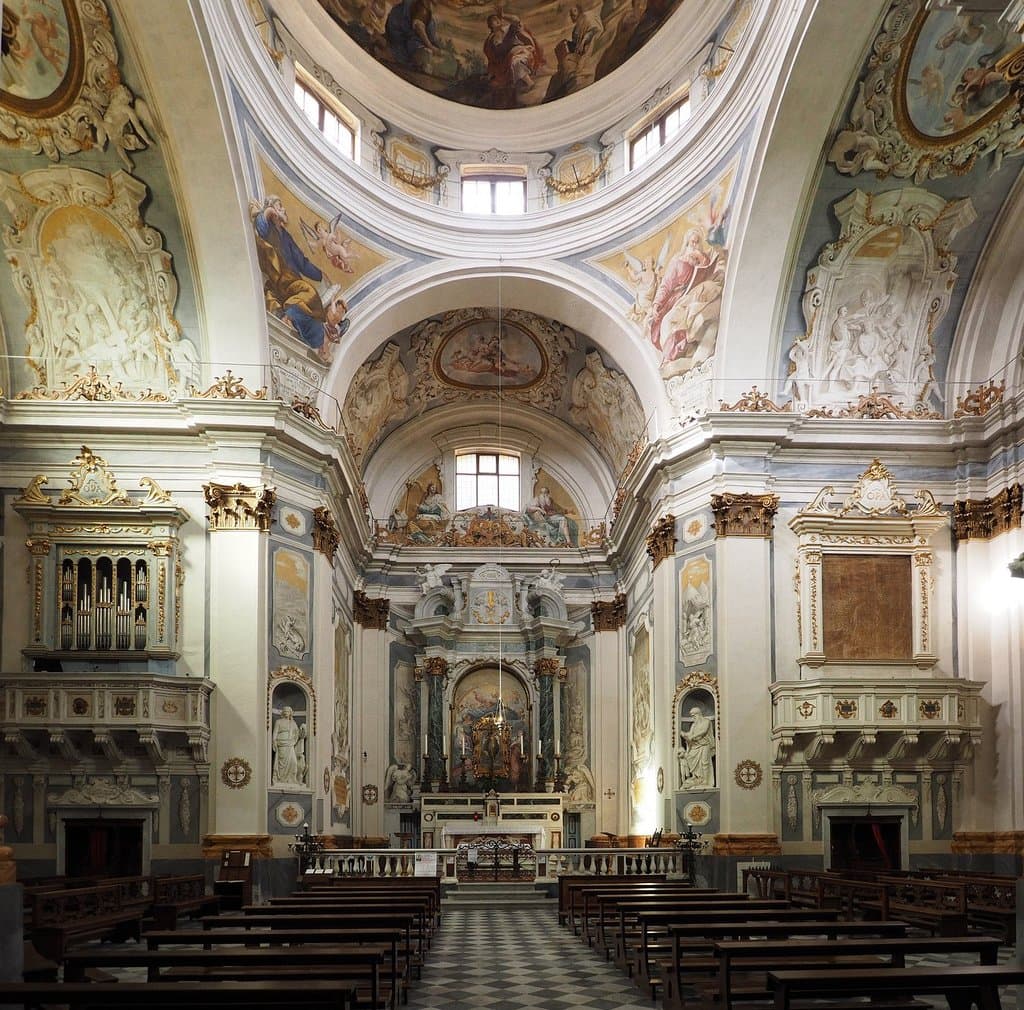
A stunning late Baroque sanctuary renowned for its masterful illusionistic frescoes and a miraculous 10th-century crucifix.
Highlights
Must-see attractions

Social
From TikTok & Reddit
Best Time
Fewer crowds, peaceful atmosphere
Santuario del Santissimo Crocifisso
Best Time
Fewer crowds, peaceful atmosphere
Highlights
Must-see attractions
A stunning late Baroque sanctuary renowned for its masterful illusionistic frescoes and a miraculous 10th-century crucifix.
"An extraordinary late Baroque theater, the triumph of illusionism and illusion!"
Look for Painted Details
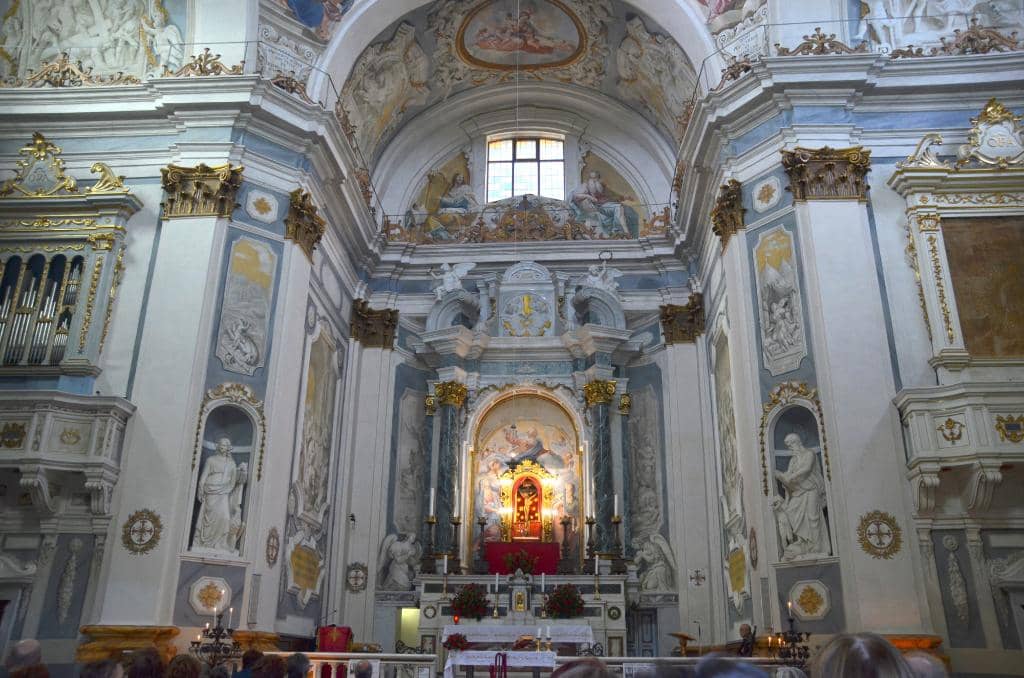
Don't miss the 'painted' side altars that look incredibly 3D! 😮
Allow Time for Art
Give yourself ample time to marvel at the illusionistic paintings and frescoes. ⏳
Highlights
Discover the most iconic attractions and experiences
Illusionistic Frescoes
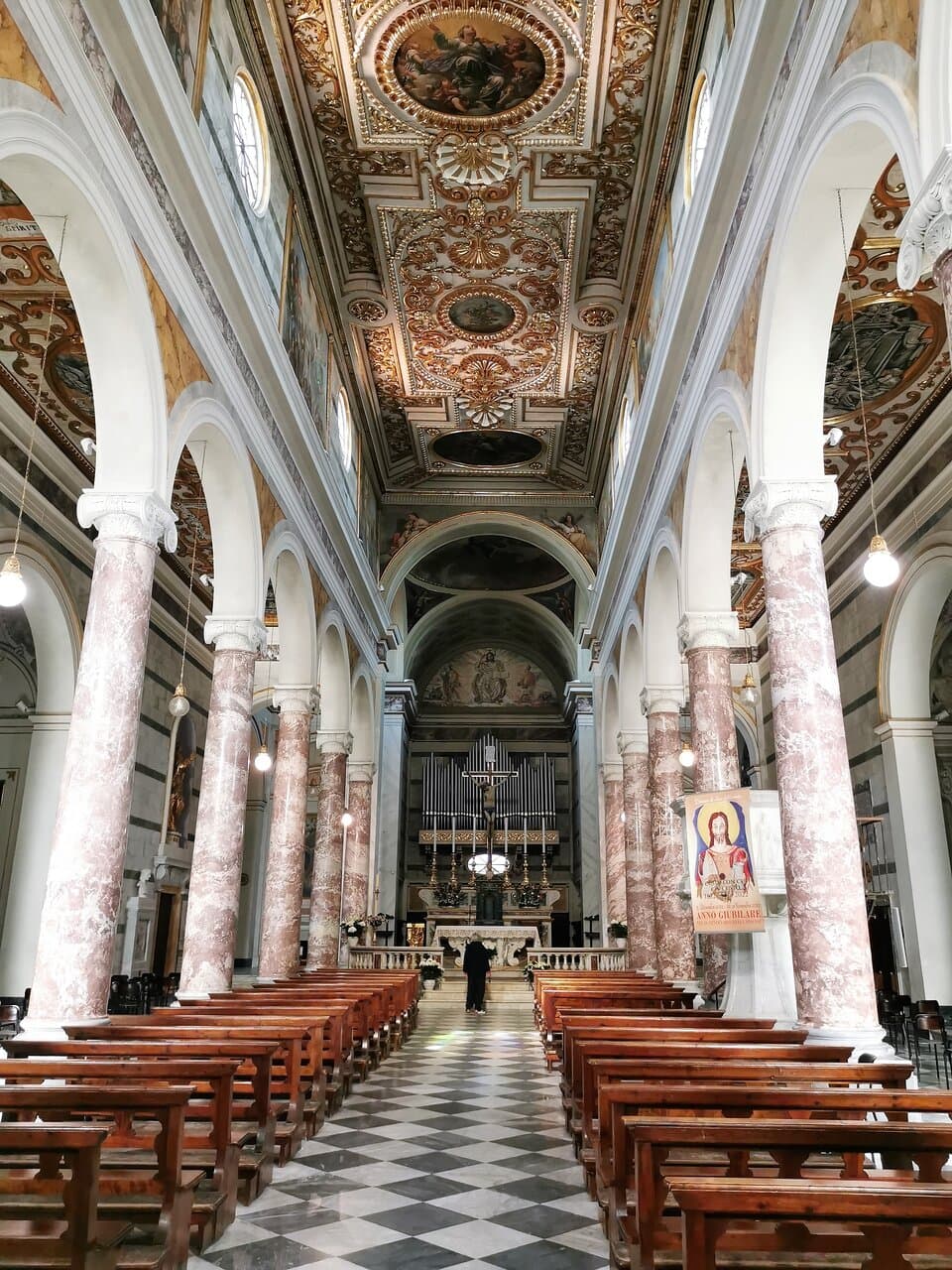
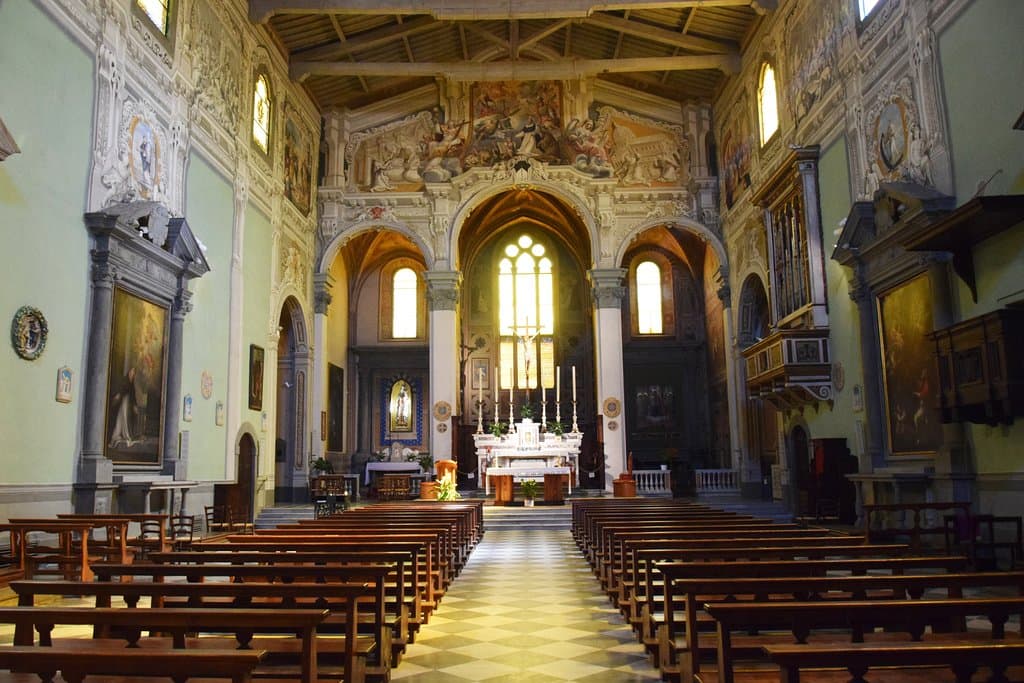
Walls come alive with painted marble and scenes, creating a stunning theatrical effect.
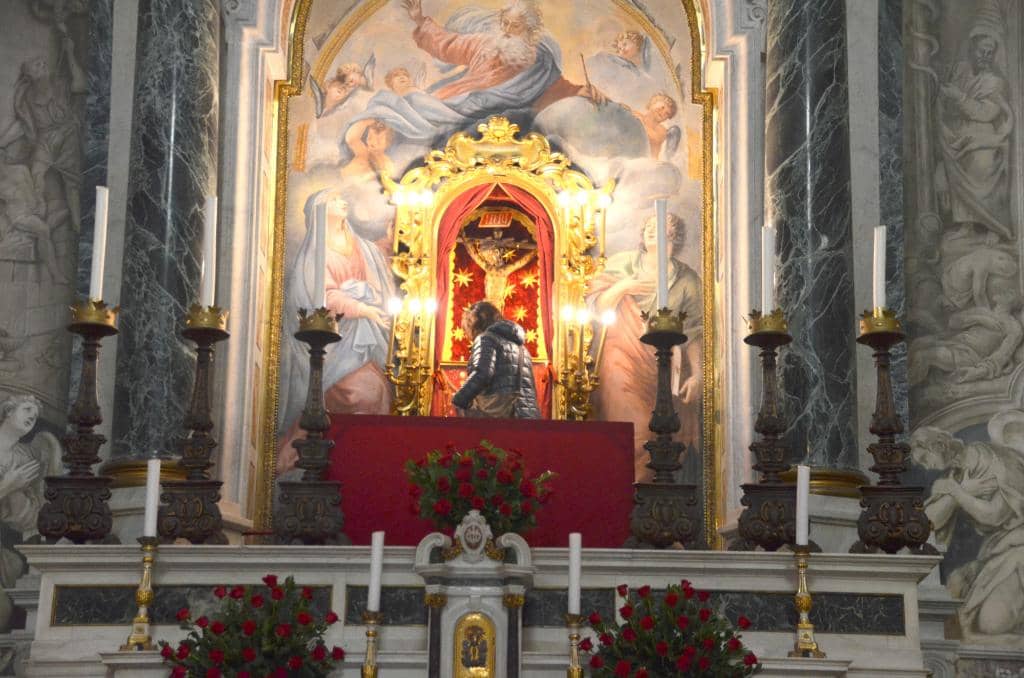
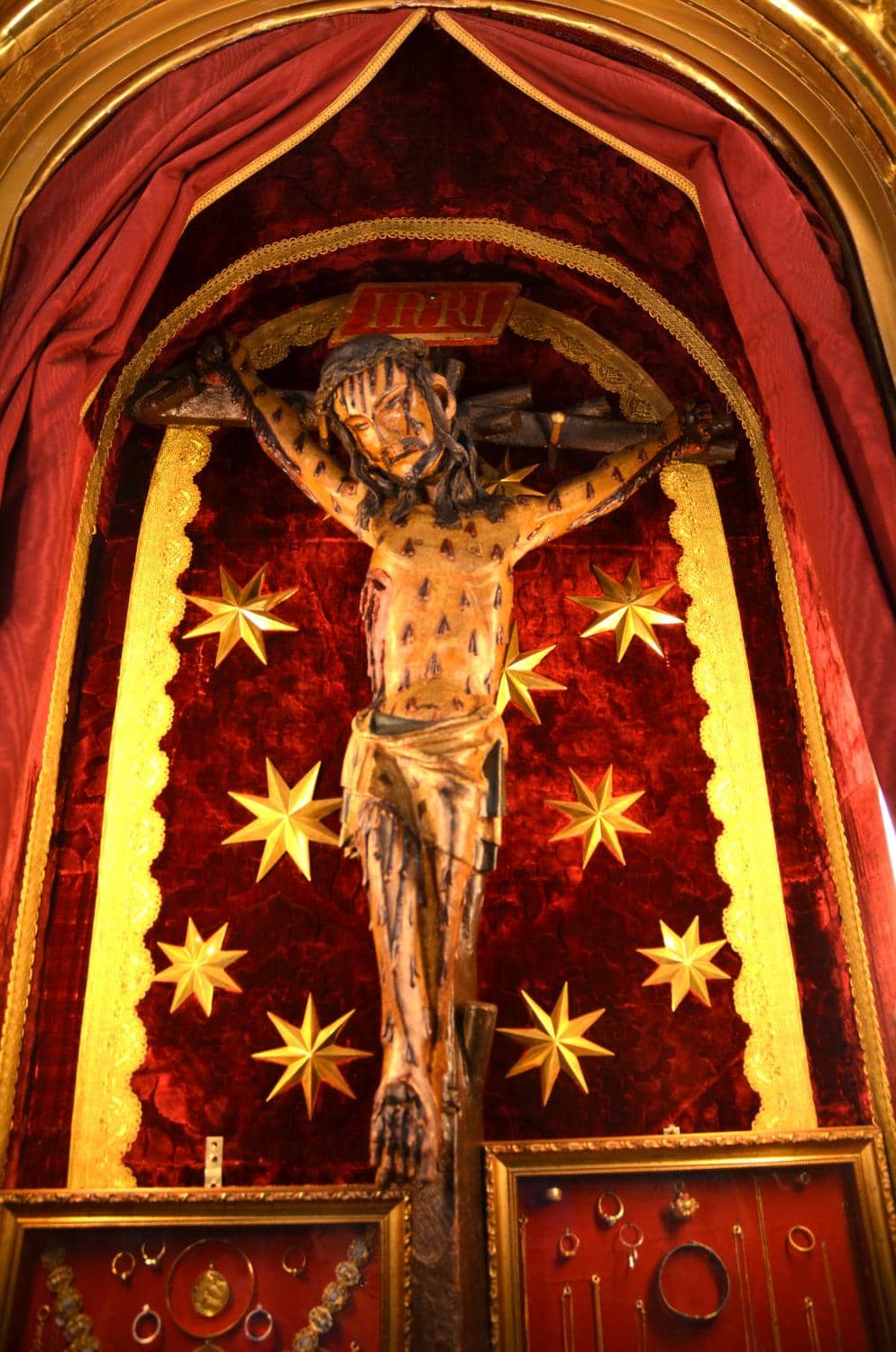
Miraculous Crucifix
Main Altar
The 10th-century wooden crucifix, believed to be miraculous, is housed in a tabernacle.
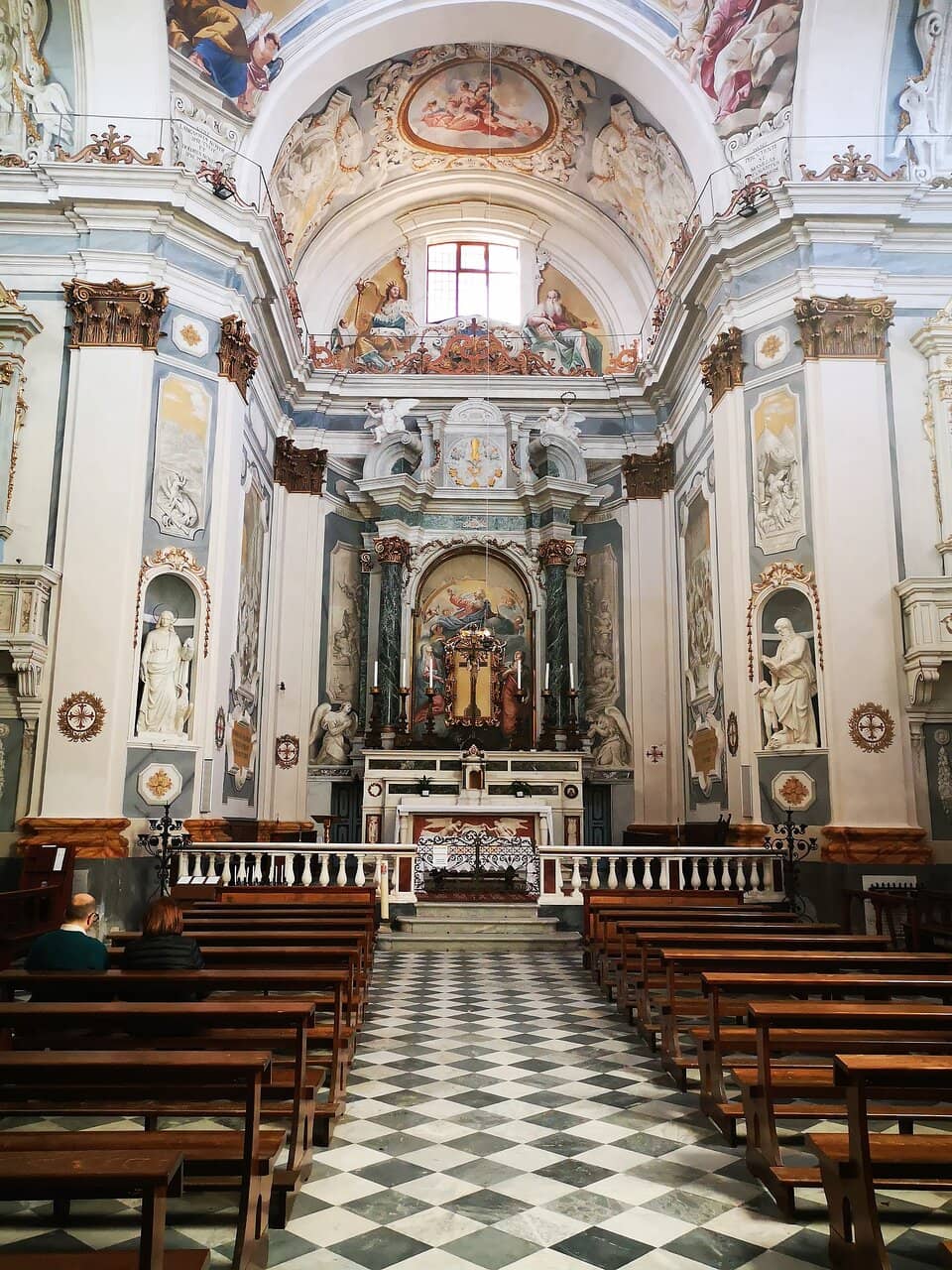
Baroque Architecture
A Greek cross-shaped building with a striking dome, showcasing late Baroque design.
Plans like a pro.
Thinks like you
Planning Your Visit
Timing Your Visit
Appreciating the Artistry
Best Times
Insider Tips
from TikTok, Instagram & Reddit
Look for Painted Details
Don't miss the 'painted' side altars that look incredibly 3D! 😮
Allow Time for Art
Give yourself ample time to marvel at the illusionistic paintings and frescoes. ⏳
Appreciate the Restoration
The church is beautifully restored, enhancing the vibrant art. ✨
Tips
from all over the internet
Look for Painted Details
Don't miss the 'painted' side altars that look incredibly 3D! 😮
Allow Time for Art
Give yourself ample time to marvel at the illusionistic paintings and frescoes. ⏳
Appreciate the Restoration
The church is beautifully restored, enhancing the vibrant art. ✨
What Travellers Say
Reviews Summary
Visitors consistently praise the Santuario del Santissimo Crocifisso for its breathtaking illusionistic art and masterful Baroque design. The church is described as a 'late Baroque theater' where painted decorations create a stunning sense of depth and reality. While the external appearance is sober, the interior is a vibrant spectacle that leaves a lasting impression.
"Very cool"
Lukas L-M
"The church was built between 1705 and 1718, designed by Antonio Maria Ferri, to house a wooden crucifix from the 13th century believed to be miraculous.
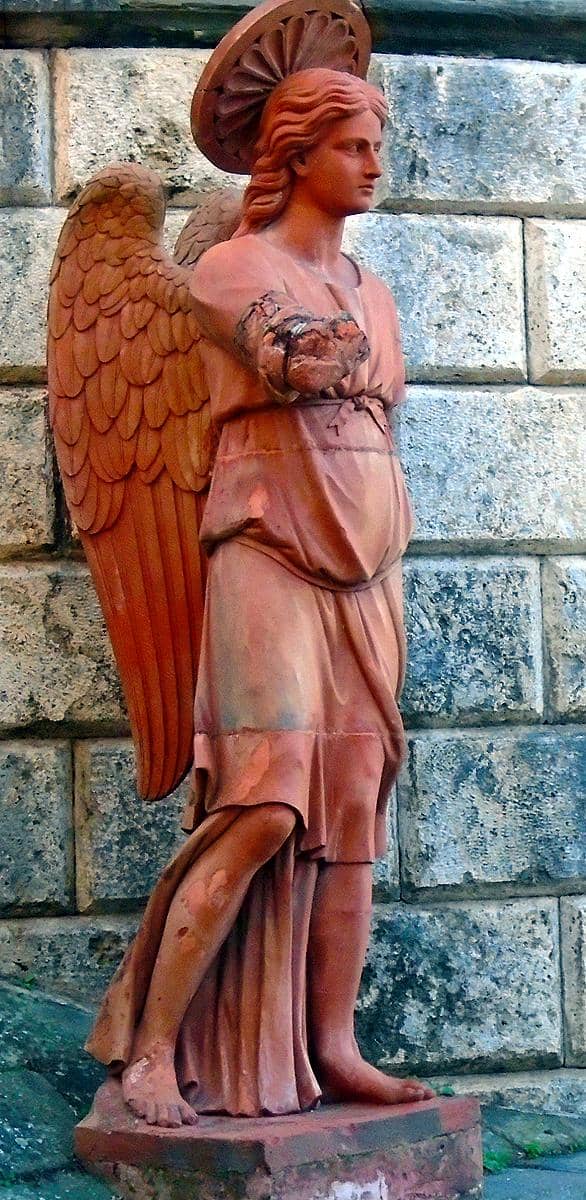
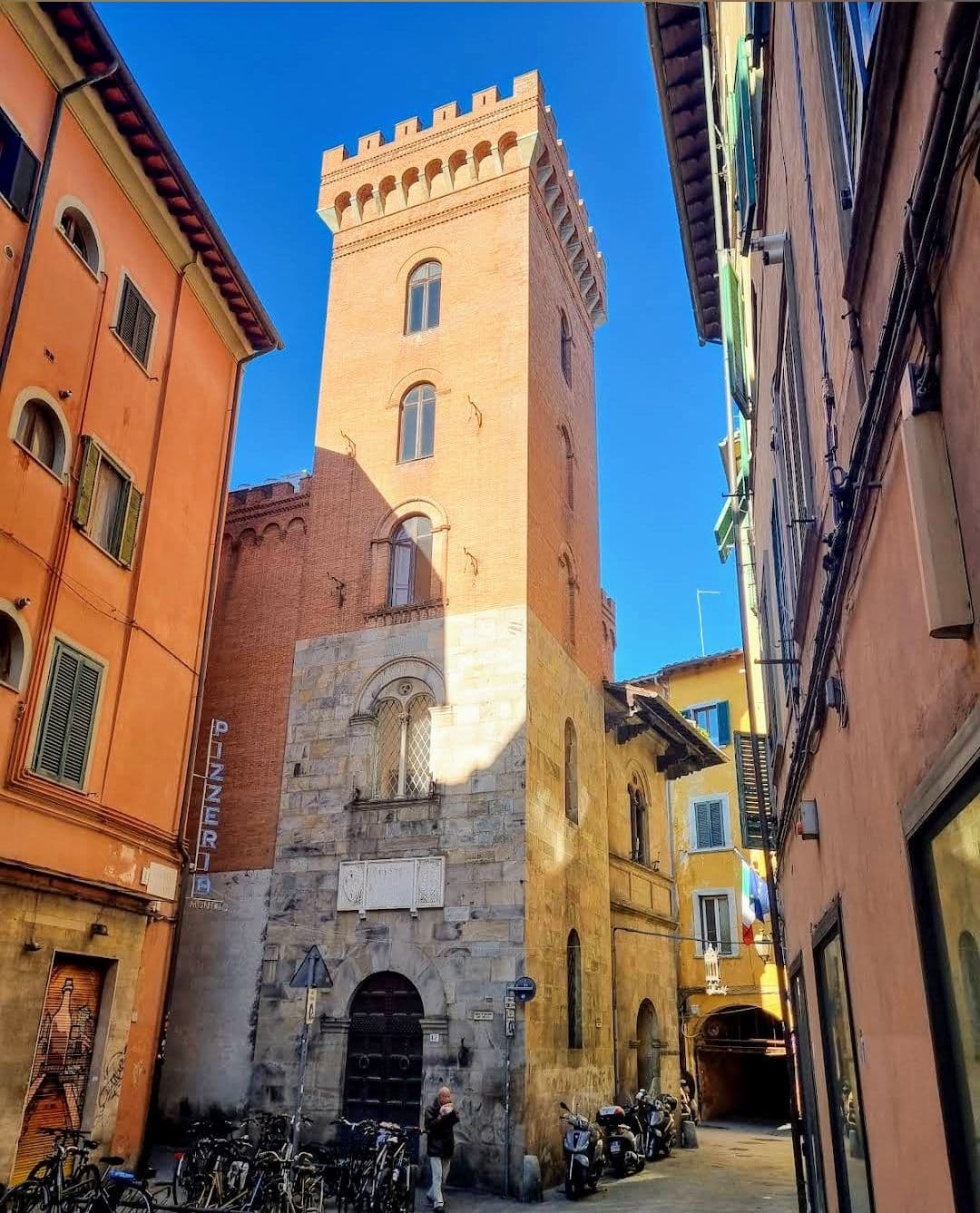
The Greek cross-shaped building, surmounted by a dome on a tambour, stands in the space between the fortress, the cathedral and the town hall, to which the church is connected via a spectacular staircase, with a statue of the Risen Christ by Francesco Baratta (1636) in the centre.
While the external decoration is very sober, the internal walls are completely frescoed with Scenes from the Life of Christ by Anton Domenico Bamberini. On the main altar, included in a panel painting depicting the Resurrected Christ by Francesco Lanfranchi (1525), there is the tabernacle which houses a rare wooden crucifix from the Ottonian era (10th century). In the pillars of the dome, the nineteenth-century statues of the Four Evangelists by Luigi Pampaloni. The pipe organ was built by Domenico Francesco Cacioli and completed by Antonio and Filippo Tronci in 1751 and is located on the choir loft in the left transept; It has 8 registers on a single manual and pedal and has mechanical transmission."
Davide Pizzi
"The sanctuary is a sacred building constructed to venerate a 13th-century wooden crucifix believed to be miraculous. It was commissioned by the bishop of San Miniato and built by the citizens between 1705 and 1718. It has the shape of a Greek cross with a dome on a tambour and is located between the fortress, the cathedral, and the town hall. Inside are frescoes depicting scenes from the life of Christ and a pipe organ. The miraculous crucifix is kept in a tabernacle on the high altar."
Roberta Veronelli
What People Like
What People Dislike
Frequently Asked Questions
🚇 🗺️ Getting There
The sanctuary is centrally located between the fortress, cathedral, and town hall. It's easily accessible on foot if you are already in the historic center of San Miniato. Public transport options to San Miniato can be researched based on your starting point, with local buses serving the town.
Parking in the historic center of San Miniato can be limited. It's advisable to look for designated parking areas on the outskirts of the town and walk to the sanctuary, or check for specific parking garages if arriving by car.
🎫 🎫 Tickets & Entry
Entry to the Santuario del Santissimo Crocifisso is generally free, as it is a functioning church. However, it's always a good idea to check for any specific opening hours or potential small fees for special exhibitions if applicable.
Opening hours can vary, especially for religious sites. It's recommended to check the official website or local tourist information for the most up-to-date opening times before your visit to avoid disappointment.
Yes, the sanctuary is typically open year-round. However, hours may be reduced on certain religious holidays or during specific services. Confirming hours in advance is always wise.
📸 📸 Photography
Photography is usually permitted inside churches for personal use, but flash photography is often discouraged to protect the artwork and maintain a respectful atmosphere. Always look for signage or ask a church official if unsure.
The illusionistic frescoes covering the walls and ceiling offer fantastic photographic opportunities. The main altar with the tabernacle and the painted side altars are also key points of interest for capturing the sanctuary's unique artistry.
🎫 🏛️ History & Art
Built between 1705 and 1718, the sanctuary was commissioned to house a 13th-century wooden crucifix believed to be miraculous. It's a significant example of late Baroque architecture and art in the region.
The sanctuary was designed by Antonio Maria Ferri. The interior frescoes depicting Scenes from the Life of Christ are by Anton Domenico Bamberini.
The sanctuary is celebrated for its masterful illusionistic paintings, particularly the faux marble and trompe-l'oeil effects that create a sense of depth and theatricality, making visitors feel part of a sacred representation.
For Different Travelers
Tailored advice for your travel style
Art Enthusiasts
Don't miss the pipe organ, a historical instrument built in 1751, which adds another layer of artistic and historical interest. The combination of architectural design, sculptural elements like the statue on the staircase, and the overwhelming painted artistry makes this sanctuary a rich destination for anyone appreciating fine art and historical craftsmanship.
History Buffs
Explore the architectural design by Antonio Maria Ferri, a fine example of late Baroque style. The sanctuary's placement within the civic and religious heart of San Miniato, between the fortress and cathedral, speaks to its historical importance. The presence of art from different periods, including the Ottonian era crucifix and 19th-century statues, offers a glimpse into the evolving artistic and spiritual landscape of the region.
Deep Dives
In-depth insights and expert knowledge
The Art of Illusion
Visitors often express amazement at the detail and skill involved. One reviewer noted having to get up close to confirm whether an angel on a side altar was painted or a real sculpture, highlighting the effectiveness of the illusion. This artistic approach transforms the worshipper's experience, drawing them deeper into the narrative and spiritual significance of the space. It's not just a church; it's a carefully crafted visual spectacle designed to evoke profound emotion and contemplation.
Architectural Significance
The church was constructed between 1705 and 1718, a period when Baroque architecture was at its zenith. The design by Antonio Maria Ferri emphasizes the grandeur and theatricality characteristic of the style. The dome, a prominent feature, allows natural light to filter into the space, illuminating the vibrant frescoes below. The overall design serves to draw the eye towards the main altar, where the revered crucifix is housed, reinforcing the sanctuary's primary purpose as a place of worship and veneration.
Social
from TikTok, Instagram & Reddit