Centro Storico
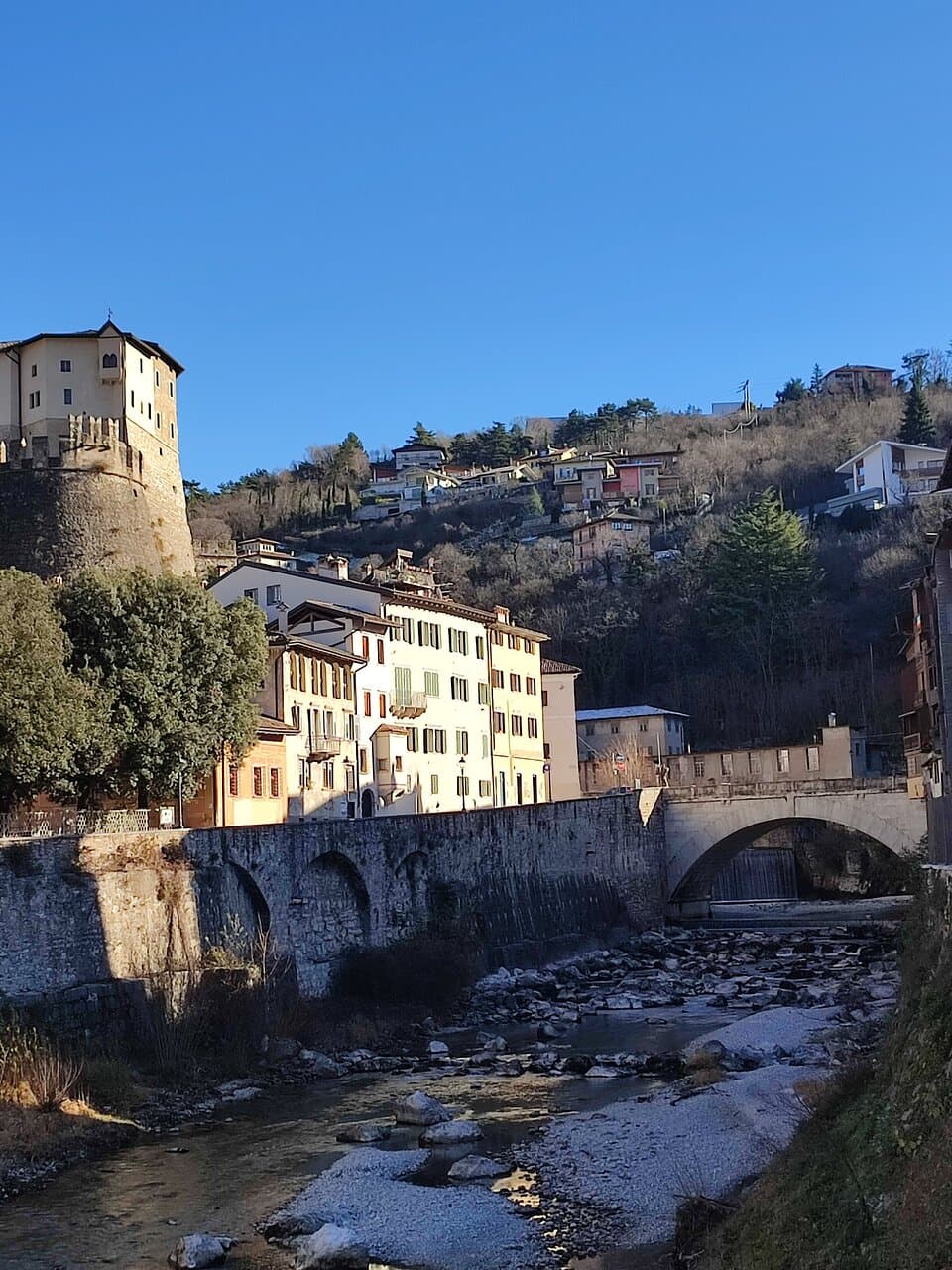
Step back in time in Italy's enchanting historic centers, a tapestry of cobblestone streets, ancient architecture, and vibrant piazzas.
Highlights
Must-see attractions

Social
From TikTok & Reddit
Best Time
Pleasant weather for walking
Centro Storico
Best Time
Pleasant weather for walking
Highlights
Must-see attractions
Step back in time in Italy's enchanting historic centers, a tapestry of cobblestone streets, ancient architecture, and vibrant piazzas.
"A wonder in every corner, these historic centers offer a glimpse into centuries of Italian life and art."
👟 Comfortable Shoes are Key
Cobblestone streets are beautiful but tough on feet. Prioritize comfort for exploring historic centers.
🚗 Parking Can Be Tricky
Historic centers often have limited or no car access. Look for designated parking lots outside the core.
Highlights
Discover the most iconic attractions and experiences
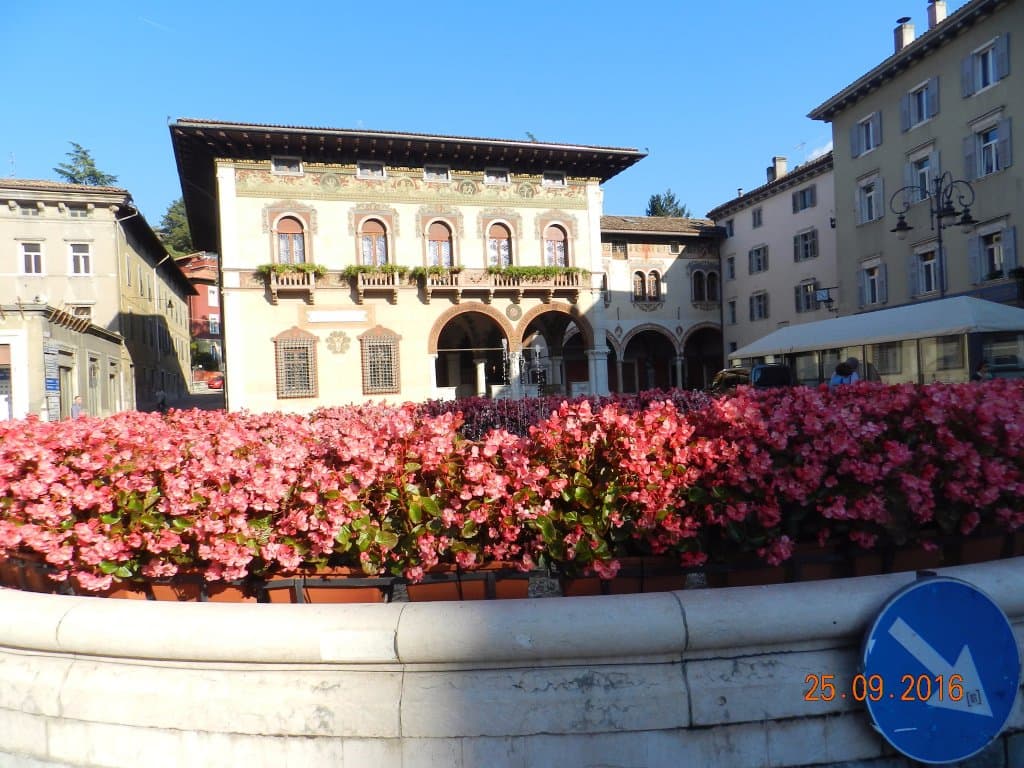
Piazza Rosmini
Rovereto
Elegant main square with a fountain and noble palaces, the heart of Rovereto's charm.
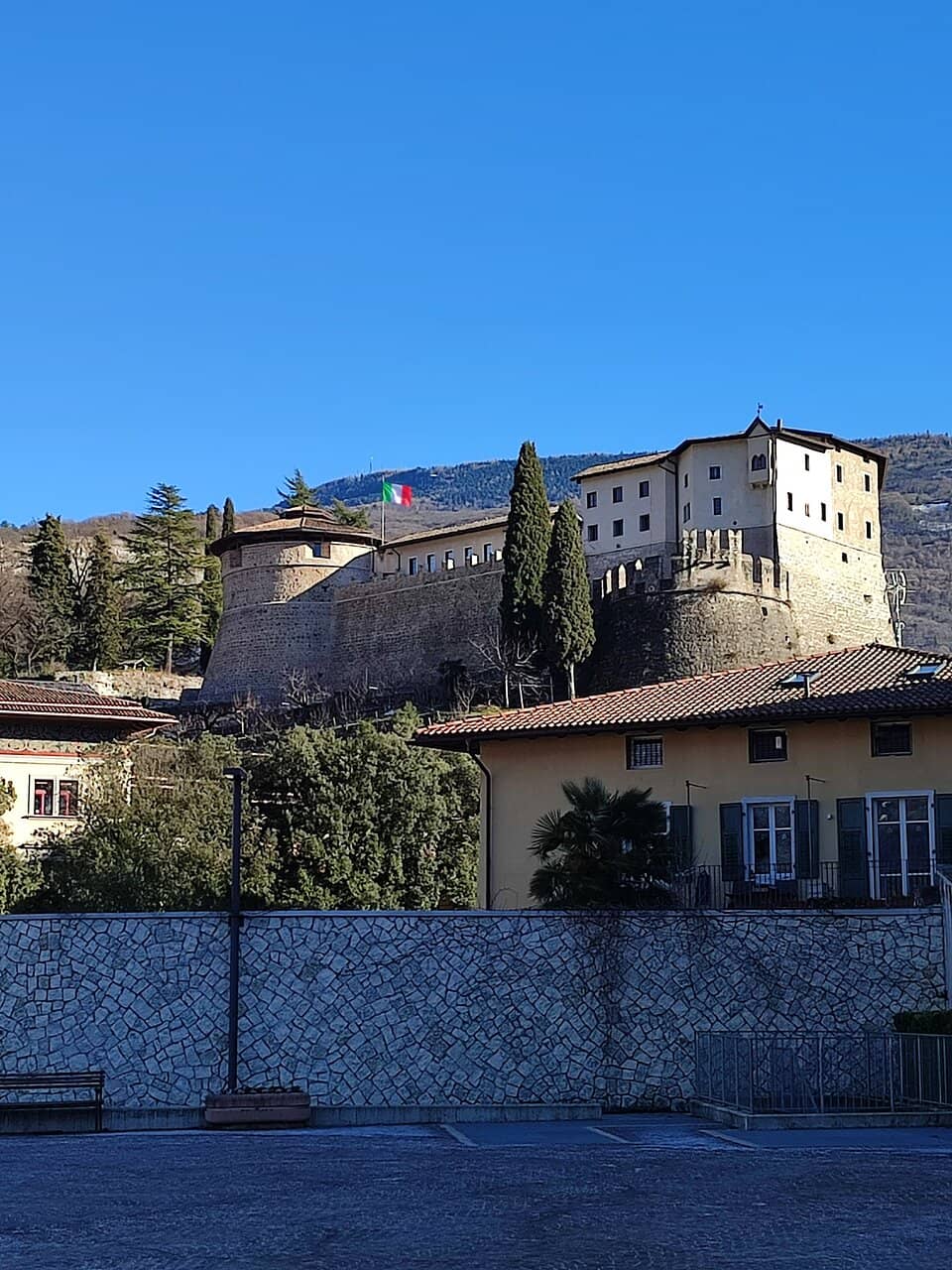
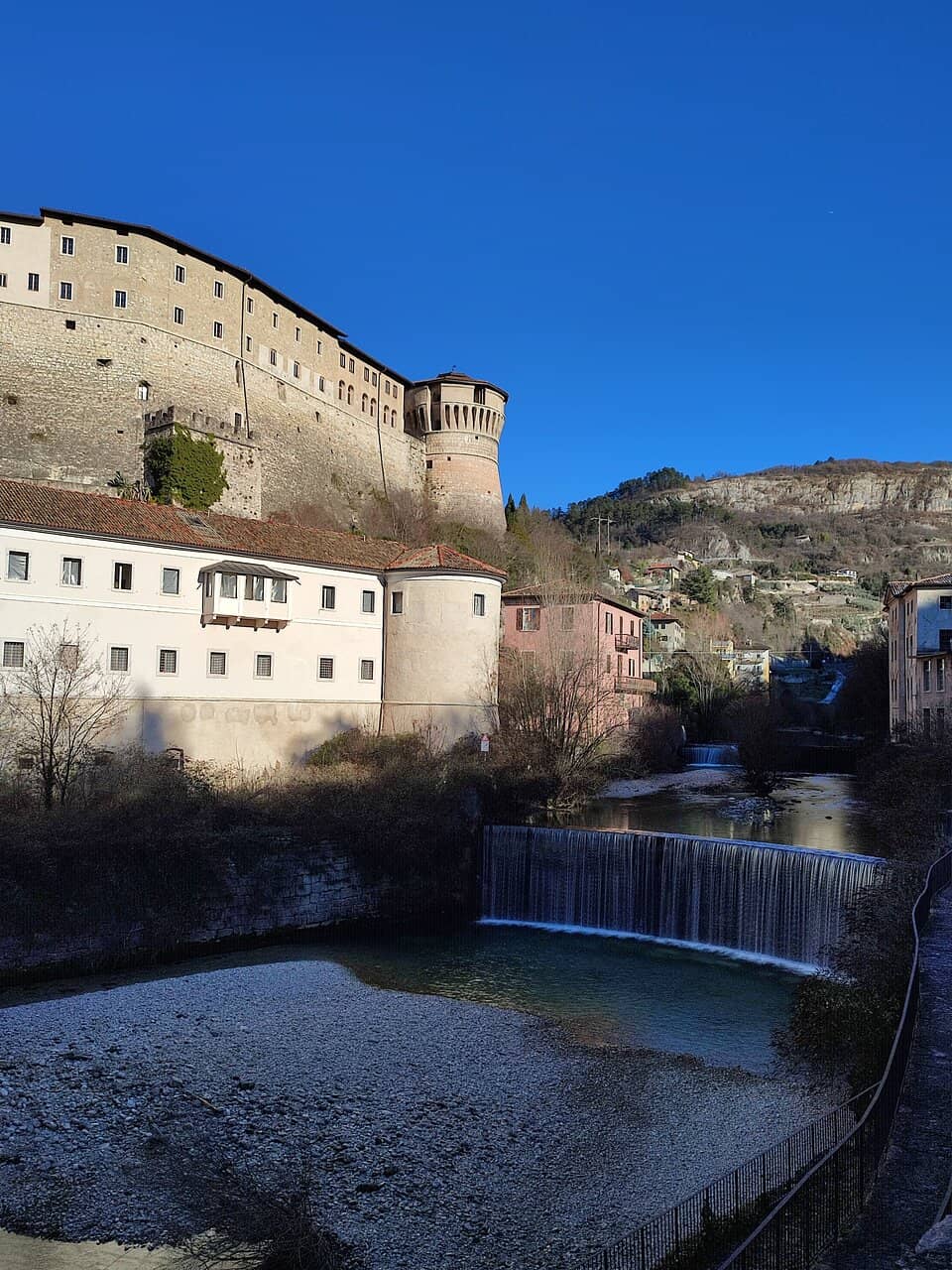
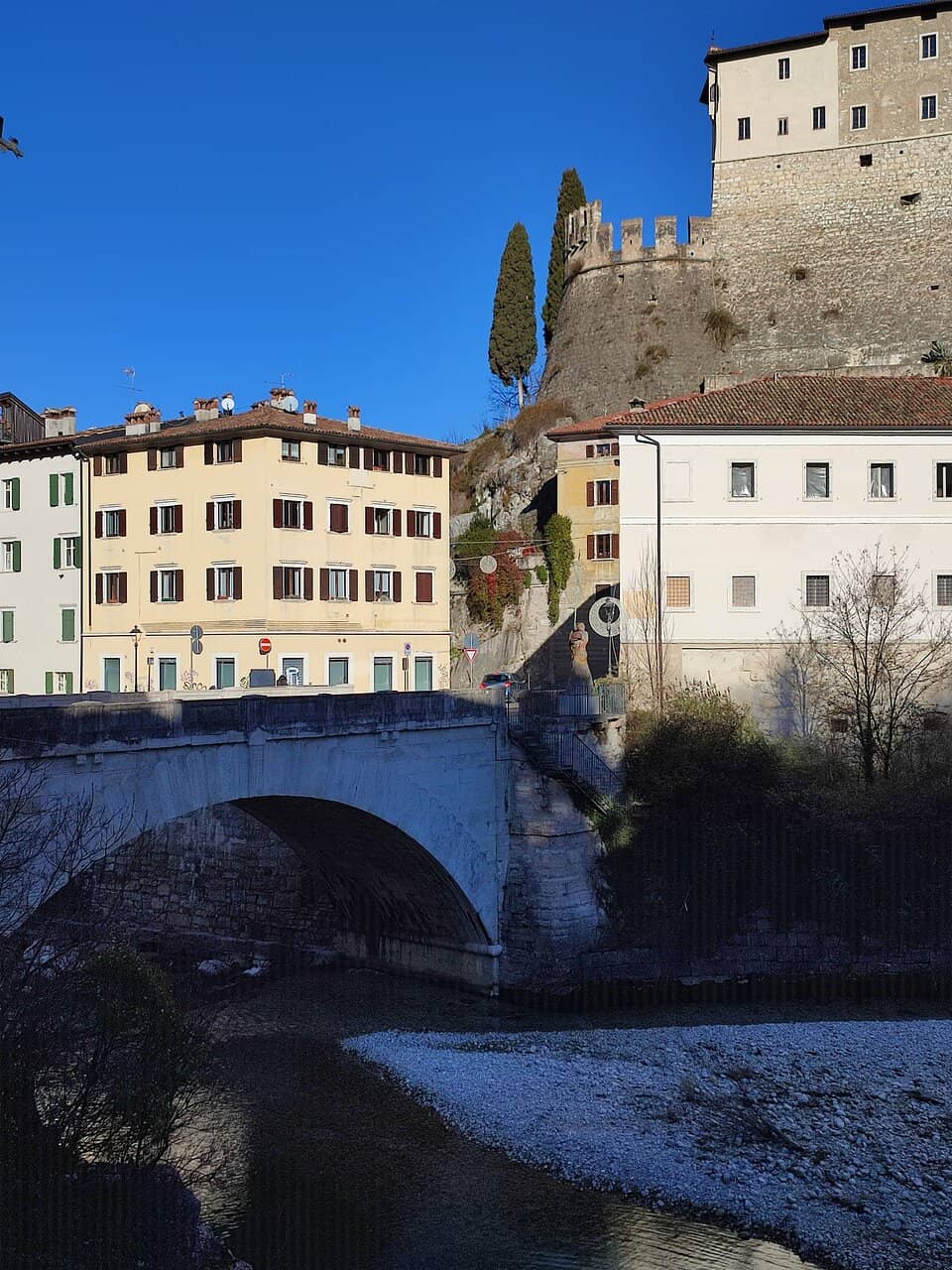
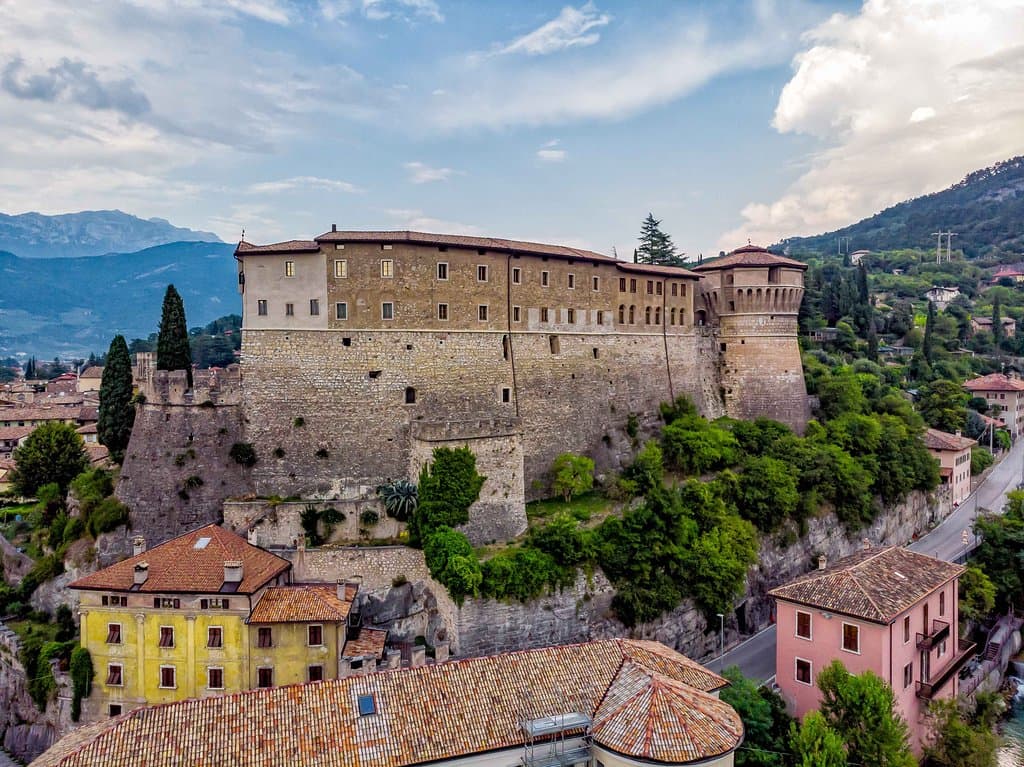
Medieval Castle
Rovereto
Historic fortress housing the fascinating War History Museum.
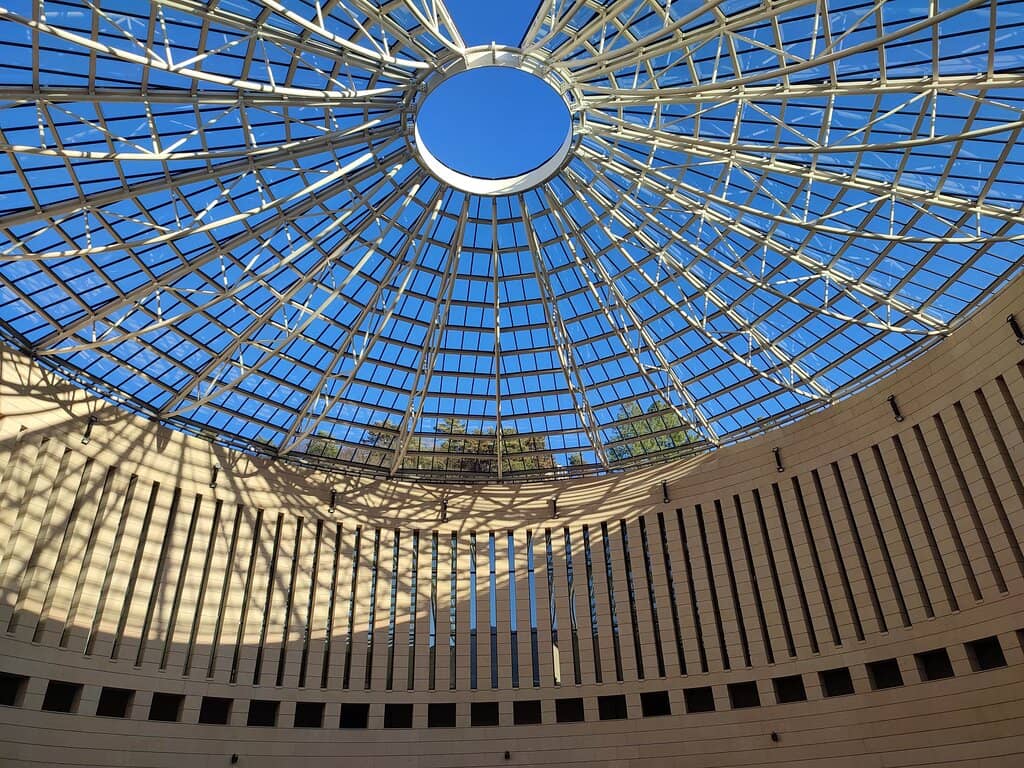
Mart Museum
Rovereto
A premier collection of contemporary art in Italy, housed in a striking building.
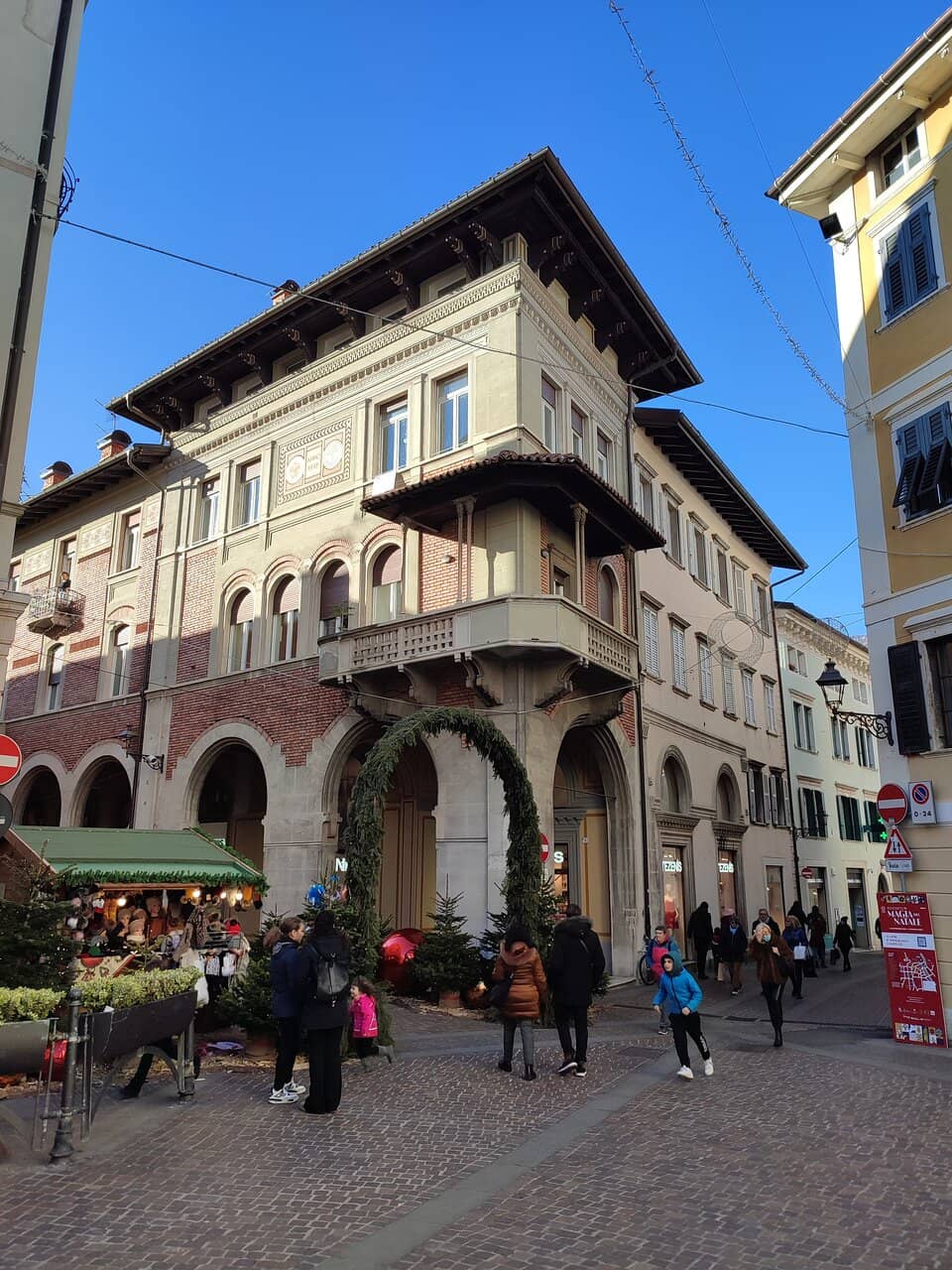
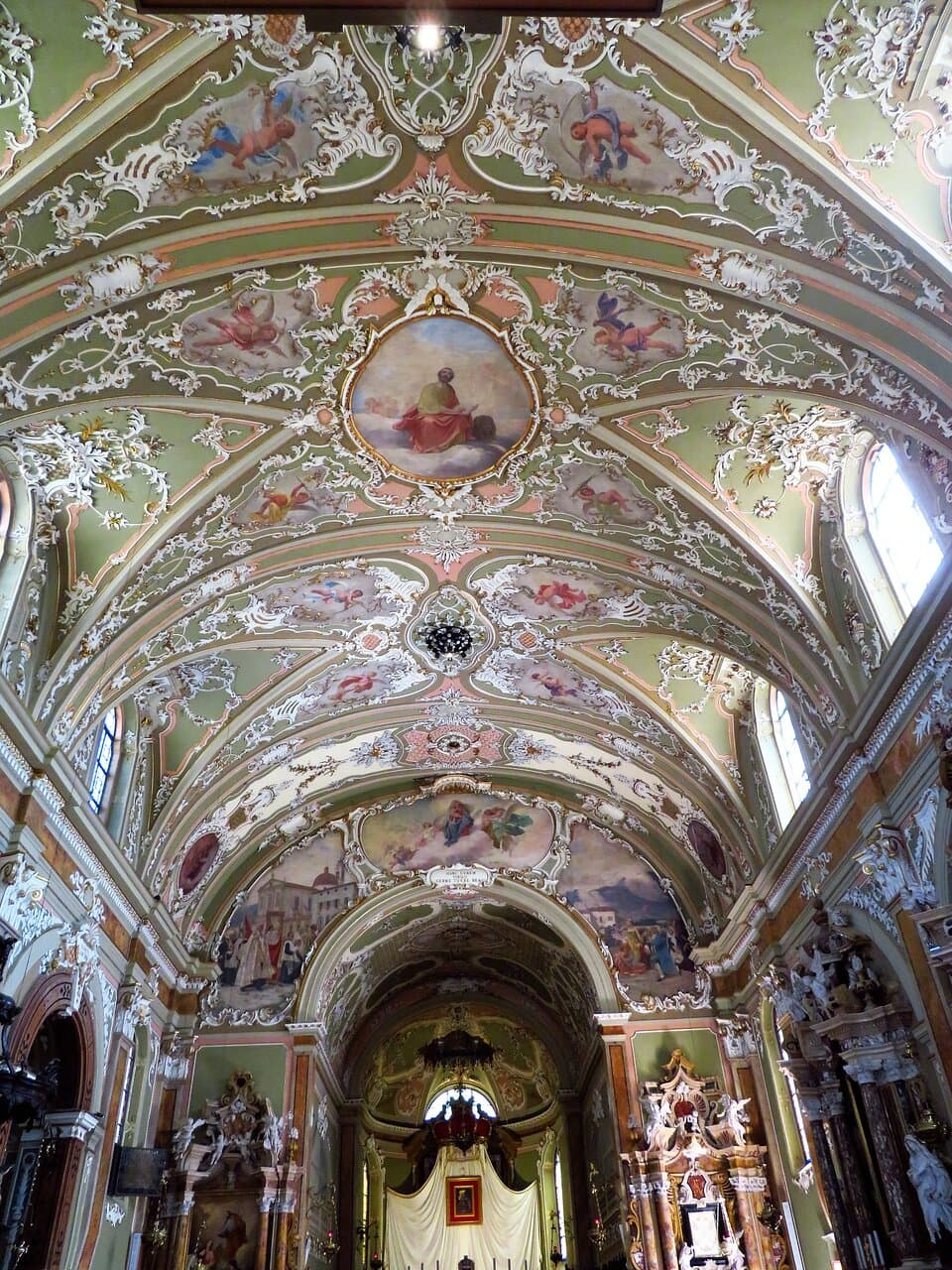
Cobblestone Streets & Frescoes
Various historic centers
Wander through charming alleys, admire frescoed buildings, and soak in centuries of history.
Plans like a pro.
Thinks like you
Planning Your Visit
Navigating Historic Centers
Embrace Local Culture
 +1
+1Best Times
Insider Tips
from TikTok, Instagram & Reddit
👟 Comfortable Shoes are Key
Cobblestone streets are beautiful but tough on feet. Prioritize comfort for exploring historic centers.
🚗 Parking Can Be Tricky
Historic centers often have limited or no car access. Look for designated parking lots outside the core.
🗺️ Get Lost (Intentionally!)
The best discoveries are often off the main path. Wander through alleys and soak in the atmosphere.
📱 Download Offline Maps
Cell service can be spotty in older areas. An offline map is a lifesaver for navigation.
Tips
from all over the internet
👟 Comfortable Shoes are Key
Cobblestone streets are beautiful but tough on feet. Prioritize comfort for exploring historic centers.
🚗 Parking Can Be Tricky
Historic centers often have limited or no car access. Look for designated parking lots outside the core.
🗺️ Get Lost (Intentionally!)
The best discoveries are often off the main path. Wander through alleys and soak in the atmosphere.
📱 Download Offline Maps
Cell service can be spotty in older areas. An offline map is a lifesaver for navigation.
📸 Capture the Details
Look up for frescoes, down for ancient stones, and around for hidden courtyards.
What Travellers Say
Reviews Summary
Visitors consistently praise the beauty and historical richness of Italian historic centers, highlighting their well-preserved medieval features and elegant architecture. The abundance of good dining options and museums is a major draw. However, a recurring drawback is the significant challenge of finding adequate parking, which can be particularly difficult for those with mobility issues.
"This is a lovely city with many medieval features.
There are many good places to eat and interesting museums, but the only drawback is that there isn't enough parking. All the parking lots in the city are full, and the large ones are far apart. Those with mobility issues can find it very difficult to reach the attractions."
Marina Dal Cortivo
"Rovereto, nestled between Lake Garda and the Trentino Dolomites, is an elegant city rich in art and culture. The heart of the city is the beautiful Piazza Rosmini, with its fountain and numerous noble palaces. Don't miss the Medieval Castle, which houses the War History Museum. Also noteworthy is the Mart, one of Italy's most important contemporary art collections."
Fiorentino Stornaiuolo
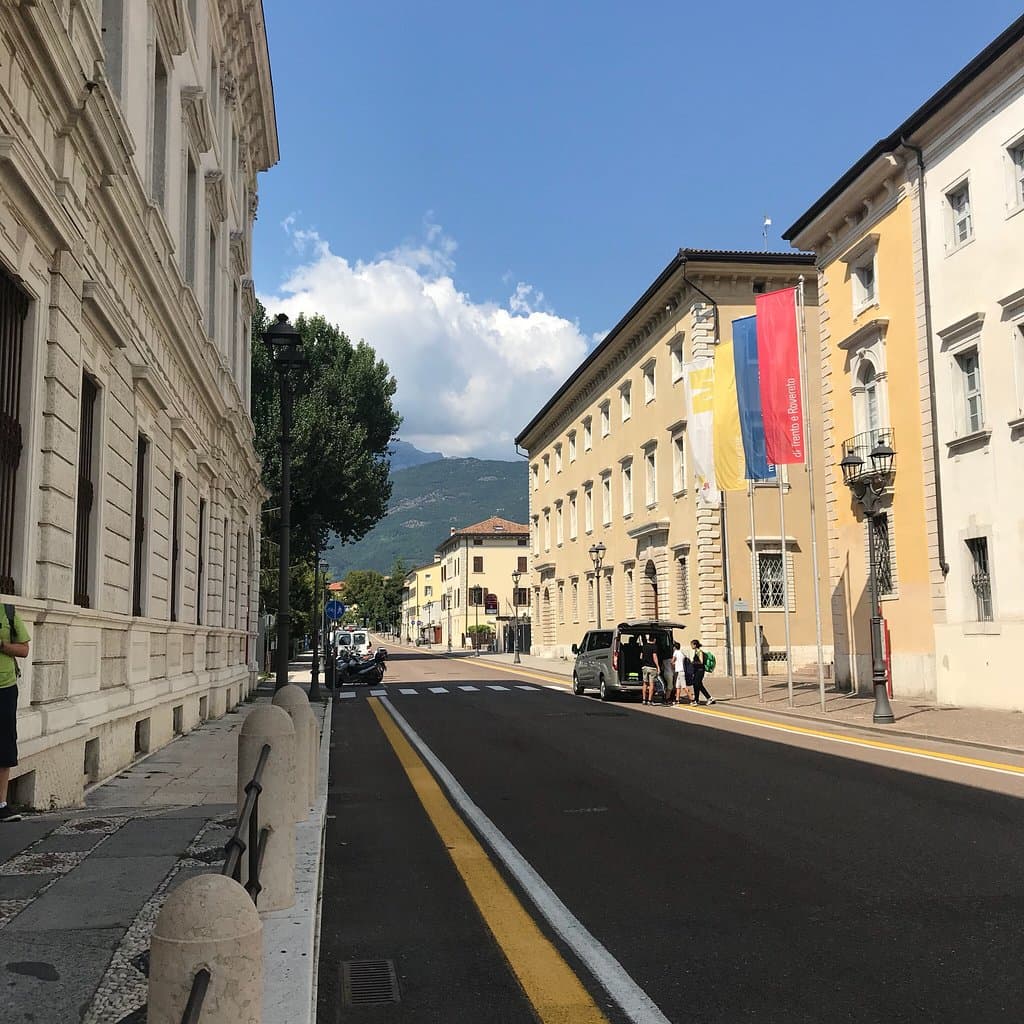
"A small town with an elegant and well-kept historic center."
Francesco Viti
What People Like
What People Dislike
Frequently Asked Questions
🚇 🗺️ Getting There
Most historic centers are pedestrian-only or have very restricted car access. It's best to park in designated lots outside the center and walk in. Public transport like buses and trams often have stops near the historic areas. Check local transport websites for routes and schedules.
Parking can be a significant challenge, especially in popular cities. Many parking lots fill up quickly, and some are quite a distance from the main attractions. Consider using ride-sharing services or public transport if available.
Generally, no. Most historic centers have ZTL (Zona a Traffico Limitato) zones, meaning only authorized vehicles can enter. Fines for unauthorized entry are steep.
High-speed trains are an excellent option for inter-city travel in Italy, connecting major hubs efficiently. From the train station, you can usually take a local bus or taxi to reach the historic center.
Yes, many cities offer guided walking tours, often focusing on specific themes like history, art, or food. These are a great way to get an in-depth understanding of the area.
🎫 🎫 Tickets & Entry
No, the historic centers themselves are generally free to enter and explore. However, individual attractions within them, such as museums, churches, or towers, will require tickets.
Historic centers are always accessible, but shops, museums, and attractions within them have their own operating hours, which can vary. Many shops close for a few hours in the afternoon.
Some cities offer city passes that include entry to multiple attractions and sometimes public transport. Research these passes to see if they offer good value for your planned itinerary.
Visiting during the shoulder seasons (spring and fall) and on weekdays can help reduce crowds. Early mornings are also often less busy than midday.
Public squares are generally free to access. However, some unique attractions within them, like observation decks or specific monuments, may have an admission fee.
🎫 🧭 Onsite Experience
This varies by city, but common highlights include grand cathedrals (Duomo), historic palaces, medieval castles, vibrant piazzas, and ancient markets. Look for unique local landmarks like frescoes or specific architectural styles.
Beyond sightseeing, enjoy leisurely strolls, indulge in local cuisine at trattorias, shop for artisanal products, visit museums, and simply soak in the atmosphere of the piazzas.
Most historic centers are very safe at night, often bustling with people enjoying aperitivo or evening strolls. However, as with any urban area, it's always wise to be aware of your surroundings.
Comfortable walking shoes are essential due to cobblestones. Dress in layers as weather can change. For visiting churches, ensure your shoulders and knees are covered.
Engage with locals, try regional food and wine, attend local events if possible, and take time to simply observe daily life in the piazzas.
🍽️ 🍽️ Food & Dining
Look for 'trattorias' or 'osterias' away from the main tourist thoroughfares for more authentic and reasonably priced meals. Street food is also a great option in some cities.
Enjoying an 'aperitivo' in a piazza is a classic experience. Many historic centers also offer traditional multi-course meals featuring regional specialties.
While traditional Italian cuisine can be meat-heavy, most restaurants are accommodating and can offer vegetarian dishes. Vegan options are becoming more common, especially in larger cities.
Italians typically enjoy a leisurely meal. Tipping is not as customary as in some other countries; a small service charge might be included, or a few euros left for excellent service is appreciated.
Absolutely! Historic centers are dotted with charming 'pasticcerie' (pastry shops) and 'caffè' offering delicious coffee and local baked goods.
📸 📸 Photography
Iconic landmarks like cathedrals, bridges, and grand piazzas are obvious choices. Don't forget to capture the details: narrow alleys, colorful shutters, ancient doorways, and street art.
The 'golden hours' around sunrise and sunset offer beautiful light. Midday can be harsh, but it's great for capturing the vibrant life of the piazzas.
Generally, photography is allowed in public areas. However, some churches may prohibit photos inside, and private properties might have restrictions. Always be respectful.
Focus on architectural details, the play of light and shadow, and candid moments of local life. Try different angles and perspectives to tell a story.
A versatile lens (like a 24-70mm) is useful. A wide-angle lens can capture grand architecture, while a prime lens is good for low-light and detail shots. A tripod can be helpful for night shots but may be cumbersome in crowded areas.
For Different Travelers
Tailored advice for your travel style
👨👩👧 Families with Kids
Consider destinations with engaging historical elements like castles or interactive museums. Gelato breaks are a must, and many Italian cities have parks or gardens within or near the historic center for a change of pace. Pack comfortable shoes for everyone, as little legs will be doing a lot of walking on cobblestones.
🚶♀️ Solo Travelers
+1Consider joining walking tours to meet other travelers and gain local insights. Don't hesitate to strike up conversations with locals; Italians are often warm and welcoming. Safety is generally high, but always practice standard precautions, especially at night.
🏛️ History & Art Buffs
+1Research the specific historical periods and artistic movements prominent in your chosen city. Consider visiting lesser-known sites or churches that might house hidden masterpieces. Many cities offer specialized tours focusing on art history or specific historical events.
Deep Dives
In-depth insights and expert knowledge
The Charm of Italian Historic Centers
+1Many of these historic centers are recognized as UNESCO World Heritage Sites, a testament to their outstanding universal value. They are not just museums but living communities where daily life unfolds amidst historical grandeur. You'll find local artisans, bustling markets, and traditional trattorias tucked away in charming alleys.
+1Exploring these areas often involves a slower pace. Embrace the opportunity to wander without a strict itinerary, allowing yourself to get lost and discover hidden gems. The beauty lies in the details: the intricate stonework, the colorful frescoes adorning buildings, and the lively atmosphere of the central squares.
Navigating Rovereto: Art, History, and Nature
The city's rich history is palpable, especially at the Medieval Castle, which now houses the significant War History Museum. For art enthusiasts, the Mart (Museum of Modern and Contemporary Art) is a must-visit, showcasing an impressive collection in a striking architectural setting.
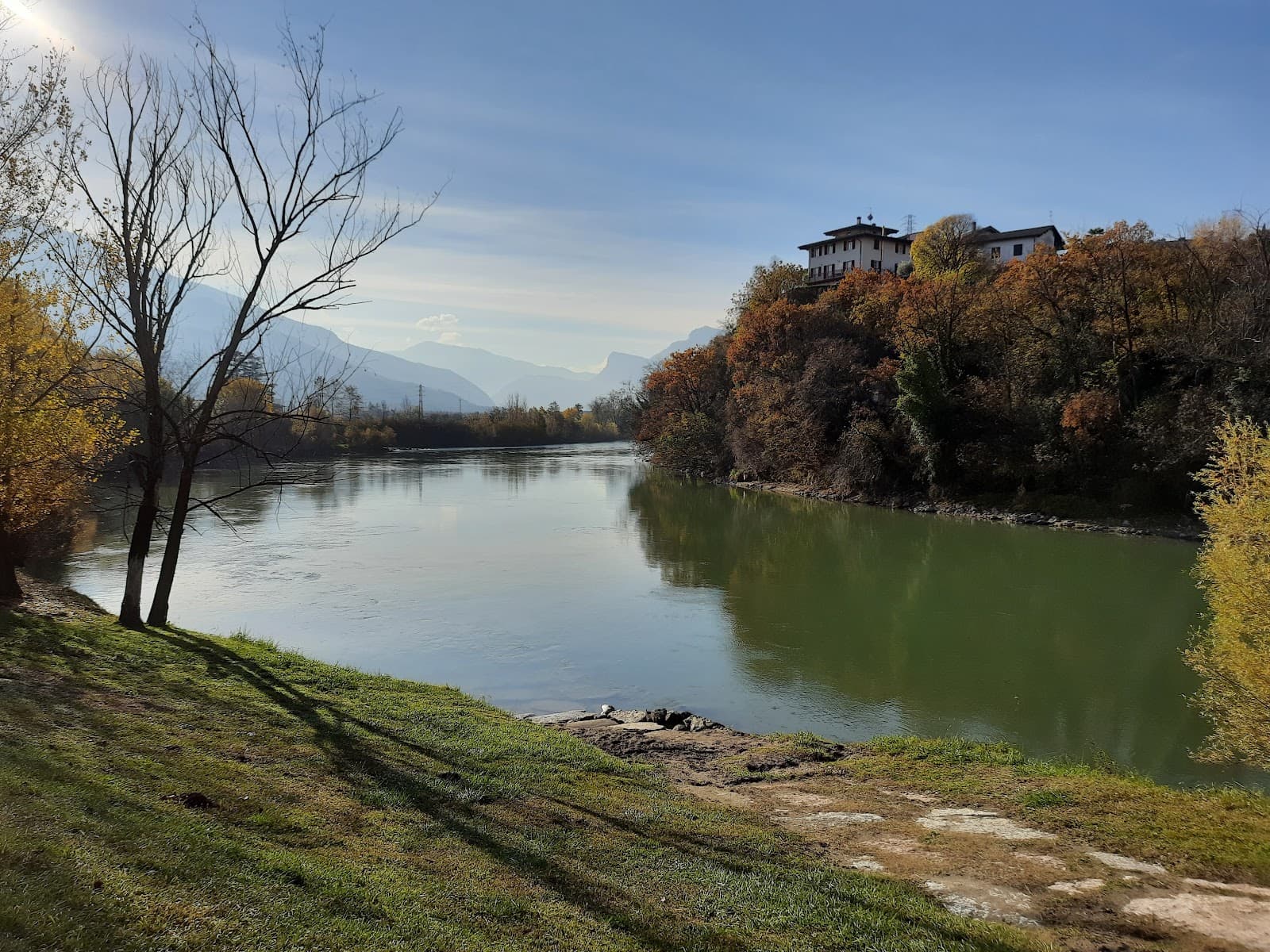
Beyond its cultural offerings, Rovereto's location makes it an ideal base for those seeking a blend of city exploration and natural beauty. The proximity to Lake Garda and the Dolomites means opportunities for outdoor activities are readily available, making it a well-rounded destination.
Culinary Delights in Historic Centers
The 'aperitivo' culture is a quintessential experience in many historic centers. As evening approaches, piazzas come alive with locals and visitors enjoying pre-dinner drinks accompanied by small snacks. This is a fantastic way to soak in the atmosphere and people-watch.
When dining, look for establishments that emphasize local ingredients and traditional recipes. Don't be afraid to ask for recommendations from locals or your accommodation hosts. Exploring the food scene is as much a part of experiencing a historic center as visiting its landmarks.

Social
from TikTok, Instagram & Reddit