Vicus Caprarius Rome
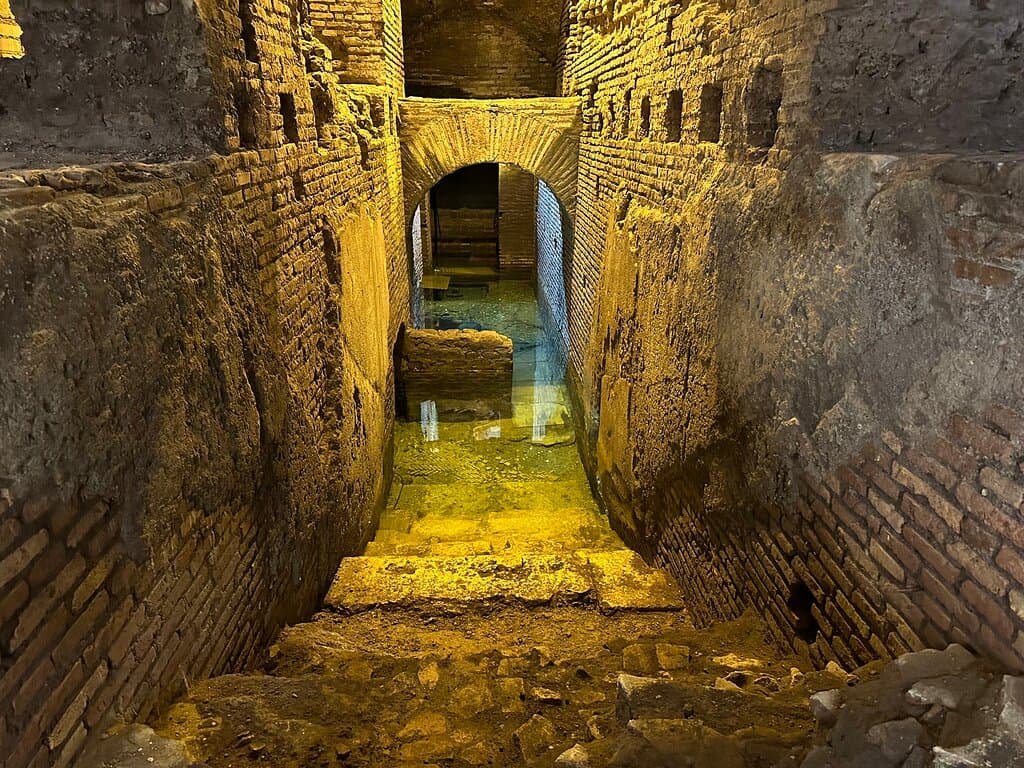
Discover the 'City of Water,' an ancient Roman complex with aqueducts and homes, hidden 9 meters below the Trevi Fountain.
Highlights
Must-see attractions

Social
From TikTok & Reddit
Best Time
Fewer tour groups
Vicus Caprarius Rome
Best Time
Fewer tour groups
Highlights
Must-see attractions
Discover the 'City of Water,' an ancient Roman complex with aqueducts and homes, hidden 9 meters below the Trevi Fountain.
"An intriguing underground discovery revealing Rome's ancient water systems and domestic life."
🎯 Book via WhatsApp
Secure your tickets easily by booking ahead via WhatsApp to manage crowds.
👟 Comfortable Shoes Needed
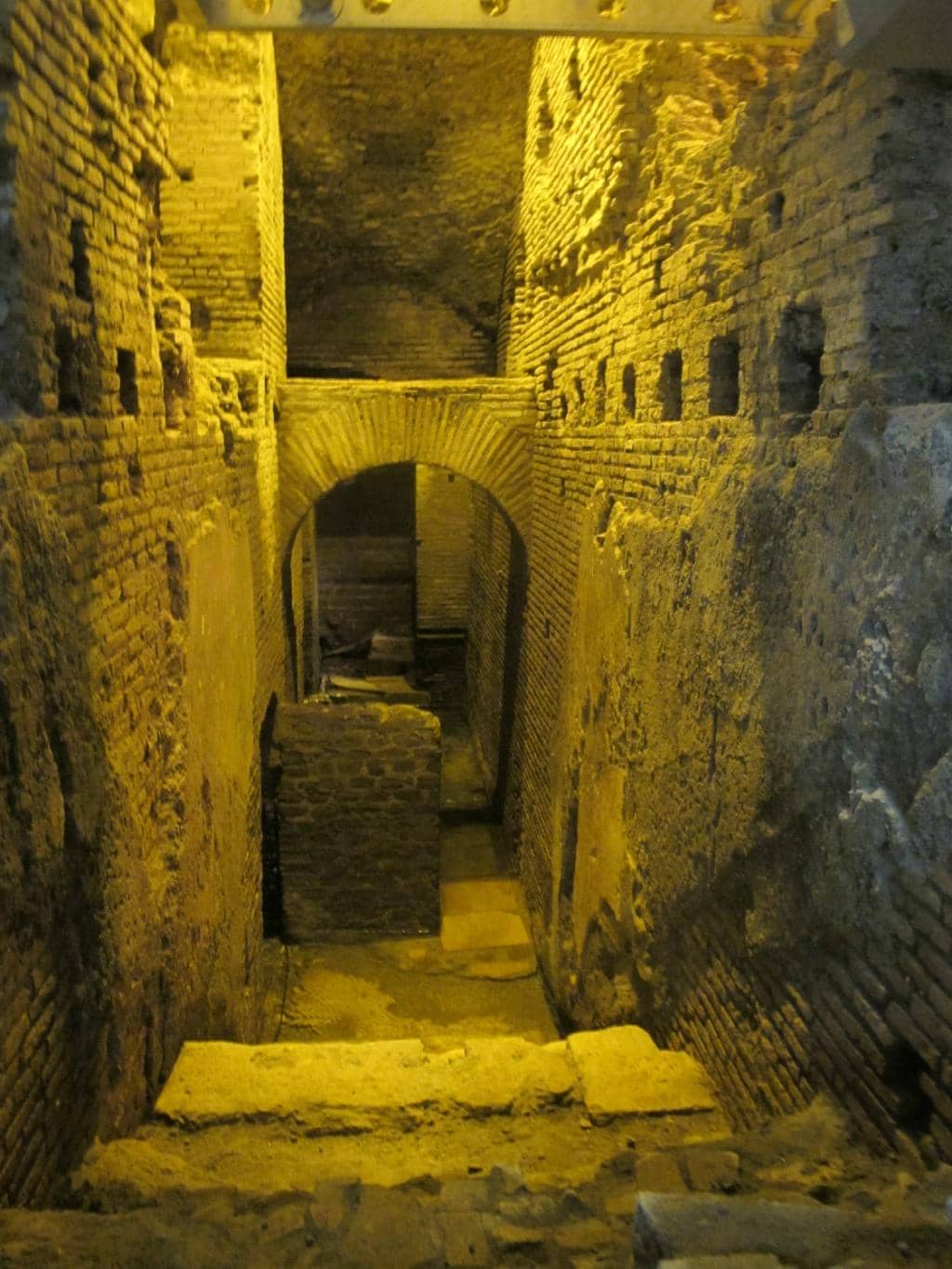
Explore the ancient ruins with ease. Wear comfortable footwear for navigating the underground site.
Highlights
Discover the most iconic attractions and experiences
Aqua Virgo Aqueduct
Underground site
Witness the ancient aqueduct that still feeds the Trevi Fountain, a marvel of Roman engineering.
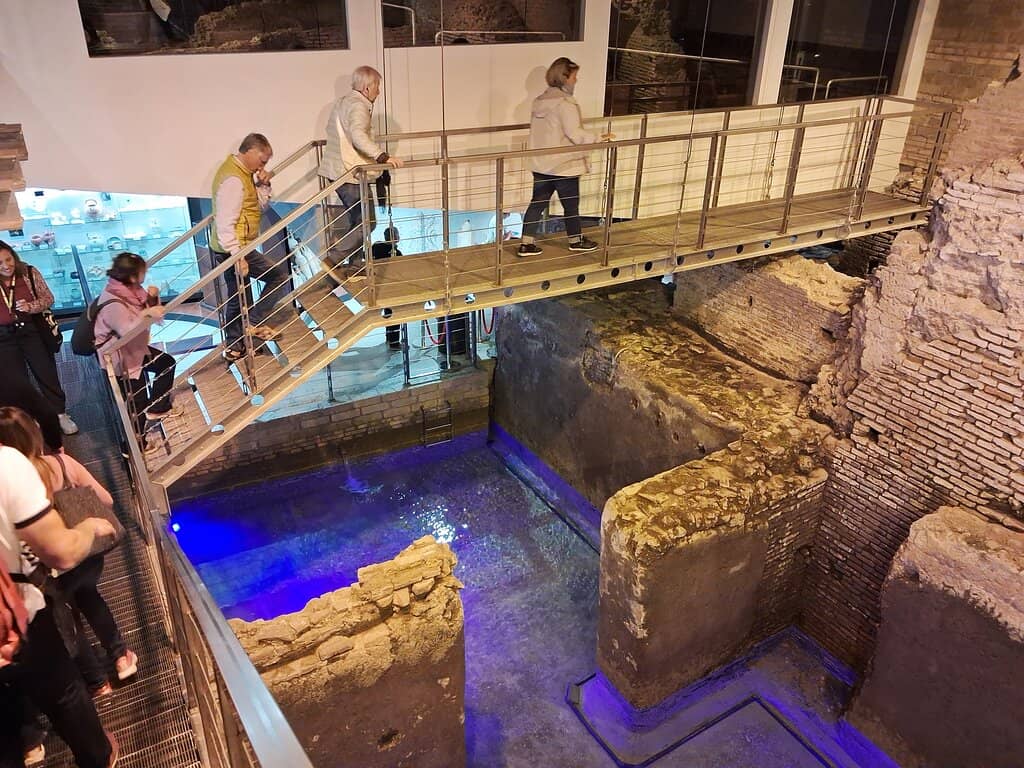
Ancient Roman Domus
Underground site
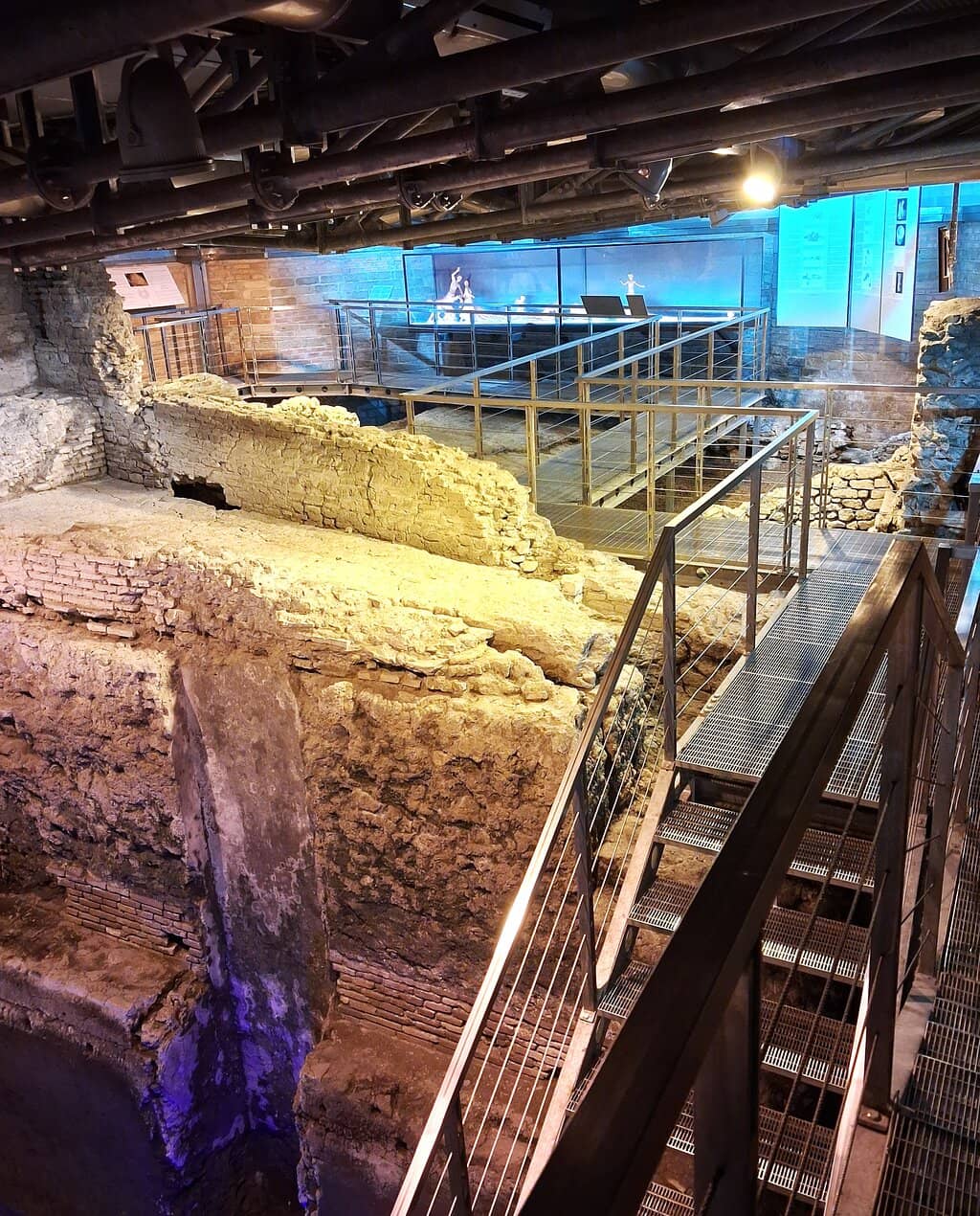
Explore the well-preserved ruins of a Roman house with intricate floors and walls.
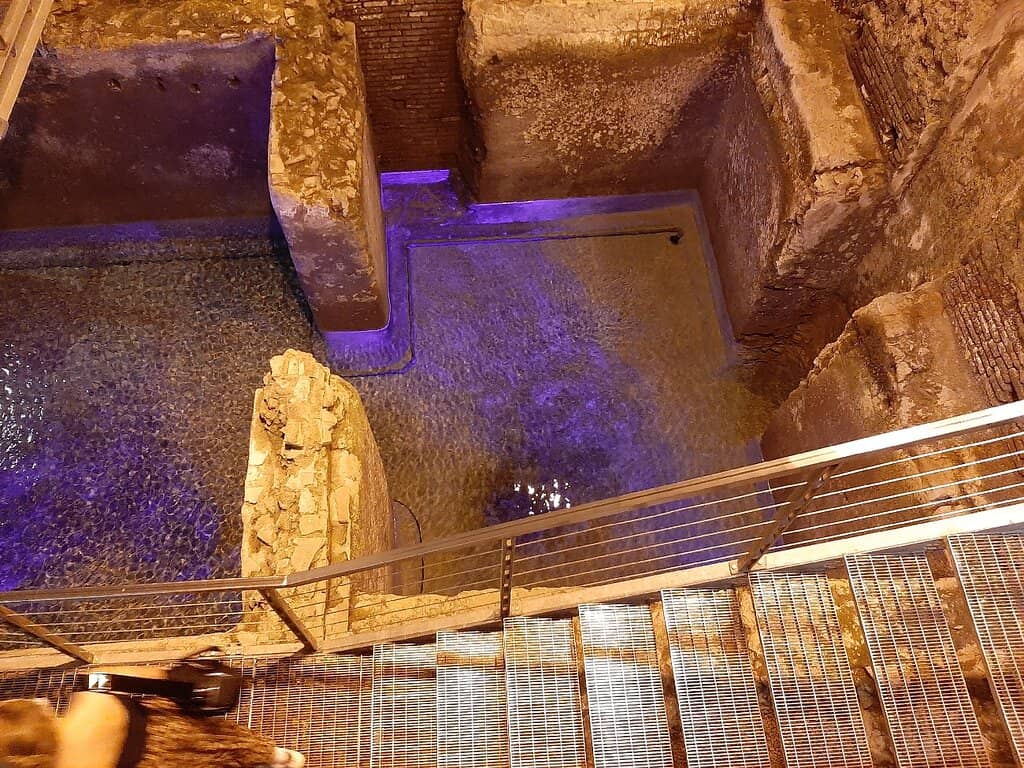
The 'City of Water'
Underground site
Experience the atmospheric underground complex, a hidden gem just steps from the Trevi Fountain.
Plans like a pro.
Thinks like you
Planning Your Visit
Book Ahead for a Smooth Visit
Embrace the Underground Experience
Best Times
Insider Tips
from TikTok, Instagram & Reddit
🎯 Book via WhatsApp
Secure your tickets easily by booking ahead via WhatsApp to manage crowds.
👟 Comfortable Shoes Needed
Explore the ancient ruins with ease. Wear comfortable footwear for navigating the underground site.
💧 Appreciate Roman Engineering
See the Aqua Virgo aqueduct that still feeds the Trevi Fountain. +1
⏳ Short but Sweet Visit
Expect a visit of around 15-30 minutes; it's compact but impactful.
Tips
from all over the internet
🎯 Book via WhatsApp
Secure your tickets easily by booking ahead via WhatsApp to manage crowds.
👟 Comfortable Shoes Needed
Explore the ancient ruins with ease. Wear comfortable footwear for navigating the underground site.
💧 Appreciate Roman Engineering
See the Aqua Virgo aqueduct that still feeds the Trevi Fountain. +1
⏳ Short but Sweet Visit
Expect a visit of around 15-30 minutes; it's compact but impactful.
🤫 A Hidden Gem
Discover this lesser-known site just steps from the bustling Trevi Fountain. +1
What Travellers Say
Reviews Summary
Vicus Caprarius is praised as an intriguing underground discovery and a fascinating glimpse into Roman engineering, particularly its connection to the Trevi Fountain's water source. Visitors appreciate its atmospheric setting and affordability, though some note the visit is quite brief and the space can feel small, especially with tour groups.
"Vicus Caprarius, also known as the “City of Water,” is one of Rome’s most intriguing underground discoveries. Just a few steps from the Trevi Fountain, this archaeological site reveals a completely different face of the city — quiet, mysterious, and deeply historical. Exploring the ruins beneath the modern streets feels like stepping into another time.
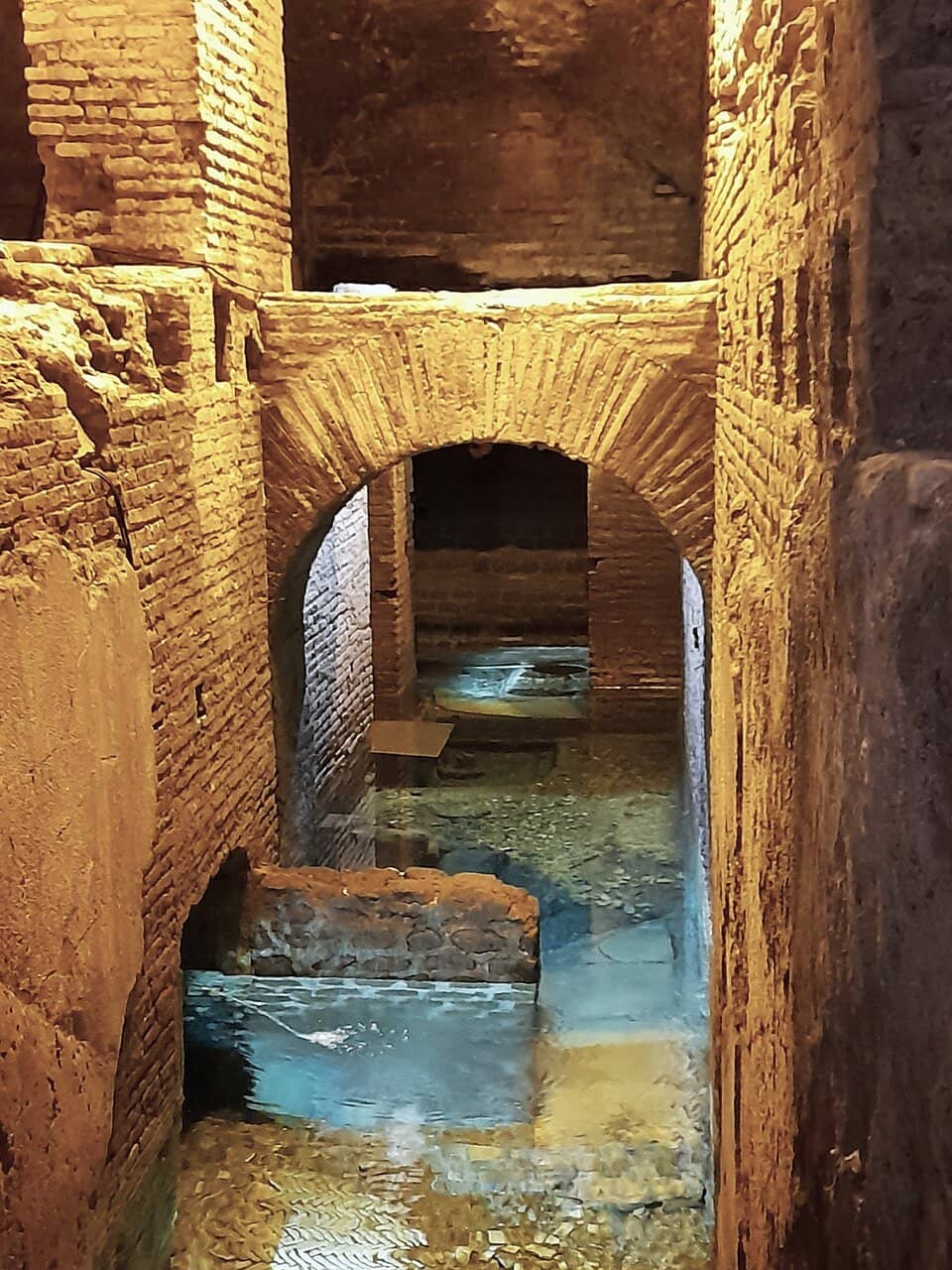
The site showcases the remains of an ancient Roman residence, water channels, and storage basins connected to the Aqua Virgo aqueduct. The explanations are well presented, helping visitors understand how the famous Trevi Fountain is fed by the same water system. Seeing the clear water flowing through the ancient structures is surprisingly captivating and gives a new appreciation for Roman engineering.
The space is compact but very atmospheric. The lighting is soft, highlighting the stones, walls, and preserved floors in a way that enhances the sense of discovery. It’s an excellent short visit if you enjoy archaeology or want to escape the crowds above.
The only minor downside is that the visit is relatively brief, and some sections could offer more interactive elements or deeper explanations.
Still, Vicus Caprarius remains a unique and enriching experience, well worth the stop."
CamTN Tn
"This was one of my most anticipated activities, however it was a little disappointing. It was cool to see, and there is a decent amount of information considering how small it is. With that being said, I was out in less than 20 minutes despite taking my time to read everything. One thing that’s slightly annoying is there are tour groups that are decent in size and block areas because the space is so small. If you are interested in seeing the aqueduct it’s worth a visit because it is cool, but expect it to be very small. I booked our tickets ahead of time via WhatsApp which was very easy to do and something I would recommend. Overall, I’m glad I saw it though I will skip it during future visits."
Samantha Sansone
"Really cool place to visit! It's not big but it is super interesting. They are very careful to make sure the place does no get overcrowded. They give you 30 minutes to explore so you can take your time to see, read and comprehend the historic values.
Tickets are cheap, can recommend!"
Svein Sivertsen
What People Like
What People Dislike
Frequently Asked Questions
🚇 🗺️ Getting There
Vicus Caprarius is incredibly close to the Trevi Fountain, just a few steps away. Simply follow the signs for 'Vicus Caprarius - The Water City' or 'La Città dell'Acqua' from the fountain's vicinity. It's a very easy walk, making it a perfect addition to a Trevi Fountain visit. +1
The closest metro station is Barberini (Line A). From there, it's a short walk to the Trevi Fountain area, where Vicus Caprarius is located. Buses also frequently stop near the Trevi Fountain, making it accessible via public transport.
The site is underground and involves navigating ancient structures. While generally accessible, those with significant mobility issues might find it challenging. It's advisable to check with the site directly for specific accessibility concerns.
Absolutely! Vicus Caprarius is perfectly situated to be visited alongside the Trevi Fountain. You can also easily explore the Pantheon, Spanish Steps, and Piazza Navona within a reasonable walking distance. +1
Vicus Caprarius is typically open Tuesday through Sunday, from 11 AM to 5 PM. It's always a good idea to check their official website or contact them directly for the most up-to-date hours, as these can sometimes vary.
🎫 🎫 Tickets & Entry
Tickets for Vicus Caprarius are generally quite affordable, around €4 for admission without a guide. Guided tours may cost more, typically around €8. Booking in advance is highly recommended. +1
Booking is often done via WhatsApp, which is a common method for smaller attractions in Rome. The official website provides contact details for booking. This method helps manage visitor numbers and ensures a smoother experience.
While it might be possible to purchase tickets on the day, it's not guaranteed due to limited capacity. Booking in advance, especially via WhatsApp, is strongly advised to avoid disappointment and ensure you get your preferred time slot.
Information on specific discounts for students, seniors, or children isn't widely publicized. However, the base ticket price is already very reasonable, making it an accessible attraction for most travelers.
A typical visit to Vicus Caprarius lasts about 15 to 30 minutes. The site is compact, and a time limit is often enforced to prevent overcrowding, ensuring a pleasant experience for all visitors.
🎫 🧭 Onsite Experience
You'll explore the underground ruins of an ancient Roman house (domus), complete with mosaics and walls, as well as cisterns and channels of the Aqua Virgo aqueduct. It's a fascinating glimpse into Rome's water management and domestic life. +2
An audio guide may be available for an additional fee. However, many visitors find that the site's signage and the inherent atmosphere provide sufficient context for understanding the ruins.
The site is intentionally kept from becoming overcrowded due to its small size. Booking in advance and visiting during off-peak hours (weekdays, mornings) can help you avoid larger tour groups.
The site is known as the 'City of Water' because it's connected to the Aqua Virgo aqueduct, which still supplies water to the Trevi Fountain. You can see water circulating through ancient channels, a testament to Roman hydraulic engineering. +2
Photography is generally allowed inside Vicus Caprarius for personal use. However, it's always good practice to be mindful of other visitors and avoid using flash photography that might disrupt the atmosphere or damage the ancient structures.
🍽️ 🍽️ Food & Dining
Vicus Caprarius is an archaeological site and does not have any dining facilities within the underground complex itself. However, the surrounding area near the Trevi Fountain is packed with numerous cafes, trattorias, and restaurants offering a wide range of Italian cuisine.
You'll find classic Roman dishes like Cacio e Pepe, Carbonara, Amatriciana, and Saltimbocca alla Romana. There are also plenty of options for pizza, gelato, and coffee. Explore the side streets for more authentic and less touristy eateries.
It's generally not recommended to bring food or drinks into historical and archaeological sites like Vicus Caprarius to preserve the integrity of the ruins. It's best to consume any food or beverages before or after your visit.
While specific recommendations can vary, look for trattorias in the smaller streets away from the immediate Trevi Fountain crowds for a more authentic experience. Many reviewers suggest exploring the alleys for hidden culinary gems.
There aren't dedicated picnic areas directly at Vicus Caprarius. However, you might find small piazzas or benches in the vicinity where you could enjoy a quick snack. For a proper picnic, consider finding a park further afield.
📸 📸 Photography
Capture the atmospheric lighting on the ancient stones, the intricate details of the mosaics, and the flowing water in the aqueduct channels. The contrast between the underground ruins and the modern city above is also a great shot. +1
While personal photography is usually allowed, it's best to avoid using flash. Flash can damage delicate ancient materials over time and can be disruptive to the immersive experience for other visitors.
A smartphone with good low-light capabilities will work well, as the site is dimly lit to enhance its atmosphere. If you have a camera with a wider aperture, it can help capture the details in the lower light conditions.
Try framing shots that include the water channels with the ancient walls in the background. Close-ups of the mosaics and the textures of the stone are also very effective. The entrance area can offer a good perspective of the descent into the past.
Drone usage is strictly prohibited inside Vicus Caprarius and most historical sites in Rome to ensure safety and preservation. Stick to handheld photography and videography.
For Different Travelers
Tailored advice for your travel style
👨👩👧 Families with Kids
Tips for families: Ensure children wear comfortable shoes, as the ground can be uneven. Explain the concept of aqueducts and how they were essential for ancient Roman life. Since it's a compact site, keeping a close eye on children is easy. It's a great, quick educational detour before or after visiting the Trevi Fountain.
🏛️ History Buffs & Archaeology Enthusiasts
Key highlights for enthusiasts: Focus on the Aqua Virgo aqueduct's mechanics and its continuous operation. Examine the construction techniques of the Roman house and the intricate details of any visible mosaics. Consider a guided tour if available, as it can provide deeper historical context and interpretations that might not be apparent from signage alone.
🚶♀️ Solo Travelers & Day-Trippers
Solo traveler tips: Book your ticket in advance via WhatsApp to save time. Take your time to absorb the atmosphere and read the informational panels. It's a great spot for reflective moments and understanding Rome's layered history without the pressure of large groups.
Deep Dives
In-depth insights and expert knowledge
The 'City of Water': A Glimpse into Roman Life
The most remarkable aspect of Vicus Caprarius is its connection to the Aqua Virgo aqueduct. This ancient aqueduct, built in the 1st century BC by Marcus Vipsanius Agrippa, is still operational today and is the very source that feeds the iconic Trevi Fountain. Visitors can witness firsthand how water flows through the ancient structures, a testament to the enduring legacy of Roman engineering. The soft, atmospheric lighting within the site enhances the sense of stepping back in time, making the experience both educational and deeply evocative.
While the visit is relatively brief, typically lasting 15-30 minutes, its impact is significant. It provides a quiet, mysterious counterpoint to the grandeur of the Trevi Fountain above. For history buffs, archaeologists, or anyone curious about Rome's hidden layers, Vicus Caprarius offers an enriching and memorable experience. It’s a reminder that beneath the modern city lies a rich tapestry of history waiting to be explored.
Navigating Vicus Caprarius: Practicalities and Tips
Comfortable footwear is a must, as you'll be walking on ancient stone floors and navigating underground passages. The site is dimly lit to preserve its atmosphere, so while photography is generally permitted, avoid using flash to protect the delicate structures and ensure a better experience for everyone. The visit itself is short, usually around 15-30 minutes, so it’s an ideal activity for those looking for a quick but impactful historical immersion.
Many visitors appreciate the quiet and mysterious ambiance of Vicus Caprarius, offering a peaceful escape from the crowds often found at major Roman attractions. It’s a place to appreciate Roman ingenuity and history at a more intimate scale. While some may find the visit brief, the unique insight it provides into Rome's ancient water systems and domestic life makes it a worthwhile discovery.
Social
from TikTok, Instagram & Reddit