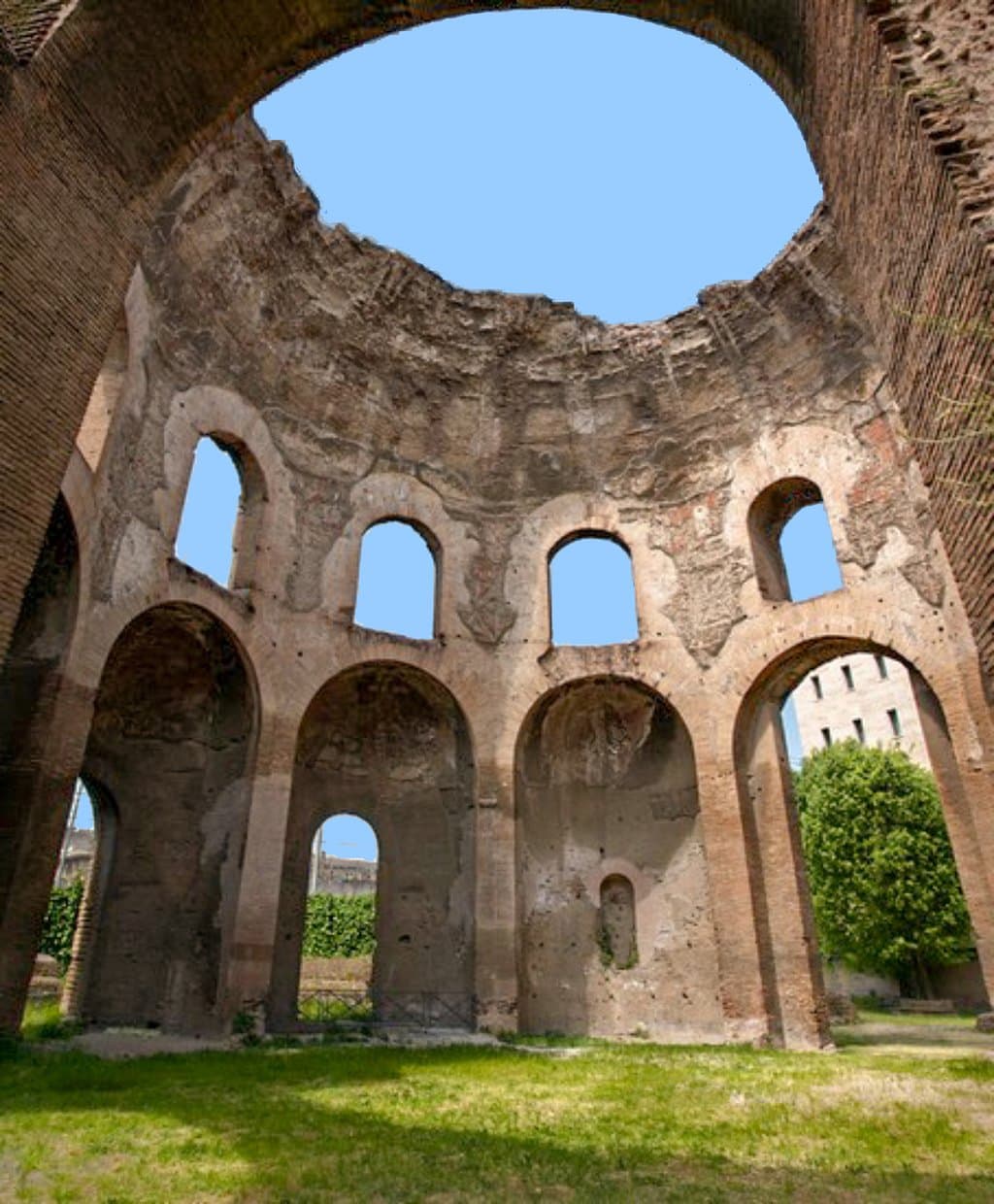
Temple of Minerva Medica Rome
A majestic Roman ruin with a grand dome, once the third largest in ancient Rome, offering a glimpse into imperial villa architecture.
Highlights
Must-see attractions

Social
From TikTok & Reddit
Best Time
Best light for photos
Temple of Minerva Medica Rome
Best Time
Best light for photos
Highlights
Must-see attractions
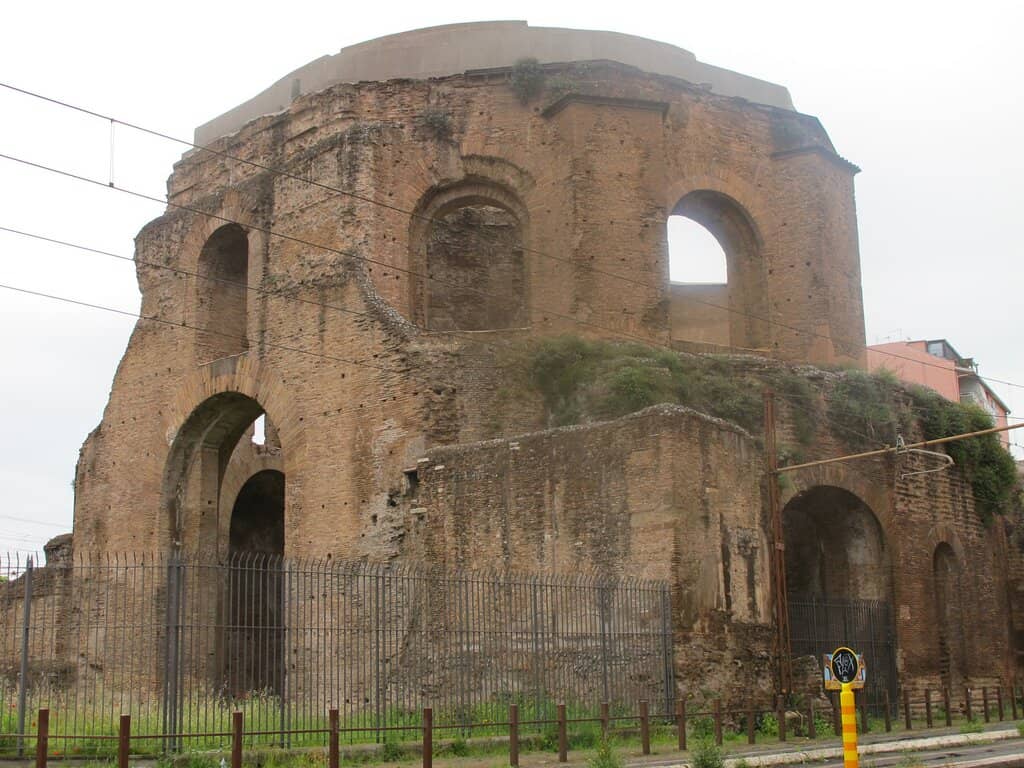
A majestic Roman ruin with a grand dome, once the third largest in ancient Rome, offering a glimpse into imperial villa architecture.
"Beautiful old building....falling down one brick at a time."
📸 Photo Opportunities
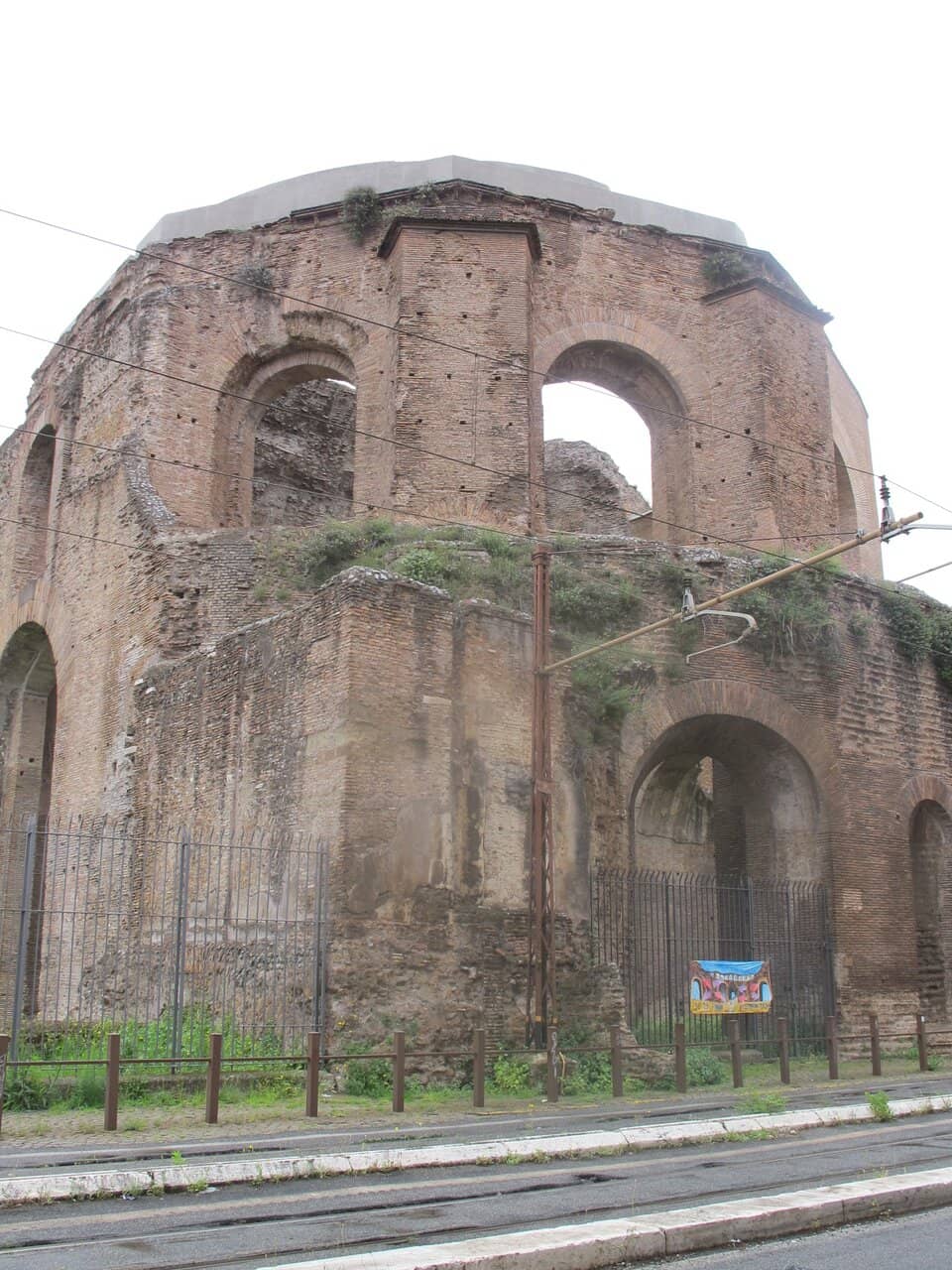
Capture stunning shots of the dome and exterior, especially with the railway line in the background.
🚶♂️ Walk By
Even if closed, the exterior is worth seeing. Great for a quick stop while exploring the Esquilino district.
Highlights
Discover the most iconic attractions and experiences
The Grand Dome
Central Hall
Marvel at the impressive domed hall, once the third largest in ancient Rome, a testament to Roman architectural innovation.
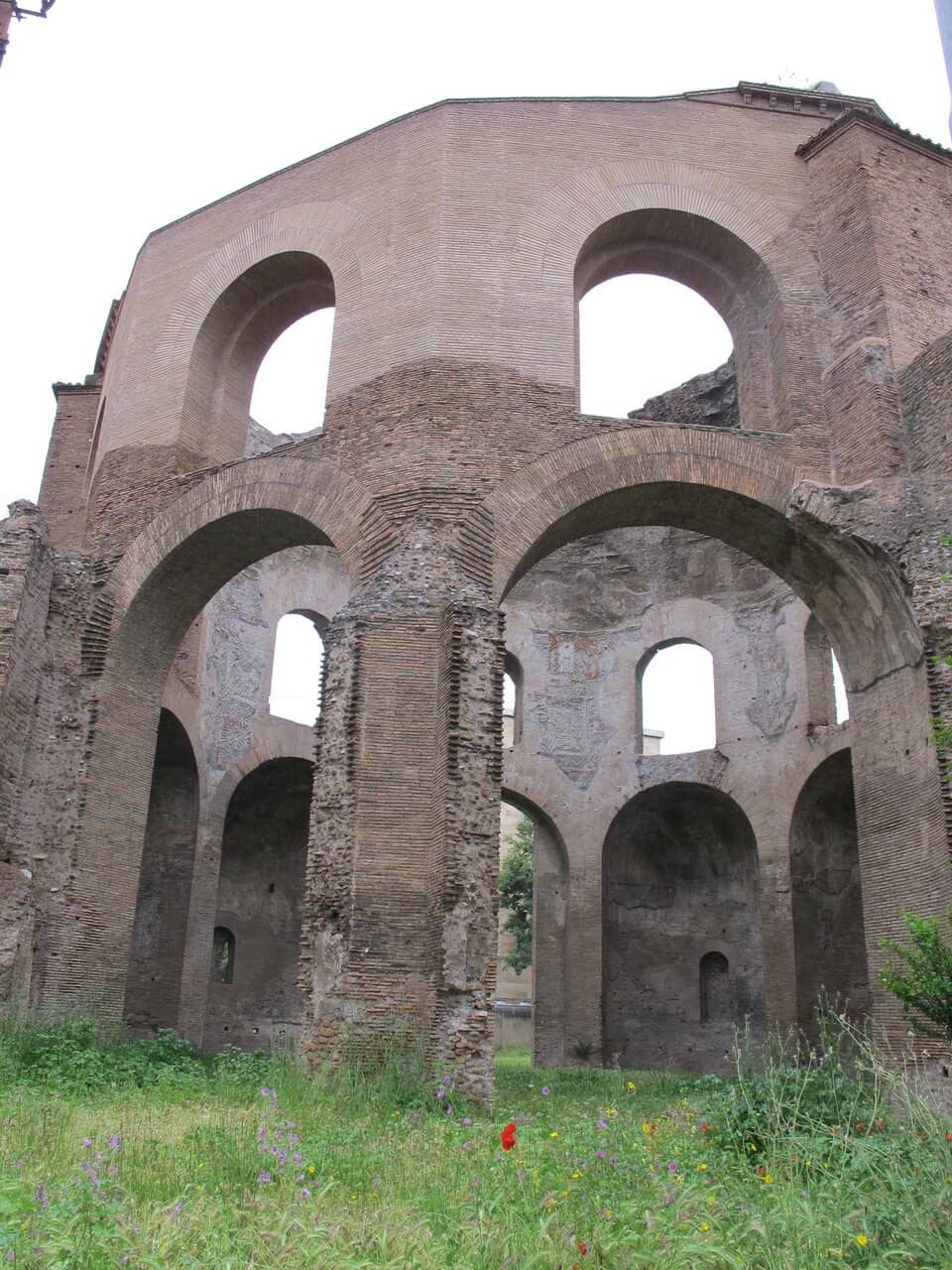
Exterior Architecture
Via Giolitti
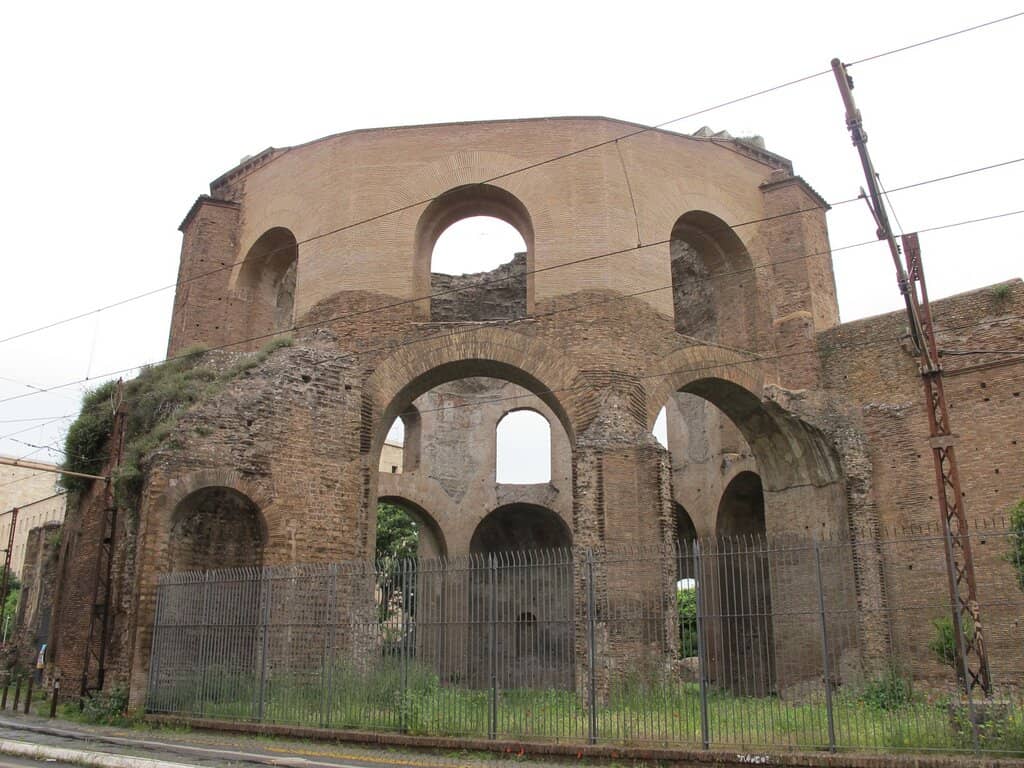
Admire the brickwork and the unique twelve-sided plan with semicircular niches, showcasing early Byzantine architectural influences.
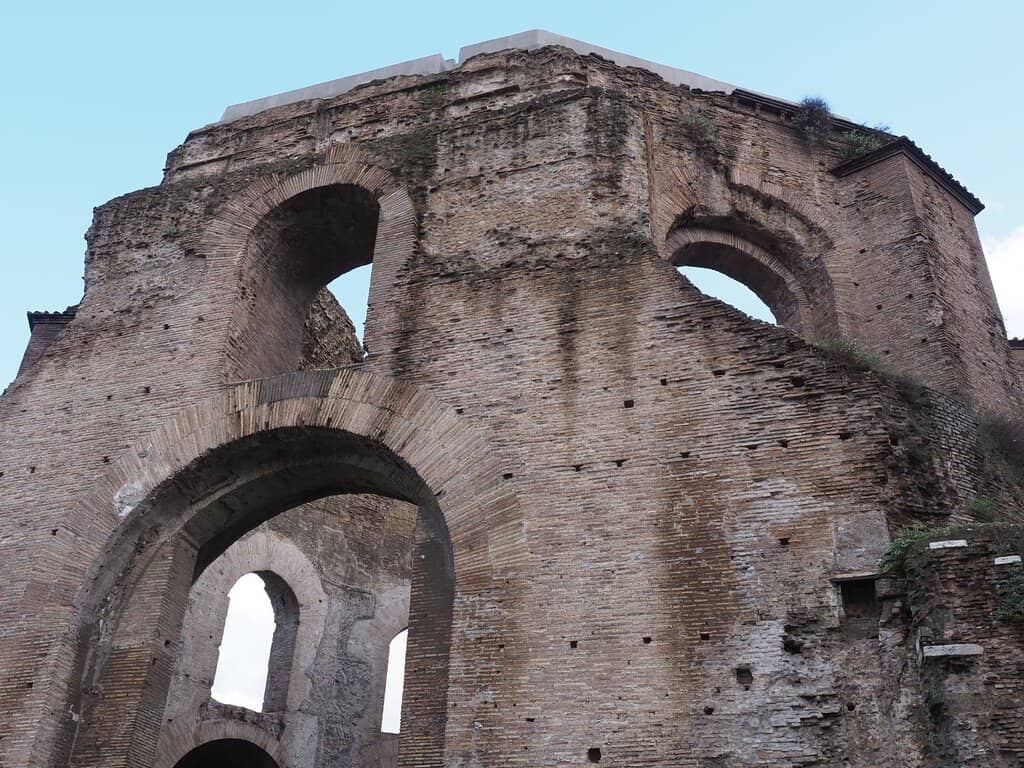
Railway Proximity
Via Giolitti
Experience the unique juxtaposition of ancient ruins alongside the active Rome-Pantano urban railway line.
Plans like a pro.
Thinks like you
Planning Your Visit
A Glimpse from the Outside
Understanding the Name
Best Times
Insider Tips
from TikTok, Instagram & Reddit
📸 Photo Opportunities
Capture stunning shots of the dome and exterior, especially with the railway line in the background.
🚶♂️ Walk By
Even if closed, the exterior is worth seeing. Great for a quick stop while exploring the Esquilino district.
💡 Historical Context
Research its history as part of the Horti Liciniani to appreciate its significance.
🚧 Restoration Watch
Keep an eye out for restoration progress; it's fascinating to see it being preserved.
Tips
from all over the internet
📸 Photo Opportunities
Capture stunning shots of the dome and exterior, especially with the railway line in the background.
🚶♂️ Walk By
Even if closed, the exterior is worth seeing. Great for a quick stop while exploring the Esquilino district.
💡 Historical Context
Research its history as part of the Horti Liciniani to appreciate its significance.
🚧 Restoration Watch
Keep an eye out for restoration progress; it's fascinating to see it being preserved.
What Travellers Say
Reviews Summary
Visitors find the Temple of Minerva Medica a beautiful and historically significant monument, appreciating its impressive dome and unique exterior architecture. While its current closure for interior visits is a drawback, many find the view from the street and the ongoing restoration efforts worthwhile. The juxtaposition with the nearby railway line adds a distinctive charm to the site.
"Beautiful monument. The so-called Temple of Minerva Medica is located in the Esquilino district, in Via Giolitti, next to the Rome-Pantano urban railway line.It was so named in the 16th century, when a statue of Minerva with the snake was found, erroneously attributed to the building in via Giolitti, actually found in Campo Marzio.It is a large imperial brick building dating back to the early decades of the fourth century AD, consisting of a covered domed hall with a twelve-sided plan, on each of which, except the entrance, there are semicircular niches. Ten large windows open on the walls of the room.The building that had a dome of about 25 meters in diameter, the third largest in ancient Rome, after that of the Pantheon and the Baths of Caracalla, was probably a representative pavilion or a nymphaeum (monumental fountain) that was part of the complex degli Horti Liciniani, a large villa that takes its name from the emperor Licinius Gallienus (260-268 AD).The construction represents the development that took place in Roman architecture in the context of buildings with a central plan, which anticipates forms and aspects of Paleobyzantine architecture."
Misiu martino
"I saw this temple in passing by. Seems like the city is restoring the temple to its former glory which would be very nice. It’s always cool to see how these ruins use to look like when they were first built. I’m all for the restoration of these old ruins. Some people don’t like it, I prefer they do it. It looks really cool and if you’re in the area why not go check it out."
Pong Lenis
"The place is currently closed to visits, except on special ocasions (I was able to enter, with a good guided tour, on one of these - reccomended only for those with time to spare...). You get a good idea from the outside, behind the fence."
g w
What People Like
What People Dislike
Frequently Asked Questions
🚇 🗺️ Getting There
The Temple of Minerva Medica is located in the Esquilino district, easily accessible via the Rome-Pantano urban railway line. You can also reach it by public transport, with several bus lines stopping nearby.
Street parking can be challenging in this area of Rome. It's recommended to use public transportation or a taxi to reach the temple.
Yes, it's a pleasant walk of about 15-20 minutes from Termini Station, allowing you to see more of the city along the way.
Approaching from Via Giolitti offers the most direct view of the temple and its unique setting next to the railway.
The closest metro stations are Vittorio Emanuele (Line A) and Termini (Lines A & B), both requiring a short walk or bus ride to reach the temple.
🎫 🎫 Tickets & Entry
Currently, the Temple of Minerva Medica is closed to regular visits. Access is typically limited to special occasions or guided tours.
As it's not open for general public access, there are no set opening hours. You can view the exterior at any time.
No tickets are required to see the exterior of the temple. It is visible from the street.
Occasionally, special guided tours might be organized that include access to the interior. It's best to check with local tour operators for availability.
Viewing the exterior of the Temple of Minerva Medica is free of charge.
🎫 🏛️ Onsite Experience
You can admire the impressive domed structure, the twelve-sided plan, and the exterior brickwork. Restoration efforts are also visible.
Yes, the exterior is a significant architectural remnant and offers a unique glimpse into Roman engineering and the history of the Horti Liciniani.
The best time for photos is during daylight. Consider framing it with the railway line for a unique perspective.
As it's primarily an exterior viewing site, there are no facilities directly at the temple. However, the surrounding Esquilino district has numerous cafes and shops.
A visit to see the exterior typically takes about 15-30 minutes, depending on your interest in photography and the surrounding area.
📸 📸 Photography
From Via Giolitti, you can capture the full facade. The railway line provides a unique foreground element for dramatic shots.
You can get quite close from the street, but access is limited by a fence. This still allows for excellent photographic opportunities.
Daylight hours offer the best natural light. Golden hour (early morning or late afternoon) can provide beautiful warm tones.
Drone usage in Rome is subject to strict regulations. It's advisable to check current laws and obtain necessary permits before flying a drone.
Since interior access is restricted, photography inside is generally not possible unless on a special guided tour.
For Different Travelers
Tailored advice for your travel style
👨👩👧 Families with Kids
Consider making it a brief stop during a walk through the Esquilino district. Pack some snacks and drinks, as facilities are limited. It's a great opportunity to talk about how Romans built incredible structures without modern technology, encouraging curiosity about history and engineering.
🏛️ History Buffs & Archeology Enthusiasts
Pay close attention to the exterior brickwork and the twelve-sided plan, noting the semicircular niches and the placement of windows. The ongoing restoration efforts also provide a unique perspective on modern archaeological preservation techniques. While interior access is rare, understanding its historical context and architectural importance makes it a worthwhile stop for any history enthusiast exploring Rome.
Deep Dives
In-depth insights and expert knowledge
Architectural Significance
This structure is considered a precursor to Paleobyzantine architecture, demonstrating a clear evolution in building design towards central-plan structures. It's believed to have been part of the Horti Liciniani, a vast imperial villa complex. The building likely served as a representative pavilion or a nymphaeum (a monumental fountain or water feature), rather than a temple dedicated to Minerva, despite its popular name. The misattribution arose in the 16th century when a statue of Minerva was found nearby.
While currently closed for interior visits, the restoration efforts are a testament to its enduring historical and architectural value. Seeing the temple, even from the outside, offers a tangible connection to Rome's rich past and the ingenuity of its builders.
The Misnomer and its History
It is now widely accepted that the building was part of the Horti Liciniani, a sprawling villa complex belonging to Emperor Licinius Gallienus (260-268 AD). The structure itself dates to the early 4th century AD, a period of significant architectural development. Its design, with a large central dome and radiating niches, points towards a function as a representative pavilion, a place for gatherings or imperial audiences, or possibly a nymphaeum, a decorative fountain structure often found in Roman villas.
This distinction is important for understanding the building's true historical context. It highlights how historical interpretations can evolve with new discoveries and research. The enduring popularity of the 'Minerva Medica' name, however, speaks to the power of legend and the fascination with ancient Roman deities.
Social
from TikTok, Instagram & Reddit