Temple of Juno Moneta
Discover the ancient Roman mint on Capitoline Hill, where the word 'money' was born from the goddess Juno Moneta.
Highlights
Must-see attractions

Social
From TikTok & Reddit
Best Time
Beat the crowds and heat.
Temple of Juno Moneta
Best Time
Beat the crowds and heat.
Highlights
Must-see attractions
Discover the ancient Roman mint on Capitoline Hill, where the word 'money' was born from the goddess Juno Moneta.
"The climb is tough, but the view and the 'money' origin story make it unforgettable!"

Wear Comfortable Shoes
The climb to Capitoline Hill is steep! :athletic_shoe: You'll thank yourself later.
Understand the History
Learn about Juno Moneta and the origin of 'money' for a richer visit. :book:

Highlights
Discover the most iconic attractions and experiences
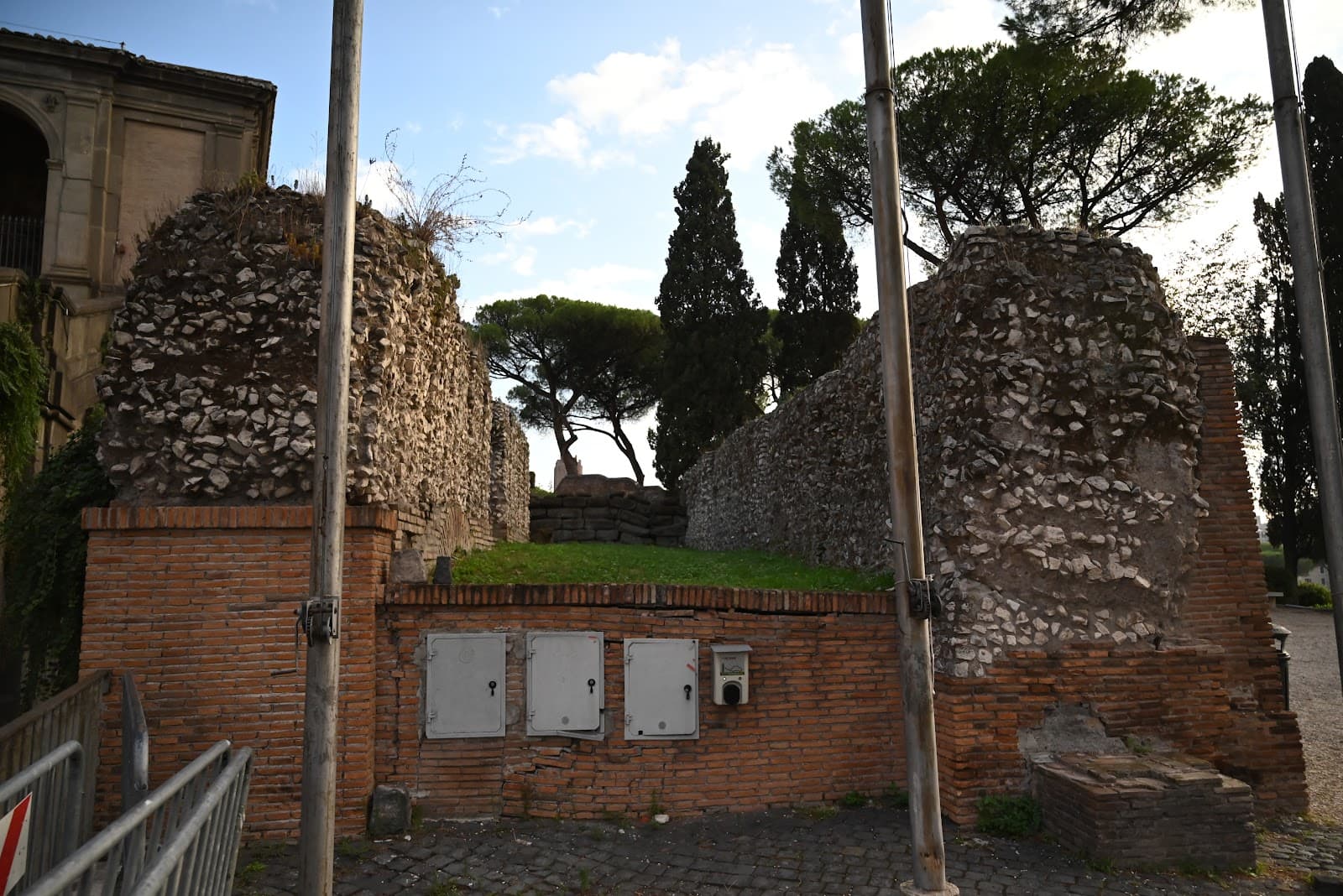
Remains of the Temple
Capitoline Hill, Garden of Aracoeli
Discover the ancient tuff walls and later Imperial-era constructions that hint at the temple's former grandeur.
The Capitoline Geese Legend
Capitoline Hill
Imagine the sacred geese that once alerted Romans to an approaching Gallic invasion, a tale tied to this sacred site.

Etymological Roots of 'Money'
Temple of Juno Moneta site
Connect with the origin of the word 'money' from Juno Moneta, the goddess of warning and advisor.
Plans like a pro.
Thinks like you
Planning Your Visit
The Climb to Capitoline Hill
Understanding the 'Moneta' Connection
Best Times
Insider Tips
from TikTok, Instagram & Reddit
Wear Comfortable Shoes
The climb to Capitoline Hill is steep! :athletic_shoe: You'll thank yourself later.
Understand the History
Learn about Juno Moneta and the origin of 'money' for a richer visit. :book:
Capture the Views
The panoramic views of Rome from Capitoline Hill are breathtaking. :camerawithflash:
Look for Ancient Walls
Seek out the distinct Republican-era tuff walls and later Imperial-era brickwork. :magnifyingglasstilted_right:
Tips
from all over the internet
Wear Comfortable Shoes
The climb to Capitoline Hill is steep! :athletic_shoe: You'll thank yourself later.
Understand the History
Learn about Juno Moneta and the origin of 'money' for a richer visit. :book:
Capture the Views
The panoramic views of Rome from Capitoline Hill are breathtaking. :camerawithflash:
Look for Ancient Walls
Seek out the distinct Republican-era tuff walls and later Imperial-era brickwork. :magnifyingglasstilted_right:
What Travellers Say
Reviews Summary
Visitors are captivated by the historical significance of the Temple of Juno Moneta, particularly its connection to the origin of the word 'money.' The climb to Capitoline Hill is noted as challenging but rewarding, offering stunning views of Rome. While the physical remains are minimal, the stories and etymological links provide a rich experience for those interested in Roman history and language.
"The climb up to the square is not for the weak hearted or if you have a medical condition. The view from on top is amazing"
Jani Hukkanen
"Beautiful"
Xabi Nistal
"Beyond words."
Kevin Castle
What People Like
What People Dislike
Frequently Asked Questions
🚇 🗺️ Getting There
The Temple of Juno Moneta is located on Capitoline Hill in Rome. You can reach it by walking from the Roman Forum or Piazza Venezia. Several bus routes also stop nearby. Be prepared for a climb up the steps to the piazza.
Yes, several bus lines stop near Piazza Venezia, which is a short walk from the Capitoline Hill. The nearest metro station is Colosseo (Line B), but it requires a significant uphill walk.
Driving directly to the Temple of Juno Moneta is not recommended due to Rome's ZTL (Limited Traffic Zone) and limited parking. It's best to park further away and walk or use public transport.
Many visitors ascend via the Cordonata staircase designed by Michelangelo, or the steps leading up to the Basilica of Santa Maria in Aracoeli. Both offer a rewarding approach.
The climb up Capitoline Hill can be challenging for those with mobility issues. While there are some ramps, the historic nature of the site means accessibility can be limited. It's advisable to check in advance.
🎫 🎫 Tickets & Entry
The remains of the Temple of Juno Moneta are located in the Garden of Aracoeli on Capitoline Hill, which is generally accessible without a specific ticket. However, access to certain areas or adjacent museums might require admission.
The Capitoline Hill area is generally open during daylight hours. Specific access to gardens or adjacent buildings may have their own operating times. It's best to check local listings for the Basilica of Santa Maria in Aracoeli.
Capitoline Hill itself is a public space and does not have an entrance fee. However, the Capitoline Museums located on the piazza do require tickets.
While the general area of Capitoline Hill is accessible, the specific remains might be best viewed during daylight hours for safety and visibility. The Basilica of Santa Maria in Aracoeli has its own visiting hours.
While there might not be tours specifically for the Temple of Juno Moneta remains, many general Rome tours include Capitoline Hill and its historical significance. You can also find audio guides for the Capitoline Museums.
🎫 🏛️ Historical Significance
The Temple of Juno Moneta is historically significant as the site where Roman coins were minted. The word 'money' is derived from 'Moneta,' an epithet of the goddess Juno, meaning 'advisor' or 'warner.' +2
The minting workshop, known as the 'Moneta,' was located near the Temple of Juno Moneta during the Republican era. This proximity led to the temple's name becoming synonymous with currency. +1
'Moneta' is a Latin epithet for the goddess Juno, meaning 'advisor' or 'warner.' This name became associated with the mint due to its location near her temple. +1
Yes, the site is linked to the legend of the 'Capitoline Geese,' who are said to have alerted the Romans to an approaching Gallic invasion.
Today, you can see remains of ancient walls made of tuff from the Republican era, as well as later Imperial-era walls constructed with brick and concrete in the Garden of Aracoeli.
📸 📸 Photography
The panoramic views of Rome from Capitoline Hill are excellent for photos. Look for interesting angles of the ancient wall remains against the sky.

Photography is generally allowed in the public areas of Capitoline Hill. However, always be mindful of any restrictions within specific buildings or gardens.
Late afternoon offers beautiful golden hour light, casting a warm glow on the ancient ruins and the city. Early mornings can also be good to avoid crowds.
Drone usage is highly restricted in Rome, especially in historical areas. It's unlikely you'll be able to fly a drone legally or safely near the Temple of Juno Moneta.
A wide-angle lens is great for capturing the expansive views. A standard zoom lens will be versatile for details of the ruins and cityscapes.
For Different Travelers
Tailored advice for your travel style
👨👩👧 Families with Kids
🏛️ History Buffs
🚶♀️ Solo Travelers
Deep Dives
In-depth insights and expert knowledge
The Linguistic Legacy: From Moneta to Money
This etymological journey is a fascinating example of how historical events and locations can leave a lasting impact on our everyday language. The very concept of a standardized medium of exchange, represented by coins, was formalized and given a name at this very site. It's a reminder that even seemingly mundane aspects of modern life have deep historical roots.
Travelers often express surprise and fascination upon learning this connection. It transforms a visit from simply seeing old stones to understanding a fundamental aspect of global commerce and language. The temple's legacy continues to resonate every time we use currency.
Capitoline Hill: A Sacred and Strategic Acropolis
Beyond its religious significance, the Capitoline Hill played a crucial role in Roman defense. The famous legend of the 'Capitoline Geese' recounts how sacred geese, kept in the Temple of Juno, alerted the Romans to a surprise attack by the Gauls. This event underscores the hill's importance not just as a religious center but also as a vital stronghold.
Today, while the original structures are largely gone, the Capitoline Hill remains a significant site. The Piazza del Campidoglio, designed by Michelangelo, and the Capitoline Museums stand as testaments to its enduring importance. The remnants of the Temple of Juno Moneta, though modest, offer a tangible link to this rich history, inviting visitors to imagine the bustling mint and the sacred rituals that once took place here.
Social
from TikTok, Instagram & Reddit