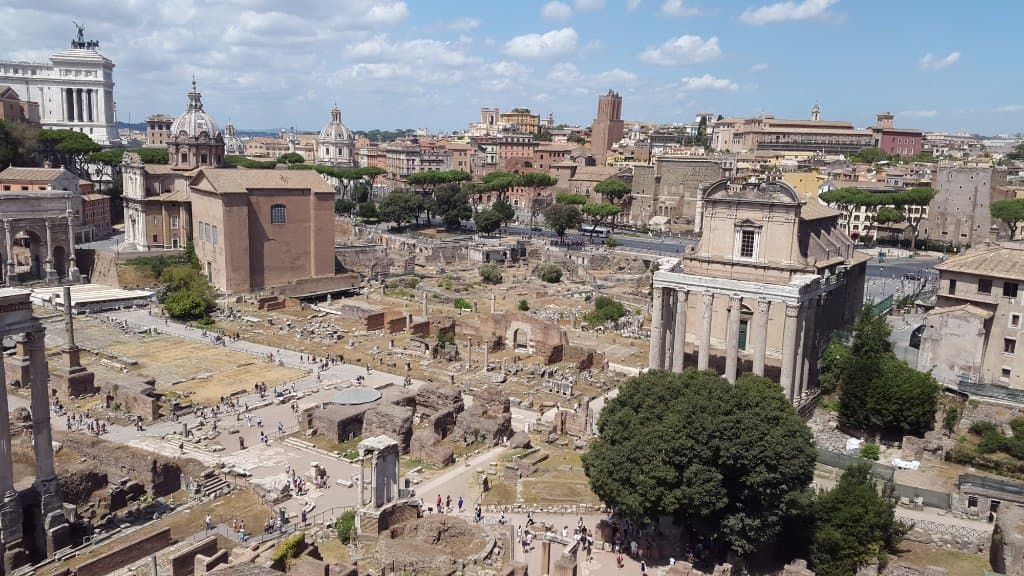
Temple of Caesar
Historic remains in the Roman Forum marking Julius Caesar's cremation site, a symbol of his deification and legacy.
Highlights
Must-see attractions

Social
From TikTok & Reddit
Best Time
Fewer crowds, better light
Temple of Caesar
Best Time
Fewer crowds, better light
Highlights
Must-see attractions
Historic remains in the Roman Forum marking Julius Caesar's cremation site, a symbol of his deification and legacy.
"A truly moving and memorable experience, perfect for history lovers visiting Rome."
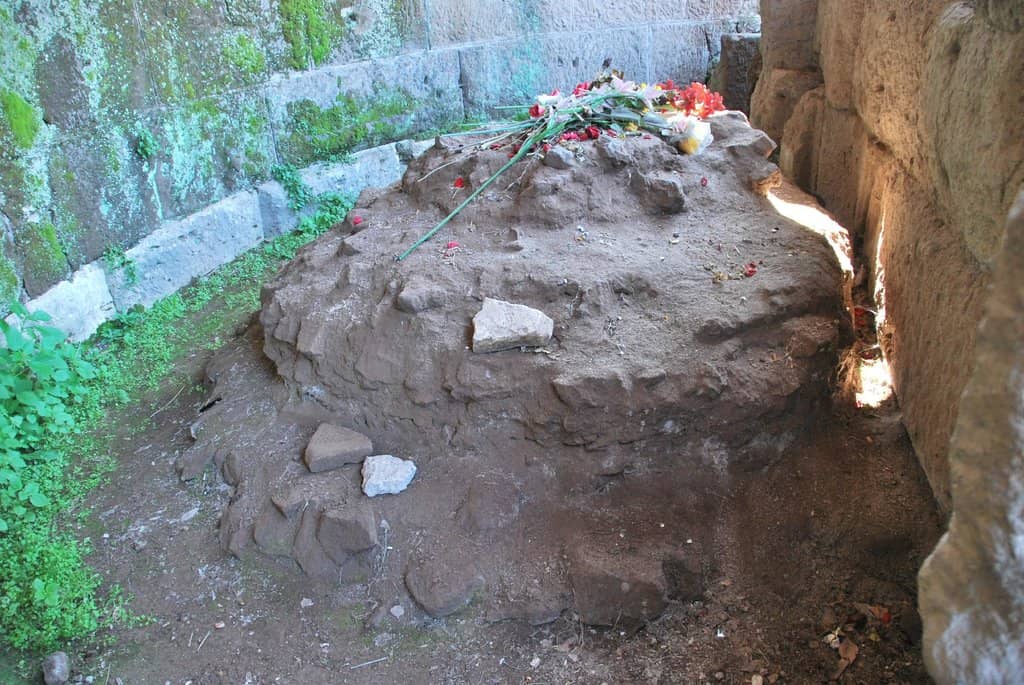
💐 Bring a Flower
Leave a small token of remembrance at Caesar's cremation site, a touching tradition.
🚶♂️ Explore the Forum
The Temple is part of the larger Roman Forum; allow ample time to see everything.
Highlights
Discover the most iconic attractions and experiences
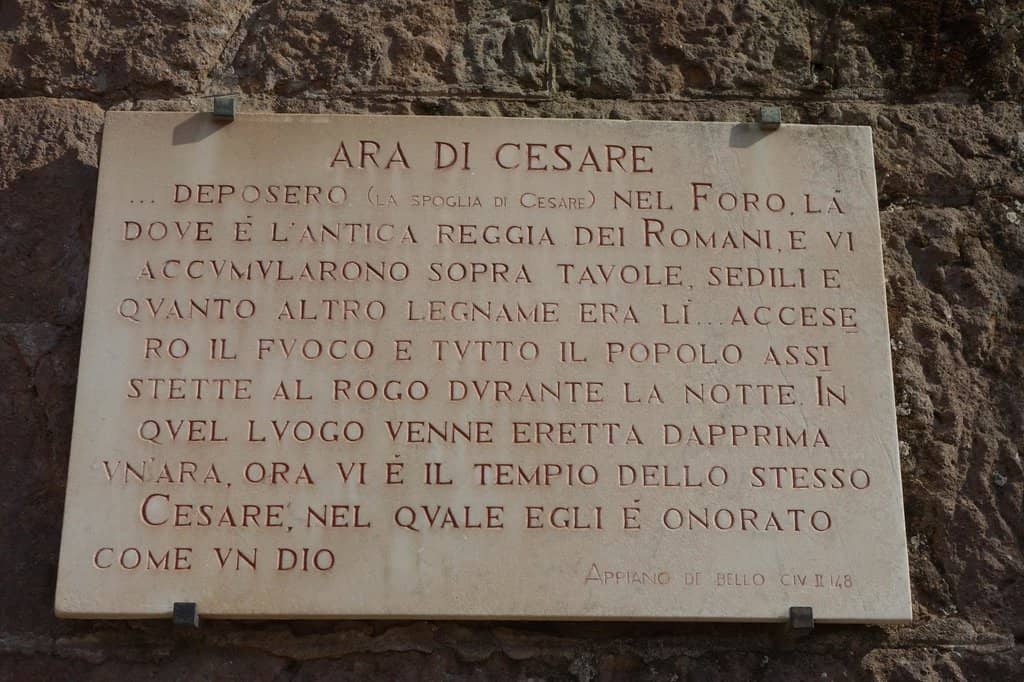
The Cremation Site Altar
Roman Forum
Stand where Julius Caesar's body was cremated, a pivotal moment in Roman history. Feel the echoes of a legend.

Rostra ad Divi Iuli
Temple of Caesar podium
Imagine emperors addressing crowds from this speaker's platform, adorned with ancient naval spoils.

Fresh Flowers of Remembrance
Temple of Caesar podium
Witness the continuous act of remembrance with fresh flowers laid by visitors and locals.
Plans like a pro.
Thinks like you
Planning Your Visit
Timing Your Visit to the Temple of Caesar
Understanding the Temple's Significance
Best Times
Insider Tips
from TikTok, Instagram & Reddit
💐 Bring a Flower
Leave a small token of remembrance at Caesar's cremation site, a touching tradition.
🚶♂️ Explore the Forum
The Temple is part of the larger Roman Forum; allow ample time to see everything.
📚 Learn the History
Understanding Caesar's deification and cremation enhances the visit. +1
📸 Capture the Moment
Mornings offer the best light for photographing the ancient ruins.
Tips
from all over the internet
💐 Bring a Flower
Leave a small token of remembrance at Caesar's cremation site, a touching tradition.
🚶♂️ Explore the Forum
The Temple is part of the larger Roman Forum; allow ample time to see everything.
📚 Learn the History
Understanding Caesar's deification and cremation enhances the visit. +1
📸 Capture the Moment
Mornings offer the best light for photographing the ancient ruins.
What Travellers Say
Reviews Summary
Visitors find the Temple of Caesar a deeply significant and moving site within the Roman Forum, marking the spot of Julius Caesar's cremation. Its historical importance and the continuous act of remembrance with fresh flowers are frequently praised. While the ruins themselves are not as grand as some other Roman landmarks, their connection to a pivotal moment in history makes it a compelling stop for history enthusiasts.
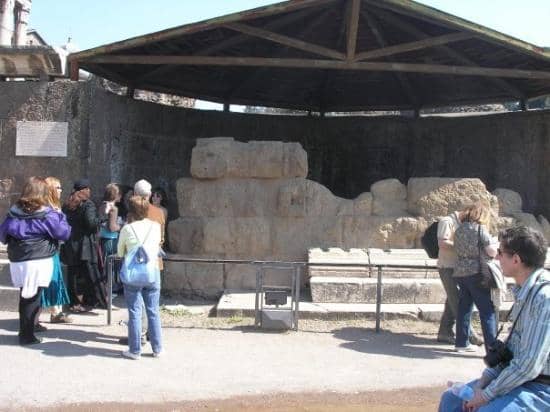
"On the eastern side of the Forum, the Temple of the Deified Julius marks the spot where the crowd burned Caesar’s body after his assassination in 44 BC. The improvised pyre and altar were later formalised by Octavian, who built a temple here and dedicated it in 29 BC, presenting himself as “son of the deified one”. Its high podium doubled as the Rostra ad Divi Iuli, a speaker’s platform once decorated with bronze rams from ships taken at Actium. From here emperors could address the Forum above Caesar’s shrine. Today the surviving podium and semicircular niche still receive fresh flowers, a small but steady act of remembrance."
Loo Yeo
"The Temple of Divus Julius in Rome is a must-see for anyone exploring the Roman Forum.
It marks the location where Julius Caesar was cremated, giving the site deep historical significance.
Walking through the ruins, you feel connected to the power and legacy of ancient Rome.
The area is beautiful, peaceful, and surrounded by incredible architecture.
Visiting in the morning is ideal for lighting and fewer crowds.
This is a truly moving and memorable experience.
Perfect for history lovers and curious travelers visiting Rome."
Misha Smiley
"The site were Julius Cesar was cremated. An incredible place to visit."
Victor Manuel Mendez
What People Like
What People Dislike
Frequently Asked Questions
🚇 🗺️ Getting There
The Temple of Caesar is located within the Roman Forum. The easiest way to reach it is by taking public transport to the Colosseo metro station (Line B) and then walking a short distance to the Forum entrance. Many visitors find it convenient to combine a visit with the Colosseum and Palatine Hill, as they are all part of the same archaeological park.
Yes, the Temple of Caesar is situated in a central area of the Roman Forum, making it relatively easy to find once you are inside the archaeological site. Wear comfortable shoes as you'll be walking on uneven ancient paths.
Upon entering the Roman Forum, follow the main pathways. The Temple of Caesar is located on the eastern side, near the Via Sacra. Look for signs or ask a guide if you're unsure.
Driving directly to the Temple of Caesar is not possible as it's located within the pedestrian-only Roman Forum. Parking in the vicinity can be challenging and expensive. Public transport or taxis are recommended.
Absolutely! Many guided tours of the Roman Forum include a stop at the Temple of Caesar, offering in-depth historical context. Booking a tour can significantly enhance your understanding of the site.
🎫 🎫 Tickets & Entry
Yes, the Temple of Caesar is part of the Roman Forum, and you will need a ticket to enter the archaeological park. Tickets typically cover the Colosseum, Palatine Hill, and the Roman Forum. It's highly recommended to book tickets online in advance to avoid long queues.
The Temple of Caesar follows the opening hours of the Roman Forum. These hours vary seasonally, generally opening around 9:00 AM and closing one hour before sunset. Always check the official website for the most up-to-date information.
The cost is for entry into the Roman Forum, which includes the Temple of Caesar. Prices vary depending on the ticket type (e.g., standard, guided tour, or combined tickets). Expect to pay around €18-€25 for a standard ticket.
Yes, you can absolutely visit the Temple of Caesar independently with a standard entry ticket to the Roman Forum. However, a guide can provide valuable historical context that might be missed otherwise.
The Ides of March (March 15th) is historically significant for Julius Caesar, and while the site is open, it can attract more attention. Weekends and public holidays will generally be busier than weekdays.
🎫 🏛️ Onsite Experience
The most significant feature is the altar marking the exact spot where Julius Caesar's body was cremated. Visitors also find the remains of the podium and the Rostra ad Divi Iuli (speaker's platform) compelling. +1
Comfortable walking shoes are essential as the Roman Forum has uneven terrain. Light, breathable clothing is recommended, especially during warmer months. A hat and sunscreen are also advisable.
While the Temple itself can be viewed relatively quickly, it's part of the vast Roman Forum. To truly appreciate the Temple and its surroundings, allocate at least 2-3 hours for the entire Forum complex.
Restrooms are available within the Roman Forum complex, though they may be limited. It's advisable to use facilities before entering or at designated points within the Forum.
Yes, photography is generally allowed within the Roman Forum, including at the Temple of Caesar. However, tripods and professional photography equipment may require special permits.
📸 📸 Photography
Early morning offers the best natural light for photography, with softer shadows and fewer people. Late afternoon, during the golden hour, also provides beautiful warm light. +1
Focus on the remaining podium structure, the semicircular niche where flowers are placed, and the overall context within the sprawling Roman Forum. Capturing the scale against the sky can be dramatic.
Standard photography is permitted. However, drones, tripods, and professional shoots might require advance authorization. Always respect signage and any instructions from site staff.
Wide-angle shots to capture the scale of the ruins within the Forum are effective. Close-ups of the altar and the flower offerings can add a personal touch. Consider capturing the interplay of light and shadow on the ancient stones.
Selfie sticks are generally permitted, but it's always wise to be mindful of other visitors and avoid obstructing pathways or historical artifacts.
For Different Travelers
Tailored advice for your travel style
👨👩👧 Families with Kids
Make it interactive by encouraging them to imagine what life was like in ancient Rome. The Roman Forum is a large open space, so kids have room to move, but ensure they stay on designated paths. Consider bringing a simple map or a children's guide to the Forum to make the exploration more structured and fun.
🏛️ History Buffs & Enthusiasts
Pay close attention to the architectural remnants and the historical context provided by signage or a knowledgeable guide. The fact that it was built on the cremation site and served as a speaker's platform offers layers of historical significance that are fascinating to explore.
📸 Photographers
Experiment with different angles to convey the scale and age of the structures. Focus on details like the altar, the podium, and the textures of the ancient stones. The contrast between the weathered ruins and the vibrant Roman sky can create stunning images. Remember to be respectful of the site and other visitors while composing your shots.
Deep Dives
In-depth insights and expert knowledge
The History and Significance of the Temple of Caesar
The temple's high podium served a dual purpose, also functioning as the Rostra ad Divi Iuli, a speaker's platform. This platform was famously decorated with bronze rams from ships captured at the Battle of Actium, a testament to Augustus's military victories. From this elevated position, emperors could address the citizens gathered in the Forum below, reinforcing their authority and connection to Caesar's legacy. Today, the surviving podium and its semicircular niche continue to be a focal point, often adorned with fresh flowers, symbolizing a continuous act of remembrance and respect for the deified leader.
Visiting the Temple of Caesar offers a tangible link to the dramatic events that shaped the Roman Republic into the Roman Empire. It's a place where political ambition, public sentiment, and historical destiny converged. The site's enduring presence in the Roman Forum invites contemplation on power, legacy, and the enduring impact of individuals on the course of history.
Experiencing the Roman Forum and the Temple of Caesar
Many visitors find that arriving early in the morning enhances the experience. The soft morning light casts a beautiful glow on the ancient stones, and the relative quiet allows for a more personal connection with the history. It's also an ideal time for photography, capturing the grandeur of the ruins without the midday crowds.
Remember that the Forum is a vast area with uneven terrain. Comfortable footwear is non-negotiable. Consider bringing water, especially during warmer months, and a hat for sun protection. While the Temple of Caesar is a highlight, don't overlook other significant structures like the Arch of Titus, the Basilica of Maxentius, and the Curia Julia (Senate House), which is nearby and where Caesar himself initiated its construction.
Social
from TikTok, Instagram & Reddit