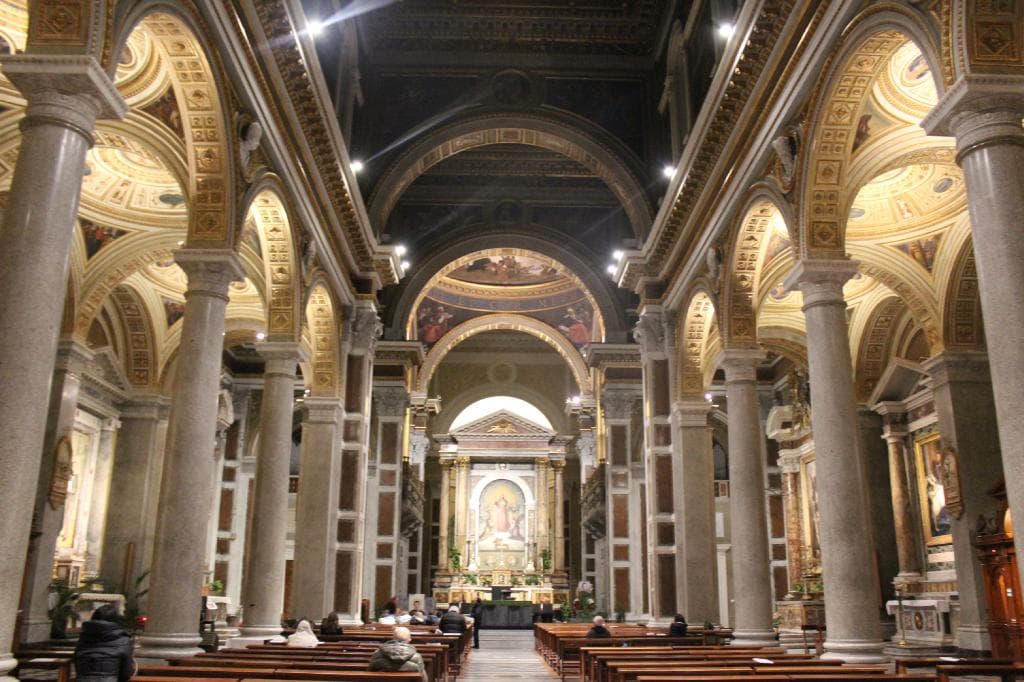
Sacred Heart of Jesus Church
A Neo-Renaissance basilica in Rome, famed for its breathtaking ceiling fresco and deep ties to Saint John Bosco.
Highlights
Must-see attractions

Social
From TikTok & Reddit
Best Time
Fewer crowds, more peaceful
Sacred Heart of Jesus Church
Best Time
Fewer crowds, more peaceful
Highlights
Must-see attractions
A Neo-Renaissance basilica in Rome, famed for its breathtaking ceiling fresco and deep ties to Saint John Bosco.
"A Baroque masterpiece with a ceiling that will leave you speechless!"
📸 Capture the Ceiling Art
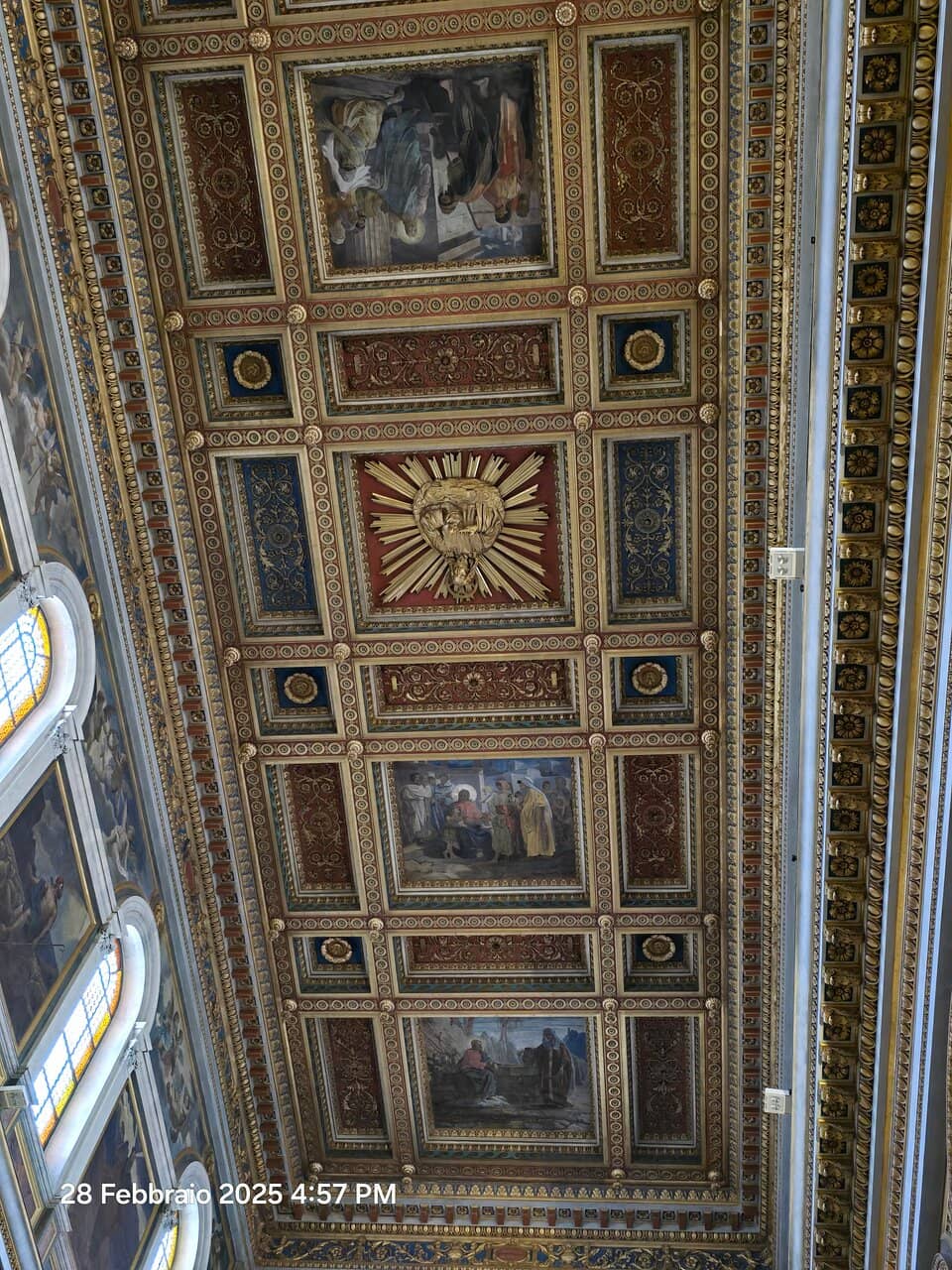
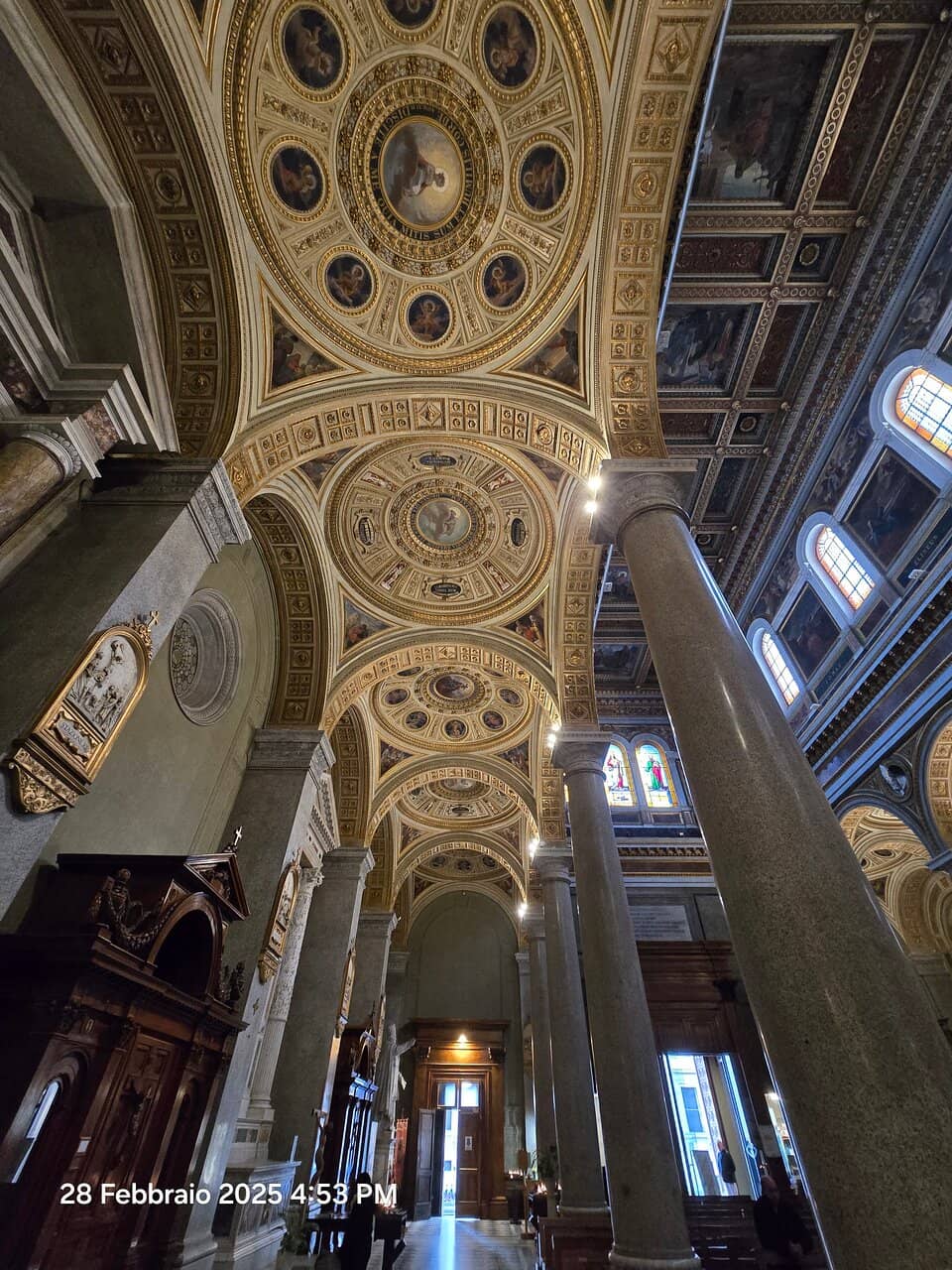
Don't miss the breathtaking ceiling fresco, 'The Triumph of the Name of Jesus,' which appears almost 3D!
🙏 Reflect in Don Bosco's Room
Visit the room where Saint John Bosco passed away for a moment of quiet contemplation.
Highlights
Discover the most iconic attractions and experiences
The Sacred Heart Altar
Main Altar
The focal point, featuring a central painting or sculpture of Christ revealing His Sacred Heart, symbolizing divine mercy.
Don Bosco's Room
Adjoining Salesian Complex
The preserved room where Saint John Bosco died, a place for remembrance and reflection on his life and faith.
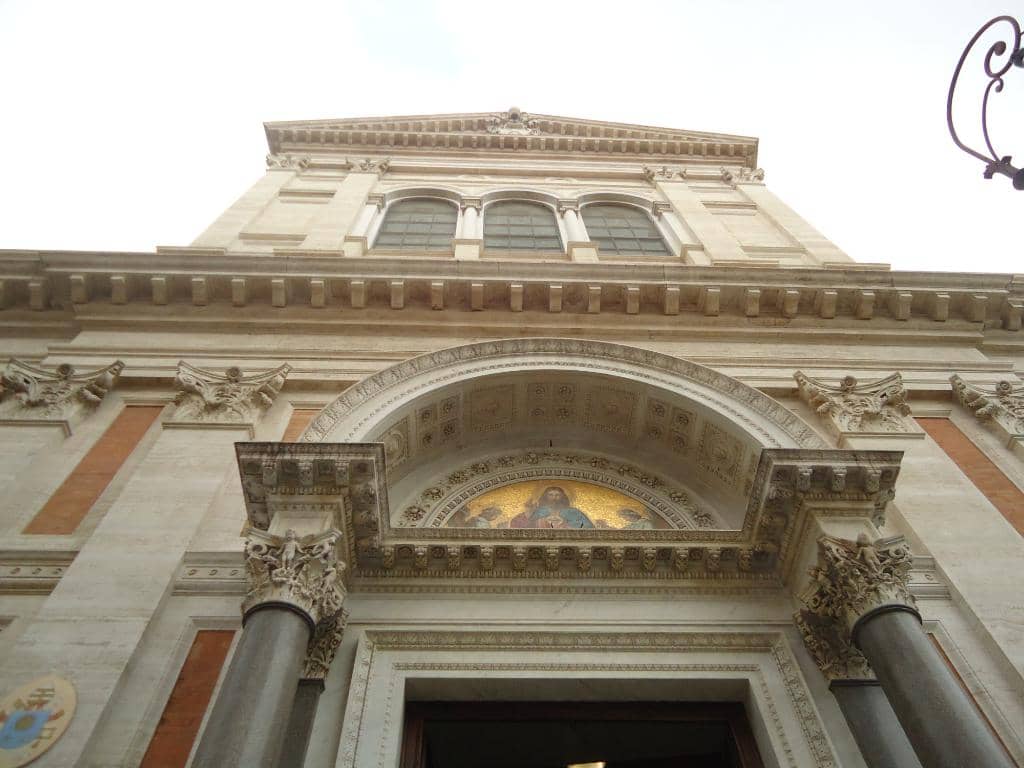
Neo-Renaissance Facade
Exterior
Striking contrast of white travertine and red brick, a hallmark of late 19th-century Roman church architecture.
Christ the Redeemer Statue
Bell Tower
A colossal gilded bronze statue crowning the bell tower, visible from afar and a prominent landmark.
Plans like a pro.
Thinks like you
Planning Your Visit
Timing Your Visit for Tranquility
Understanding the Sacred Heart's Significance
Best Times
Insider Tips
from TikTok, Instagram & Reddit
📸 Capture the Ceiling Art
Don't miss the breathtaking ceiling fresco, 'The Triumph of the Name of Jesus,' which appears almost 3D! +1
🙏 Reflect in Don Bosco's Room
Visit the room where Saint John Bosco passed away for a moment of quiet contemplation.
🚶 Explore the Historic Center
The church is a great stop while exploring Rome's historic center.
✨ Admire Baroque Details
Immerse yourself in the stunning Baroque art and architecture within the church. +1
Tips
from all over the internet
📸 Capture the Ceiling Art
Don't miss the breathtaking ceiling fresco, 'The Triumph of the Name of Jesus,' which appears almost 3D! +1
🙏 Reflect in Don Bosco's Room
Visit the room where Saint John Bosco passed away for a moment of quiet contemplation.
🚶 Explore the Historic Center
The church is a great stop while exploring Rome's historic center.
✨ Admire Baroque Details
Immerse yourself in the stunning Baroque art and architecture within the church. +1
What Travellers Say
Reviews Summary
Visitors praise the Sacred Heart of Jesus Church for its stunning Neo-Renaissance architecture and the breathtaking ceiling fresco, often described as a masterpiece. Its deep connection to Saint John Bosco and its role as a spiritual center for the Sacred Heart devotion are also highly valued. Some find the proximity to Roma Termini convenient, though the area can be busy.
"This church is an important monument linked to the history of Rome after its unification and the work of Saint John Bosco (Don Bosco).
The facade is designed in the Neo-Renaissance style, noticeable by the use of white travertine contrasting with red brick/terracotta. This is typical of Roman church architecture of the late 19th century.
The tall bell tower (built later, completed in 1931) captivates the eye, crowned by a gilded statue of Christ the Redeemer, making the Basilica a prominent dominant feature in the area.
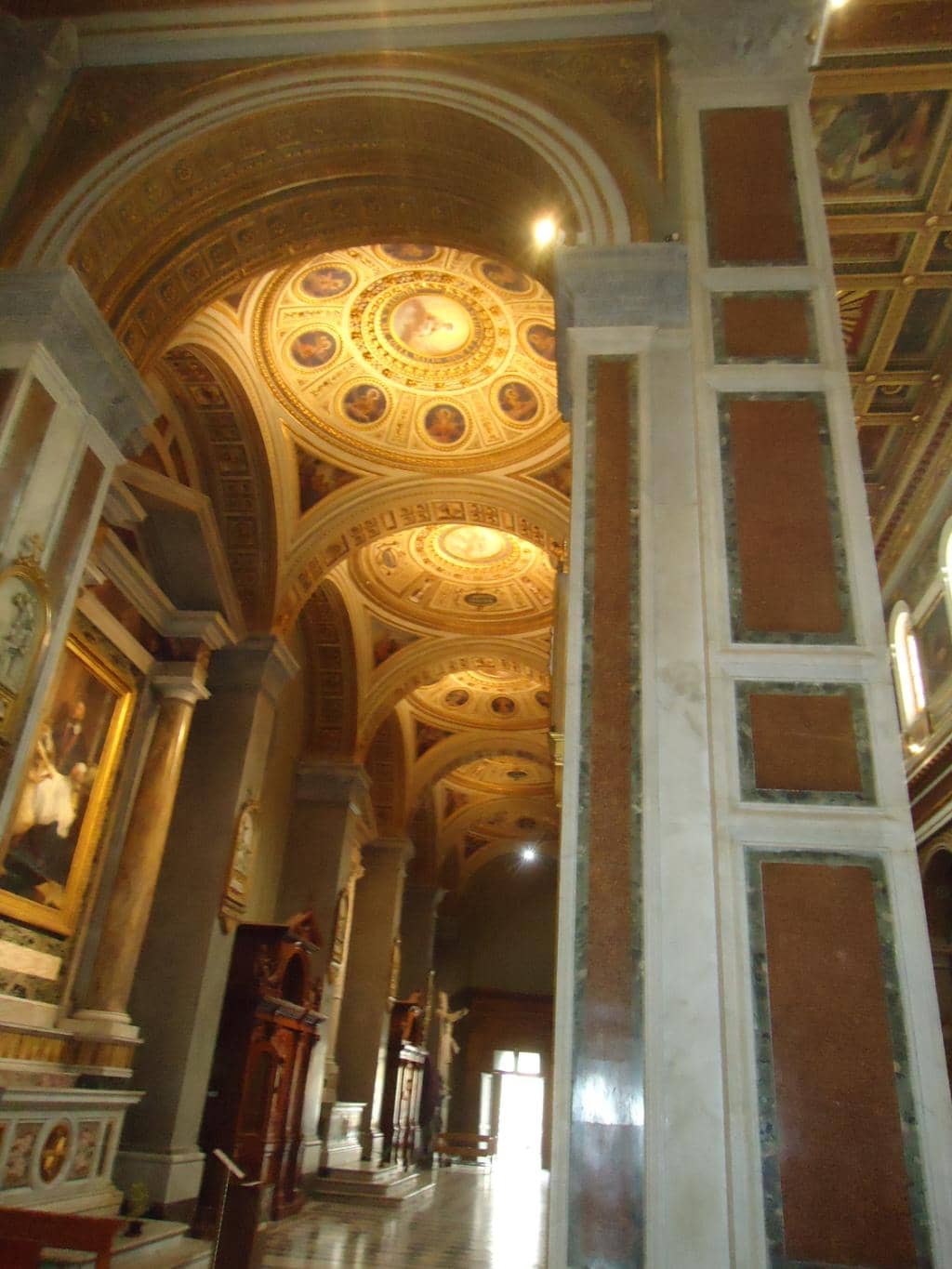
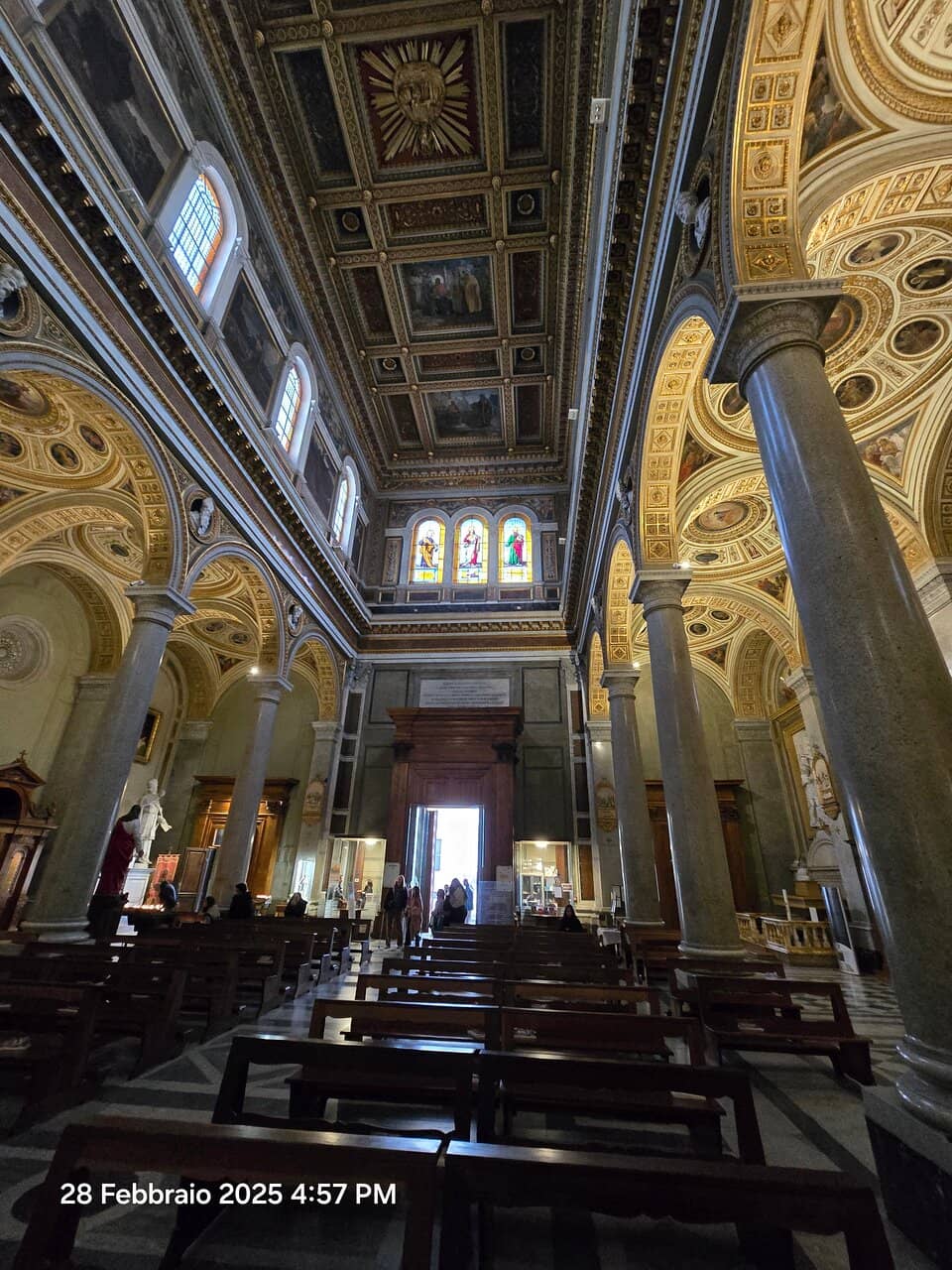
The interior is striking in its rich decoration, characteristic of the Neo-Renaissance and late Baroque styles.
The main feature of the church is the altar, decorated with columns and framing a central painting or sculpture of the Sacred Heart of Jesus.
The Basilica of the Sacred Heart of Jesus in Castro Pretorio is an impressive example of the rich, late-historical style of Roman church architecture, built with the active participation of Saint Don Bosco."
Witold Drutel
"The Basilica of the Sacred Heart of Jesus (Basilica del Sacro Cuore di Gesù) in Rome is an important church closely connected with Saint John Bosco (Don Bosco) and the Salesian Congregation. It is located near Roma Termini, in the area of Castro Pretorio, and stands as a spiritual centre dedicated to devotion to the Sacred Heart of Jesus and to Salesian missionary activity.
The basilica was commissioned by Pope Leo XIII, who entrusted its construction to Don Bosco in 1880. Although Don Bosco was initially hesitant because of financial difficulties, he accepted the task out of obedience and faith. The building project became one of the last and most demanding missions of his life. Don Bosco worked tirelessly to raise funds, often recounting miraculous help attributed to the Sacred Heart. He celebrated Mass in the unfinished church in 1887, and the following year, in 1888, he died in the Salesian residence attached to the basilica, making the site deeply significant in Salesian history.
Architecturally, the basilica reflects a neo-Renaissance style, with a spacious interior and a strong sense of harmony and light. The church was designed not merely as a parish basilica but as a centre of prayer, education, and missionary outreach. Its wide nave and elevated sanctuary draw attention to the central mystery of Christ’s love symbolised in the Sacred Heart.
The main altar is dedicated to the Sacred Heart of Jesus and serves as the theological and devotional focus of the basilica. Above the altar is a prominent image of Christ revealing His Heart, emphasising themes of divine mercy, compassion, and redemption. This altar reflects Pope Leo XIII’s strong promotion of devotion to the Sacred Heart, culminating in his consecration of the world to the Sacred Heart in 1899.
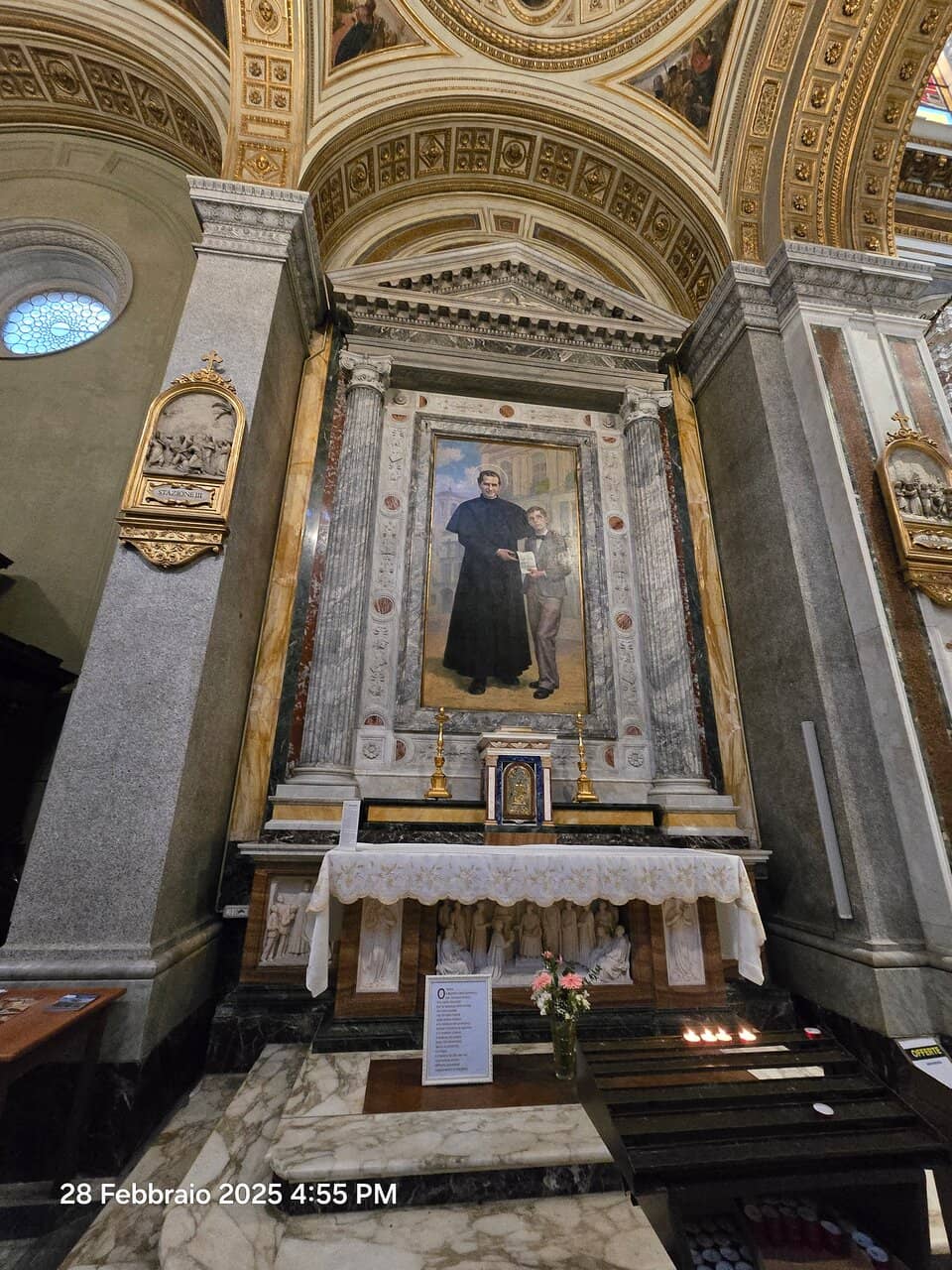
Several side altars are dedicated to saints closely associated with the Salesian family and the wider Church. Among them, the altar of Saint John Bosco holds special importance. It highlights his role as educator of youth, founder of the Salesians, and apostle of trust in divine providence. Other altars are dedicated to Mary Help of Christians, a title deeply loved by Don Bosco, as well as to Saint Joseph, reflecting themes of obedience, care, and vocational fidelity.
The basilica contains a number of paintings and decorative artworks that emphasise Christological and pastoral themes. These works are not overly ornate but are catechetical in nature, focusing on Christ’s love, the dignity of the human person, and the mission of the Church. The artistic programme reflects Don Bosco’s spirituality, which combined deep faith with simplicity and accessibility, especially for young people.
A particularly significant place connected with Don Bosco is the small room where he died, located in the adjoining Salesian complex. This room has been preserved as a place of remembrance and prayer. Pilgrims often visit it to reflect on Don Bosco’s life, his sufferings in his final days, and his unwavering trust in God. It stands as a silent testimony to his holiness and dedication to the Church.
Another notable feature of the basilica is its strong missionary character. From this centre, the Salesians promoted missionary work across the world, especially among the poor and the young. The basilica thus represents not only a place of worship but also a launching point for pastoral and educational initiatives inspired by the Salesian charism.
In summary, the Basilica of the Sacred Heart of Jesus in Rome is distinguished by its devotion to the Sacred Heart, its deep connection with Don Bosco, its meaningful altars and artworks, and its enduring Salesian missionary spirit. It stands as both a historical monument and a living place of faith, prayer, and service within the heart of the Church in Rome."
Aakash Joseph Keeranchira
"Nestled on Via Marsala in Castro Pretorio the Basilica Del Sacro Cuore di Gesu stands as a beacon of serene beauty and spiritual grace in the heart of Rome. Its elegant architecture invites contemplation, offering a peaceful sanctuary amidst the city's vibrant energy. Within its walls, a sense of tranquility prevails, encouraging reflection and connection. Whether you are drawn by its artistic splendor or seeking a moment of quietude, the Basilica Del Sacro Cuore di Gesu offers a welcoming embrace and a reminder of the enduring beauty found in faith and art."
Vera Gouveia
What People Like
What People Dislike
Frequently Asked Questions
🚇 🗺️ Getting There
The Sacred Heart of Jesus Church is conveniently located near Roma Termini, Rome's main railway station. You can easily reach it by metro (Line A to Termini) or by bus. Many visitors find it a pleasant walk from the station, making it accessible for day trips.
Yes, the church is very close to Roma Termini, which is a major hub for metro lines, buses, and trains. This makes it incredibly easy to access from anywhere in Rome.
While it's a bit of a walk, it's certainly doable if you enjoy exploring on foot. It's approximately a 30-40 minute walk from the Colosseum, offering a chance to see more of the city.
Many visitors arrive via Roma Termini station. From there, it's a short walk through the Castro Pretorio area. The distinctive bell tower with the Christ the Redeemer statue is a good landmark to guide you.
Parking in this central Rome area can be challenging and expensive. It's highly recommended to use public transportation to reach the church.
🎫 🎫 Tickets & Entry
No, entry to the Sacred Heart of Jesus Church is generally free. It's a functioning place of worship, so donations are appreciated but not required for entry.
The church typically opens in the morning and closes in the early evening. Specific hours can vary, but it's generally open from around 7:30 AM to 12:30 PM and then again from 4:30 PM to 7:30 PM on weekdays. Weekends may have slightly different hours.
As with most churches, it's advisable to dress respectfully. This means covering your shoulders and knees. Avoid overly revealing clothing.
You can visit the church during mass, but it's best to be quiet and respectful of those participating in the service. Check the schedule beforehand if you wish to attend a specific mass.
While not always advertised, sometimes there are special events or guided tours, especially related to Don Bosco or Salesian history. It's worth checking local listings or inquiring at the church if you're interested.
🎫 ⛪ Onsite Experience
The stunning ceiling fresco 'The Triumph of the Name of Jesus' is a highlight. Also, don't miss the main altar dedicated to the Sacred Heart and the room where Saint John Bosco died. +1
Yes, the church is very photogenic, especially the ceiling fresco and the ornate interior. However, be mindful of any 'no photography' signs, particularly during services.
A visit can range from 30 minutes to an hour, depending on your interest in art, history, and quiet contemplation. If you plan to visit Don Bosco's room, allow a little extra time.
The main areas of the church are generally accessible. However, some older structures might have limited accessibility for certain areas. It's best to inquire directly if you have specific concerns.
The Sacred Heart devotion emphasizes Christ's divine love for humanity, often depicted with His heart exposed. This basilica is a major center for this devotion, promoted by Pope Leo XIII.
🍽️ 🍽️ Food & Dining
There are no dining facilities within the church itself. However, being close to Roma Termini and the city center, you'll find numerous restaurants, cafes, and trattorias in the surrounding area offering a wide range of Italian cuisine.
You can find everything from quick pizza slices and panini to traditional Roman pasta dishes and more formal dining experiences. The area around Termini offers diverse options to suit all tastes and budgets.
Absolutely! The vicinity of Roma Termini is packed with cafes and bakeries perfect for a quick coffee and pastry, or a grab-and-go sandwich.
While specific recommendations can change, exploring the streets around Via Marsala and towards Piazza della Repubblica will reveal many local eateries. Look for places with good reviews and a lively atmosphere.
Prices can vary. Restaurants closer to major tourist hubs like Termini might be slightly more expensive, but you can also find more affordable options by venturing a few blocks away.
📸 📸 Photography
The ceiling fresco is a must-capture. Also, try to get shots of the main altar, the side altars, and the overall grandeur of the nave. The light filtering through the dome can also create beautiful effects. +1
Tripods are often restricted in churches to avoid obstruction and potential damage. It's best to check signage or ask church staff before setting one up. Handheld shots are usually permitted.
Weekday mornings or late afternoons can offer softer light and fewer people, making for better photos. The natural light inside can be quite dramatic.
Yes, the Neo-Renaissance facade is quite striking, especially with the bell tower. The statue of Christ the Redeemer on top is also a great subject.
You'll likely need to use a higher ISO due to lower light conditions. A wide-angle lens is helpful for capturing the scale of the interior and ceiling. Consider shooting in RAW for better post-processing.
For Different Travelers
Tailored advice for your travel style
👨👩👧 Families with Kids
Given its proximity to Roma Termini, it's an accessible stop for families exploring Rome. While the church is a place of worship, its visual splendor can hold the attention of younger visitors for a short period. Consider a brief visit to appreciate the art and then move on to other family-friendly attractions in the city.
🙏 Devout Pilgrims
Pilgrims can visit the preserved room where Don Bosco died, offering a profound opportunity for reflection and prayer. The main altar, dedicated to the Sacred Heart, is a focal point for devotion, emphasizing Christ's divine love and mercy. The church's history and its association with a beloved saint make it a meaningful destination for those seeking spiritual connection.
🏛️ Art & History Enthusiasts
Inside, the church is a masterpiece of late Baroque and Neo-Renaissance art, most notably the astonishing ceiling fresco by Gaulli. The historical context, tied to Pope Leo XIII and Saint John Bosco, adds another layer of interest. Exploring the altars dedicated to various saints and understanding the catechetical purpose of the artworks provides a rich historical and artistic experience.
Deep Dives
In-depth insights and expert knowledge
The Legacy of Saint John Bosco
Don Bosco's spirituality, characterized by deep faith, simplicity, and accessibility, is reflected in the church's artistic program. The artworks are designed to be catechetical, focusing on Christ's love and the dignity of the human person, particularly for young people. His room, preserved in the adjoining complex, serves as a place of remembrance and prayer, allowing pilgrims to connect with his life and unwavering trust in God.
The basilica also embodies Don Bosco's missionary spirit. It served as a hub for promoting Salesian missionary work globally, especially among the poor and youth. Thus, the church stands not only as a place of worship but as a testament to a life dedicated to faith, education, and service, inspired by the charism of the Salesians.
Architectural Grandeur and Artistic Masterpieces
Inside, the church boasts a spacious interior with three naves divided by granite columns, leading to a transept dome. The decoration is rich, blending Neo-Renaissance and late Baroque elements. A key artistic highlight is the breathtaking ceiling fresco by Giovan Battista Gaulli, titled 'The Triumph of the Name of Jesus.' This masterpiece is renowned for its illusionistic depth, making the figures appear to fly and creating an almost 3D effect that leaves visitors speechless.
The main altar is dedicated to the Sacred Heart of Jesus, featuring a central painting or sculpture that emphasizes themes of divine mercy and compassion. Side altars honor saints connected to the Salesian family, such as Saint John Bosco and Mary Help of Christians. These artworks are not merely decorative but serve a catechetical purpose, reinforcing the church's core messages of faith and love.
Social
from TikTok, Instagram & Reddit