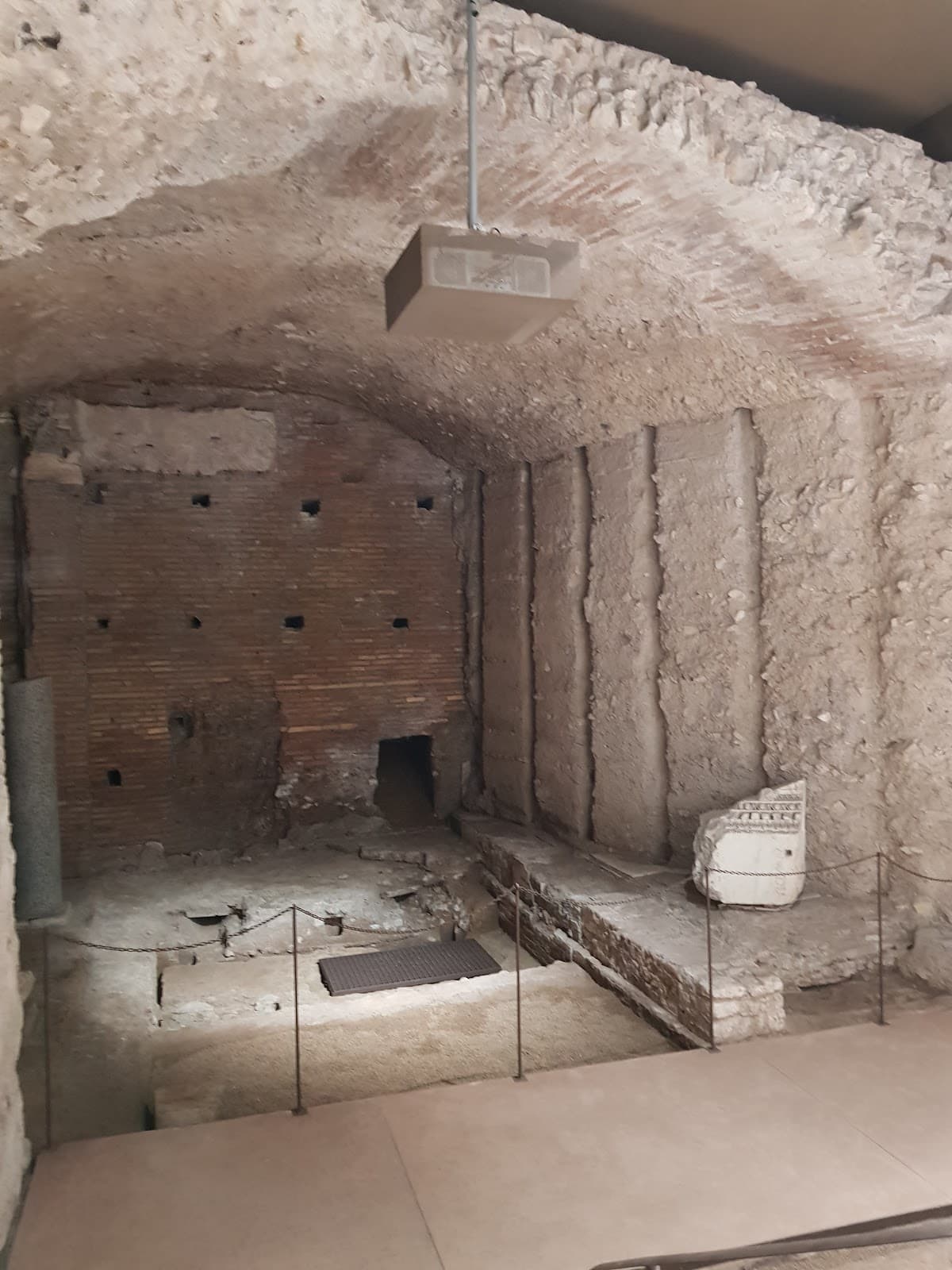
Domus Transitoria
Explore Nero's opulent 'house of passage' beneath Rome, brought to life with VR. A hidden gem of ancient luxury.
Highlights
Must-see attractions

Social
From TikTok & Reddit
Best Time
Limited access, best for full experience
Domus Transitoria
Best Time
Limited access, best for full experience
Highlights
Must-see attractions
Explore Nero's opulent 'house of passage' beneath Rome, brought to life with VR. A hidden gem of ancient luxury.
"An incredible experience that few people know about yet, but absolutely worth a visit!! "
🎟️ Book SUPER Ticket
Essential for entry; includes Roman Forum & Palatine Hill. Book ahead for guided tours!
🎧 VR Headsets Provided
Immerse yourself in Nero's world with provided VR for a vivid reconstruction.
Highlights
Discover the most iconic attractions and experiences
Virtual Reality Reconstruction
Palatine Hill
Step back in time with VR, visualizing Nero's opulent 'house of passage' before the Domus Aurea.
Exquisite Mosaics and Frescoes
Subterranean levels
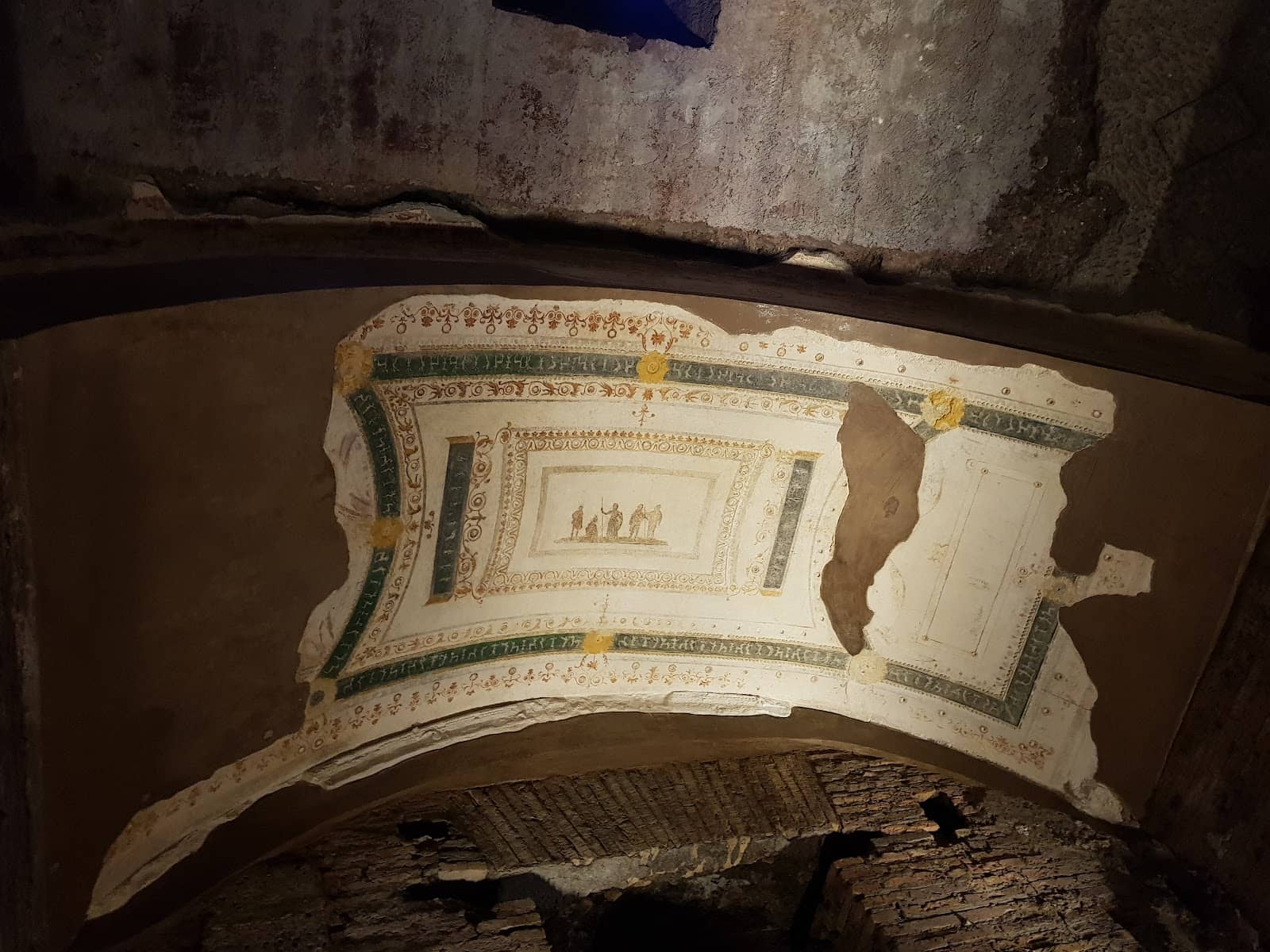
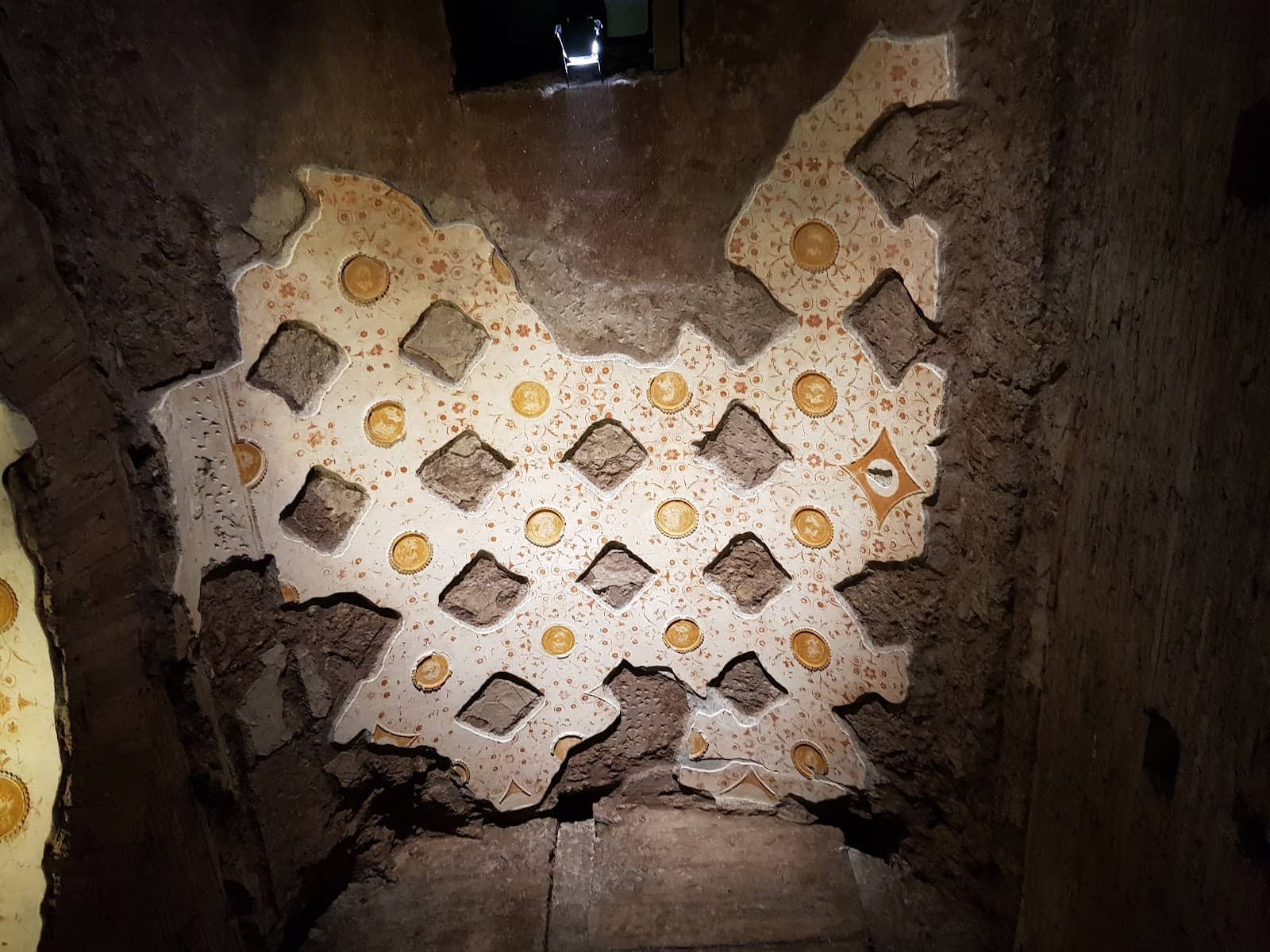
Admire the surviving fragments of colored marble, stucco, and intricate mosaics that adorned Nero's first palace.
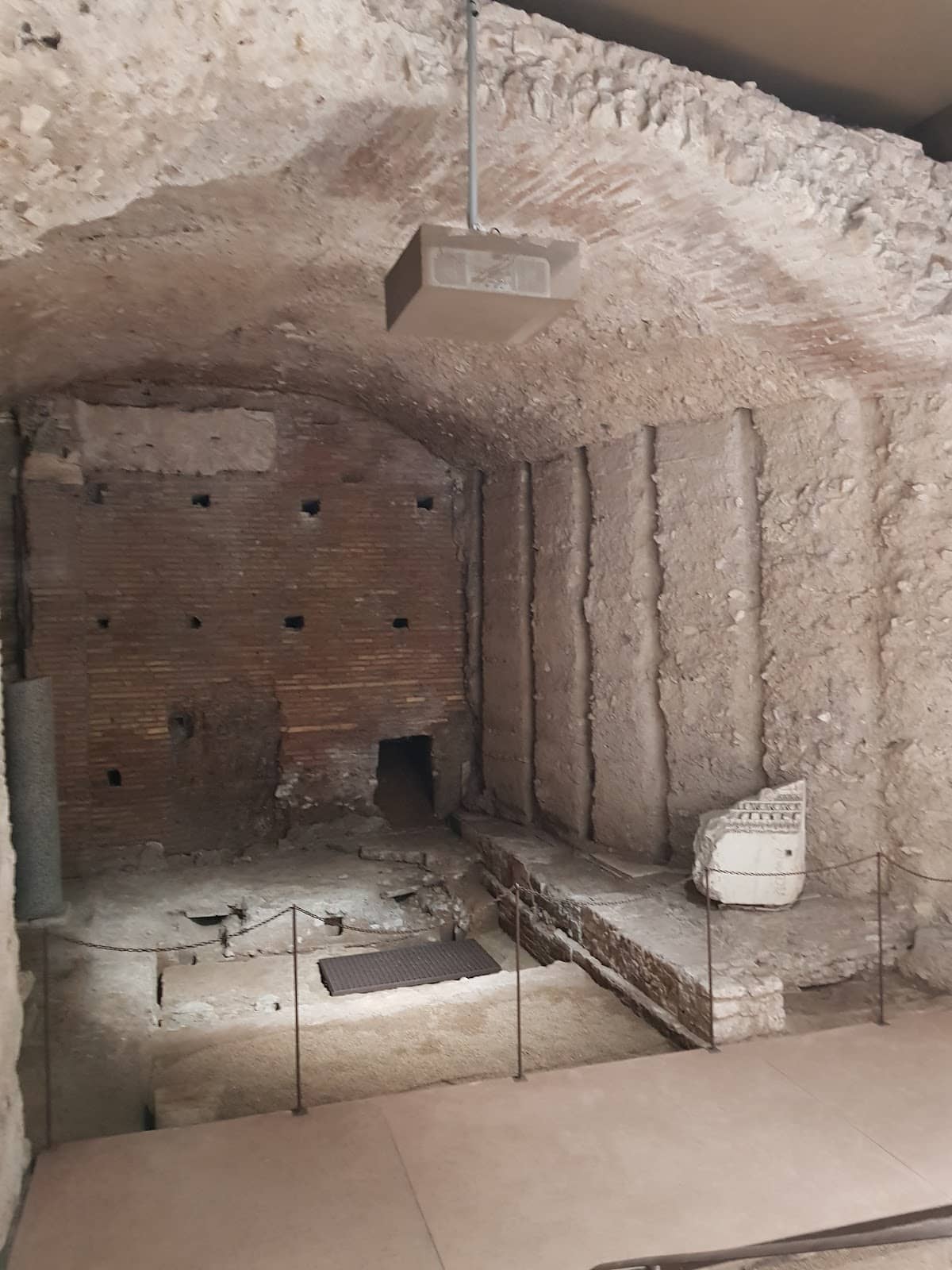
Subterranean Atmosphere
Underground chambers
Experience the mysterious and intimate ambiance of this ancient imperial residence, a hidden gem beneath Rome.
Plans like a pro.
Thinks like you
Planning Your Visit
Access & Tickets
Immersive Experience
Best Times
Insider Tips
from TikTok, Instagram & Reddit
🎟️ Book SUPER Ticket
Essential for entry; includes Roman Forum & Palatine Hill. Book ahead for guided tours!
🎧 VR Headsets Provided
Immerse yourself in Nero's world with provided VR for a vivid reconstruction.
🚶♀️ Wear Comfortable Shoes
You'll be exploring underground chambers and uneven terrain. :athletic_shoe:
🗺️ Locate Carefully
It's a bit hidden near the Palatine Museum; ask for directions if needed.
Tips
from all over the internet
🎟️ Book SUPER Ticket
Essential for entry; includes Roman Forum & Palatine Hill. Book ahead for guided tours!
🎧 VR Headsets Provided
Immerse yourself in Nero's world with provided VR for a vivid reconstruction.
🚶♀️ Wear Comfortable Shoes
You'll be exploring underground chambers and uneven terrain. :athletic_shoe:
🗺️ Locate Carefully
It's a bit hidden near the Palatine Museum; ask for directions if needed.
⏳ Allow Ample Time
Don't rush; the VR and guided tour offer deep historical context.
What Travellers Say
Reviews Summary
Visitors praise the Domus Transitoria for its unique, immersive experience, particularly the VR reconstructions and the atmospheric subterranean setting. It's considered a hidden gem offering a fascinating glimpse into Nero's early palace, though some find it a bit challenging to locate and note that access is limited to specific ticket types and times.
"Entry is part of the SUPER ticket for the Forum Romanum and Palatine hill. This part has just opened to the public and been added to the SUPER ticket in the past couple months. Kind of hard to find on the map they give you at the ticket booth, but right next to the Palatine Museum. Has a very nice virtual reality portion, recreating what a portion of Nero's first palace was like."
Aurelia Smith
"The Domus Transitoria was the first imperial residence built by Nero before the famous Domus Aurea. Located on the Palatine Hill, it connected the various imperial residences between the Palatine and the Esquiline hills, hence its name, which literally means "house of passage."
Built before the Great Fire of Rome in 64 AD, the Domus Transitoria was a sumptuous palace, richly decorated with colored marble, stucco, exquisite mosaics, and exquisite architectural elements. Unfortunately, it was largely destroyed in the fire, prompting Nero to build the even more extravagant Domus Aurea.
Today, part of the site is accessible to visitors thanks to recent excavations and restorations. The space is equipped with multimedia devices that allow visitors to better visualize the splendors of the original residence. The subterranean and mysterious atmosphere of the place adds to the experience. A fascinating and immersive visit, less well-known than the Domus Aurea but just as interesting. Here, you'll discover the extreme luxury desired by Nero and the ingenuity of Roman architects. A hidden gem not to be missed when visiting the Palatine."
Tom Emma
"The Domus Transitoria was Nero's first palace on the Palatine Hill—a true jewel of architecture and splendor. Although only fragments of corridors, halls, and ornamentation remain today, one can admire the beautiful mosaics, wall paintings, and remnants of the fountains and pools that created a refined space for the emperor's daily life. This complex connected the Palatine Hill with the Esquiline Hill and was a foretaste of the later Domus Aurea."
Maciej
What People Like
What People Dislike
Frequently Asked Questions
🚇 🗺️ Getting There
The Domus Transitoria is located on the Palatine Hill in Rome. It's best accessed as part of a visit to the Roman Forum and Palatine Hill. You can reach the Palatine Hill entrance via public transport to the Colosseo metro station (Line B) and then walking.
It can be a bit tricky to locate. It's situated near the Palatine Museum. Visitors recommend asking for directions at the ticket booth or museum if you're unsure.
The most convenient public transport option is the Metro Line B to the 'Colosseo' station. From there, it's a short walk to the entrances of the Roman Forum and Palatine Hill.
There are no direct parking facilities at the Domus Transitoria itself. Paid parking garages are available in the vicinity of the Colosseum and Roman Forum area, but walking from public transport is often easier. :car:
Yes, you can take a taxi to the general area of the Roman Forum and Palatine Hill. The driver will likely drop you off at a designated point near the entrances.
🎫 🎫 Tickets & Entry
You need the 'SUPER' ticket for the Roman Forum and Palatine Hill, which now includes access to the Domus Transitoria. It's highly recommended to book this ticket online in advance, especially if you want to join a guided tour.
The Domus Transitoria is included in the 'SUPER' ticket for the Roman Forum and Palatine Hill. The price for this combined ticket is typically around €18-€20, but it's best to check the official website for current pricing.
While it might be possible to purchase tickets on the day, it's strongly advised to book online in advance to guarantee entry and avoid disappointment, especially for specific time slots or guided tours.
Yes, guided tours are available and highly recommended as they provide access to areas that might not be accessible otherwise and offer in-depth historical context. Some tours are offered in French and Spanish.
The Domus Transitoria's access is tied to the opening hours of the Roman Forum and Palatine Hill. These typically vary by season, but generally open around 9:00 AM and close in the late afternoon. Check the official website for the most up-to-date hours.
🎫 🏛️ Onsite Experience
You'll explore subterranean chambers of Nero's first palace, featuring remnants of opulent decorations like colored marble, exquisite mosaics, and wall paintings. The experience is enhanced by virtual reality and light projections.
Absolutely! The Domus Transitoria offers an impressive virtual reality experience that helps you visualize the original splendor of Nero's palace, including its grand cupola and decorative elements.
A visit, including the VR experience and guided tour, can take around 1 to 1.5 hours. It's recommended to allocate sufficient time to fully appreciate the historical context and immersive elements.
Due to its subterranean nature and the presence of stairs and uneven surfaces, the Domus Transitoria may present challenges for visitors with significant mobility issues. It's advisable to contact the site directly for specific accessibility information. :wheelchair:
Photography is generally allowed for personal use, but flash photography is usually prohibited to protect the ancient frescoes and mosaics. Always check for specific signage or ask your guide. :camerawithflash:
🍽️ 🍽️ Food & Dining
No, there are no food or dining facilities directly within the Domus Transitoria itself. You'll need to exit the site to find restaurants and cafes. :knifeforkplate:
The area around the Roman Forum and Palatine Hill offers numerous trattorias, pizzerias, and cafes. You can find a wide range of options from quick bites to more formal dining experiences. :pizza:
It's generally not permitted to consume food or drinks inside historical sites like the Domus Transitoria to preserve the artifacts. Water bottles might be allowed, but it's best to check the specific site regulations. :water_wave:
Yes, Rome has a growing number of restaurants offering vegetarian and vegan options. You'll find many places in the Monti district, which is close to the Roman Forum, that cater to these dietary needs. :leafy_green:
Prices can vary significantly. Casual eateries and pizzerias might offer meals for €10-€20 per person, while more formal restaurants could range from €25-€50 or more. :moneybag:
📸 📸 Photography
The VR reconstructions offer unique photo opportunities, as do the preserved mosaics and architectural fragments. The subterranean setting itself provides a dramatic backdrop. :camerawithflash:
No, flash photography is strictly prohibited inside the Domus Transitoria to protect the delicate ancient frescoes and mosaics from damage. :noflashsymbol:
Typically, professional photography equipment and tripods are not allowed for general visitors to avoid disruption and potential damage. Always check the site's specific photography policy. :tripod:
The lighting inside is atmospheric and often dim, designed to preserve the ancient materials. The VR and projection elements add dynamic light sources. :bulb:
Focus on the details of the mosaics and frescoes, and try to capture the scale of the VR reconstructions. The interplay of light and shadow in the underground chambers can also create striking images. :art:
For Different Travelers
Tailored advice for your travel style
👨👩👧 Families with Kids
Tips for families: Ensure children are comfortable with VR headsets. The site involves walking and some uneven surfaces, so sturdy footwear is a must. Consider booking a guided tour that is engaging for younger audiences, if available. The historical context of Nero and his grand palace can spark curiosity, making it a memorable educational outing.
🏛️ History Enthusiasts
Delving into the archaeological significance of this 'house of passage' allows for a deeper appreciation of Roman engineering and the lavish lifestyle of the elite. The comparison with the later, more famous Domus Aurea adds another layer of historical intrigue. The subterranean exploration and the insights gained from the VR reconstructions offer a unique perspective on a less-discussed but equally important part of Roman history.
✨ Couples & Art Lovers
The virtual reality experience adds a touch of modern wonder to the ancient setting, allowing couples to visualize the opulence of Nero's palace side-by-side. It's a chance to step away from the bustling city above and immerse yourselves in a hidden world of Roman luxury and artistry. The site's less crowded nature compared to other major attractions can also contribute to a more personal and intimate visit.
Deep Dives
In-depth insights and expert knowledge
Nero's Palaces: Domus Transitoria vs. Domus Aurea
The Domus Aurea (Golden House), built after the fire, was Nero's legendary palace that sprawled across a vast area of Rome. It was renowned for its immense scale, opulent decorations including gold leaf, precious stones, and rotating dining rooms, and extensive gardens. While the Domus Transitoria offers a more intimate glimpse into Nero's early tastes and architectural ingenuity, the Domus Aurea represented the peak of his imperial excess. Today, parts of both are accessible, offering distinct but equally fascinating insights into the emperor's vision.
Visiting the Domus Transitoria provides a crucial understanding of Nero's architectural evolution. It's a testament to Roman engineering and artistry, offering a more grounded, yet still incredibly luxurious, experience compared to the legendary scale of the Domus Aurea. The subterranean nature of the Domus Transitoria adds a unique, mysterious atmosphere to the visit, allowing visitors to feel like they are uncovering a hidden secret of ancient Rome.
The Immersive Experience: VR and Projections
These immersive elements help visitors visualize the sheer scale and luxury of Nero's first palace, which would otherwise be difficult to comprehend from the remaining structures alone. The projections highlight the original colors of the frescoes and the sheen of the marble, offering a vivid contrast to the current subterranean environment. This approach makes the history tangible and engaging, appealing to a wide range of visitors, from history buffs to those simply seeking a unique Roman experience.
Many visitors find the VR component to be a highlight of their visit, providing a powerful connection to the past. It transforms a collection of ruins into a dynamic, reconstructed environment, making the stories of Emperor Nero and Roman architecture more accessible and memorable.
Archaeological Significance and Preservation
Recent excavations and restorations have made parts of the Domus Transitoria accessible to the public, a process that continues as more of the palace is uncovered. The subterranean nature of the site has, in a way, aided its preservation, protecting it from the elements and subsequent urban development for centuries. This ongoing work allows archaeologists to piece together the history of the palace and the events that led to its partial destruction and eventual burial.
The careful integration of modern technology like VR with the archaeological remains is a key aspect of its presentation. This approach not only enhances the visitor experience but also serves to educate and engage the public with the importance of archaeological heritage. The ongoing efforts to uncover and interpret the Domus Transitoria underscore its value as a window into ancient Roman life and imperial power.
Social
from TikTok, Instagram & Reddit