Curia Julia
The Curia Julia, Rome's ancient Senate house, offers a tangible link to Roman political history with its impressive marble floor.
Highlights
Must-see attractions

Social
From TikTok & Reddit
Best Time
Limited access days
Curia Julia
Best Time
Limited access days
Highlights
Must-see attractions
The Curia Julia, Rome's ancient Senate house, offers a tangible link to Roman political history with its impressive marble floor.
"Walk on the same surface where Roman senators once made their political decisions."
Check Opening Days First
Access is limited, often only Sat, Sun, and Mon. Google the current schedule before your visit! :calendar:
Appreciate the Floor
The interior's highlight is the 3rd-century opus sectile marble floor. Look closely! :gem:
Highlights
Discover the most iconic attractions and experiences
The Senate Floor
Interior
Walk on a 3rd-century AD opus sectile floor of inlaid marble, a stunning geometric masterpiece.
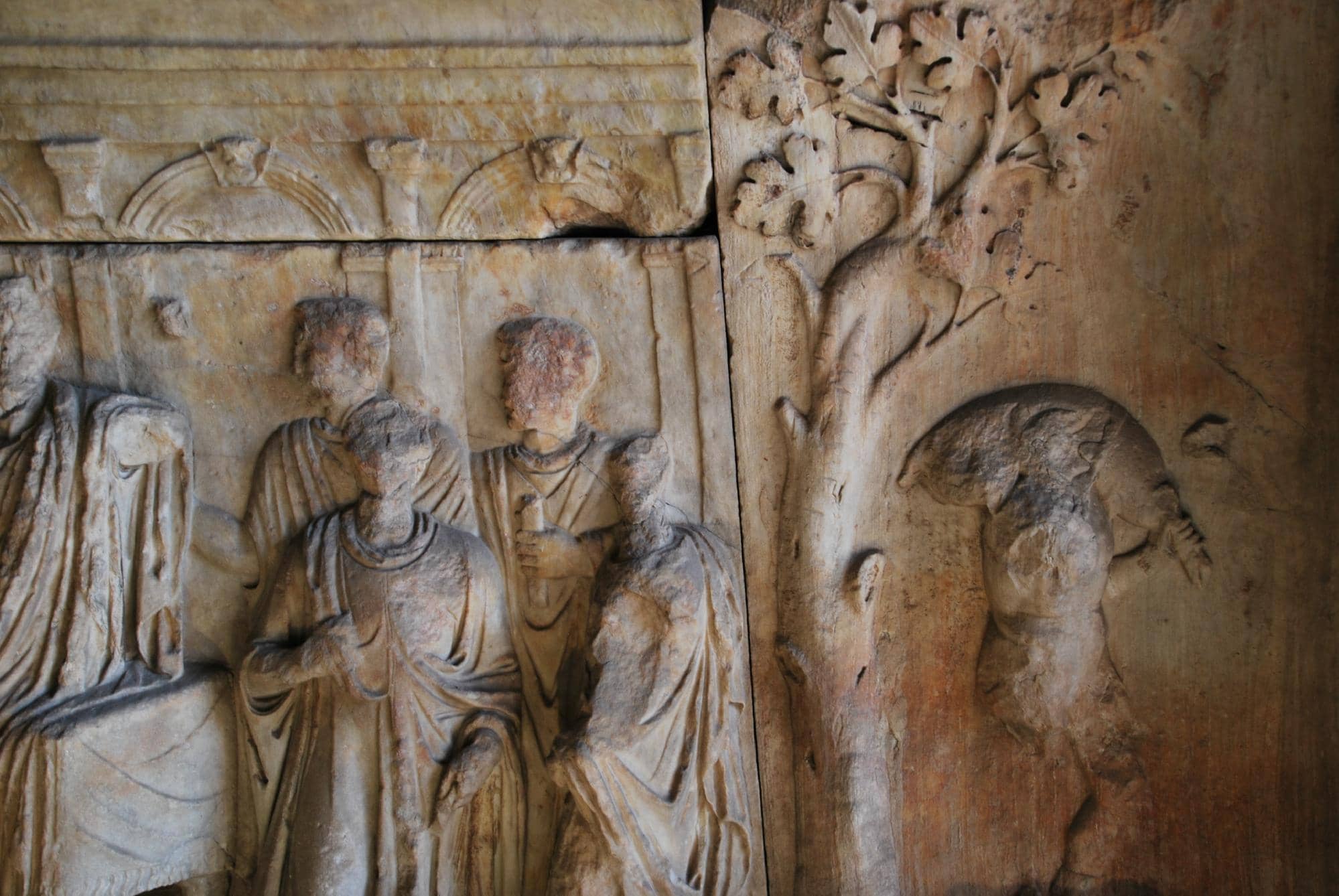
Historical Significance
Exterior
Stand where Roman senators debated war and peace, a symbol of ancient political power.
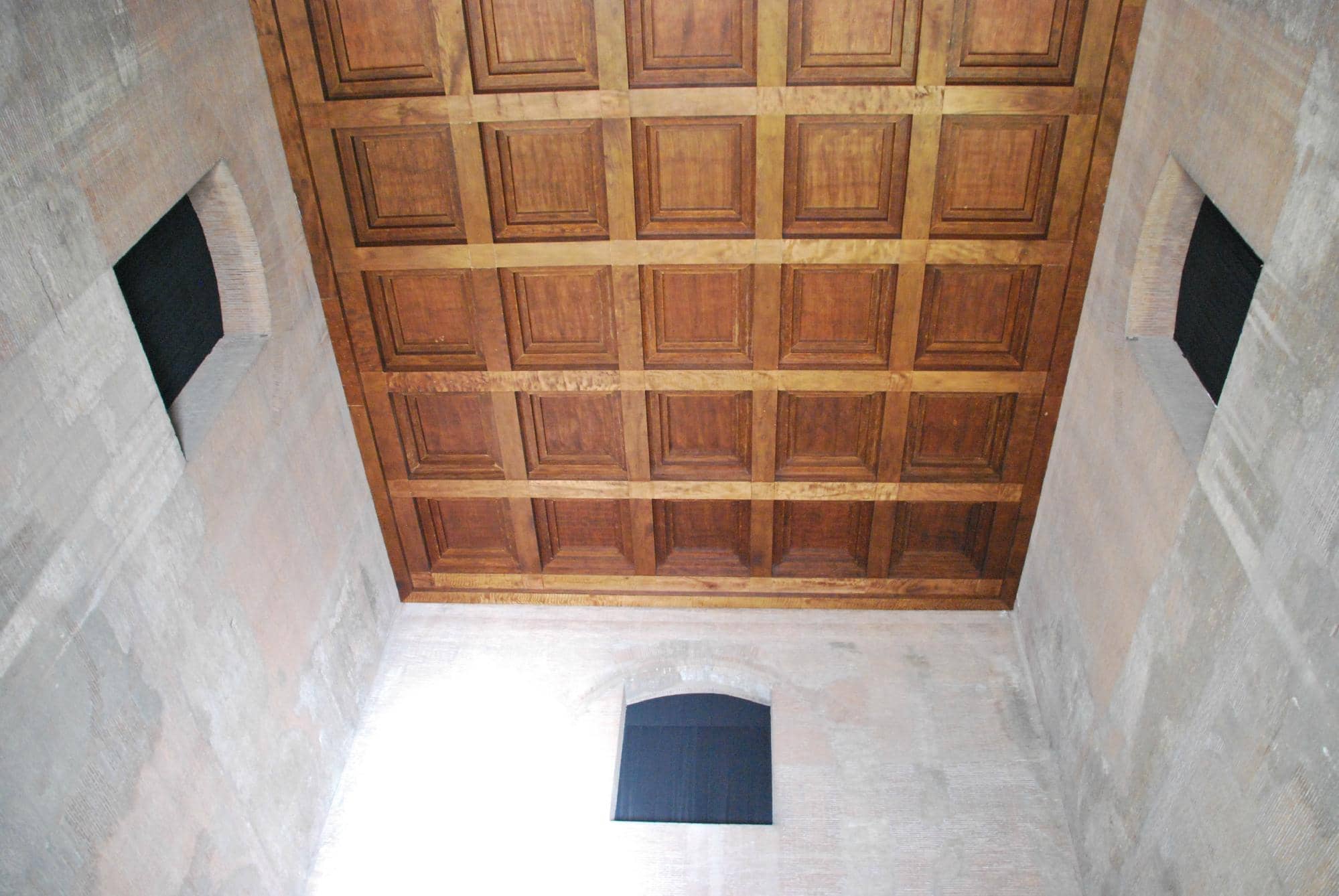
Original Bronze Doors
San Giovanni in Laterano (relocated)
See the original bronze doors, moved to the Basilica of San Giovanni in Laterano in the 17th century.
Plans like a pro.
Thinks like you
Planning Your Visit
Timing is Key for Access
Beyond the Facade
Best Times
Insider Tips
from TikTok, Instagram & Reddit
Check Opening Days First
Access is limited, often only Sat, Sun, and Mon. Google the current schedule before your visit! :calendar:
Appreciate the Floor
The interior's highlight is the 3rd-century opus sectile marble floor. Look closely! :gem:
Part of Roman Forum Ticket
Your Roman Forum ticket grants entry. Plan to see it with other Forum sites. :ticket:
Original Doors Relocated
The impressive original bronze doors are now at San Giovanni in Laterano. :door:
Tips
from all over the internet
Check Opening Days First
Access is limited, often only Sat, Sun, and Mon. Google the current schedule before your visit! :calendar:
Appreciate the Floor
The interior's highlight is the 3rd-century opus sectile marble floor. Look closely! :gem:
Part of Roman Forum Ticket
Your Roman Forum ticket grants entry. Plan to see it with other Forum sites. :ticket:
Original Doors Relocated
The impressive original bronze doors are now at San Giovanni in Laterano. :door:
Reconstruction Aware
While historically significant, the current structure is partly a reconstruction. :construction:
What Travellers Say
Reviews Summary
Visitors find the Curia Julia historically significant as the Roman Senate's meeting place, appreciating its impressive marble floor. However, some note that the exterior is plainer than expected and access can be limited to specific days, requiring careful planning.
"At the north end of the Roman Forum, the Curia Julia is where the Senate of ancient Rome actually sat. Begun by Julius Caesar and finished by Augustus, it replaced earlier senate houses as part of their reshaping of the Forum. From this tall brick hall, decorated inside with rich marble floors and wall panels, senators debated war and peace, taxes, provincial rule and public works. The altar of Victory once stood at the back, focus of later clashes between pagan and Christian elites. Converted into the church of Sant’Adriano in the Middle Ages and stripped back in the 20th century, it remains one of the few places in the Forum where you can stand inside real Roman political space."
Loo Yeo
"Inside the Curia Julia, the ancient senate building of Rome, there’s a floor you really shouldn’t miss. It’s not an ordinary mosaic, but what’s called opus sectile: inlaid colored marble pieces arranged in precise geometric patterns. Think circles, diamonds, and rectangles in red, yellow, green, and black marble.
What makes it extra special is that this floor dates back to the 3rd century AD and is largely original. You’re literally walking on the same surface where Roman senators once made their political decisions.
Fun detail: the floor is so well preserved that you can still spot some wear marks from where people used to walk. A great example of how well Roman craftsmanship can stand the test of time."
Hans Wanrooy
"The Roman senate house is a plain looking building, and not anything like movies make it out to have been. It has been restored but all of the facing, whether stucco or marble on the interior, is gone forever. Access to the interior is available though it was unfortunately closed on the day when I was there..."
Bobby C
What People Like
What People Dislike
Frequently Asked Questions
🚇 🗺️ Getting There
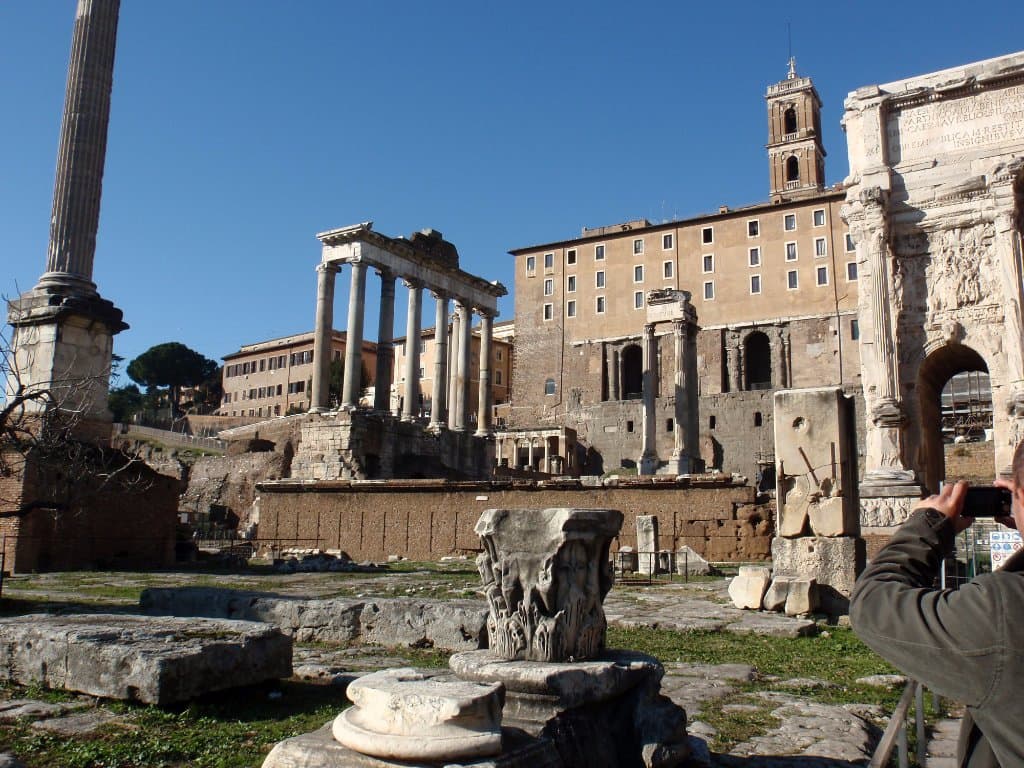
The Curia Julia is located within the Roman Forum. You can reach it by walking from the Colosseum or by taking public transport to nearby stops like the 'Colosseo' metro station (Line B). It's a central point within the Forum complex.
Yes, the Curia Julia is situated at the north end of the Roman Forum, making it easily accessible as you explore other attractions like the Arch of Titus and the Temple of Saturn.
Using a map of the Roman Forum is recommended. The Curia Julia is a prominent brick building, often visible as you walk through the main pathways.
You can see the exterior of the Curia Julia from outside the Roman Forum, but to fully appreciate its historical context and interior, you'll need a Roman Forum ticket.
Many guided tours of the Roman Forum include a stop at the Curia Julia, offering in-depth historical context. Check with tour operators for specific itineraries.
🎫 🎫 Tickets & Entry
No, the Curia Julia is included with your Roman Forum ticket. This ticket typically also grants access to Palatine Hill and the Colosseum (if purchased as a combined ticket).
The Curia Julia has limited opening hours, often only accessible on Saturdays, Sundays, and Mondays. It's crucial to check the official website or recent visitor information for the most up-to-date hours.
Tickets can be purchased online in advance through the official archaeological park website or at the ticket office on-site. Booking online is highly recommended to secure your entry, especially for weekend visits.
Visiting on a Monday morning, if available, might be slightly less crowded than weekend afternoons. However, the Roman Forum generally gets busy on weekends.
If you arrive on a day it's closed, you can still admire the exterior. It's essential to verify the opening days and hours before your visit to avoid disappointment.
🎫 🏛️ Onsite Experience
The most striking feature inside the Curia Julia is the remarkably preserved 3rd-century AD opus sectile floor, made of inlaid colored marble pieces in geometric patterns.
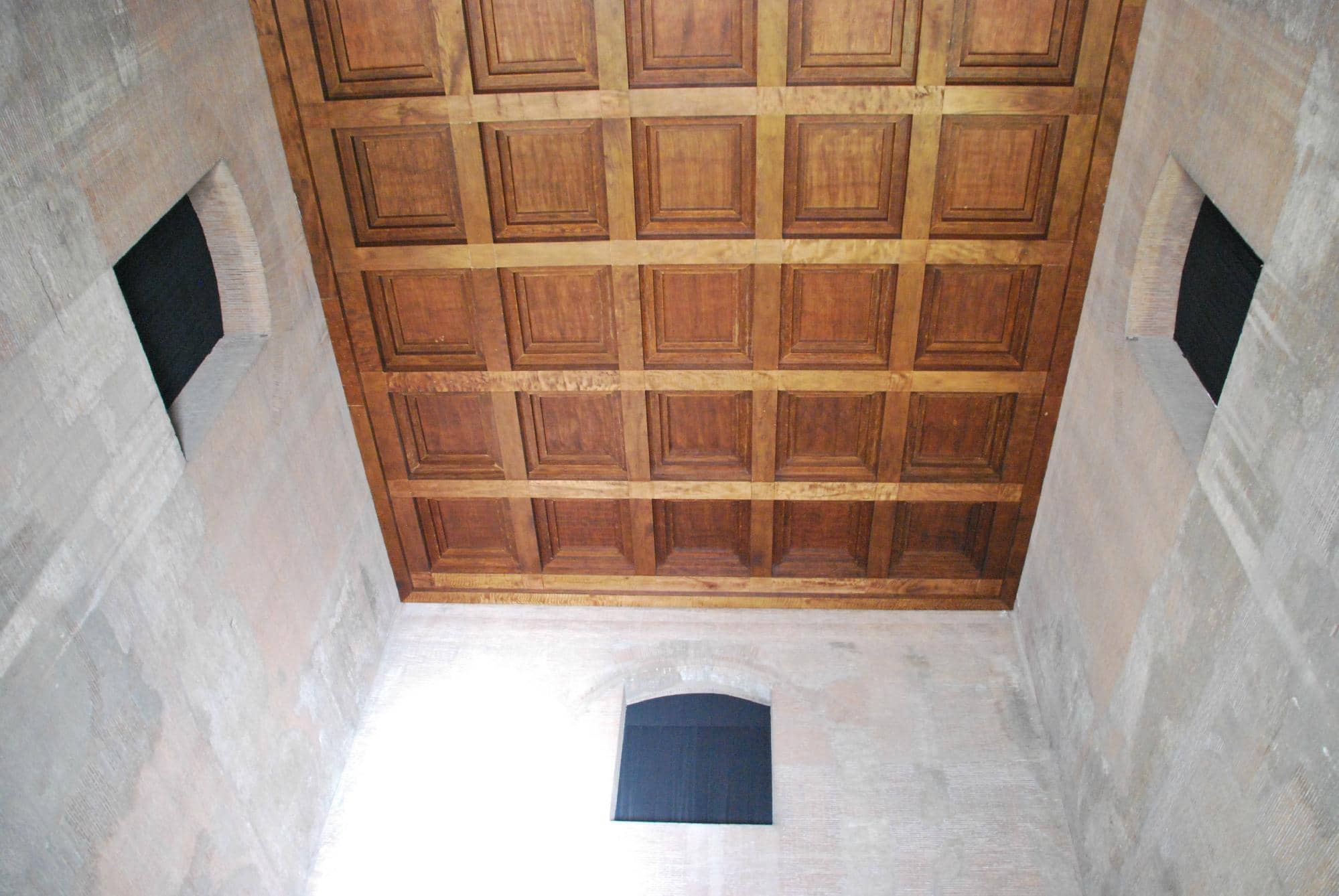
Inside, you'll see the ancient senate hall. While much of the original interior decoration is gone, the impressive marble floor and the sheer scale of the building offer a glimpse into Roman political life.
The Curia Julia has undergone significant restorations and reconstructions over the centuries, but it retains its original structure and is considered one of the few places in the Forum where you can stand inside real Roman political space. +1
Occasionally, temporary exhibitions may be held within the Curia Julia, similar to other sites in the Roman Forum and Palatine Hill. It's worth checking for current displays.
This was the meeting place of the Roman Senate, where crucial decisions about war, peace, taxes, and governance were made during the Republic and Empire. +1
🎫 🚪 History & Architecture
Construction began under Julius Caesar in 44 BC and was completed by Augustus in 29 BC, replacing earlier senate houses. +1
Its primary purpose was to serve as the meeting place for the Roman Senate, the central governing body of ancient Rome. +1
In the Middle Ages, it was converted into the church of Sant'Adriano and later, in the 17th century, its original bronze doors were moved to the Basilica of San Giovanni in Laterano. +1
Opus sectile is an ancient Roman decorative technique involving the inlay of colored marble pieces into precise geometric patterns, creating intricate designs.
The original bronze doors of the Curia Julia were relocated in 1660 to the Basilica of San Giovanni in Laterano in Rome.
For Different Travelers
Tailored advice for your travel style
👨👩👧 Families with Kids
Since the Curia Julia is part of the larger Roman Forum, consider making it a stop on a broader exploration. Pack snacks and water, as exploring the Forum can be tiring. Look for interactive elements or audio guides that might cater to younger audiences, making the ancient history more accessible and fun for kids.
🏛️ History Buffs & Architecture Enthusiasts
Architecture enthusiasts will appreciate the restored brickwork and the building's original dimensions. While much of the interior facing is gone, the fundamental structure provides insight into Roman construction techniques. Don't forget to seek out the original bronze doors at San Giovanni in Laterano to complete the architectural narrative of the Curia Julia.
Deep Dives
In-depth insights and expert knowledge
The Heart of Roman Politics
The current structure, while a partial reconstruction, faithfully preserves the original architectural footprint. It's a place where history feels palpable, allowing visitors to stand within the very space where pivotal decisions were made. The sheer scale and the enduring presence of the Curia Julia offer a profound connection to the past, making it a must-visit for anyone interested in Roman history and politics.
A Glimpse Inside: The Opus Sectile Floor
While the exterior is grand, the true marvel of the Curia Julia often lies underfoot. The interior features a stunning opus sectile floor, dating back to the 3rd century AD. This intricate mosaic-like flooring is created by inlaying precisely cut pieces of colored marble into geometric patterns, such as circles, diamonds, and rectangles. The vibrant reds, yellows, greens, and blacks of the marble create a visually captivating spectacle. It's a remarkable example of Roman craftsmanship, so well-preserved that you can still see wear marks from centuries of senators walking upon it.
From Senate House to Basilica
Further changes occurred in the 17th century when Pope Alexander VII commissioned the relocation of the Curia Julia's original bronze doors. These magnificent doors, a testament to Roman metalwork, were moved to the Basilica of San Giovanni in Laterano, where they remain to this day. This act highlights the building's enduring significance, even as its form and function evolved over the centuries. The 20th-century stripping back of later additions has helped to reveal more of the original Roman structure, allowing us to appreciate its historical layers.
Social
from TikTok, Instagram & Reddit