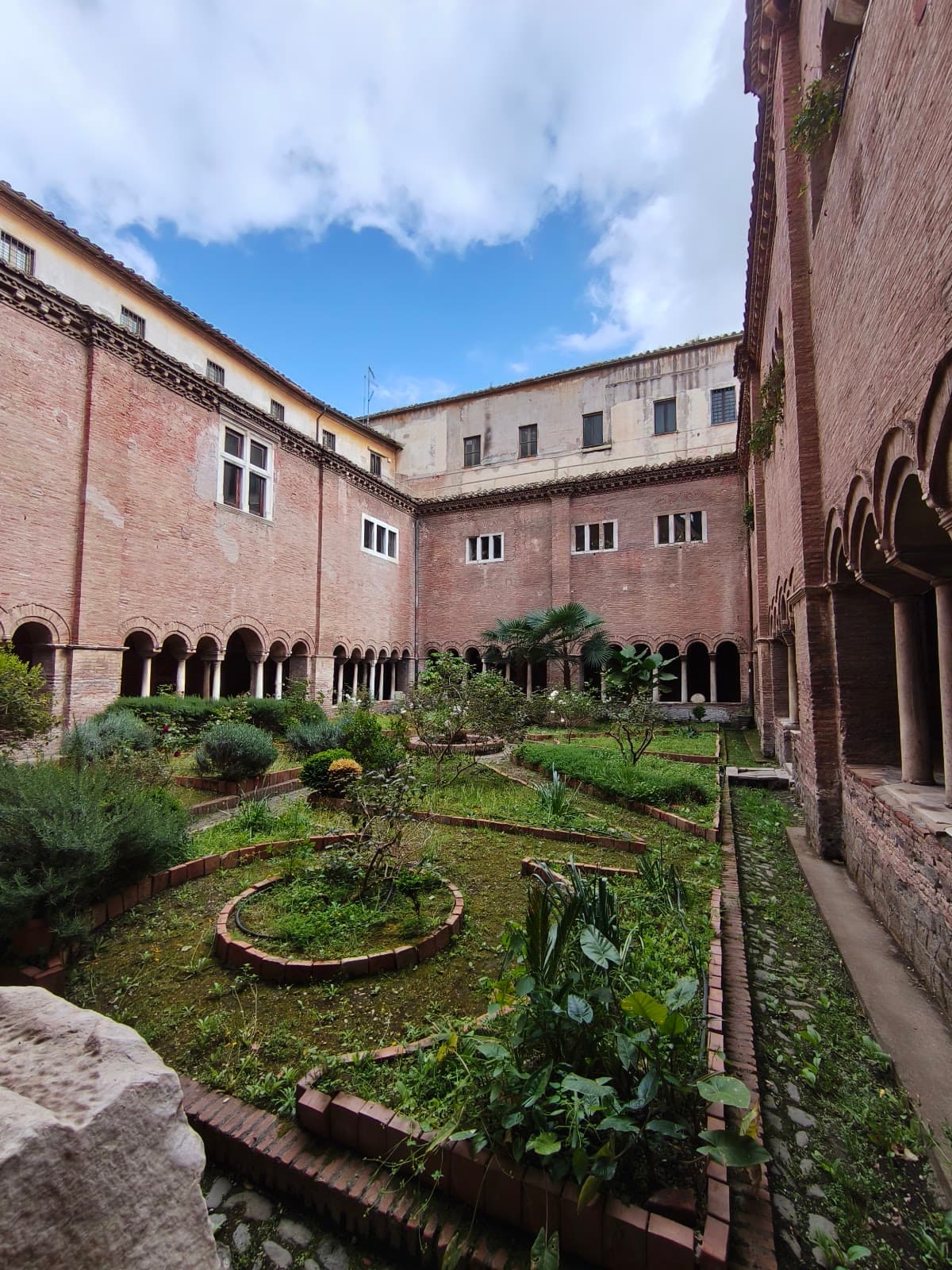
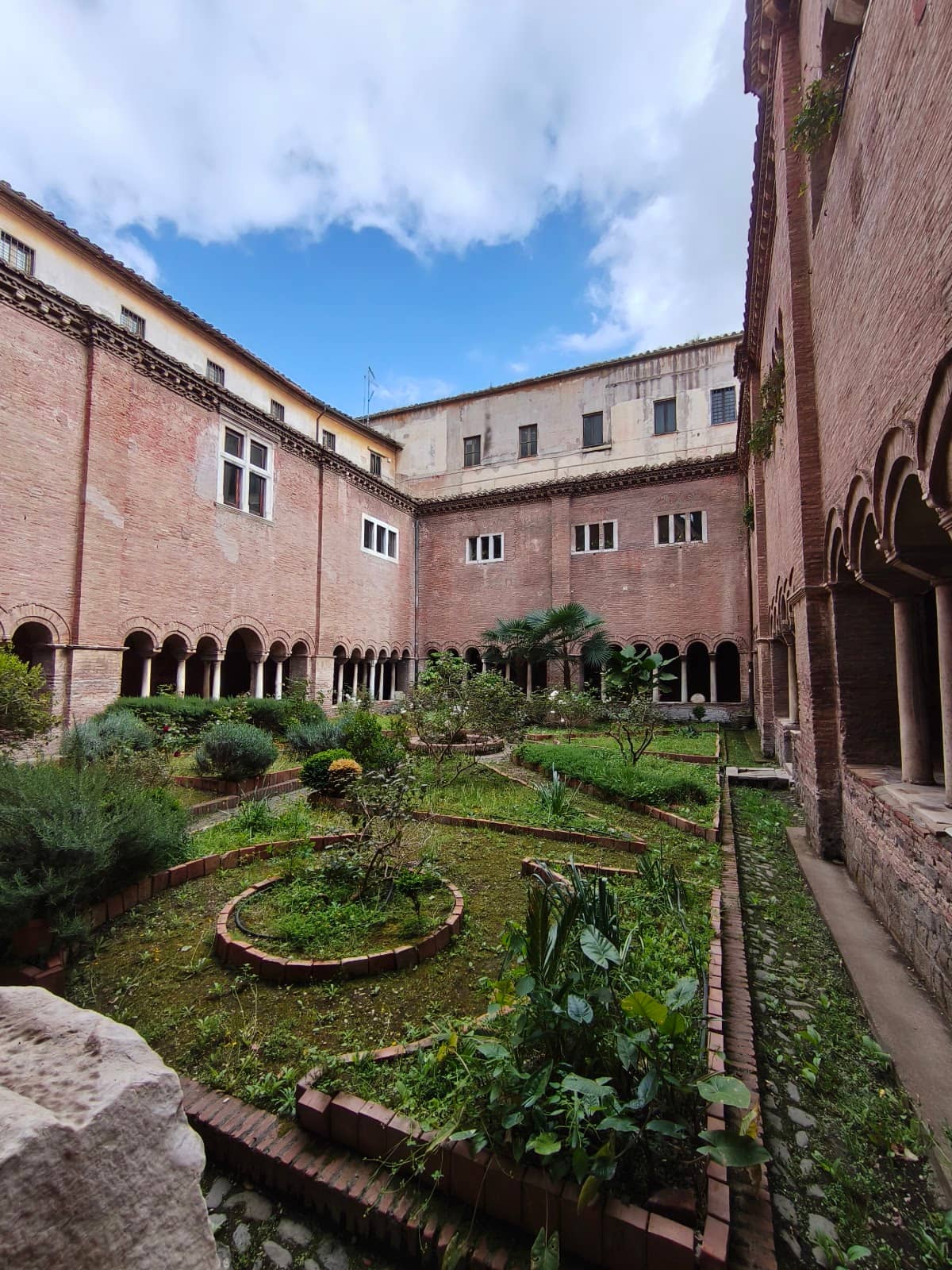
Catacombs of St Cyriaca
Ancient underground burial site near Rome, linked to St. Lawrence, offering a profound glimpse into early Christian history and faith.
Highlights
Must-see attractions

Social
From TikTok & Reddit
Best Time
Fewer tour groups
Catacombs of St Cyriaca
Best Time
Fewer tour groups
Highlights
Must-see attractions
Ancient underground burial site near Rome, linked to St. Lawrence, offering a profound glimpse into early Christian history and faith.
"An extraordinary experience for anyone interested in ancient history, early Christian art and spirituality."
Confirm Access First
Public access isn't guaranteed. Contact the basilica or tour operators beforehand to arrange your visit. :ticket:
Wear Comfortable Shoes
You'll be walking through ancient, uneven tunnels. Sturdy footwear is a must for exploring these underground sites. :athletic_shoe:
Highlights
Discover the most iconic attractions and experiences
Tombs of Martyrs
Underground corridors
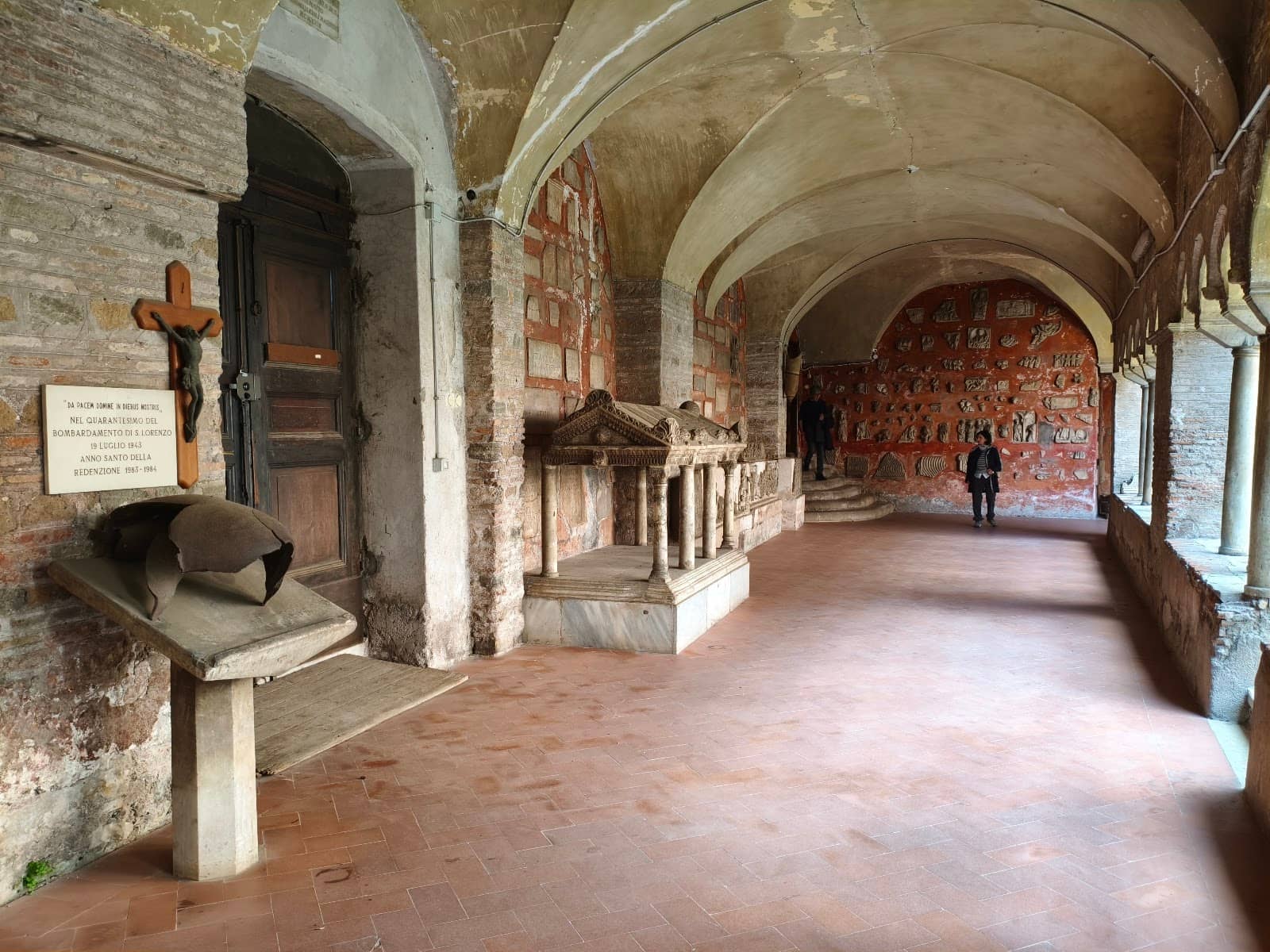
Explore ancient burial chambers, some believed to hold early Christian martyrs like St. Lawrence.
Early Christian Symbols
Adorning tomb walls
Discover faded frescoes and engravings, including the fish and the good shepherd, reflecting early Christian faith.
Crypt of the Basilica
Connected to Basilica of San Lorenzo
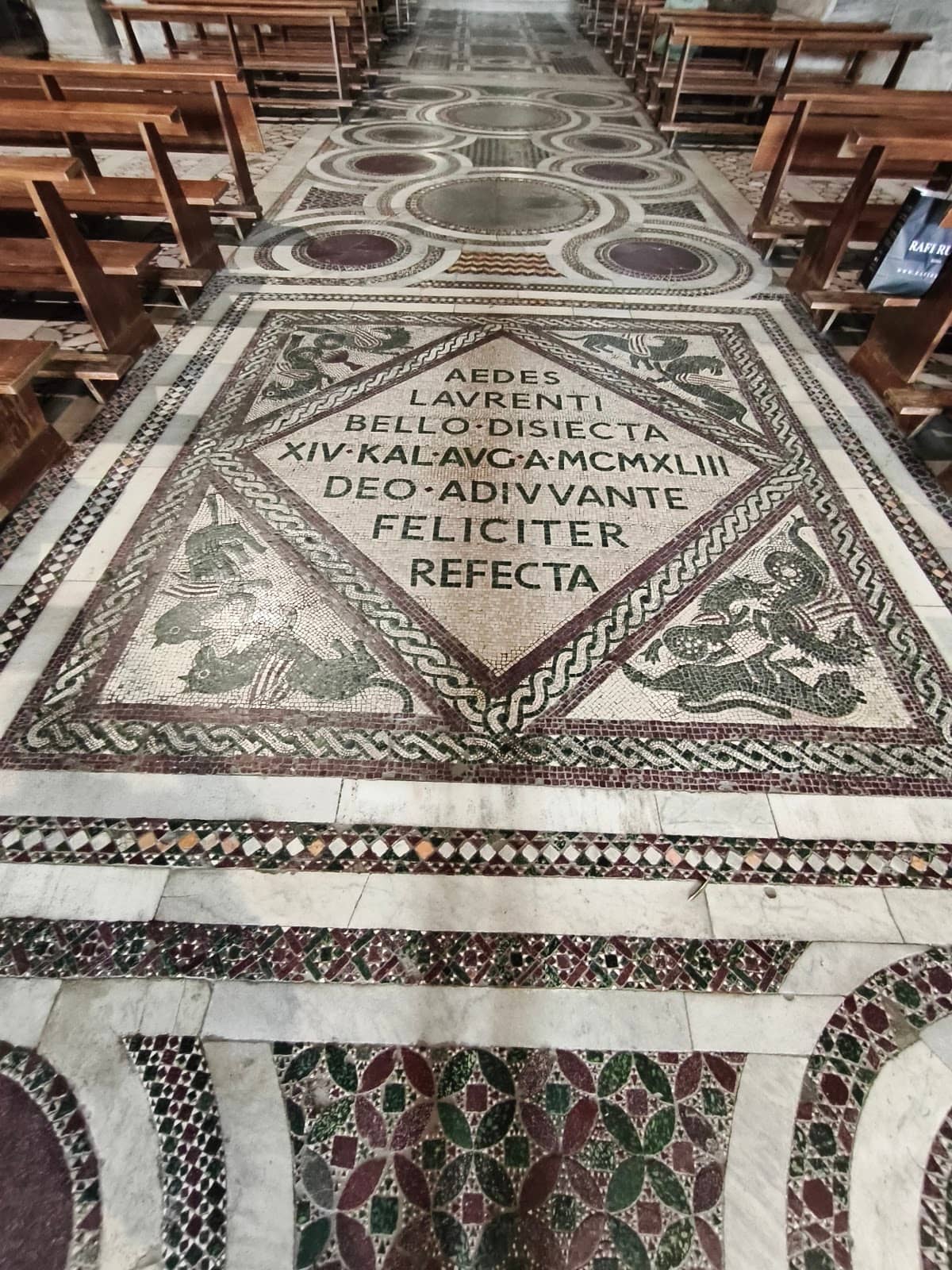
Conclude your visit in the crypt, a sacred space that may house the tomb of a Pope.
Plans like a pro.
Thinks like you
Planning Your Visit
Access & Booking
Historical Significance
Best Times
Insider Tips
from TikTok, Instagram & Reddit
Confirm Access First
Public access isn't guaranteed. Contact the basilica or tour operators beforehand to arrange your visit. :ticket:
Wear Comfortable Shoes
You'll be walking through ancient, uneven tunnels. Sturdy footwear is a must for exploring these underground sites. :athletic_shoe:
Embrace the Atmosphere
The catacombs are dark and quiet. Let the historical ambiance transport you back in time. :flashlight:
Photography Allowed
Unlike some other catacombs, photography is often permitted here, so bring your camera! :camerawithflash:
Tips
from all over the internet
Confirm Access First
Public access isn't guaranteed. Contact the basilica or tour operators beforehand to arrange your visit. :ticket:
Wear Comfortable Shoes
You'll be walking through ancient, uneven tunnels. Sturdy footwear is a must for exploring these underground sites. :athletic_shoe:
Embrace the Atmosphere
The catacombs are dark and quiet. Let the historical ambiance transport you back in time. :flashlight:
Photography Allowed
Unlike some other catacombs, photography is often permitted here, so bring your camera! :camerawithflash:
What Travellers Say
Reviews Summary
Visitors find the Catacombs of St. Cyriaca to be a historically significant and spiritually moving site, offering a unique glimpse into early Christian life and burial practices. While some note the lack of elaborate decorations compared to other catacombs, the profound historical context and the opportunity for photography are highly appreciated. Access and booking can be challenging, requiring advance planning.
"Couldn’t figure out how to get in/I don’t think it has public access"
Lizzie Margol
"They can only be visited upon request at a staggering €250, a price not confirmed by the website linked here. The site is poorly designed and functions terribly; it merely lists the many catacombs in Italy and possibly provides contact information. It's unclear who manages them (Ministry of Culture or the Vatican), and promoting the heritage doesn't seem to be their concern."
Elle “Farfalla”
"They are a special place because, despite the fame of the basilica to which they are linked, unfortunately they are not always accessible and although they consist of five levels, only a very small part can be visited. They are accessed from a passage on the left of the side nave of the basilica, of modern construction. These catacombs are known by two names because of the reference documentation that reports the certain burial of the martyr San Lorenzo on August 10 (do you remember the day dedicated to him?) and also as those of Ciriaca who was the owner of the land (but in fact there are two other martyrs, Erennio and Abbondio, found here). Unlike others, they have never been lost sight of by the Roman population and have never stopped visiting them: this has determined a state of conservation that is not optimal. From a historical point of view they are very important while from a tourist point of view they offer little importance, not showing particular paintings or decorations compared to other similar sites (perhaps this is why it was allowed to take some photos) but the visit still offers a complete path even if a little less exciting that ends in the crypt of the basilica where there is the tomb of a Pope. Look at the photos I took and the other reviews on Rome and if I was useful click on useful."
Roberto Cecchini
What People Like
What People Dislike
Frequently Asked Questions
🚇 🗺️ Getting There
The Catacombs of St. Cyriaca are located near the Basilica of San Lorenzo fuori le mura. You can reach the area by public transport, including buses and trams. It's advisable to check current public transport routes and schedules as they can change. Some visitors mention it's not as straightforward to find as other major attractions.
Finding the exact entrance can be tricky. Access is often through a passage on the left of the side nave of the basilica. It's recommended to have a guide or clear directions to avoid confusion.
Yes, taxis and rideshares can take you to the Basilica of San Lorenzo fuori le mura, which is adjacent to the catacombs. This can be a convenient option if you're unsure about public transport.
Due to the nature of ancient underground sites, accessibility can be limited. The catacombs have multiple levels and uneven terrain, which may pose challenges for those with mobility issues. It's best to inquire directly about specific accessibility options.
For navigating Rome, using a reliable map app on your phone is highly recommended. For this specific site, combining public transport with a short walk or taxi ride from a major transit hub is often the most efficient approach.
🎫 🎫 Tickets & Entry
Information on ticket prices can be inconsistent. Some sources mention a high price of €250 for private visits, which may not be accurate or applicable to all. It's crucial to verify current pricing and booking procedures directly with the managing authority or tour operators.
Booking in advance is highly recommended, as public access is not always guaranteed and visits may require prior arrangement. Contacting the basilica or checking for guided tour options is the best way to secure your entry.
Opening hours can vary and are not always clearly advertised. Since access is often by request or tour, it's essential to confirm the specific visiting times when you book your visit.
Yes, guided tours are often the primary way to visit these catacombs. Guides provide historical context and insights into the significance of the site, enriching the visitor experience.
Independent visits can be difficult due to access restrictions. It's generally advised to join a guided tour or arrange a specific visit in advance, as independent access is not always facilitated.
🎫 🏛️ Onsite Experience
These catacombs are significant for their age and connection to early Christianity, particularly St. Lawrence. They served as burial grounds and sacred spaces for early Christian communities, offering a glimpse into their faith and practices.
You'll explore underground corridors with ancient tombs. While they may not have extensive decorations like other catacombs, you can see early Christian symbols, frescoes, and engravings that speak to the faith of the time.
Unlike many other catacombs, photography is generally permitted inside the Catacombs of St. Cyriaca. This allows visitors to capture the unique atmosphere and historical details.
A guided tour of the Catacombs of St. Cyriaca typically lasts about an hour. The duration can vary depending on the guide and the group's pace.
The atmosphere is one of silence, solemnity, and historical depth. The darkness and quiet help visitors imagine the lives of those who were buried or gathered there centuries ago.
📸 📸 Photography
Generally, photography is allowed inside the Catacombs of St. Cyriaca, which is a notable feature compared to some other underground sites. However, it's always good practice to confirm with your guide on the day of your visit.
Focus on the ancient tombs, the subtle details of frescoes and engravings, and the overall atmospheric corridors. The early Christian symbols like the fish and the good shepherd are particularly iconic.
Given the low light conditions, a camera with good low-light performance or a tripod (if permitted) can be beneficial. Using a wider aperture and a higher ISO setting might be necessary.
While photography is allowed, it's best to avoid using flash, as it can be disruptive and potentially damage delicate ancient artwork over time. Check with your guide for specific rules regarding flash.
You can find many photos on Instagram by searching hashtags like #CatacombsOfStCyriaca or #CatacombsOfSanLorenzo. TikTok also features videos showcasing the site's interior.

For Different Travelers
Tailored advice for your travel style
👨👩👧 Families with Kids
It's highly recommended to book a guided tour, as guides can often tailor their explanations to be more accessible and interesting for younger audiences. The fact that photography is generally allowed can also be a plus, allowing kids to capture their own memories of this unique site.
🙏 Spiritual Seekers & History Buffs
This is a place for reflection on faith, life, and death. The atmosphere of solemnity and the tangible connection to the past provide a unique opportunity for contemplation. Unlike more crowded tourist spots, the potential for pre-arranged visits can offer a more intimate and meaningful experience.
Deep Dives
In-depth insights and expert knowledge
The Historical Significance of St. Lawrence and Ciriaca
Unlike some other Roman catacombs that were lost and rediscovered, the Catacombs of St. Cyriaca have remained known and visited by the Roman population throughout the centuries. This continuous use, however, has contributed to a state of conservation that is not always optimal. Despite this, the site offers a unique window into the funerary practices and the evolving faith of the early Christian communities in Rome. The presence of other martyrs, Erennio and Abbondio, also found here, further underscores its sacred status.
From a historical perspective, these catacombs are invaluable. While they might not boast the extensive and well-preserved frescoes found in places like the Catacombs of Callixtus or Domitilla, their enduring presence and continuous veneration make them a crucial archaeological and spiritual landmark. The visit, though perhaps less visually spectacular, provides a profound sense of continuity and the deep roots of Christianity in Rome.
Navigating the Underground Labyrinth
Guides play a crucial role in illuminating the experience. They lead visitors through the various levels, pointing out significant features such as loculi (horizontal burial niches), arcosolia (arched tombs), and cubicula (small burial chambers). Along the way, you'll encounter remnants of early Christian art, including faded frescoes and engravings. These images, though weathered by time, still convey powerful messages of faith, often depicting symbols like the fish (ichthys), the Good Shepherd, and the palm of martyrdom.
The visit culminates in the crypt of the Basilica of San Lorenzo, a space that often holds the tomb of a Pope, further emphasizing the site's sacred importance. The overall experience is designed to be both educational and contemplative, offering a tangible connection to the lives, beliefs, and hopes of early Christians in Rome.
Social
from TikTok, Instagram & Reddit