
Basilica of Maxentius and Constantine
The largest basilica in ancient Rome, a monumental civic hall whose innovative architecture inspired generations.
Highlights
Must-see attractions
Social
From TikTok & Reddit
Best Time
Fewer crowds, better photos
Basilica of Maxentius and Constantine
Best Time
Fewer crowds, better photos
Highlights
Must-see attractions
The largest basilica in ancient Rome, a monumental civic hall whose innovative architecture inspired generations.
"A breathtaking reminder of Rome’s imperial ambition and architectural genius."

🚶♀️ Explore the Roman Forum
The Basilica is part of the larger Roman Forum complex. Allocate ample time to explore the entire site.
🏛️ Imagine the Past
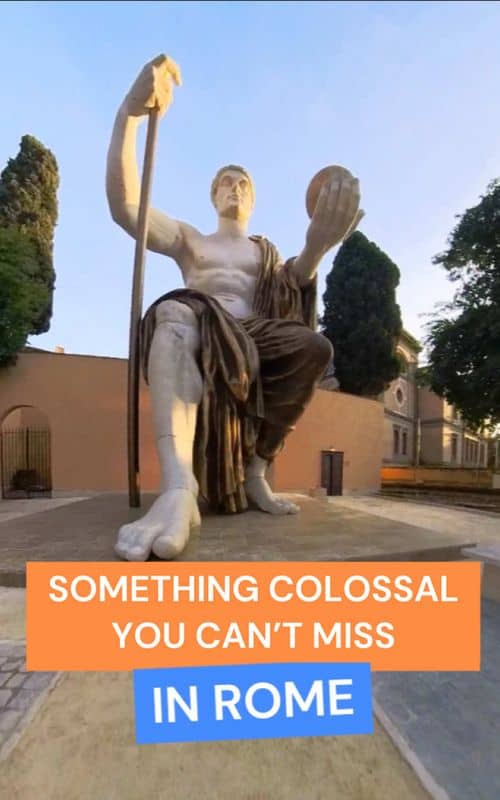
Picture the colossal statue of Constantine and the bustling civic life that once filled this grand hall.

Highlights
Discover the most iconic attractions and experiences
The Grand Nave
Central section
The remaining central nave with its towering barrel vaults offers a breathtaking sense of scale and architectural genius.
Colossal Statue Fragments
Capitoline Museums
See the head, arm, and other fragments of the colossal statue of Constantine that once dominated the basilica's apse.

Architectural Inspiration
General view
Marvel at the engineering that inspired later architects, including Frank Lloyd Wright's student, Paolo Soleri.
Plans like a pro.
Thinks like you
Planning Your Visit
Timing Your Visit to Avoid Crowds
Understanding its Grandeur
Best Times
Insider Tips
from TikTok, Instagram & Reddit
🚶♀️ Explore the Roman Forum
The Basilica is part of the larger Roman Forum complex. Allocate ample time to explore the entire site.
🏛️ Imagine the Past
Picture the colossal statue of Constantine and the bustling civic life that once filled this grand hall. +1
👟 Wear Comfortable Shoes
You'll be doing a lot of walking on uneven ancient terrain.
📸 Capture the Scale
The sheer size of the remaining structures is awe-inspiring. Look for unique angles to showcase its grandeur.
Tips
from all over the internet
🚶♀️ Explore the Roman Forum
The Basilica is part of the larger Roman Forum complex. Allocate ample time to explore the entire site.
🏛️ Imagine the Past
Picture the colossal statue of Constantine and the bustling civic life that once filled this grand hall. +1
👟 Wear Comfortable Shoes
You'll be doing a lot of walking on uneven ancient terrain.
📸 Capture the Scale
The sheer size of the remaining structures is awe-inspiring. Look for unique angles to showcase its grandeur.
What Travellers Say
Reviews Summary
Visitors are consistently awestruck by the sheer scale and architectural ambition of the Basilica of Maxentius, even in its ruined state. Many highlight its importance as a civic hall and its lasting influence on architecture. While it's a grand ruin, some find it less visually striking than other Forum sites without imagining its former glory.
"On the north-east edge of the Forum, the Basilica of Maxentius and Constantine is the last and largest of Rome’s civic halls. Begun by Maxentius around AD 306 and finished by Constantine, it was a law court and administrative centre rather than a church. The plan was about 100 by 65 metres, with a vast central nave roofed by three cross-vaults and lower barrel-vaulted aisles to the north and south. At the west end an apse held a colossal seated statue, probably recut as Constantine, fragments of which are now in the Capitoline Museums. Today only the three great vaults of the north aisle stand, but they still give a sense of the scale that inspired Renaissance architects."
Loo Yeo
"A breathtaking reminder of Rome’s imperial ambition and architectural genius.
This basilica — originally commissioned by Emperor Maxentius and later completed by Constantine — is one of the most awe-inspiring ruins on the Roman Forum. Standing beneath its towering arches, you can almost feel the weight of history pressing in from all sides.
It wasn’t a church but a massive civic hall — used for courts, gatherings, and imperial announcements. The scale is incredible, and the engineering (especially the barrel vaults and coffered ceilings) shows why Roman design has lasted for millennia.
Don’t miss the remaining central nave — it’s one of the last grand structures from pre-Christian Rome. Absolutely worth slowing down for.
📸 I post quiet corners and cultural highlights like this one on Instagram: @postcardsandcoordinates"
John Stewart, Jr.
"Very impressive structure, it’s quite massive from what remains of the ruins of this old basilica, it’s definitely worth checking out when taking a tour of the old Roman forum. It’s still in fairly good shape as it’s very well kept and maintained. I really enjoyed my time here and I would definitely recommend visiting this part of the forum."
Pong Lenis
What People Like
What People Dislike
Frequently Asked Questions
🚇 🗺️ Getting There
The Basilica of Maxentius is located within the Roman Forum. You can reach the Roman Forum via public transport, with several bus lines stopping nearby. The closest Metro stations are Colosseo (Line B) and Circo Massimo (Line B), both requiring a short walk.
As part of the Roman Forum, accessibility can be challenging due to uneven terrain and ancient structures. Wear comfortable shoes and be prepared for walking.
Many visitors opt for guided tours to understand the history and layout of the Roman Forum, including the Basilica of Maxentius. Audio guides are also available.
Driving directly to the Basilica is not recommended due to limited parking and restricted traffic zones in the area. It's best to use public transportation or a taxi and walk the rest of the way.
Yes, the Basilica of Maxentius is a key component of the Roman Forum and Palatine Hill archaeological area, usually visited with a combined ticket.
🎫 🎫 Tickets & Entry
No, the Basilica of Maxentius is included in the general admission ticket for the Roman Forum and Palatine Hill. Booking tickets in advance is highly recommended to avoid queues.
The Basilica of Maxentius follows the opening hours of the Roman Forum, which vary seasonally. It's best to check the official website for the most up-to-date information.
Historically, the ruins have been used for events, such as the Greco-Roman wrestling during the 1960 Olympics. +1 Check local listings for any current or upcoming events.
Yes, there is an entrance fee as it is part of the Roman Forum archaeological site. Consider purchasing a Roma Pass for potential savings if you plan to visit multiple attractions.
Night visits to the Roman Forum, including the Basilica of Maxentius, are sometimes available during special events or specific seasons. Check the official website for any 'Roma by Night' tours or openings.
🎫 🏛️ Onsite Experience
Take your time to walk through the remaining nave and imagine its former glory. Consider bringing a reconstruction guide or using an app to visualize the original structure. +1
It was the largest basilica in ancient Rome, with a central nave measuring approximately 100 by 65 meters. The remaining vaults are incredibly tall, giving a sense of its immense size.
It served as a civic hall for law courts, administrative functions, and imperial ceremonies, not as a religious temple.
While there are no traditional interactive exhibits, the sheer scale and remaining architecture provide an immersive historical experience. Reconstruction models and information boards are often present.
Within the context of a Roman Forum visit, dedicate at least 30-45 minutes to fully appreciate the Basilica and its remaining structures.
📸 📸 Photography
Look for shots that emphasize the scale of the remaining arches and vaults. The contrast between the ancient stone and the sky is often striking.
Photography is generally allowed within the Roman Forum, including the Basilica of Maxentius, for personal use. Tripods may require special permits.
Early morning or late afternoon offers softer light and fewer crowds, ideal for capturing the grandeur of the ruins.
Drone usage is typically prohibited within archaeological sites like the Roman Forum due to preservation concerns and regulations. Always check local rules.
Focus on the massive coffered barrel vaults and the remaining colossal arches, which are testaments to Roman engineering.
For Different Travelers
Tailored advice for your travel style
👨👩👧 Families with Kids
🏛️ History Buffs & Architecture Enthusiasts
📸 Photographers
 Look for wide-angle shots to capture the immense scale, and consider details like the texture of the ancient stone. Be mindful of other visitors and the site's preservation guidelines.
 Deep Dives
In-depth insights and expert knowledge
The Colossus of Constantine
While the original statue is no longer in situ, its presence profoundly influenced the basilica's design and its historical significance. The west apse was specifically designed to accommodate this gigantic figure, serving as a focal point for imperial authority and presence. The sheer ambition behind such a creation underscores the emperor's desire to project power and legacy.
Reconstructions and artistic interpretations of the Colossus of Constantine help visitors visualize its former glory. These visualizations, often found in museums or online, provide a crucial context for understanding the basilica's original impact and its role as a stage for imperial display.
Architectural Legacy and Influence
The engineering prowess displayed in the Basilica of Maxentius significantly influenced Renaissance architects. Figures like Michelangelo, who worked on the nearby Capitoline Hill, were undoubtedly inspired by its scale and structural solutions.
Beyond its direct architectural lineage, the Basilica of Maxentius also left a mark on modern structures. Notably, its design is said to have inspired the waiting room of the old Penn Station in New York City, demonstrating its far-reaching impact across centuries and continents.
From Civic Hall to Olympic Arena
Centuries after its prime, the ruins of the Basilica of Maxentius found a unique, albeit temporary, new purpose. During the 1960 Summer Olympics in Rome, the majestic ruins were transformed into an arena for Greco-Roman wrestling.
The choice of the Basilica of Maxentius for the Olympic events speaks to its enduring grandeur and atmospheric quality. The towering arches and vast open spaces provided a dramatic backdrop for the athletic competitions, allowing the ancient stones to witness a new chapter of human endeavor.
Social
from TikTok, Instagram & Reddit