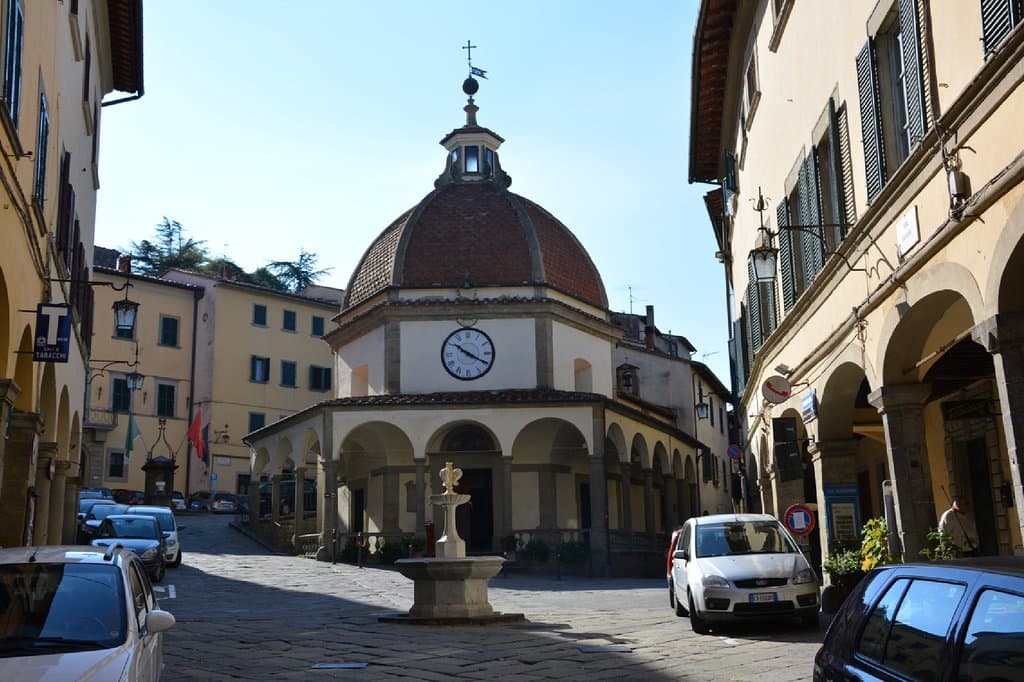
Oratorio della Madonna del Morbo
A unique hexagonal oratory built by the people of Poppi to thank the Virgin for protection from plagues, showcasing Renaissance-inspired architecture.
Highlights
Must-see attractions

Social
From TikTok & Reddit
Best Time
To appreciate architectural details
Oratorio della Madonna del Morbo
Best Time
To appreciate architectural details
Highlights
Must-see attractions
A unique hexagonal oratory built by the people of Poppi to thank the Virgin for protection from plagues, showcasing Renaissance-inspired architecture.
"A unique hexagonal oratory, a gem crowning the street of the porticoes, deeply cherished by the citizens of Poppi."
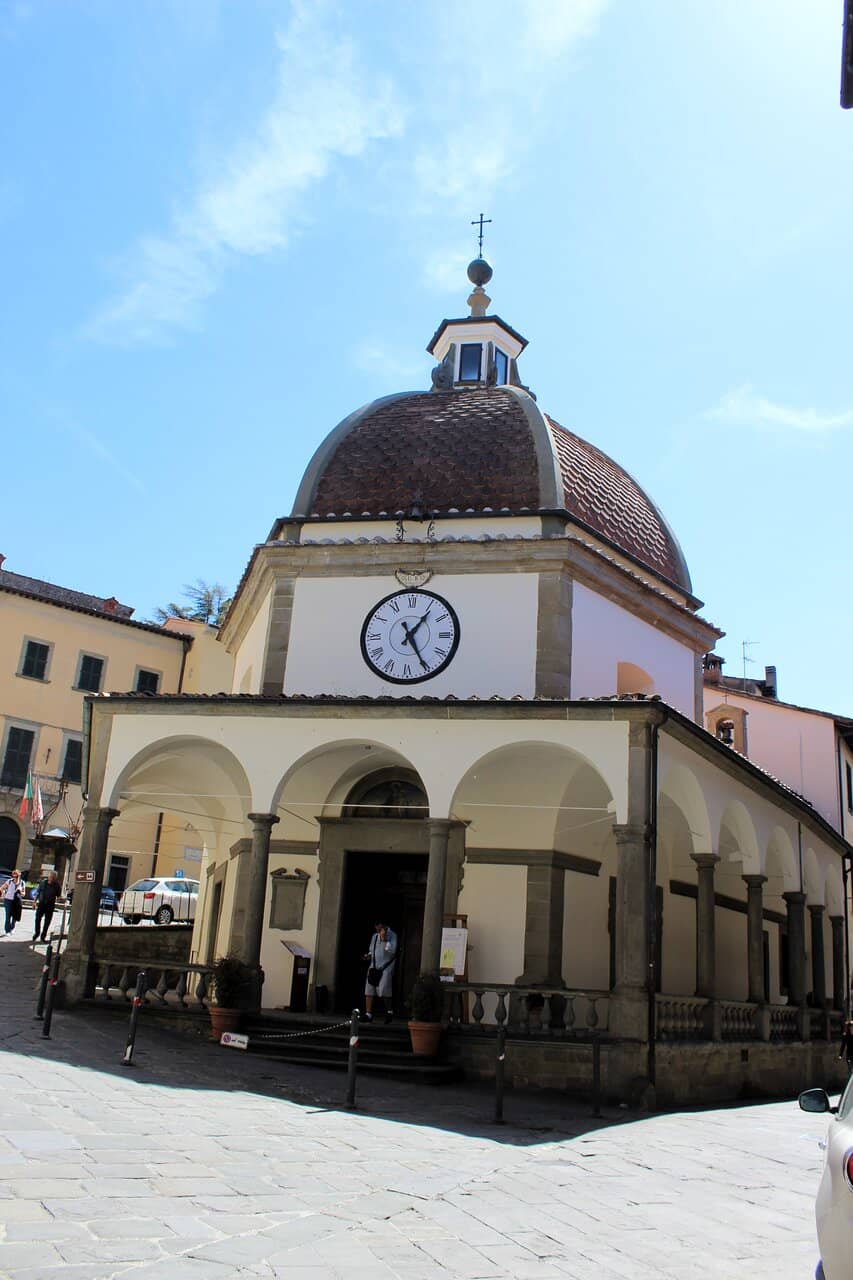
📸 Admire the Exterior
The hexagonal shape and triple portico are stunning. Capture its unique beauty from different angles.
🖼️ View the Art Inside
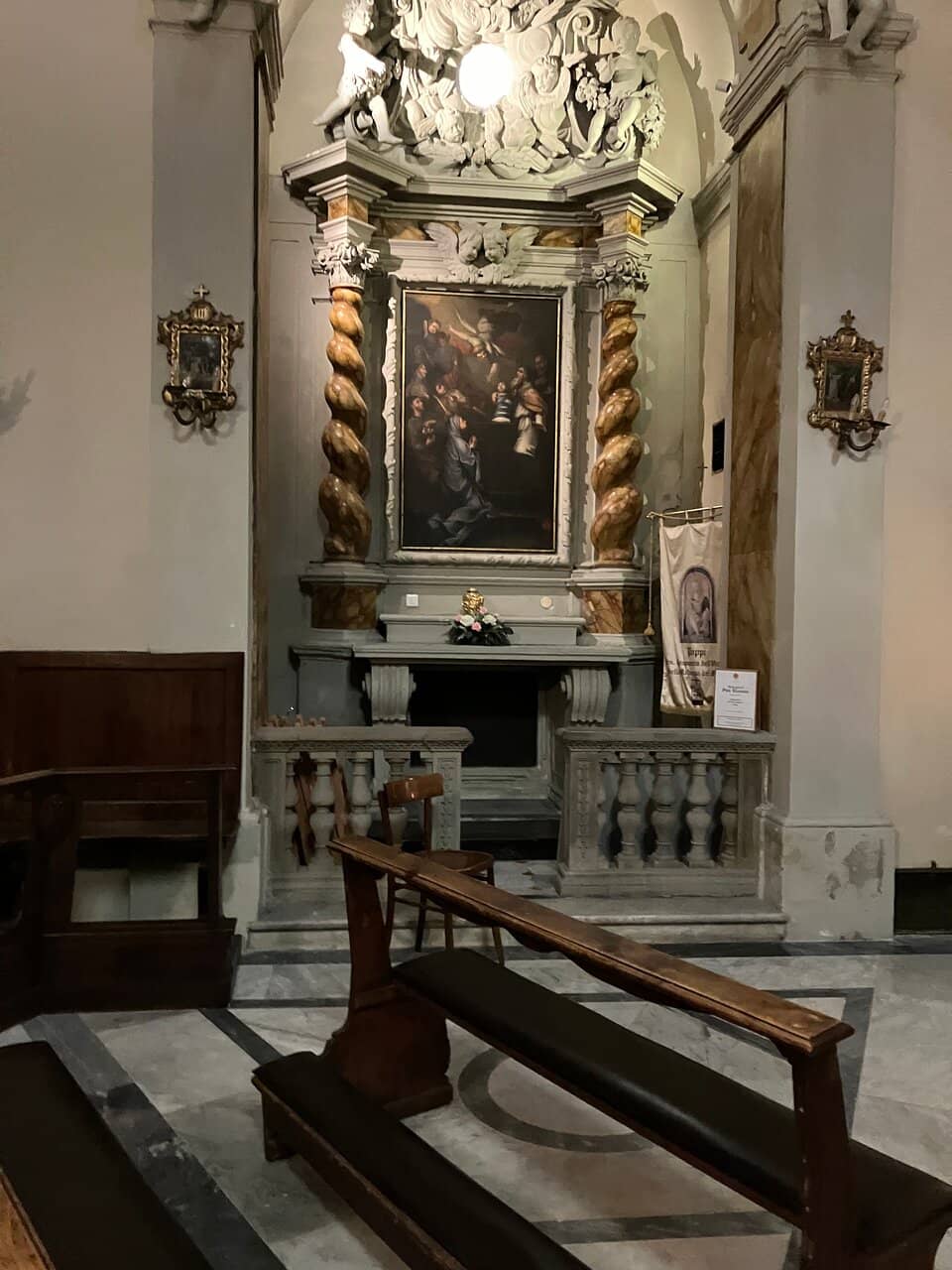
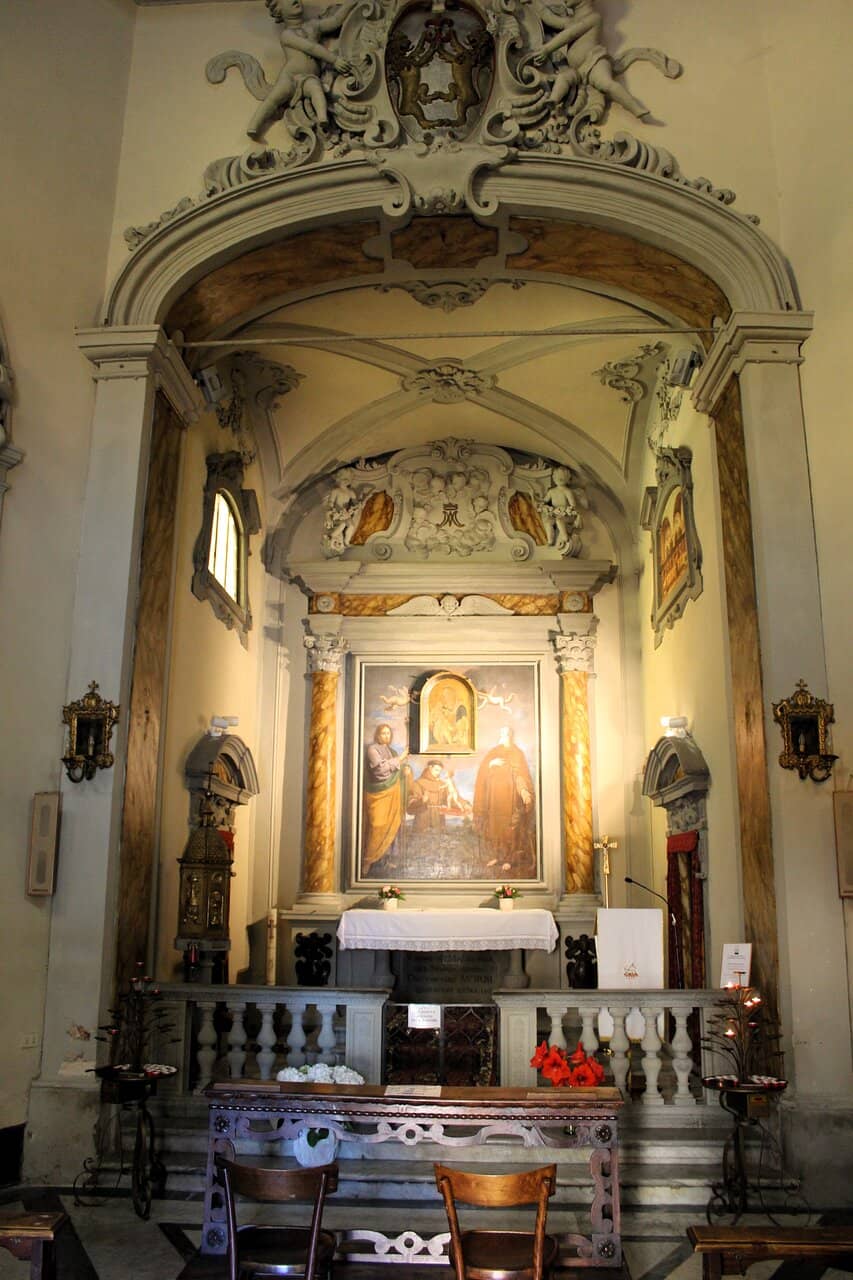
Don't miss the panel painting in the main chapel, a significant work from the school of F. Lippi.
Highlights
Discover the most iconic attractions and experiences
Hexagonal Architecture
Exterior
A unique, unusual hexagonal shape echoing Renaissance models, a true architectural gem.
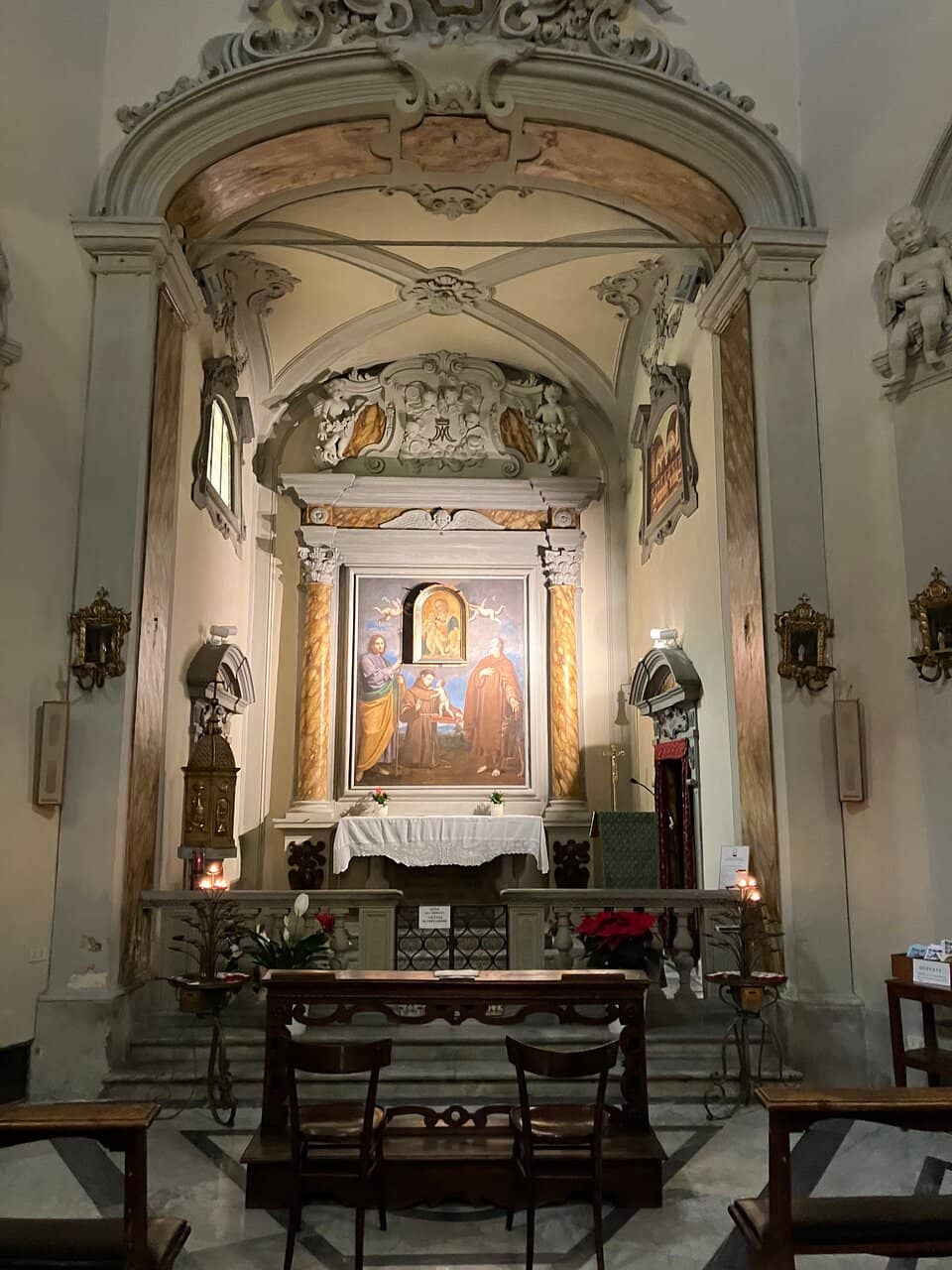
Madonna and Child Panel Painting
Main Chapel
A remarkable 17th-century panel painting from the school of F. Lippi.
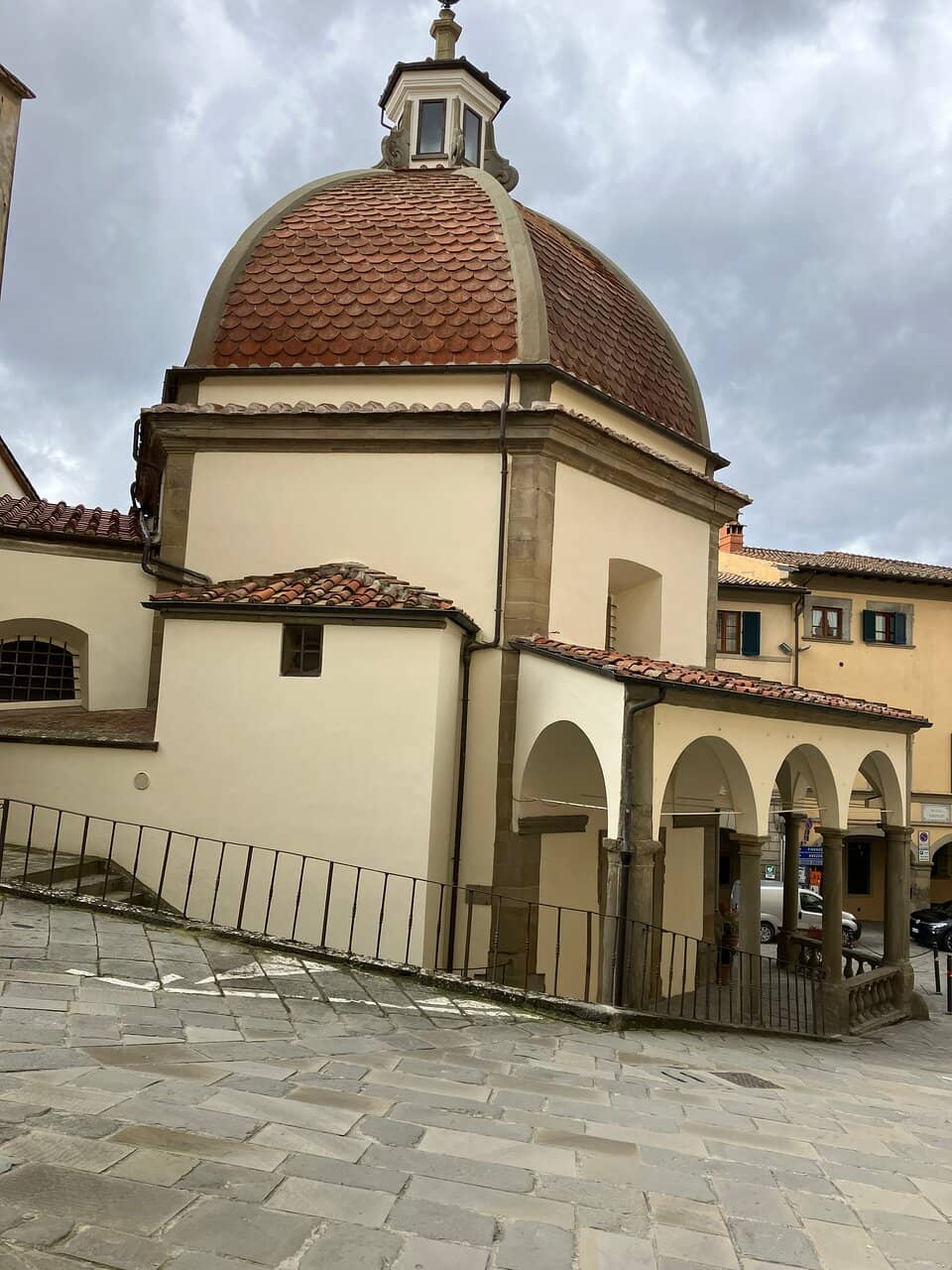
Elegant Triple Portico
Exterior
An exquisite triple portico that embellishes the space between the streets.
Plans like a pro.
Thinks like you
Planning Your Visit
A Jewel of Poppi's History
Understanding the Oratorio
Best Times
Insider Tips
from TikTok, Instagram & Reddit
📸 Admire the Exterior
The hexagonal shape and triple portico are stunning. Capture its unique beauty from different angles.
🖼️ View the Art Inside
Don't miss the panel painting in the main chapel, a significant work from the school of F. Lippi.
🚶♀️ Explore Poppi
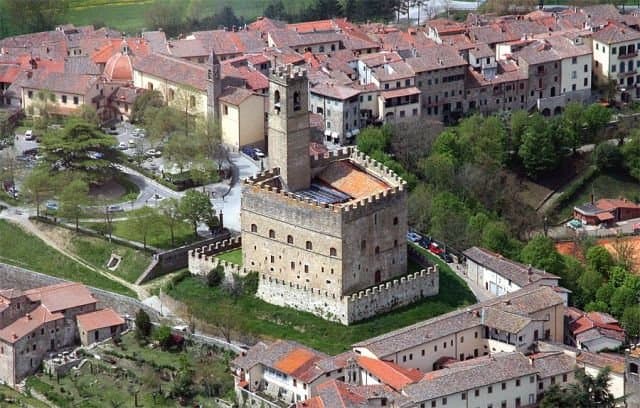
The oratorio is a gem within the charming town of Poppi. Combine your visit with exploring the local castle and streets.
Tips
from all over the internet
📸 Admire the Exterior
The hexagonal shape and triple portico are stunning. Capture its unique beauty from different angles.
🖼️ View the Art Inside
Don't miss the panel painting in the main chapel, a significant work from the school of F. Lippi.
🚶♀️ Explore Poppi
The oratorio is a gem within the charming town of Poppi. Combine your visit with exploring the local castle and streets.
What Travellers Say
Reviews Summary
Visitors praise the Oratorio della Madonna del Morbo for its unique hexagonal architecture and its significant historical role in protecting Poppi from plagues. The elegant triple portico and the interior artwork are also highlighted as beautiful features. Some note that it's a quiet, reflective space, perfect for appreciating local history and design.
"The Oratory of the Madonna del Morbo is a sacred building very dear to the citizens of Poppi as it saved the city from two plagues between 1500 and 1600. It was subsequently built between 1656 and 1659 and completed in the early 1700s."
Giorgio Stihovich
"Oratory of the Madonna against the Morbo wanted to thank the Virgin for the escape from the danger of plagues. Built starting from 1656, designed by the doctor Francesco Folli from Poppi. The works ended after about 50 years. Florentine architecture of the 16th century with a hexagonal plan and a stone portico. Inside we have an altar and 2 niches"
Luca Maggiore
"A unique hexagonal oratory with an elegant triple portico, designed by the physician F. Folli and dedicated to the Madonna for having spared Poppi from the two plagues (of 1530 and 1630) that had also ravaged the Casentino. Construction of the church began in 1657, it opened for worship in 1659, and was completed in 1705.
The interior features three chapels, the largest of which houses a remarkable panel painting: "Madonna and Child with the Infant Saint John" from the school of F. Lippi. The dome's decoration is also noteworthy."
Alberto Barbero
What People Like
What People Dislike
Frequently Asked Questions
🚇 🗺️ Getting There
The Oratorio is located in the heart of Poppi. If you are driving, look for parking in the town center and then walk. It's easily accessible on foot once you are in Poppi.
Poppi is accessible by bus from nearby towns and cities. Check local bus schedules for routes and timings.
🎫 🎫 Tickets & Entry
Entry to the Oratorio is generally free, as it is considered a public space managed by the local community. However, it's always a good idea to check for any specific visiting hours or potential small donation requests.
Opening hours can vary as it's a sacred building. It's best to visit during daylight hours when it's likely to be open for visitors. Some sources mention it's 'property of the people of Poppi', suggesting community access.
Some reviews mention ongoing restoration work. While this might affect access to certain areas, the exterior and main chapel are usually accessible. It's worth checking for any recent updates if you plan a visit.
📸 📸 Photography
Photography is generally permitted inside sacred buildings for personal use, but it's respectful to avoid flash photography, especially near artwork. Always be mindful of any posted signs or requests from caretakers.
The hexagonal exterior and the triple portico are highly photogenic. Try capturing it from the street to appreciate how it embellishes the urban space. The interior artwork also offers great photographic opportunities.
🎫 🏛️ History & Architecture
It was built between 1656 and 1705 as a votive temple to thank the Virgin Mary for saving Poppi from two devastating plagues in the 16th and 17th centuries. It's a symbol of the town's resilience and faith.
The Oratorio features a unique hexagonal plan and an elegant triple portico, designed by physician Francesco Folli. Its style re-elaborates 16th-century Florentine models, avoiding overt Baroque elements, making it a distinctive Renaissance-inspired structure.
The design is attributed to Francesco Folli, a physician from Poppi. The architectural style is noted for echoing illustrious Renaissance models, particularly from the 16th century.
For Different Travelers
Tailored advice for your travel style
👨👩👧 Families with Kids
Consider combining this visit with a trip to the nearby Castello dei Conti Guidi, which offers more interactive historical elements and stunning views. The oratorio itself is easily accessible on foot within Poppi, making it a convenient addition to a family-friendly itinerary without requiring extensive travel or complex logistics.
🏛️ History Buffs & Architecture Enthusiasts
Pay close attention to the triple portico and the details of the facade, which reflect 16th-century Florentine models. Inside, the panel painting from the school of F. Lippi is a significant artistic find. The oratorio's status as 'property of the people of Poppi' also adds a unique layer of social history, highlighting community involvement and shared heritage.
Deep Dives
In-depth insights and expert knowledge
Architectural Marvel: A Renaissance Echo
Designed by Francesco Folli, a physician from Poppi, the oratorio's construction spanned several decades, from 1656 to its completion in the early 1700s. The building's design is said to have been inspired by Brunelleschi's dome, reflecting a deep appreciation for classical proportions and harmony. The interior, though simpler, houses important artworks, including a notable panel painting in the main chapel, further enhancing its artistic value. The careful integration of these elements creates a space that is both historically significant and aesthetically pleasing.
The oratorio's management by a local company, as stated in its statute, underscores its role as 'property of the people of Poppi.' This communal ownership and stewardship highlight the deep connection the citizens have with this sacred building, which was funded by their contributions. This aspect adds a layer of cultural significance to its architectural and historical merits, making it more than just a building but a symbol of collective identity and gratitude.
A Testament to Faith and Resilience
The construction of the oratorio, beginning in 1656, was a collective effort, funded by the population of Poppi. This communal undertaking reflects the deep gratitude and devotion of the citizens, who attributed their survival to divine intervention. The building's completion in the early 1700s marked the culmination of this significant community project, solidifying its place as a cherished landmark and a constant reminder of their deliverance. The very name, 'Madonna del Morbo' (Our Lady of the Plague), directly references this historical event.
Inside, the Madonna and Child with the Infant Saint John panel painting, attributed to the school of F. Lippi, is a significant artistic treasure. This artwork, along with the dome's decoration, contributes to the oratorio's spiritual and aesthetic appeal. The oratorio continues to be a focal point for the community, embodying their shared history, faith, and the enduring spirit of Poppi.
Social
from TikTok, Instagram & Reddit