
Ecomuseo del Bosco e della Montagna Moggiona
A network of sites preserving Casentino's rich history, from gunpowder secrets to wool traditions. Experience local heritage brought to life by passio...
Highlights
Must-see attractions

Social
From TikTok & Reddit
Best Time
Pleasant weather for exploring
Ecomuseo del Bosco e della Montagna Moggiona
Best Time
Pleasant weather for exploring
Highlights
Must-see attractions
A network of sites preserving Casentino's rich history, from gunpowder secrets to wool traditions. Experience local heritage brought to life by passionate guides.
"Truly spectacular! They help keep the memory of these places alive with so much information and curiosities."
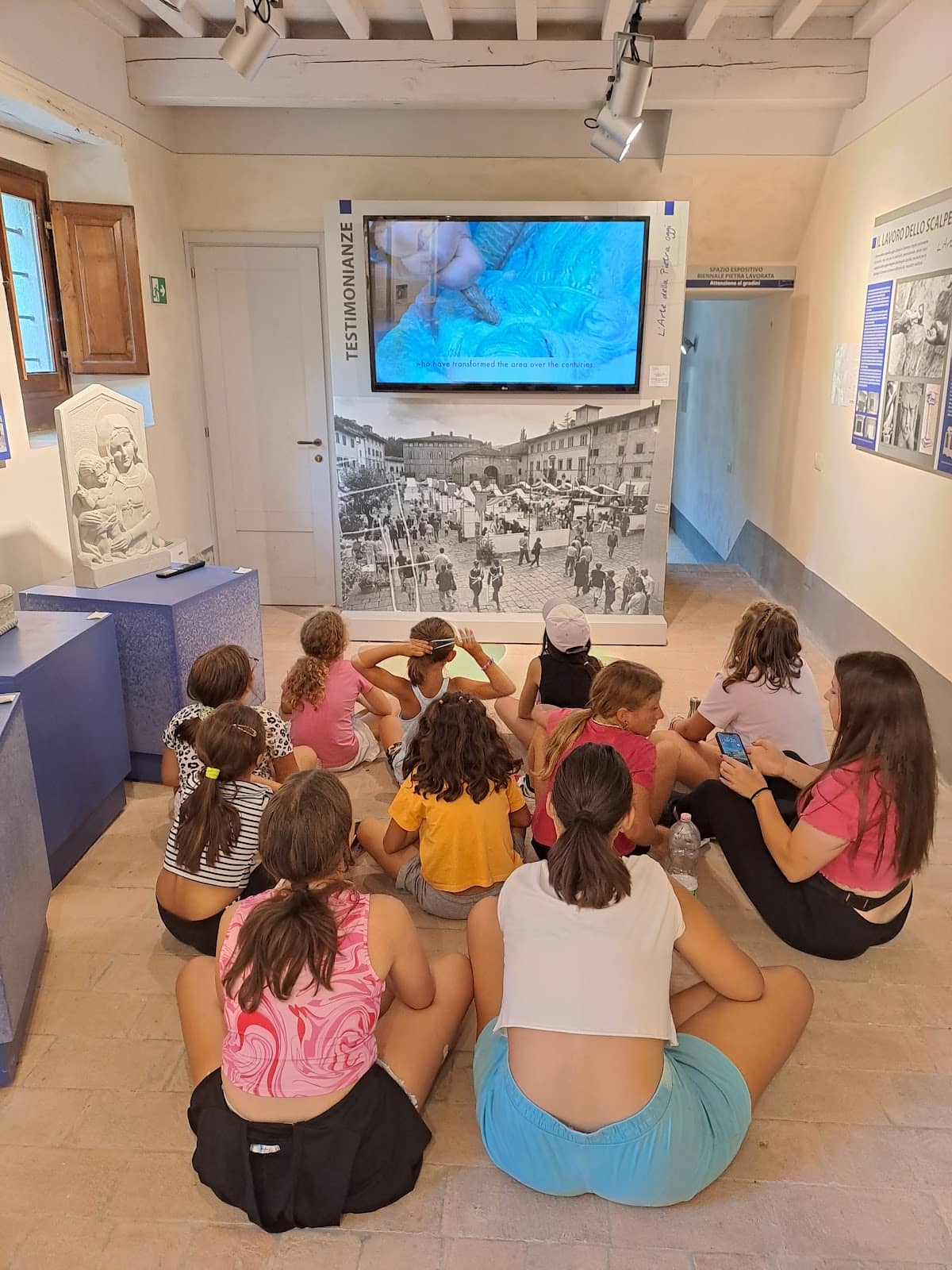
🗺️ Plan Your Route
It's a network! Map out which 'antennas' you want to visit beforehand to maximize your time.
🗣️ Chat with Locals
Guides like Lorenzo are treasure troves of information. Ask questions and listen to their stories!

Highlights
Discover the most iconic attractions and experiences
Gunpowder and Smuggling Museum
Chitignano
Uncover fascinating secrets of historical gunpowder production and illicit trade, brought to life by local lore.
Chestnut Ecomuseum
Raggiolo
Explore traditional chestnut drying sheds and learn about a vital part of the region's agricultural heritage.
Ecomuseum of the Charcoal Burner
Cetica
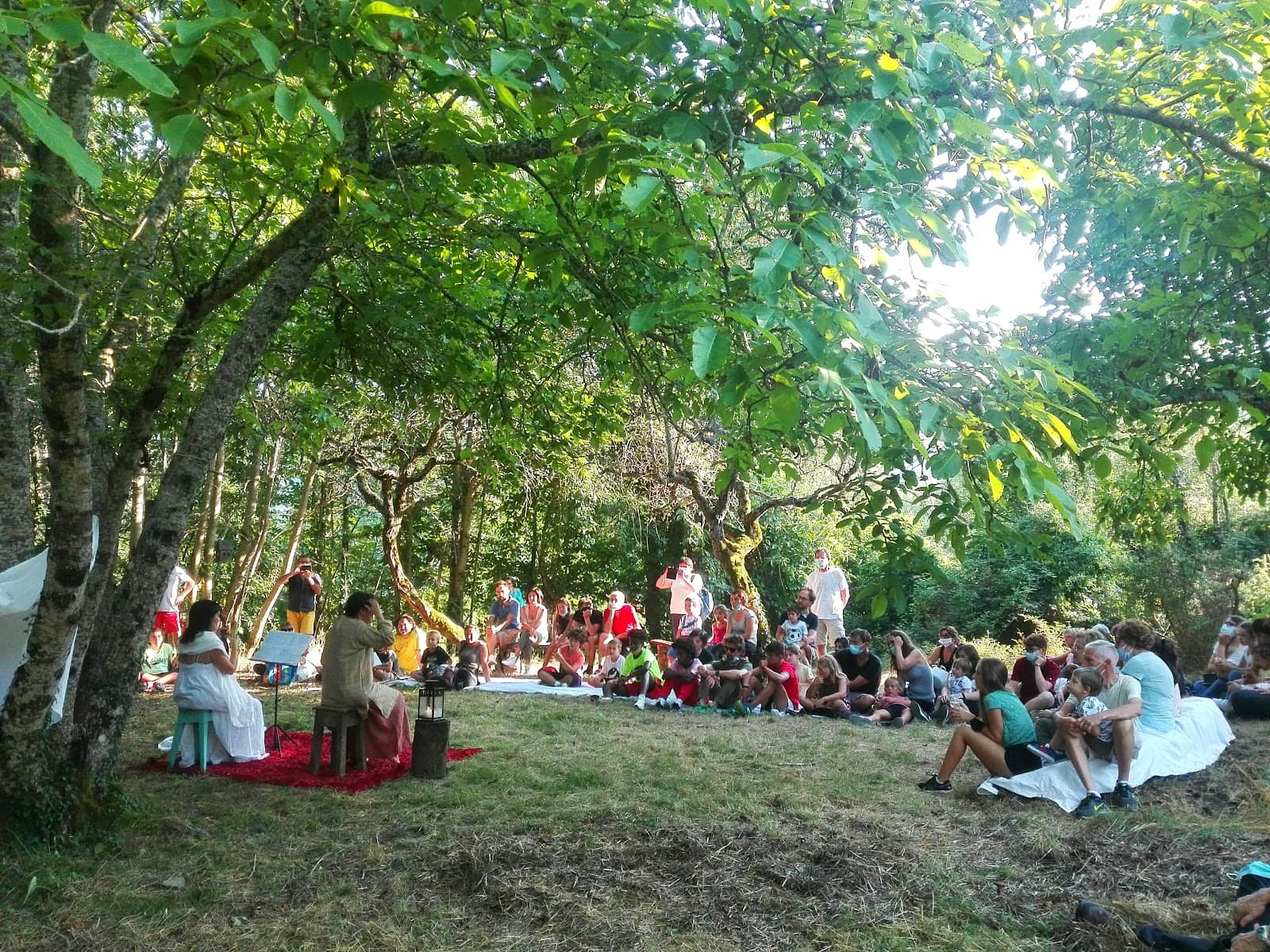
Witness the ancient art of charcoal making with demonstrations of traditional wood-burning techniques.
Ecomuseum of the Art of Wool
Stia
Discover the history of Casentino fabric production in a beautifully restored former wool mill.
Plans like a pro.
Thinks like you
Planning Your Visit
Embrace the 'Widespread Museum' Concept
Engage with Local Guides
Best Times
Insider Tips
from TikTok, Instagram & Reddit
🗺️ Plan Your Route
It's a network! Map out which 'antennas' you want to visit beforehand to maximize your time.
🗣️ Chat with Locals
Guides like Lorenzo are treasure troves of information. Ask questions and listen to their stories!
👟 Wear Comfortable Shoes
You'll be exploring various sites, some with uneven terrain. Comfort is key for a full day of discovery.
⏳ Allow Ample Time
Each location offers deep dives into history. Don't rush; savor the details and stories.
Tips
from all over the internet
🗺️ Plan Your Route
It's a network! Map out which 'antennas' you want to visit beforehand to maximize your time.
🗣️ Chat with Locals
Guides like Lorenzo are treasure troves of information. Ask questions and listen to their stories!
👟 Wear Comfortable Shoes
You'll be exploring various sites, some with uneven terrain. Comfort is key for a full day of discovery.
⏳ Allow Ample Time
Each location offers deep dives into history. Don't rush; savor the details and stories.
What Travellers Say
Reviews Summary
Visitors consistently praise the Ecomuseo del Bosco e della Montagna Moggiona for its authentic preservation of local history and traditions. The 'widespread museum' concept is lauded for its immersive approach, with many highlighting the invaluable knowledge shared by passionate local guides, particularly Lorenzo. While the decentralized nature requires planning, the unique insights into crafts, industries, and local lore make it a deeply rewarding experience for those seeking genuine cultural exploration.
"Truly spectacular!!!
They help keep the memory of these places alive with so much information and curiosities that, when "told firsthand by the locals," have a great added value!!!
I'm in love with the Gunpowder and Smuggling Museum!!!! I've been coming to Casentino for forty years and never heard about the gunpowder factories. This museum helps ensure we don't miss out on truly special pieces of history!!!
Mr. Lorenzo is fantastic! It would take hours and hours to listen to all his knowledge!!
If you happen to be in Chitignano or... on your way to La Verna...don't hesitate to stop by!!! You'll leave satisfied and full of new knowledge you never would have thought of!"
E!!!
"The Casentino Ecomuseum is a valid example of a "widespread museum" as it bears witness to the traditions of a place that still maintains a relationship with the past while looking to the future. Thus, those small but significant realities that are scattered throughout the territory stand out, and remain in the territory as a garrison of values. The Chestnut Ecomuseum of Raggiolo, with its drying sheds, the Ecomuseum of the charcoal burner of Cetica, where you can still see masters of coal processing lighting immense domes of wood covered with clods of earth like large igloos, which slowly exhale fumaroles that slowly rise towards the sky. And many other multiple locations scattered throughout the Casentino valley to bear witness to the specificity of a small village or a territorial area. The Ecomuseum of the Art of Wool of Stia is for example a high testimony of the restoration of industrial architecture, a former wool mill that at the beginning of the 1900s had more than 1000 workers, at the forefront of social equality. Now along the museum route you can observe the many steps of the manufacturing of Casentino fabric.
In Chitignano there are still some strange stones along the streams that have a hemispherical cavity inside. They are called pille and were used to make gunpowder crushed in the pilla that acted as a mortar ... smuggled gunpowder of course! The Chitignano pille are part of the routes that can be visited thanks to the friendly Lorenzo, a living and active soul of the Ecomuseum of Smuggling and Gunpowder. I really think it's worth starting the adventure!"
pol fab
"A museum network offering a wealth of insights into the beautiful Casentino region of Tuscany, from a variety of perspectives. The Ecomuseum is staffed by passionate professionals and plays a fundamental role in preserving and transmitting the memory of the area's places and inhabitants through exhibitions, walks, and educational activities of all kinds. Each small museum within it, its "antennas," opens a world of stories from the near and distant past, and the values of societies that are slowly disappearing and that we must all bear witness to and pass on."
Chiara Marcotulli
What People Like
What People Dislike
Frequently Asked Questions
🚇 🗺️ Getting There
The Ecomuseo is a 'widespread museum,' meaning it's a network of sites across the Casentino valley. You'll likely need a car to travel between the different locations like Chitignano, Raggiolo, Cetica, and Stia. Public transport options may be limited between these smaller villages.
Having a car is highly recommended for navigating between the various 'antennas' of the Ecomuseo. Road signs might vary, so using GPS or a good map is advisable.
Yes, it's possible, but it requires careful planning. Consider grouping nearby sites together to minimize travel time. Prioritize which locations interest you most.
Parking availability can vary. Smaller villages might have limited street parking, while larger sites may have designated areas. It's best to check specific site information if possible.
The official Ecomuseo website or local tourist information centers are your best bet for detailed maps and addresses of each individual museum site.
🎫 🎫 Tickets & Entry
The Ecomuseo operates as a network of individual sites. It's likely that each 'antenna' or museum has its own admission fee or operates on a donation basis. It's advisable to check the specific entry requirements for each location you plan to visit.
Opening hours can vary significantly between the different Ecomuseo locations and may also be seasonal. It's crucial to check the specific opening times for each site you wish to visit in advance.
For specific guided tours or to ensure access, especially for smaller sites or during peak season, booking in advance is often recommended. Contacting the individual sites directly is the best approach.
While not explicitly mentioned, some Ecomuseo networks offer combined tickets or passes. Inquire locally or check their official resources for potential multi-site discounts.
Most of the Ecomuseo sites will likely have a small entrance fee to support their preservation and operations. Some might operate on a voluntary contribution basis.
🎫 🧭 Onsite Experience
Expect a diverse range of experiences, from learning about historical crafts like charcoal burning and wool production to exploring the secrets of gunpowder making and local traditions. Many sites offer guided tours and interactive exhibits.
Accessibility can vary greatly as many sites are in historic buildings or natural settings. Some locations might have limited accessibility due to their nature. It's best to inquire directly with each site about their specific accessibility features.
Photography policies usually vary by site. Generally, personal photography for non-commercial use is allowed, but flash photography or professional shoots might be restricted. Always check for signage or ask staff.
Yes, guided tours are a highlight, especially with passionate locals like Lorenzo sharing their expertise. It's highly recommended to join a tour for a richer understanding of the history and culture.
It means the museum is not confined to one building but spread across various locations in the territory, each preserving and showcasing a specific aspect of local heritage, traditions, or history.
🍽️ 🍽️ Food & Dining
Dining options are generally limited within the Ecomuseo sites themselves. You'll likely find cafes or small eateries in the nearby villages associated with each 'antenna.'
The Casentino region is known for its hearty Tuscan cuisine. Look for dishes featuring local game, chestnuts, cured meats, and traditional pasta. Don't miss trying local wines and olive oil.
Picnicking might be possible in designated outdoor areas near some Ecomuseo sites, especially in natural settings. However, it's always best to check local regulations or ask permission.
The villages surrounding the Ecomuseo sites, such as Chitignano, Raggiolo, Cetica, and Stia, will have local trattorias and restaurants offering authentic regional cuisine.
While traditional Tuscan cuisine is meat-heavy, many restaurants are increasingly offering vegetarian options. Vegan options might be more limited but can often be accommodated if you communicate your needs.
📸 📸 Photography
Each Ecomuseo site offers unique photographic opportunities. The traditional charcoal burner domes in Cetica, the historic wool mill in Stia, and the rustic drying sheds in Raggiolo are particularly picturesque.
Drone usage is typically restricted in protected areas, historical sites, and national parks. It's essential to check local regulations and obtain any necessary permits before flying a drone.
Many visitors enjoy capturing the rustic charm of the traditional crafts, the natural landscapes of the Casentino forests, and the architectural details of the historic buildings.
Golden hour (early morning or late afternoon) often provides beautiful light for landscape and architectural photography. Midday can be harsh, but good for capturing details.
A versatile lens (like a 24-70mm) is useful for landscapes and details. A wide-angle lens can be great for capturing the scale of the charcoal domes or the wool mill.
For Different Travelers
Tailored advice for your travel style
👨👩👧 Families with Kids
Tips for families: Plan your route to include sites with more visual appeal or interactive elements. Pack snacks and drinks, as dining options might be limited between sites. Encourage children to ask questions and imagine life in the past. The Gunpowder and Smuggling Museum, with its tales of intrigue, can be particularly exciting for older children.
🚶♀️ History Buffs & Cultural Explorers
Recommendations: Prioritize visiting the Gunpowder and Smuggling Museum for its unique historical context and the Ecomuseum of the Art of Wool to understand the region's industrial significance. Consider booking guided tours in advance to gain the most in-depth insights from local experts.
Deep Dives
In-depth insights and expert knowledge
The 'Widespread Museum' Concept Explained
This network allows visitors to experience the Casentino valley in a deeply immersive way. Instead of just seeing artifacts behind glass, you can walk through ancient chestnut drying sheds in Raggiolo, witness the smoky spectacle of charcoal burners in Cetica, or delve into the illicit history of gunpowder in Chitignano. This decentralized approach fosters a stronger connection between visitors and the land, highlighting how history is woven into the very fabric of the landscape.
By spreading its exhibits across multiple locations, the Ecomuseo ensures that the memory of these places and their inhabitants is kept alive. It's a testament to the value of local knowledge and the importance of passing down traditions to future generations. The passionate individuals who staff these sites, like the highly praised Lorenzo, are crucial to this mission, offering firsthand accounts that bring the history to life.
Exploring the Crafts and Industries of Casentino
In Stia, the Ecomuseum of the Art of Wool is housed in a former wool mill, a testament to the region's industrial past. This site details the intricate process of creating the famous Casentino fabric, a testament to the area's textile heritage. The restoration of this industrial architecture also speaks to a commitment to preserving the region's built heritage while looking towards the future.
Another unique aspect highlighted is the Gunpowder and Smuggling Museum in Chitignano. Here, visitors can learn about the historical use of local 'pille' stones for crushing ingredients and the clandestine trade of gunpowder. This site, often guided by the knowledgeable Lorenzo, offers a glimpse into a less-discussed but significant part of the region's history, emphasizing the ingenuity and resourcefulness of its past inhabitants.


Social
from TikTok, Instagram & Reddit