San Michele in Cioncio
A charming 12th-13th century Romanesque church in Pistoia, known for its unique marble lunette and rustic stone architecture.
Highlights
Must-see attractions

Social
From TikTok & Reddit
Best Time
Fewer crowds, peaceful atmosphere
San Michele in Cioncio
Best Time
Fewer crowds, peaceful atmosphere
Highlights
Must-see attractions
A charming 12th-13th century Romanesque church in Pistoia, known for its unique marble lunette and rustic stone architecture.
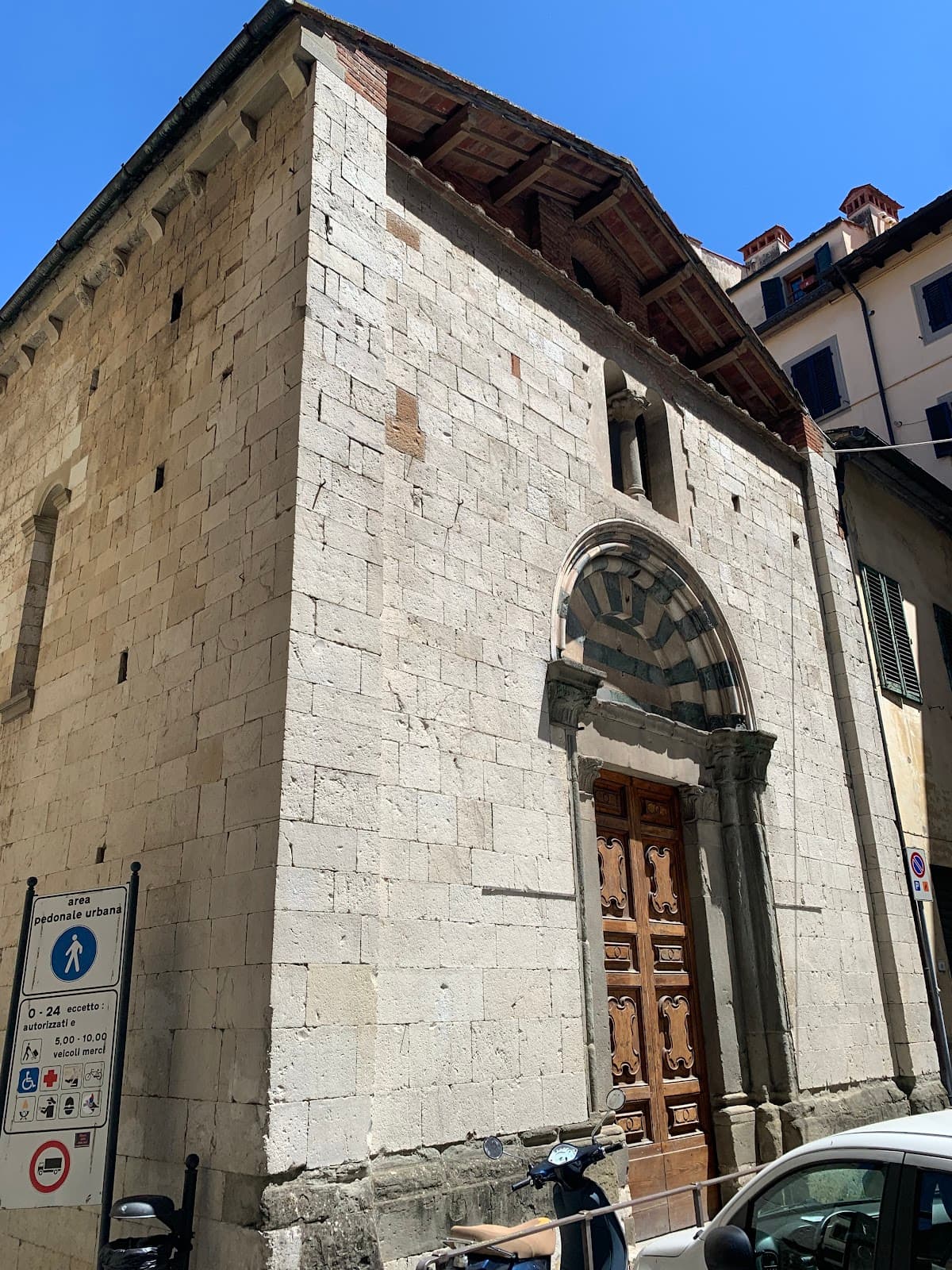
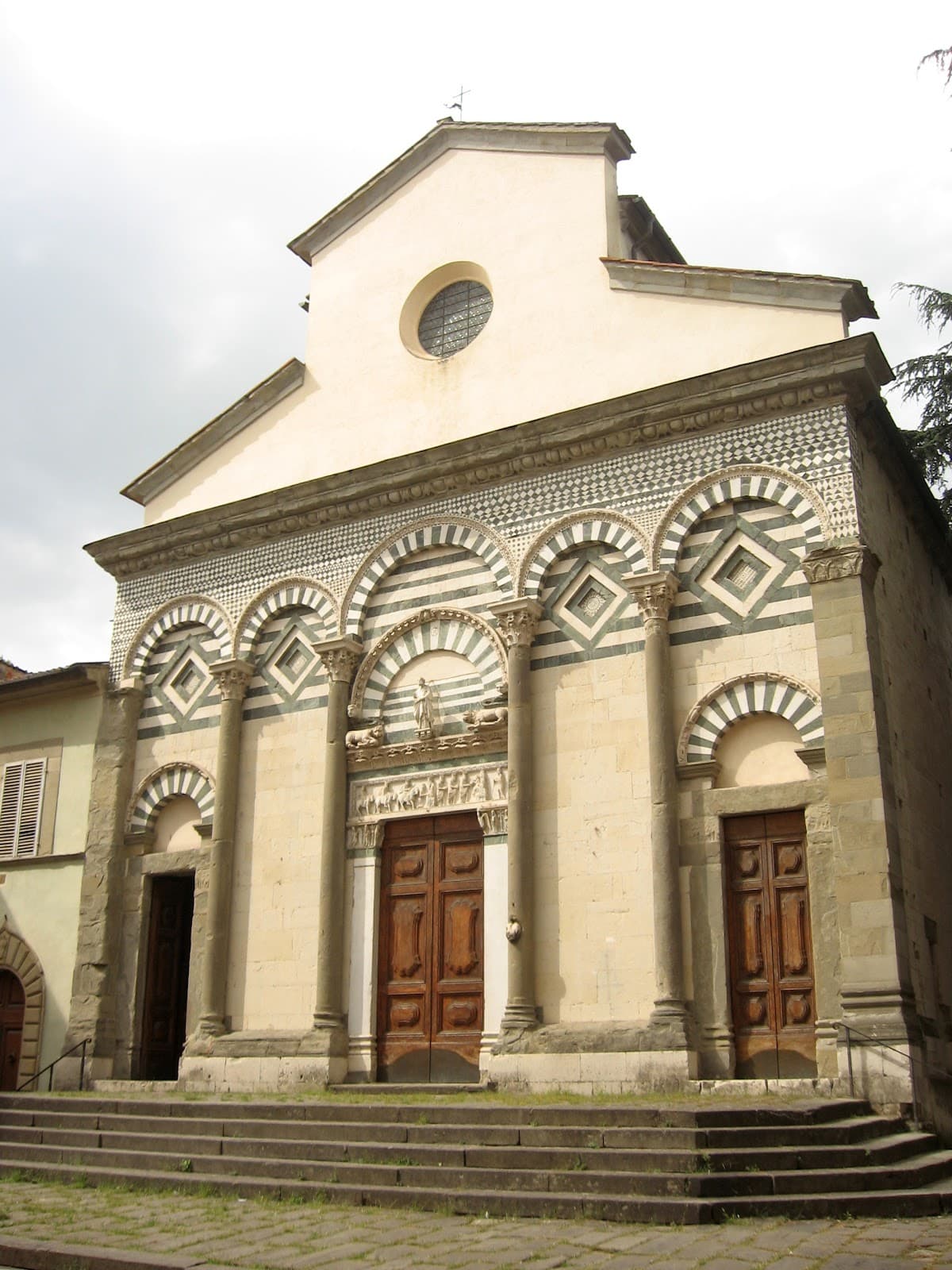
"Admire the portal with a stone frame, surmounted by a lunette in two-tone marble."
📸 Photo Opportunities
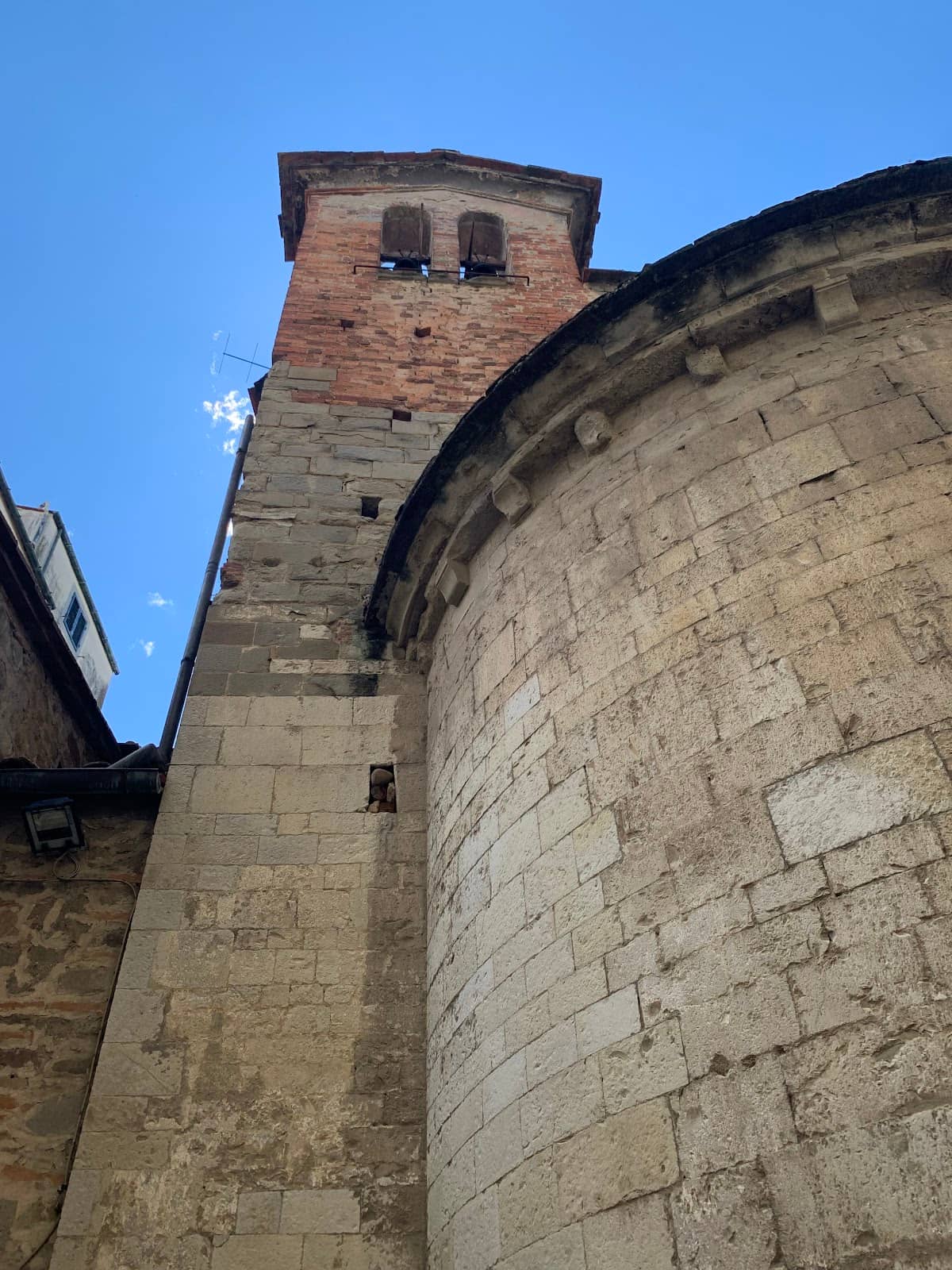
Capture the unique two-tone marble lunette and the rustic stone walls. Best light in the afternoon.
🚶♂️ Explore the Area
The church is in a small fraction; enjoy a quiet walk around the surroundings.
Quick Facts
Rating
4.2 · 5 reviews
Type
Church
Highlights
Discover the most iconic attractions and experiences
Romanesque Façade
Exterior
Admire the regular alberese blocks and the portal with a distinctive two-tone marble lunette.
Single Nave Interior
Interior
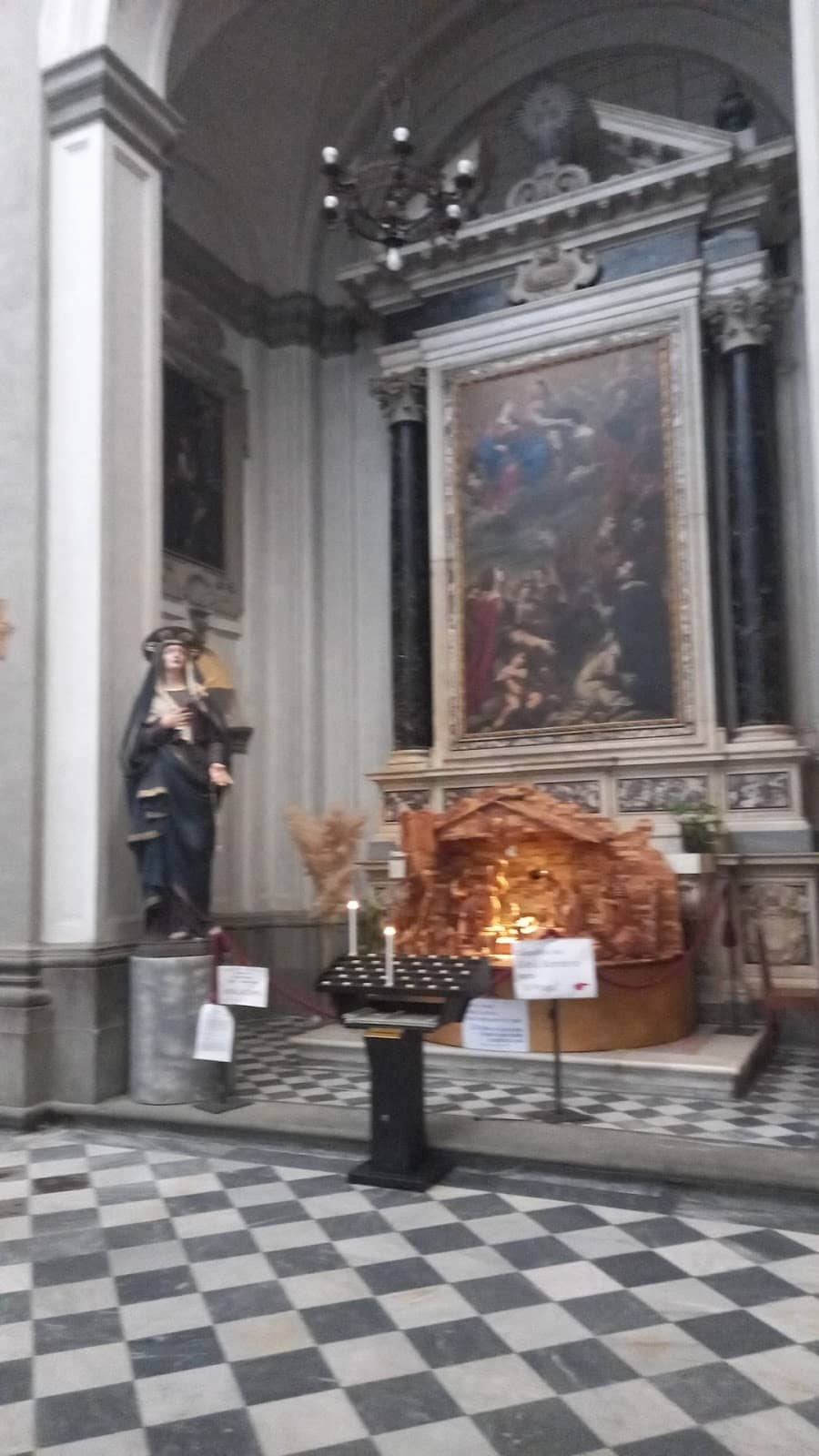
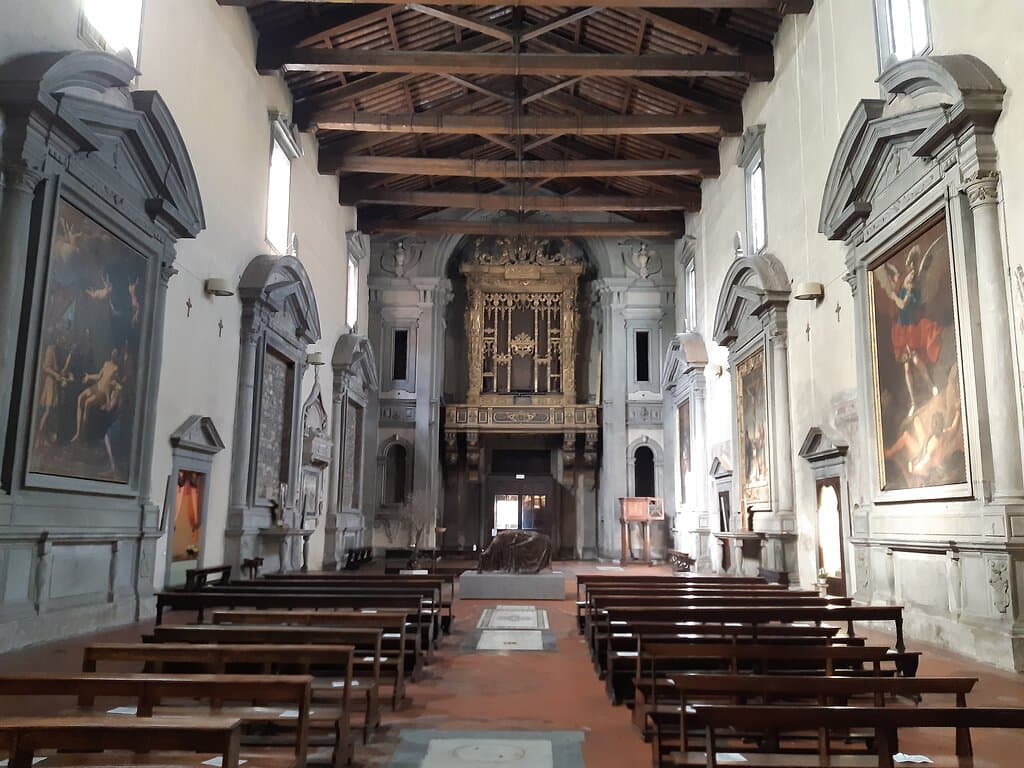
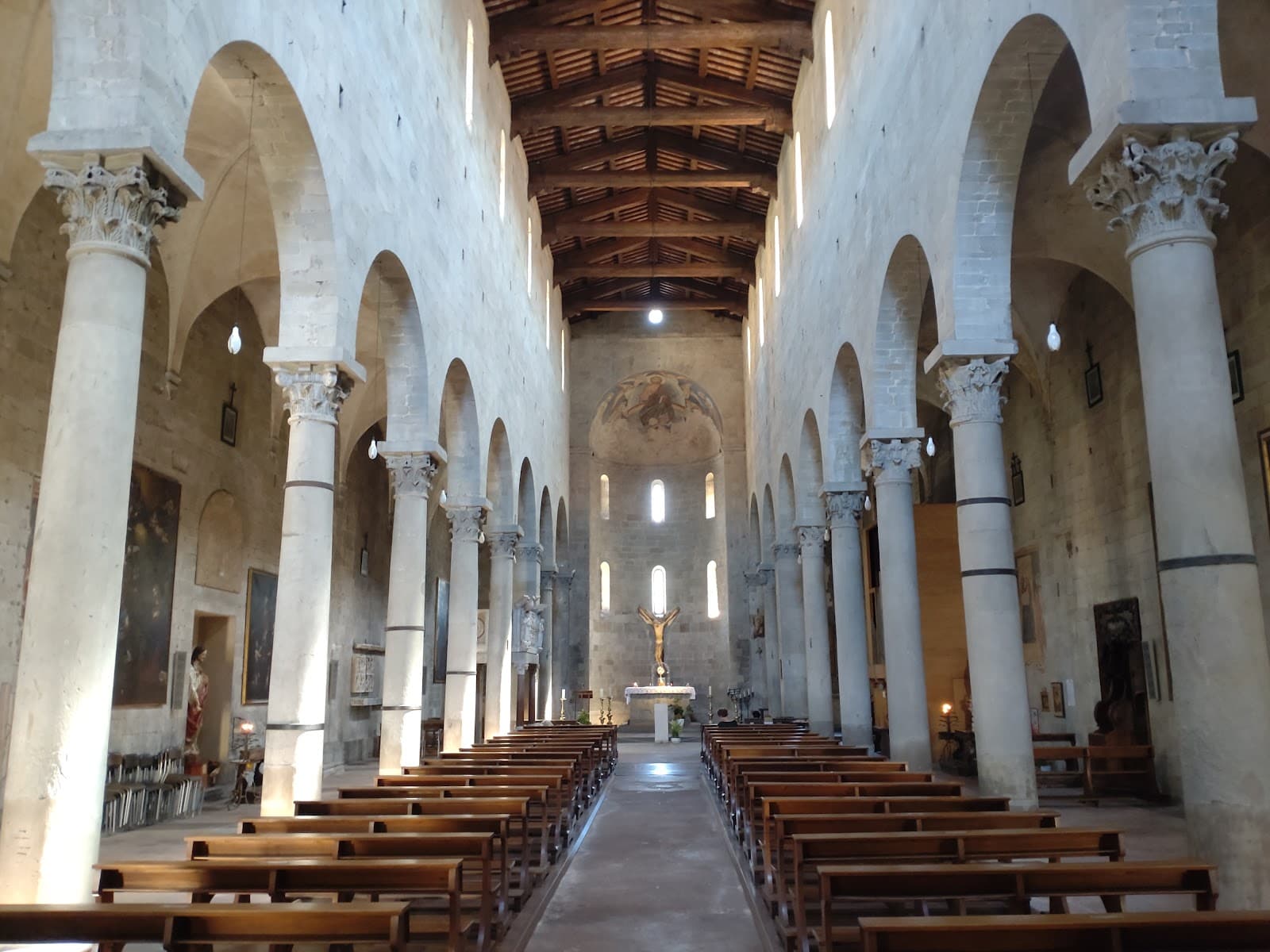
Experience the simplicity of the rectangular nave with its wooden gabled roof and exposed stone masonry.
Semicircular Apse
Interior
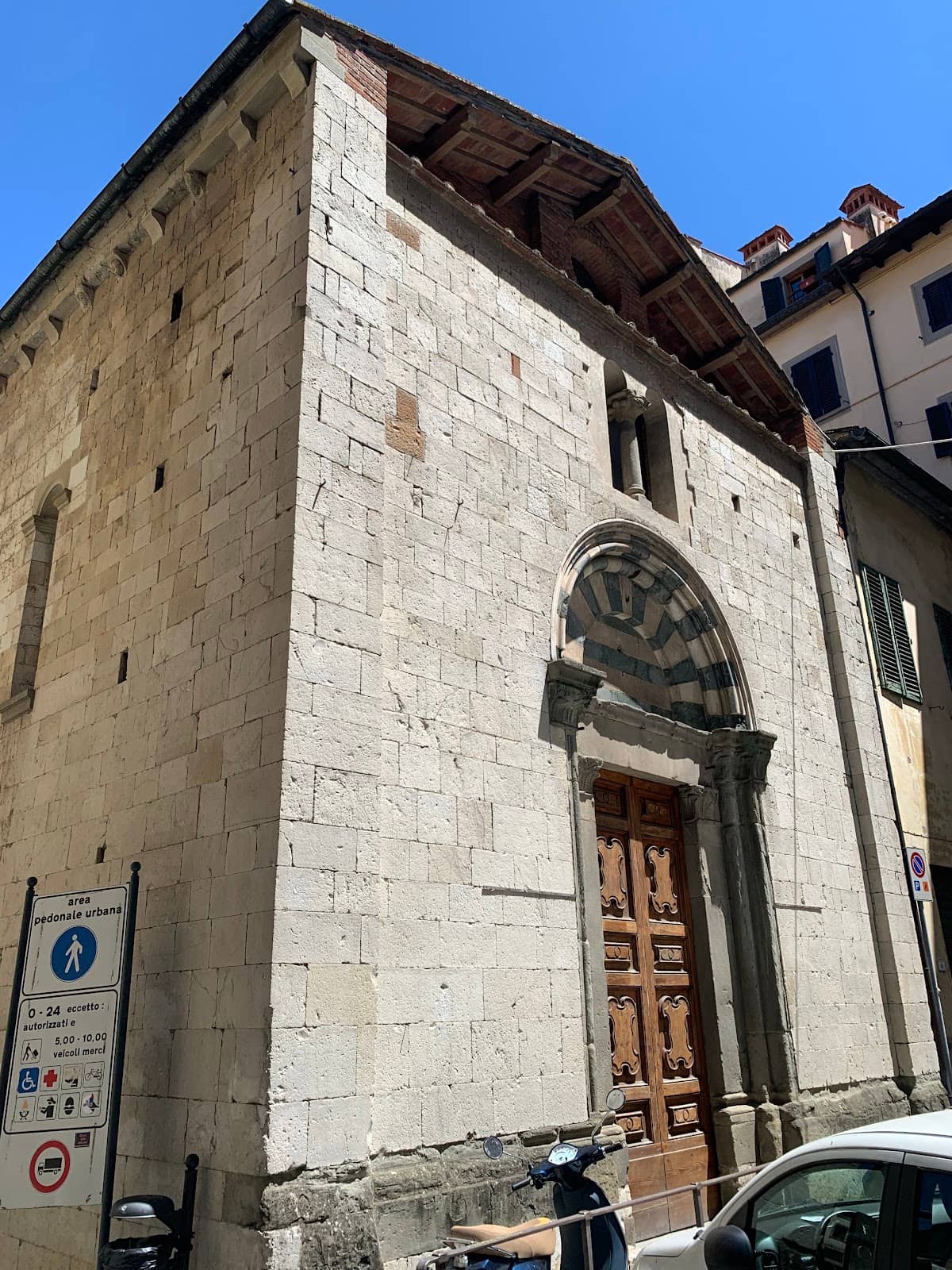
Note the apse's simple sandstone frame, a characteristic element of its Pisan Romanesque origin.
Plans like a pro.
Thinks like you
Planning Your Visit
Timing Your Visit
Understanding its History
Best Times
Insider Tips
from TikTok, Instagram & Reddit
📸 Photo Opportunities
Capture the unique two-tone marble lunette and the rustic stone walls. Best light in the afternoon.

🚶♂️ Explore the Area
The church is in a small fraction; enjoy a quiet walk around the surroundings.
🕰️ Check Opening Times
As a historical site, hours can be limited. Verify before your visit.
Tips
from all over the internet
📸 Photo Opportunities
Capture the unique two-tone marble lunette and the rustic stone walls. Best light in the afternoon.
🚶♂️ Explore the Area
The church is in a small fraction; enjoy a quiet walk around the surroundings.
🕰️ Check Opening Times
As a historical site, hours can be limited. Verify before your visit.
What Travellers Say
Reviews Summary
Visitors appreciate San Michele in Cioncio for its authentic Romanesque architecture and historical significance, particularly its unique marble lunette and rustic stone construction. It's seen as a quiet, charming stop offering a glimpse into Pistoia's past, though its small size means visits are typically brief.
"The façade, in regular blocks of alberese, is missing the termination, lost with the construction of the eighteenth-century tympanum and is characterized by the portal with a stone frame, surmounted by a lunette in two-tone marble, white Carrara and green Prato, surmounted by a mullioned window.
The small building, typical of the Pistoia Romanesque of Pisan origin, has a planimetric layout with a single rectangular nave concluded by a semicircular apse that ends with a simple sandstone frame on brackets.
The hall has a wooden gabled roof supported by trusses with walls without plaster that exhibit the masonry in regular stone blocks."
Paolo Caggiano
"Built between the 12th and 13th centuries, its name derives from the name given at that time to wool workers, known as "ciompi"; in fact, there were wool mills in this area. It underwent major renovations in the 20th century. From 1965 to 1988, it replaced the nearby church of Sant'Ignazio di Loyola for liturgical celebrations."
Francesco Ugolini
""
Annalisa Fusilli
What People Like
What People Dislike
Frequently Asked Questions
🚇 🗺️ Getting There
San Michele in Cioncio is located in the Pistoia area. While public transport might be limited, driving is the most convenient option. Consider using GPS navigation to reach the specific fraction.
Information on direct public transport to San Michele in Cioncio is scarce. It's advisable to check local bus routes from Pistoia, though a car is generally recommended for easier access.
For the best photographic light on the façade, aim for late afternoon visits. Driving allows flexibility to park and capture the exterior from various angles.
🎫 🎫 Tickets & Entry
San Michele in Cioncio is a historical church, and typically, entry to view the exterior and the main nave is free. However, it's always wise to confirm if any specific areas have access restrictions.
As a historical site, specific opening hours can vary. It's recommended to check with local Pistoia tourism offices or online resources for the most up-to-date information before planning your visit.
Generally, there is no entrance fee to visit San Michele in Cioncio. It's a historical monument meant to be appreciated by visitors.
🎫 🧭 Onsite Experience
San Michele in Cioncio is a prime example of Pistoia Romanesque architecture, with Pisan influences. Its construction dates back to the 12th and 13th centuries.
The name 'Cioncio' is believed to derive from 'ciompi,' the term used for wool workers in that era, indicating the historical presence of wool mills in the area.
Inside, you'll find a single rectangular nave with a wooden gabled roof supported by trusses. The walls exhibit exposed masonry in regular stone blocks, reflecting its original construction.
Information on official guided tours is limited. For a deeper understanding, consider researching the church's history beforehand or looking for local guides in Pistoia.
📸 📸 Photography
Focus on the façade, especially the portal with its unique two-tone marble lunette. The rustic stone masonry of the walls and the semicircular apse are also picturesque.
Photography is generally permitted inside historical churches for personal use, but it's always respectful to avoid flash photography, especially during services.
Late afternoon offers softer, more flattering light for the exterior. The morning light can also be good for capturing details of the façade.
Social
from TikTok, Instagram & Reddit