Civic Printing Museum
Explore Mondovì's rich printing legacy through a vast collection of historical machines and interactive exhibits.
Highlights
Must-see attractions

Social
From TikTok & Reddit
Best Time
Fewer crowds, more personal attention
Civic Printing Museum
Best Time
Fewer crowds, more personal attention
Highlights
Must-see attractions
Explore Mondovì's rich printing legacy through a vast collection of historical machines and interactive exhibits.
"A true revelation, this museum offers a fascinating journey through the evolution of printing."
🎯 Guided Tours are a Must
Highly recommended for deep dives into history and machinery. Guides like Andrea are praised for their knowledge!
👟 Comfortable Shoes Recommended
You'll be walking through several thematic routes, so wear comfy shoes to explore the vast collection.
Highlights
Discover the most iconic attractions and experiences
Don Bosco's Printing School Press
Former Orphanage Building
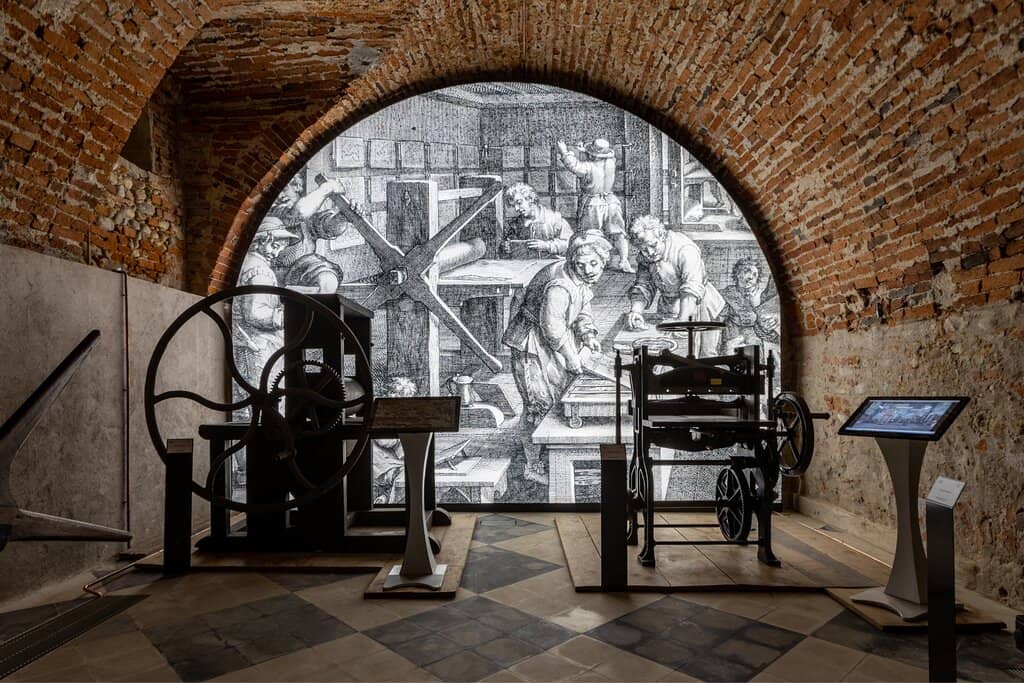
See the actual press and paper cutter used by Don Bosco in his pioneering printing school in Valdocco.
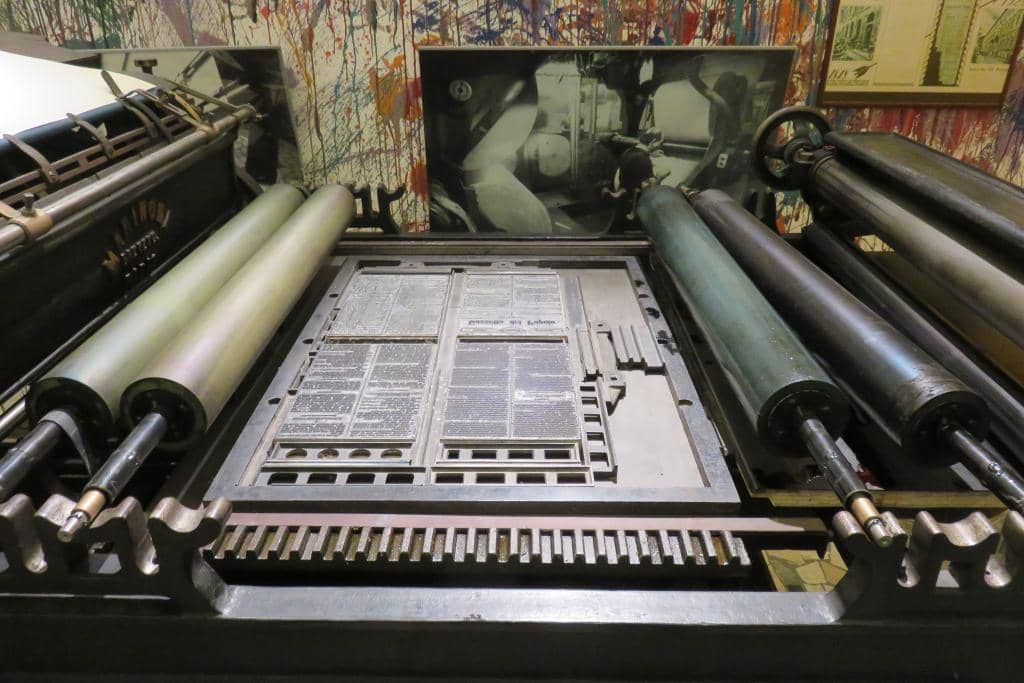
First Cylindrical Press
Former Orphanage Building
Witness the groundbreaking cylindrical press that printed the inaugural issue of the historical Turin newspaper, 'Gazzetta del Popolo'.
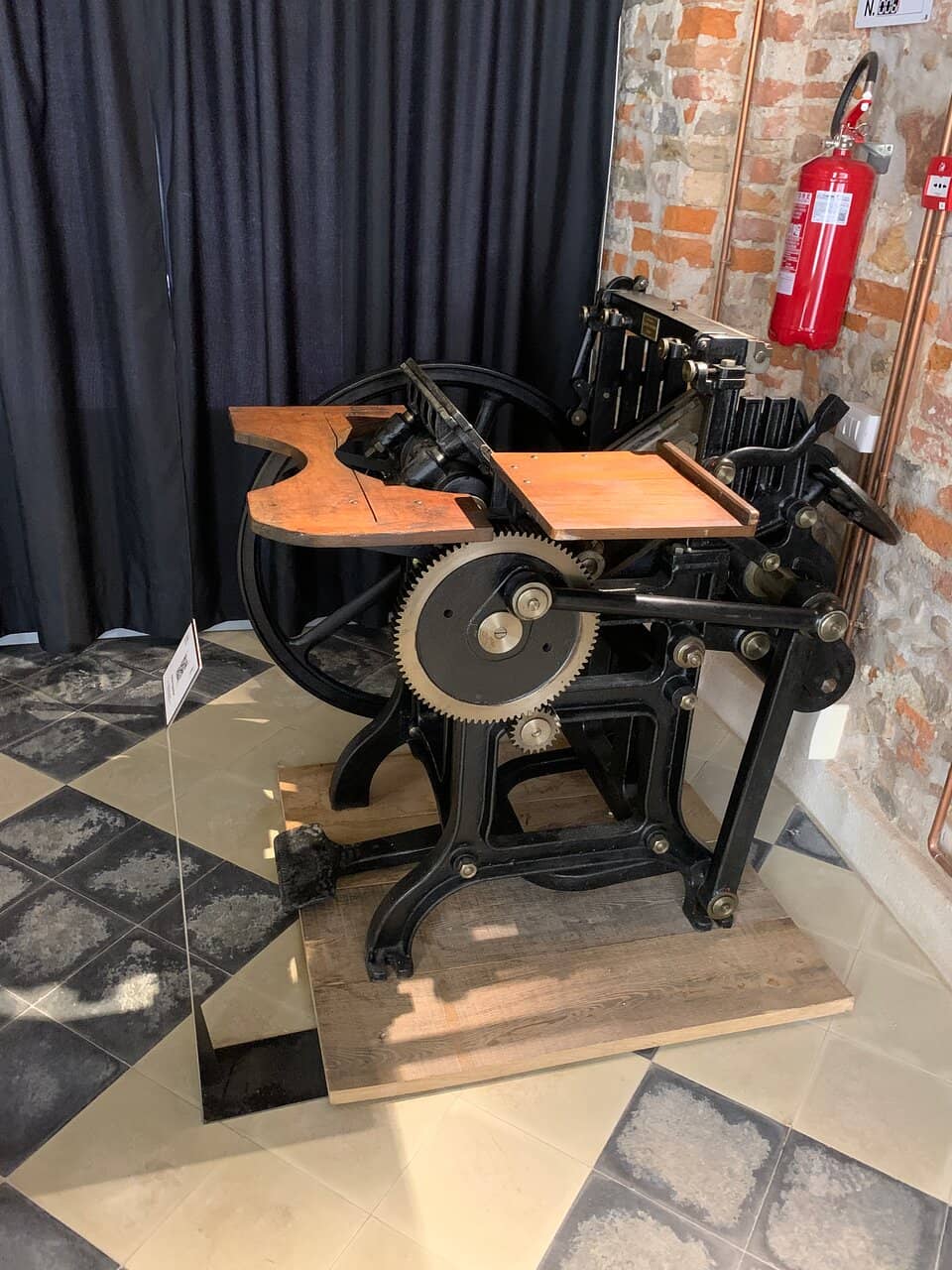
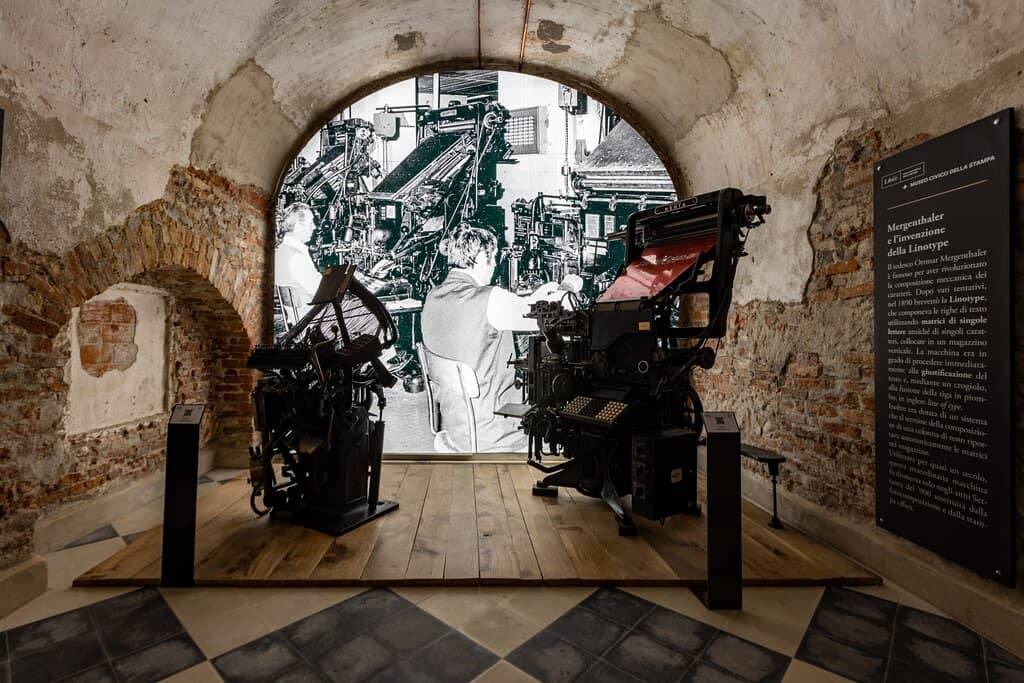
Linotype Machine
Former Orphanage Building
Marvel at the intricate Linotype machine, a revolutionary invention that transformed typesetting and is a highlight for many visitors.
Plans like a pro.
Thinks like you
Planning Your Visit
Book Your Visit in Advance
Mondovì's Printing Heritage
Best Times
Insider Tips
from TikTok, Instagram & Reddit
🎯 Guided Tours are a Must
Highly recommended for deep dives into history and machinery. Guides like Andrea are praised for their knowledge!
👟 Comfortable Shoes Recommended
You'll be walking through several thematic routes, so wear comfy shoes to explore the vast collection.
📱 Interactive Tablets Available
Enhance your understanding with helpful tablets that provide explanations and context for exhibits.
📸 Capture the History
The machinery and historical setting offer fantastic photo opportunities. Don't forget your camera!

Tips
from all over the internet
🎯 Guided Tours are a Must
Highly recommended for deep dives into history and machinery. Guides like Andrea are praised for their knowledge!
👟 Comfortable Shoes Recommended
You'll be walking through several thematic routes, so wear comfy shoes to explore the vast collection.
📱 Interactive Tablets Available
Enhance your understanding with helpful tablets that provide explanations and context for exhibits.
📸 Capture the History
The machinery and historical setting offer fantastic photo opportunities. Don't forget your camera!
What Travellers Say
Reviews Summary
Visitors praise the Civic Printing Museum for its fascinating collection of historical printing machinery and its deep dive into Mondovì's printing heritage. The guided tours are highly recommended for their informative content, and the interactive elements enhance the learning experience. While some minor issues with audio-visual setups are noted, the overall sentiment is that it's a unique and worthwhile visit for history and technology enthusiasts.
"Diring the well-known "Mostra" of Mondoví, I've got the chance to visit this fantastic museum not to be missed.
A few steps from Piazza Maggiore, continuing along the via Vico and then turning right, next to the precious brotherhood of Battuti Neri, is the other important museum of Monregalese, dedicated to a great historical tradition of Mondovì : the museum of printing. To date, the city is still very lively from an editorial point of view, but it can boast of a long and noble tradition in this area. It was Mondovì which printed the first book of Piedmont, thanks to the works of Baldassarre Cordero and the printer Antonio Di Mattia of Antwerp, in 1472. As soon as other typographies opened their doors: the peak of printing in the city came with the opening, in the 16th century, of the University of Piazza. Thus Mondovì was for many years the "City of Studies" and saw the opening of schools, institutes and boarding schools to welcome students, as well as a seminar for the training of new priests.
To preserve and enhance this long tradition, this museum was opened in 2001, and houses the public collection of most complete printing machines in Italy. The richest nucleus consists of pieces from the collection of Ernesto Saroglia (1908-1989), a brilliant inventor and manufacturer of presses distributed worldwide. These were joined by other pieces from the “Modern Typographic Editions” to Nizza Monferrato, which closed in 2001. The seat of this museum is also historic: the palace was built by carmelites with bare feet at the beginning of the 17th century. Inside, seven thematic routes dividing the exhibition have been set up. Among the exhibited parts, some relics of great historical value and curiosities of great interest: there is the press and the paper cutter used by Don Bosco in Valdocco in his printing school, the first in Italy; The first cylindrical press which printed the first issue of the "Gazzetta del Popolo", historical newspaper of Turin; And again the lithographic press of the Royal Turin Library, long used by the University to print end -of -studies diplomas."
Enjoy life
"Excellent museum: the exposition about typography is very well thoughts and the workshops are unique. Special kudoz to our guide Andrea. Mondovì is also a big surprise: nice town with great food."
Francesco Grande
"I booked admission and a guided tour. It's a completely different experience from my childhood memories, a true revelation. It's located near Piazza d'Armi in the former Orphanage building. My grandmother, despite herself, was also there. It's completely renovated and still has projects underway. The guide was very detailed with tons of information. Not many people know that the first book in Piedmont was printed in Mondovì, thanks to Baldassarre Cordero, way back in 1472. Moving from room to room, you discover the evolution of printing and you might even fall in love with the Linotype, which I find fantastic. Spacious workshops, public restrooms, and a small shop. Everything is perfectly explained, even with the help of tablets. Worth a visit."
Elisa Gava Williams
What People Like
What People Dislike
Frequently Asked Questions
🚇 🗺️ Getting There
The Civic Printing Museum is located in the former Orphanage building, a short walk from Piazza Maggiore. You can reach it by following Via Vico and turning right. Parking is available nearby, and local buses also serve the area.
Yes, Mondovì is served by public transport, and the museum is within walking distance of the main town center. Check local bus schedules for the most convenient routes.
There are parking facilities available in the vicinity of Piazza Maggiore and the former Orphanage building, making it convenient for visitors arriving by car.
🎫 🎫 Tickets & Entry
Opening hours can vary, so it's best to check the official Civic Printing Museum website or contact them directly for the most up-to-date information on operating hours.
Admission prices can change. It's advisable to visit the museum's official website or call ahead to confirm current ticket costs and any potential discounts.
While walk-in visits are often possible, booking tickets, especially for guided tours, is highly recommended to ensure availability and a more comprehensive experience.
Yes, guided tours are available and highly recommended. Guides provide detailed information about the printing machines and the history of printing in Mondovì.
Typically, you can purchase tickets at the museum's entrance. However, for popular times or special events, pre-booking is a good idea.
🎫 🧭 Onsite Experience
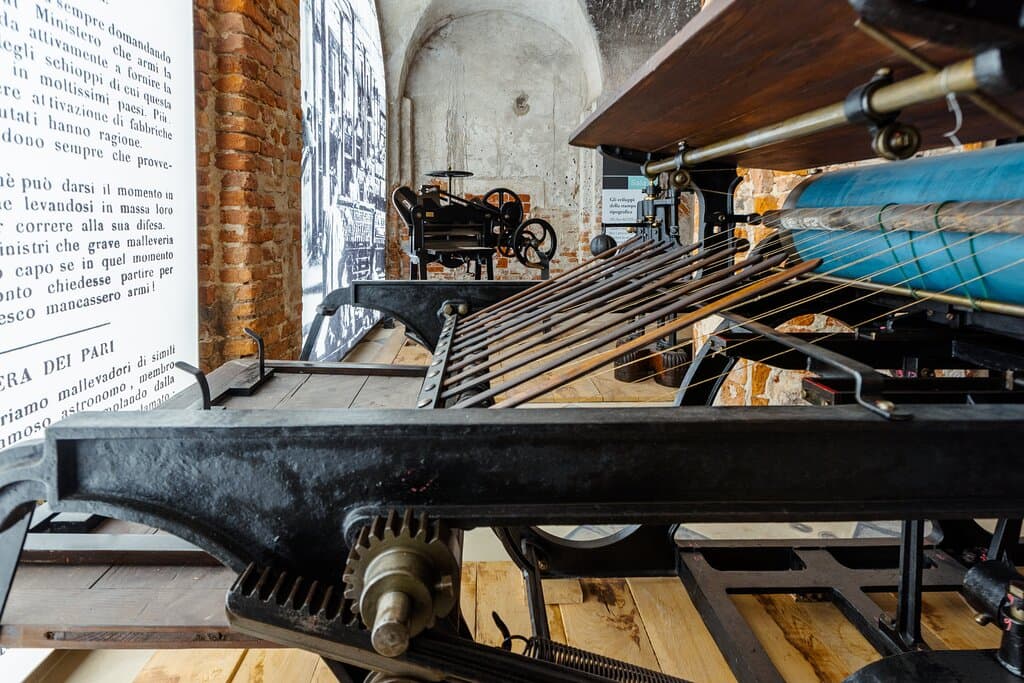
The museum showcases a vast collection of historical printing machines, including presses used by Don Bosco and for printing the 'Gazzetta del Popolo'. It traces the evolution of printing technology.
Yes, the museum offers an engaging experience with interactive elements like tablets and fascinating machinery that can capture children's interest.
A visit can last anywhere from 1 to 2 hours, depending on your interest level and whether you opt for a guided tour.
The museum provides public restrooms and usually has a small shop where you can purchase souvenirs or books related to printing history.
The museum highlights Mondovì's crucial role in printing history, including the printing of the first book in Piedmont in 1472, and preserves a significant collection of printing machinery.
🍽️ 🍽️ Food & Dining
The museum itself does not typically have a restaurant, but there are many cafes and restaurants in the nearby Piazza Maggiore and the surrounding streets of Mondovì.
Mondovì is known for its great food, offering a variety of local Piedmontese specialties. You can find trattorias, pizzerias, and cafes serving regional dishes.
Generally, outside food and drinks are not permitted inside museum exhibition areas. It's best to enjoy your meal at a nearby eatery before or after your visit.
📸 📸 Photography
Photography for personal use is usually permitted, but flash photography might be restricted to protect the artifacts. Always check for specific signage or ask staff.
The impressive printing machines, especially the historical presses and the Linotype, make for striking photographs. The architectural details of the former Orphanage building are also noteworthy.
Professional photography or videography often requires special permission and may incur additional fees. It's best to contact the museum in advance to inquire about their policy.
For Different Travelers
Tailored advice for your travel style
👨👩👧 Families with Kids
Highlighting the Don Bosco printing school press can be a great way to connect with stories of innovation and education. Encourage kids to look for the different parts of the machines and imagine how they worked. While there isn't a dedicated play area, the museum's layout allows for some freedom to explore, and the nearby Piazza Maggiore offers space for them to run around after the visit.
📚 History Buffs & Enthusiasts
Don't miss the chance to learn about figures like Don Bosco and the impact of the 'Gazzetta del Popolo' printing press. The guided tours are particularly valuable for history enthusiasts, as they delve into the social, economic, and cultural implications of printing throughout the centuries. The museum's location in a historic palace further enhances the immersive historical experience.
💡 Curious Learners & Students
Consider booking a guided tour for a more in-depth learning experience. The museum's focus on the industrial revolution and the societal impact of mass media provides valuable insights for students of history, media studies, or engineering. The presence of machines used in educational settings, like Don Bosco's printing school, adds another layer of relevance.
Deep Dives
In-depth insights and expert knowledge
The Legacy of Mondovì Printing
The museum's collection is largely built upon the extensive private collection of Ernesto Saroglia, an inventor and manufacturer of printing presses. These machines, alongside contributions from other typographic editions, form the core of the exhibition, offering a comprehensive overview of printing technology's evolution. The museum is housed in a historic 17th-century palace, adding another layer of historical significance to the visitor experience.
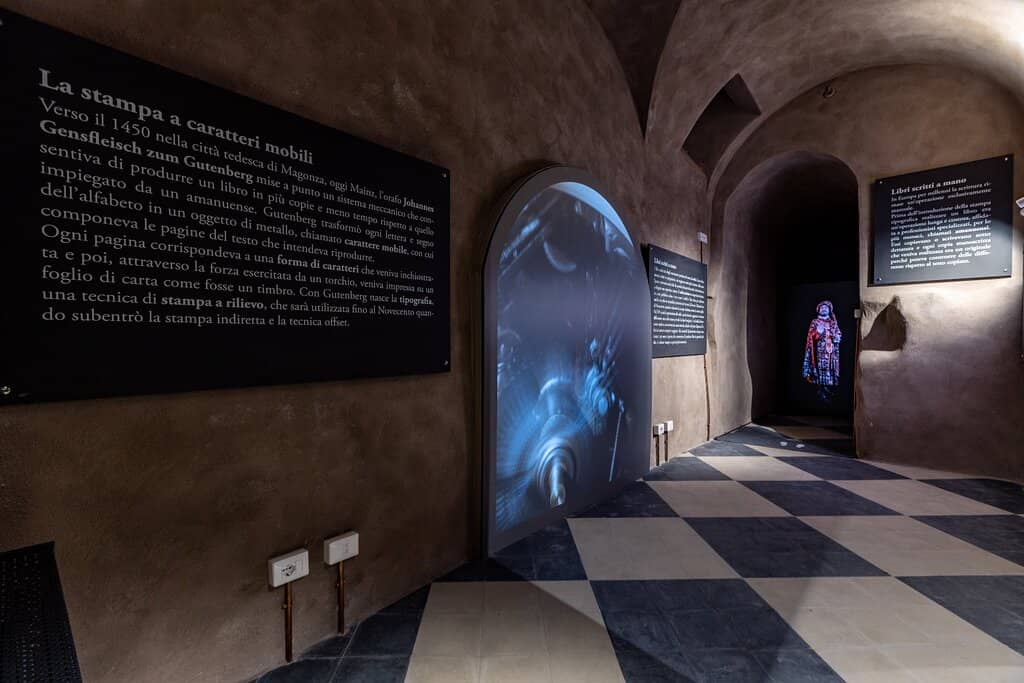
Visitors can explore seven thematic routes that guide them through the history of printing. These routes highlight not only the mechanical marvels but also the social and cultural impact of the printed word. The museum aims to make this history accessible and engaging, using modern interpretive tools alongside the preserved machinery.
Exploring the Museum's Collection
Another highlight is the first cylindrical press, the very machine that printed the inaugural issue of the 'Gazzetta del Popolo,' a historically important Turin newspaper. The museum also features the lithographic press from the Royal Turin Library, which was instrumental in printing academic works for the University. For those fascinated by the mechanics of typesetting, the Linotype machine is a must-see, representing a significant leap in printing efficiency.
Beyond these iconic machines, the museum displays artifacts from the industrial revolution era, showcasing the transition from manual labor to mechanized production. While some modern offset printing examples are present, the charm of the older, robust machinery, often adorned with decorative wooden elements, truly captures the essence of the museum's historical focus.
The Visitor Experience: Beyond the Machines
Visitors often praise the guided tours, with guides like Andrea receiving specific commendations for their in-depth knowledge and engaging delivery. These tours transform the visit from a simple viewing of machines into an immersive journey through printing history. The former Orphanage building itself, a renovated historic site, adds to the atmosphere, providing a fitting backdrop for the exhibits.
While the museum is generally well-received, some reviews mention that the audio-visual reproductions can sometimes be overwhelming due to proximity. However, the clear and straightforward signage generally suffices to provide necessary information. The overall sentiment is that the museum offers a unique and valuable glimpse into a bygone era, making it a worthwhile destination even for those not deeply familiar with printing.

Social
from TikTok, Instagram & Reddit