Diocesan Museum
Discover centuries of sacred art, historical artifacts, and spiritual heritage in beautifully restored settings.
Highlights
Must-see attractions

Social
From TikTok & Reddit
Best Time
Fewer crowds, more serene
Diocesan Museum
Best Time
Fewer crowds, more serene
Highlights
Must-see attractions
Discover centuries of sacred art, historical artifacts, and spiritual heritage in beautifully restored settings.
"A little gem in the heart of the historic center, enchanting and well-restored."
Check for Free Admission
Many Diocesan Museums offer free entry, making them budget-friendly discoveries.
Look for Parking Info
Some locations provide free parking, a great perk for drivers.
Quick Facts
Rating
3.8 · 18 reviews
Type
Museum
Highlights
Discover the most iconic attractions and experiences
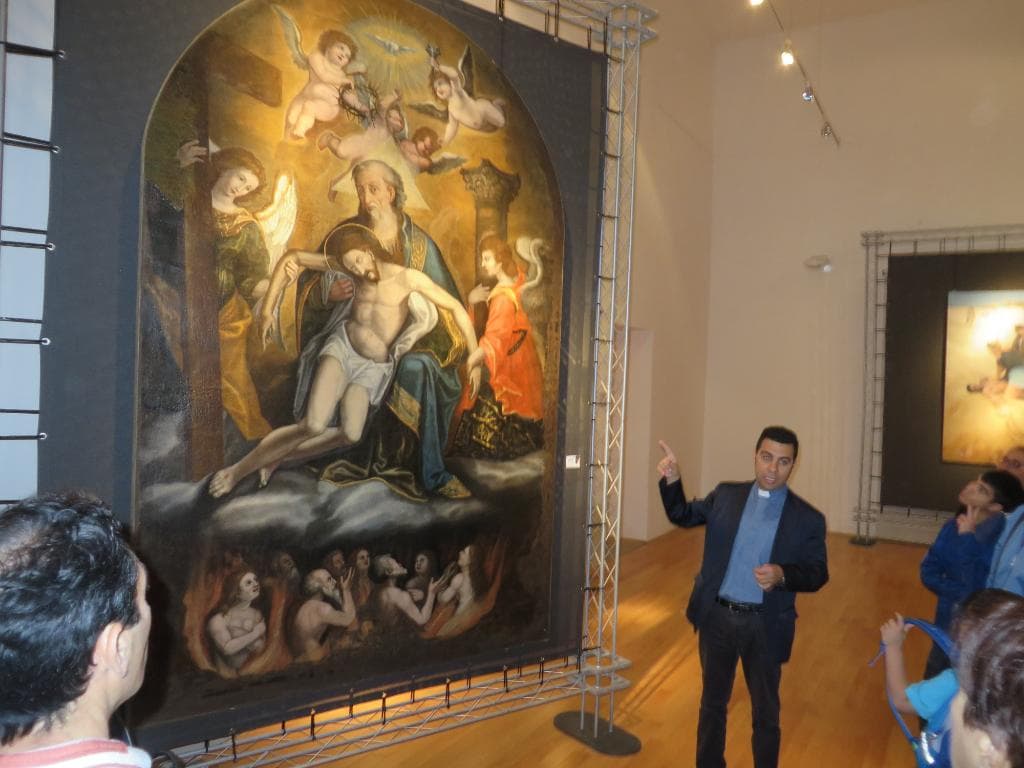
Sacred Silverware & Vestments
Various Galleries
Discover priceless silverware, intricate liturgical vestments, and religious artifacts spanning centuries.

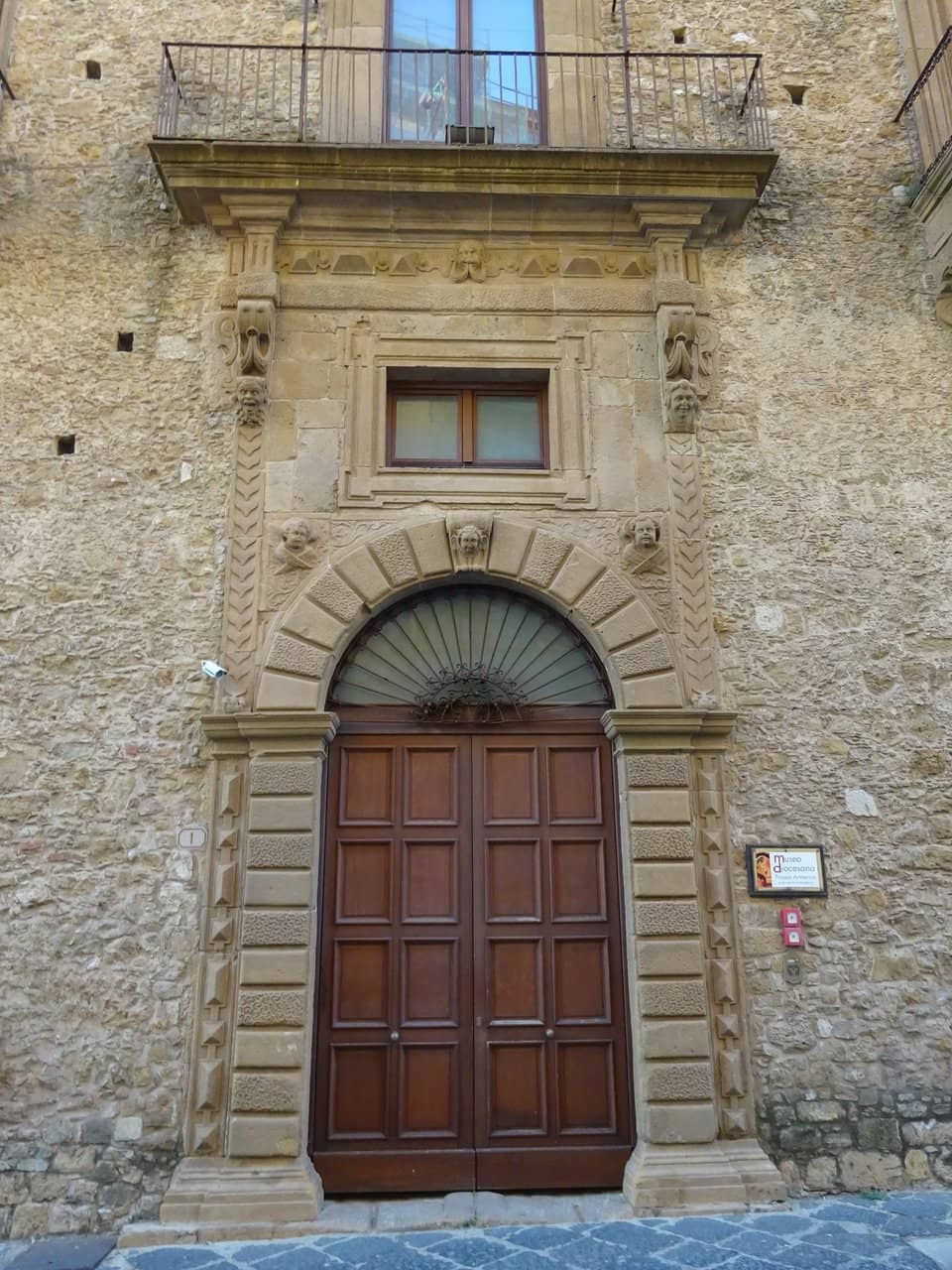
Medieval Relics & Art
Main Exhibition Halls
Explore a rich collection of medieval relics and art that offer a unique insight into spiritual history.
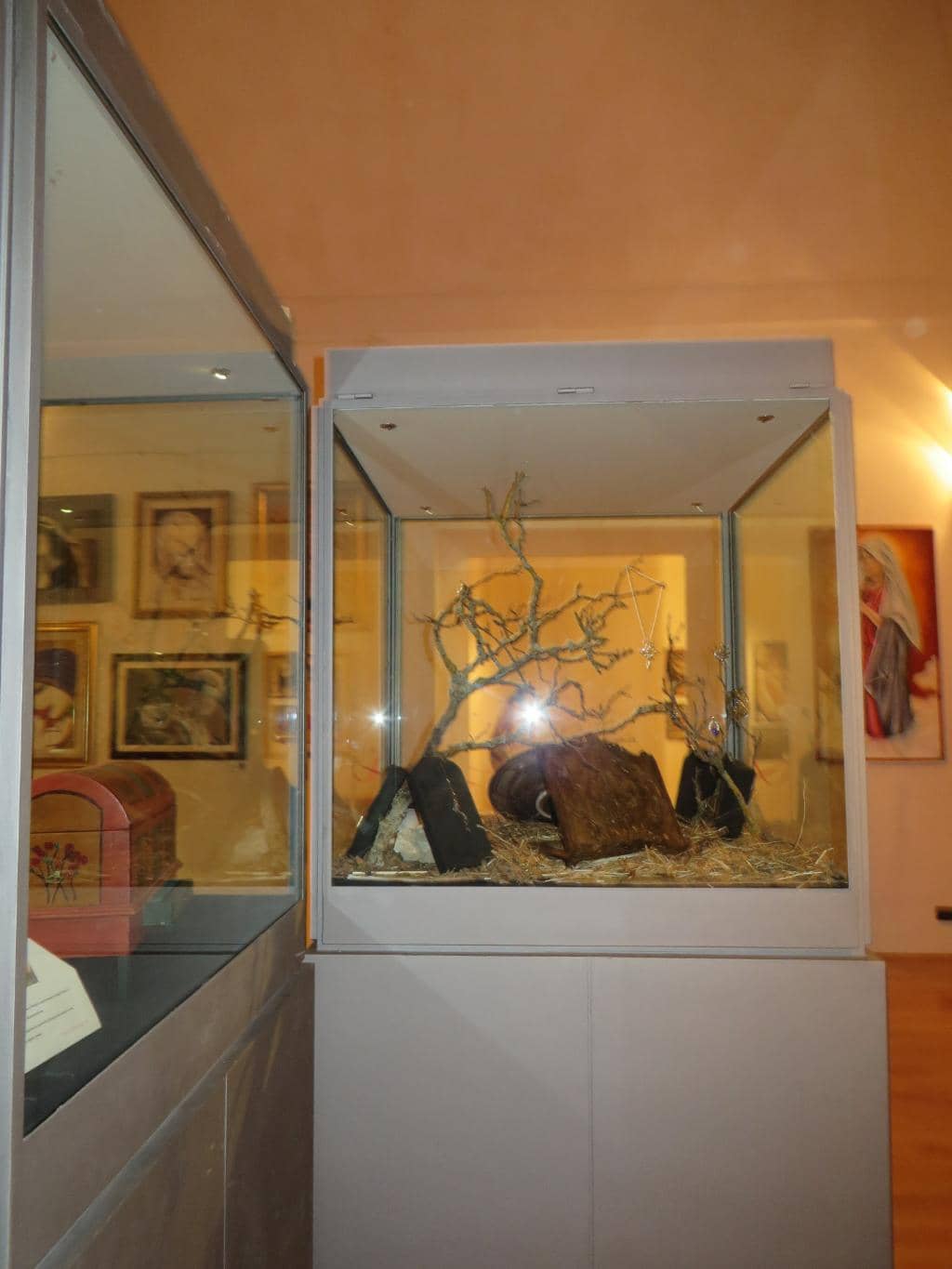
Restored Historic Spaces
Former Bishop's Palace
Wander through beautifully restored historic spaces, often featuring ancient Roman walls.
Plans like a pro.
Thinks like you
Planning Your Visit
Timing is Key for a Peaceful Visit
Free Admission & Parking Available
Best Times
Insider Tips
from TikTok, Instagram & Reddit
Check for Free Admission
Many Diocesan Museums offer free entry, making them budget-friendly discoveries.
Look for Parking Info
Some locations provide free parking, a great perk for drivers.
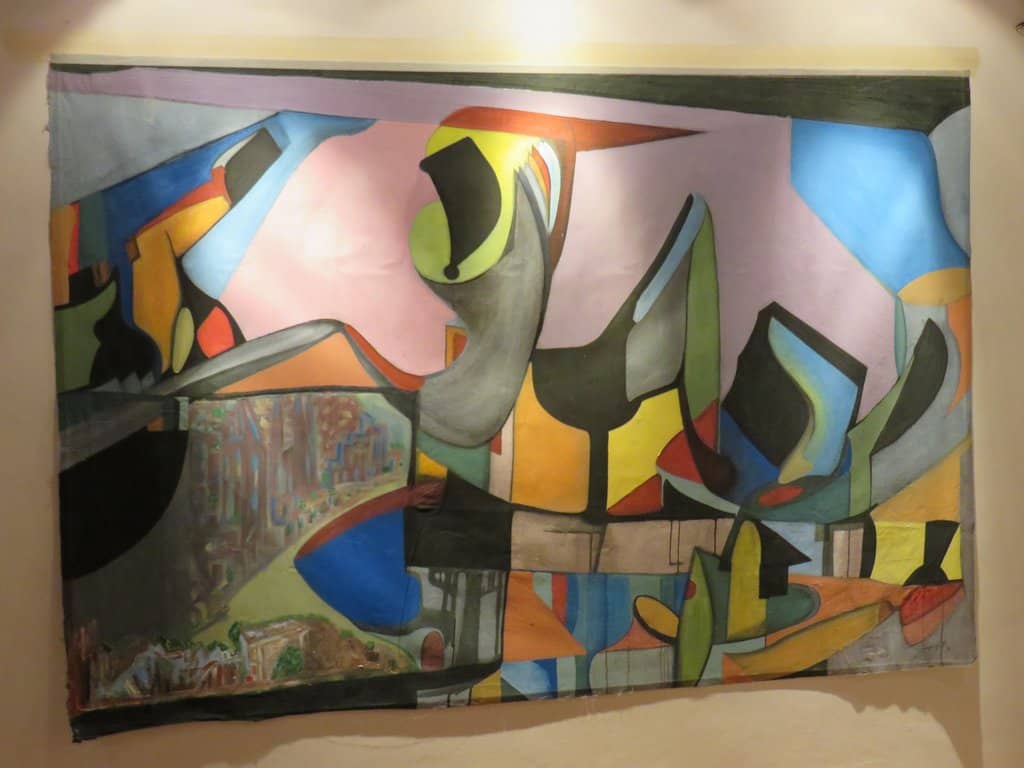
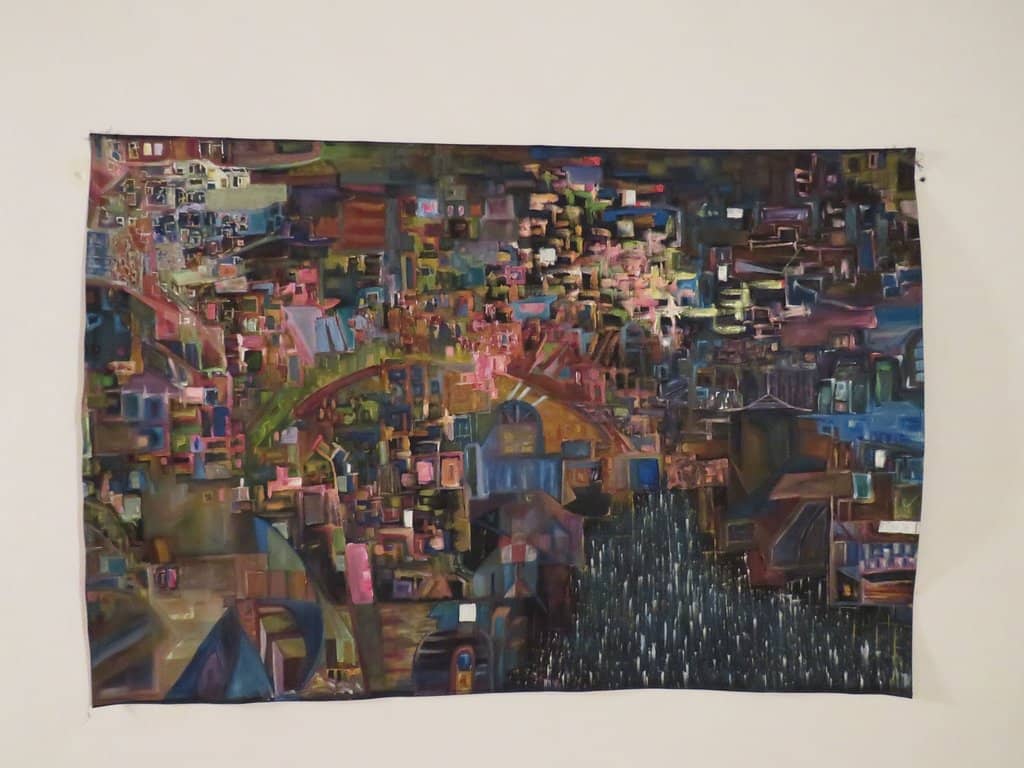
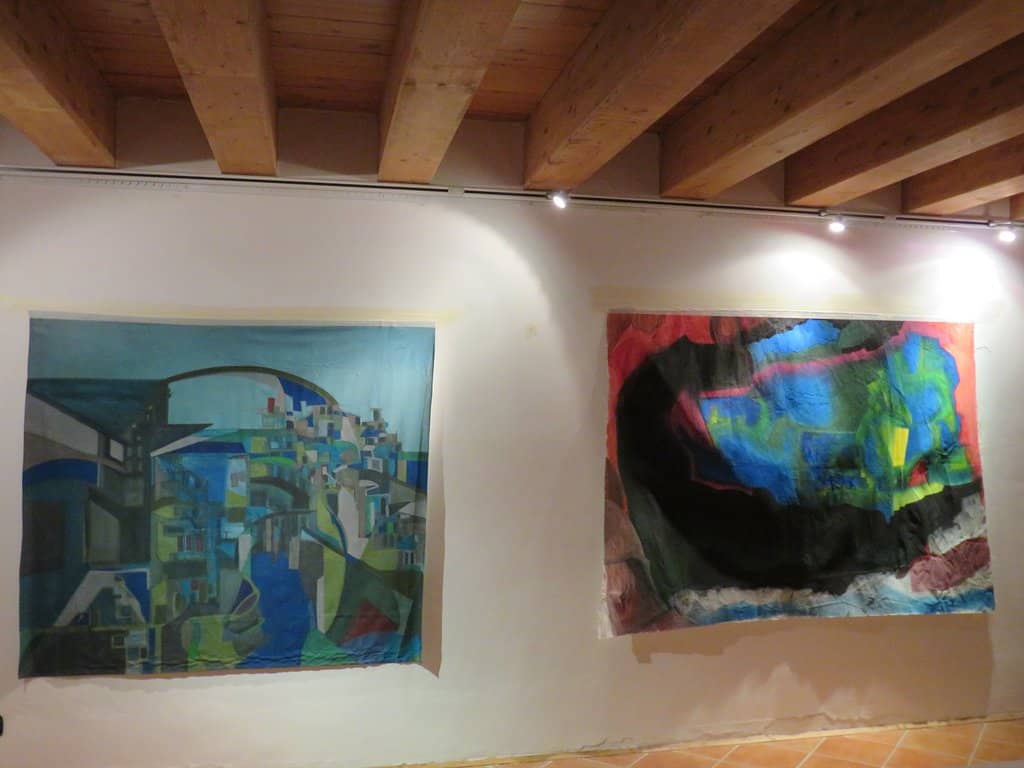
Explore Temporary Exhibits
Museums often feature rotating exhibits, adding fresh discoveries to your visit.
Enjoy the Cafe Views
Some museums have cafes with stunning views, perfect for a break.
Tips
from all over the internet
Check for Free Admission
Many Diocesan Museums offer free entry, making them budget-friendly discoveries.
Look for Parking Info
Some locations provide free parking, a great perk for drivers.
Explore Temporary Exhibits
Museums often feature rotating exhibits, adding fresh discoveries to your visit.
Enjoy the Cafe Views
Some museums have cafes with stunning views, perfect for a break.
What Travellers Say
Reviews Summary
Reviews for Diocesan Museums are generally positive, highlighting their well-restored spaces and rich collections of sacred art and artifacts. Visitors appreciate the historical depth and cultural insights these museums offer, often describing them as 'little gems.' However, some reviews mention unfriendly staff or a perceived poor collection, suggesting inconsistency in visitor experience across different locations.
"Unfriendly staff , poor collection"
Jelka Wittebol
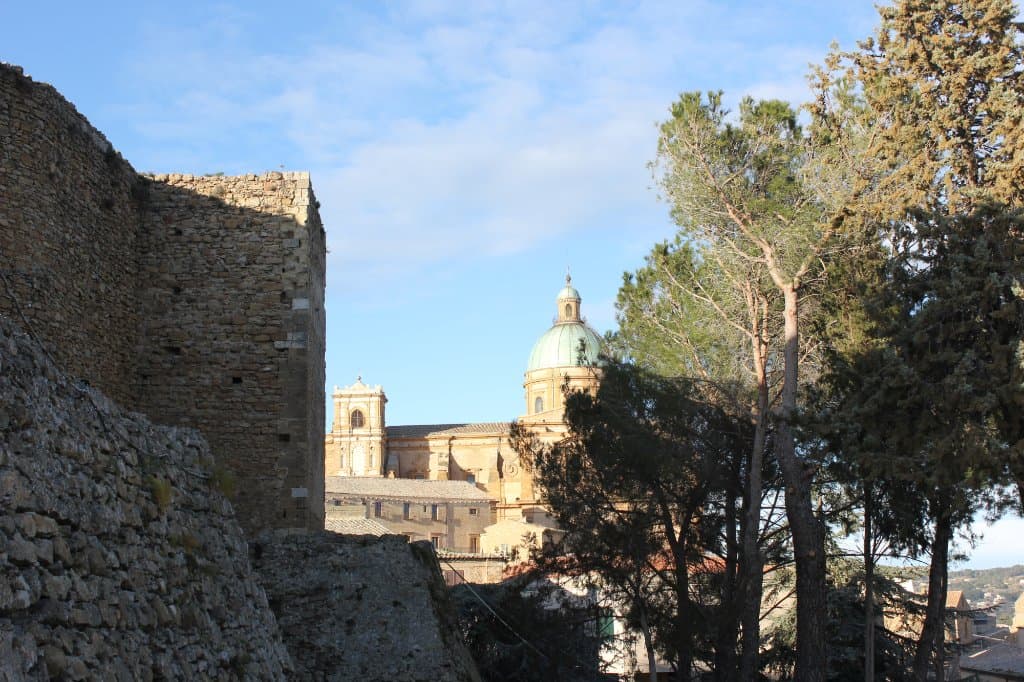
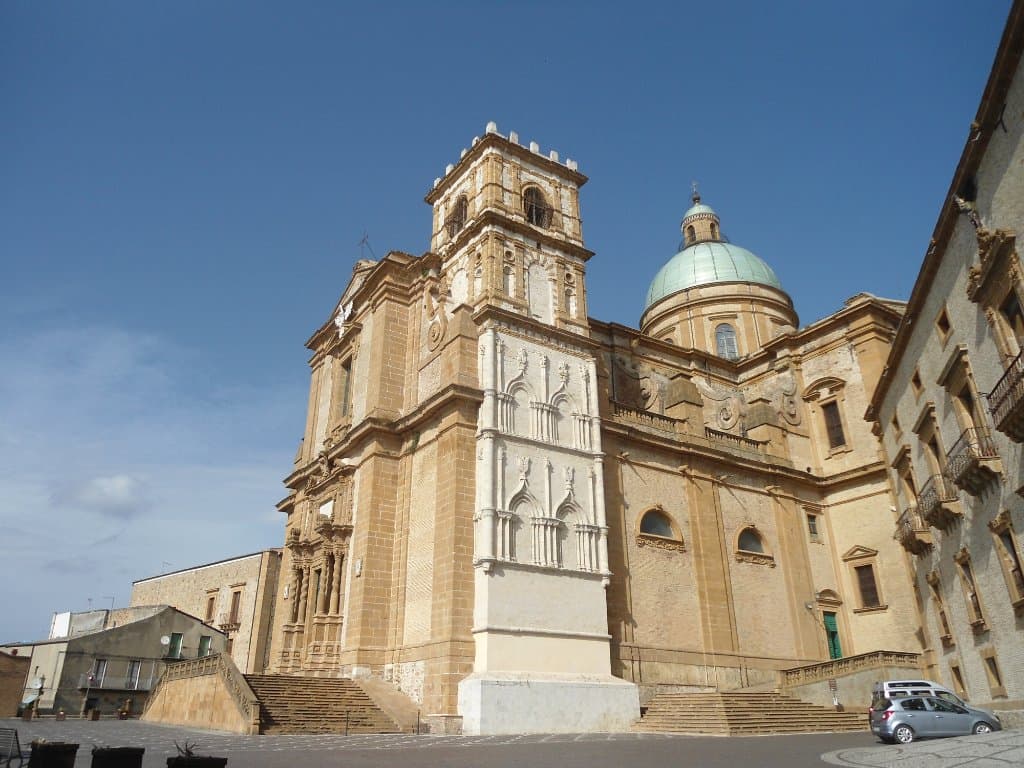
"The museum is located near the cathedral of Piazza Armerina. It was recently restored and houses a wealth of priceless silverware, paintings, and statues from every era. The museum is periodically updated with new works."
Liborio Vicari
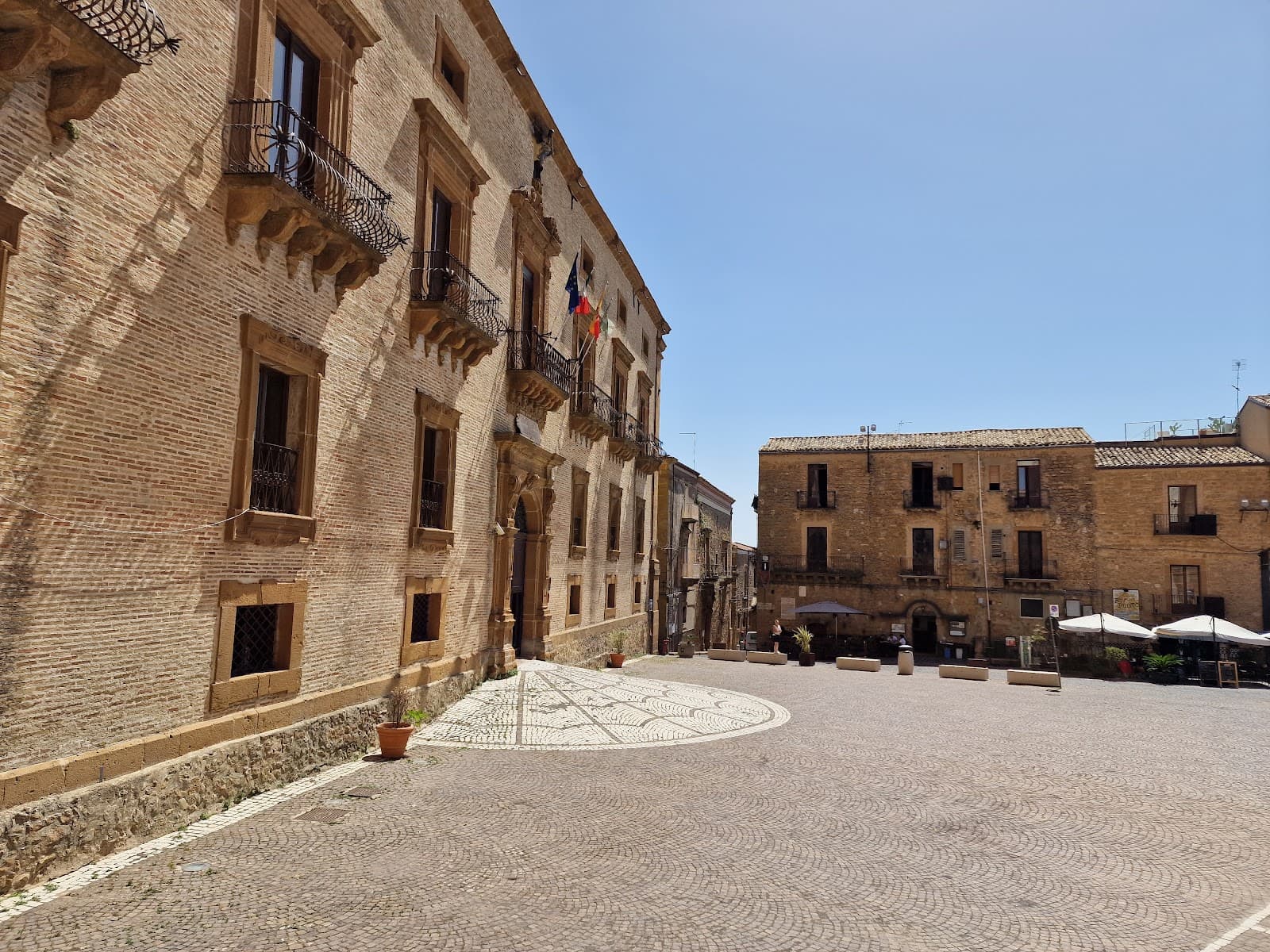
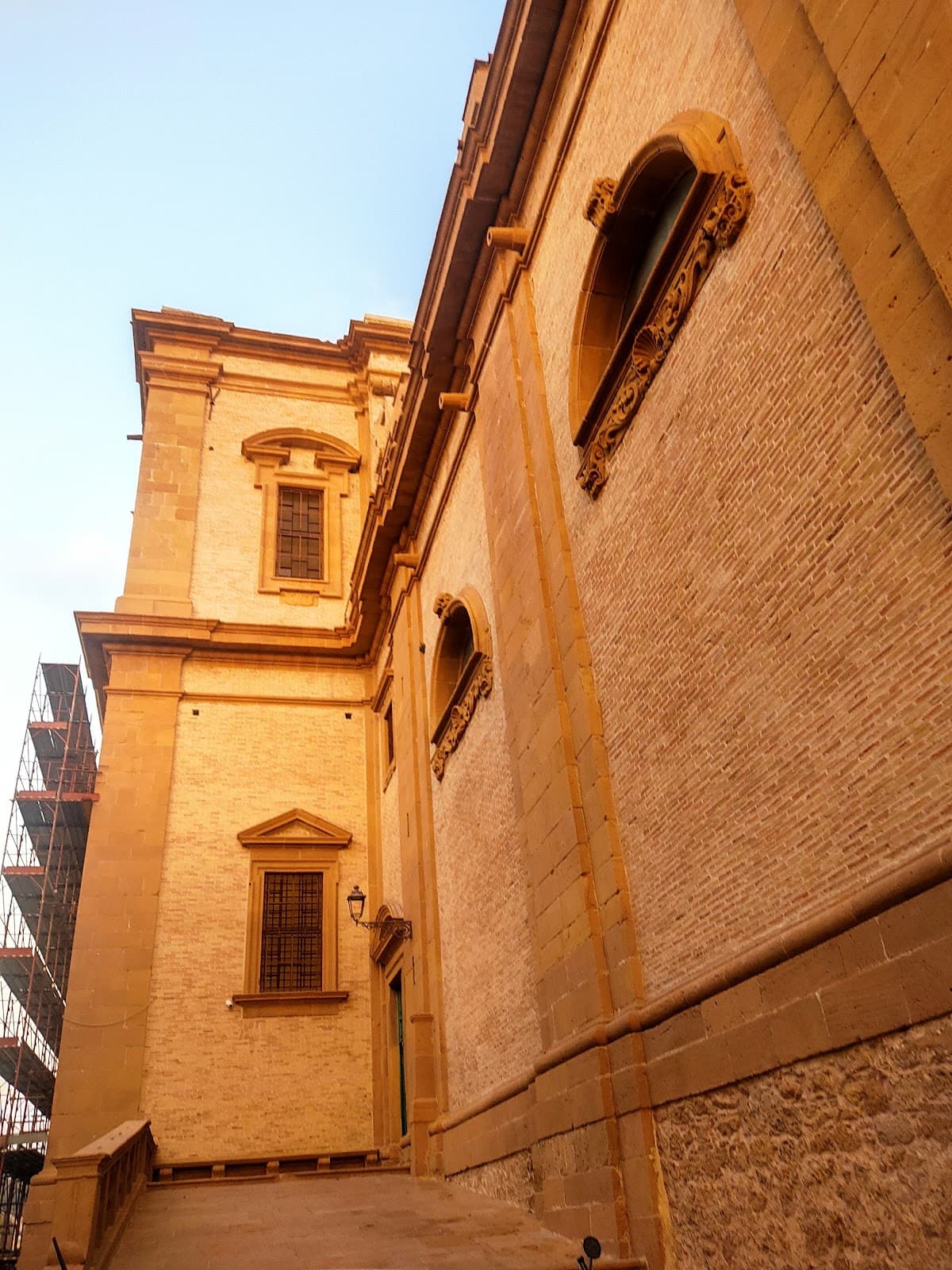
"WELL RESTORED PLACE .. PERFECT AS AN EXHIBITION SPACE, MAGICAL The Diocesan Museum of Piazza Armerina was established on November 25, 2001 with the primary purpose of preserving the ecclesiastical material cultural assets of the Diocese, their enhancement and public enjoyment. In this perspective and according to the modern directions of museum institutions, the Diocesan Museum was organized in the historic spaces of the former Bishop's Palace, equipped with rooms with tasks that guarantee functionality at different levels, and in such a way as to be able to be a point of reference for similar ecclesiastical institutions from an organizational, technical - scientific point of view and for cultural and pastoral initiatives.
The materials subject to the arrangement and preparation of the Diocesan Museum consist of works and artifacts of various kinds, owned by the church, coming from the Cathedral Basilica, from abandoned ecclesiastical buildings or from donations, as well as from all those ecclesiastical goods subject to serious risk of deterioration or dispersion, which become part of the museum according to the formula "temporary deposit", awaiting restoration and adequate relocation to their places of origin.
From a museographic point of view, in a very general way, the main criteria of chronological and topographical arrangement have been integrated, implementing the so-called "seven areas", which organizes the works period by period (from the first centuries of Christianity to the contemporary era), within the topographical system of the Diocese (which extends from the Erei mountains to the Gulf of Gela), with thematic combinations.
Regarding the offer of services aimed at responding to cultural needs, the Diocesan Museum is equipped with a Library with a reading room, a room for projections and conferences, and also spaces for educational activities with a constant use by schools and universities. There is also a laboratory for the restoration of fabrics and liturgical vestments."
ciccio piazza
What People Like
What People Dislike
Frequently Asked Questions
🚇 🗺️ Getting There
Access varies by location. Many are situated in historic city centers, often near cathedrals. Public transport is usually recommended, though some offer parking. For example, the Diocesan Museum in Freising is near Munich airport.
Availability and cost of parking differ. Some museums, like the one in Fairbanks, offer free parking. It's best to check the specific museum's website for details before your visit.
Generally, yes. They are often located in central, well-connected areas. Research local public transport options for the specific city you're visiting.
The museum is in the historic center of Piazza Armerina, near the cathedral. Driving is possible, but parking might be limited in the narrow streets. Consider public transport or walking if staying nearby.
Yes, the Diocesan Museum in Freising is located near Munich, offering insights into Bavarian culture and spirituality.
🎫 🎫 Tickets & Entry
Admission fees vary greatly. Some Diocesan Museums, like the one in Fairbanks, offer free admission. Others may have a modest fee. Always check the official website for the most current pricing and any special exhibition surcharges.
For general admission, advance booking is often not required, especially during off-peak times. However, if you plan to visit during peak season, weekends, or holidays, it's a good idea to book ahead to avoid queues.
Opening hours differ significantly between locations and seasons. It's crucial to consult the specific museum's website for their current operating schedule, including any closures or special holiday hours.
Discounts may be available for students, seniors, or groups. Some museums might offer free admission on certain days or for specific local residents. Inquire directly with the museum or check their website.
While often located near cathedrals, the Diocesan Museum is typically a separate entity with its own admission policy. Free entry to the cathedral does not usually extend to the museum.
🎫 🏛️ Onsite Experience
Diocesan Museums house a diverse collection of sacred art and artifacts, including silverware, liturgical vestments, paintings, statues, and relics, spanning from early Christianity to contemporary eras.
While the collections are primarily religious and historical, many museums offer educational programs or interactive elements that can engage children. The historical context and visual art can be captivating.
Photography policies vary. Some museums allow non-flash photography for personal use, while others may restrict it, especially for certain artifacts. Always look for signage or ask staff.
Many Diocesan Museums offer guided tours, which can greatly enhance your understanding of the collections and their historical significance. Check the museum's website or inquire upon arrival.
The size can range from small, intimate collections to larger institutions. The Diocesan Museum of Piazza Armerina, for instance, is described as a 'little gem' but well-organized.
🍽️ 🍽️ Food & Dining
Some Diocesan Museums feature cafes or bistros, often with unique settings. The Diocesan Museum of Barcelona has a cafe with views of Roman walls and the cathedral.
Generally, outside food and drinks are not permitted inside the exhibition areas to protect the artifacts. However, you might be able to consume them in designated areas or at an onsite cafe.
Museum cafes typically offer light refreshments, coffee, pastries, and sometimes sandwiches or salads. The focus is usually on providing a convenient break for visitors.
Most Diocesan Museums are located in historic city centers, which are usually abundant with local restaurants, cafes, and trattorias. You'll likely find plenty of options nearby.
Yes, some museums offer cafes with picturesque views. The cafe in the Diocesan Museum of Barcelona, for instance, overlooks the Roman wall and cathedral.
📸 📸 Photography
Photography rules vary. Many Diocesan Museums permit non-flash photography for personal use, but it's essential to check for specific signage or ask staff.
The most common restriction is a ban on flash photography, as it can damage delicate artifacts over time. Some specific exhibits or items may also be off-limits for photos.
Look for areas with interesting architectural details, well-lit displays of artifacts, or unique historical elements like Roman walls. The Cloister of Paradise in Amalfi's museum is a notable spot.
Tripods and selfie sticks are generally not allowed in museum exhibition spaces due to safety concerns and to avoid obstructing other visitors. Always confirm with the museum staff.
Collections of silverware, ornate vestments, and ancient relics often make for visually striking photographs. The restored historic spaces themselves can also be very photogenic.

Social
from TikTok, Instagram & Reddit