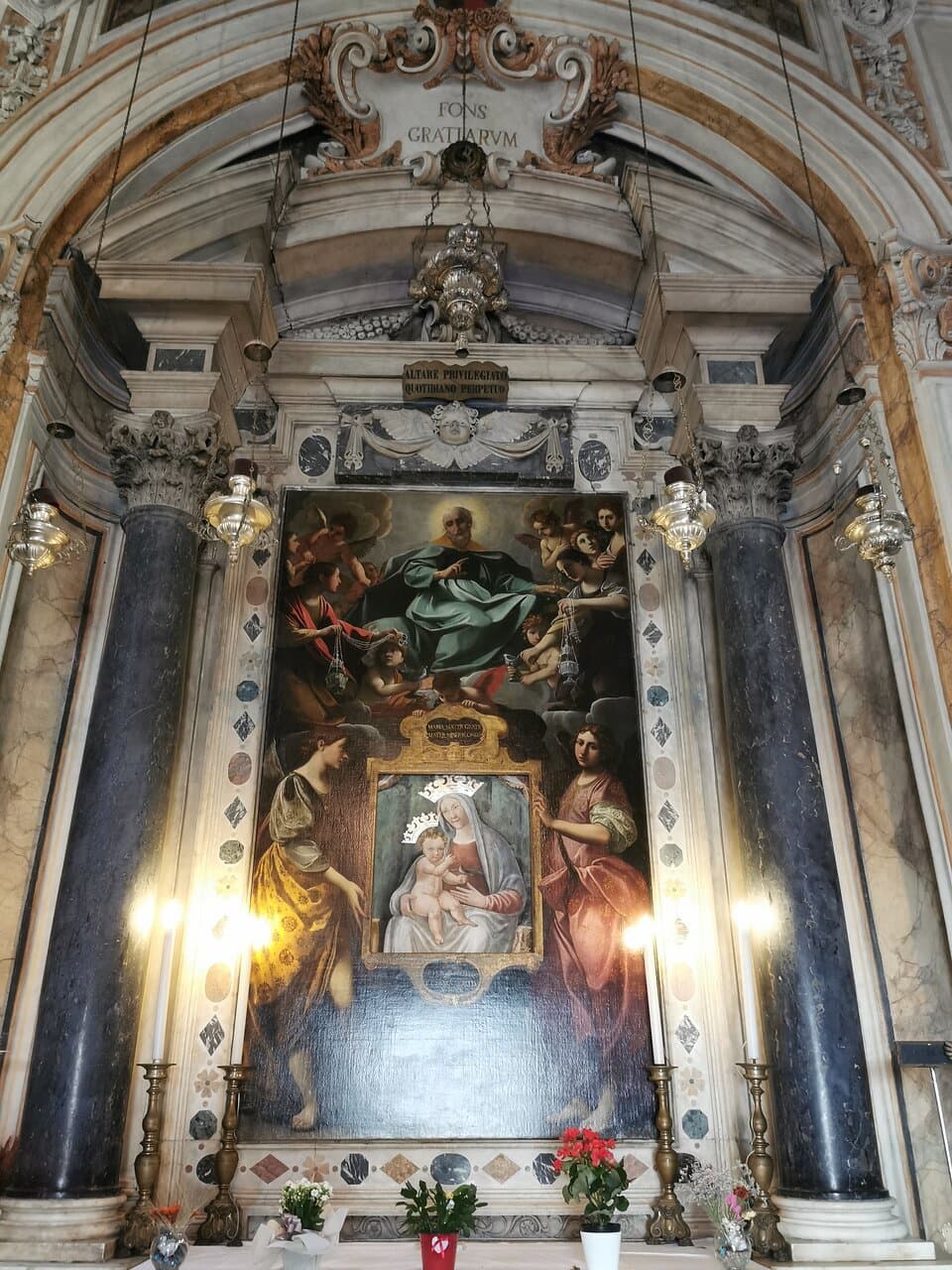
Oratory of Madonna di Piè di Piazza
A hidden Renaissance gem in Pescia, showcasing Brunelleschi's influence with a revered Madonna painting and stunning wooden ceiling.
Highlights
Must-see attractions

Social
From TikTok & Reddit
Best Time
Quiet contemplation
Oratory of Madonna di Piè di Piazza
Best Time
Quiet contemplation
Highlights
Must-see attractions
A hidden Renaissance gem in Pescia, showcasing Brunelleschi's influence with a revered Madonna painting and stunning wooden ceiling.
"A very pretty and intimate church, as well as artistically beautiful. One of Pescia's monuments worth visiting!"
Admire the Ceiling
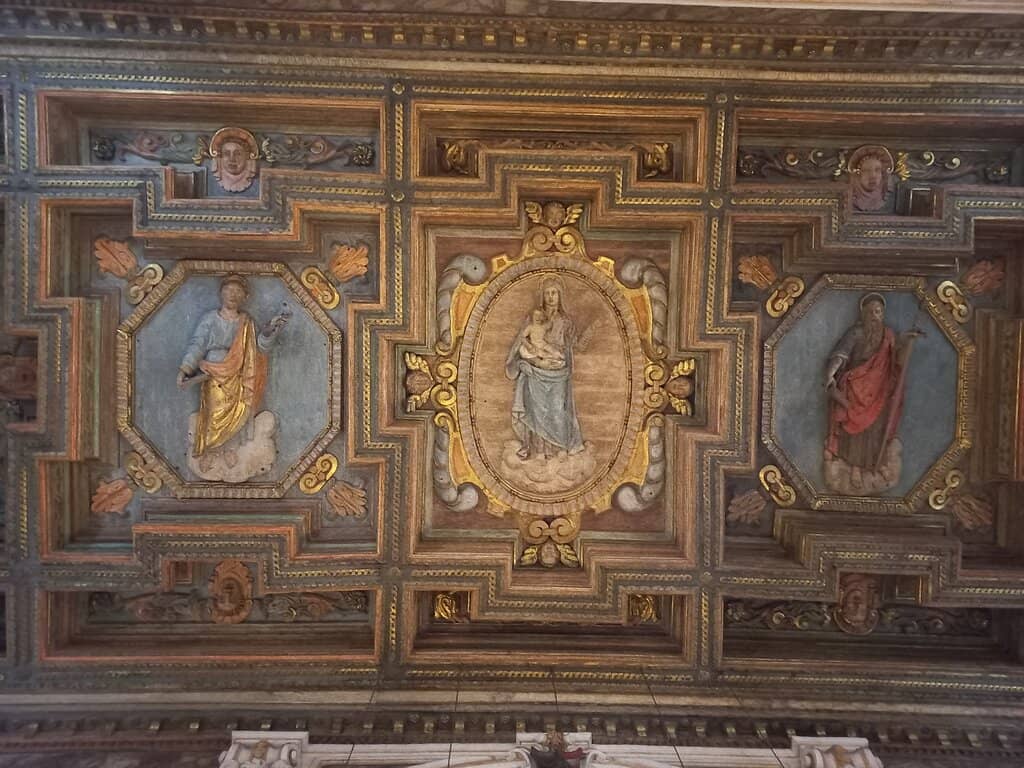
Don't miss the incredible polychrome wooden ceiling; it's a true masterpiece of design and artistry. :art:
Intimate Setting
Appreciate the small but beautiful church for its intimate and artistic ambiance. :sparkles:
Highlights
Discover the most iconic attractions and experiences
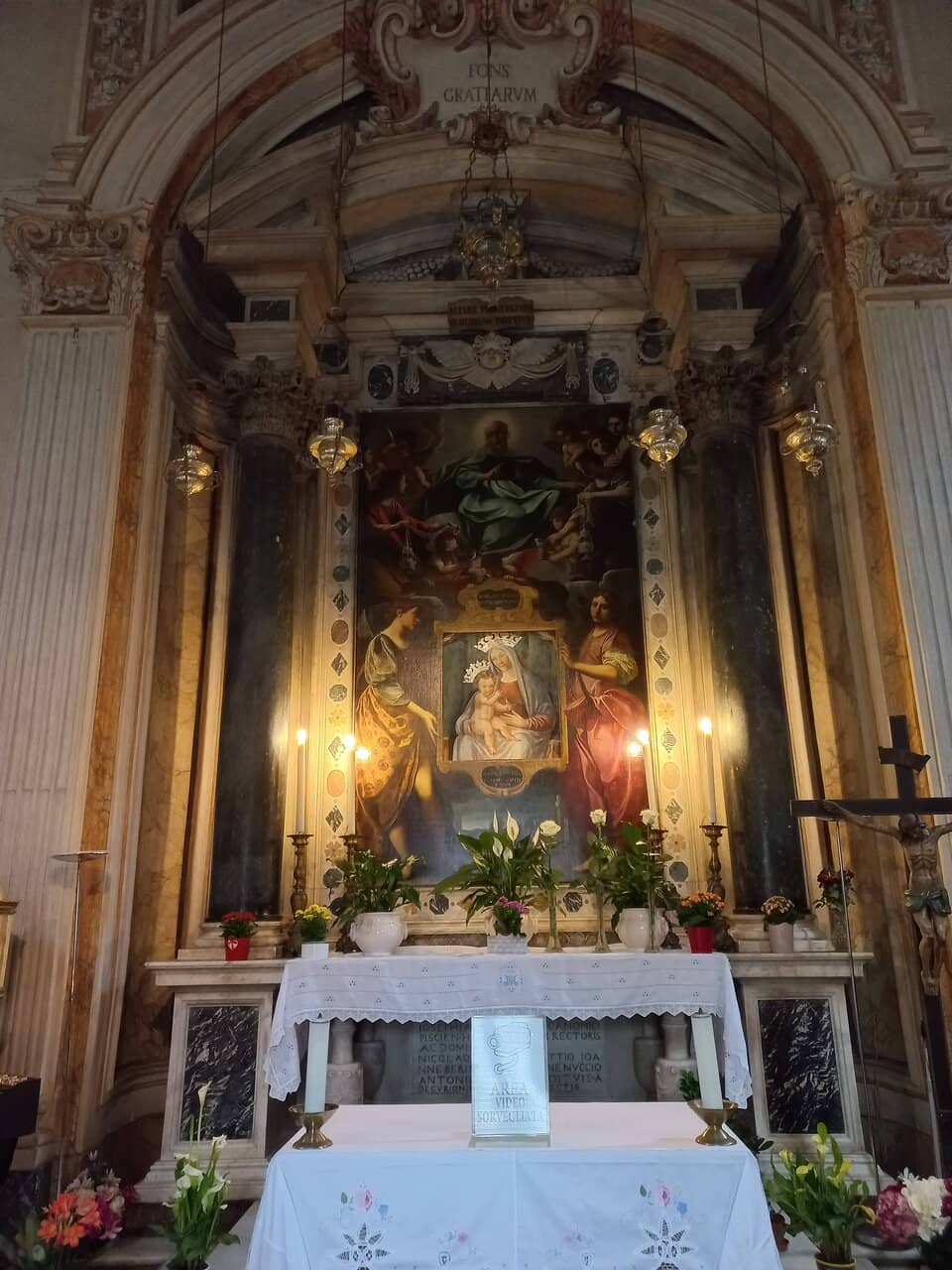
Madonna with Child Painting
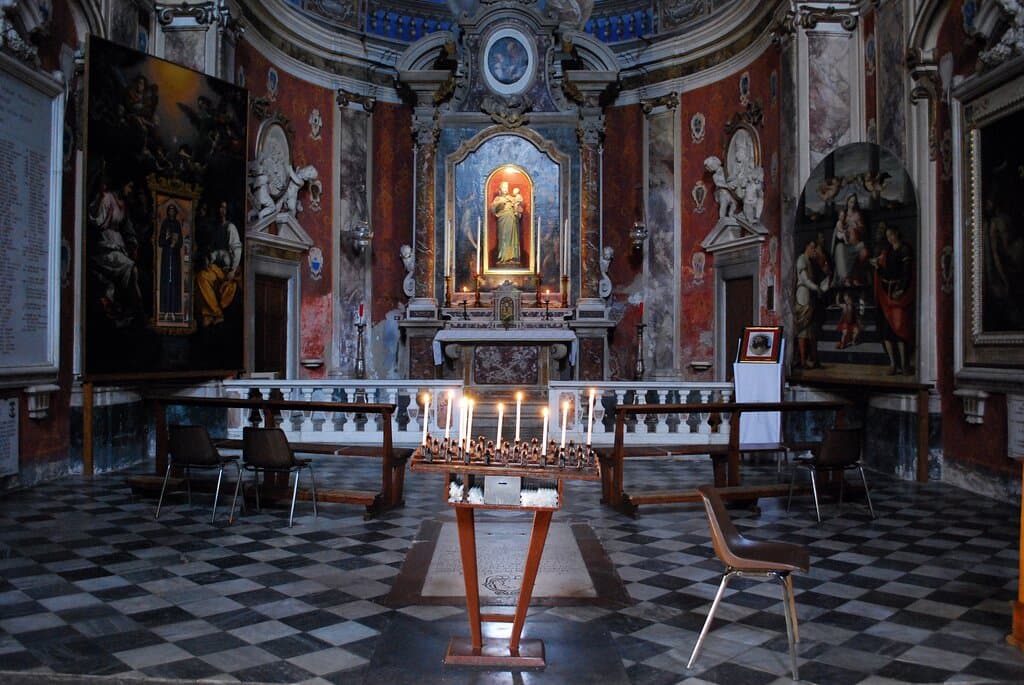
Main Altar
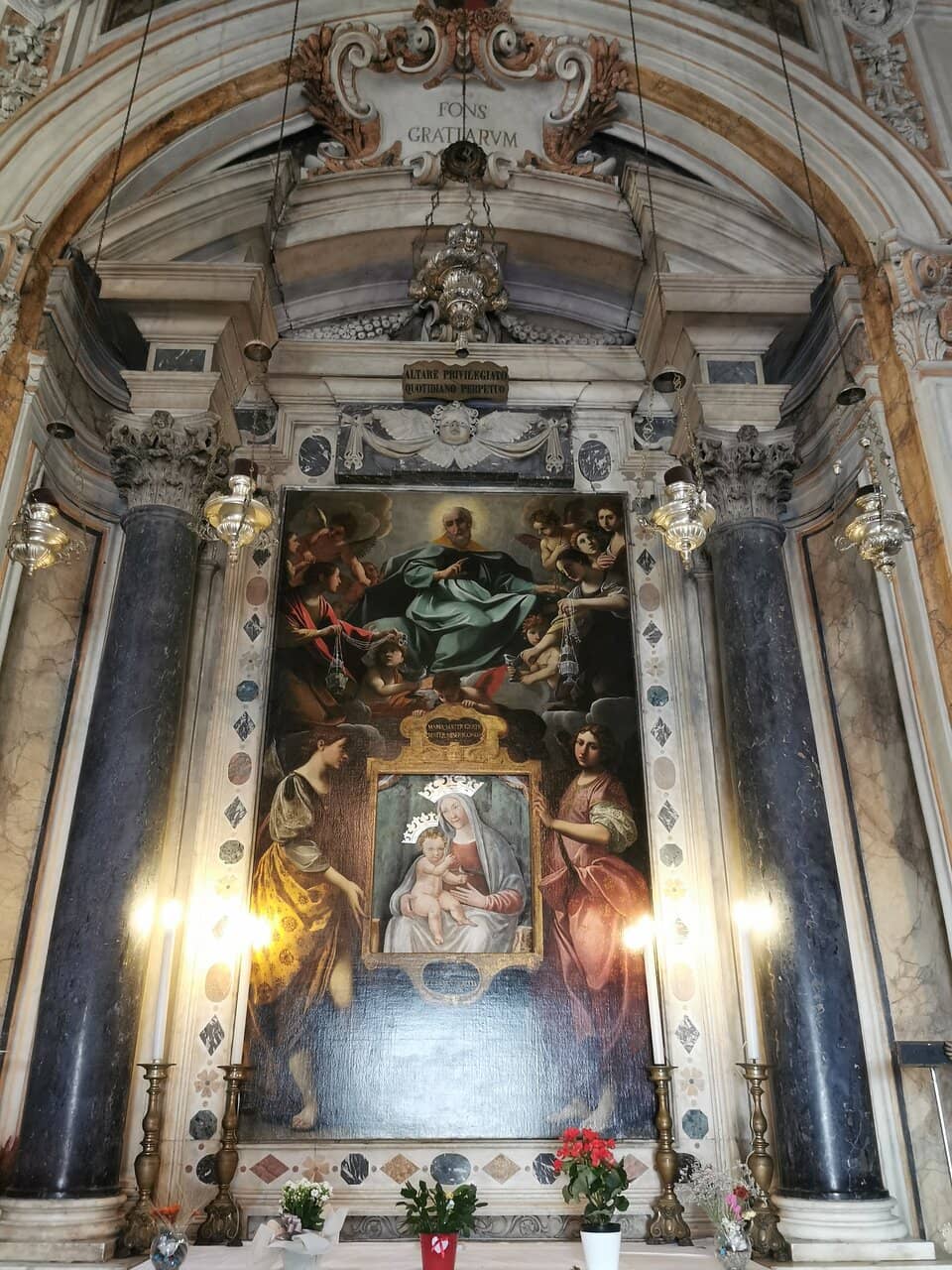
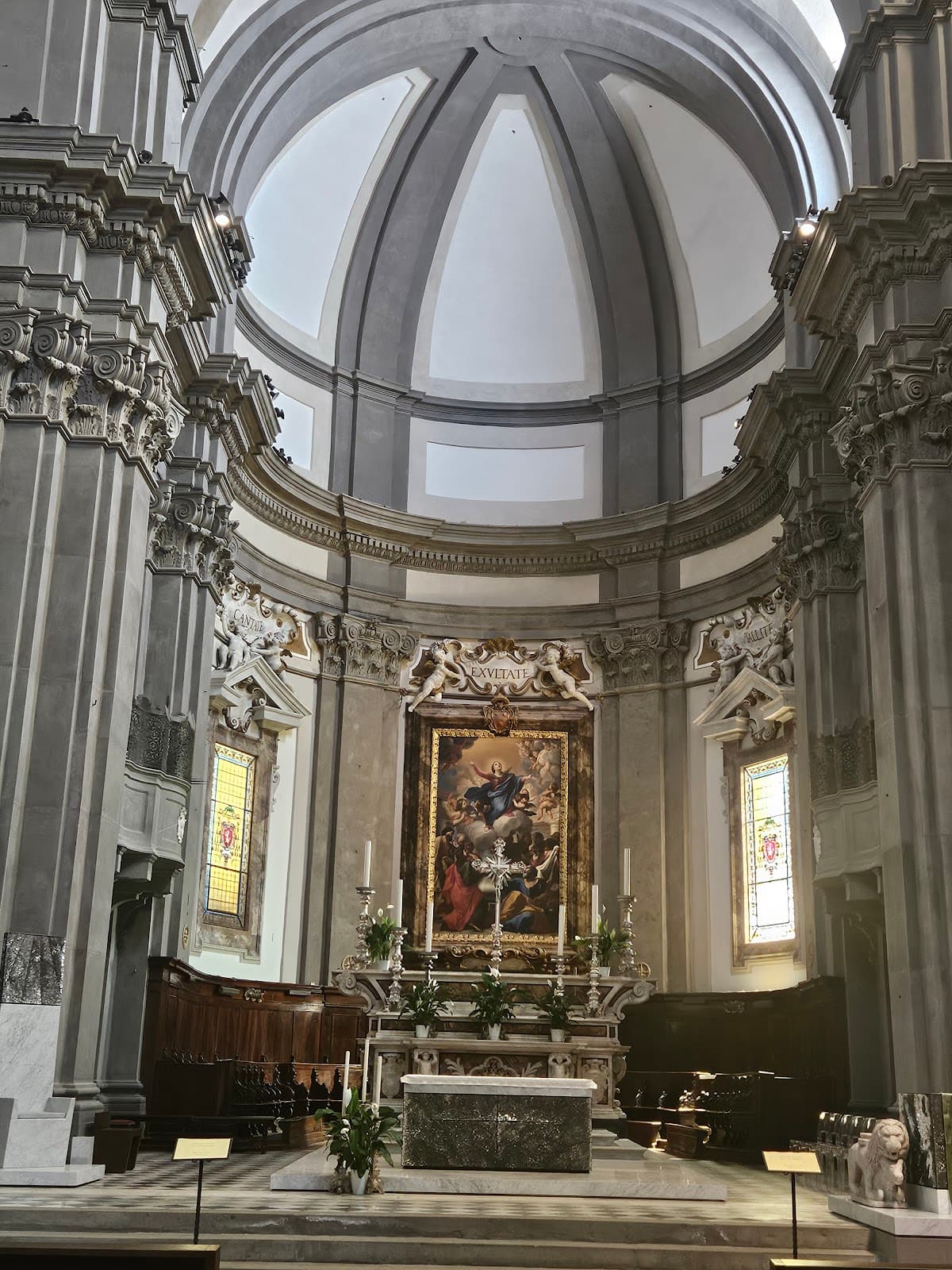
A revered 15th-century painting of the Madonna and Child, once crowned with a golden crown worn only on solemn occasions.
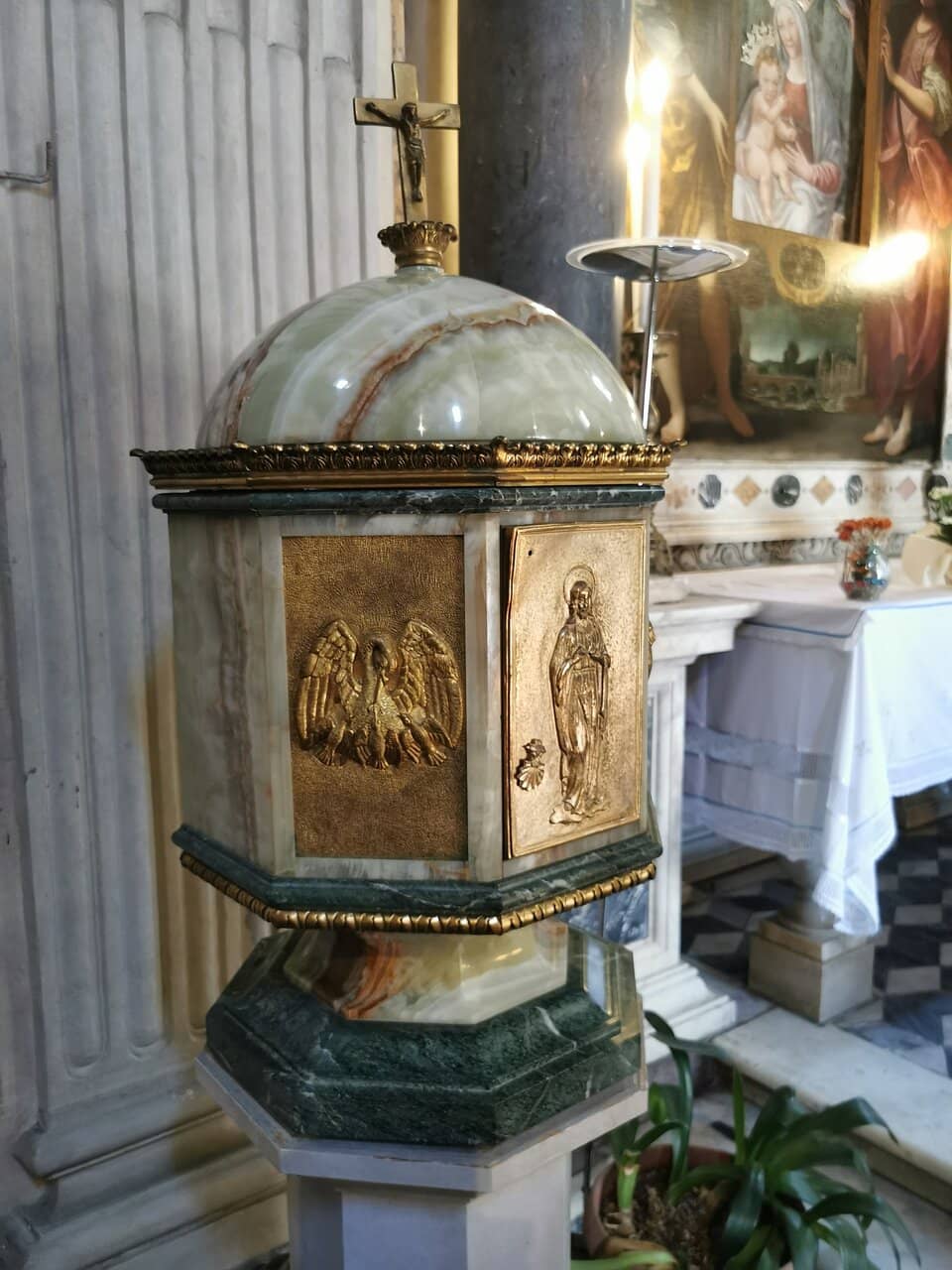
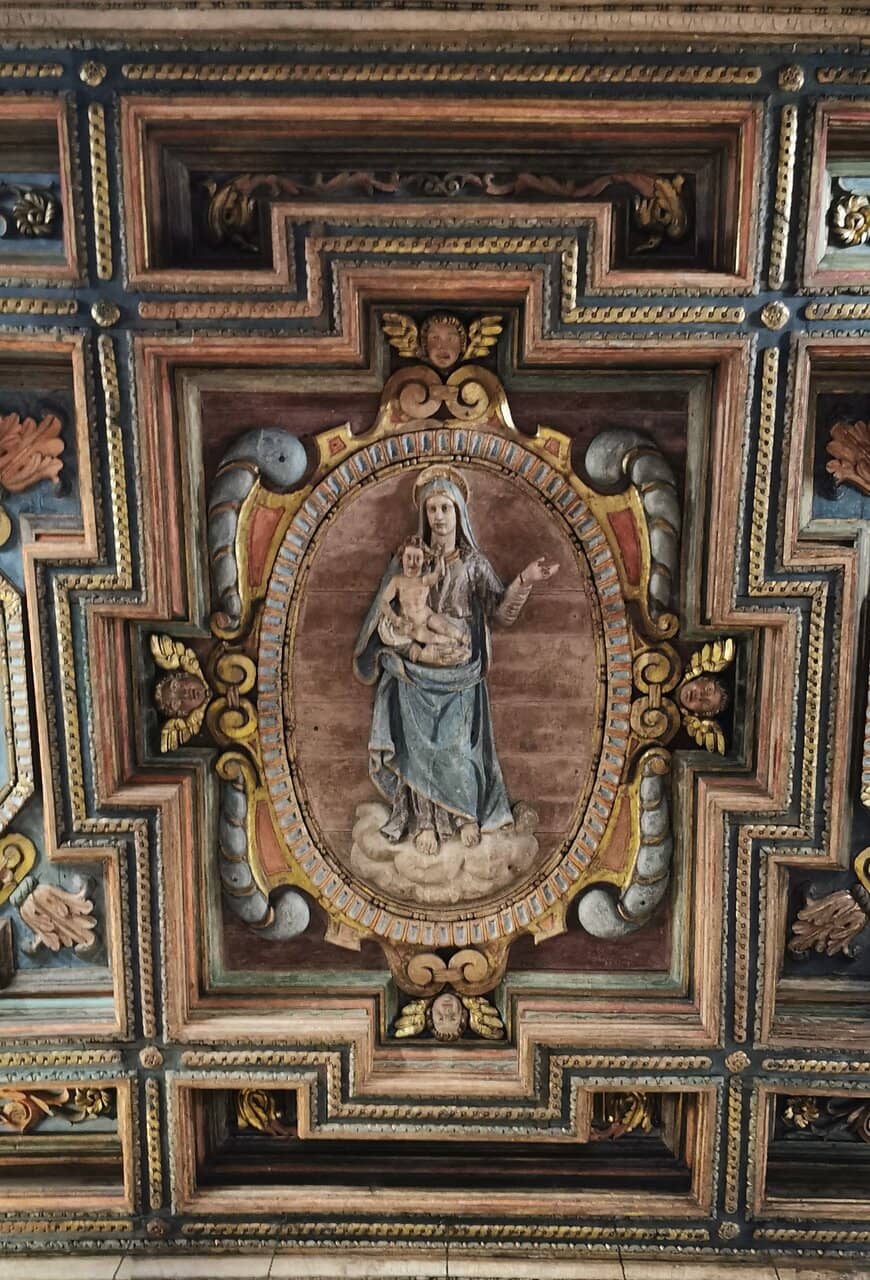
Polychrome Wooden Ceiling
Interior
An extraordinary, intricately designed and decorated wooden ceiling by architect Domenico Marcacci.
Renaissance Architecture
Facade
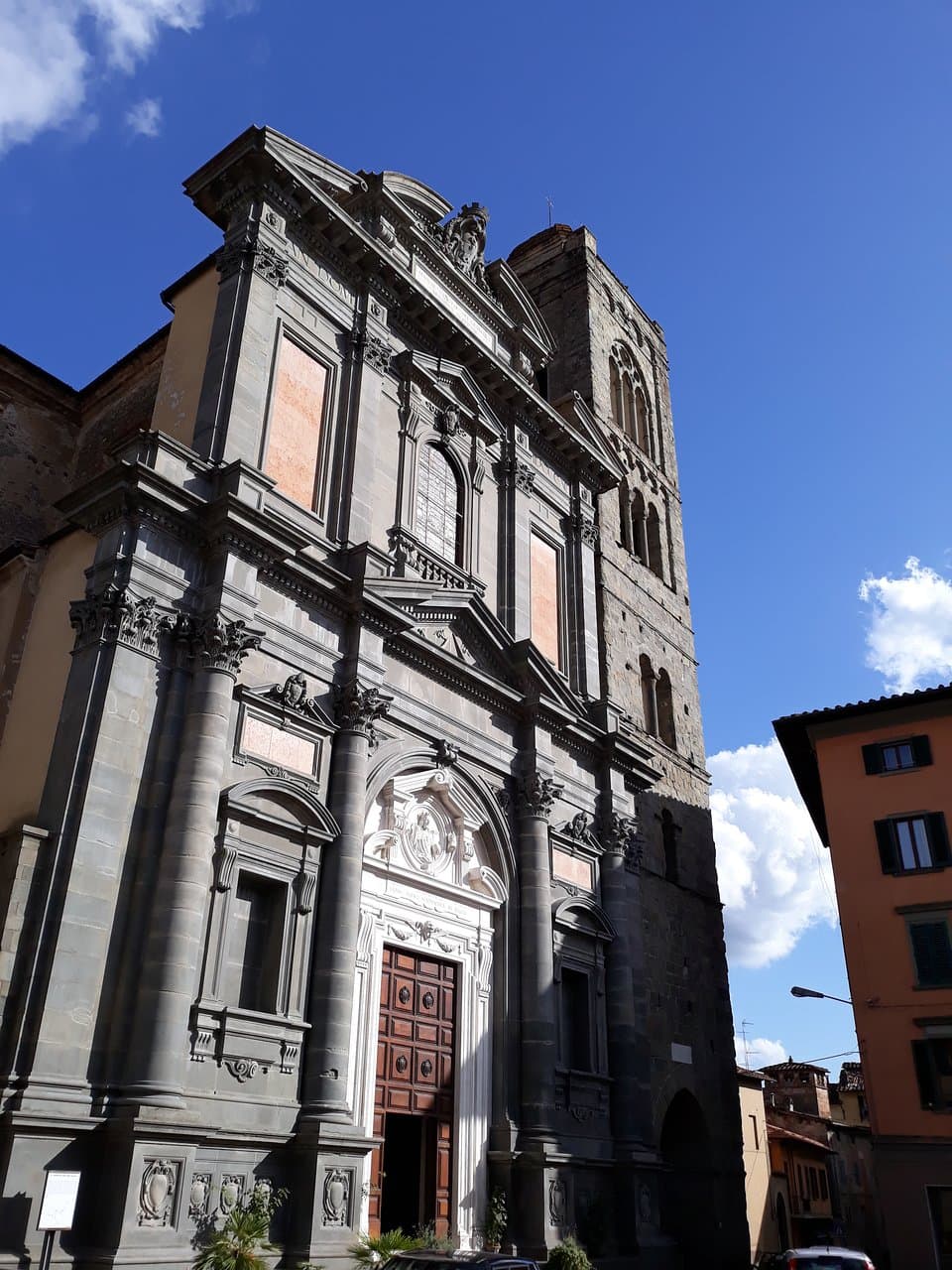
Testament to Brunelleschi's influence, attributed to his pupil Andrea di Lazzaro Cavalcanti.
Plans like a pro.
Thinks like you
Planning Your Visit
A Hidden Renaissance Gem
Timing Your Visit
Best Times
Insider Tips
from TikTok, Instagram & Reddit
Admire the Ceiling
Don't miss the incredible polychrome wooden ceiling; it's a true masterpiece of design and artistry. :art:
Intimate Setting
Appreciate the small but beautiful church for its intimate and artistic ambiance. :sparkles:
Historical Significance
Learn about its founding in 1447 and its connection to Brunelleschi's architectural influence. :classical_building:
Tips
from all over the internet
Admire the Ceiling
Don't miss the incredible polychrome wooden ceiling; it's a true masterpiece of design and artistry. :art:
Intimate Setting
Appreciate the small but beautiful church for its intimate and artistic ambiance. :sparkles:
Historical Significance
Learn about its founding in 1447 and its connection to Brunelleschi's architectural influence. :classical_building:
What Travellers Say
Reviews Summary
Visitors praise the Oratory of Madonna di Piè di Piazza as a small but artistically beautiful church, highlighting its intimate atmosphere and significant Renaissance architecture. The 15th-century Madonna painting and the intricate wooden ceiling are frequently mentioned as highlights. Some note its understated access from the road as a minor drawback.
"A modest church in Piazza Mazzini."
Paweł Piotr Sucholeski
"The Oratory was founded around 1447 by Francesco Galeotti. The Renaissance style architecture is perhaps one of the most important testimonies of Brunelleschi's influence in Valdinievole. The design of the facades is in fact attributed to Andrea di Lazzaro Cavalcanti da Buggiano, pupil and adoptive son of Filippo Brunelleschi. The oratory experienced its moment of greatest fame in the early seventeenth century when in 1605, in the presence of the Grand Duchess Cristina of Tuscany, the image of the Virgin and Child - which was in the aedicule of the Santa Maria bridge (today the Cathedral) - was moved to the Oratory. The sacred image much venerated by the Pescia pieta dates back to the 15th century and is painted on a blackboard.
The main altar was designed by the grand ducal architect Domenico Marcacci and the extraordinary polychrome wooden ceiling was designed by the same architect and created by Giovanni Zeti known as 'Giovannone of the crucifixes'.
Stop and admire this little jewel!"
Dunia Quiriconi
"Small but very beautiful church despite being penalized by the access from the road. The characteristic inlaid ceiling frescoed by Domenico Marcanti inside there is the Madonna with the child in her arms with the characteristic of having on her head the golden crown kept inside the cathedral and worn only in solemn moments. Worth visiting."
Cinquecento 74
What People Like
What People Dislike
Frequently Asked Questions
🚇 🗺️ Getting There
The Oratory is located in Piazza Mazzini. It's accessible by foot within the town of Pescia. Parking may be available in nearby public areas, but check local signage.
While it's in a piazza, its access from the road can be a bit understated. Look for signs directing you to Piazza Mazzini.
🎫 🎫 Tickets & Entry
Entry to the Oratory is typically free, as it functions as a place of worship and a historical monument. Donations may be appreciated.
As a church, it's generally open during daylight hours, but specific times can vary. It's best to visit during typical daytime hours when services are not in progress.
Yes, you can usually visit on Sundays, but be mindful of any religious services that might be taking place, which could affect access.
🎫 ✨ Onsite Experience
The primary draw is the 15th-century painting of the Madonna with Child, alongside the stunning polychrome wooden ceiling and its Renaissance architecture.
Absolutely. Many visitors find the oratory to be a very pretty, intimate, and recollected space, perfect for prayer and quiet contemplation.
The architecture is Renaissance, with significant influence attributed to Filippo Brunelleschi, as designed by his pupil Andrea di Lazzaro Cavalcanti.
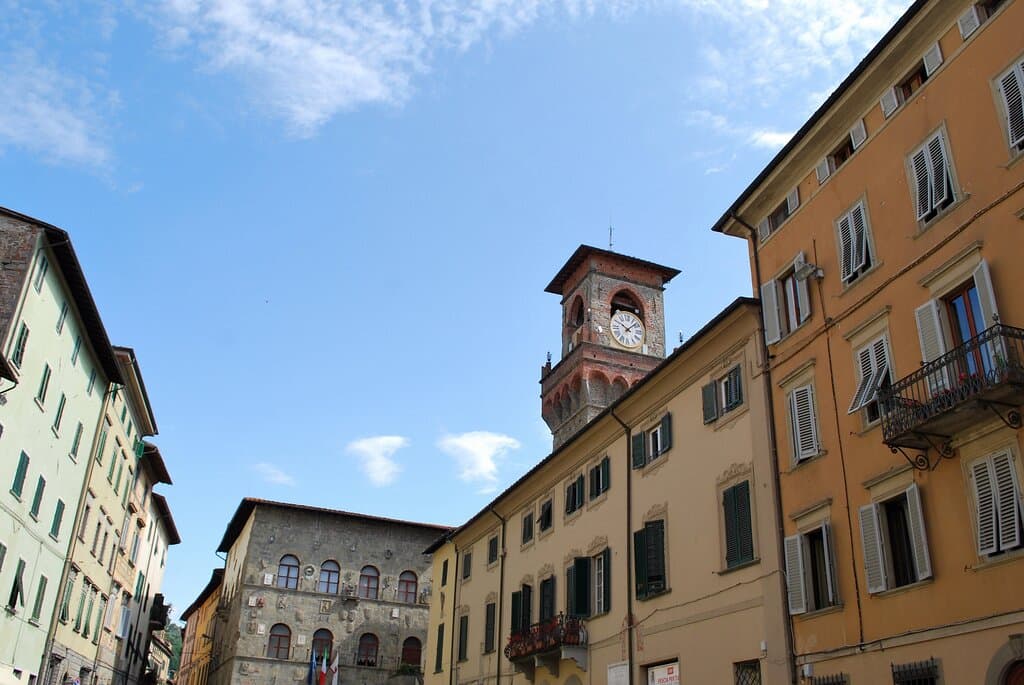
The oratory is primarily an interior attraction. The surrounding Piazza Mazzini offers a glimpse into local life.
📸 📸 Photography
Photography is generally permitted for personal use, but it's always respectful to check for any posted signs or ask if unsure, especially during services.
Focus on the intricate details of the polychrome wooden ceiling, the Madonna painting, and the overall architectural elements that showcase its Renaissance style.
For Different Travelers
Tailored advice for your travel style
Art & History Enthusiasts
Consider researching the history of Francesco Galeotti and the move of the sacred image in 1605 to fully contextualize your visit. The oratory provides a concentrated dose of artistic and historical significance in a compact and accessible setting.
Seekers of Serenity
Its modest size and location away from major tourist thoroughfares contribute to its serene ambiance. It's a perfect place to pause, absorb the artistry, and find a moment of tranquility during your travels.
Deep Dives
In-depth insights and expert knowledge
Architectural Significance
Inside, the oratory boasts an extraordinary polychrome wooden ceiling, designed by Grand Ducal architect Domenico Marcacci and executed by Giovanni Zeti. This intricate ceiling is a remarkable feat of craftsmanship and artistry, adding to the oratory's unique aesthetic appeal. The main altar, also designed by Marcacci, complements the overall design, creating a harmonious and visually rich interior space that invites admiration and contemplation.
Artistic Treasures and History
The oratory's history is intertwined with religious devotion and artistic patronage. Founded around 1447 by Francesco Galeotti, it has served as a place of worship and spiritual solace for centuries. Visitors often speak of feeling a profound connection to the Virgin Mary and a sense of peace within its walls, underscoring its enduring spiritual significance. The intimate setting and artistic beauty combine to create a deeply moving experience for those who visit.
Social
from TikTok, Instagram & Reddit