
Roman Bridge San Lorenzo
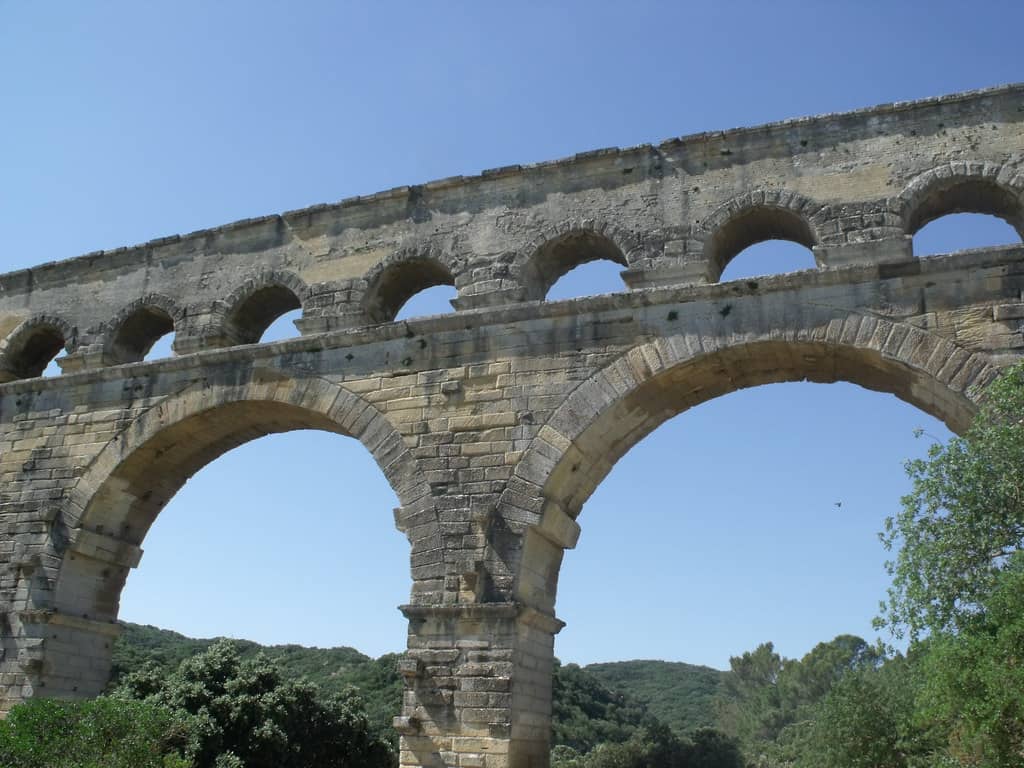
A remarkably preserved underground Roman bridge with three intact arches, offering a glimpse into ancient engineering.
Highlights
Must-see attractions

Social
From TikTok & Reddit
Best Time
Guided tours often available
Roman Bridge San Lorenzo
Best Time
Guided tours often available
Highlights
Must-see attractions
A remarkably preserved underground Roman bridge with three intact arches, offering a glimpse into ancient engineering.
"A hidden gem requiring a guided tour, this Roman bridge is a testament to ancient engineering."

🎯 Book Guided Tours
Access is by guided tour only. Book in advance to secure your spot and learn about this ancient Roman bridge.
📍 Location Near Antenor
Find the entrance near the tomb of Antenor. Look for signs for guided tour access.

Quick Facts
Rating
4.3 · 56 reviews
Type
Historical Landmark
Highlights
Discover the most iconic attractions and experiences
Three Roman Arches
Underground site
Marvel at the perfectly preserved three arches of this ancient Roman engineering feat, dating back to 40-30 BC.
Magistrates' Inscription
Bridge structure
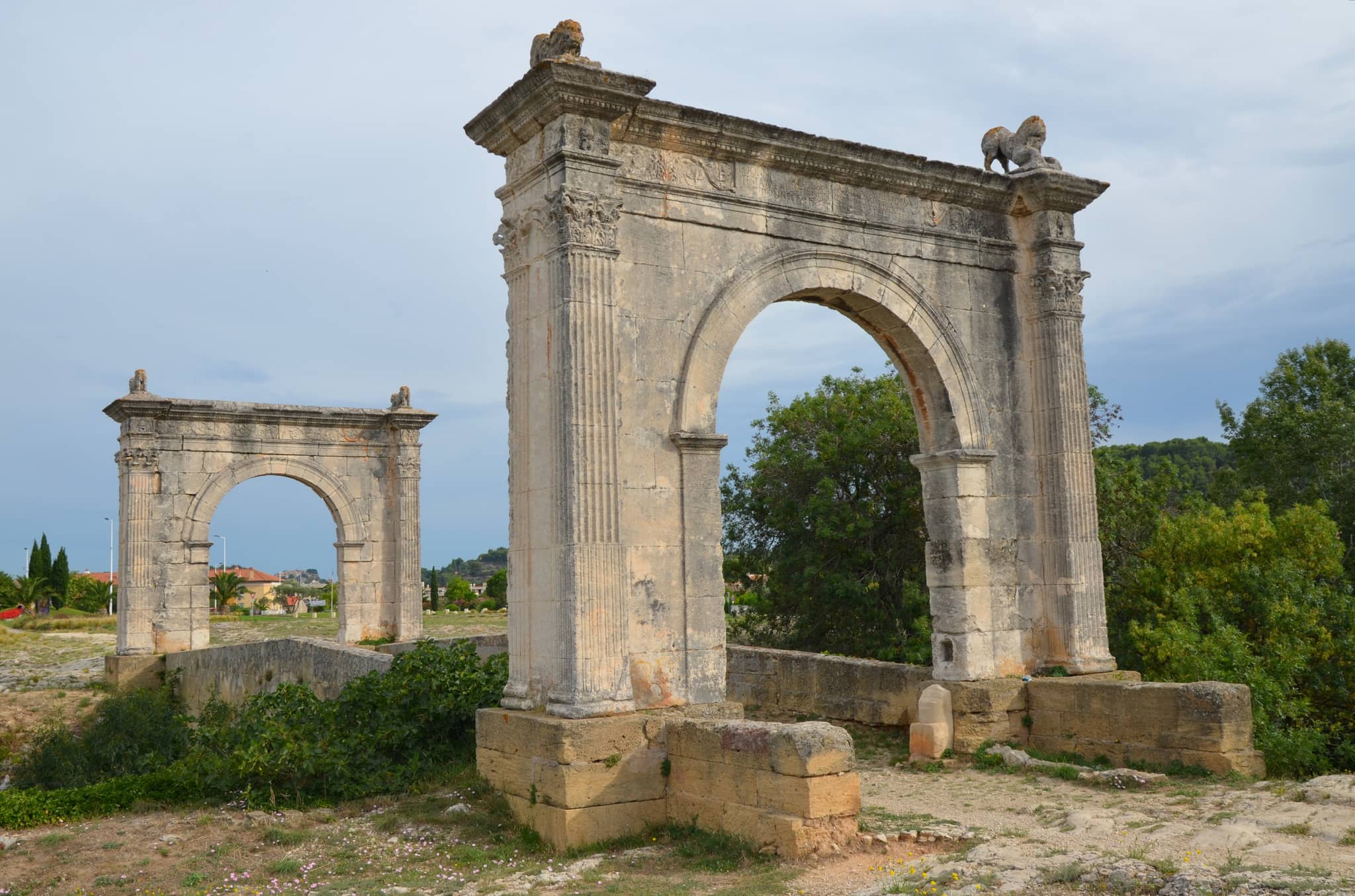
Discover the original inscription naming the magistrates who oversaw the bridge's construction, a direct link to Roman history.

Underground Excavation
Near Antenor's Tomb
Descend into the excavated site to view the bridge, once a vital crossing over the Medoacus river, now a hidden historical gem.
Plans like a pro.
Thinks like you
Planning Your Visit
Access & Viewing
Booking Your Visit
Best Times
Insider Tips
from TikTok, Instagram & Reddit
🎯 Book Guided Tours
Access is by guided tour only. Book in advance to secure your spot and learn about this ancient Roman bridge.
📍 Location Near Antenor
Find the entrance near the tomb of Antenor. Look for signs for guided tour access.
What to see/what to do in Padova?
Hey there, I am going to visit Padova in 2 weeks. This is on very short notice, so I didn't have time to plan much. I will obviously take the opportunity to go to Venice and since I've been to Venice in the past it will be easy to see interesting stuff there. But I don't know…
First time in Italy: Padova for a week, where else to visit?
Hi all. I’ll (27F) be visiting Padova this coming week for a wedding and my partner (30M) and I are looking for other places to take a train/bus for a day trip. I was thinking either Florence or Venice, but unsure where else is better/closer/less touristy? We have 3 extra days…
👀 View from Above
A glass trapdoor offers a glimpse of the bridge from street level at the intersection with Via San Francesco.
⏳ Check Tour Schedules
Tours are not daily. Verify schedules and availability before your visit to avoid disappointment.
What to do in Padova
Hey!! I will spend 8 days in Padova (24.11-01.12) for work. My boyfriend will be traveling with me, so it would be really cool if you could recommend some must-seen or must-do things that aren't basic tourist spots. We like to take a leisurely stroll through new places and…
Tips
from all over the internet
🎯 Book Guided Tours
Access is by guided tour only. Book in advance to secure your spot and learn about this ancient Roman bridge.
📍 Location Near Antenor
Find the entrance near the tomb of Antenor. Look for signs for guided tour access.
👀 View from Above
A glass trapdoor offers a glimpse of the bridge from street level at the intersection with Via San Francesco.
⏳ Check Tour Schedules
Tours are not daily. Verify schedules and availability before your visit to avoid disappointment.
What Travellers Say
Reviews Summary
Visitors praise the remarkable preservation of the Roman Bridge San Lorenzo's three arches and the historical insights provided by guided tours. However, the primary drawback is the limited accessibility, as it's largely underground and requires advance booking for tours, leading to disappointment for those expecting easy access.
"There is no way to visit the bridge!!!! There are no pictures available of the bridge. If the city wants tourists like me to visit it. Make it available!!!! Mismanagement of the vslueable tourist income!!!!"
pts pts
"Next to the tomb of Antenor in the square of the same name, you go down a staircase and reach an underground area excavated by archaeologists where you can admire three arches of the ancient Roman bridge that crossed the ancient Medoacus river, now diverted. The visit was guided by a very good archaeologist from the Arcadia group."
Giampietro Ragazzo
"At the intersection of Riviera Tito Livio and Via San Francesco is the Ponte San Lorenzo.
Right beneath your feet, beneath the road surface.
Buried in the 1960s, this beautiful Roman bridge dates back
to 40-30 BC. It features three arches and still retains the inscription with the names of the magistrates who oversaw its construction. The bridge can be reached via an underpass near the monument to Antenor, the legendary founder of Padua.
Visits are available exclusively with guided tours."
daniele padovan
What People Like
What People Dislike
Frequently Asked Questions
🚇 🗺️ Getting There
The bridge is located underground near the tomb of Antenor in Padua. Access is typically via a staircase from the square. It's situated at the intersection of Riviera Tito Livio and Via San Francesco.
While the entrance is near a landmark (Antenor's Tomb), the bridge itself is underground. Look for signs indicating guided tour access points.
No, you cannot walk over the bridge as it is preserved underground. Access is limited to guided tours that take you to view the structure.
The area is centrally located in Padua, making it accessible by foot if you are exploring the historic center. Public transport can also get you close to the main squares.
Parking in the historic center of Padua can be challenging. It's advisable to use public parking garages located a short walk from the site.
🎫 🎫 Tickets & Entry
Visits are exclusively available through guided tours. You must book a tour in advance to access the underground site.
Yes, booking is essential as access is strictly controlled and limited to guided tours. Spontaneous visits are not possible.
The bridge itself doesn't have set opening hours as it's underground. Tour operating hours vary, so check the specific tour provider's schedule.
Ticket prices are determined by the guided tour operator. Expect to pay a fee for the tour, which includes access to the bridge.
Generally, no. While a small section might be visible through a glass trapdoor from street level, a full appreciation requires a guided tour.
🎫 🏛️ Onsite Experience
You can see three remarkably intact arches of the ancient Roman bridge, along with an inscription detailing its construction magistrates.
Yes, it is described as perfectly intact and very well-preserved, showcasing excellent Roman engineering.
It's a significant example of Roman bridge construction from 47-30 BCE, crossing the ancient Medoacus river. It offers insight into Roman infrastructure.
Information is primarily delivered by the guide during the tour. The main attraction is the ancient structure itself.
A guided tour usually lasts around 30-60 minutes, depending on the provider and the depth of information shared.
📸 📸 Photography
Photography is generally permitted during guided tours, but it's always best to confirm with your guide upon arrival.
The best views are from within the underground excavation site during the guided tour, offering unique perspectives of the arches.

You might be able to capture a limited view through the glass trapdoor, but it's not ideal for comprehensive photography.
The underground site is typically illuminated for viewing, but the lighting might be subdued. Consider a camera with good low-light performance.
Drones are highly unlikely to be permitted due to the confined underground space and historical preservation regulations.



Social
from TikTok, Instagram & Reddit