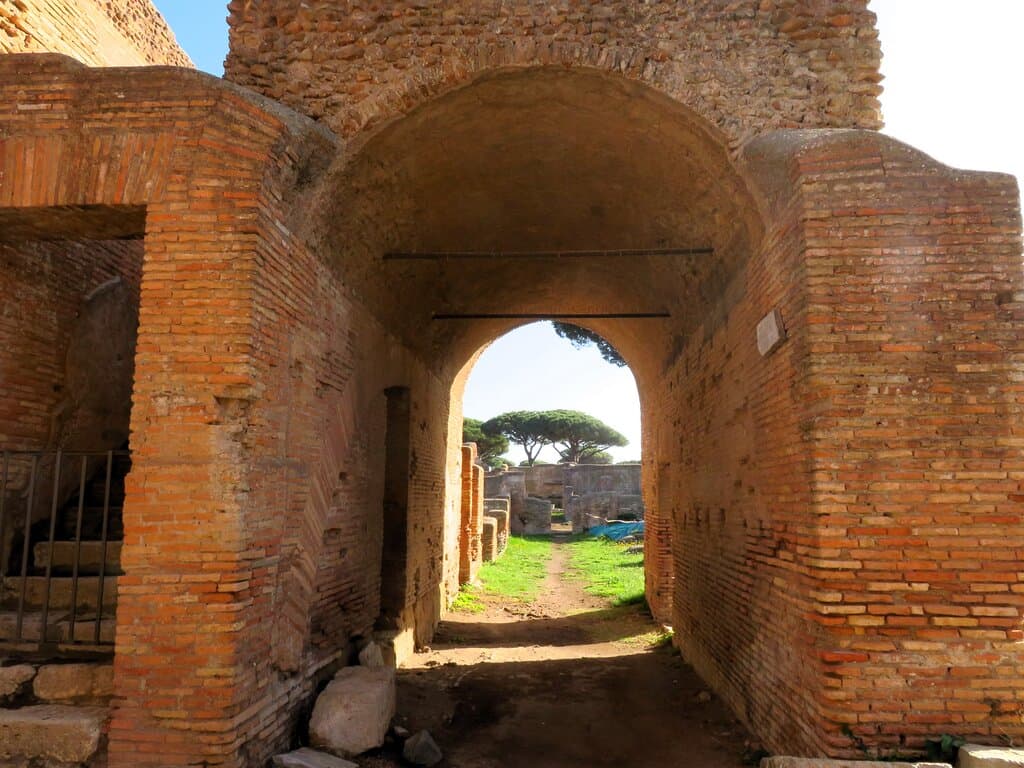
Thermopolium Via di Diana
Step into an ancient Roman fast-food joint! This remarkably preserved thermopolium offers a vivid glimpse into daily life in Ostia Antica.
Highlights
Must-see attractions

Social
From TikTok & Reddit
Best Time
Fewer crowds, better photos
Thermopolium Via di Diana
Best Time
Fewer crowds, better photos
Highlights
Must-see attractions
Step into an ancient Roman fast-food joint! This remarkably preserved thermopolium offers a vivid glimpse into daily life in Ostia Antica.
"A fascinating glimpse into Roman daily life, this thermopolium is a must-see in Ostia Antica."
Wear Comfy Shoes
You'll be walking on ancient cobblestones and uneven ground. Prioritize comfort! :athletic_shoe:
Combine with Ostia Antica
This thermopolium is within the larger Ostia Antica park. Allocate ample time to explore everything. :world_map:
Quick Facts
Highlights
Discover the most iconic attractions and experiences
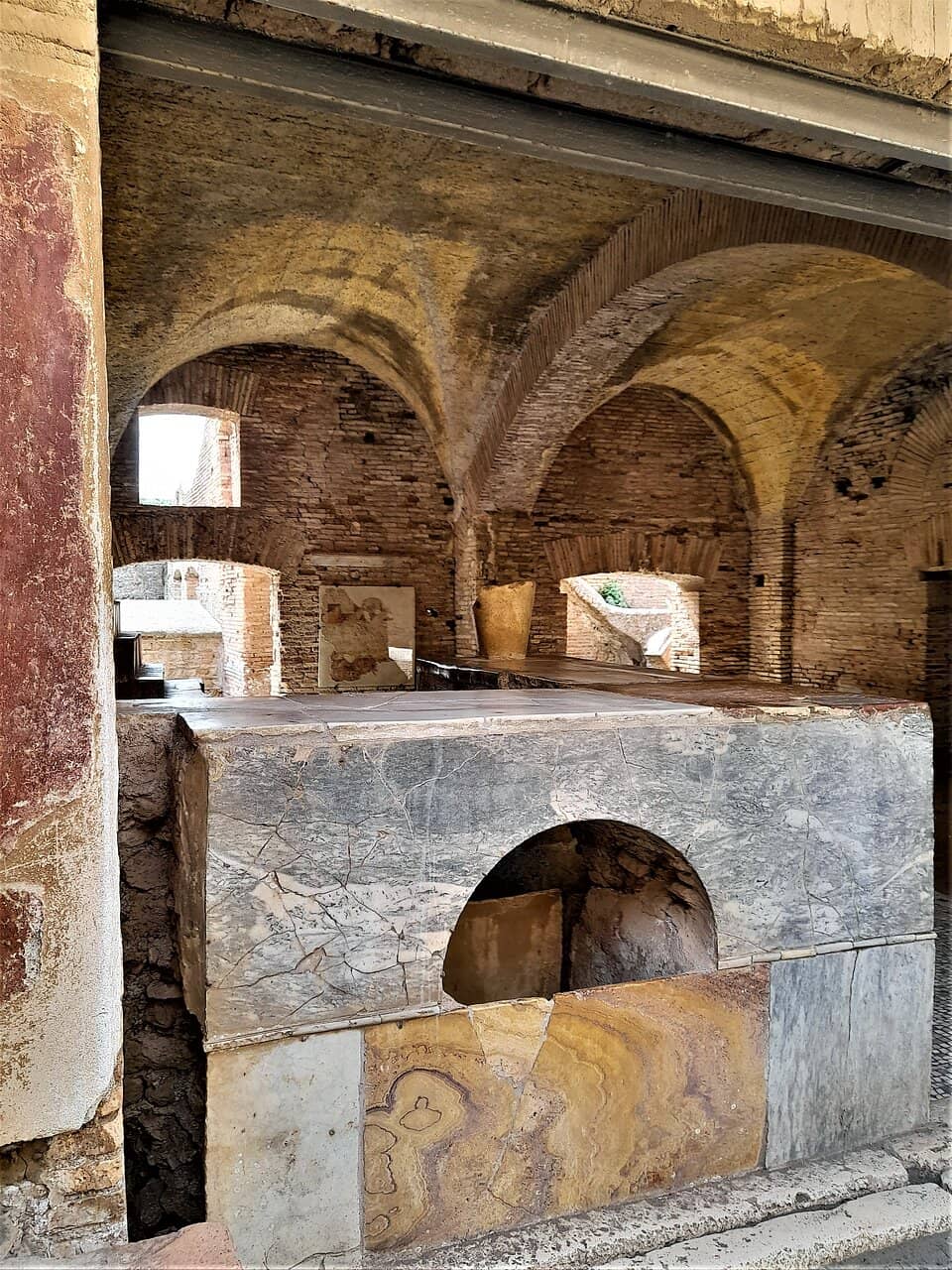
The Marble Counter
Main serving area
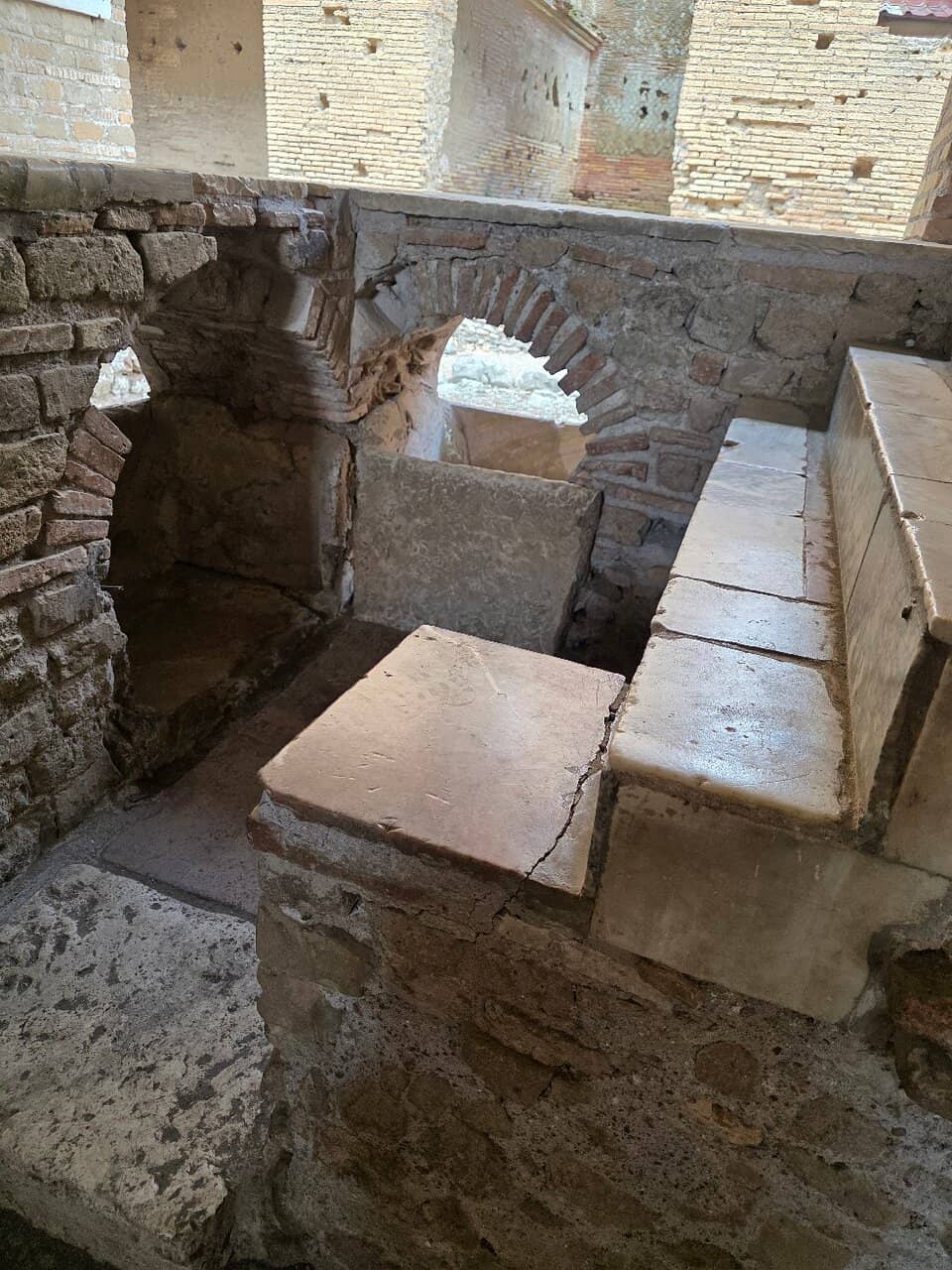
See the original marble counter where hot food and drinks were served. It's incredibly well-preserved.
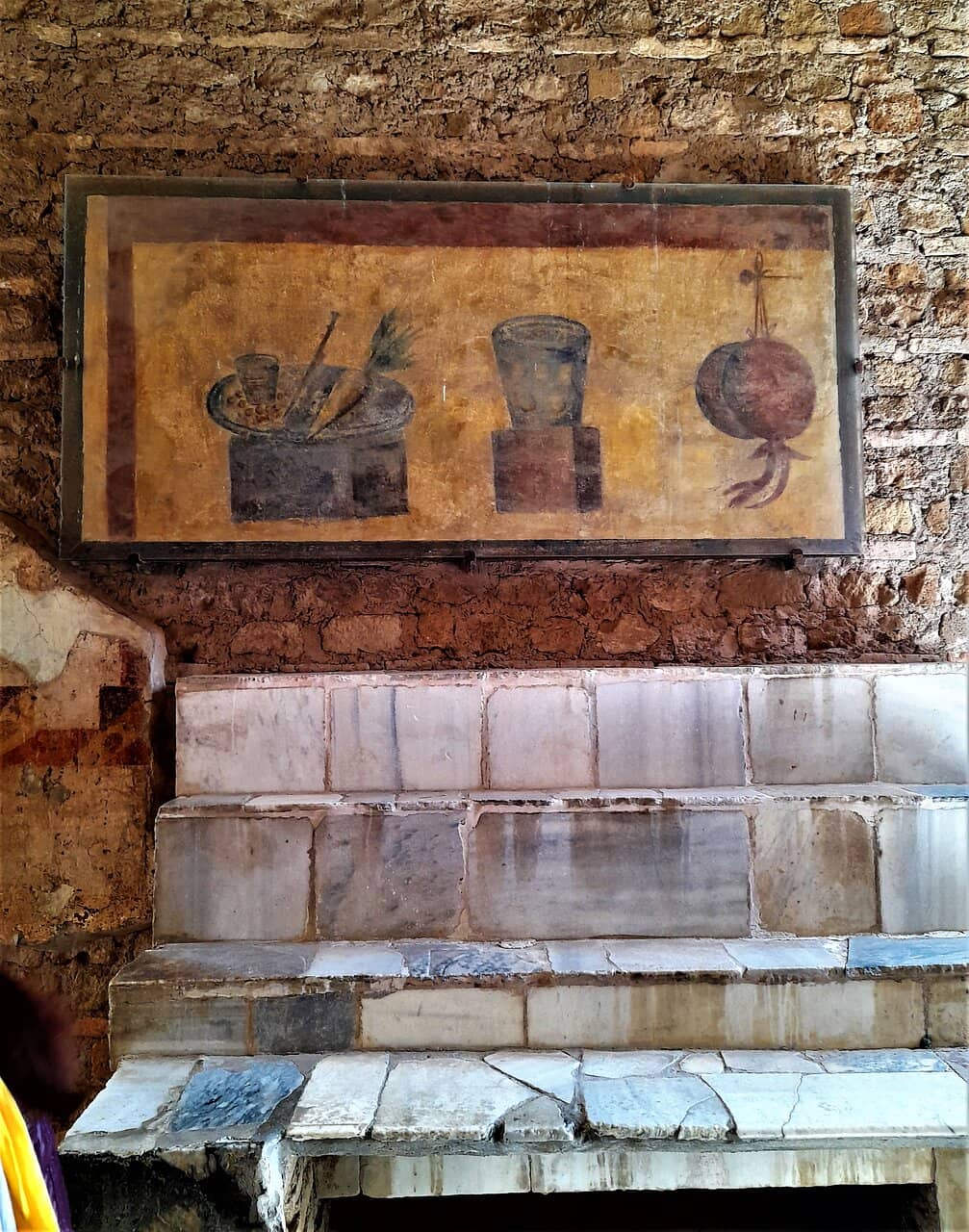
Food Depiction Painting
Wall opposite the counter
A rare surviving fresco depicting the food and drinks offered. A true visual menu from antiquity.
Al Fresco Courtyard
Rear of the establishment
Dine like a Roman in the charming courtyard, complete with a small decorative fountain.
Plans like a pro.
Thinks like you
Planning Your Visit
Ancient Roman Fast Food
Ostia Antica Essentials
Best Times
Insider Tips
from TikTok, Instagram & Reddit
A thermopolium in Ostia Antica, Italy, 3rd century CE. Thermopolium, which literally means "a place where something hot is sold", was a commercial establishment where it was possible to purchase ready-to-eat food. The items served are sometimes compared to modern fast food [675x900]
Ostia is one of the most impressive archeological sites to visit! I would say better than Pompeji (less tourists for whatever reasons) and especially the road where this famous thermopolium is located is like it was abandoned a century ago and not 1500 years ago. And you can…
Wear Comfy Shoes
You'll be walking on ancient cobblestones and uneven ground. Prioritize comfort! :athletic_shoe:
Combine with Ostia Antica
This thermopolium is within the larger Ostia Antica park. Allocate ample time to explore everything. :world_map:
2,000-Year-Old "Fast Food Shop" Uncovered in Pompeii
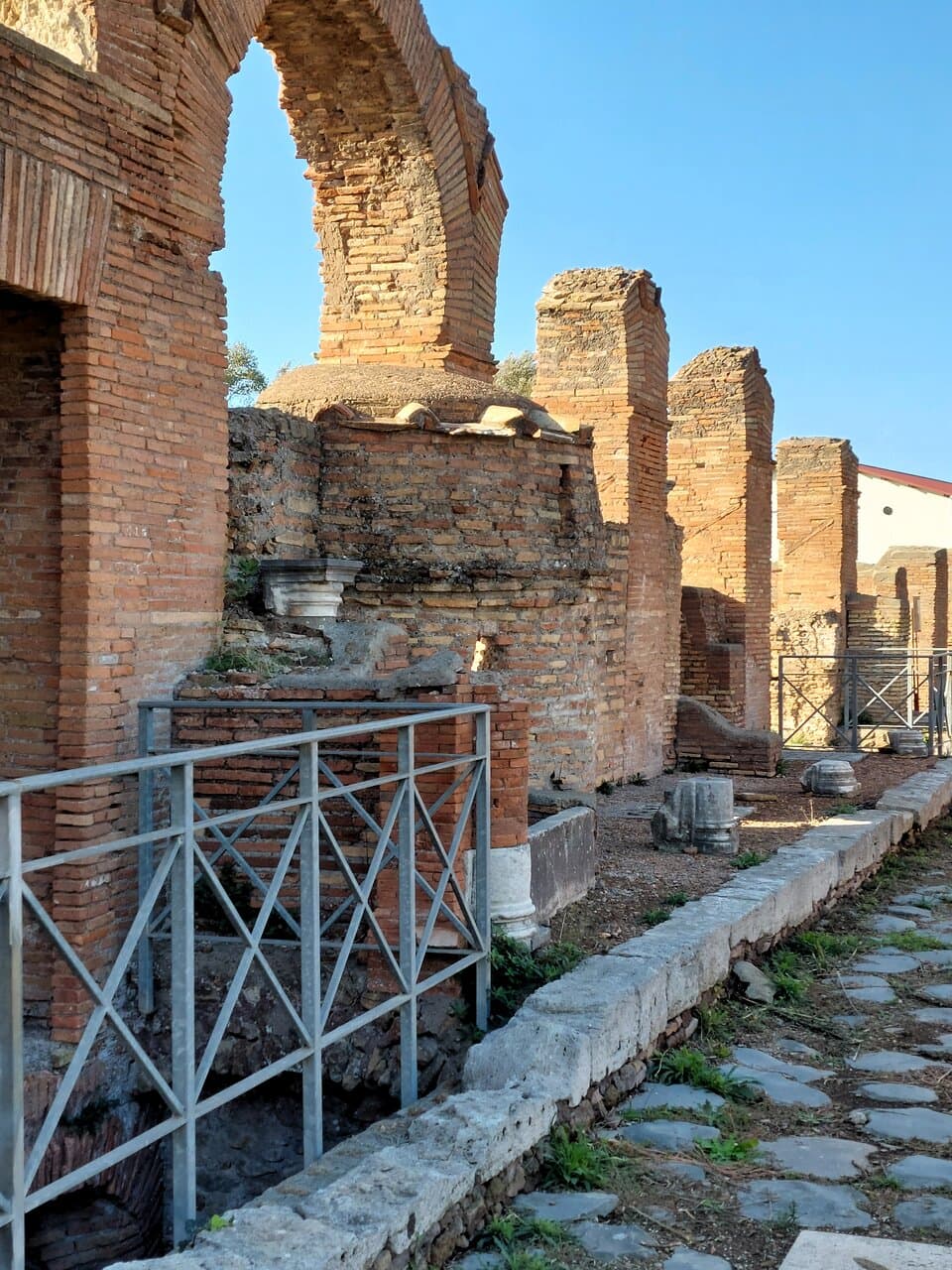
If you are in Rome but can’t get to Pompeii, Ostia Antica (just outside Rome near the coast and an easy local train ride away) has a well preserved thermopolium you can walk right into. It’s great!
This is what a 2,000‑year‑old Roman fast‑food counter looks like complete with still life frescoes and food pots.
Was this at Ostia Antica?
Imagine the Buzz
Picture the hustle and bustle of Romans grabbing a quick meal and wine. It's a vivid historical experience. :iphone:
What did Taverns look like in rome?
I'm writing a fiction set in Rome and wondered if anyone knew of how a tavern/bar/club would be laid out. For example, did they have a traditional bar table from which drinks would be served? Were there tables? Chairs? or Loungers?
Tips
from all over the internet
Wear Comfy Shoes
You'll be walking on ancient cobblestones and uneven ground. Prioritize comfort! :athletic_shoe:
Combine with Ostia Antica
This thermopolium is within the larger Ostia Antica park. Allocate ample time to explore everything. :world_map:
Imagine the Buzz
Picture the hustle and bustle of Romans grabbing a quick meal and wine. It's a vivid historical experience. :iphone:
What Travellers Say
Reviews Summary
Visitors are consistently impressed by the exceptional preservation of the Thermopolium Via di Diana, calling it a highlight of Ostia Antica. The marble counter and food depiction painting are frequently mentioned as standout features, offering a vivid glimpse into ancient Roman daily life. While some find the site can get crowded, the overall experience is highly regarded as a fascinating historical immersion.
"This review is for the famous thermopolium on Via di Diana in Parco Archeologico di Ostia Antica. It's the tavern where hot food and drinks (specifically wine) were served. There was also musical entertainment per the business sign (or menu) that you'll see as you enter the building. The layout is very well preserved. The counter, oven, and wash stand paint a pretty picture of how it was back in Ancient Ostia. I could even see a track where sliding wooden doors were present at the entrance from the street.
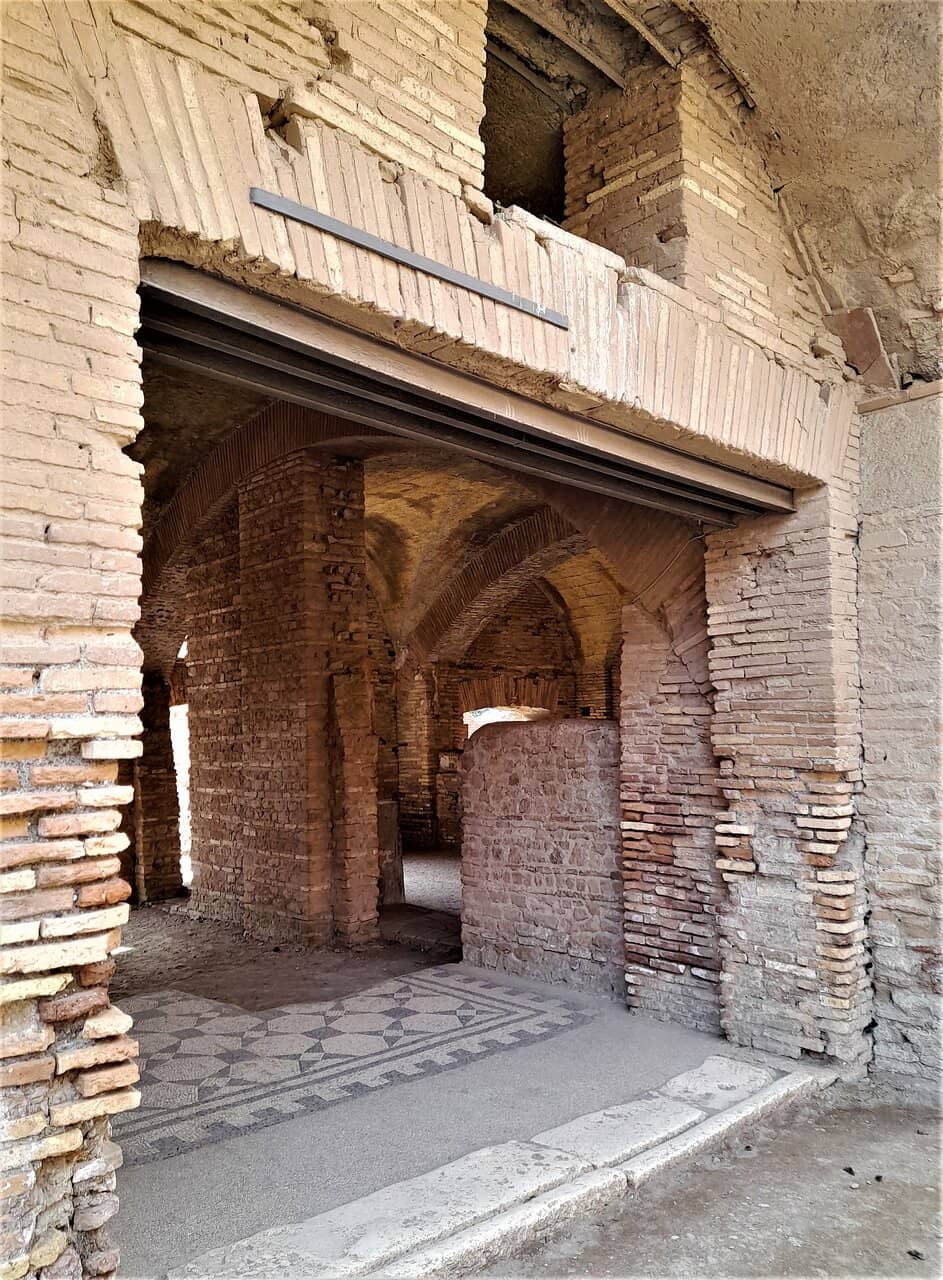
There also appears to be an outdoor area with a fountain that served as a patio. The flooring design and tile on the counter all appear to be intact. It's all so fascinating.
Make sure you walk across the street to the stairway. There is a great view of the Forum, Temples, and Capitolium. The House of Diana is also there."
Karen V
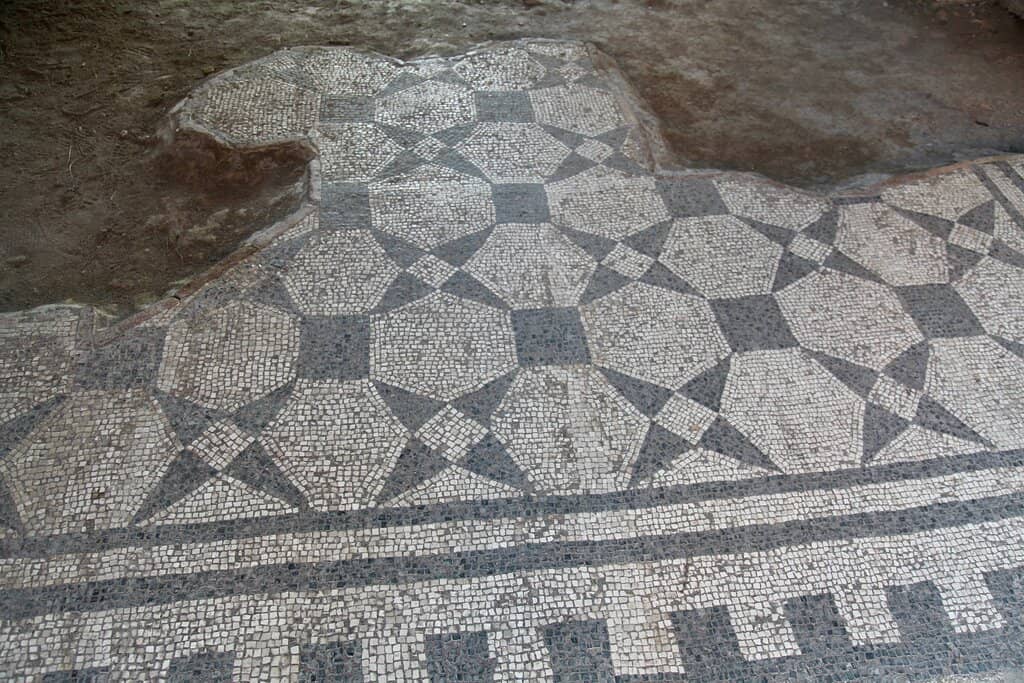
"Another place mysteriously disappeared from reviews three years ago, then duplicated by the usual ones... fix it now. This establishment is extremely famous, even though its name is modern and of Greek origin... in reality, it was called Popina or Caupona. It was built in the 3rd century AD on a previous 2nd-century structure, inside a heavily populated insula, a stone's throw from the forum. The place must have been very popular and affordable, generally serving as an inn... but this one seems to have the hallmarks of a more refined and upscale establishment. It's impressive how certain elements have been perfectly preserved, including the marble-covered counter and the painting opposite depicting some food items. Visitors immediately feel as if they're seeing those three rooms, which lead to—another rare feature—an external courtyard where patrons could dine al fresco (there's even a small decorative fountain). A piece of mosaic at the entrance and a few fragments of decoration on the walls, along with the remains of the doli that once held the food, give a good impression of what a pleasant and not bare place it must have been, popular but not crowded. A must-see during your visit to the ruins, it will surely be one of your favorite stops. Need some useful info? Then leave a like and check out other reviews of Rome and beyond."
Roberto Cecchini
"Even for the ancient Roman residents of Ostia, when they were thirsty for something other than water, there was a need to go to a place where wine was mixed and food was sold.
This place, called thermopolium, located on Via di Diana, was easily identifiable and was frequented by many people, given the size of the underground container placed inside the room.
The rooms are still well preserved and embellished with paintings depicting various foods and foods."
Michele Soldovieri
What People Like
What People Dislike
Frequently Asked Questions
🚇 🗺️ Getting There
Thermopolium Via di Diana is located within the Parco Archeologico di Ostia Antica. You can reach Ostia Antica by taking the Roma-Lido train from Piramide station in Rome. Get off at the 'Ostia Antica' stop. The park entrance is a short walk from the station.
Yes, Ostia Antica is very accessible by public transport from Rome. The Roma-Lido train is frequent and affordable, making it a convenient day trip.
While you can drive to the vicinity of Ostia Antica, parking is available near the entrance to the archaeological park. You will then need to walk to the thermopolium within the ruins.
🎫 🎫 Tickets & Entry
Yes, a ticket to the Parco Archeologico di Ostia Antica is required to enter and see the Thermopolium Via di Diana. It's recommended to purchase tickets in advance, especially during peak season.
Opening hours for Ostia Antica vary seasonally. Generally, it's open from morning until late afternoon. It's best to check the official website for the most current hours before your visit.
Ticket prices for Ostia Antica are subject to change. Typically, there's a standard admission fee, with potential discounts for certain groups. Check the official park website for current pricing.
Tickets can usually be purchased on-site at the Ostia Antica ticket office, but buying online in advance is often recommended to save time and guarantee entry.
🎫 🏛️ Onsite Experience
You can see the remarkably preserved counter, the painting depicting food items, the remains of the 'doli' (jars for food), and an internal courtyard with a fountain. It offers a vivid impression of an ancient Roman eatery.
Yes, it is considered one of the best-preserved thermopolia in Ostia Antica, offering a clear view of its original layout and features.
A thermopolium was essentially an ancient Roman fast-food establishment, serving hot food and drinks like wine. They were popular spots for quick meals.
Yes, guided tours are often available for Ostia Antica, which can provide deeper insights into sites like the thermopolium and the history of the city.
Ostia Antica is a large archaeological site with uneven terrain, including cobblestones and some inclines. While some areas are more accessible than others, mobility can be a challenge.
🍽️ 🍽️ Food & Dining
You cannot eat or drink inside the thermopolium itself, as it is a preserved archaeological site. However, there are cafes and picnic areas within the larger Ostia Antica park where you can purchase or consume food.
Thermopolia typically served simple, hot dishes and wine. The painting at Via di Diana suggests items like fish, fowl, and other prepared foods were available.
Yes, there are restaurants and cafes located near the entrance of the Ostia Antica archaeological park, as well as in the modern town of Ostia Antica.
📸 📸 Photography
Photography is generally allowed within Ostia Antica, including at the Thermopolium Via di Diana, for personal use. However, tripods and professional shoots may require special permits.
Weekday mornings or late afternoons offer softer light and fewer crowds, making them ideal for capturing clear photos of the thermopolium's details.
The marble counter, the food depiction fresco, and the courtyard with the fountain are particularly photogenic. The overall preserved structure is also very impressive.




Social
from TikTok, Instagram & Reddit