Sardinian Ethnographic Museum
Discover Sardinia's rich cultural tapestry through intricate textiles, ceremonial breads, and iconic Mamuthones costumes.
Highlights
Must-see attractions

Social
From TikTok & Reddit
Best Time
Fewer crowds, more immersive
Sardinian Ethnographic Museum
Best Time
Fewer crowds, more immersive
Highlights
Must-see attractions
Discover Sardinia's rich cultural tapestry through intricate textiles, ceremonial breads, and iconic Mamuthones costumes.
"Amazing little museum. One of the highlights of my trip to Sardinia."
Allocate Ample Time ⏳
Give yourself at least two hours to explore; you might need more to see everything!
QR Codes for English 📱
Scan QR codes in each room for English translations of the Italian displays.
Highlights
Discover the most iconic attractions and experiences
Intricate Ceremonial Breads
Ground floor displays
Hundreds of meticulously crafted ceremonial bread samples, showcasing incredible detail and artistry.
Mamuthones, Masks & Music
Room 10 (separate building)
Discover the fascinating world of Mamuthones, traditional festival masks, and musical instruments.
Textiles and Weaving History
Ground floor displays
Explore the rich history of weaving and admire a vast collection of traditional textiles.
Traditional Clothing Collection
Upper floor
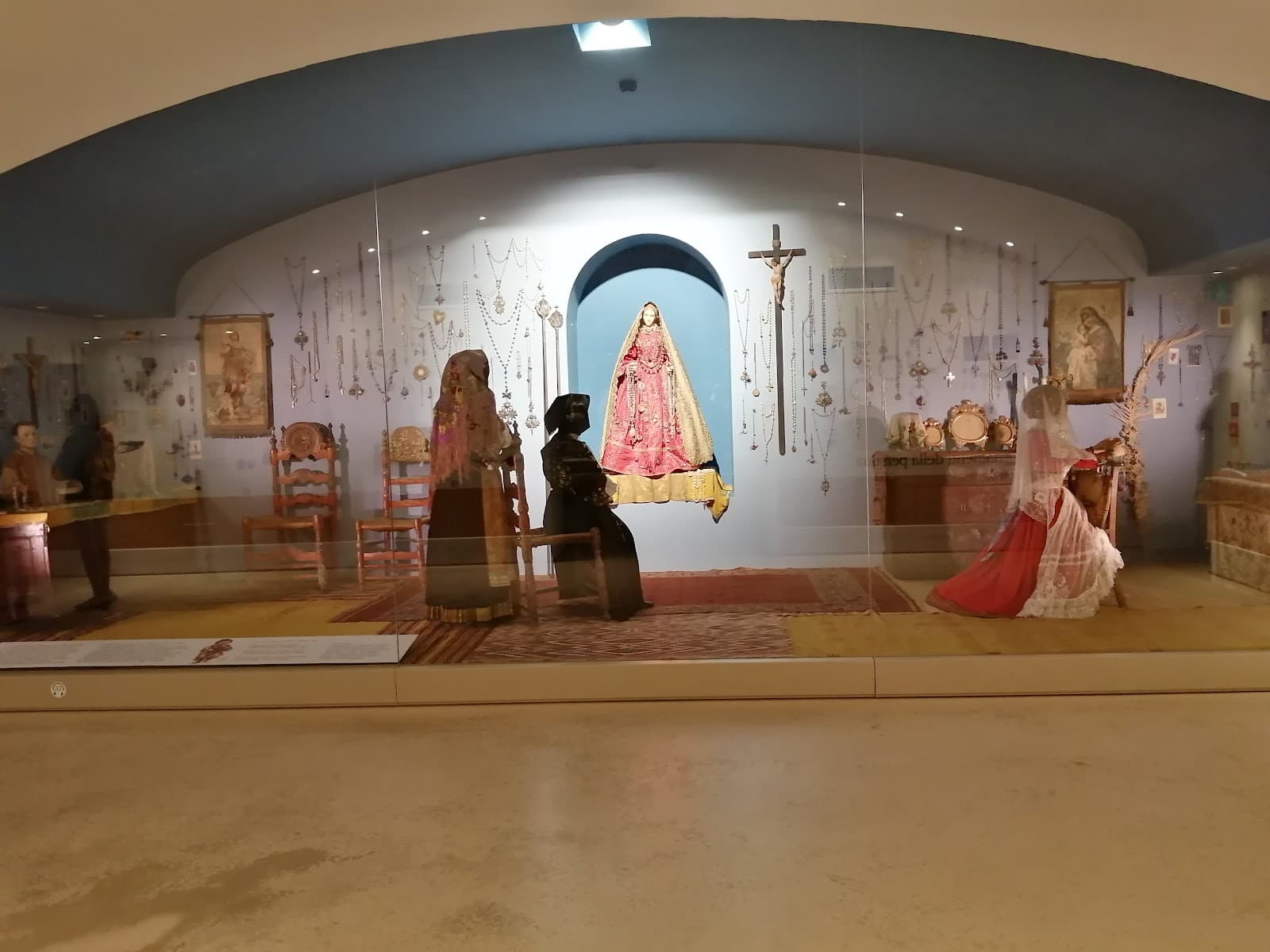
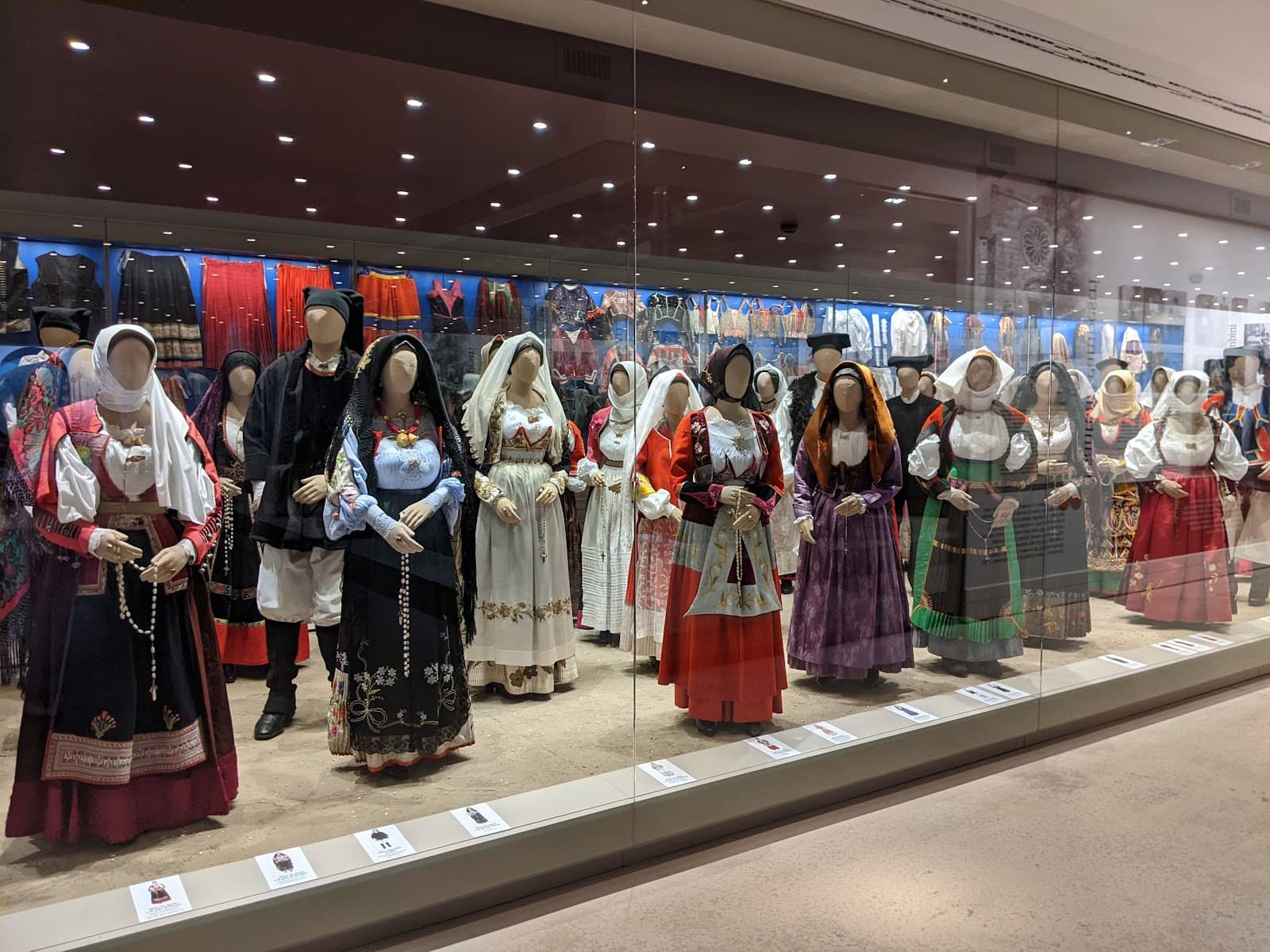
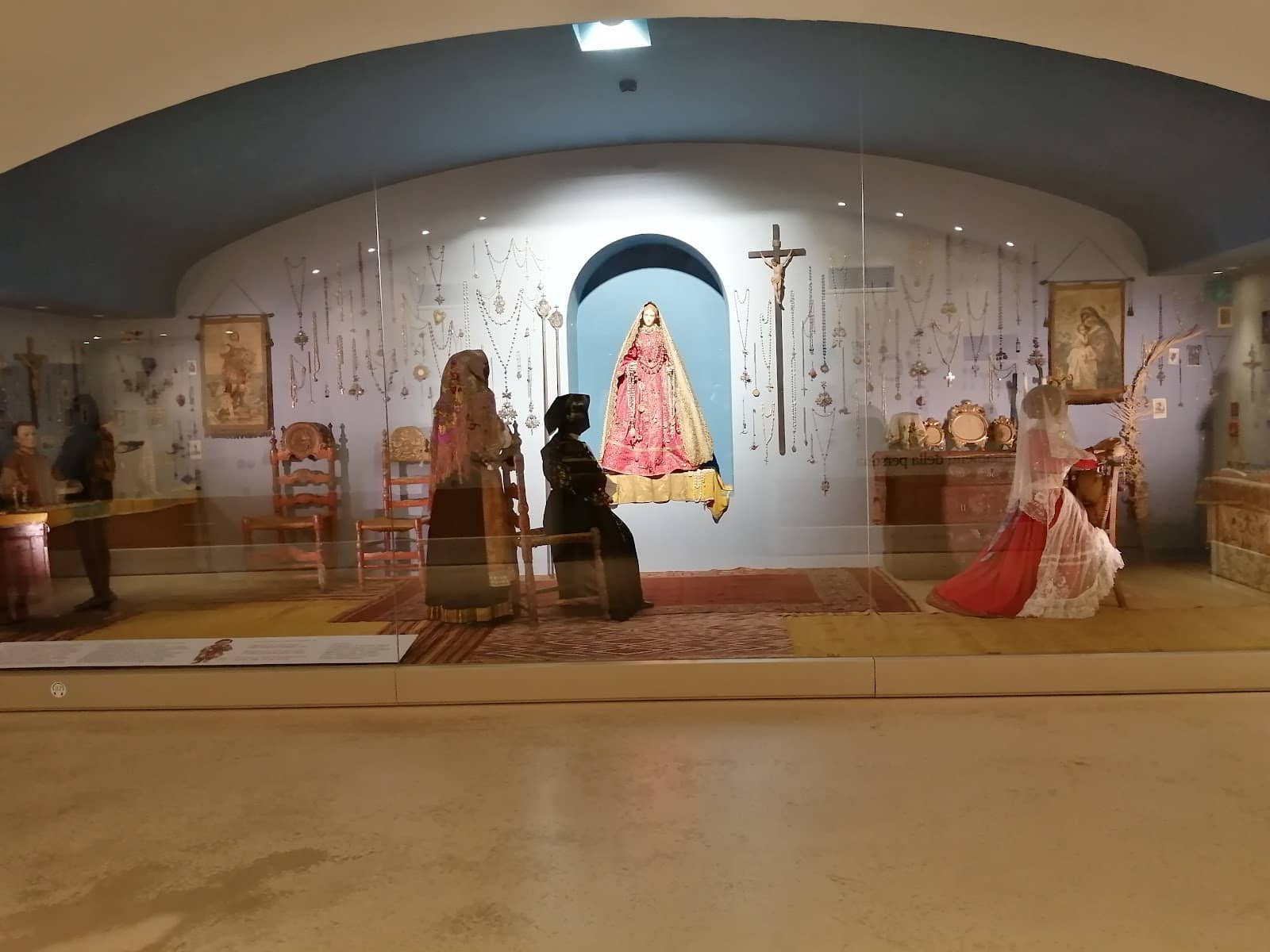
An extensive display of traditional Sardinian clothing, jewelry, and wooly fleece costumes.
Plans like a pro.
Thinks like you
Planning Your Visit
Plan Your Visit: Timing is Key
Navigating the Museum: Language & Access
Best Times
Insider Tips
from TikTok, Instagram & Reddit
Pleated shawl pattern
Allocate Ample Time ⏳
Give yourself at least two hours to explore; you might need more to see everything!
QR Codes for English 📱
Scan QR codes in each room for English translations of the Italian displays.
Don't Miss Room 10 🚪
This separate room features Mamuthones, masks, and musical instruments.
Parking Patience 🚗
Parking can be tricky; be prepared to search for a spot in the surrounding area.
Tips
from all over the internet
Allocate Ample Time ⏳
Give yourself at least two hours to explore; you might need more to see everything!
QR Codes for English 📱
Scan QR codes in each room for English translations of the Italian displays.
Don't Miss Room 10 🚪
This separate room features Mamuthones, masks, and musical instruments.
Parking Patience 🚗
Parking can be tricky; be prepared to search for a spot in the surrounding area.
Explore Hidden Drawers 🎁
Many displays have hidden drawers to open, revealing even more fascinating items.
What Travellers Say
Reviews Summary
Visitors consistently praise the Sardinian Ethnographic Museum as a highlight, marveling at its extensive and fascinating collections, particularly the intricate ceremonial breads and traditional costumes. While the primary text is in Italian, the readily available English translations via QR codes are appreciated. Some visitors note that parking can be challenging and recommend allocating ample time to fully explore the diverse exhibits.
"Amazing little museum. There are 7 rooms on one side covering everything from the history of Sardinia to bread making to lace and textiles and upstairs from that is a clothing and jewelry section. The last room is on the other side of the museum outside and down some stairs. It has musical instruments and festival masks and amazing wooly fleece costumes with lots of bells. There is parking in front of the museum. It's closed between 1pm and 3pm. The displays are in Italian but there are QR codes in every room for transitions into English."
Natalya Marquand
"Spacious museum which is not purely costume related. Ground floor covers history of island with clear displays and text in Italian. Audio version in other languages. Extensive costumes on upper floor. Adjacent building shows video relating to feast of St Anthony. Parking tricky but good opportunity to explore the area looking for a space."
graeme linford
"Must see! One of the highlights of my trip to Sardinia.
Text is all physically in Italian but available in English online by scanning the QR codes in each room. Free wifi available.
Allow yourself a couple of hours in there at a minimum. We only had an hour and didn’t get chance to see everything.
Fascinating displays, the information and history of weaving was my favourite. There is absolutely so much stuff here! When you think you’ve seen everything in a room there are further drawers to open.
We came in the afternoon on a weekday and it was very quiet. We were able to purchase tickets at the desk with card."
C B
What People Like
What People Dislike
Frequently Asked Questions
🚇 🗺️ Getting There
The museum is accessible by car, with parking available in front or in the surrounding areas. Public transport options may vary, so it's advisable to check local schedules if you're not driving. The exact location and accessibility details can be found through local tourism resources.
Parking can be tricky, and visitors are advised to be patient and explore the nearby streets to find a suitable spot.
The museum is closed between 1 PM and 3 PM for a midday break. It's recommended to check the official website or contact the museum directly for the most up-to-date opening hours, especially on holidays.
The museum is generally open on weekends, but it's always best to confirm hours beforehand, as they can sometimes vary. Weekday afternoons tend to be less crowded.
While the main exhibits are on the ground floor, some sections, like Room 10, might involve stairs or separate access. It's advisable to inquire about specific accessibility for all areas before your visit.
🎫 🎫 Tickets & Entry
Tickets can be purchased at the desk, and card payments are accepted. Pricing details are usually available on-site or on their official website. It's a worthwhile investment for the rich cultural experience.
Advance booking is generally not required, as tickets can be purchased at the desk upon arrival. However, during peak tourist seasons, it might be a good idea to check if pre-booking is recommended.
Information on discounts for students, seniors, or groups is typically available at the ticket counter or on the museum's official website. It's always worth asking when you purchase your ticket.
Photography policies can vary. While many museums allow personal photography without flash, it's best to check for any specific restrictions posted at the entrance or within the exhibits.
While not explicitly mentioned, inquire at the information desk about the possibility of guided tours or audio guides to enhance your understanding of the exhibits.
🎫 🧭 Onsite Experience
Visitors recommend allocating at least two hours to fully explore the museum, as there is a vast amount of content, including hidden drawers to open.
The museum offers a diverse range of exhibits, from historical artifacts to traditional costumes and crafts, which can be engaging for older children and teenagers interested in culture and history.
The primary language for displays is Italian, but QR codes in each room provide access to English translations. Free Wi-Fi is available to facilitate this.
Standard visitor facilities, including restrooms, are typically available within the museum. It's advisable to check with staff upon arrival for their exact locations.
Visitors rave about the intricate ceremonial breads, the extensive collection of traditional clothing, and the unique displays of Mamuthones, masks, and musical instruments in Room 10.
🍽️ 🍽️ Food & Dining
There are no explicit mentions of a cafe or restaurant within the museum itself. Visitors may need to explore nearby eateries for refreshments.
Generally, it's best to consume food and drinks outside the exhibition areas to protect the artifacts. Check for specific policies at the entrance.
The surrounding area likely offers traditional Sardinian cuisine, including local specialties, pasta dishes, and seafood. Exploring local trattorias is recommended.
While specific recommendations aren't provided, exploring the local town or village where the museum is located will likely reveal charming restaurants serving authentic Sardinian food.
If there are public parks or designated picnic areas nearby, a picnic could be an option. However, it's advisable to check local regulations regarding picnicking.
📸 📸 Photography
Photography policies can vary. While personal photography without flash is often permitted, it's crucial to look for signage or ask staff for confirmation to avoid any issues.
Yes, photography of the traditional costumes and masks is generally allowed, but always be mindful of any 'no photography' signs, especially for specific artifacts or temporary exhibitions.
Some sensitive exhibits or areas might have restrictions on photography. Always respect these rules to help preserve the artifacts for future visitors.
Flash photography is almost always prohibited in museums as the light can damage delicate artifacts over time. It's best to assume flash is not allowed unless explicitly stated otherwise.
The intricate ceremonial breads, the detailed traditional clothing, and the striking Mamuthones masks offer fantastic photographic opportunities.
For Different Travelers
Tailored advice for your travel style
👨👩👧 Families with Kids
While the text is primarily in Italian, the QR codes for English translations are helpful. Consider making it a scavenger hunt to find specific items or patterns within the exhibits. The museum's spacious layout allows for comfortable exploration, and the unique cultural insights can provide a memorable educational experience for the whole family.
🏛️ Culture Enthusiasts
Don't miss the dedicated section on Mamuthones and carnival traditions, which offers a unique perspective on ancient rituals and their modern-day manifestations. The museum's commitment to preserving and showcasing these aspects of Sardinian culture makes it a must-visit for anyone seeking an authentic and in-depth cultural experience.
📸 Photographers & Art Lovers
The striking imagery of the Mamuthones masks and costumes offers a dramatic and unique subject matter. While flash photography is likely prohibited, the ambient light within the museum should still allow for capturing the essence of these fascinating exhibits. Be sure to explore the various textures and patterns that define Sardinian craftsmanship.
Deep Dives
In-depth insights and expert knowledge
The Art of Sardinian Textiles
Beyond just clothing, the museum showcases other textile-related crafts, such as lace-making, demonstrating the delicate and time-consuming techniques involved. The sheer volume and variety of these exhibits offer a comprehensive look at how textiles have been integral to Sardinian life, from practical uses to symbolic expressions in festivals and rituals. It's a fascinating journey into a vital aspect of Sardinian heritage.
Mamuthones: Symbols of Tradition
The exhibit explores the cultural significance of the Mamuthones, their role in ancient rituals, and the symbolism behind their appearance. Alongside the costumes, you'll find traditional musical instruments that accompany these ceremonies, adding another layer to the understanding of Sardinian folk traditions. This immersive display offers a unique glimpse into a vibrant and ancient cultural practice that continues to be celebrated today.
Ceremonial Breads: Edible Art
Each bread is a testament to the creativity and skill of Sardinian bakers, often incorporating symbolic motifs and designs that hold cultural or religious meaning. Examining these edible masterpieces provides a unique insight into the traditions and beliefs that shape Sardinian celebrations. It’s a visual feast that highlights the intersection of food, art, and culture on the island.
Social
from TikTok, Instagram & Reddit