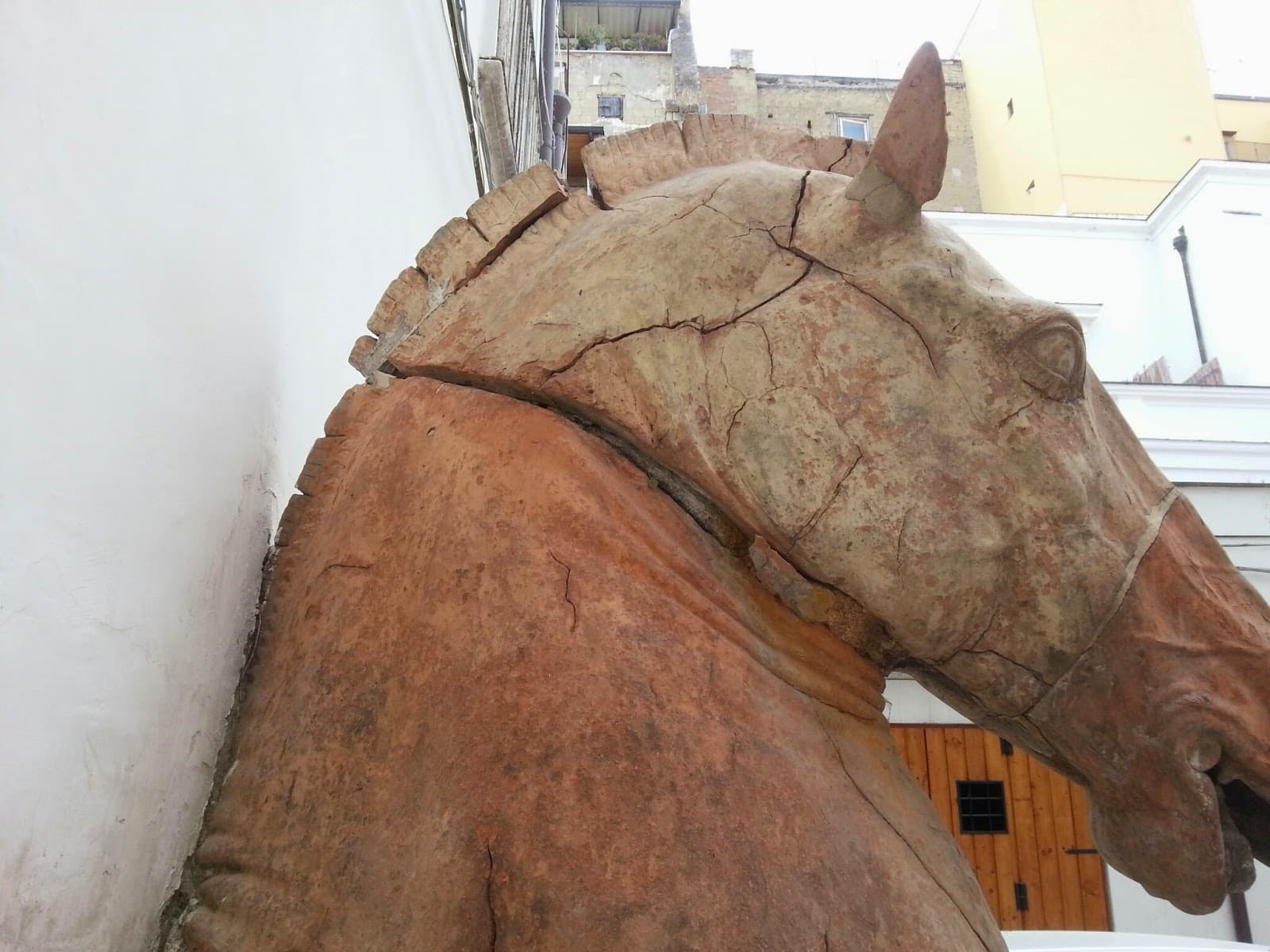
Palazzo Carafa
A 15th-century Renaissance palace in Naples, famed for its unique two-tone facade and a courtyard featuring a Donatello-attributed horse head.
Highlights
Must-see attractions

Social
From TikTok & Reddit
Best Time
Fewer crowds, better photos
Palazzo Carafa
Best Time
Fewer crowds, better photos
Highlights
Must-see attractions
A 15th-century Renaissance palace in Naples, famed for its unique two-tone facade and a courtyard featuring a Donatello-attributed horse head.
"Perhaps the most beautiful urban palazzo in the heart of the city."
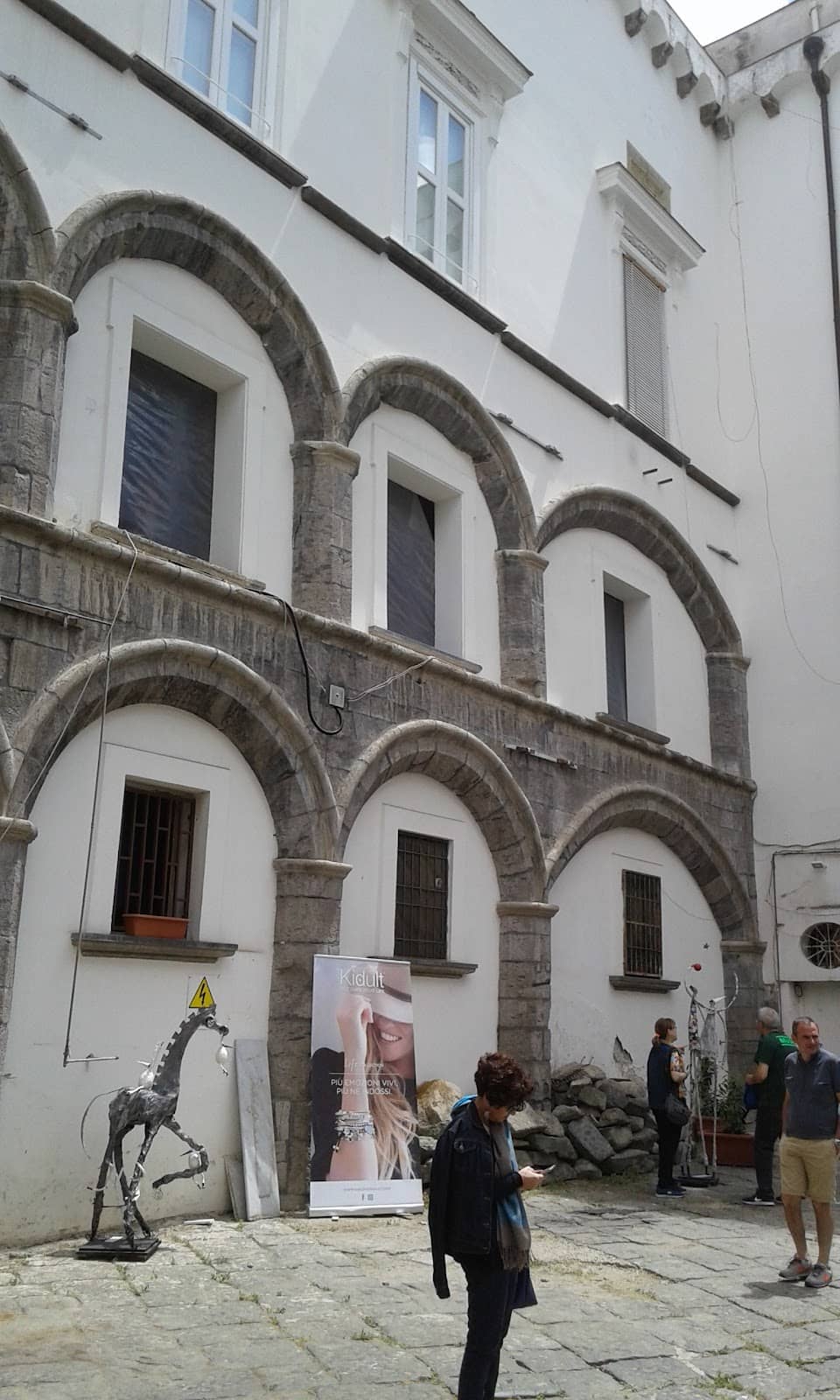
Admire the Horse Head
Don't miss the impressive horse head statue in the courtyard! It's a key feature of Palazzo Carafa. :statue:
Explore Artisan Workshops
Discover unique crafts and art in the workshops inside the palace. Great for souvenirs! :shopping_bags:
Highlights
Discover the most iconic attractions and experiences
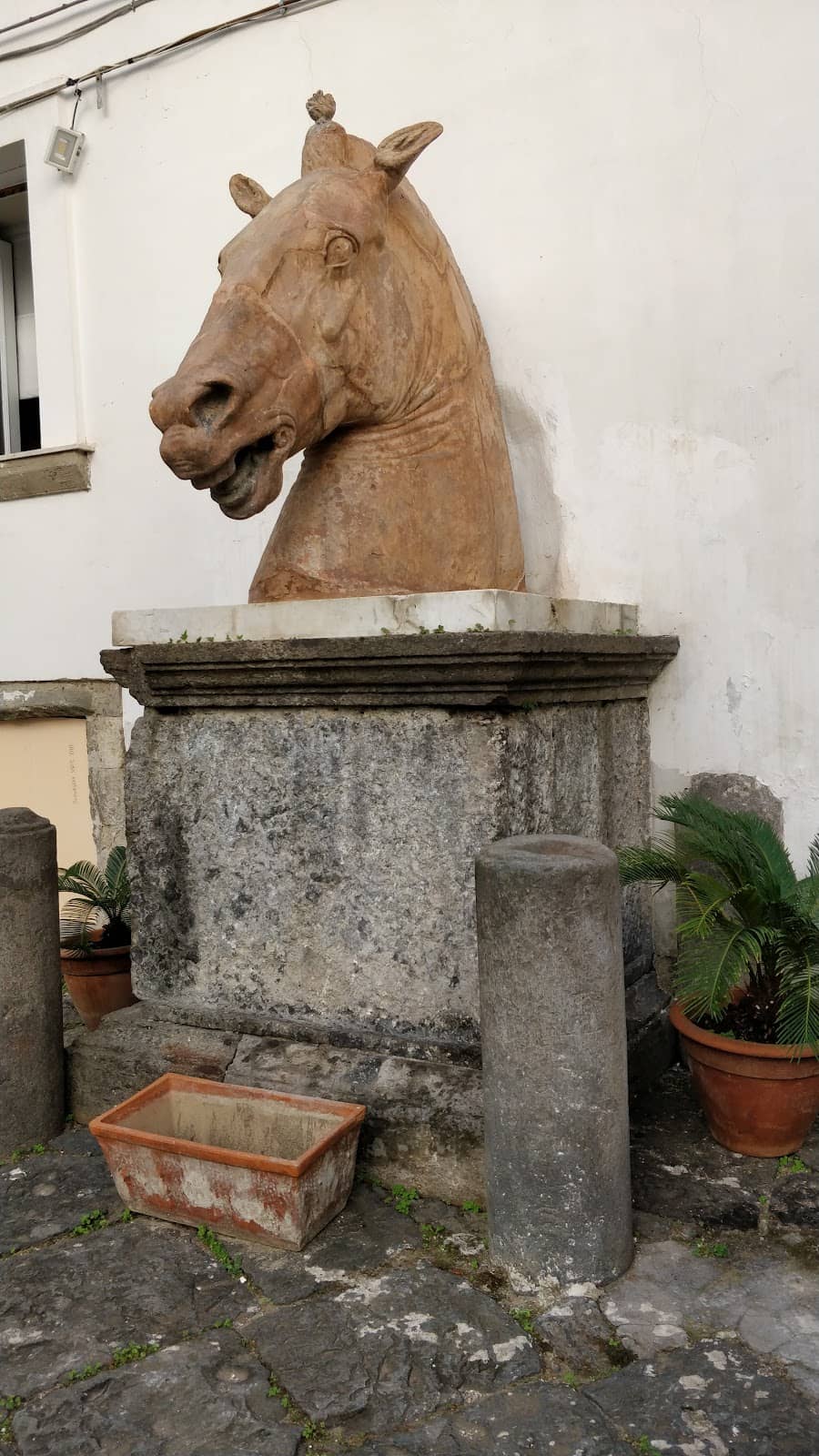
The Carafa Horse Head
Courtyard
A striking terracotta copy of a bronze horse head, possibly by Donatello, adding a touch of ancient grandeur.
Two-Tone Ashlar Facade
Exterior
The palace's distinctive facade, clad in contrasting ashlar stones, is a hallmark of Renaissance architecture.
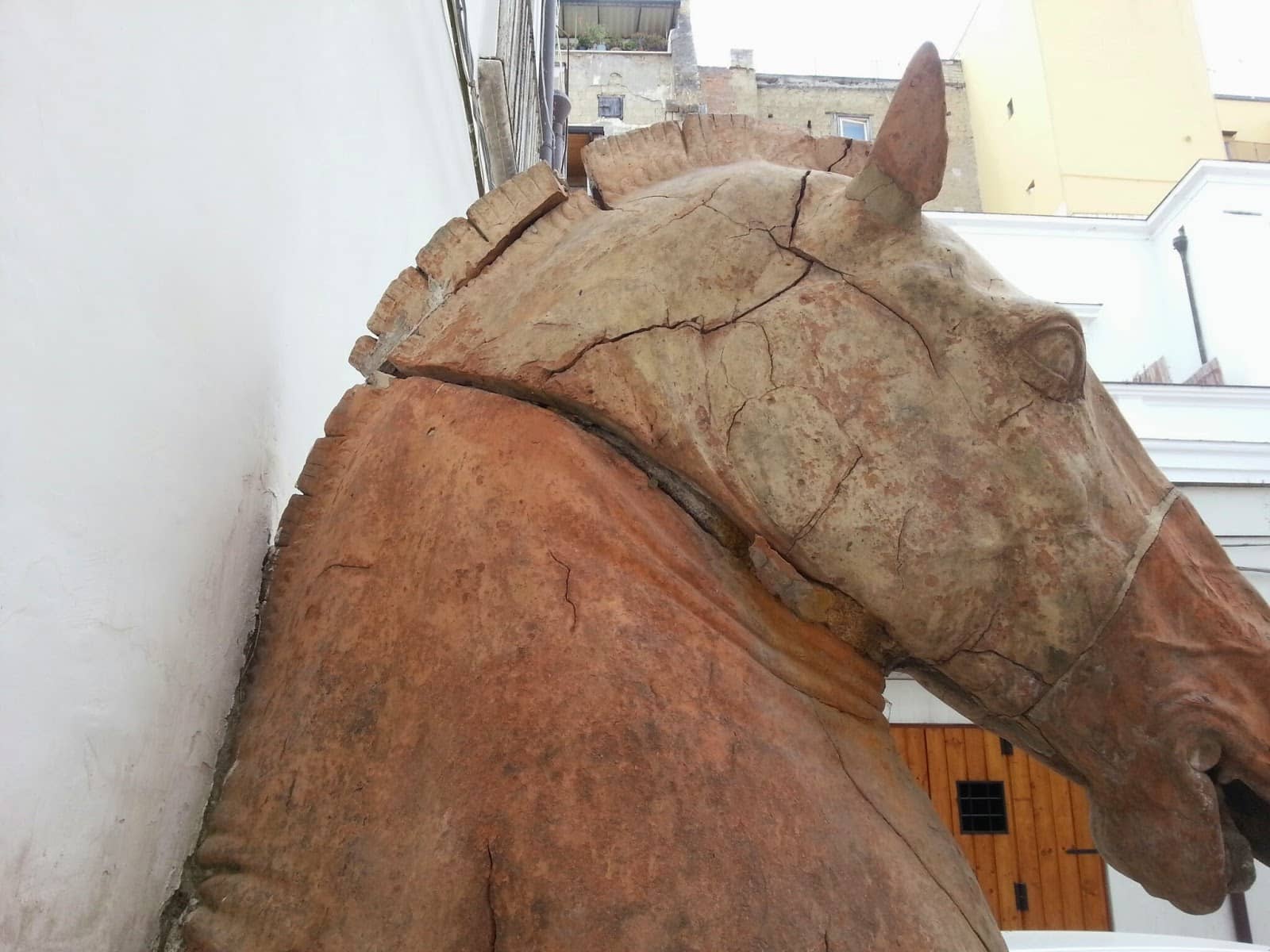
Renaissance Courtyard
Courtyard
An elegant courtyard with colonnades, arches, and friezes, offering a serene escape and architectural beauty.
Plans like a pro.
Thinks like you
Planning Your Visit
Discover Renaissance Splendor
Courtyard Wonders & Artisan Finds
Best Times
Insider Tips
from TikTok, Instagram & Reddit
Admire the Horse Head
Don't miss the impressive horse head statue in the courtyard! It's a key feature of Palazzo Carafa. :statue:
Explore Artisan Workshops
Discover unique crafts and art in the workshops inside the palace. Great for souvenirs! :shopping_bags:
Appreciate the Facade
The unique two-tone ashlar facade is a must-see architectural detail. :building_construction:
Learn the History
Diomede Carafa was a notable figure. Learn about his life and the palace's past. :scroll:
Tips
from all over the internet
Admire the Horse Head
Don't miss the impressive horse head statue in the courtyard! It's a key feature of Palazzo Carafa. :statue:
Explore Artisan Workshops
Discover unique crafts and art in the workshops inside the palace. Great for souvenirs! :shopping_bags:
Appreciate the Facade
The unique two-tone ashlar facade is a must-see architectural detail. :building_construction:
Learn the History
Diomede Carafa was a notable figure. Learn about his life and the palace's past. :scroll:
What Travellers Say
Reviews Summary
Visitors praise Palazzo Carafa as one of Naples' most beautiful urban palaces, highlighting its stunning Renaissance architecture, distinctive facade, and the iconic horse-head statue in the courtyard. The blend of historical significance with active artisan workshops adds a unique charm.
"Perhaps the most beautiful urban palazzo in the heart of the city."
DAVID SNYDER
"Like this"
Стоян Вачев
"The palace was built in the 15th century on a previous medieval structure. The façade is distinguished by its two-tone ashlar cladding and the portal with wooden doors, decorated with the family symbols. In the courtyard is a horse's head, attributed to Donatello, a terracotta copy of the bronze one donated to the National Museum of Naples in the 19th century. Diomede Carafa was a soldier, politician, and distinguished man of letters."
Ferdinando Muscariello
What People Like
What People Dislike
Frequently Asked Questions
🚇 🗺️ Getting There
Palazzo Carafa is located in the historic center of Naples, specifically on Via San Biagio dei Librai. It's easily accessible by public transport, with several bus lines stopping nearby. Walking from other central attractions like the Duomo or Piazza del Plebiscito is also feasible if you enjoy exploring the city on foot.
Absolutely! Palazzo Carafa is situated on one of Naples' main historic 'decumani' (ancient Roman streets), making it part of a highly walkable and vibrant district. You can easily combine a visit with exploring other nearby historical sites.
🎫 🎫 Tickets & Entry
Entry to the courtyard and the exterior of Palazzo Carafa is generally free, allowing you to admire its architecture and the horse-head statue. Some internal areas or specific exhibitions might have an admission fee.
While the exterior and courtyard are often accessible, specific business and workshop hours within the palace can vary. It's best to check for any temporary exhibitions or events, as these might have set visiting times.
Typically, there is no entrance fee to access the main courtyard of Palazzo Carafa, where the famous horse head is located. This makes it an accessible point of interest for all visitors.
📸 📸 Photography
Photography is generally permitted in the courtyard and exterior areas of Palazzo Carafa for personal use. However, always be mindful of any private businesses or workshops within the palace and respect their policies.
The courtyard with the horse head statue and the distinctive two-tone ashlar facade are prime photography spots. The architectural details of the arches and colonnades also make for beautiful shots.
🎫 🏛️ History & Architecture
Palazzo Carafa was built in the 15th century, commissioned by Diomede Carafa, a prominent soldier, politician, and man of letters. It stands on a previous medieval structure.
The horse head statue in the courtyard is a terracotta copy of a bronze original, attributed to the renowned artist Donatello. It was originally part of an equestrian monument commissioned by King Alfonso V of Aragon.
Palazzo Carafa is a prime example of Renaissance architecture, characterized by its ornate details, harmonious proportions, and the distinctive two-tone ashlar cladding on its facade.
For Different Travelers
Tailored advice for your travel style
👨👩👧 Families with Kids
Keep in mind that while the courtyard is accessible, the palace's historical nature means there might be limited stroller accessibility in some areas. Focus on the visual elements like the facade and the courtyard's sculptures to keep younger visitors engaged.
🎨 Art & History Enthusiasts
Take time to appreciate the historical context of the Carafa family and Diomede Carafa's role in Neapolitan society. The palace's blend of historical significance and contemporary artisan presence provides a rich, multi-layered experience.
Deep Dives
In-depth insights and expert knowledge
The Legend of the Horse Head
While the statue itself is a testament to Renaissance artistry, its story is intertwined with the history of Naples and its rulers. The attribution to Donatello, even if a copy, speaks to the artistic caliber associated with the palace and its patrons. It’s a piece that sparks conversation and invites contemplation of the past.
Renaissance Architecture in Naples
The palace's courtyard further exemplifies Renaissance design principles, featuring colonnades, arches, and friezes. These elements create a sense of balance and harmony, offering a tranquil space that contrasts with the bustling city outside. The architectural details, including the intricately carved wooden doors and the Hercules statue above them, showcase the craftsmanship of the era.
Beyond its aesthetic appeal, Palazzo Carafa's architecture also tells a story of its inhabitants, the noble Carafa family. The building's grandeur and refined details were intended to project status and sophistication, aligning with the ideals of the Renaissance period. Exploring these architectural elements provides a deeper understanding of the historical context and the artistic achievements of 15th-century Naples.
Artisan Life Within the Palace
Exploring these internal spaces can lead to discovering unique, handcrafted items and engaging with local artisans. It's an opportunity to support local talent and find one-of-a-kind souvenirs that carry the spirit of Naples. The presence of these workshops transforms the palace from a static museum piece into a vibrant hub of activity.
Social
from TikTok, Instagram & Reddit