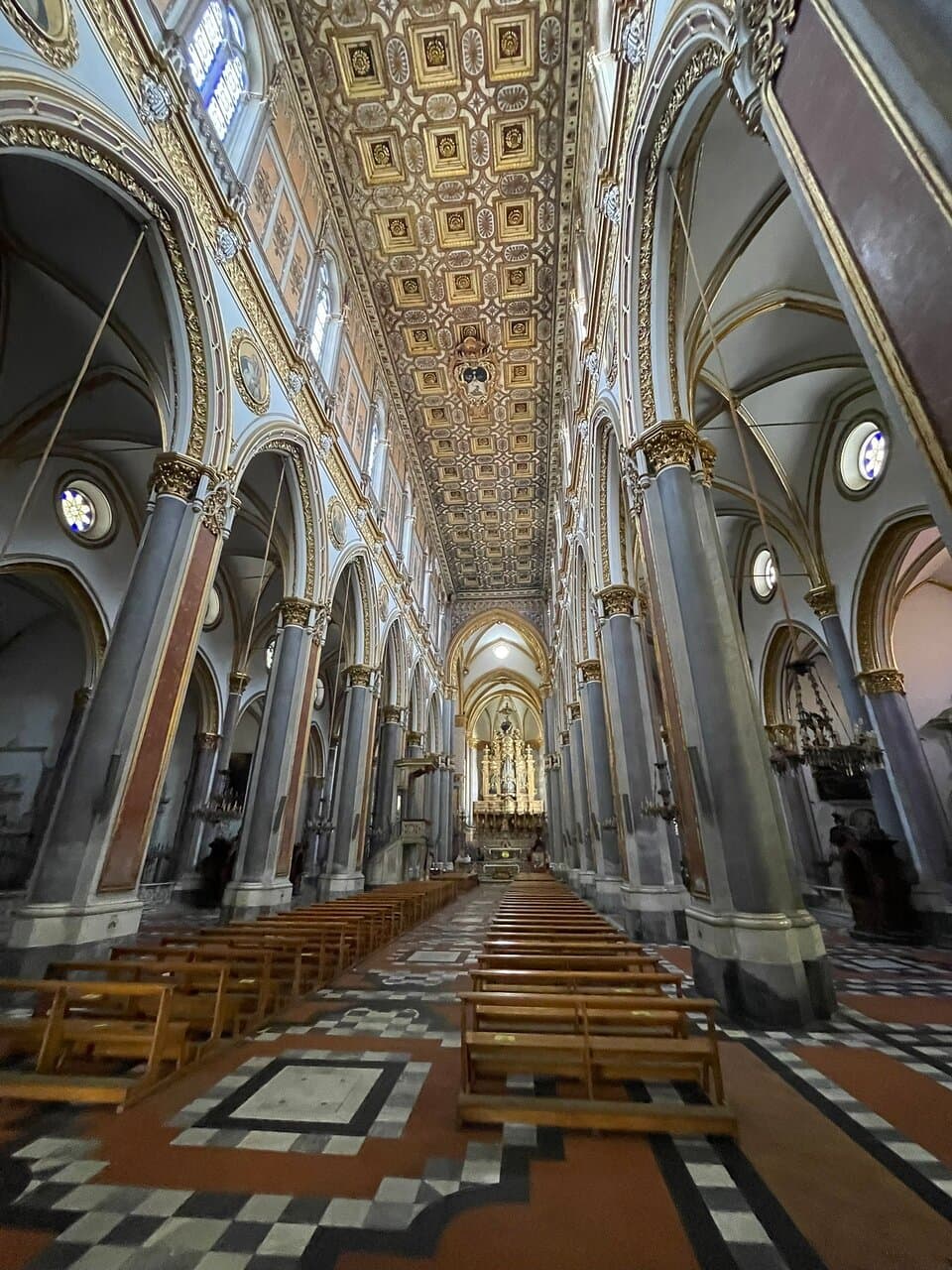
Chiesa di Santa Maria di Costantinopoli
A stunning Neapolitan Baroque church, home to a revered Madonna fresco and masterpieces by Fanzago and Vaccaro.
Highlights
Must-see attractions

Social
From TikTok & Reddit
Best Time
Fewer crowds, more serene
Chiesa di Santa Maria di Costantinopoli
Best Time
Fewer crowds, more serene
Highlights
Must-see attractions
A stunning Neapolitan Baroque church, home to a revered Madonna fresco and masterpieces by Fanzago and Vaccaro.
"A quiet church and perfect retreat to make plans for the next episode."
Check Access Beforehand
Access inside can be tricky. Confirm opening hours or if any events are scheduled to avoid disappointment. :informationdeskperson:
Appreciate Baroque Details
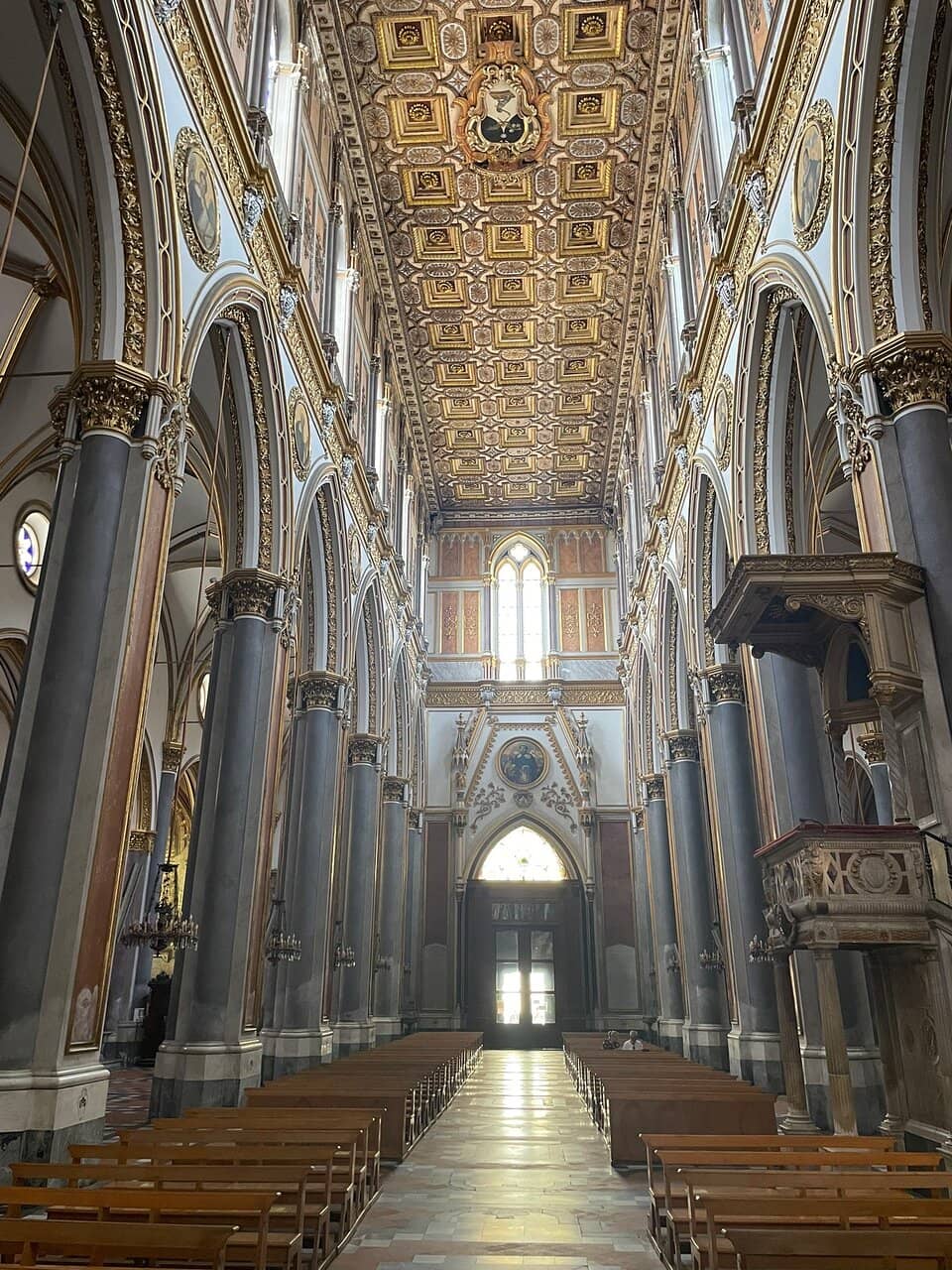
Take time to admire the intricate stucco, gilded vaulting, and altarpieces by masters like Fanzago. :art:
Highlights
Discover the most iconic attractions and experiences
Madonna of Constantinople Fresco
High Altar
The 15th-century fresco that inspired the church's construction, a powerful symbol of protection against plague.
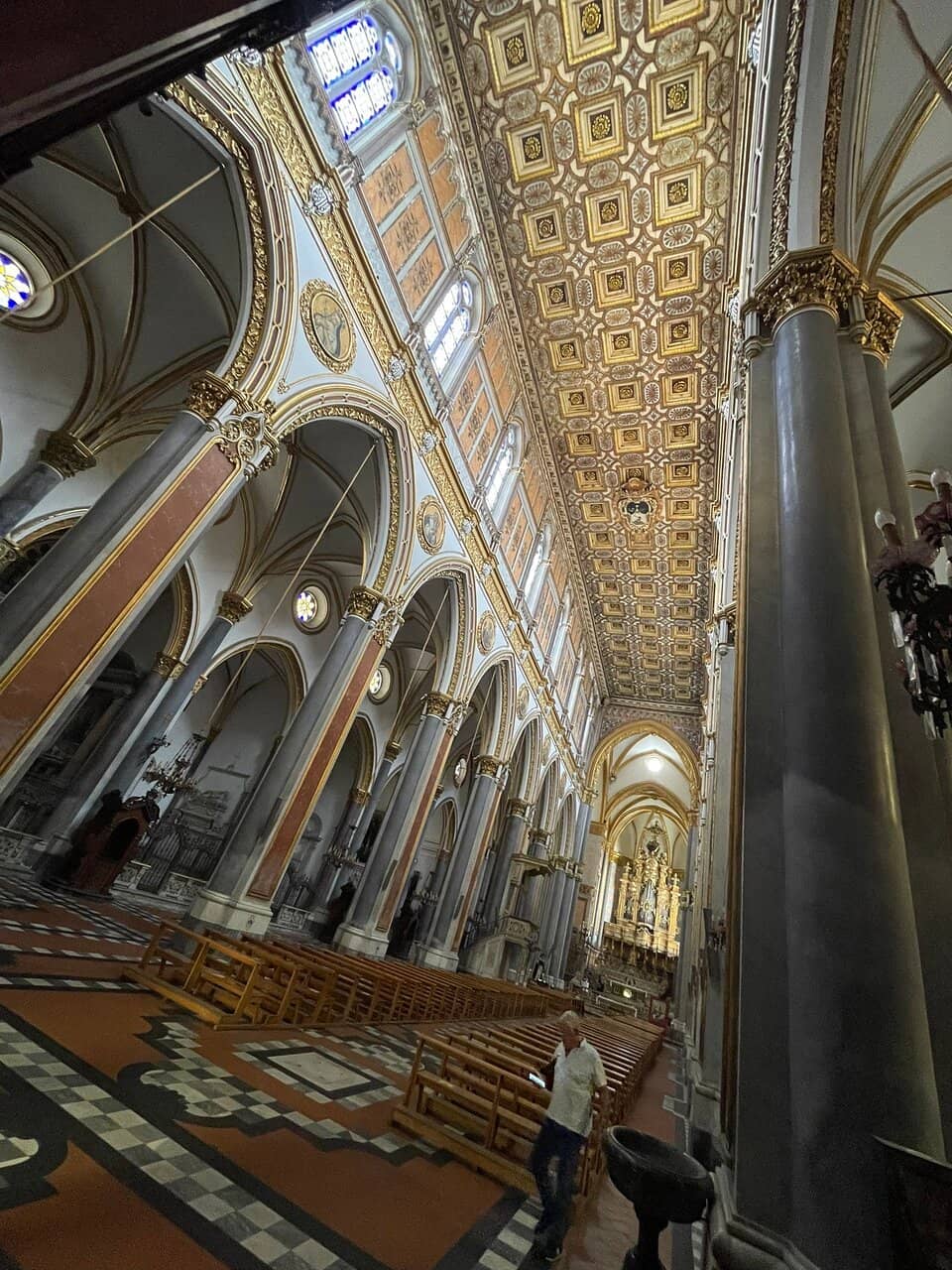
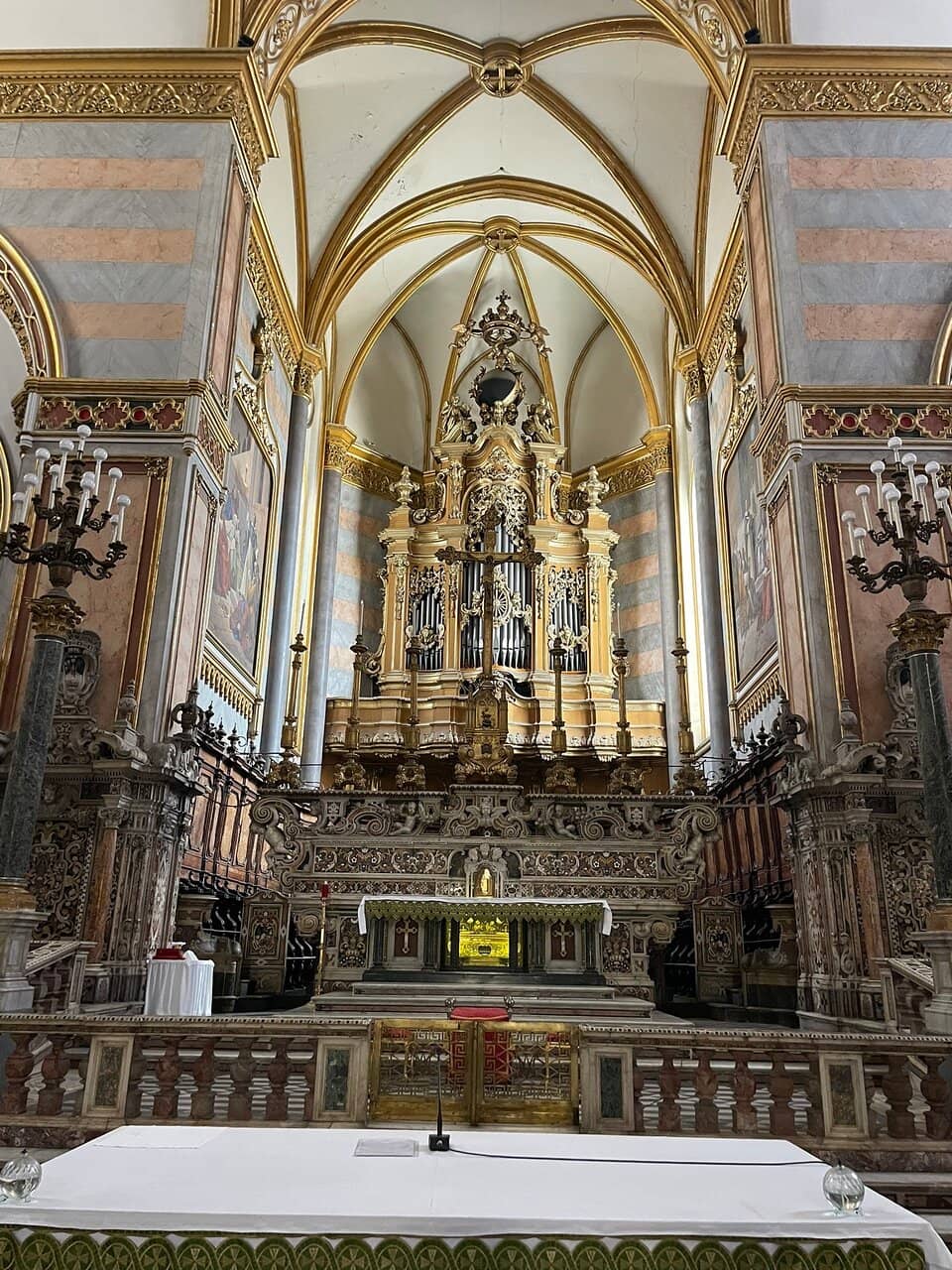
Cosimo Fanzago's High Altar
High Altar
A stunning masterpiece of polychrome marble, showcasing Fanzago's exceptional skill in Baroque design.
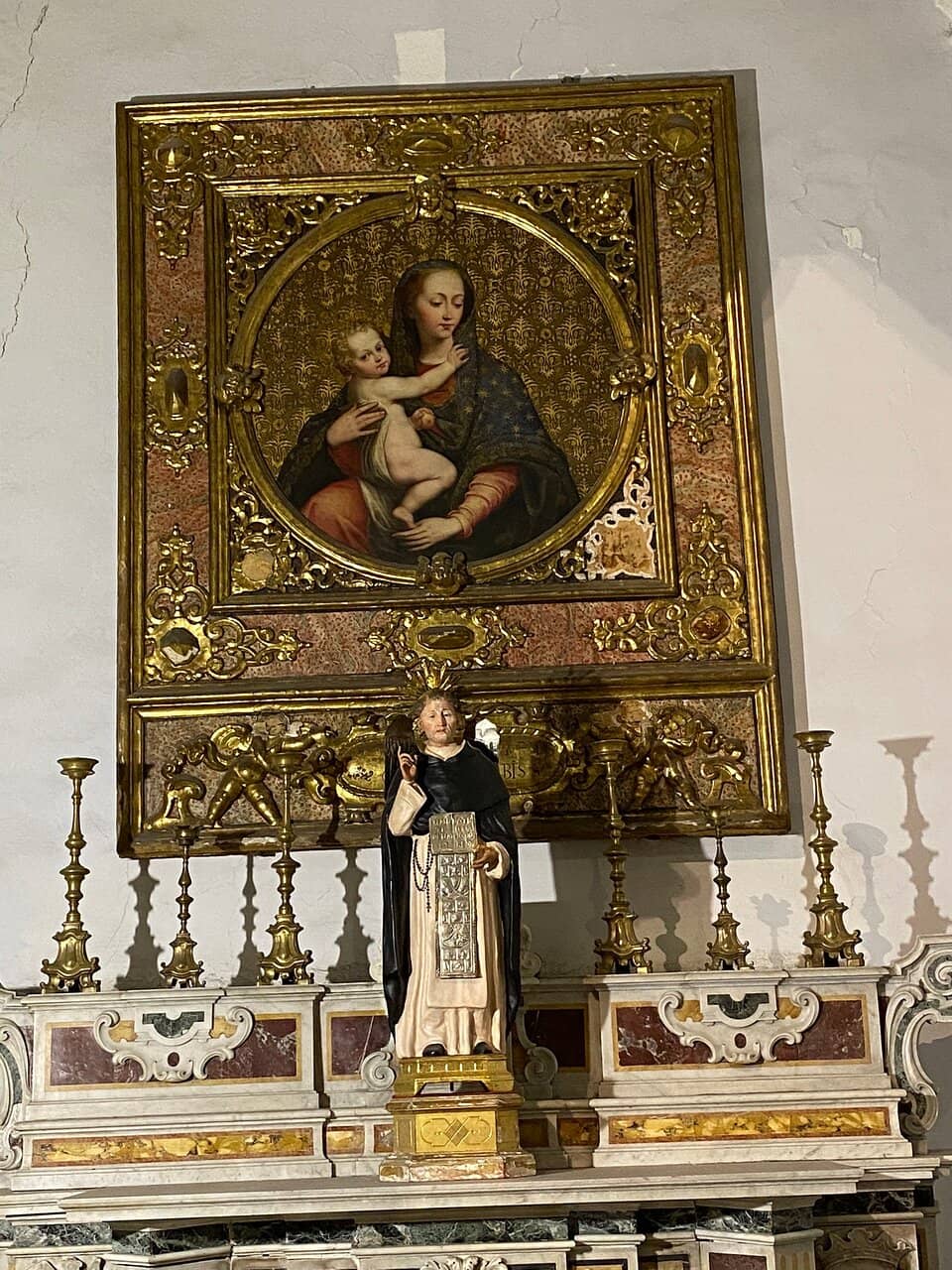
Baroque Interior Artistry
Throughout the church
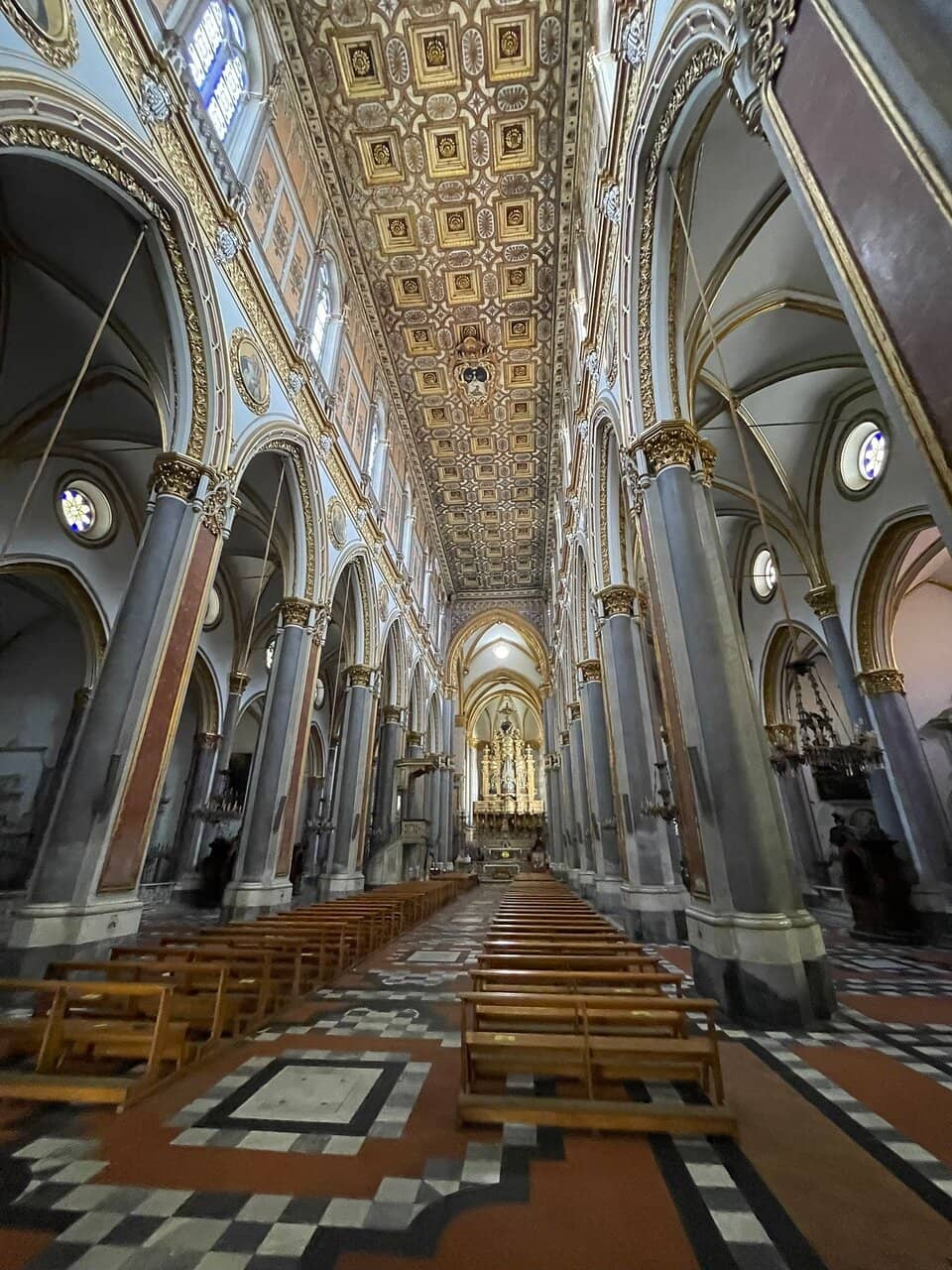
Admire stucco work by Domenico Antonio Vaccaro and gilded wood vaulting, a testament to Neapolitan Baroque artistry.
Plans like a pro.
Thinks like you
Planning Your Visit
Timing Your Visit for Tranquility
Understanding the Baroque Splendor
Best Times
Insider Tips
from TikTok, Instagram & Reddit
Check Access Beforehand
Access inside can be tricky. Confirm opening hours or if any events are scheduled to avoid disappointment. :informationdeskperson:
Appreciate Baroque Details
Take time to admire the intricate stucco, gilded vaulting, and altarpieces by masters like Fanzago. :art:
Quiet Retreat
It's a peaceful spot for reflection and planning your next steps in Naples. :pray:
Tips
from all over the internet
Check Access Beforehand
Access inside can be tricky. Confirm opening hours or if any events are scheduled to avoid disappointment. :informationdeskperson:
Appreciate Baroque Details
Take time to admire the intricate stucco, gilded vaulting, and altarpieces by masters like Fanzago. :art:
Quiet Retreat
It's a peaceful spot for reflection and planning your next steps in Naples. :pray:
What Travellers Say
Reviews Summary
Visitors praise the Chiesa di Santa Maria di Costantinopoli for its impressive Baroque artistry and historical significance, particularly the Madonna fresco and Cosimo Fanzago's high altar. It's described as a quiet retreat offering a glimpse into Naples' past. However, some find access inside to be difficult and inconsistent, which can be a point of frustration.
"Its name is allied to the cult of St Mary of Constantinople, the icon image of the virgin attributed originally to St Luke, which rose to prominence in 1527–1528, during one of the frequent attacks of plague afflicting the city. During this time, an elderly woman experienced an apparition of the Virgin who pleaded for the construction of a church where her image stood on a wall. Legend holds the image that was discovered prevented further outbreaks of the plague in Naples.Construction began in 1575, and continued till completion in the first years of the 17th century under the intervention of the Dominican architect Giuseppe Nuvolo. The façade was completed in 1633. The design is generally conservative with a central linear nave and two aisles, each with five chapels.The interior was decorated in stucco by Domenico Antonio Vaccaro; the vaulting uses gilded wood. The chapel entries have carved lintelpieces by Niccolò Tagliacozzi Canale (1728).The first chapel on the right has an altarpiece of the Madonna of the Purity (17th century); the fourth chapel has a painting of the Martyrdom of St. Bartholemew (c. 1585) by the Flemish painter Aert Mytens. The high altar was designed in polychrome marble by Cosimo Fanzago. It frames the 15th-century fresco of Santa Maria di Costantinopoli; above it is a relief of God the father and to the side are statues of saints Rocco and Sebastian.The apse lunette was decorated by Belisario Corenzio with a fresco of the Virgin & John the Baptist pleading with the Trinity to liberate Naples from the plague. The arches hold images of prophets and sybils."
Misiu martino
"Very impressive, great, baroque style church. (Somehow, it is difficult to have access inside. That's annoying!)"
Daniel W.
"Traditional Latin mass was really cool. I hope to visit again soon"
Litika Vilibe
What People Like
What People Dislike
Frequently Asked Questions
🚇 🗺️ Getting There
The church is located in Naples, Italy. Public transport options like buses and metro are available to reach the general area. From the nearest stop, it's a short walk. Check local transit apps for the most up-to-date routes and schedules.
Parking in Naples can be challenging. It's advisable to use public transportation or a taxi to reach the church. If driving, look for paid parking garages in the vicinity, but be prepared for potentially limited availability.
🎫 🎫 Tickets & Entry
Entry to the church is generally free, but it's always a good idea to verify current policies. Sometimes, special exhibitions or events might have an admission fee.
Opening hours can vary, and access inside has been noted as sometimes difficult. It's recommended to check local listings or contact the church directly for the most accurate and up-to-date visiting times.
Yes, traditional Latin masses have been held here, offering a unique cultural and spiritual experience. Check the church's schedule for mass times if you wish to attend.
📸 📸 Photography
Photography policies can differ. While many visitors capture the beauty, it's respectful to check for any signage or ask church staff if photos are permitted, especially without flash, to preserve the artwork.

The high altar with the Madonna fresco and Cosimo Fanzago's design, as well as the intricately decorated vaulting and chapels, offer stunning photographic opportunities. The facade also presents a grand subject.
🎫 🏛️ Architecture & Art
The church is a prime example of Neapolitan Baroque architecture, with a conservative design featuring a central nave and aisles, adorned with rich stucco work and gilded elements.
Notable artists include Giovanni Lanfranco, Cosimo Fanzago, Luca Giordano, and Domenico Antonio Vaccaro, whose contributions significantly define the church's artistic value.
Its construction in the 16th century was linked to a devotion to the Madonna of Constantinople, believed to have protected Naples from plague outbreaks.
For Different Travelers
Tailored advice for your travel style
👨👩👧 Families with Kids
If visiting with family, ensure you check the opening hours beforehand, as access can be inconsistent. Bringing a small guide or pointing out specific figures in the artwork might help engage children. For a more interactive experience for younger kids, exploring other historical sites in Naples that offer more space to move around might be a better option for a full day's outing.
⛪ Religious & History Enthusiasts
Take your time to absorb the intricate details of the stucco work, the gilded vaulting, and the various altarpieces. Understanding the historical context of its construction and its dedication to a protective icon will greatly enhance your appreciation of this significant Neapolitan landmark.
Deep Dives
In-depth insights and expert knowledge
The Artistry of Neapolitan Baroque
Beyond the general artistry, specific works stand out. The high altar, designed by the renowned Cosimo Fanzago, is a masterpiece of polychrome marble, a testament to his skill in manipulating materials to create dynamic and visually arresting compositions. The chapel entries feature carved lintelpieces by Niccolò Tagliacozzi Canale, adding further detail and craftsmanship. Even the apse lunette, decorated by Belisario Corenzio with a fresco depicting the Virgin and John the Baptist pleading with the Trinity, contributes to the church's rich artistic narrative.
For visitors interested in art history, this church offers a concentrated experience of the talent and innovation that defined the Baroque era in Naples. It's a place where religious devotion and artistic expression converge, creating a powerful and memorable atmosphere. The presence of works by Flemish painter Aert Mytens also hints at the broader artistic connections of the time.
Historical Context and Devotion
This historical context imbues the church with a profound sense of spiritual significance for the city. Construction began in 1575 and continued into the early 17th century, with the facade completed in 1633. The intervention of Dominican architect Giuseppe Nuvolo was crucial in its development. The church's design, while conservative in its layout with a central nave and two aisles, is elevated by its rich interior decoration, reflecting the artistic trends of its time.
Today, the church continues to be a site of devotion and a historical landmark. The 15th-century fresco of Santa Maria di Costantinopoli remains a focal point, framed by Fanzago's altar and surrounded by artistic representations of divine intervention. It serves as a tangible link to Naples' past struggles and its enduring faith.
Social
from TikTok, Instagram & Reddit