Chiesa di Santa Maria a Donna Romita
A hidden Baroque church in Naples' historic center, housing ancient relics and stunning frescoes, often overlooked but deeply rewarding.
Highlights
Must-see attractions

Social
From TikTok & Reddit
Best Time
Fewer crowds, more peaceful
Chiesa di Santa Maria a Donna Romita
Best Time
Fewer crowds, more peaceful
Highlights
Must-see attractions
A hidden Baroque church in Naples' historic center, housing ancient relics and stunning frescoes, often overlooked but deeply rewarding.
"A jewel hidden in the alleys of the historic center, a treasure chest in the heart of Naples."
Check Opening Hours
Hours can be irregular. Call ahead or check local listings to ensure it's open before you visit. :iphone:
Explore the Alleys
The church is in the historic center; enjoy the charming, narrow streets on your way. :walking:
Highlights
Discover the most iconic attractions and experiences
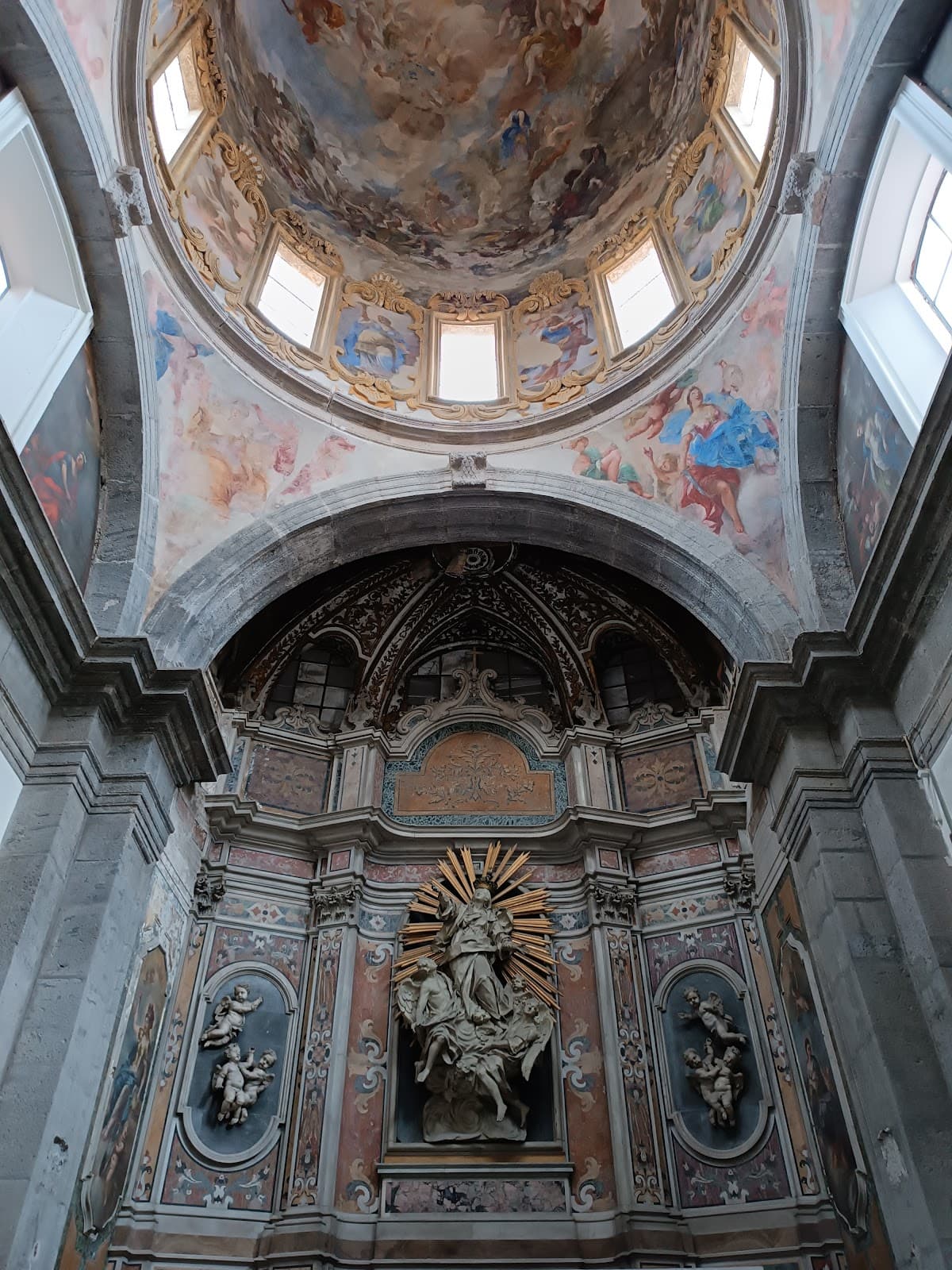
Luca Giordano's Fresco
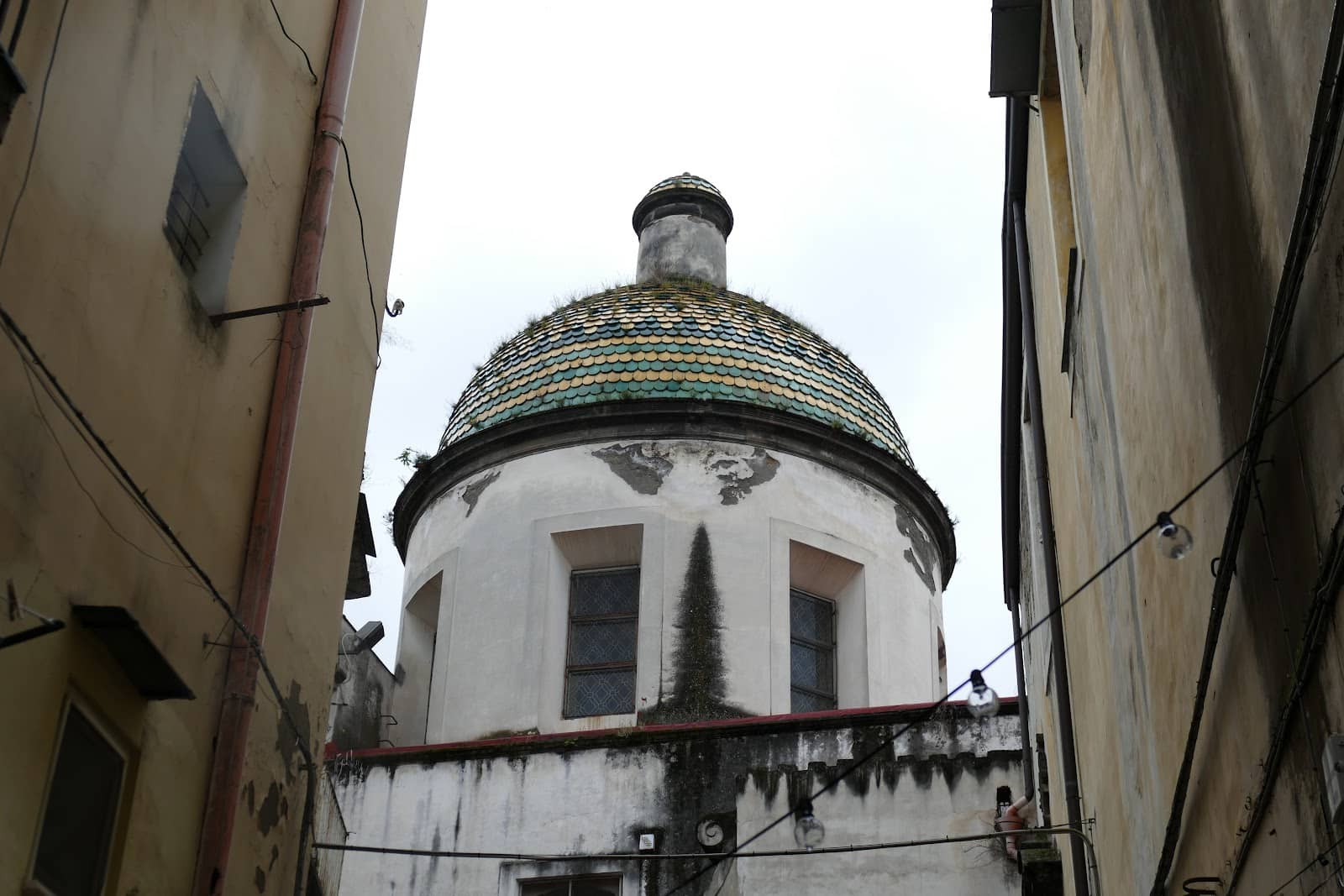
Dome
Marvel at the vibrant fresco in the dome, a stunning 17th-century masterpiece by the renowned artist Luca Giordano.
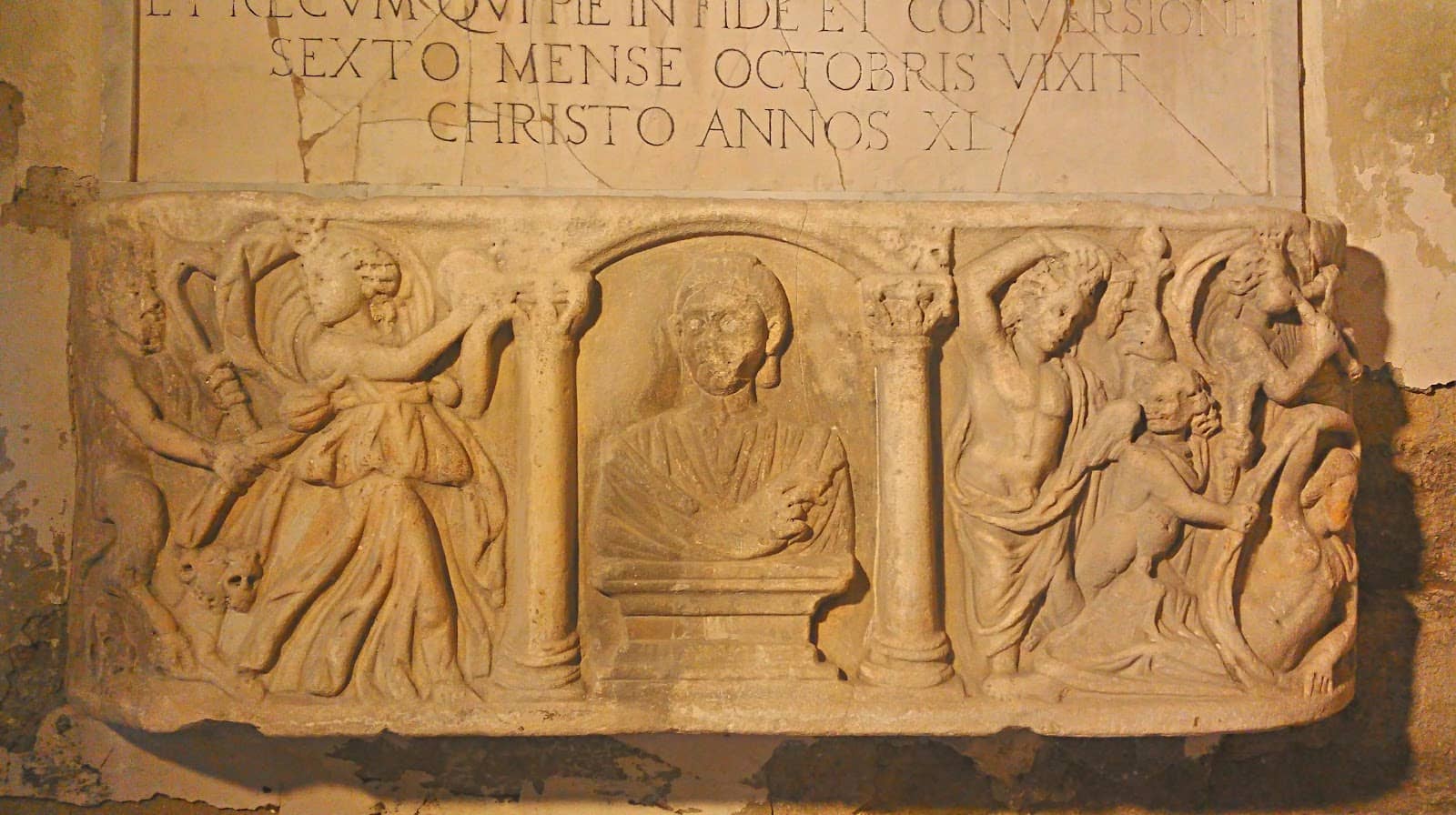
Greek Sarcophagus
Side Chapel
Discover an ancient Greek-era sarcophagus, a fascinating relic from antiquity housed within a side chapel.
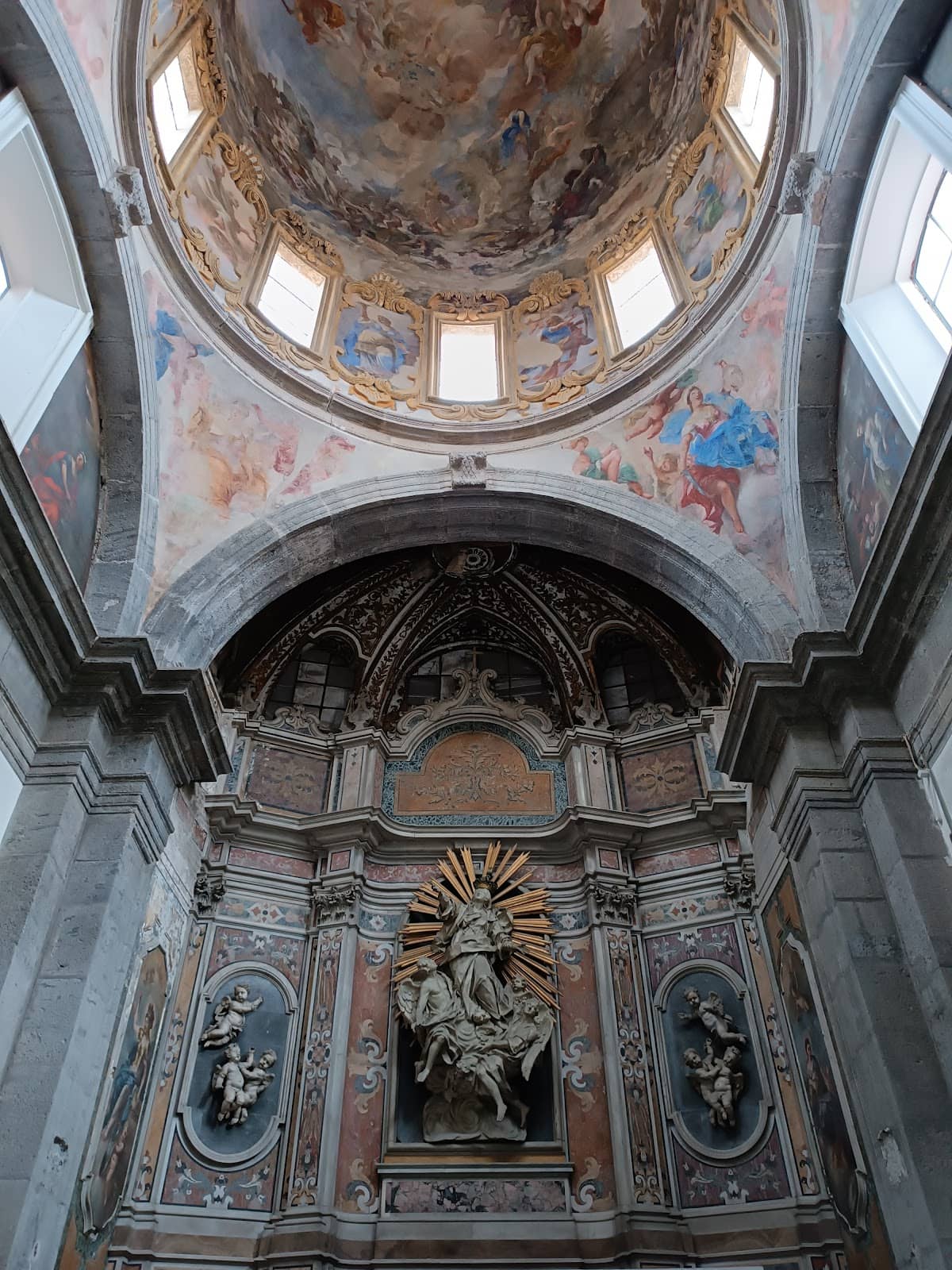
Papier-mâché Madonna
Interior
Admire the exquisite 17th-century papier-mâché Madonna, a testament to the artistry and devotion of the era.
Plans like a pro.
Thinks like you
Planning Your Visit
Timing is Everything
Embrace the Alleys
Best Times
Insider Tips
from TikTok, Instagram & Reddit
Check Opening Hours
Hours can be irregular. Call ahead or check local listings to ensure it's open before you visit. :iphone:
Explore the Alleys
The church is in the historic center; enjoy the charming, narrow streets on your way. :walking:
Look for Hidden Art
Even with past thefts, many beautiful works remain. Keep an eye out for the cherubs and canvases. :art:
Attend a Concert
The church sometimes hosts concerts and conferences, offering a special experience. :musical_note:
Tips
from all over the internet
Check Opening Hours
Hours can be irregular. Call ahead or check local listings to ensure it's open before you visit. :iphone:
Explore the Alleys
The church is in the historic center; enjoy the charming, narrow streets on your way. :walking:
Look for Hidden Art
Even with past thefts, many beautiful works remain. Keep an eye out for the cherubs and canvases. :art:
Attend a Concert
The church sometimes hosts concerts and conferences, offering a special experience. :musical_note:
What Travellers Say
Reviews Summary
Visitors praise Santa Maria a Donna Romita as a hidden jewel and treasure chest within Naples' historic center, appreciating its unique art like Luca Giordano's fresco and the ancient sarcophagus. It's noted as a place of worship and cultural events, offering a more intimate experience. However, its inconsistent opening hours are a frequent point of frustration for those hoping to visit.
"The Baroque church of Santa Maria di Donnaromita is located in the historic center of Naples.
It was built by nuns who, fleeing the iconoclastic fury that raged in Constantinople at the time, took refuge in Naples.
Over the centuries, it has been rebuilt, restored, modernized, and, unfortunately, also stripped of its artwork by unknown perpetrators.
The last theft dates back to 1971, when the marbles from the high altar were removed, leaving only two exquisitely crafted cherubs.
Inside, among the various works on display, you can admire the Cenatiempo canvases, the beautiful 17th-century papier-mâché Madonna, the Greek-era sarcophagus in one of the side chapels, and the marvelous fresco in the dome by Luca Giordano.
It's a shame it's not always open to the public.
Recommended visit"
giuseppe d'Elia
"A jewel hidden in the alleys of the historic center. Place of worship and philanthropic activities, managed by the Archconfraternity of Donnaromita. Often home to very interesting conferences and concerts."
Giuliana Sepe
"A treasure chest in the heart of Naples"
Luigi Marotta
What People Like
What People Dislike
Frequently Asked Questions
🚇 🗺️ Getting There
The church is located in the historic center of Naples. It's best reached on foot from other central attractions. Be prepared to navigate narrow, winding streets typical of the area. Public transport like buses and metro will get you close to the historic center, but the final approach is on foot.
Finding it can be part of the adventure! It's nestled within the dense network of alleys in the historic center. Using a good map app on your phone is recommended.
Walking is by far the best way to experience the historic center. This allows you to soak in the atmosphere and discover hidden gems like Santa Maria a Donna Romita. Wear comfortable shoes! :athletic_shoe:
🎫 🎫 Tickets & Entry
Generally, entry to the church is free, but donations are appreciated. However, opening hours can be inconsistent, so it's wise to check locally or call ahead.
The opening hours are not always fixed and can vary. It's often open for specific events or managed by the Archconfraternity. It's highly recommended to confirm hours locally or by phone before your visit.
Typically, there is no admission fee, but it's a place of worship and philanthropy. Donations are welcome to help with its upkeep.
Sunday hours can be particularly variable due to religious services. It's best to verify if it will be open to visitors on a Sunday, especially outside of mass times.
🎫 🏛️ Onsite Experience
Don't miss Luca Giordano's fresco in the dome, the ancient Greek sarcophagus in a side chapel, the 17th-century papier-mâché Madonna, and the Cenatiempo canvases. Even with past thefts, the remaining art is impressive.
Unfortunately, it's not always open. Its accessibility can depend on the day, specific events, or the availability of caretakers. This makes checking ahead crucial.
It was founded by nuns fleeing Constantinople. Over centuries, it's been rebuilt and restored, holding layers of history within its walls. It also serves as a center for philanthropic activities.
Official guided tours might be limited. However, the Archconfraternity sometimes organizes conferences and concerts, which can offer insights into the church's history and art.
Visitors often describe it as a 'jewel hidden in the alleys' and a 'treasure chest.' It offers a more intimate and less crowded experience compared to larger Neapolitan churches.
📸 📸 Photography
Photography is generally permitted for personal use, but it's always polite to check for any posted signs or ask a caretaker. Avoid using flash, especially near delicate artworks. :camerawithflash:
The dome fresco by Luca Giordano is a prime subject. The Greek sarcophagus and the papier-mâché Madonna also make for striking photographs. Capture the intricate details of the architecture.
While generally allowed, be mindful of other visitors and any specific rules. Flash photography might be prohibited to protect artworks.
For Different Travelers
Tailored advice for your travel style
👨👩👧 Families with Kids
Keep in mind that the church is in a dense historic center, so navigating with strollers might be challenging due to narrow streets. Also, its unpredictable opening hours mean a visit might require flexibility. Consider it a brief stop to appreciate unique art and history, perhaps as part of a larger exploration of Naples' historic core.
🏛️ History Buffs
The presence of an ancient Greek sarcophagus is a significant draw, bridging the gap between classical antiquity and later periods. Coupled with the 17th-century artworks, including Luca Giordano's dome fresco and the papier-mâché Madonna, the church presents a rich tapestry of historical periods and artistic styles. The stories of past thefts also add a layer of intrigue, highlighting the challenges of preserving cultural heritage.
Deep Dives
In-depth insights and expert knowledge
A History Forged by Faith and Resilience
Tragically, the church has also been a victim of theft, with artworks being stripped away over the years. The most recent significant loss was in 1971, when the marbles from the high altar were stolen, leaving behind only two delicate cherubs. Despite these losses, the church continues to house significant artistic treasures, making it a poignant reminder of both artistic achievement and historical vulnerability.
Today, the church is managed by the Archconfraternity of Donnaromita and serves not only as a place of worship but also as a venue for cultural activities like conferences and concerts. This dual role ensures its continued relevance and engagement with the community, preserving its legacy for future generations.
Artistic Treasures Within
Visitors can also discover a Greek-era sarcophagus housed in one of the side chapels, offering a tangible link to the ancient past. This artifact provides a stark contrast to the Baroque and Renaissance art found elsewhere in the church. Another notable piece is the beautiful 17th-century papier-mâché Madonna, showcasing intricate craftsmanship and devotional artistry. The church also displays Cenatiempo canvases, adding further depth to its artistic collection.
While the high altar marbles were stolen, the two exquisitely crafted cherubs that remain serve as poignant reminders of what was lost. These surviving elements, alongside the other artworks, contribute to the church's unique character and historical significance, making it a worthwhile exploration for anyone interested in Neapolitan art and history.
Social
from TikTok, Instagram & Reddit