Chiesa di San Domenico
Explore Italy's stunning San Domenico churches, from Naples' Gothic grandeur to Perugia's Renaissance art and Cosenza's Baroque gems.

Highlights
Must-see attractions

Social
From TikTok & Reddit
Best Time
Fewer crowds, more peaceful
Chiesa di San Domenico
Best Time
Fewer crowds, more peaceful
Highlights
Must-see attractions
Explore Italy's stunning San Domenico churches, from Naples' Gothic grandeur to Perugia's Renaissance art and Cosenza's Baroque gems.
"A journey through Italy's San Domenico churches reveals breathtaking art, unique historical marvels, and profound architectural beauty."
⏳ Beat the Crowds
Visit on weekday mornings for a more serene experience.
✨ Unique Easter Display
Look for the 'Macchina delle Quarantore' during Easter for a stunning Baroque light show.
Highlights
Discover the most iconic attractions and experiences
Macchina delle Quarantore
Chiesa di San Domenico Maggiore, Naples
A rare, surviving Baroque marvel used for Easter adoration, illuminating the church with candles.
 +1
+1Oratorio del Rosario
Chiesa di San Domenico, Cosenza
A historically rich space showcasing breathtaking local Baroque art and leaving visitors in awe.
Beato Angelico's Polittico
Chiesa di San Domenico, Perugia
Discover the surprising story behind the copies of the first two predella panels of Beato Angelico's masterpiece.
Gothic Grandeur
Chiesa di San Domenico Maggiore, Naples
Experience the immense, awe-inspiring atmosphere of this beautiful Gothic church in Naples.
Plans like a pro.
Thinks like you
Planning Your Visit
Timing is Key for Naples' Gem
+1Discovering Hidden Artistry
Don't miss the unique 'Macchina delle Quarantore,' a rare surviving Baroque mechanism used during Easter. +1Best Times
Insider Tips
from TikTok, Instagram & Reddit
⏳ Beat the Crowds
Visit on weekday mornings for a more serene experience.
✨ Unique Easter Display
Look for the 'Macchina delle Quarantore' during Easter for a stunning Baroque light show.
🖼️ Art Lover's Paradise
Explore the Oratorio del Rosario for impressive local Baroque art.
🎶 Check for Events
Churches often host concerts; check local listings for performances.
Tips
from all over the internet
⏳ Beat the Crowds
Visit on weekday mornings for a more serene experience.
✨ Unique Easter Display
Look for the 'Macchina delle Quarantore' during Easter for a stunning Baroque light show.
🖼️ Art Lover's Paradise
Explore the Oratorio del Rosario for impressive local Baroque art.
🎶 Check for Events
Churches often host concerts; check local listings for performances.
What Travellers Say
Reviews Summary
Visitors consistently praise the stunning architecture and rich artistic heritage found within the various Chiesa di San Domenico churches. Highlights include unique Baroque displays like the 'Macchina delle Quarantore' and significant artworks. Some find the historical context of the associated convents particularly fascinating. Occasional drawbacks include potential crowds during peak times or specific events.
"Some information found online:
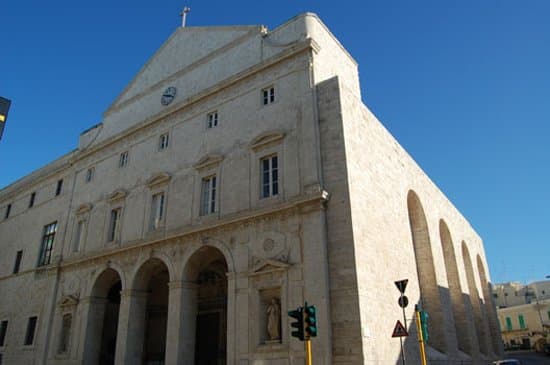
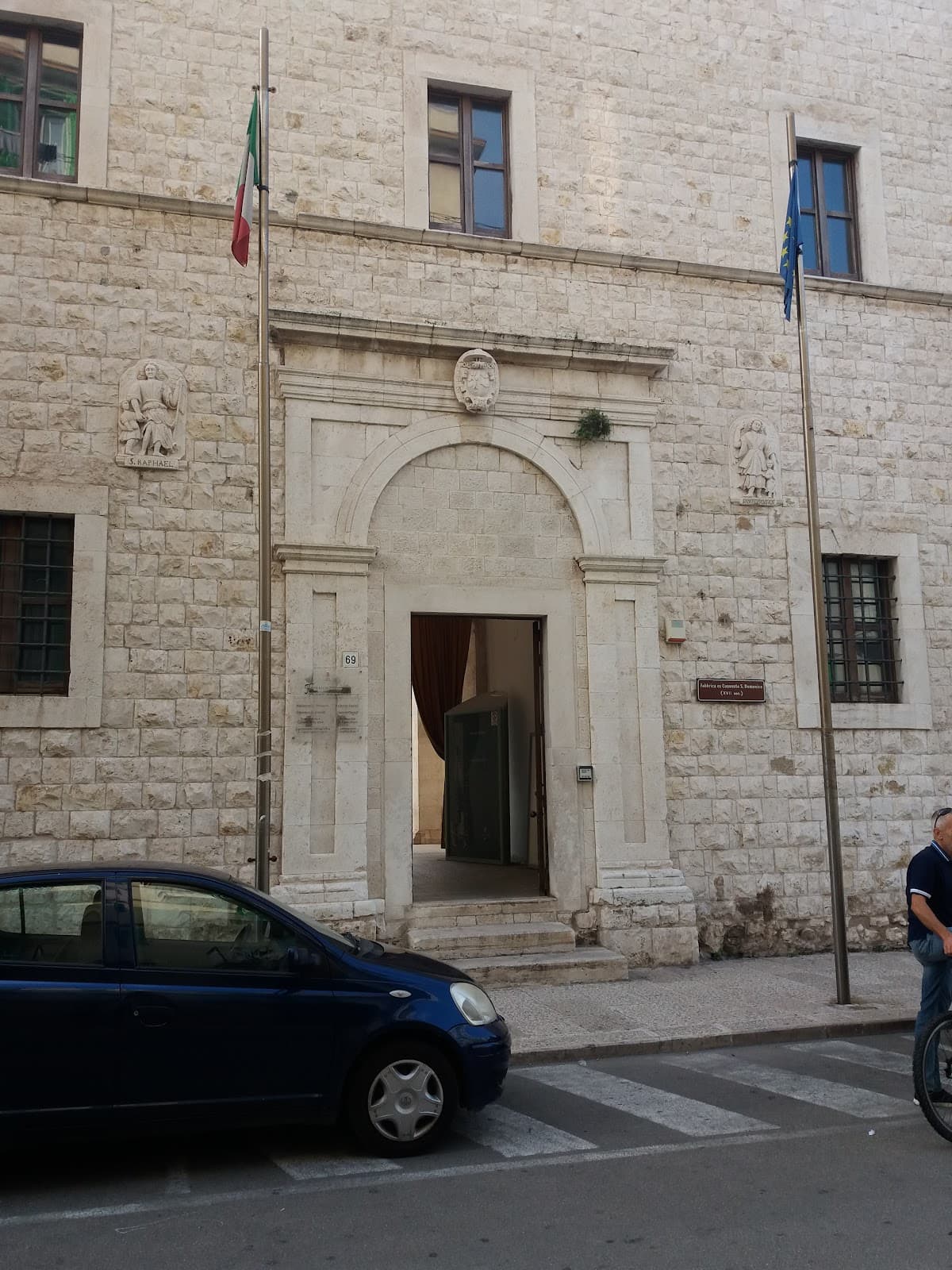
The convent complex of S. Domenico, consisting of the church and the adjacent structures of the convent, was built outside the walls at the behest of Bishop Giacinto Petronio, around 1636. The work on the structure was completed only in 1744. Documents dating back to 1781 still attest to the presence of 31 monks inside the convent, but a few years later, in 1799, it was sacked during the city uprisings. After 1805, the convent was abandoned by the Dominicans and entrusted to the Benedictine nuns, who ceded it to the Municipality of Molfetta in 1867, thus becoming the site of a school.
CHURCH
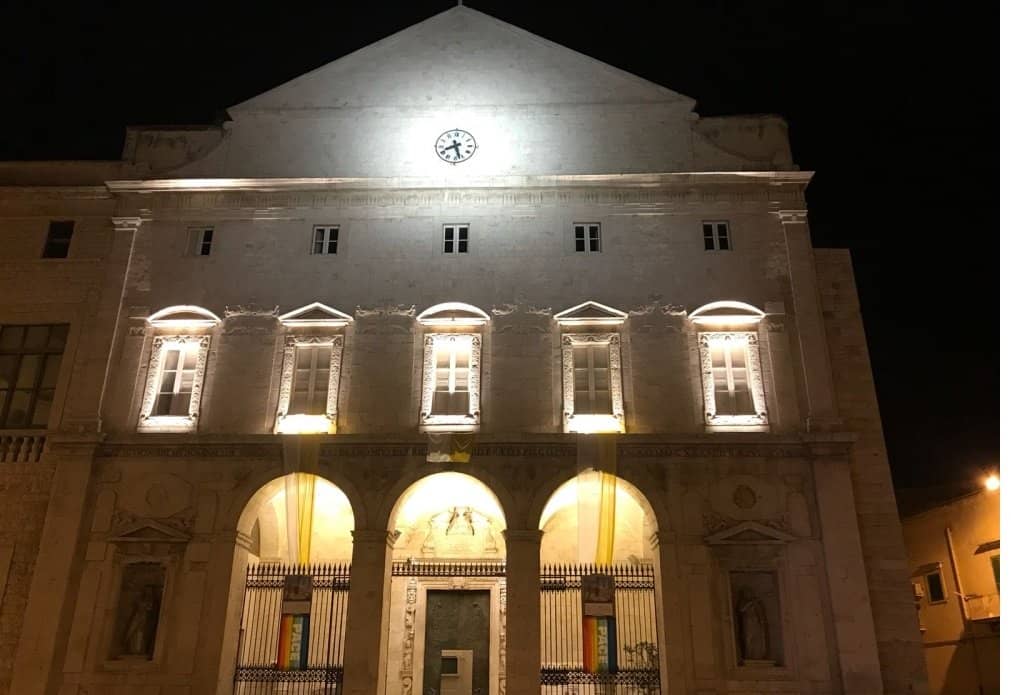
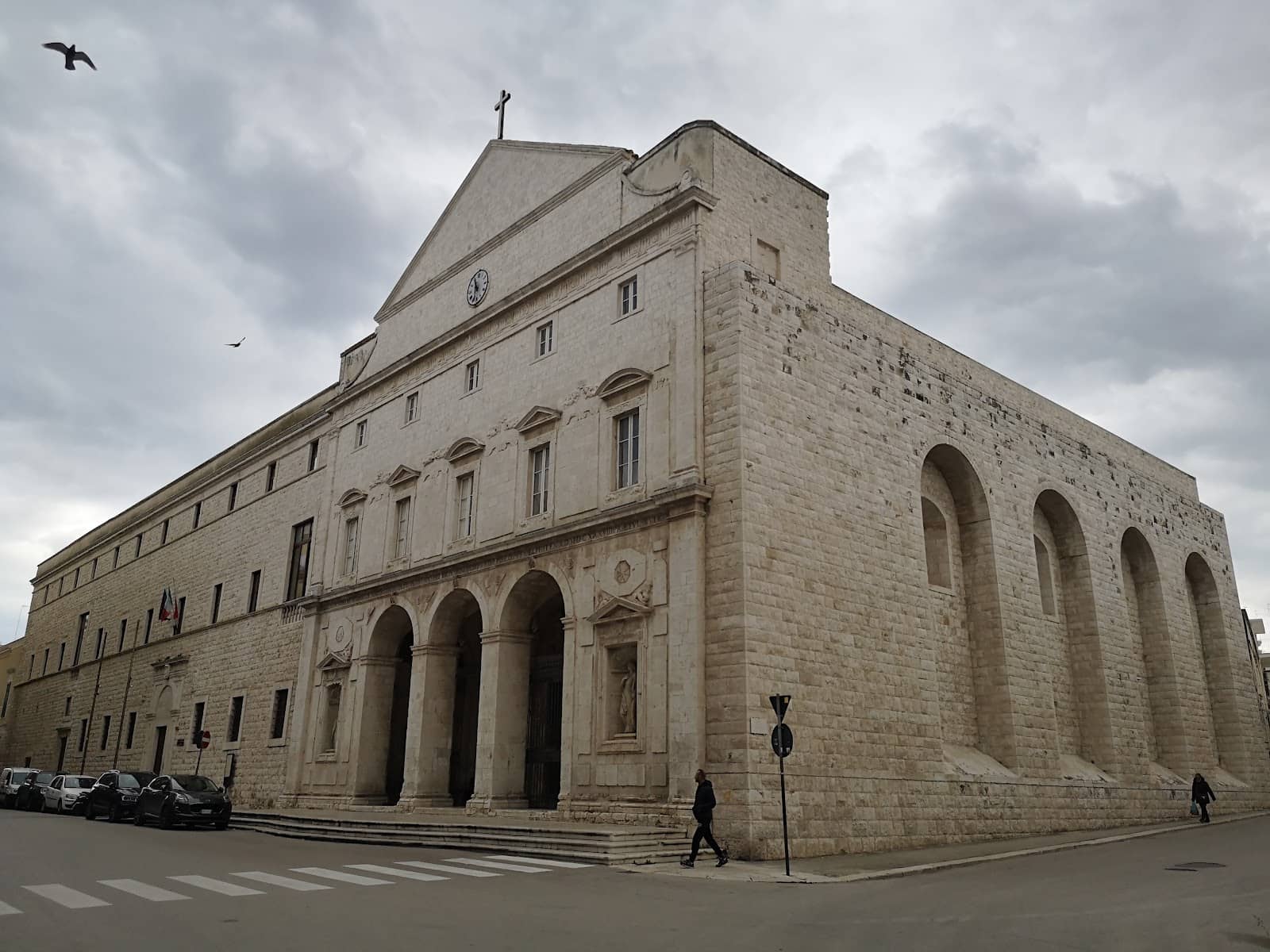
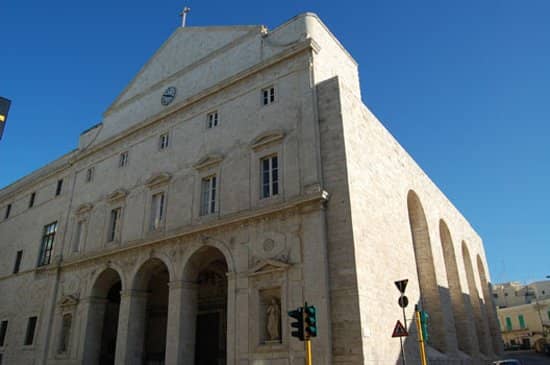
The main façade, in Baroque style, is preceded by a pronaos with three round arches; in the lateral niches are placed the statues of Saint Catherine of Alexandria and Saint Mary Magdalene, protectors of the Dominican Order. The church houses two valuable examples of local Baroque art, including a canvas by Corrado Giaquinto (18th century) depicting the Madonna del Rosario.
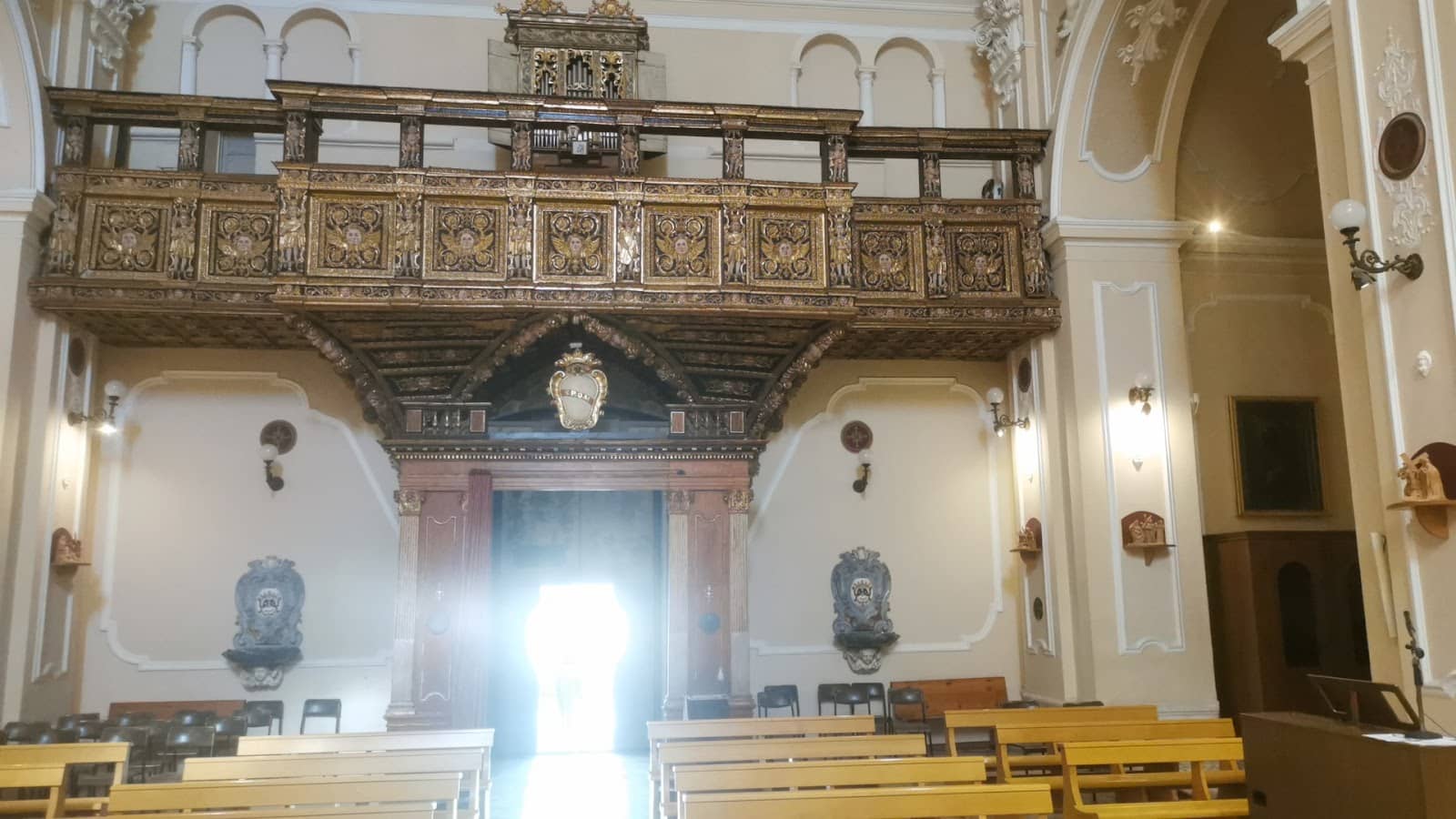
It was consecrated by Monsignor Sarnelli no earlier than 1699, according to an inscription. A plaque instead reports the date of consecration (1761) of the main altar and the other altar in the choir, which were both renovated in marble. The building was completely renovated in Baroque style in 1773. The church became a parish in 1915. In 1940, due to a lesion that arose on the keystone of the main hall, presumably caused by an earthquake, the church was restored again.
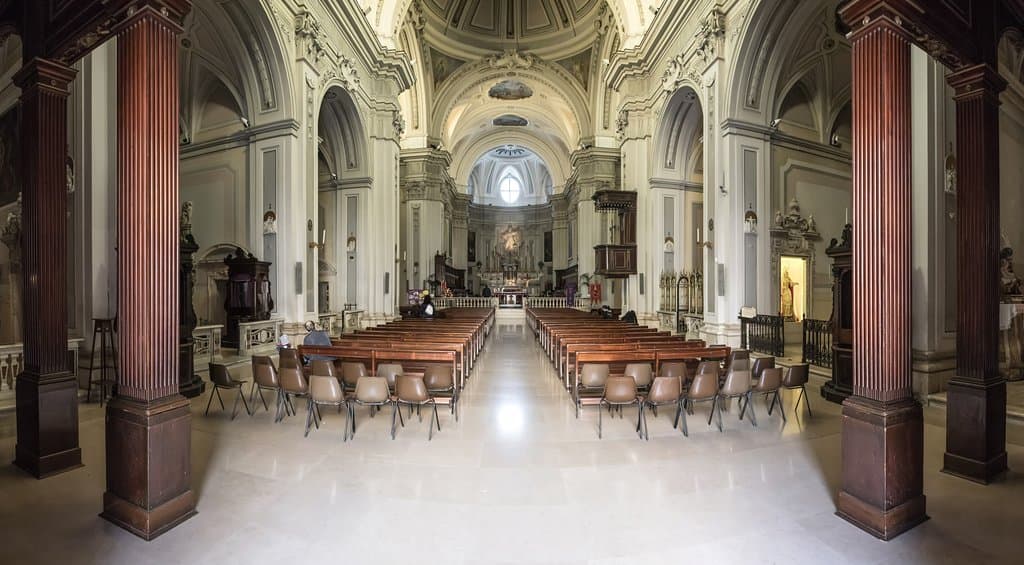
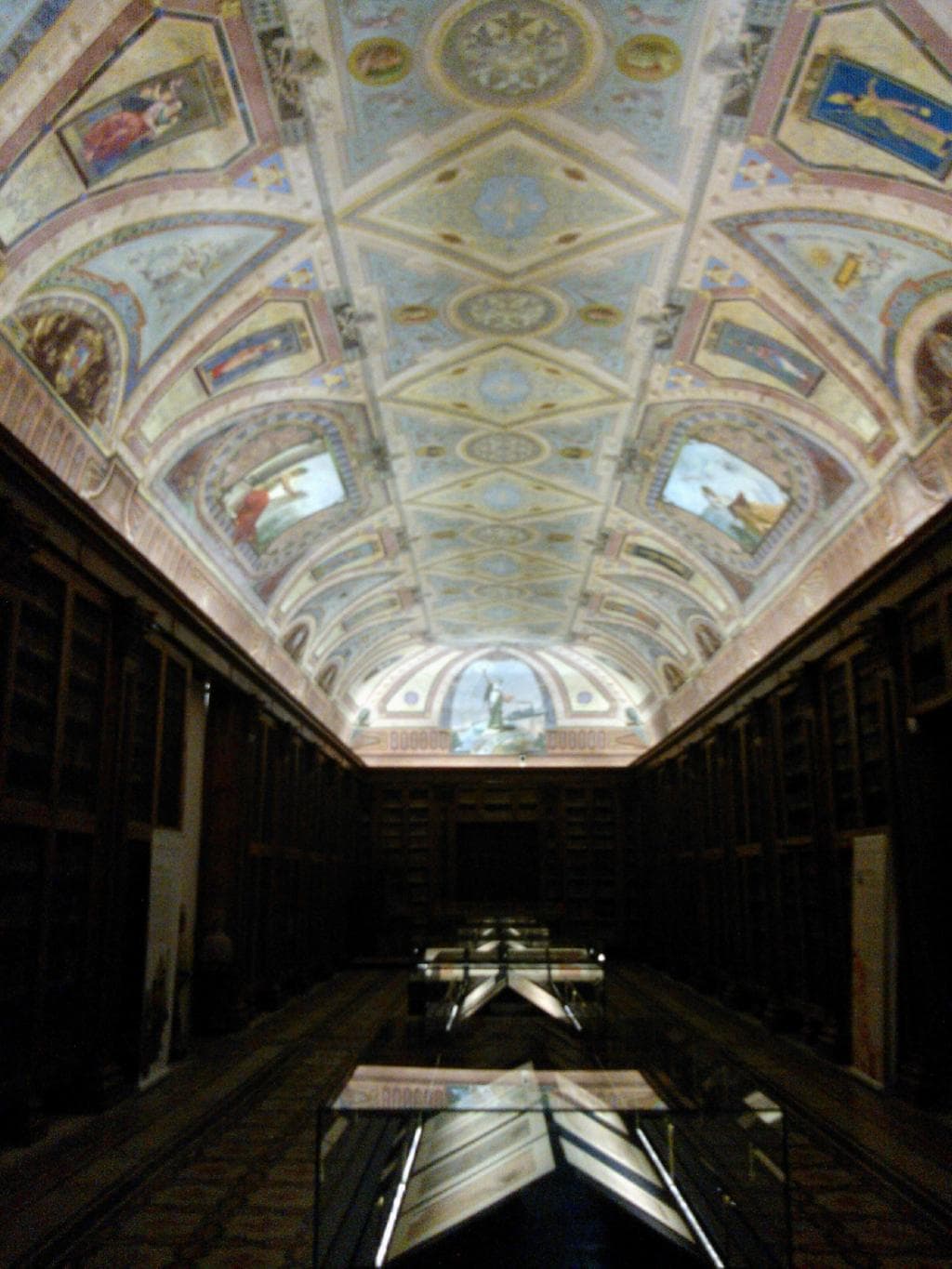
The building is on two levels, with a burial ground below. It has a rectangular plan with a barrel vault, divided into a nave and a presbytery separated by a marble balustrade. On the sides, large arches correspond to the side chapels, also barrel-vaulted. The facings are made of rubble masonry, with regular blocks of local limestone, worked in rustication on the external wall. The main entrance is preceded by the churchyard and a porticoed vestibule with three arches supported by pillars. The portico is divided into five bays by as many cross vaults, the central one of which is decorated with ribbed floral garlands at whose intersection the image of the face of St. Dominic is sculpted; the two side bays are now isolated from the rest of the portico by two symmetrical walls in which two small doors open. On the sides of the three arches there are two rectangular niches which, surmounted by triangular frames, house the statues of St. Mary Magdalene (on the left) and St. Catherine of Alexandria (on the right). In the upper order there are five rectangular windows surmounted by alternating curved and triangular tympanums; between one window and another, above ribbon-like volutes, pairs of facing putti, each of which holds a scroll. Above them, a second order of windows, smaller and simpler, surmounted by a frieze, concludes the second floor of the façade. It is completed by a triangular tympanum connected to the rest of the structure by thin volutes. Inside, stucco decorations in Baroque style.
CONVENT
The work on the monastery and the roof was completed only in 1744. Documents dating back to 1781 attest to the presence of 31 monks inside the convent. A few years later, in 1799, it was sacked during the riots. After 1805, the convent was abandoned by the Dominicans and entrusted to the Benedictine nuns, who sold it to the Municipality of Molfetta in 1867, becoming the site of a school.
The building is constructed of masonry with medium-sized square blocks arranged in horizontal rows; it is spread over several levels: a ground floor, first and second floors and basements. The rooms are surmounted by a round cross vault. On the main façade, divided into three orders by string courses, there are three entrances and six windows on the ground floor; in the upper order there are two French windows and nine windows; finally, at the top level there are eleven openings."
Mattia Albanese
"A large and welcoming space in the beautiful historic village of Molfetta...to visit and frequent"
GIANFRANCO BALDASSARRE
"Well-kept and welcoming place, excellent choice to have it as a cultural container and library."
Giuseppe Recchia
What People Like
What People Dislike
Frequently Asked Questions
🚇 🗺️ Getting There
Chiesa di San Domenico Maggiore in Naples is accessible via public transport. Several bus lines stop nearby. If driving, be aware of ZTL (limited traffic zones) in the historic center.
The church in Cosenza is located near the historic center, making it accessible by foot if you're already exploring the area.
San Domenico Basilica in Perugia is centrally located and can be reached by walking from the main squares or using local buses.
Parking can be challenging in historic city centers like Naples and Perugia. Look for public parking garages, but be prepared for potential fees and walking distances.
While there are many churches named San Domenico across Italy, they are typically in different cities. Plan your itinerary based on your travel route.
🎫 🎫 Tickets & Entry
Entry to many churches, including some San Domenico locations, is often free. However, special exhibitions or specific areas like the Oratorio del Rosario might have an admission fee. It's best to check locally.
Opening hours can vary significantly by location and season. Generally, churches are open during daylight hours, but it's advisable to check the specific hours for the Chiesa di San Domenico you plan to visit.
The 'Macchina delle Quarantore' is typically part of the church's Easter observances. While the church itself may be free to enter, specific events might have associated costs or require special arrangements.
For concerts or special exhibitions, booking tickets in advance is often recommended, especially if they are popular events. Check the church's official website or local event listings.
Some locations, particularly larger ones like in Naples or Perugia, may offer guided tours. Inquire at the church or look for local tour operators who include these sites.
🎫 🏛️ Onsite Experience
The 'Macchina delle Quarantore' is a unique Baroque mechanism used during Easter for the 40-hour adoration of the Eucharist. It's known for its elaborate lighting system.
You can find various forms of religious art, including paintings, sculptures, and Baroque decorations. The Oratorio del Rosario is noted for its local Baroque masterpieces.
Yes, the Chiesa di San Domenico in Perugia houses the Polittico by Beato Angelico, which has an interesting history involving original panels and copies.
Chiesa di San Domenico Maggiore in Naples is primarily Gothic, with later Baroque additions and influences, creating a grand and immersive atmosphere.
The convent complex often has a rich history, with some, like the one in Molfetta, having served various purposes over centuries, from monastic life to schools.
📸 📸 Photography
Photography rules vary. In many churches, non-flash photography is permitted for personal use, but always check for signage or ask church staff.
Look for dramatic lighting, intricate architectural details, and significant artworks. The 'Macchina delle Quarantore' can be particularly photogenic when lit.
Yes, the exteriors are generally fine to photograph. Capture the facade, especially if it's a notable example of Baroque or Gothic architecture.
Drone photography is usually prohibited in urban areas and near religious sites due to privacy and safety regulations. Always check local drone laws.
Interiors can be dimly lit, especially in older churches. Consider bringing a camera with good low-light performance or a tripod if allowed.
For Different Travelers
Tailored advice for your travel style
👨👩👧 Families with Kids
While the historical and artistic details might be complex, focusing on visually striking elements like the architecture or any accessible artworks can keep younger visitors engaged. Some churches, like the one in Perugia, have hosted children's choirs, indicating a potential for family-friendly events. Consider visiting during less crowded times to ensure a more relaxed experience. If the church has a historical convent attached, like in Molfetta, the stories of monks or nuns might also spark children's imaginations.
🏛️ Art & History Enthusiasts
+1 Don't miss the Oratorio del Rosario in Cosenza for its significant local Baroque art. In Perugia, the Polittico by Beato Angelico offers a deep dive into Renaissance art and the complexities of art preservation. Researching the specific history of each church and its associated convent beforehand can greatly enhance your appreciation. Look for details about the architects, artists, and historical events that shaped these sacred spaces. Many of these churches have served as important religious and cultural centers for centuries, offering a tangible connection to Italy's past.
Deep Dives
In-depth insights and expert knowledge
The Artistry of San Domenico Churches
+1 This intricate mechanism, with its candlelit illumination, offers a rare glimpse into historical religious practices. The church's sheer scale and Gothic ambiance create an immersive experience for visitors. Further south, the Oratorio del Rosario in Cosenza highlights local Baroque artistry, offering a more intimate encounter with regional artistic talent.
In Perugia, the Chiesa di San Domenico is renowned for housing the Polittico by Beato Angelico, a masterpiece with a fascinating history involving original works and later copies, showcasing the evolution of art and conservation. These churches, while sharing a dedication, offer distinct artistic and architectural experiences. Whether you're drawn to grand Gothic interiors, intricate Baroque mechanisms, or Renaissance masterpieces, exploring these San Domenico sites provides a rich cultural journey through Italian art history.
Historical Significance and Community Role
Beyond their religious function, these sites have also served as cultural hubs. Concerts, like the traditional 'Corale di Natale' held at a Chiesa di San Domenico, showcase the church's role in fostering community events and artistic expression.
Similarly, historical reenactments, such as medieval festivals in Taverna, can bring the history of these locations to life, drawing visitors interested in historical immersion. Understanding the historical context and community involvement enriches the visitor experience. It transforms a visit from simply seeing a building to appreciating its enduring legacy and its place within the fabric of Italian life and culture.

Social
from TikTok, Instagram & Reddit