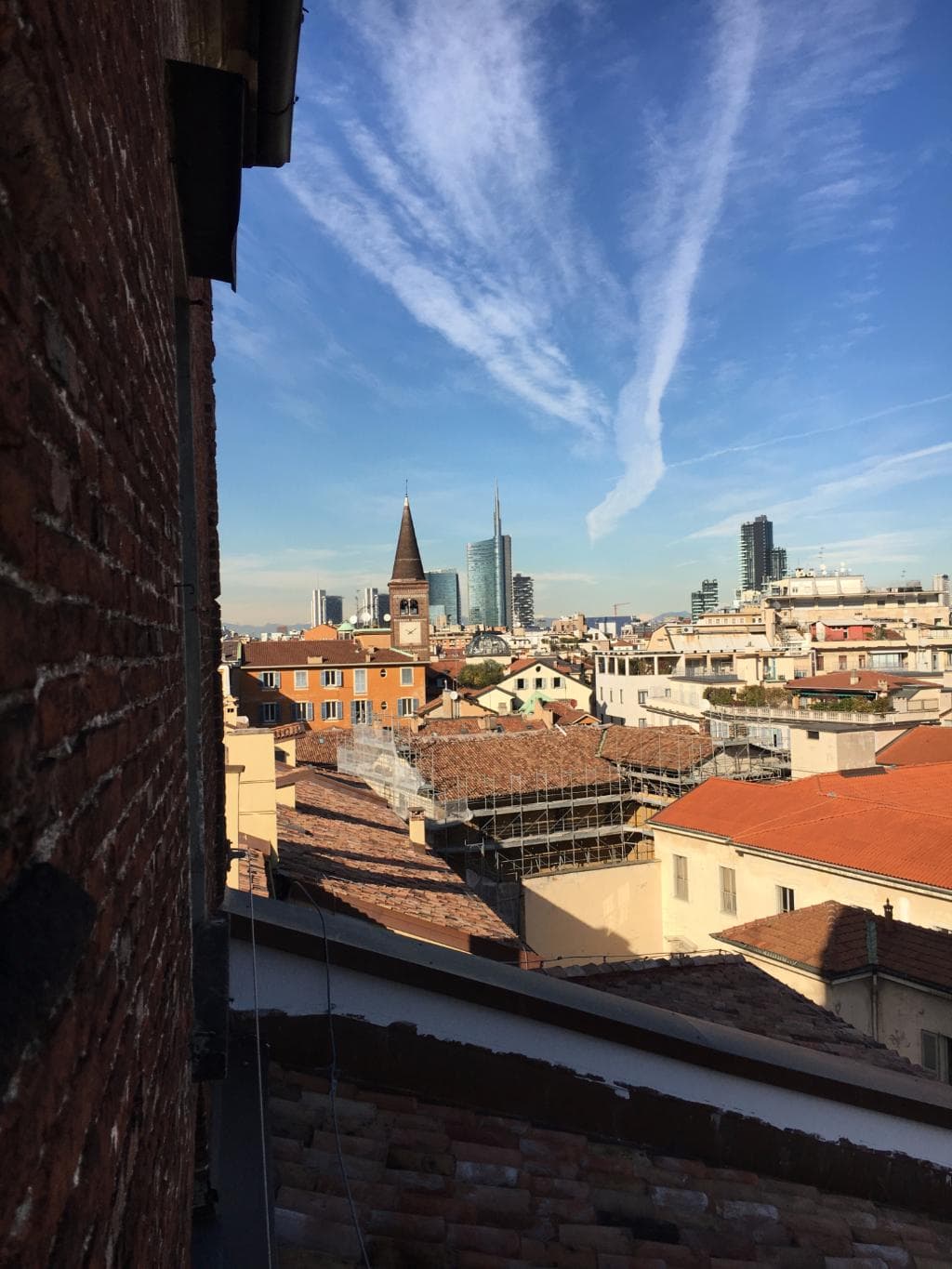
Brera Astronomical Observatory
Discover astronomical history at the Brera Observatory, home to Schiaparelli's Mars observations and antique instruments.
Highlights
Must-see attractions

Social
From TikTok & Reddit
Best Time
Fewer crowds, more personal attention
Brera Astronomical Observatory
Best Time
Fewer crowds, more personal attention
Highlights
Must-see attractions
Discover astronomical history at the Brera Observatory, home to Schiaparelli's Mars observations and antique instruments.
"A small but well-maintained astronomy museum with over 100-year-old items and a beautiful large telescope."
🎯 Book Tickets Online
Purchase your admission tickets in advance online; there's no ticket office at the observatory. :admission_tickets:
📍 Look for Pinacoteca Signs
The observatory is within the Pinacoteca di Brera complex. Follow signs for the art gallery to find it. :world_map:
Highlights
Discover the most iconic attractions and experiences
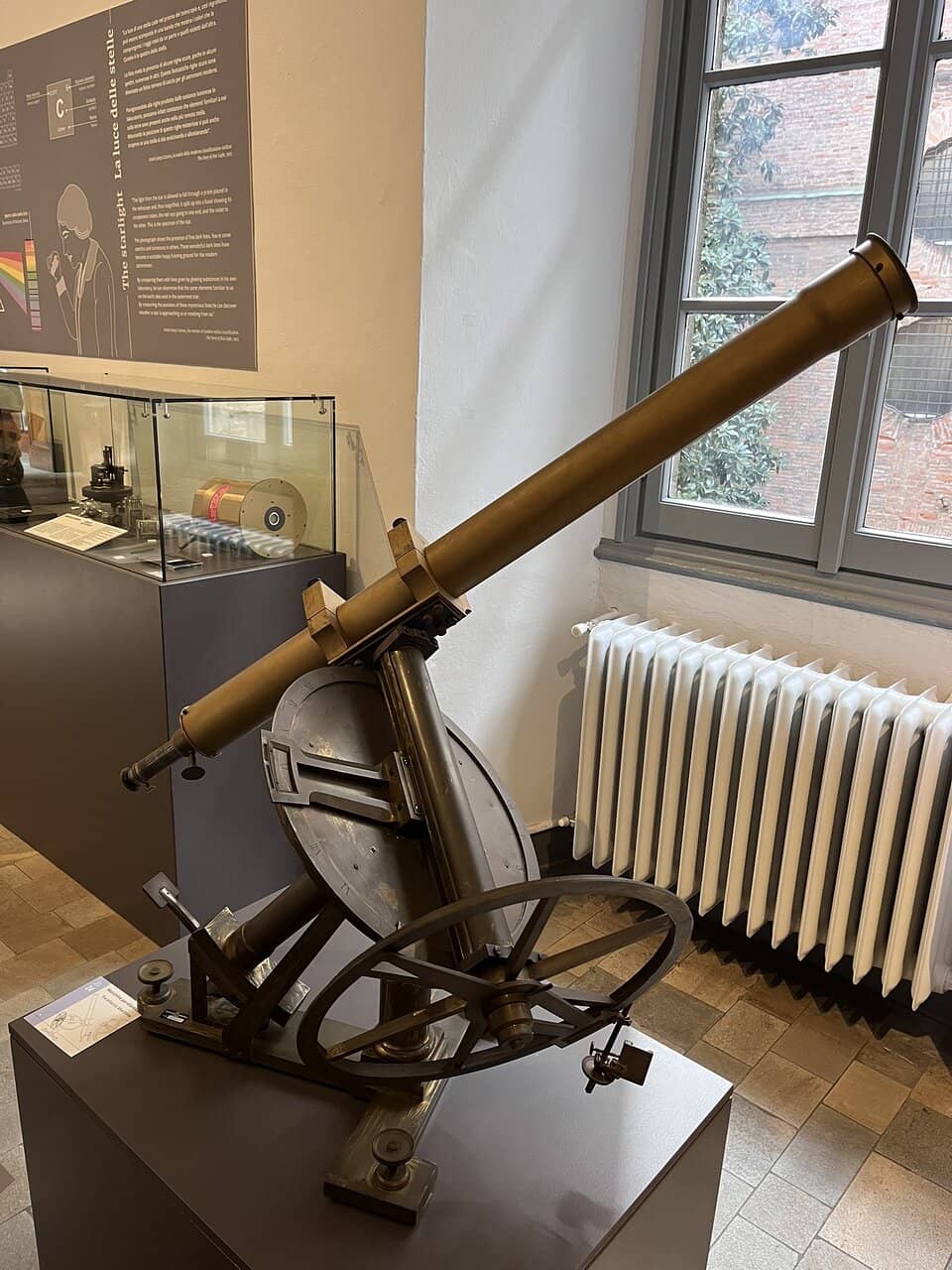
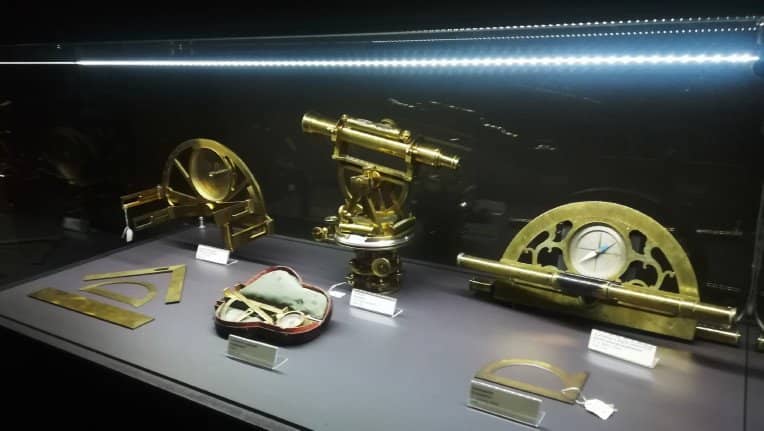
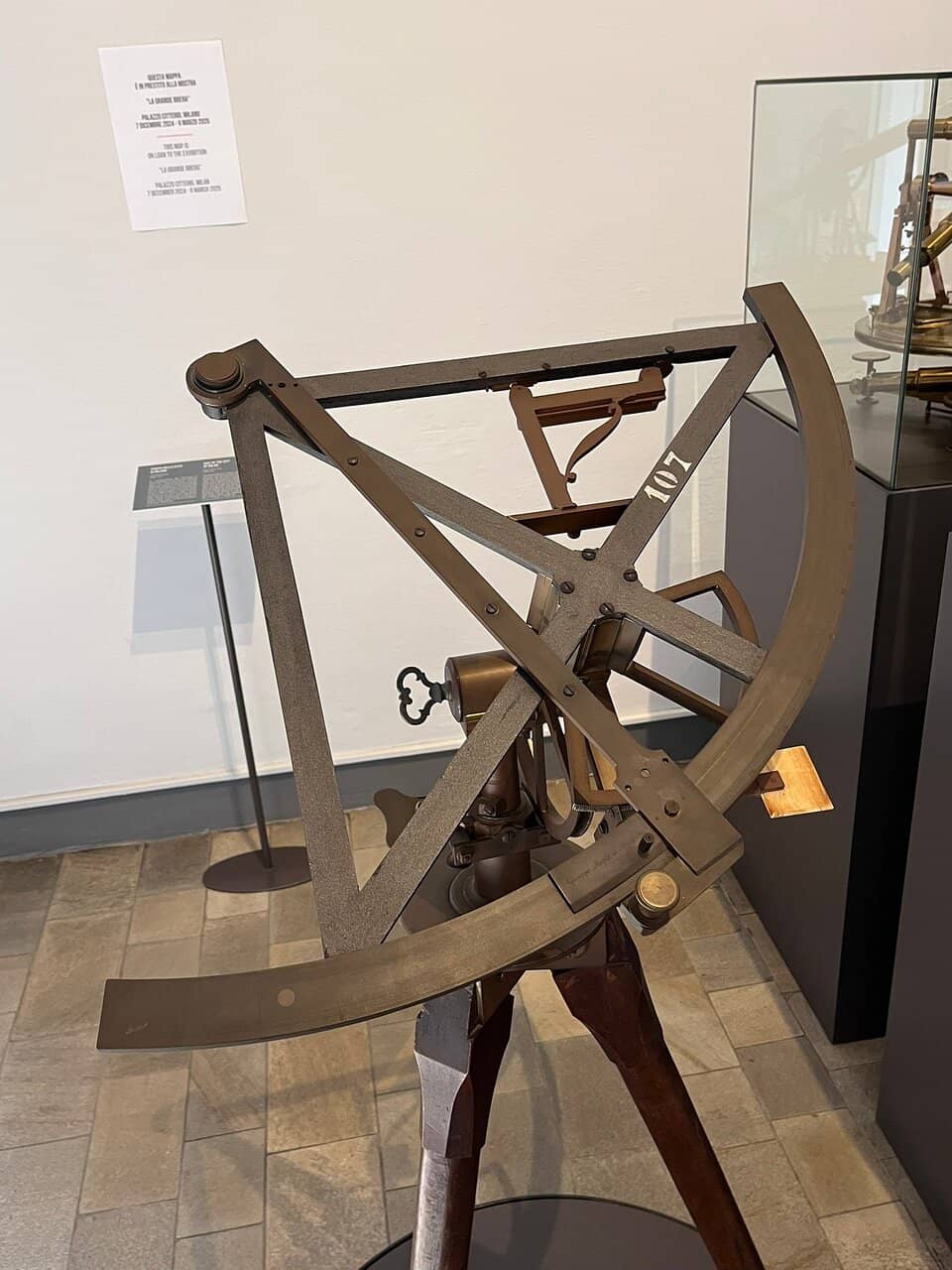
Historic Astronomical Instruments
Main Exhibition Hall
Marvel at centuries-old telescopes and observation tools, including a magnificent large telescope.
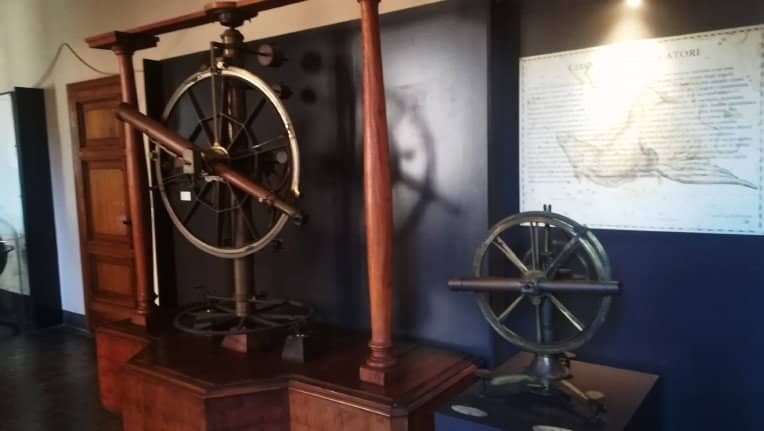
Giovanni Schiaparelli's Work
Dedicated Exhibit Area
Explore exhibits detailing the groundbreaking work of astronomer Giovanni Schiaparelli, including his famous 'canali' of Mars.
Antique Maps of Milan
Map Collection Display
Discover fascinating historical maps of Milan and other cities, offering a glimpse into cartography's past.
Plans like a pro.
Thinks like you
Planning Your Visit
Finding the Observatory
Manage Expectations for Size
Best Times
Insider Tips
from TikTok, Instagram & Reddit
🎯 Book Tickets Online
Purchase your admission tickets in advance online; there's no ticket office at the observatory. :admission_tickets:
📍 Look for Pinacoteca Signs
The observatory is within the Pinacoteca di Brera complex. Follow signs for the art gallery to find it. :world_map:
🔭 App for Augmented Reality
Download the MARSS app to explore the museum in augmented reality and discover more about astronomy. :iphone:
🚶 Combine with Brera Visit
It's a small museum, best enjoyed as part of a broader exploration of the Brera district. :athletic_shoe:
Tips
from all over the internet
🎯 Book Tickets Online
Purchase your admission tickets in advance online; there's no ticket office at the observatory. :admission_tickets:
📍 Look for Pinacoteca Signs
The observatory is within the Pinacoteca di Brera complex. Follow signs for the art gallery to find it. :world_map:
🔭 App for Augmented Reality
Download the MARSS app to explore the museum in augmented reality and discover more about astronomy. :iphone:
🚶 Combine with Brera Visit
It's a small museum, best enjoyed as part of a broader exploration of the Brera district. :athletic_shoe:
🙋 Ask the Staff
Museum staff are knowledgeable and happy to answer questions about the historical items. :speech_balloon:
What Travellers Say
Reviews Summary
Visitors find the Brera Astronomical Observatory to be a small but historically rich gem, particularly noted for its antique instruments and the legacy of Giovanni Schiaparelli. While its size is often mentioned as smaller than expected, the affordable entry and helpful staff make it a worthwhile stop, especially when combined with exploring the Brera district.
"Was bit hard to find at first, location is little bit hidden.
Museum is small, but content is spot on. There were items from different era, even some I recognized related to my own work and museum staff provided some answers they had on hand without in depth research and answered to my questions about those items"
Niko
"Very small but we'll maintained astronomy museum. I actually didn't know there was an astronomical observatory inside the pinacoteca.there is a few astronomical items which have over 100 years and a beautiful and big telescope that is worthy the visit.the price is only 3E per adult."
Maria Masullo
"A small museum dedicated to the observatory of Brera and the work of Giovanni Schiaparelli. Some historical observation instruments, some very interesting maps of Milan (and, surprisingly, a map of Paris of 1734). You have to buy your tickets online, there's no ticket office."
Anastasia An
What People Like
What People Dislike
Frequently Asked Questions
🚇 🗺️ Getting There
The observatory is located within the Brera district of Milan, often associated with the Pinacoteca di Brera. You can reach the area via public transport, with several tram and bus lines stopping nearby. Walking from the Duomo is also an option if you enjoy a stroll through the city.
It can be a little hidden! Visitors often mention it's slightly difficult to find at first. Look for signs directing you towards the Pinacoteca di Brera, as the observatory is part of that complex.
Many visitors find tram lines to be convenient for reaching the Brera area. It's also a pleasant walk from other central Milan attractions.
Street parking in the Brera district can be challenging and expensive. It's generally recommended to use public transportation or a taxi to reach the observatory.
Yes, ride-sharing services are a convenient option to get dropped off close to the Brera district, making your journey to the observatory easier.
🎫 🎫 Tickets & Entry
The admission price is very affordable, typically around 3 Euros per adult, making it an accessible historical site.
Yes, it's highly recommended to purchase your tickets online in advance. There is no ticket office available at the observatory itself.
Opening hours can vary, especially during special events like Fuorisalone. It's best to check the official website for the most up-to-date information. During Fuorisalone, hours have been listed as 1:30 PM to 5:30 PM. +1
There is no specific dress code, but comfortable attire is recommended, especially if you plan to explore the surrounding Brera district on foot.
Refund policies typically depend on the booking platform and specific terms and conditions. It's advisable to review these before purchasing your tickets.
🎫 🔭 Onsite Experience
You can see historical astronomical instruments, including a large telescope, exhibits on Giovanni Schiaparelli's work, and antique maps of Milan and other cities.
While small, the historical instruments and the story of Mars canals might capture older children's interest. The augmented reality app could also be engaging.
A visit is generally quite short, often less than an hour, due to the museum's size. Many visitors suggest combining it with other activities in the Brera area.
While formal guided tours might not always be scheduled, the staff are very helpful and can provide information about the exhibits when asked. +1
Information on accessibility can vary. It's recommended to contact the observatory directly or check their official website for details regarding accessibility for visitors with mobility challenges.
📸 📸 Photography
Photography policies can vary. Generally, personal photography for non-commercial use is allowed, but it's always best to check for any specific restrictions or ask staff on-site.
Tripods and professional photography equipment are often restricted in smaller museums to avoid disruption and damage. It's advisable to inquire about this beforehand.
The historic telescope and the antique maps offer great photographic opportunities. The unique architecture of the building itself can also be photogenic.
The lighting conditions can vary. Natural light might be limited in some areas, so be prepared to adjust your camera settings accordingly.
Flash photography is often discouraged or prohibited in museums to protect delicate artifacts. Always look for signage or ask permission before using flash.
For Different Travelers
Tailored advice for your travel style
👨👩👧 Families with Kids
To make the visit more engaging for younger minds, encourage them to download the MARSS app for an augmented reality experience.
💰 Budget Travelers
Combine your visit with a walk through the picturesque Brera district, which is free to explore. You can also pack your own snacks and drinks to enjoy in a nearby park, further minimizing expenses. The observatory's manageable size means you won't need to allocate a large chunk of your day or budget to this specific activity.
🔭 Astronomy Enthusiasts
Engage with the knowledgeable staff who can provide insights into the instruments and Schiaparelli's observations. Consider downloading the MARSS app to enhance your understanding with augmented reality features, offering a modern perspective on historical astronomical data.
Deep Dives
In-depth insights and expert knowledge
The Legacy of Giovanni Schiaparelli
Schiaparelli's observations, particularly the 'canali,' sparked immense public fascination and scientific debate. While he intended them as natural geological formations, the term was widely misinterpreted as 'canals' built by intelligent life. This misinterpretation fueled the popular imagination and laid the groundwork for science fiction narratives about Martian civilizations, a legacy that continues to resonate today.
Visiting the observatory offers a chance to connect with this significant period in astronomy. You can see instruments that Schiaparelli himself might have used and learn more about the context of his groundbreaking, albeit sometimes misinterpreted, discoveries. The museum often features exhibits dedicated to his life and work, providing a deeper understanding of his contributions.
A Glimpse into Astronomical History
The observatory houses a collection of historical astronomical instruments that showcase the evolution of telescopic technology and observational methods. Among its treasures is a magnificent, large telescope that stands as a testament to the craftsmanship of its era. These artifacts offer a tangible connection to the past, allowing visitors to visualize the tools used by astronomers centuries ago.
Beyond instruments, the observatory's collection includes fascinating antique maps, not only of Milan but also of other cities, providing a unique perspective on historical geography and cartography. These maps, alongside scientific documents and photographs from the archive, contribute to a rich narrative of the observatory's scientific and cultural contributions.
Experiencing the Observatory with Technology
Through the MARSS app, you can point your device at specific markers or exhibits to reveal additional information, 3D models, or animations. This AR feature can transform a static display into a dynamic learning opportunity, making the complex concepts of astronomy more accessible and exciting, especially for younger visitors.
This blend of historical artifacts and cutting-edge technology highlights the observatory's commitment to both preserving its legacy and engaging contemporary audiences. It’s a forward-thinking approach that ensures the wonders of astronomy remain relevant and captivating for everyone who visits.
Social
from TikTok, Instagram & Reddit