Palazzo Imperiali Manduria
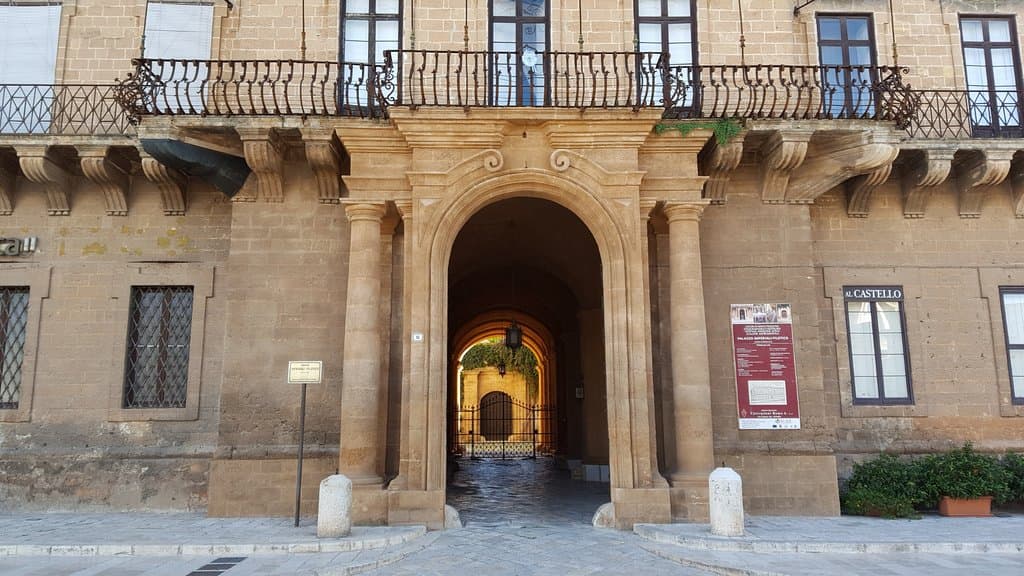
A magnificent Baroque palace in Manduria, built on medieval ruins, known for its imposing facade and the intriguing story of its '99 rooms'.
Highlights
Must-see attractions

Social
From TikTok & Reddit
Best Time
Fewer crowds, peaceful exploration
Palazzo Imperiali Manduria
Best Time
Fewer crowds, peaceful exploration
Highlights
Must-see attractions
A magnificent Baroque palace in Manduria, built on medieval ruins, known for its imposing facade and the intriguing story of its '99 rooms'.
"Sober and imposing in the heart of Manduria, very beautiful!"
📸 Capture the Details
Don't miss the intricate coat of arms and architectural nuances. Perfect for history buffs and photographers!
🎶 Check for Events
The palace hosts concerts and events. Check schedules for a unique experience!
Highlights
Discover the most iconic attractions and experiences
Baroque Facade
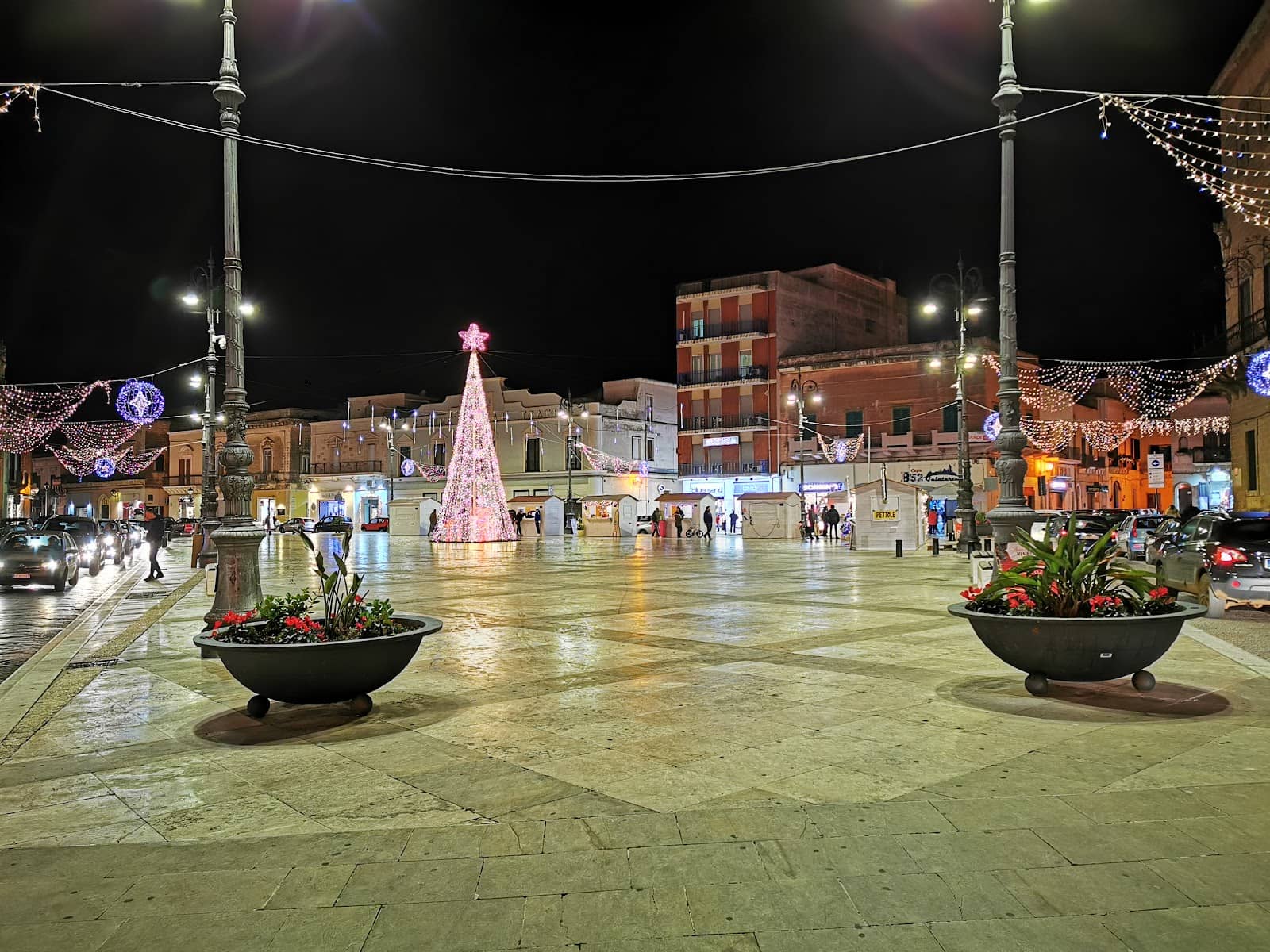
Piazza Garibaldi
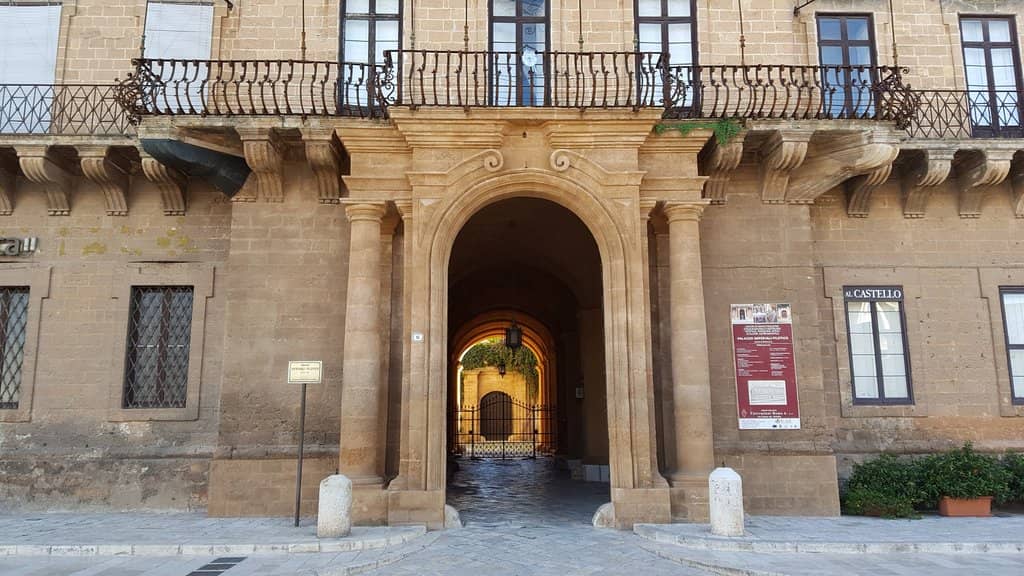
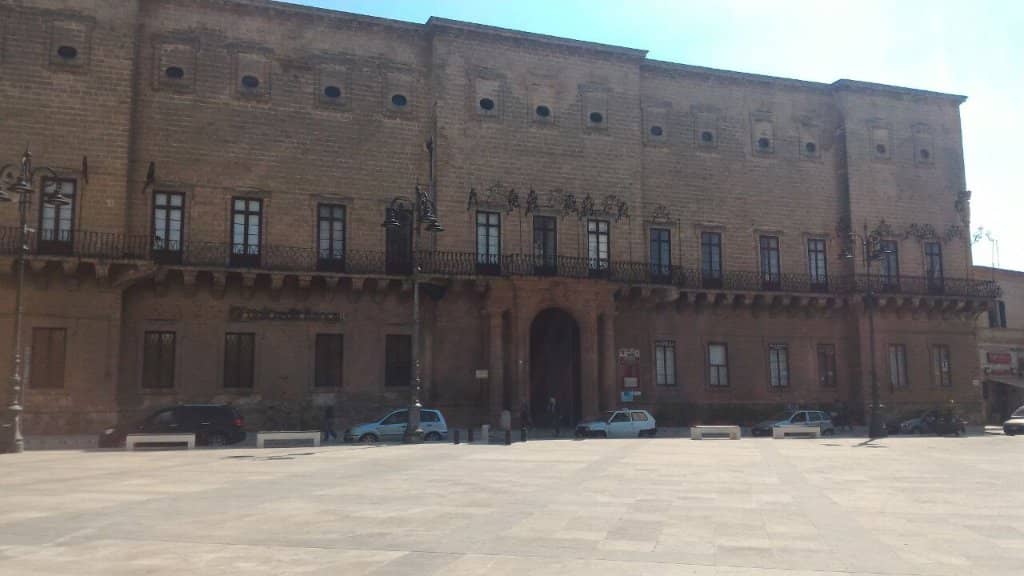
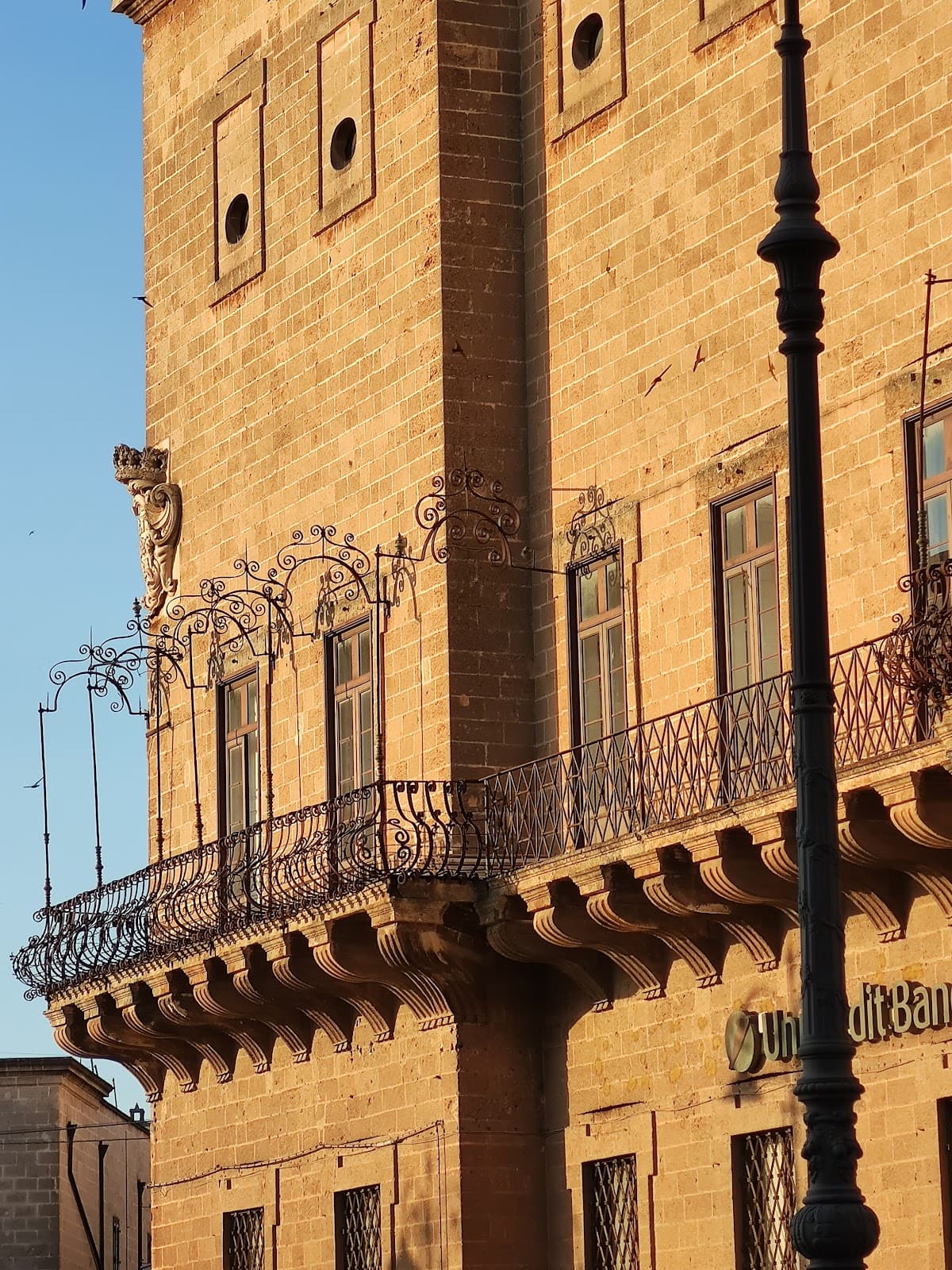
Admire the imposing Baroque architecture with its distinctive windows and a long, goose-breasted iron balcony.
Family Coat of Arms
Facade corners
Spot the intricate coat of arms of the Imperiali family, symbolizing their historical significance .

Grand Staircase
Atrium
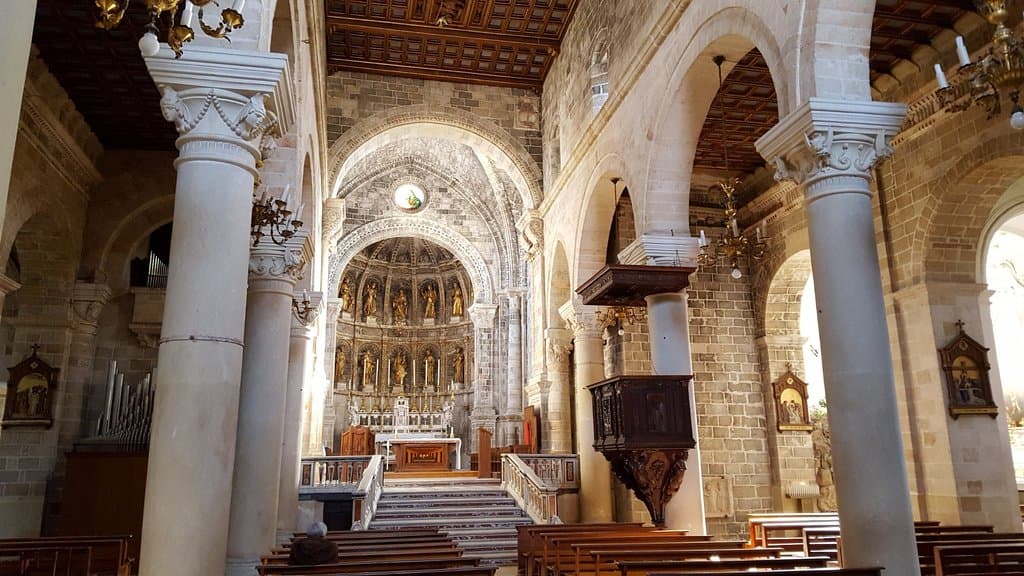
Ascend the impressive double-flight staircase leading to the palace's main floors.
Plans like a pro.
Thinks like you
Planning Your Visit
Timing Your Visit
Understanding the History
Best Times
Insider Tips
from TikTok, Instagram & Reddit
📸 Capture the Details
Don't miss the intricate coat of arms and architectural nuances. Perfect for history buffs and photographers!
🎶 Check for Events
The palace hosts concerts and events. Check schedules for a unique experience!
🚶 Explore the Center
Located in Manduria's historic center, explore nearby shops and Piazza Garibaldi.
🏛️ Appreciate the History
Learn about its Baroque design and the story of its 99 rooms.
Tips
from all over the internet
📸 Capture the Details
Don't miss the intricate coat of arms and architectural nuances. Perfect for history buffs and photographers!
🎶 Check for Events
The palace hosts concerts and events. Check schedules for a unique experience!
🚶 Explore the Center
Located in Manduria's historic center, explore nearby shops and Piazza Garibaldi.
🏛️ Appreciate the History
Learn about its Baroque design and the story of its 99 rooms.
What Travellers Say
Reviews Summary
Visitors consistently praise Palazzo Imperiali Manduria for its sober yet imposing presence in the heart of Manduria and its beautiful Baroque architecture. The well-maintained historical site offers a glimpse into the region's past, with many appreciating the unique perspective of its facade and balcony. Some visitors note the palace's historical significance and the intriguing story behind its '99 rooms'.
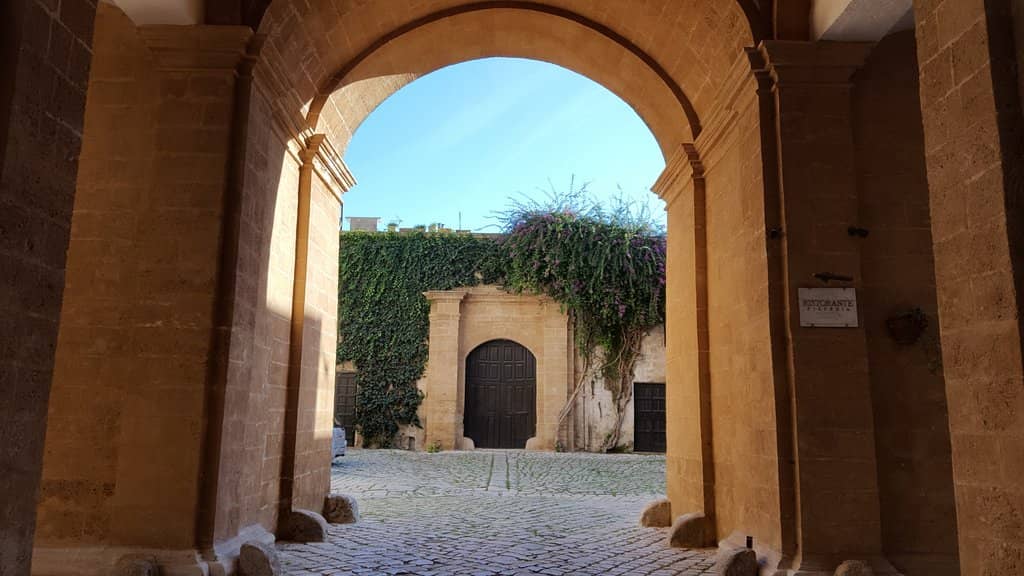
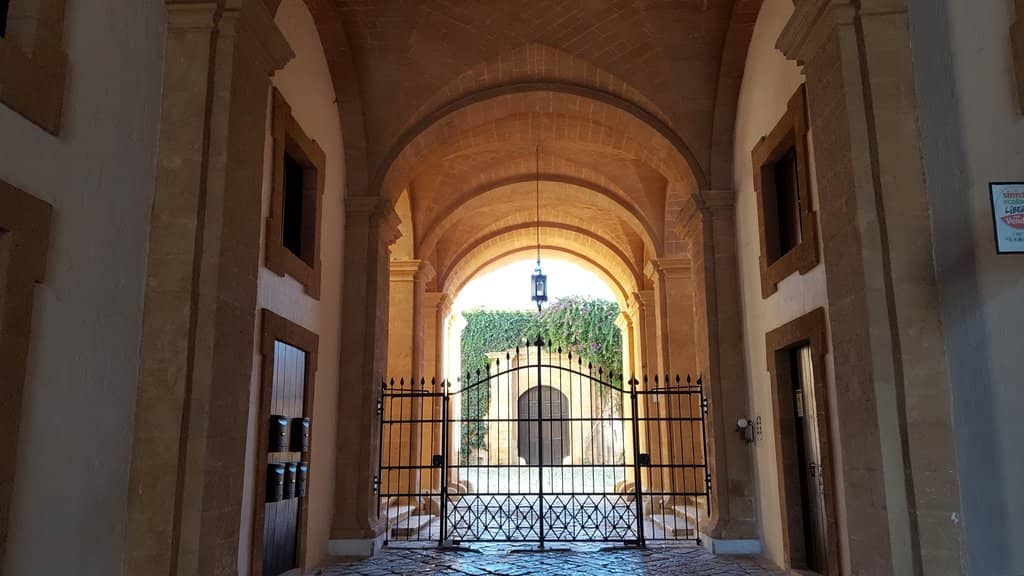
"The Imperiali-Filotico palace, located in Piazza Garibaldi, was built in Manduria by the Imperiali princes of Francavilla after 1717, as reported by the inscription on the portal of access to the main floor, over the ruins of a previous medieval castle. The architectural appearance reveals a baroque canon with a square plan, isolated on the four sides, the severe appearance is marked by a series of windows, in the center a goose-breasted iron balcony reflects a rococo taste. At the two corners of the facade is the coat of arms of the family. The entrance door has two Tuscan order columns on both sides, in the atrium a double-flight staircase leads to the rooms. The Palace is also known as the Palace of the 99 rooms even though originally there were supposed to be 120, but the works were interrupted in 1738, due to the death of Michele III Imperiali. Since 1917 the Palace has been called "Palazzo Imperiali - Filotico" subject to protection constraints as a Property of Significant Historical - Artistic Interest, registered with ADSI - Association of Italian Historic Homes. Very well maintained and beautiful to visit.
."
Antonio Vergallo
"The alternation of the volumes of the façade and the long balcony that crosses it give the building a particular perspective elegance."
Giorgio Garofalo
"Sober and imposing in the heart of Manduria, very beautiful!"
Marco F.
What People Like
What People Dislike
Frequently Asked Questions
🚇 🗺️ Getting There
Palazzo Imperiali Manduria is located in the heart of Manduria's historic center, easily accessible by foot if you are already in the town. If arriving by car, look for public parking areas near Piazza Garibaldi. Public transport options to Manduria are available, with local buses serving the town center.
Information on wheelchair accessibility is limited. Given its historical nature and the presence of a grand staircase, it's advisable to contact the management directly for specific accessibility details before your visit.
Manduria is well-connected by regional trains and buses. The nearest major airport is Brindisi (BDS), from where you can take a train or bus to Manduria. Car rental is also a convenient option for exploring the Puglia region.
🎫 🎫 Tickets & Entry
While specific ticketing information for general visits isn't always readily available, it's recommended to check for official opening hours and potential entry fees. For special events like concerts, tickets are usually required and can be purchased online or at the venue.
Opening hours can vary, especially as it's a historical monument and sometimes used for events. It's best to check local tourism websites or contact the Palazzo directly for the most up-to-date information on visiting times.
Typically, historical palaces allow for independent exploration. However, guided tours might offer deeper insights into the history and architecture. Inquire locally about tour availability.
Yes, Palazzo Imperiali-Filotico is registered with ADSI - Association of Italian Historic Homes, indicating its status as a significant historical property.
🎫 🏛️ Onsite Experience
Palazzo Imperiali Manduria is known as the 'Palace of the 99 rooms' because construction was halted in 1738, leaving it with approximately 99 rooms instead of the originally planned 120.
The palace exhibits a Baroque architectural style, built over the ruins of a medieval castle. Its facade features a series of windows and a prominent iron balcony, with elements reflecting Rococo taste.
The coat of arms on the facade is a key heraldic symbol of the Imperiali family, signifying their historical importance and status. One specific emblem is described as an eagle, representing the right to stand to the Emperor's right.
Inside, you can explore the rooms of the palace and admire the grand double-flight staircase in the atrium. The palace's historical significance and architectural details are its main attractions.
Photography policies can vary for historical sites. It's advisable to check for any restrictions upon arrival or inquire with staff. Generally, non-flash photography for personal use is often permitted.
📸 📸 Photography
The facade facing Piazza Garibaldi offers a grand view. Don't miss capturing the details of the iron balcony and the family's coat of arms.
Morning light can be beautiful for the facade, offering softer shadows. Late afternoon light can also create a warm glow. Consider the angle of the sun when planning your photo sessions.
Visitors often highlight the unique perspective offered by the long balcony and the intricate details of the heraldic symbols. Capturing the scale of the double-flight staircase is also a popular choice.
For Different Travelers
Tailored advice for your travel style
👨👩👧 Families with Kids
and imagine life in a grand palace. The double-flight staircase 🏛️ History Buffs & Architecture Enthusiasts
and appreciate the architectural transition from a medieval castle to a grand palace. The story of its unfinished construction and the '99 rooms' adds a unique historical narrative. Its designation as a protected historical site by ADSI further emphasizes its significance.📸 Photographers
and the grand staircase Deep Dives
In-depth insights and expert knowledge
Architectural Marvel: Baroque Grandeur
The palace's severe yet elegant facade is marked by a series of windows, and a distinctive goose-breasted iron balcony that adds a unique perspective and elegance to the building.The palace was constructed over the ruins of a previous medieval Norman castle, integrating historical layers into its design. While the exterior showcases Baroque principles, the balcony reflects a touch of Rococo taste. The entrance door is flanked by two Tuscan order columns, leading into an atrium where a double-flight staircase gracefully ascends to the upper floors. This staircase is a significant interior feature, guiding visitors through the palace's historical spaces.
Originally envisioned with 120 rooms, the palace's construction was interrupted in 1738 due to the death of Michele III Imperiali, leaving it with approximately 99 rooms. This unfinished aspect adds a layer of historical intrigue to the building. Today, Palazzo Imperiali-Filotico is recognized as a Property of Significant Historical-Artistic Interest and is protected under conservation constraints.
The Imperiali Legacy and the 'Palace of 99 Rooms'
The palace's nickname, the 'Palace of the 99 rooms', is a direct result of its incomplete construction. The ambitious plan for 120 rooms was never fully realized due to unforeseen circumstances, primarily the death of Michele III Imperiali in 1738. This historical detail adds a unique narrative to the palace, hinting at what might have been and contributing to its mystique.
Since 1917, the palace has been known as "Palazzo Imperiali - Filotico," reflecting a historical continuity and its recognition as a site of significant cultural value. Its inclusion in the ADSI - Association of Italian Historic Homes underscores its importance in preserving Italy's rich architectural heritage. Visitors can appreciate the blend of historical ambition and architectural realization that defines this remarkable structure.


Social
from TikTok, Instagram & Reddit