Porta Appia
Porta Appia, now Porta San Sebastiano, is an ancient Roman gate and the start of the historic Via Appia Antica.
Highlights
Must-see attractions

Social
From TikTok & Reddit
Best Time
Fewer crowds, better photos
Porta Appia
Best Time
Fewer crowds, better photos
Highlights
Must-see attractions
Porta Appia, now Porta San Sebastiano, is an ancient Roman gate and the start of the historic Via Appia Antica.
"Step back in time at Porta Appia, the gateway to Rome's ancient 'Queen of Roads'."
Wear comfortable shoes
You'll be walking on ancient cobblestones and uneven paths along the Via Appia. :athletic_shoe:
Explore the museum
The Museo delle Mura inside the gate offers fascinating insights into Roman history. :museum:
Highlights
Discover the most iconic attractions and experiences
Porta San Sebastiano (Porta Appia)
Via di San Sebastiano, Rome
The imposing ancient gate that once welcomed travelers to Rome via the Via Appia.
 +1
+1
Museo delle Mura
Inside Porta San Sebastiano
Explore the history of Rome's Aurelian Walls and the gate's evolution.

Via Appia Antica
Extending from Porta Appia
Walk the ancient 'Queen of Roads' with its historic tombs and ruins.
+2Plans like a pro.
Thinks like you
Planning Your Visit
Timing Your Visit to Porta Appia
Understanding Porta Appia's History
+2Best Times
Insider Tips
from TikTok, Instagram & Reddit
Wear comfortable shoes
You'll be walking on ancient cobblestones and uneven paths along the Via Appia. :athletic_shoe:
Explore the museum
The Museo delle Mura inside the gate offers fascinating insights into Roman history. :museum:
Imagine ancient Rome
Visualize the gate as it was in the 4th century, a bustling entry point. :roman_empire:
Combine with other sites
Porta Appia is a great starting point for exploring the Appian Way and nearby ruins. :world_map:
Tips
from all over the internet
Wear comfortable shoes
You'll be walking on ancient cobblestones and uneven paths along the Via Appia. :athletic_shoe:
Explore the museum
The Museo delle Mura inside the gate offers fascinating insights into Roman history. :museum:
Imagine ancient Rome
Visualize the gate as it was in the 4th century, a bustling entry point. :roman_empire:
Combine with other sites
Porta Appia is a great starting point for exploring the Appian Way and nearby ruins. :world_map:
What Travellers Say
Reviews Summary
Visitors praise Porta Appia (Porta San Sebastiano) as a significant historical gateway and the starting point for the impressive Via Appia Antica. The Museo delle Mura offers valuable context, though some find the area requires a good amount of walking to fully explore.
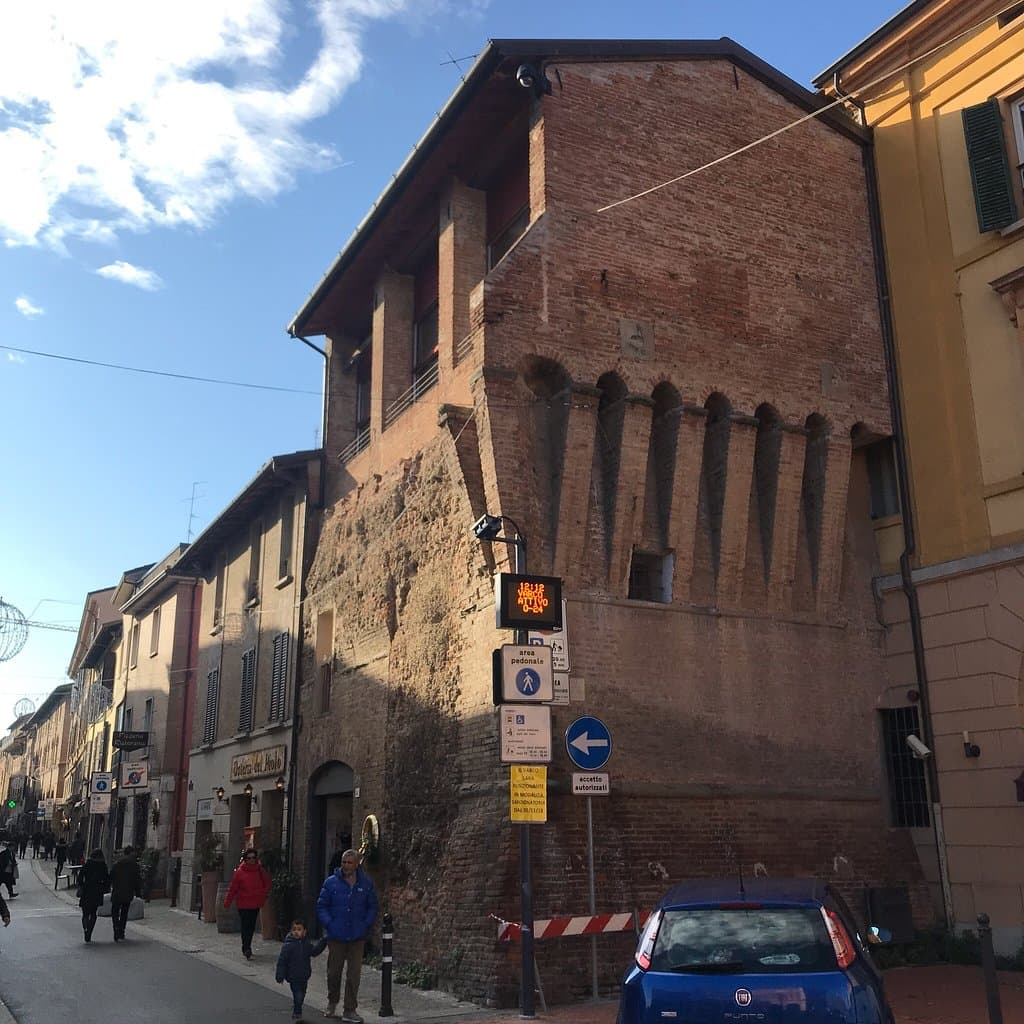
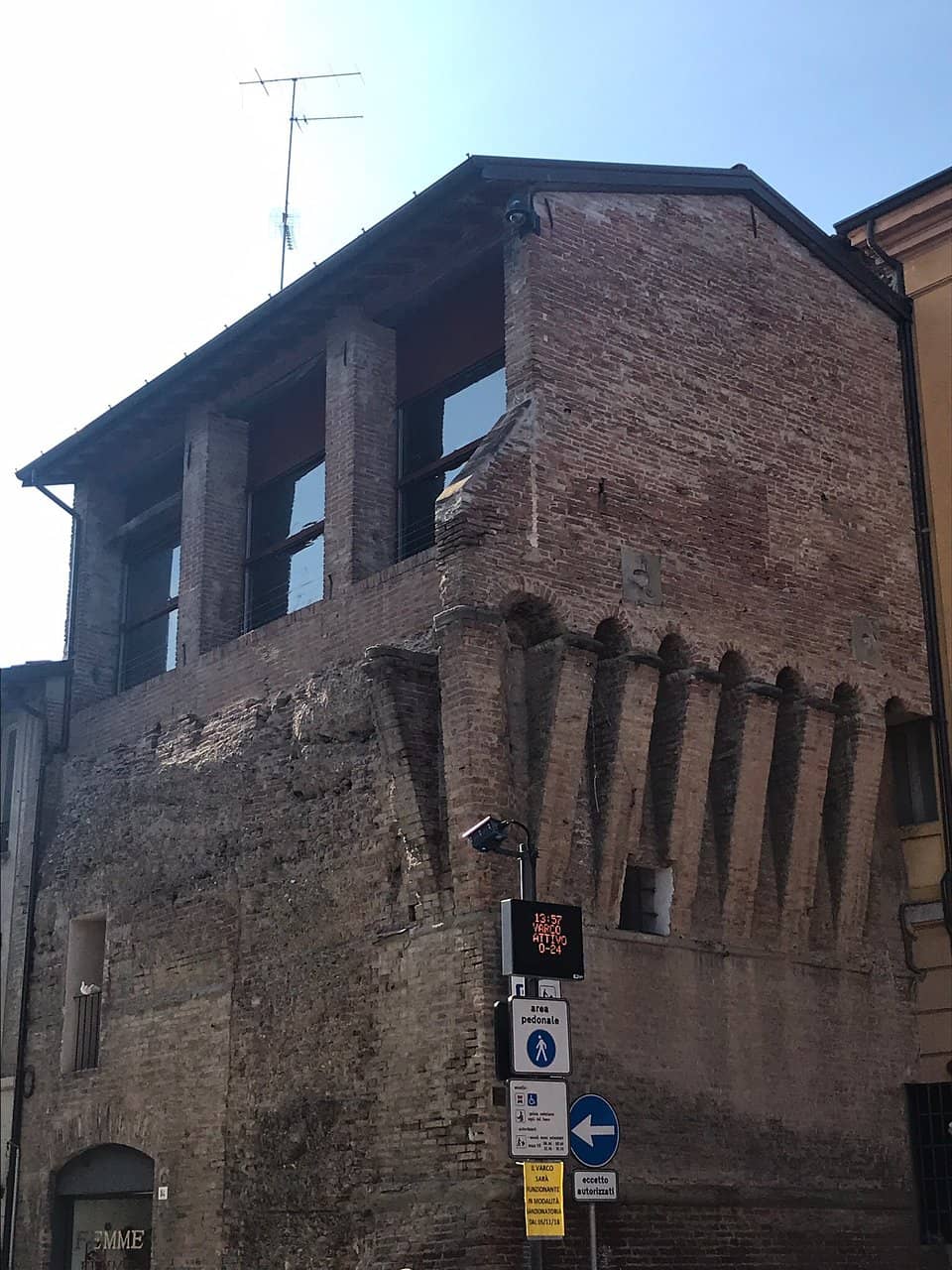
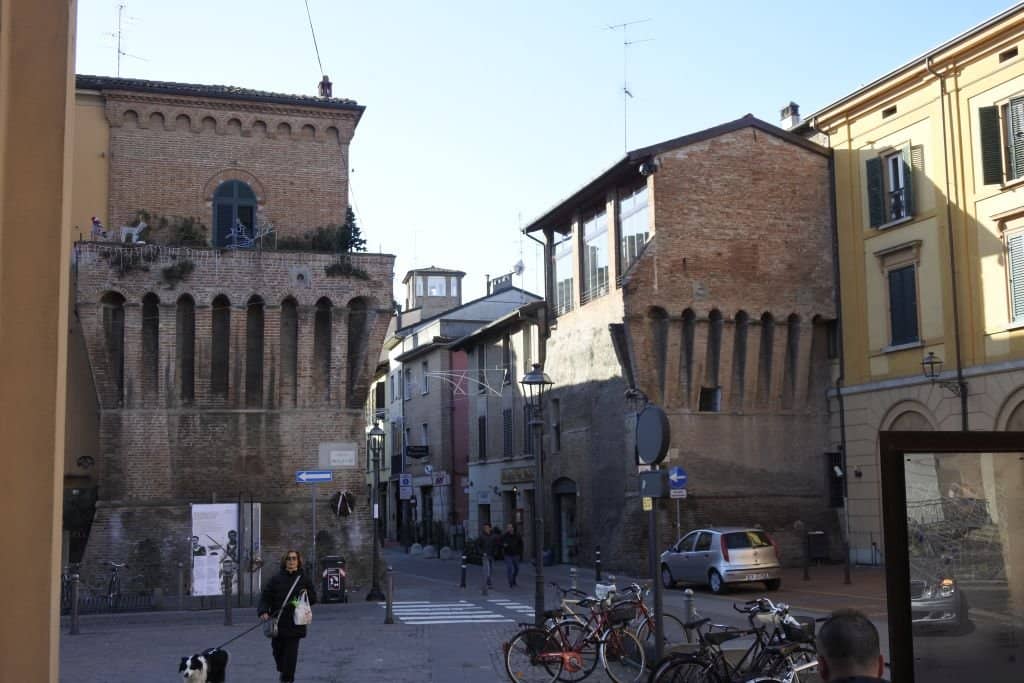
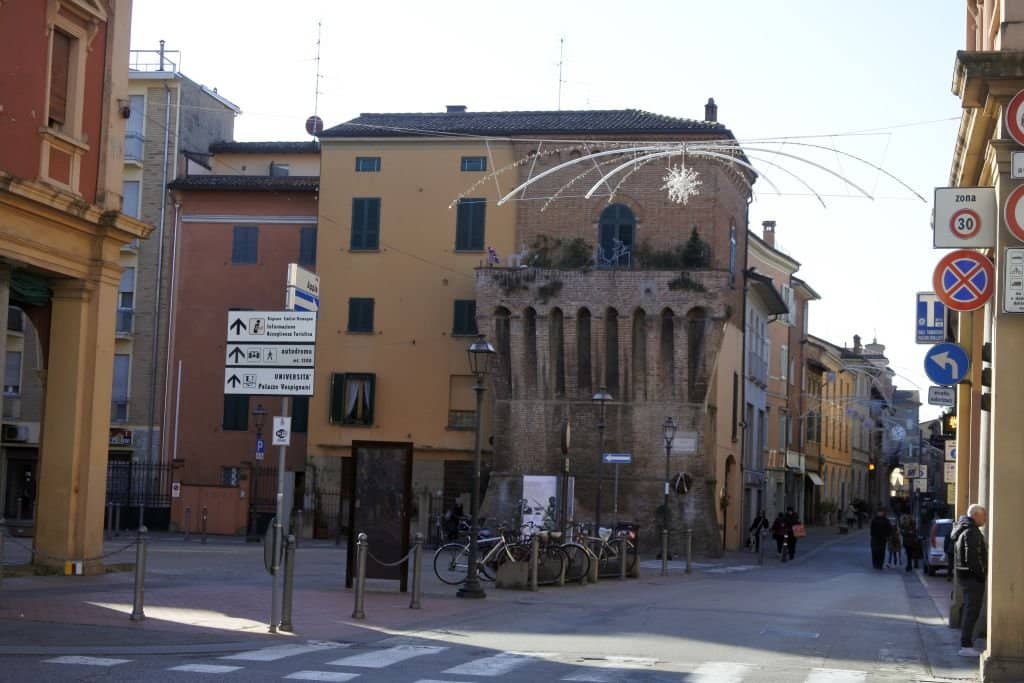
"Formerly Porta Orsolina, built in 1482.
Also known as Porta del Piolo.
Designed by architect Gian Lodovico Memori."
Peppe GHELAS
""
Paolo Landini
""
Nicola Cirelli
What People Like
What People Dislike
Frequently Asked Questions
🚇 🗺️ Getting There
Porta Appia, now known as Porta San Sebastiano, is accessible by public transport. Buses like the 118 stop nearby, making it a convenient starting point for exploring the Via Appia Antica.
Driving directly to Porta Appia can be challenging due to Rome's ZTL (Limited Traffic Zone) restrictions. It's often easier to park further away and take public transport or walk.
Many visitors recommend starting at Porta Appia and walking along the Via Appia Antica. Renting a bike is also a popular option for covering more ground.
🎫 🎫 Tickets & Entry
The exterior of Porta San Sebastiano (Porta Appia) is visible from the outside. However, to enter the Museo delle Mura located within the gate, a ticket is required.
Opening hours for the Museo delle Mura can vary. It's best to check the official website or local listings before your visit, as they are typically open during daytime hours.
Viewing the gate from the outside is free. Ticket prices for the Museo delle Mura are generally affordable, offering good value for the historical insights provided.
Yes, you can walk through the archway of Porta San Sebastiano. It serves as the gateway to the ancient Via Appia Antica.
🎫 🏛️ Onsite Experience
Porta Appia (Porta San Sebastiano) itself is a significant historical monument. Inside, the Museo delle Mura details the history of Rome's defensive walls. The area also marks the beginning of the Via Appia Antica, lined with ancient tombs and ruins.
Yes, children can enjoy exploring the ancient gate and imagining life in Roman times. The open spaces along the Via Appia Antica are also great for them to run around.
Porta Appia was a major southern gate of Rome, part of the Aurelian Walls, and the starting point of the vital Via Appia. It has witnessed centuries of Roman history and military campaigns.
While official tours might be limited, many independent guides offer tours of the Appian Way that start or include Porta Appia. You can also find audio guides or use online resources.
📸 📸 Photography
Capture the grandeur of the gate from the front. The interior courtyard and the views looking down the Via Appia Antica also offer excellent photographic opportunities.
Late afternoon often provides beautiful golden hour light, casting a warm glow on the ancient stones. Early mornings can offer fewer people for unobstructed shots.
Drone usage in Rome is heavily regulated, especially in historical areas. It's unlikely to be permitted without special authorization. Always check local drone laws before flying.
For Different Travelers
Tailored advice for your travel style
👨👩👧 Families with Kids
The open spaces along the Appian Way are perfect for letting children burn off energy. Consider renting bikes for a fun way to cover more ground and see more of the ancient sites. Inside Porta San Sebastiano, the Museo delle Mura provides engaging exhibits that can be interesting for older children, explaining the history of Rome's walls. Pack snacks and water, as facilities can be spread out. The historical context of the 'Queen of Roads' can be a great educational experience, making history come alive for young explorers.
🚶♀️ History Buffs & Archaeology Enthusiasts
+1 The Museo delle Mura provides in-depth information about the construction and evolution of Rome's defensive systems, while the Via Appia Antica itself is an open-air museum showcasing ancient tombs, villas, and infrastructure. +1Take your time to explore the various archaeological sites along the Appian Way, such as the Circus of Maxentius and the Mausoleum of Cecilia Metella. Researching the history of these sites beforehand can greatly enhance your appreciation. Consider joining a specialized guided tour to gain deeper insights from experts.
Deep Dives
In-depth insights and expert knowledge
The Aurelian Walls and Porta Appia's Role
+2The Museo delle Mura, housed within Porta San Sebastiano, offers a deep dive into the history and construction of the Aurelian Walls. Visitors can learn about the engineering marvels of ancient Rome and the strategic importance of these fortifications. The museum provides context for understanding the gate's role not just as an entrance, but as a vital component of the city's defense system throughout various historical periods.
Exploring Porta Appia provides a tangible connection to Rome's past. It's a reminder of the city's enduring legacy and the architectural prowess of its ancient builders. The gate stands as a testament to Rome's ability to adapt and fortify itself over centuries, a silent witness to the ebb and flow of history.
Walking the Via Appia Antica: The Queen of Roads
+2Many of the tombs date back to the Republican and Imperial eras, some predating the city walls themselves. You'll encounter impressive structures like the Tomb of Romulus and the Circus of Maxentius, offering glimpses into the lives and burial customs of ancient Romans. The sheer scale and preservation of these monuments are awe-inspiring, making it a unique historical experience.
+1To make the most of your exploration, wear comfortable shoes as the terrain can be uneven. Consider visiting during off-peak hours to enjoy the tranquility and better appreciate the historical ambiance. The Via Appia Antica is a vast archaeological park, so plan your visit to include key sites and allow ample time to wander and absorb the atmosphere.


Social
from TikTok, Instagram & Reddit