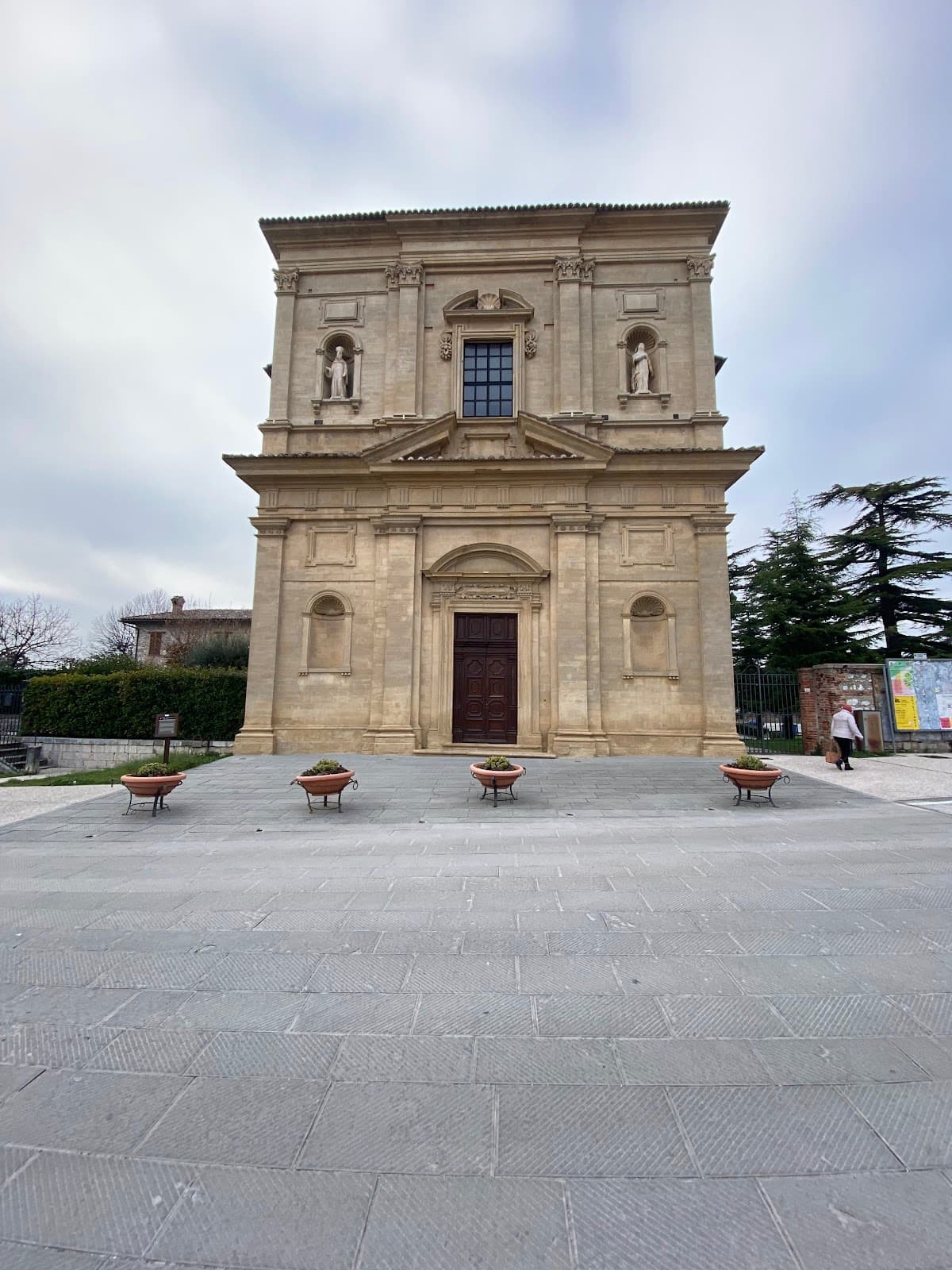
Santuario della Madonna del Prato
A Baroque masterpiece in Gubbio, mirroring Borromini's Roman church, housing a venerated image of the Virgin and Child.
Highlights
Must-see attractions
Social
From TikTok & Reddit
Best Time
Likely open for services
Santuario della Madonna del Prato
Best Time
Likely open for services
Highlights
Must-see attractions
A Baroque masterpiece in Gubbio, mirroring Borromini's Roman church, housing a venerated image of the Virgin and Child.
"A true gem of Baroque art and faith, highly recommended with a guide!"
Verify Opening Hours
It's been closed for restoration; confirm it's open before you go! :information_desk:
Guided Tours Recommended
Enhance your visit with a knowledgeable guide to truly appreciate the art. :bustsinsilhouette:

Highlights
Discover the most iconic attractions and experiences
Baroque Architecture
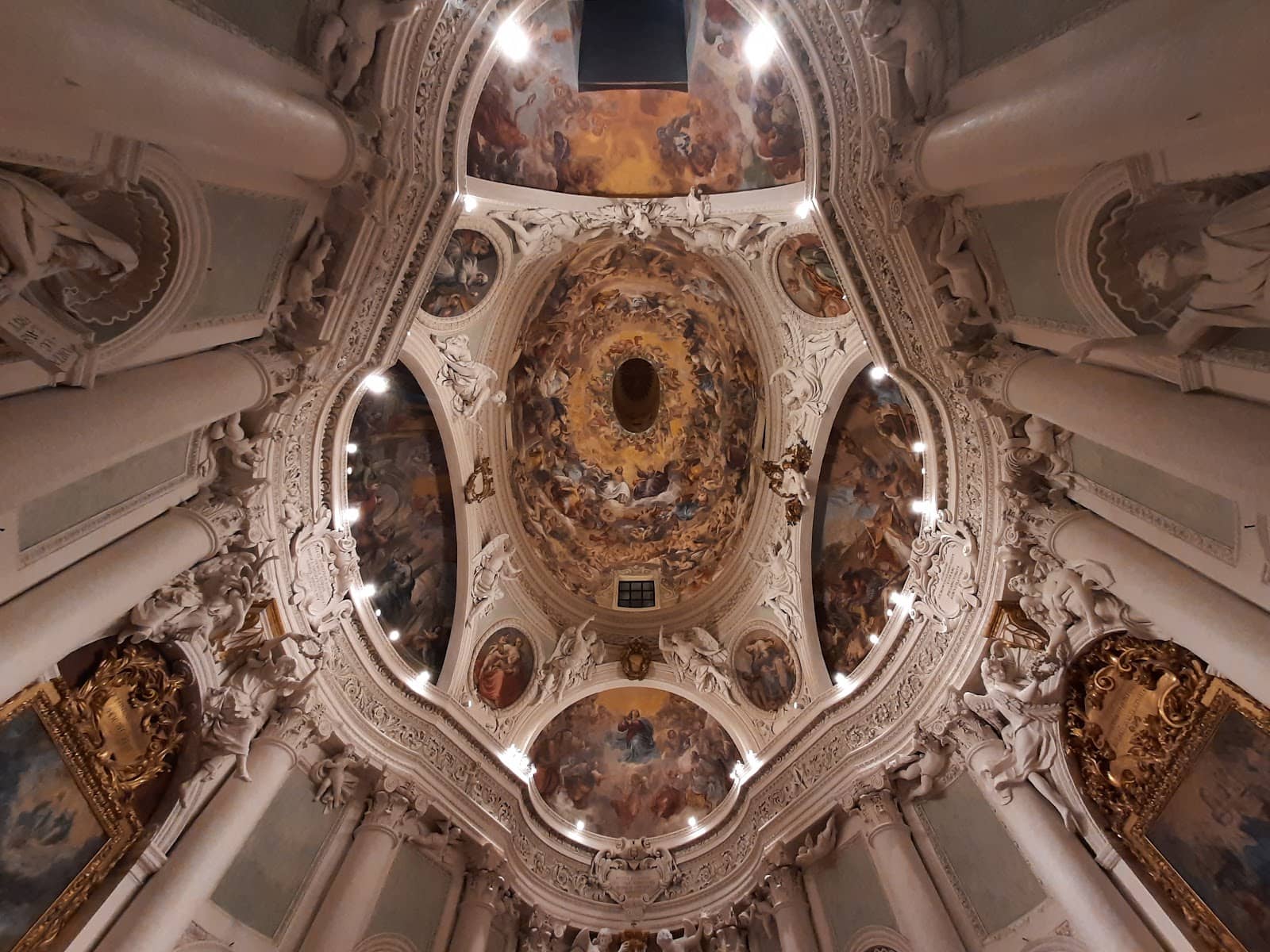
A stunning example of Baroque style, mirroring Borromini's San Carlino alle Quattro Fontane in Rome.
Painted Stone Image
The heart of the sanctuary, a venerated 17th-century depiction of the Virgin and Child.
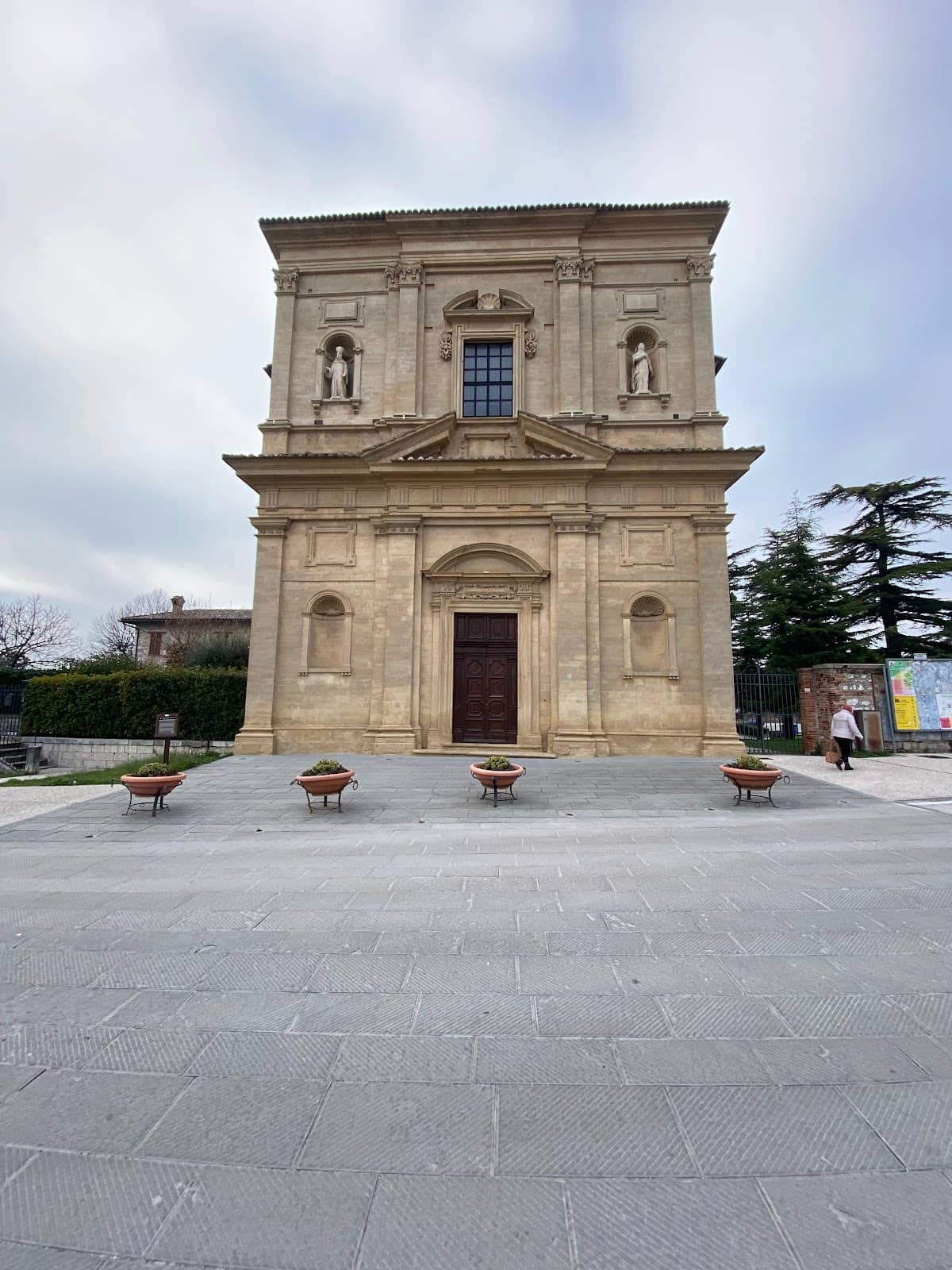
Tranquil Green Surroundings
Nestled amidst greenery, offering a peaceful escape just steps from Gubbio's historic center.
Plans like a pro.
Thinks like you
Planning Your Visit
Check Opening Status
Embrace the Baroque
Best Times
Insider Tips
from TikTok, Instagram & Reddit
Verify Opening Hours
It's been closed for restoration; confirm it's open before you go! :information_desk:
Guided Tours Recommended
Enhance your visit with a knowledgeable guide to truly appreciate the art. :bustsinsilhouette:
Combine with City Visit
Perfectly located near Piazza 40 Martiri and the historic center. :world_map:
Tips
from all over the internet
Verify Opening Hours
It's been closed for restoration; confirm it's open before you go! :information_desk:
Guided Tours Recommended
Enhance your visit with a knowledgeable guide to truly appreciate the art. :bustsinsilhouette:
Combine with City Visit
Perfectly located near Piazza 40 Martiri and the historic center. :world_map:
What Travellers Say
Reviews Summary
Visitors praise the Santuario della Madonna del Prato as a Baroque jewel, particularly its stunning architecture and the historical significance of its painted stone image. Many highlight the value of guided tours for a deeper appreciation. However, a recurring point of concern is its inconsistent opening status due to past restoration work, leading to disappointment for some who found it closed.
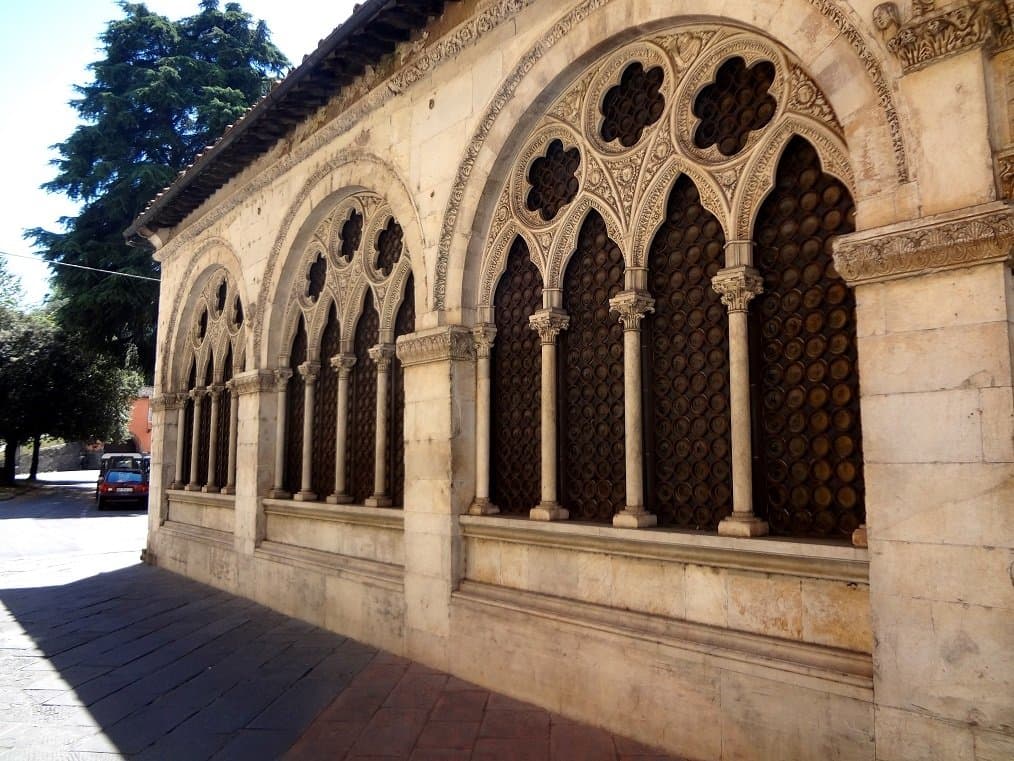
"It can be visited from the outside. It is of Baroque style and is surrounded by greenery, just a few steps from Piazza 40 Martiri, the Sperelliaba library lodges, the historic center, the Ceri path, Villa Ranghiasci, the Balestra restaurant, the beautiful Ischia funicular, and many other attractions.
!!!!!!!("
Giuseppe Costanzo
"It has been closed since August 2016, but everything is now ready for reopening after long and complex restoration work. On Sunday, December 20th, you can once again admire the masterpieces of a true Baroque jewel: the church of Madonna del Prato.
"We Eugubines are too fascinated by the beautiful Middle Ages that surround us," explains Paolo Salciarini, director of the Cultural Heritage Office of the Diocese of Gubbio, "and we fail to realize that we also possess great masterpieces from later periods. One of these, without a doubt, is the Madonna del Prato."
The history of this sacred building takes us back in time, to the 17th century. At the center of it all is a painted stone image depicting the Virgin and Child. Located just outside the city walls, it was highly venerated by the Eugubines of the time due to the occurrence of extraordinary and prodigious events. Tradition places the small church of that time as the home of the Blesseds Sperandio, Gennara, and Sperandia, who lived in the 13th century. On November 12, 1662, Bishop Alessandro Sperelli laid the foundation stone of the new church on land owned by the nuns of Santo Spirito. That same year, thanks to the intercession of Cardinal Carpegna, Msgr. Sperelli obtained the consent of Francesco Castelli, known as Borromini, to build a replica of his design for San Carlino alle Quattro Fontane in Rome.
"Truly a little gem that will now be reopened and will once again be the beating heart of the liturgical and pastoral life of our parish community, of the people who live there, and of our entire city." Father Fabricio Cellucci, parish priest of the Madonna del Prato, cannot hide his emotion at this long-awaited and long-dreamed-of moment. "I confess," the priest adds, "that these years of restoration have not been easy, but admiring the result makes me truly happy and moved. I think this can be the experience everyone will have when they cross the threshold of this church on Via Perugina: a masterpiece of faith lived in this beautiful, stupendous, and profound experience that is art."
Companies such as Monacelli Costruzioni Edili for the structural reinforcement, Ikuvium R.C. for the restoration, Illux for the lighting, Sauro Morelli for the flooring, and Tecnosystem for the audio system, coordinated by the architect and project manager, Francesco Raschi, worked on the building's restoration. Approximately €250,000 in earthquake funds provided by the Umbria Region and €420,000 in 8x1000 funds provided by the Italian Episcopal Conference, were used to finance the work. This is in addition to funds donated by the parish of Madonna del Prato, specifically for underfloor heating and part of the lighting system.
"It's truly a great satisfaction to have completed such a major restoration and recovery project for such a beautiful church," comments Bishop Luciano Paolucci Bedini. "Finally, the parish community has its own church again, where it can celebrate Sunday services, and it's a wonderful sign that this is happening during the Christmas season.""
Edoardo Mariotti
"The Church of the Madonna del Prato was built by the Eugubino master builder Carlo Perugini. The interior is a geometric copy of the Church of San Carlino alle Quattro Fontane in Rome, designed by Borromini and built by master builders Tommaso Damino and Niccolò Scala.
The first stone of the Eugubine church was laid in 1662.
The first stone of the Roman one instead in 1638.
It is one of the buildings to absolutely visit in Gubbio, together with the whole city, obviously."
leonardo clementi
What People Like
What People Dislike
Frequently Asked Questions
🚇 🗺️ Getting There
The Santuario della Madonna del Prato is conveniently located near Piazza 40 Martiri and the historic center of Gubbio. It's easily accessible on foot from the main attractions.
While specific parking details aren't widely shared, Gubbio has several public parking areas. It's best to park in one of the designated lots and walk to the sanctuary.
Gubbio has a bus system, but the sanctuary's central location makes walking the most practical way to reach it from most parts of the town.
🎫 🎫 Tickets & Entry
Information on ticket prices is not readily available, suggesting it might be free to enter or part of a larger city pass. It's advisable to check locally or upon arrival.
The church has undergone extensive restoration and has had periods of closure. It's crucial to verify current opening hours before your visit, as they can vary.
No, it has experienced closures for restoration. Always confirm its accessibility and opening times before planning your visit.
While mass times are a good indicator of when it's open, it's best to check for specific visitor hours outside of religious services.
🎫 🏛️ Onsite Experience
The Santuario della Madonna del Prato is a significant example of Baroque architecture, notably designed as a replica of Borromini's San Carlino alle Quattro Fontane in Rome.
Built in the 17th century, it houses a venerated painted stone image of the Virgin and Child and has a rich history tied to local traditions and religious events.
Absolutely! The church is celebrated as a masterpiece of art and faith, offering a glimpse into Baroque architectural brilliance and local history.
Yes, visitors highly recommend taking a guided tour to fully appreciate the sanctuary's art and history, with guides described as excellent and engaging.
This image of the Virgin and Child is central to the sanctuary's veneration and has been associated with miraculous events, making it a focal point for pilgrims and visitors.
📸 📸 Photography
Photography policies can vary. It's generally respectful to ask for permission or look for signage regarding photography inside religious sites.
The intricate Baroque details of the interior and the serene exterior surrounded by greenery offer beautiful photographic opportunities.
For Different Travelers
Tailored advice for your travel style
👨👩👧 Families with Kids
Consider combining a visit with exploring Gubbio's more interactive medieval streets and piazzas, which tend to captivate younger visitors more readily. Ensure you check opening hours, as the church has had periods of closure.
🏛️ History Buffs
Learning about the restoration process, funded by various sources including earthquake relief, also provides a fascinating look into contemporary heritage preservation efforts in Italy. A guided tour is highly recommended to fully grasp the historical significance.
Deep Dives
In-depth insights and expert knowledge
Architectural Marvel: A Borromini Replica
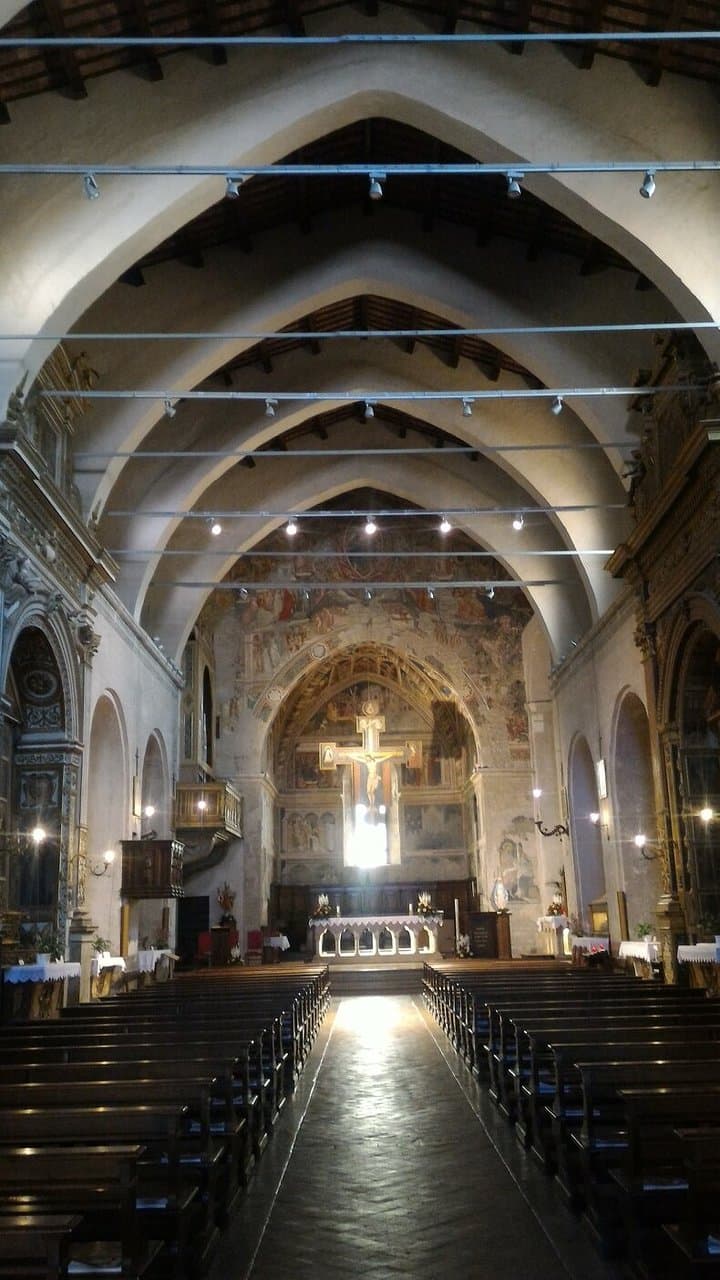
Visitors often remark on the church's beauty and the skill involved in replicating such a renowned Roman structure. The detailed interior, with its complex geometric forms and decorative elements, offers a captivating visual experience. It stands as a significant example of later artistic periods in Gubbio, often overshadowed by the city's more famous medieval heritage.
The restoration efforts have ensured that this architectural gem remains preserved for future generations. The project involved various companies specializing in structural reinforcement, restoration, lighting, and flooring, all coordinated by an architect and project manager.
History and Veneration
The current church's foundation stone was laid in 1662 by Bishop Alessandro Sperelli. The restoration project, completed with a mix of regional earthquake funds, Italian Episcopal Conference funds, and parish donations, aimed to revive the church as a vibrant center for liturgical and pastoral life. Father Fabrizio Cellucci, the parish priest, expressed deep emotion at its reopening, emphasizing the church as a 'masterpiece of faith lived in this beautiful, stupendous, and profound experience that is art.'
The reopening of the church during the Christmas season was seen as a wonderful sign for the parish community and the entire city. It signifies the return of a cherished spiritual and cultural landmark.
Social
from TikTok, Instagram & Reddit