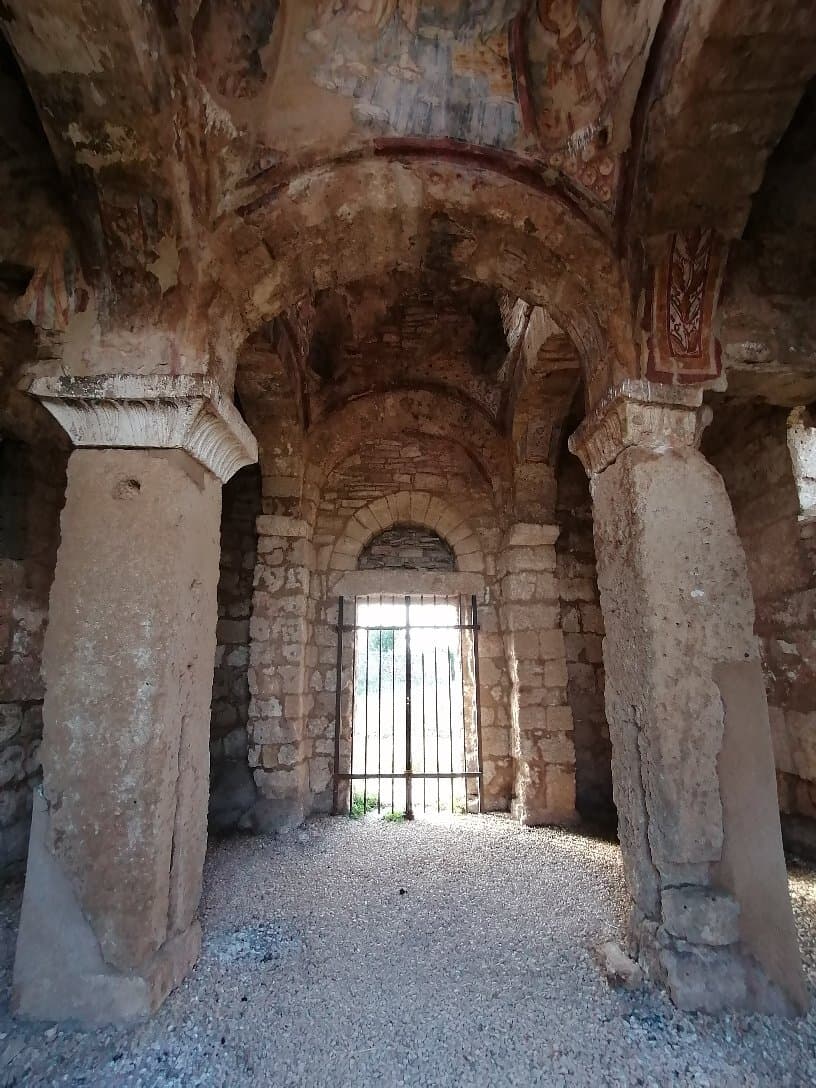
Tempietto di Seppannibale
A 7th-9th century Byzantine church with rare Lombard frescoes, nestled in an ancient olive grove. A historical gem needing preservation.
Highlights
Must-see attractions

Social
From TikTok & Reddit
Best Time
Guaranteed access to interior
Tempietto di Seppannibale
Best Time
Guaranteed access to interior
Highlights
Must-see attractions
A 7th-9th century Byzantine church with rare Lombard frescoes, nestled in an ancient olive grove. A historical gem needing preservation.
"A small gem of local cultural heritage nestled in the Piana degli Ulivi, a journey into the past."
Check FAI Days
For guaranteed interior access, plan your visit during FAI Spring Days. Otherwise, you'll see it from outside. :ticket:
Respect Private Property
The Tempietto is on private land. Be mindful of the farmhouse and its residents, including animals. :dog:
Highlights
Discover the most iconic attractions and experiences
Surviving Frescoes
Interior walls
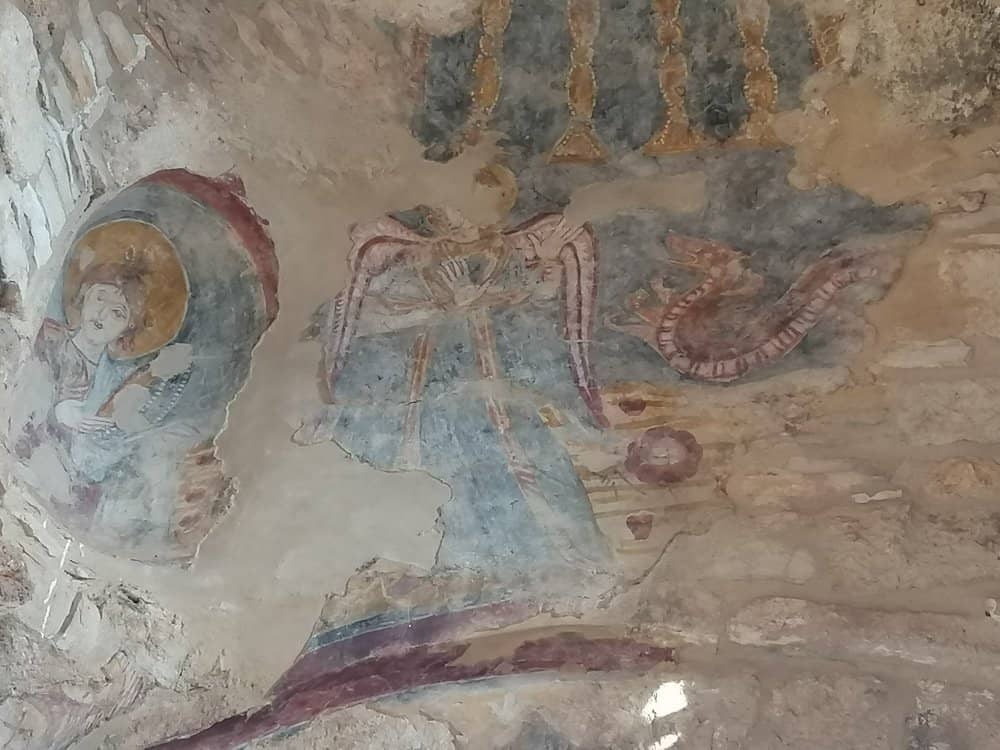
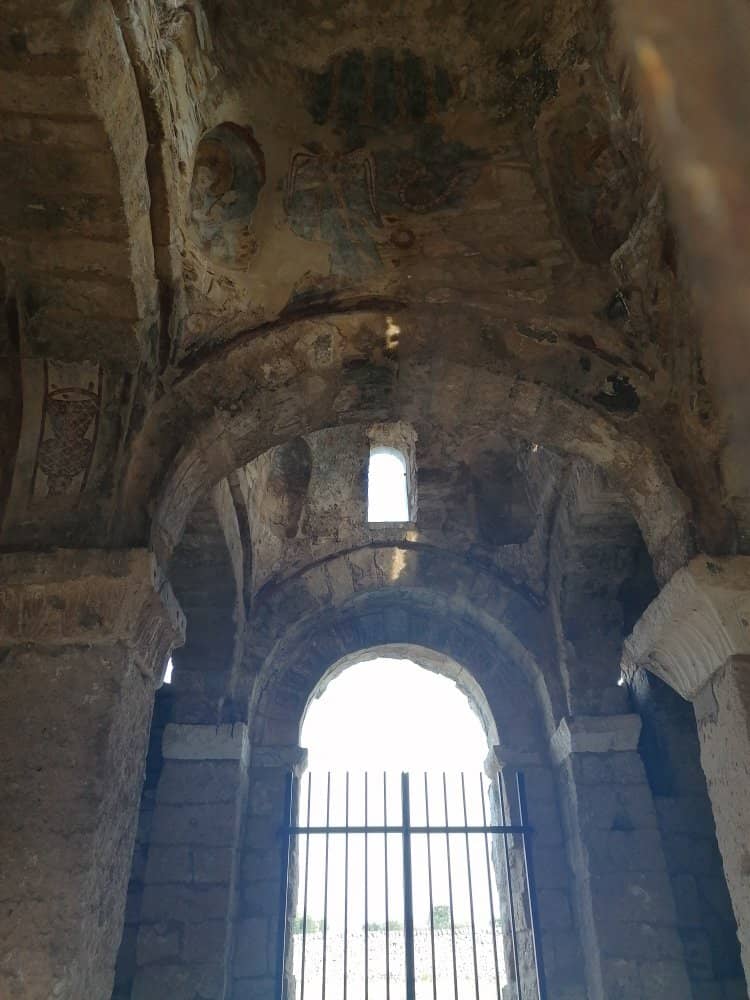
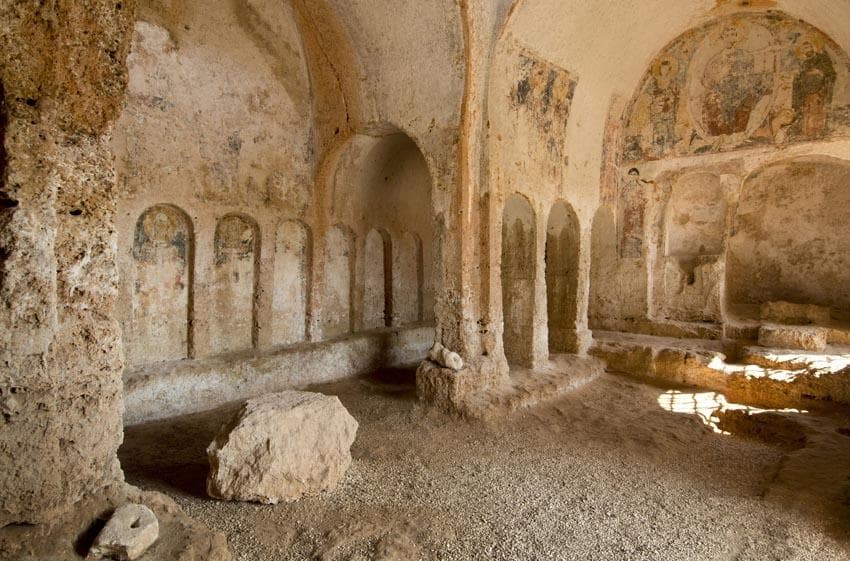
Vibrant, though faded, frescoes depict biblical scenes and symbolic figures, offering a rare glimpse into Lombard-Beneventan art.

Byzantine Architecture
Exterior and interior structure
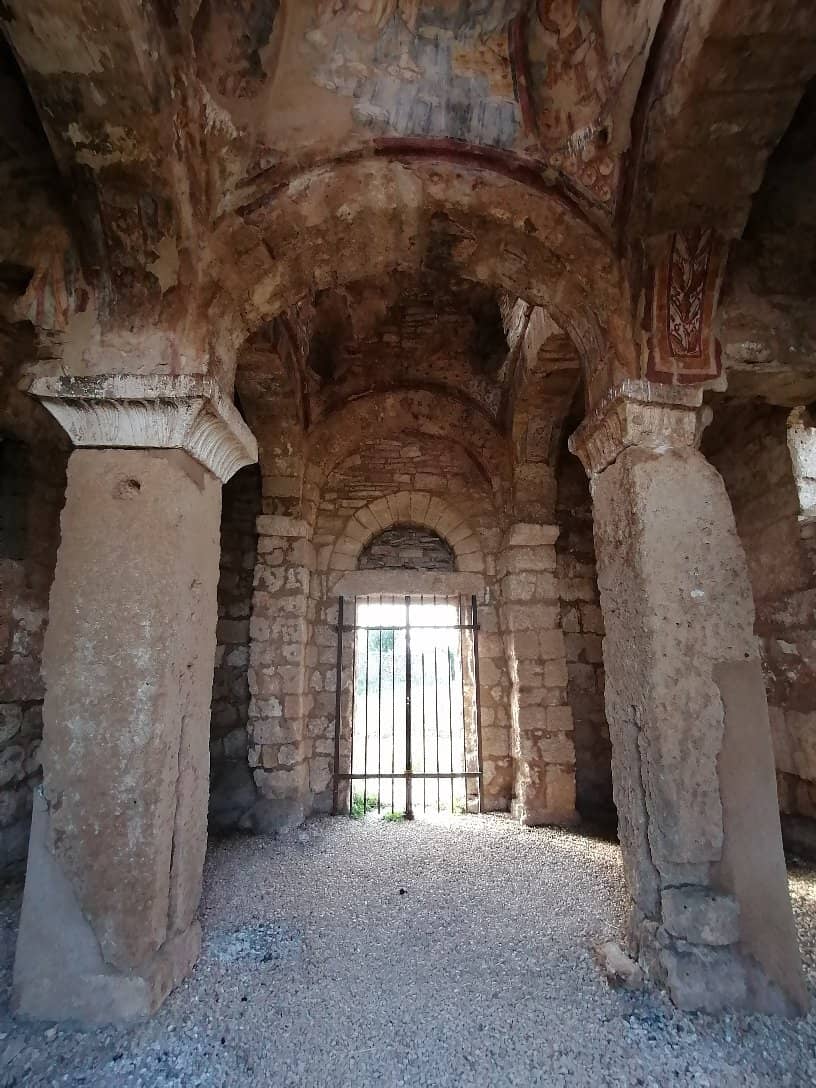
A unique three-nave plan with tuff pillars and semi-barrel vaults, showcasing early medieval architectural styles.

Piana degli Ulivi Setting
Surrounding countryside
Nestled in an ancient olive grove, the Tempietto offers a serene and picturesque setting, a true journey into the past.
Plans like a pro.
Thinks like you
Planning Your Visit
Access & Maintenance
Historical Significance
Best Times
Insider Tips
from TikTok, Instagram & Reddit
Check FAI Days
For guaranteed interior access, plan your visit during FAI Spring Days. Otherwise, you'll see it from outside. :ticket:
Respect Private Property
The Tempietto is on private land. Be mindful of the farmhouse and its residents, including animals. :dog:
Combine with Egnazia
It's a short distance from the Egnazia archaeological site, making it a great addition to a historical day trip. :world_map:
Watercolor Inspiration
The unique architecture and setting are perfect for artists, especially watercolor enthusiasts. :art:
Tips
from all over the internet
Check FAI Days
For guaranteed interior access, plan your visit during FAI Spring Days. Otherwise, you'll see it from outside. :ticket:
Respect Private Property
The Tempietto is on private land. Be mindful of the farmhouse and its residents, including animals. :dog:
Combine with Egnazia
It's a short distance from the Egnazia archaeological site, making it a great addition to a historical day trip. :world_map:
Watercolor Inspiration
The unique architecture and setting are perfect for artists, especially watercolor enthusiasts. :art:
What Travellers Say
Reviews Summary
Visitors find the Tempietto di Seppannibale a small but historically significant gem, particularly for its rare Lombard-Beneventan frescoes and unique architecture. However, many note its poor maintenance and limited accessibility, often being gated and part of a private property.
"It's definitely worth a quick visit. Located just off the main road, it's a short walk from the car park on the slip road. The small church, dating back to around the 10th century, is gated, but the interior is easily visible from three of its four sides. There are many fragments of frescoes. Unfortunately, the area is very poorly maintained, with a semi-abandoned farmhouse next to it."
Varcorvio
"A splendid example of ancient architecture. An 8th-9th century building. Easily accessible by car, it stands next to an abandoned farmhouse. It is gated but left to its own devices in all its splendor. It is still frescoed, although most of the frescoes have been lost.
Well worth a visit."
Giulia Del Nista
"A small gem of local cultural heritage nestled in the Piana degli Ulivi, about 3 km as the crow flies from the Egnazia archaeological site. A journey into the past that illustrates human presence and its relationship with the surrounding environment and resources through a journey through prehistoric caves, archaeological remains from the Imperial period, a small temple from the 7th-9th centuries AD, and a 16th-century farmhouse. Visited during the FAI Spring Days, and is maintained by the Diocesan Institute. Its only drawback: it is not accessible at other times."
Angela Sciatti
What People Like
What People Dislike
Frequently Asked Questions
🚇 🗺️ Getting There
The Tempietto is located just off the main road between Monopoli and Fasano, near the 'Seppannibale Grande' farmhouse. There's a slip road for parking, followed by a short walk. It's easily accessible by car.
Yes, there is a car park available on a slip road near the site, making it convenient for visitors arriving by car.
While it's a short walk from the car park, it's not typically a destination reached by public transport. Driving is the most practical way to access it.
Absolutely! It's a short distance from the Egnazia archaeological site and situated along an ancient stretch of the Via Traiana, making it ideal for historical tours.
🎫 🎫 Tickets & Entry
Generally, no tickets are required for exterior viewing. However, for guaranteed interior access to see the frescoes, it's best to visit during FAI Spring Days, as it's maintained by the Diocesan Institute and can be inaccessible at other times.
The Tempietto is often gated and part of a private farmhouse. Specific opening hours are not consistently available, but it's visible from the outside. FAI Spring Days offer scheduled access.
No, it's not always accessible. It's located on private property and can be gated. Visiting during special events like FAI Spring Days is recommended for interior viewing.
You can often see the interior through the gates, but full interior access is typically limited. Special events like FAI Spring Days are the best opportunity to explore inside.
🎫 🏛️ Onsite Experience
You can admire the 7th-9th century Byzantine architecture, including its three-nave plan and tuff pillars. The highlight is the visible remains of frescoes on the interior walls, depicting biblical scenes and symbolic figures.
Reviews suggest the area is poorly maintained, with a semi-abandoned farmhouse next to it. While the structure itself is historically significant, the surrounding grounds may appear neglected.
It's a significant example of Lombard-Beneventan architecture and art from the 7th-9th centuries. Its location also places it along an ancient route, connecting it to prehistoric caves and Roman periods.
Yes, photography is generally allowed, especially of the exterior and through the gates. The unique architecture and frescoes are popular subjects for photographers and artists.
📸 🎨 Art & Photography
Yes, the interior walls have remains of frescoes dating back to the Lombard-Beneventan period, featuring biblical stories and symbolic imagery.
The frescoes showcase a distinct Lombard-Beneventan pictorial style, predating Byzantine tastes, with lively narrative scenes and symbolic elements like a seven-headed dragon.
Absolutely! The unique architecture, the ancient frescoes, and the rustic setting in the olive groves make it a very photogenic spot.
The art is characterized by Lombard-Beneventan styles, evident in the frescoed scenes and figures, which scholars distinguish from later Byzantine influences.
For Different Travelers
Tailored advice for your travel style
👨👩👧 Families with Kids
Be prepared for the rustic surroundings and the fact that interior access might be limited. It's best combined with a visit to the nearby Egnazia archaeological site, which offers more space for kids to explore and learn about ancient life. Pack snacks and water, as amenities are scarce.
🎨 Art & History Enthusiasts
Make sure to research the historical context of the Lombard period and the significance of the Via Traiana beforehand. Visiting during FAI Spring Days is highly recommended for the best chance to study the interior details and frescoes up close. Consider bringing a sketchbook or camera to capture the intricate details, as highlighted by watercolor artists.
🚗 Day-Trippers from Nearby Cities
Combine your visit with the Egnazia archaeological park for a comprehensive historical experience. Allow about 30-60 minutes for the Tempietto itself, depending on whether you can access the interior. It’s a perfect stop to break up a drive and soak in some ancient history without a major time commitment.
Deep Dives
In-depth insights and expert knowledge
Architectural Significance
This architectural style is significant because it provides tangible evidence of the cultural and artistic exchanges occurring during the Lombard period in Southern Italy. The use of local materials like tuff and the specific vaulting techniques offer insights into the building practices and aesthetic preferences of the time. Its location, near the ancient site of Egnazia and along the Via Traiana, suggests it was part of a network of religious and cultural sites that facilitated the spread of ideas and styles across the region.
The Frescoes: A Window into Lombard Art
These frescoes are not just decorative; they are invaluable historical documents. They offer a direct visual link to the religious beliefs and artistic interpretations prevalent during the Lombard rule. The distinctiveness of these paintings allows art historians to trace artistic influences and regional variations within the broader context of early medieval art in Italy. The fact that they have survived, even in fragments, provides a rare opportunity to study this specific artistic tradition up close.
While the condition of the frescoes is a concern due to the site's maintenance issues, their visibility from the outside and during special openings like FAI Spring Days allows visitors to appreciate their historical and artistic merit. The watercolor rendering by @japsmamon on TikTok beautifully captures the essence of this ancient art, highlighting its enduring appeal.
Conservation Challenges and Community Efforts
However, there are efforts to preserve and highlight this cultural heritage. The Tempietto was visited during the FAI Spring Days, indicating that organizations like the FAI (Fondo Ambiente Italiano) recognize its value and work to make it accessible to the public on specific occasions. It is also maintained by the Diocesan Institute, suggesting a level of ongoing care, albeit perhaps not always visible to casual visitors.
Community discussions on Reddit highlight the desire for better preservation and accessibility. Visitors express a wish for the site to be better cared for, recognizing its potential as a significant cultural attraction. The hope is that increased awareness and continued efforts by heritage organizations will ensure the Tempietto di Seppannibale remains a visible testament to Puglia's rich history for future generations.
Social
from TikTok, Instagram & Reddit