Fano Cathedral
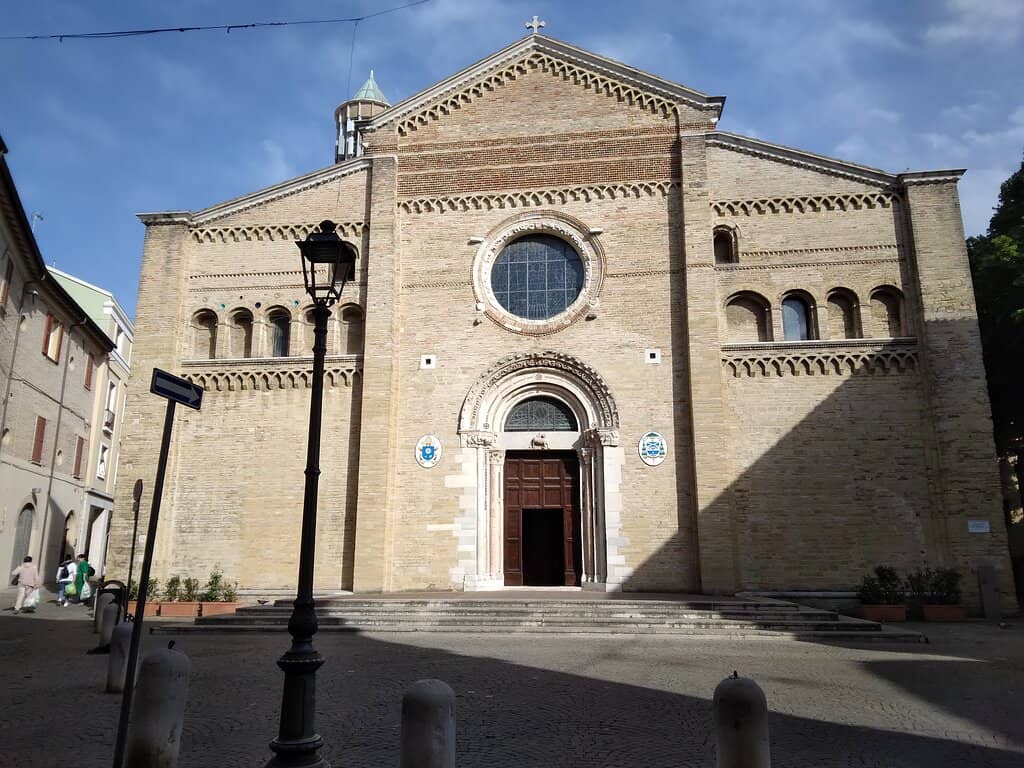
A 12th-century Romanesque gem in Fano, Italy, featuring a striking facade and a historically rich interior pulpit.
Highlights
Must-see attractions

Social
From TikTok & Reddit
Best Time
Potentially fewer crowds inside
Fano Cathedral
Best Time
Potentially fewer crowds inside
Highlights
Must-see attractions
A 12th-century Romanesque gem in Fano, Italy, featuring a striking facade and a historically rich interior pulpit.
"The Romanesque facade is beautiful, but interior access is frustratingly unpredictable. "
Confirm Opening Times 📞
Hours are discretionary. Call ahead or check locally to avoid missing out on the interior.
Focus on the Facade ✨
The Romanesque facade is a highlight, even if the interior is closed.
Highlights
Discover the most iconic attractions and experiences
Romanesque Facade
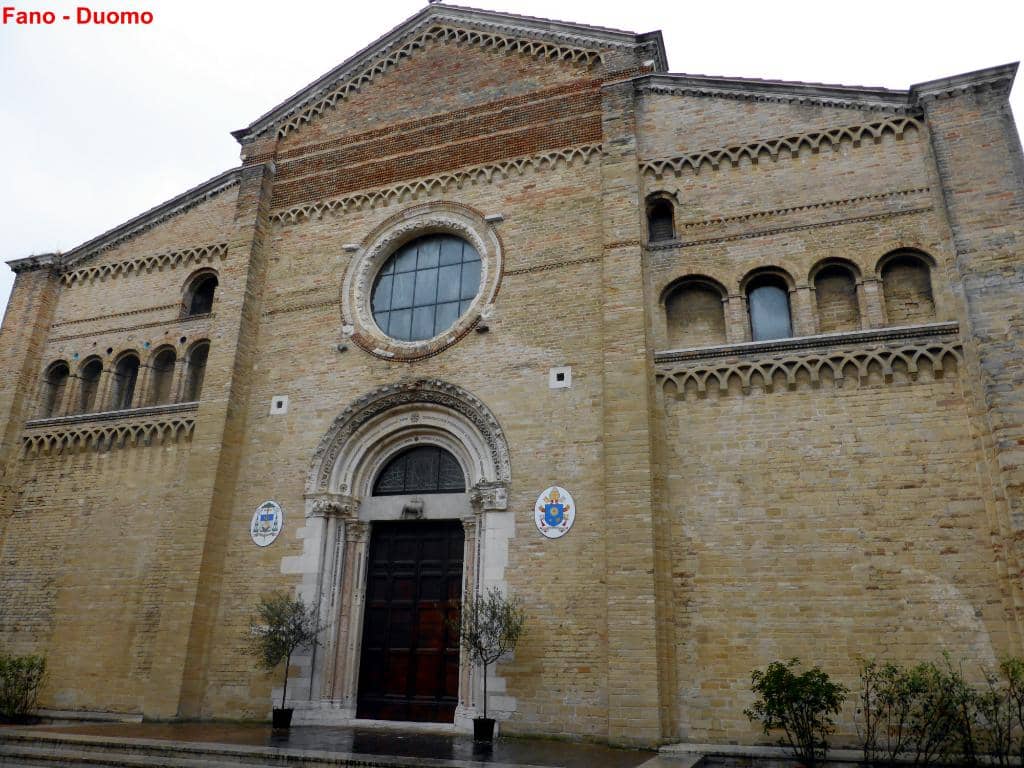
Admire the 12th-century Romanesque architecture, featuring a tripartite division, rose window, and intricately decorated portal.
Pulpit with Gospel Reliefs
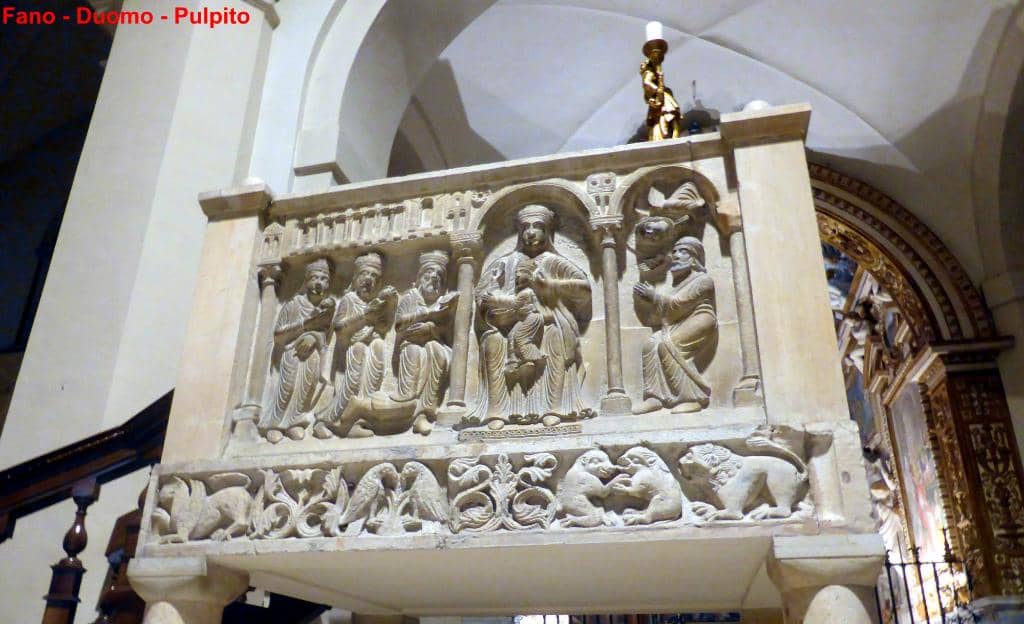
Discover the historical pulpit made of marble slabs depicting Gospel episodes from Jesus' life.
Plans like a pro.
Thinks like you
Planning Your Visit
Check Opening Hours in Advance
Appreciate the Romanesque Facade
Best Times
Insider Tips
from TikTok, Instagram & Reddit
Confirm Opening Times 📞
Hours are discretionary. Call ahead or check locally to avoid missing out on the interior.
Focus on the Facade ✨
The Romanesque facade is a highlight, even if the interior is closed.
Look for the Pulpit 🖼️
If you gain access, seek out the marble pulpit with Gospel reliefs.
Tips
from all over the internet
Confirm Opening Times 📞
Hours are discretionary. Call ahead or check locally to avoid missing out on the interior.
Focus on the Facade ✨
The Romanesque facade is a highlight, even if the interior is closed.
Look for the Pulpit 🖼️
If you gain access, seek out the marble pulpit with Gospel reliefs.
What Travellers Say
Reviews Summary
Fano Cathedral is appreciated for its significant Romanesque facade and historical pulpit. However, many visitors express frustration with inconsistent and often unavailable interior access, leading to missed opportunities to see its artworks.
"Nice building and nice place."
miso demetrian
"Wonderful"
Sanil Sebastian
"Fano Cathedral was built in the twelfth century on the site of a previous church that had been destroyed. It was erected by Master Rainerio in the Romanesque style and consecrated around 1140. The façade has retained its original Romanesque structure, thanks primarily to restoration work carried out in the 1920s. Of great historical and artistic value is the pulpit, composed of marble slabs with reliefs depicting Gospel episodes from the life of Jesus."
Fiorentino Stornaiuolo
What People Like
What People Dislike
Frequently Asked Questions
🚇 🗺️ Getting There
Fano Cathedral is located in the heart of Fano, Italy. It's easily accessible on foot if you are already in the city center. If arriving by car, look for public parking areas nearby. Public transport options within Fano are limited, so walking is often the most convenient way to reach it from other parts of the town.
Yes, Fano Cathedral is a prominent landmark in Fano's historic center and is generally easy to locate. Its central position makes it a common point of reference for visitors exploring the town.
🎫 🎫 Tickets & Entry
Entry to Fano Cathedral is typically free, as it is a functioning place of worship. However, access to specific areas or during special events might require a ticket or donation.
Opening hours can be inconsistent and are often at the discretion of the parish priest. It's highly recommended to check locally or call ahead, as listed hours may not always be accurate.
Visiting the interior depends on whether the cathedral is open during your visit. Some visitors have reported it being closed even during advertised hours.
Generally, there is no admission fee to enter Fano Cathedral. Donations are always welcome to help with its upkeep.
🎫 🏛️ Onsite Experience
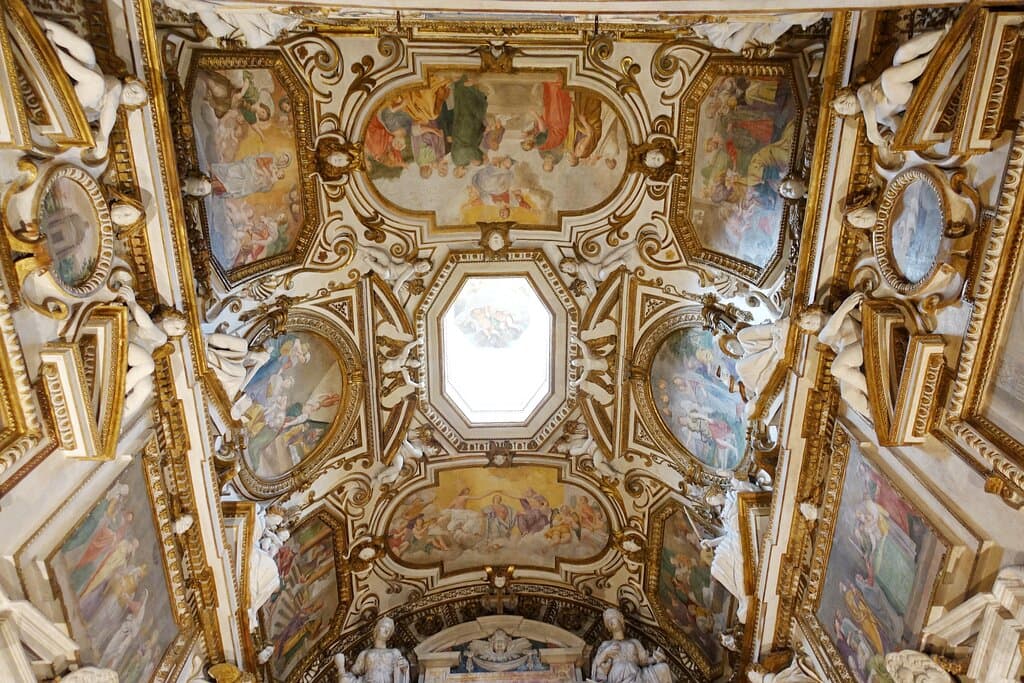
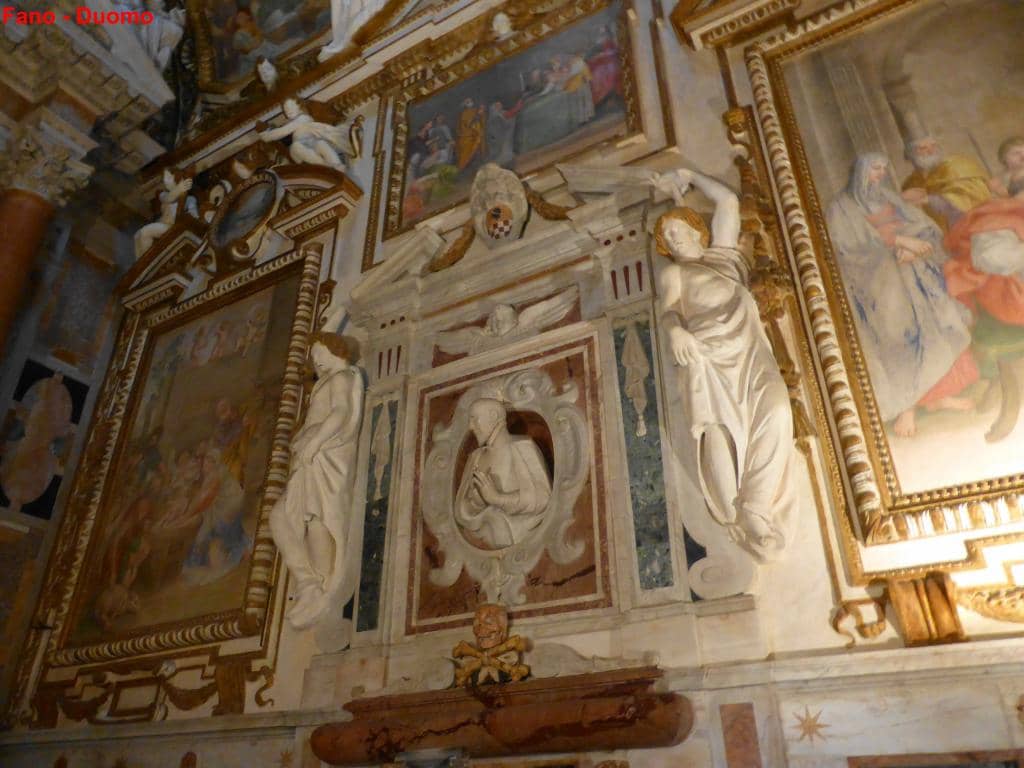
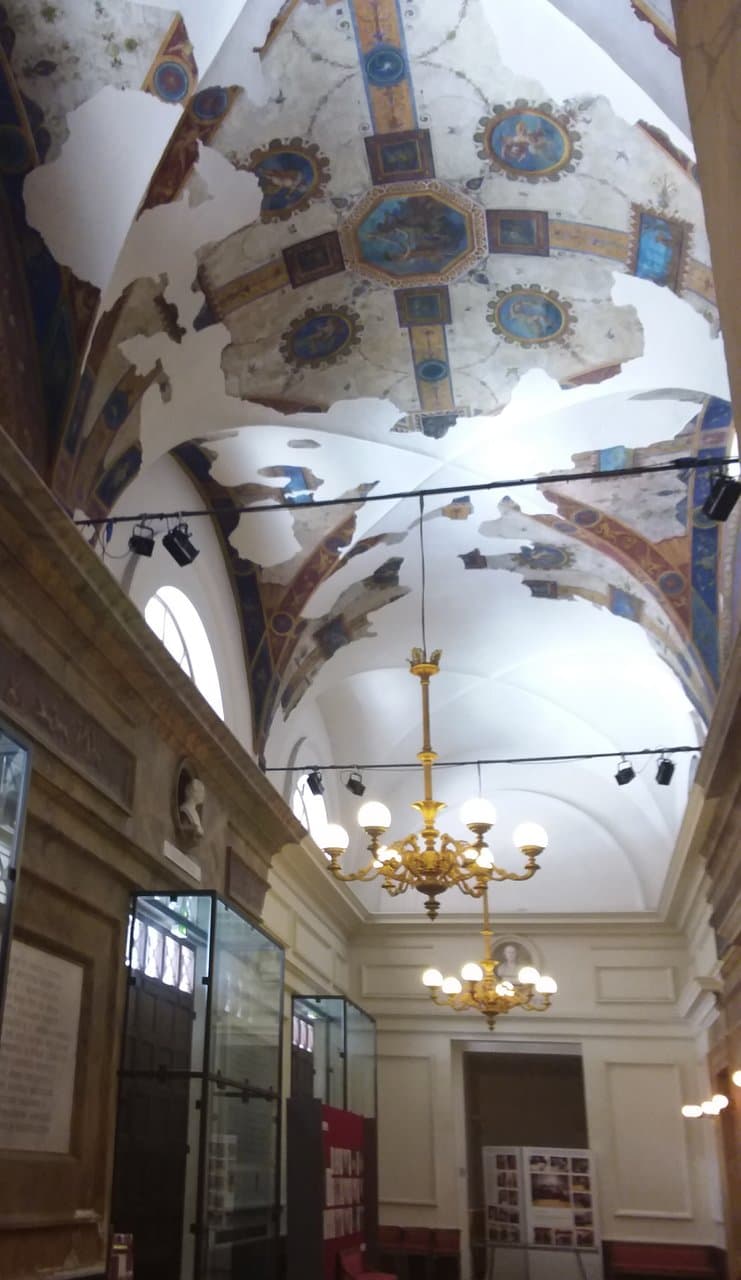
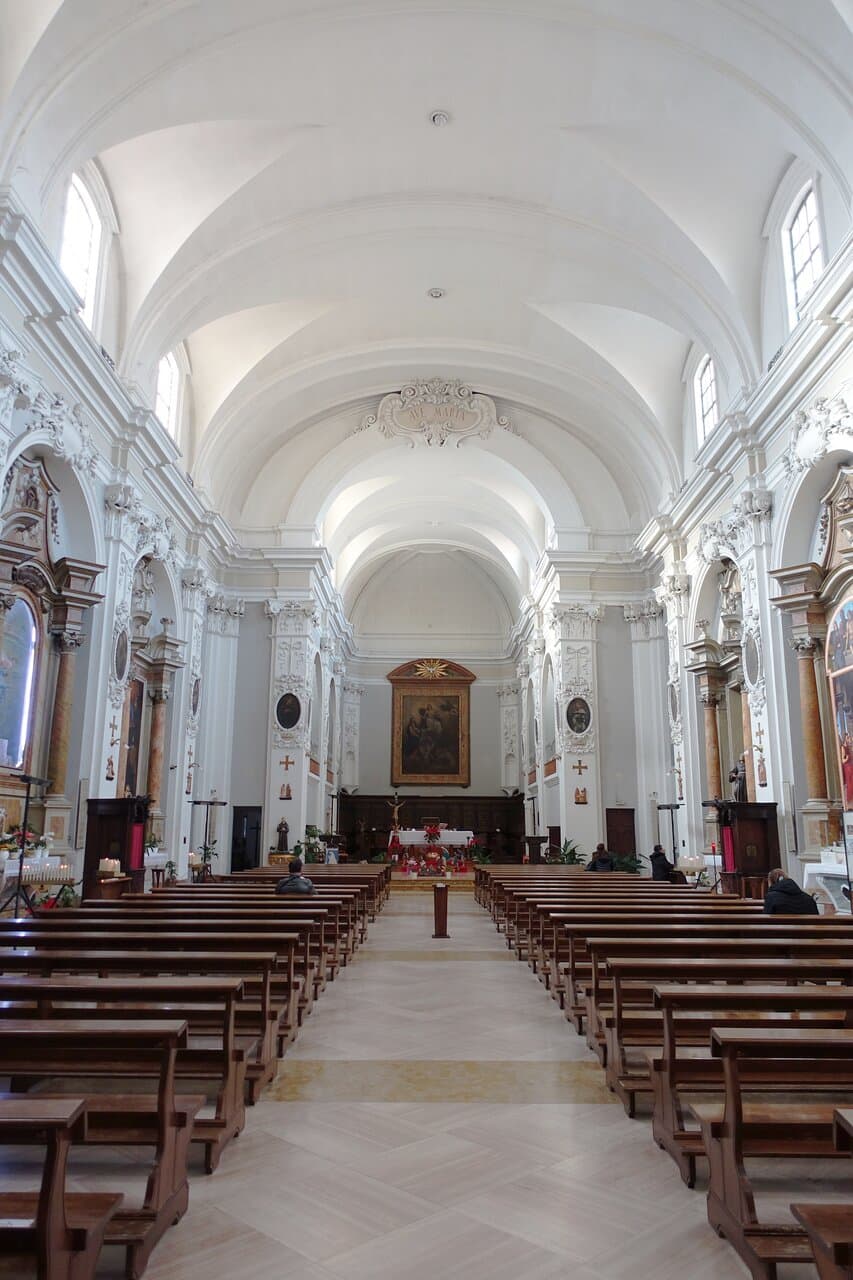
Inside, you can find the pulpit made of marble slabs with reliefs depicting Gospel episodes from the life of Jesus. The interior also houses frescoes by Domenichino and a canvas by Carracci, though access to these may be limited.
Fano Cathedral was built in the Romanesque style, consecrated around 1140. The facade has retained its original Romanesque structure.
The facade is a significant example of Romanesque architecture, featuring a tripartite division, an elegant tympanum, a rose window, and a splayed portal with decorative columns and capitals.
The Romanesque facade offers excellent opportunities for architectural photography. If the interior is accessible, the pulpit and any visible artwork could also be subjects.
🍽️ 🍽️ Food & Dining
Yes, Fano Cathedral is located in the city center, surrounded by numerous restaurants, cafes, and trattorias offering local Marche cuisine. You'll find plenty of dining options within walking distance.
For Different Travelers
Tailored advice for your travel style
History Buffs
If you are fortunate enough to gain access to the interior, the marble pulpit with its Gospel reliefs is a must-see artifact. The presence of works by artists like Domenichino and Carracci also adds layers of artistic history to the site, connecting it to later periods of artistic development in Italy.
Art & Architecture Admirers
Inside, the pulpit's narrative reliefs are a highlight, demonstrating skilled marble carving and storytelling through art. The potential presence of works by Domenichino and Carracci, if accessible, further enhances the cathedral's artistic appeal, offering a blend of medieval and later artistic periods within one location.
Deep Dives
In-depth insights and expert knowledge
Architectural Significance
The facade's design is characterized by a tripartite division of orders, creating a balanced and symmetrical appearance. The central section is dominated by an elegant tympanum, a beautiful rose window, and a magnificent splayed portal. This portal is further enhanced by small columns and arches, with capitals adorned with intricate plant and animal motifs, showcasing the craftsmanship of the era. The blind loggias on the lateral registers contribute to the facade's formal balance and aesthetic appeal.
Interior Treasures
Beyond the pulpit, the cathedral is also noted for housing frescoes by the renowned artist Domenichino and a canvas by Annibale Carracci. These artworks represent important contributions to Italian Renaissance and Baroque art. However, visitors should be aware that the availability of viewing these interior treasures is contingent on the cathedral's opening hours and the discretion of the parish priest, which has led to disappointment for some.


Social
from TikTok, Instagram & Reddit