Chiesa della Commenda Faenza
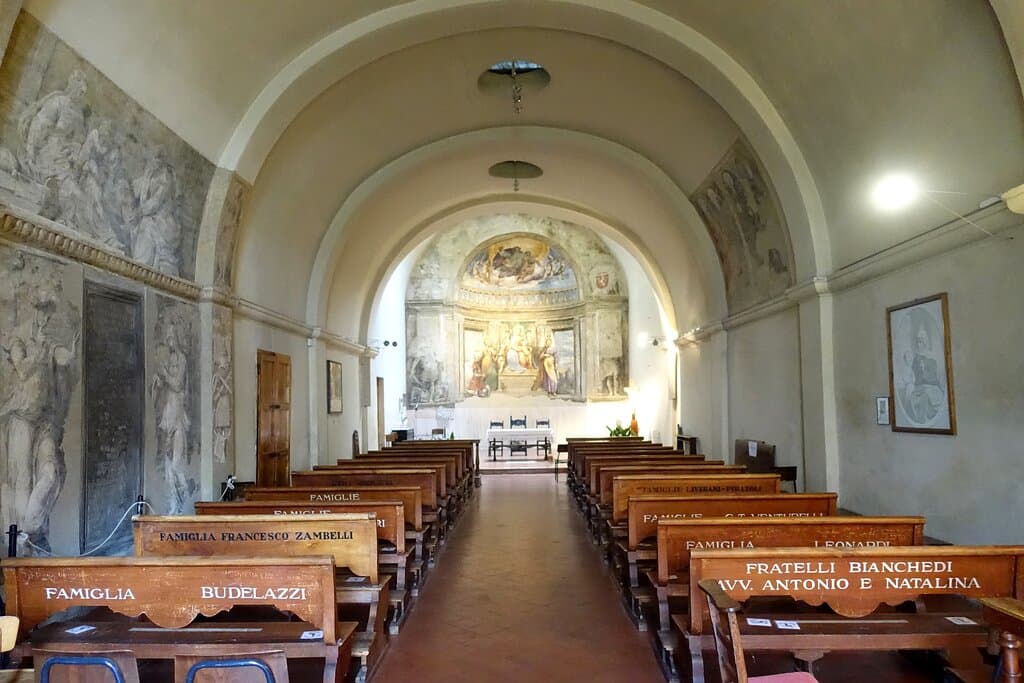
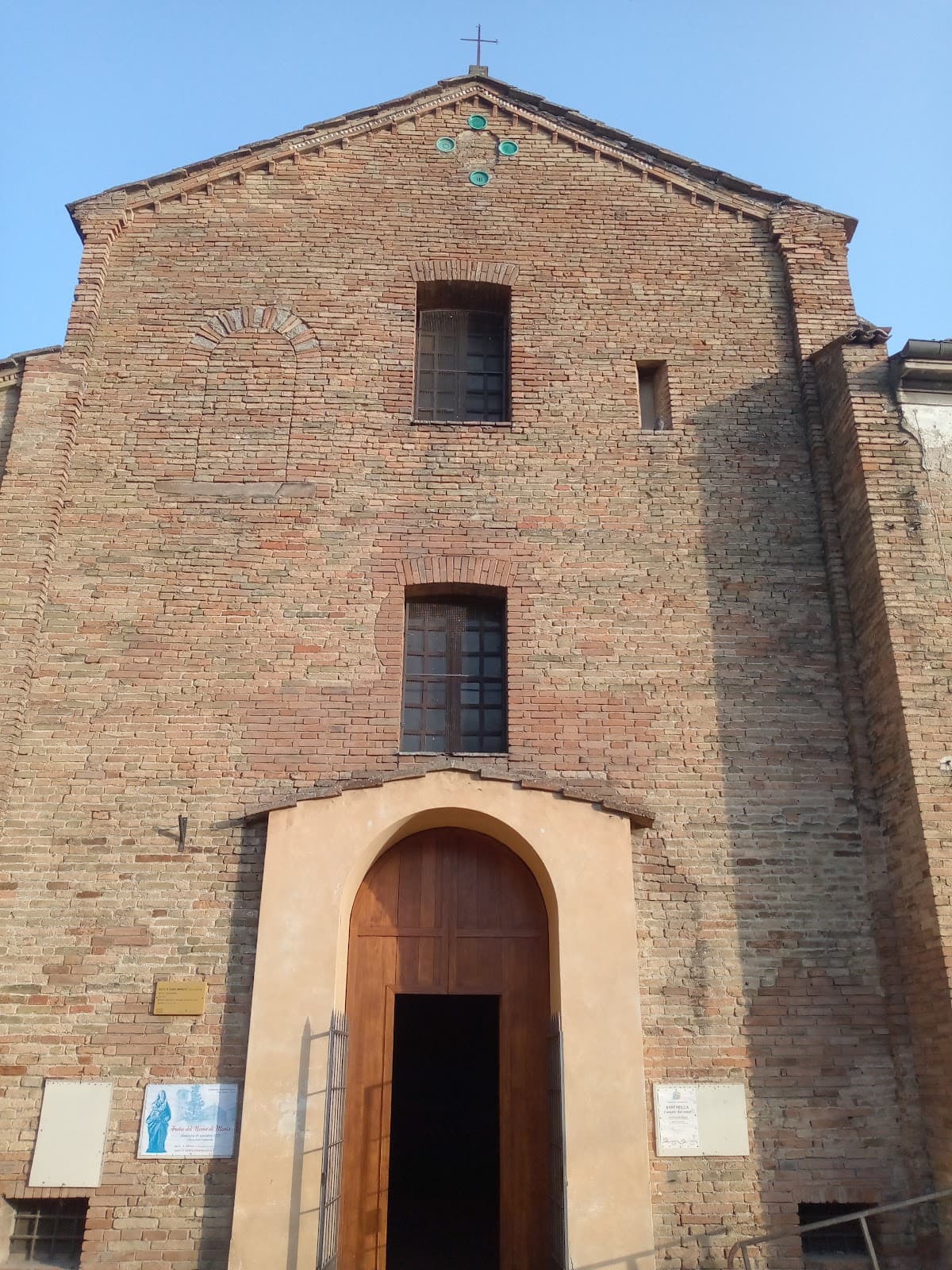
A resilient 11th-century Romanesque church in Faenza, featuring evocative frescoes and a charming adjacent cloister.
Highlights
Must-see attractions

Social
From TikTok & Reddit
Best Time
Best for frescoes & cloister
Chiesa della Commenda Faenza
Best Time
Best for frescoes & cloister
Highlights
Must-see attractions
A resilient 11th-century Romanesque church in Faenza, featuring evocative frescoes and a charming adjacent cloister.
"A true gem and survivor of wartime bombings, offering a glimpse into medieval art and architecture."
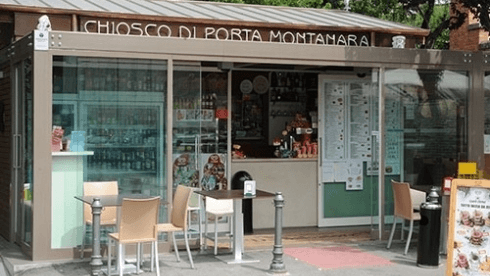
☕ Cafe Access to Cloister
Enter the adjacent cafe to access the free cloister. It's a unique way to see this historic space!
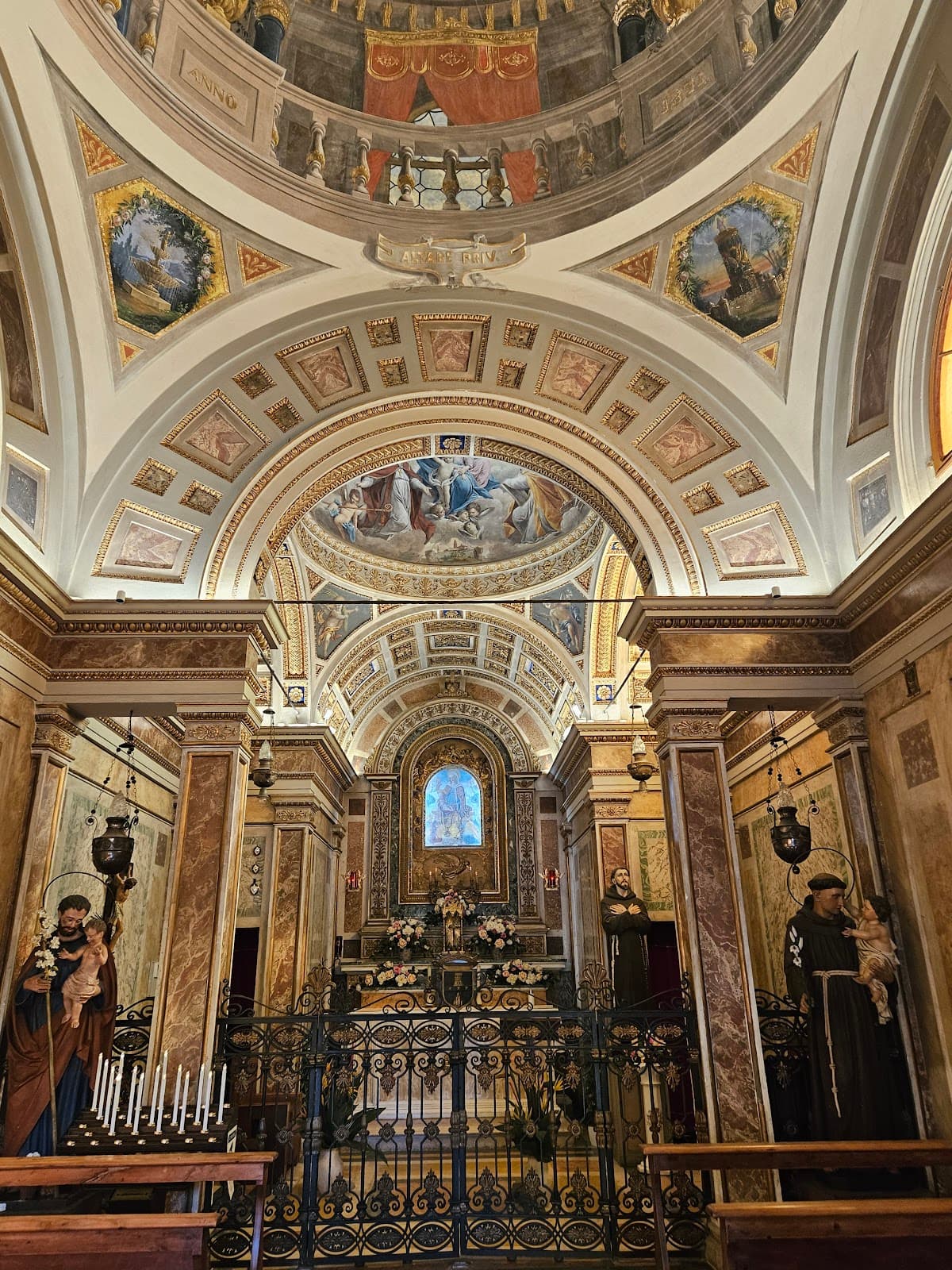
🎨 Appreciate the Frescoes
Look for the best-preserved frescoes behind the altar for a glimpse of medieval art.
Quick Facts
Rating
4.6 · 62 reviews
Type
Church
Highlights
Discover the most iconic attractions and experiences
15th & 16th Century Frescoes
Interior of the church
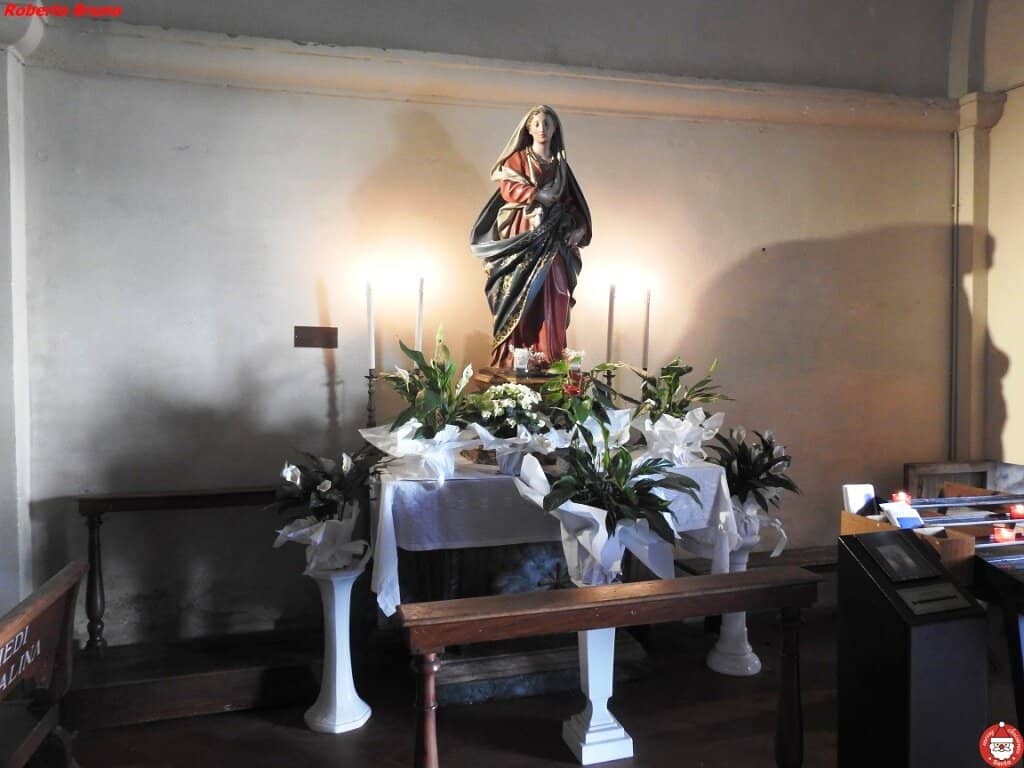
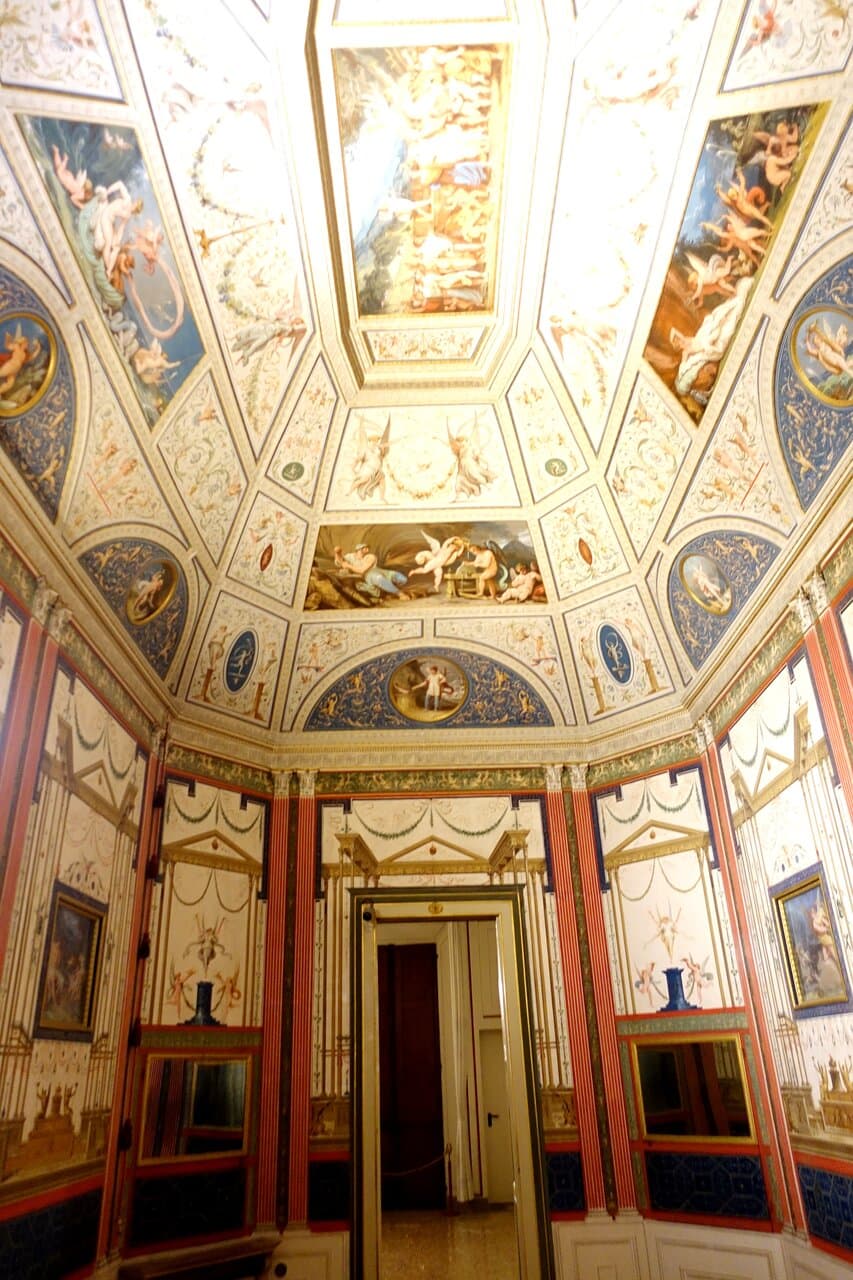
Discover evocative frescoes, particularly remnants behind the altar, showcasing medieval artistry.
Borgo Durbecco Cloister
Adjacent to the church
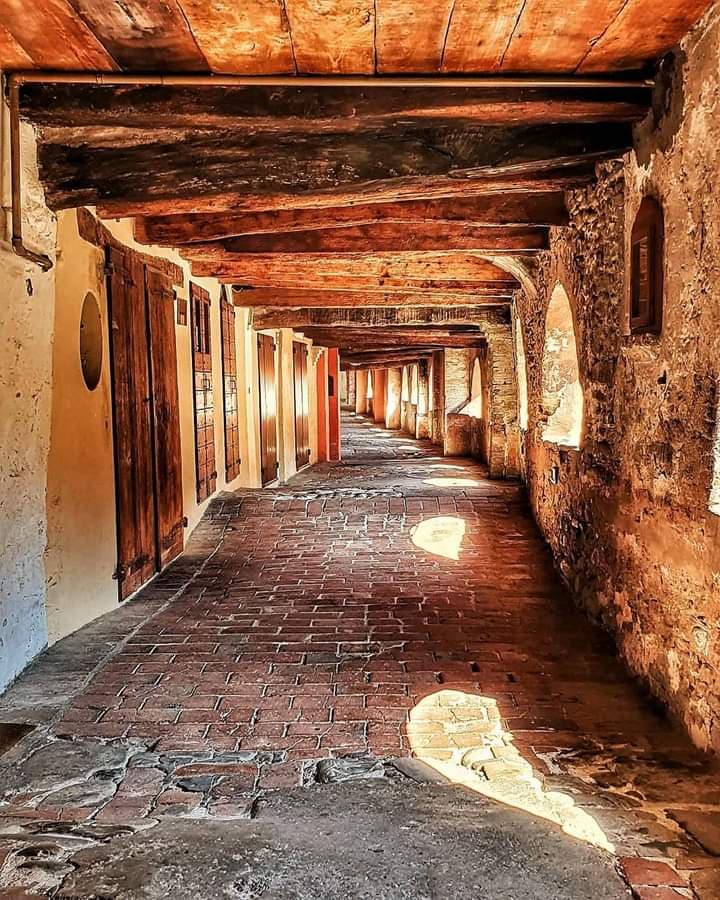
A charming 12th-15th century cloister, offering a peaceful atmosphere and a peek into local history.
Romanesque Architecture
Exterior and interior
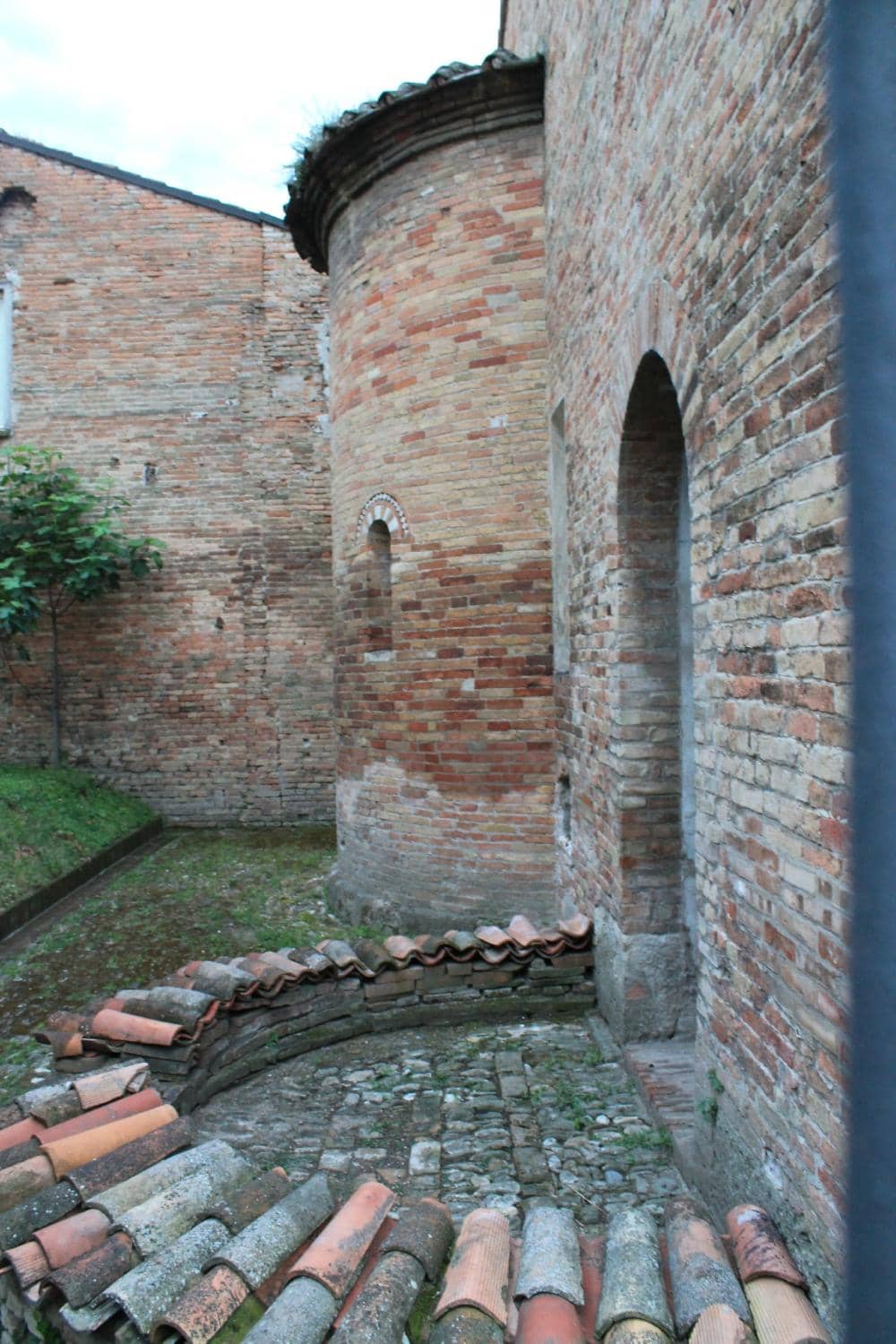
Admire the enduring Romanesque style of this 11th-century church, a survivor of wartime bombings.
Plans like a pro.
Thinks like you
Planning Your Visit
Timing Your Visit
Accessing the Cloister
Best Times
Insider Tips
from TikTok, Instagram & Reddit
☕ Cafe Access to Cloister
Enter the adjacent cafe to access the free cloister. It's a unique way to see this historic space!
🎨 Appreciate the Frescoes
Look for the best-preserved frescoes behind the altar for a glimpse of medieval art.
🚶♀️ Explore Borgo Durbecco
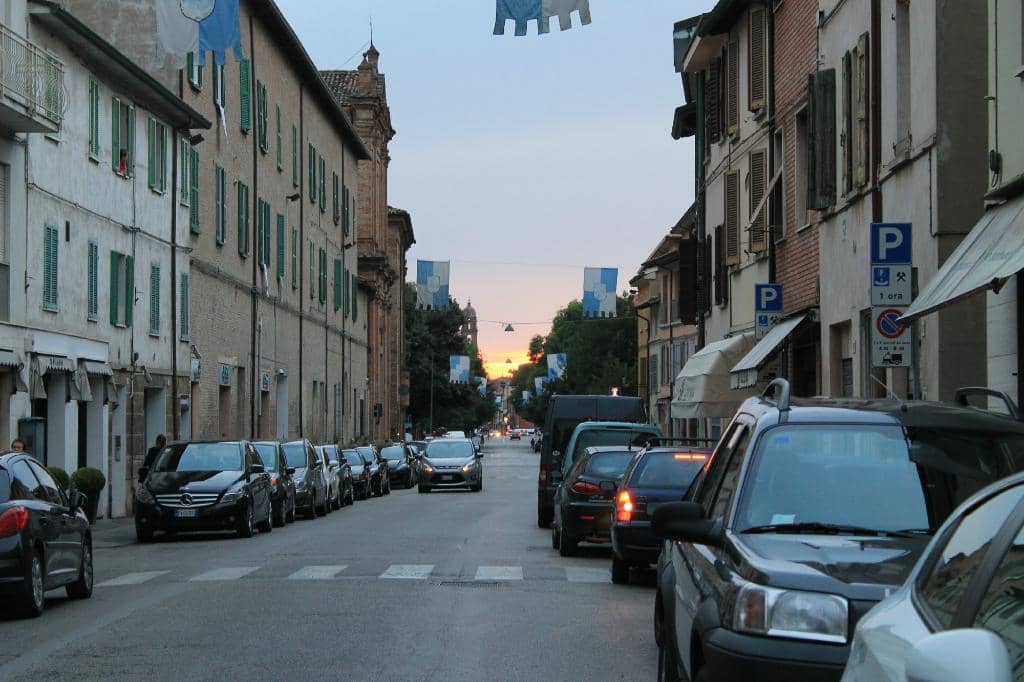
The church is part of the Borgo Durbecco district, explore the surrounding area for more history.

Tips
from all over the internet
☕ Cafe Access to Cloister
Enter the adjacent cafe to access the free cloister. It's a unique way to see this historic space!
🎨 Appreciate the Frescoes
Look for the best-preserved frescoes behind the altar for a glimpse of medieval art.
🚶♀️ Explore Borgo Durbecco
The church is part of the Borgo Durbecco district, explore the surrounding area for more history.
What Travellers Say
Reviews Summary
Visitors praise the Chiesa della Commenda as a true gem and a survivor of wartime bombings, highlighting its beautiful Romanesque architecture and evocative frescoes. The adjacent cloister, accessible via a cafe, is also a charming find. Some note the cloister's use as storage, but overall, it's considered a worthwhile artistic and historical discovery.
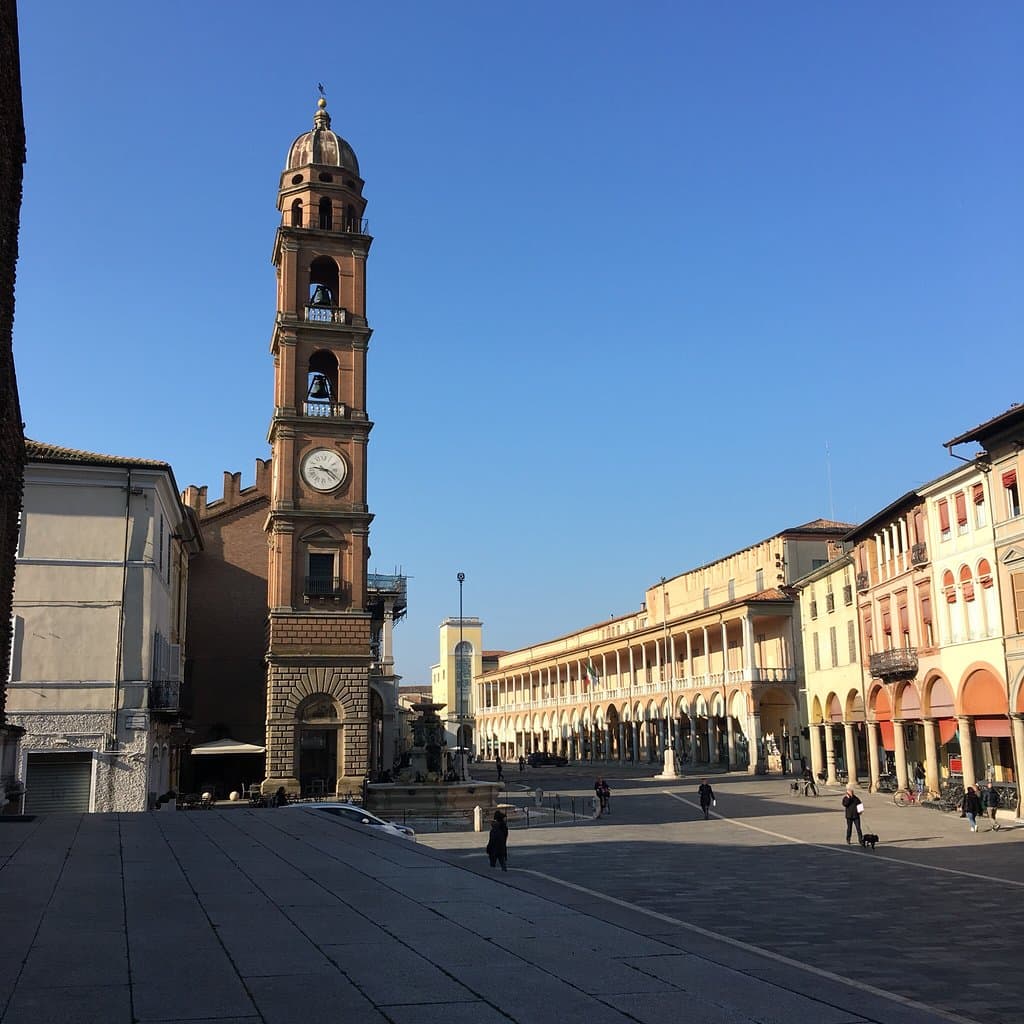
"The oldest 11th-century church to survive the massive bombings of the war. A true gem. It is located within the Borgo Durbecco district of Faenza. It can be reached from the road between the fountain and the bell tower in Piazza della Libertà. Continuing straight, you cross a bridge and, continuing a bit to the right, you'll find it before reaching the city gate, the only one that also remained intact from the bombings. The church is a little gem. Next to the church is a café; you enter the café and can visit the cloister of the ancient Borgo Durbecco for free. There is also a staircase leading to the second floor. The cloister is charming, but it's somewhat used as a storage area for the café. On the second floor are Faenza ceramics."
Massimo Avitabile
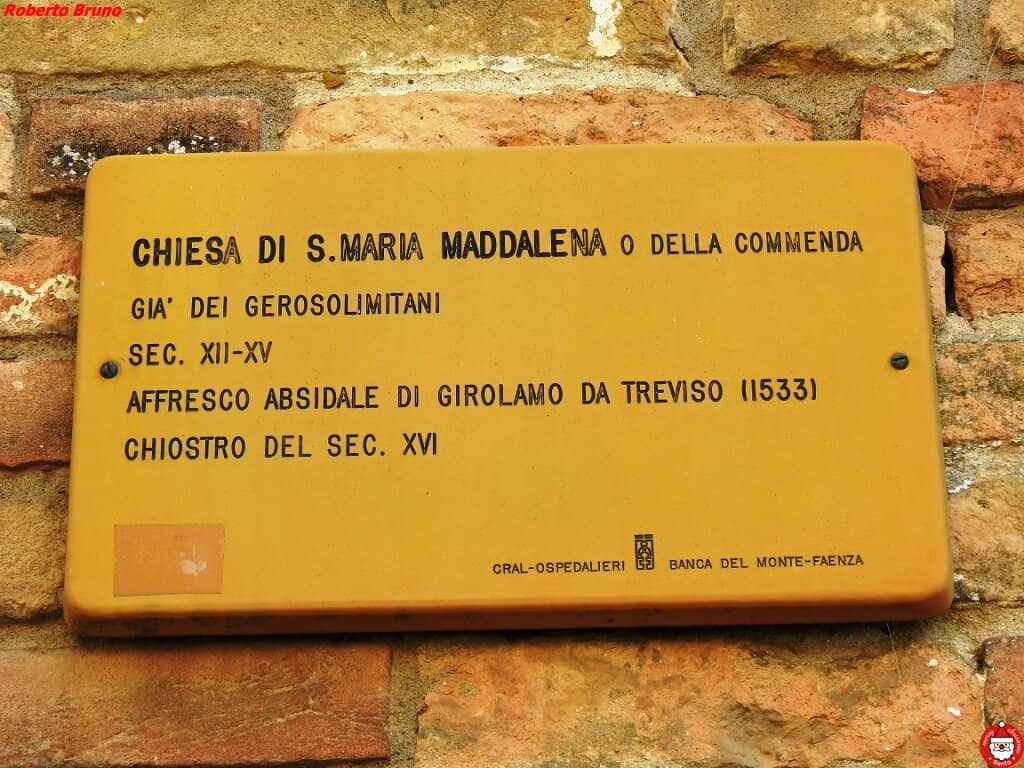
"It dates back to the 12th-15th century with a beautiful Cloister from the following century; it is dedicated to Santa Maria Maddalena; it is very small and there are few things to see inside except the frescoes, or their remains, which are found a bit around the Church but especially in the part behind what once must have been the Altar and this is the best preserved Fresco. It is interesting."
Roberto Bruno
"Splendid Romanesque church with notable frescoes from the 15th and 16th centuries"
Maurizio Lodesani
What People Like
What People Dislike
Frequently Asked Questions
🚇 🗺️ Getting There
The church is located in the Borgo Durbecco district. From Piazza della Libertà, head towards the city gate, crossing a bridge. It's a survivor of wartime bombings and is near a cafe.
While specific parking isn't detailed, the church is accessible from Piazza della Libertà, suggesting nearby public parking options in the city center. It's recommended to check local parking apps or signs.
As it's located within Faenza's city center, it's likely accessible via local bus routes that serve Piazza della Libertà or nearby stops. Check Faenza's public transport schedules for details.
🎫 🎫 Tickets & Entry
Entry to the church itself is generally free, as it's a historic site. However, the adjacent cloister is accessed through a cafe and is also free to visit.
Specific opening hours are not widely published. It's best to visit during daylight hours to see the frescoes and cloister. Check for any local event schedules as it may host special viewings.
No, the cloister of Borgo Durbecco, adjacent to the church, is free to visit. You can access it by entering the connected cafe.
Yes, the cloister is accessed via a connected cafe, making it easy to visit both the church and the cloister during your exploration of the Borgo Durbecco district.
📸 📸 Photography
Photography is generally permitted inside historic churches for personal use, but it's always best to check for any posted signs or ask locally to be sure, especially regarding flash photography.
The remnants of frescoes, especially those behind the altar, offer unique photographic opportunities. The charming cloister also provides picturesque shots.
Yes, photography is typically allowed in the cloister. Its architectural details and serene atmosphere make for lovely photos.
🎫 🏛️ History & Art
Dating back to the 11th century, this Romanesque church is a survivor of wartime bombings. It features notable frescoes from the 15th and 16th centuries.
The church is known for its suggestive and beautiful frescoes, with the most well-preserved ones found behind the former altar.
Borgo Durbecco is a historic district in Faenza, and the Chiesa della Commenda is located within it. The district also features a charming cloister and a park.
Social
from TikTok, Instagram & Reddit